Whether a Chow Chow Will Soil Its Crate
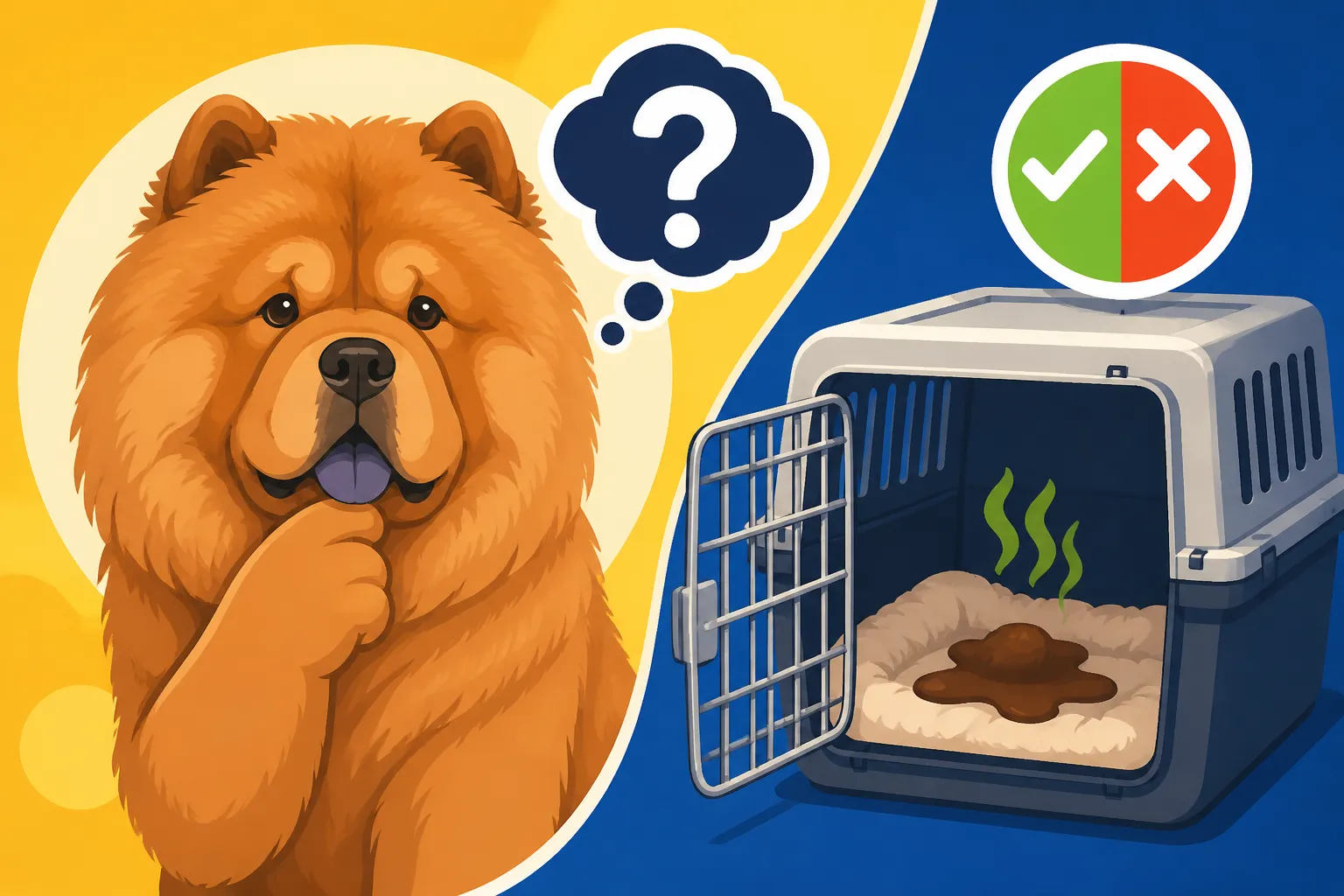
One of the most disheartening things you can experience as a new Chow Chow owner is waking up to a mess in the crate. You've heard how inherently clean these dignified dogs are, and you're counting on that to make housetraining a breeze, so discovering a soiled den can feel like a major setback, leaving you wondering if your Chow Chow is an exception to the rule or if you're doing something wrong. This guide aims to reassure you that crate soiling is usually a solvable problem, delving into the nuances of Chow Chow behavior and offering practical strategies to ensure their crate remains a clean, comfortable, and respected space.
Understanding the Chow Chow's Instincts and Housetraining Habits
Chow Chows, with their ancient lineage, often exhibit strong natural instincts that can be a huge asset in housetraining. However, it's also important to understand where these instincts might be challenged, leading to unexpected issues like crate soiling. It's not always as simple as "they just know."
The Chow Chow's Innate Cleanliness
It’s true, Chow Chows generally have a reputation for being quite clean dogs, and this isn't just an old wives' tale. Historically, many ancient breeds, including the Chow Chow, developed a strong inclination to keep their sleeping and living areas free from waste. This deep-seated instinct stems from survival; wild canids instinctively try to keep their dens clean to avoid attracting predators or spreading disease. For your Chow, this means they typically prefer not to relieve themselves where they rest. This trait is often why people praise The Chow Chow Is One of the Easiest Breeds to Housetrain. They don't usually want to soil their own space, which makes crate training a natural fit.
When a Chow Chow puppy comes home, this instinct is usually present, even if it's still developing. They'll often try to hold it in their crate, preferring to wait until they are let outside. This is a huge advantage over some other breeds that might be less particular about their immediate surroundings. If you've ever had a puppy from a breed known for being a bit messier, you'll instantly appreciate the Chow Chow's natural inclination towards tidiness. This natural preference for cleanliness is the foundation upon which successful crate training is built, making it an excellent tool for managing a young Chow's bladder and bowel control development.
Why Accidents Still Happen
Despite their inherent cleanliness, crate accidents do happen with Chow Chows, and it’s rarely out of spite or a lack of understanding. More often, it's a symptom of a mismatch between the dog's needs and the training environment. One common reason is simply being left in the crate for too long. A young puppy, even a naturally clean one, has a tiny bladder and simply cannot hold it for an extended period. Expecting a small puppy to go through an entire workday without a potty break is unrealistic and unfair. As they grow, their capacity improves, but even adults have their limits. An adult Chow Chow might be able to hold it for several hours, but a full eight-hour workday without a break is pushing it for most.
Another frequent cause is an improperly sized crate. If the crate is too large, your Chow Chow might designate one end as a "bedroom" and the other as a "bathroom." This completely defeats the purpose of leveraging their natural cleanliness instinct. Conversely, if the crate is too small, they might feel uncomfortably cramped and have no choice but to soil their bed, leading to a breakdown of their clean den mentality. Stress and anxiety can also play a huge role. A Chow Chow that is feeling anxious, perhaps due to separation anxiety or a new environment, might lose control of their bladder or bowels, not out of defiance, but from sheer emotional overload. Medical issues, though less common, should always be ruled out if crate soiling is a sudden or persistent problem, especially if it occurs with an otherwise well-housetrained dog. How Fast a Chow Chow Housetrains often depends on consistent application of good principles, which can be undermined by these factors.
Setting Up the Crate for Success with a Chow Chow
The crate isn't just a cage; it's a vital tool in your Chow Chow's training and a personal den for them. Setting it up correctly is paramount to preventing soiling and ensuring it becomes a place of comfort and security.
Choosing the Right Crate Size
This is probably one of the most critical factors in preventing crate soiling. The golden rule for crate size is that it should be just large enough for your Chow Chow to stand up, turn around, and lie down comfortably. No more, no less. If the crate is too big, a Chow Chow, even with its clean instincts, can easily partition the space. They might sleep in one corner and eliminate in another, especially if they are particularly uncomfortable holding it or are experiencing anxiety.
Imagine their thought process: "Well, I really need to go, and this big box has plenty of room, so I'll just use that back corner and still keep my bed clean." For puppies, this means using a crate with a divider, allowing you to expand the space as they grow. This way, you're consistently challenging them to hold it until they are outside. Many crates, like those you can find on Amazon, come with adjustable dividers specifically for this purpose. When you get a new puppy, or even an adult Chow, observe them in the chosen crate. Do they have too much extra room? Can they easily take a few steps away from their sleeping spot to relieve themselves? If so, you need to adjust the size, either with a divider or by getting a smaller crate. This precise sizing forces them to associate the entire crate with their sleeping area, thus engaging their natural desire for cleanliness.
Making the Crate a Safe Haven
A crate should never be seen as a punishment. If your Chow Chow associates the crate with negative experiences, they will not want to be in it, and anxiety or fear can easily lead to accidents. The goal is to make the crate a comfortable, safe, and inviting den where they choose to relax. Start by introducing it positively. Place soft bedding inside – something cozy but easy to clean in case of initial accidents. You can find excellent, durable, and comfortable crate pads that fit various sizes on Amazon. Add a favorite chew toy or a puzzle toy filled with treats to make crate time a rewarding experience.
Feed your Chow Chow meals inside the crate with the door open, or closed for short periods as they become more comfortable. This builds a strong positive association. Never use the crate as a "timeout" spot for bad behavior. If your Chow Chow misbehaves, it's better to redirect their energy or calmly remove them from the situation. Consistent positive reinforcement is key. If your Chow Chow views their crate as their personal sanctuary, a quiet place to retreat, they will be much less likely to soil it. A comfortable, secure Chow Chow is a clean Chow Chow when it comes to their personal space. Many online training programs, such as BAXTER & Bella, emphasize positive reinforcement for crate training, which aligns perfectly with a Chow Chow's personality.
Crate Training Techniques to Prevent Soiling
Beyond the initial setup, the actual training process itself needs to be strategic and consistent, especially with a breed as intelligent and particular as the Chow Chow. This isn't just about putting them in a box; it's about building habits and trust.
Establishing a Consistent Schedule
Consistency is absolutely critical when it comes to housetraining any dog, and Chow Chows are no exception. Establishing a predictable routine for potty breaks, meals, and playtime is the cornerstone of successful crate training. Puppies, especially, need very frequent trips outside – usually every 1-2 hours initially, immediately after waking up, after eating, and before bedtime. They simply can't hold it for long. As they get older, the time between breaks can gradually increase, but a strict schedule helps their bodies learn when it's appropriate to eliminate.
For an adult Chow Chow, a consistent morning, midday (if possible), and evening schedule is generally sufficient, along with a final trip out before bed. The routine should be non-negotiable. If you consistently take your Chow outside at the same times each day, their body will adjust, and they'll be much more likely to hold it in their crate until those designated times. Without a schedule, their bodies have no rhythm, making accidents more probable. Always take them to the same potty spot outside, and reward them lavishly with praise and a high-value treat when they go. This positive reinforcement reinforces the correct behavior in the correct location. How Fast a Chow Chow Housetrains is directly linked to how consistent you are with this schedule.
| Schedule Element | Puppy (8-16 weeks) | Adolescent (4-12 months) | Adult (1 year+) |
|---|---|---|---|
| Morning | Immediately upon waking | Immediately upon waking | Immediately upon waking |
| After Meals | 10-15 minutes after each meal | 15-20 minutes after each meal | 20-30 minutes after each meal |
| After Naps/Play | Immediately after | Immediately after | Before and after extended play |
| Before Bedtime | Last thing before lights out (and once in night) | Last thing before lights out (may need one more if late) | Last thing before lights out |
| Intervals (approx.) | Every 1-2 hours | Every 2-4 hours | Every 4-6 hours (max 8-10 overnight for adults) |
Gradual Crate Introduction and Supervision
Never just put your Chow Chow into a crate and leave them for hours, especially if they're new to it. This can traumatize them and create negative associations. The introduction process should be slow, positive, and supervised. Start with very short periods, perhaps just a few minutes, while you are still in the room. Give them a special treat or toy only used for crate time. Gradually increase the duration as they show comfort. Once they are relaxed with you nearby, you can start leaving the room for short periods, slowly extending the time.
Supervision is key to preventing accidents. When your Chow Chow is out of the crate, keep a close eye on them. If they start sniffing around, circling, or acting restless, immediately take them outside to their designated potty spot. If they eliminate outside, praise and reward. If you can’t actively supervise them – maybe you’re cooking dinner, taking a shower, or just can’t dedicate full attention – put them in their crate. This prevents accidents from happening in the house, reinforces the idea that the crate is a clean space, and helps them learn bladder control. This "umbilical cord" approach to supervision, where they are either in the crate or directly supervised, is incredibly effective. Remember, a Chow Chow needs consistent guidance, and programs like BAXTER & Bella can offer structured approaches to this gradual introduction, ensuring your Chow develops positive associations. You can also find crates with good safety features and comfortable beds on platforms like Amazon to aid this process.
Troubleshooting Common Crate Soiling Issues
Even with the best intentions and meticulous training, sometimes things go awry. It's crucial to approach these setbacks with patience and a detective's mindset, looking for the underlying cause rather than just reacting to the mess.
Identifying Underlying Causes
If your Chow Chow, particularly an adult who was previously reliably crate-trained, suddenly starts soiling their crate, the first step is always a trip to the vet. A sudden change in housetraining behavior can often signal an underlying medical issue, such as a urinary tract infection, bladder stones, kidney problems (Chow Chows can be prone to Familial Renal Dysplasia Kills Young Chow Chows), diabetes, or even gastrointestinal upset. It's important to rule out any health problems before assuming it's a behavioral issue. A veterinarian can run diagnostic tests and provide treatment if needed.
Once medical causes are eliminated, consider behavioral or environmental factors. Is the crate still the right size? Perhaps your growing Chow Chow has outgrown a divider, or conversely, a new, larger crate offers too much "bathroom" space. Has there been a recent change in the household routine? A new job for you, a change in feeding times, or even new furniture can upset a sensitive Chow Chow's sense of stability. Anxiety, especially separation anxiety, is a significant culprit. If your Chow howls, barks, or tries to escape the crate when left alone, and then soils it, it might be more about panic than a lack of control. Sometimes, even the type of bedding can be a factor; if it's too absorbent or smells like previous accidents, it can inadvertently encourage repeat offenses. Ensuring you understand What Most Chow Chows Die Of can also help you recognize early signs of issues that might impact their daily habits.
When to Seek Professional Help
There are times when despite your best efforts, you might feel like you're hitting a wall. If crate soiling persists after you've ruled out medical conditions, adjusted the crate size, refined your training schedule, and ensured positive associations, it might be time to call in the cavalry. A certified professional dog trainer or a veterinary behaviorist can offer invaluable insights and personalized strategies. They can observe your Chow Chow's behavior, assess their body language, and help pinpoint nuanced issues you might be missing. For example, a professional can distinguish between true separation anxiety and simple lack of housetraining, offering targeted solutions.
A good trainer will not rely on punishment, which can be particularly detrimental to a Chow Chow, a breed known for its independent and sometimes stubborn nature. Harsh corrections or negative experiences can lead to a Chow Chow becoming more withdrawn or even defensive, making training much harder. Instead, they'll focus on positive reinforcement, counter-conditioning, and desensitization techniques. Programs like BAXTER & Bella often provide access to trainers or resources that can guide you through more complex behavioral challenges. Seeking help early can prevent entrenched bad habits, reduce your stress, and strengthen the bond with your Chow Chow, ultimately ensuring their crate remains the happy, clean den it's meant to be for their The Eight to Twelve Years a Chow Chow Gets.
Disclaimer
This article is for general informational purposes only and does not constitute professional advice. Laws, prices and regulations vary by location and change over time. Consult a qualified professional for guidance on your specific situation.