The Twice a Year a Chow Chow Blows Its Coat
If you've ever owned a Chow Chow, you know that the glorious, dense coat that makes them so iconic also comes with a unique challenge: the coat blow. This isn't just regular shedding; it's an event, a monumental shift where your beloved fluffy companion transforms into a walking fur factory. Suddenly, you're finding tufts of undercoat everywhere—on your furniture, clinging to your clothes, even floating through the air like tumbleweeds. This guide is here to walk you through exactly what a Chow Chow coat blow entails, how to survive it with your sanity (and vacuum cleaner) intact, and ensure your Chow Chow remains comfortable and healthy throughout this intense shedding period.
Understanding the Chow Chow Coat Blow Phenomenon
For first-time Chow Chow owners, the term "coat blow" can sound a bit dramatic, but believe me, it’s an understatement. It's a natural, necessary process, but it requires understanding and preparation to manage effectively. Think of it as a significant seasonal wardrobe change for your dog, dictated by their ancient lineage and double-coat structure.
The Double Coat's Role in Seasonal Shedding
A Chow Chow's signature look comes from its magnificent double coat, a marvel of natural engineering designed to protect them in extreme temperatures. This coat consists of two distinct layers:
- The Outer Coat (Guard Hairs): These are the longer, coarser, and somewhat stiff hairs that you typically see. They provide protection from elements like rain, snow, and sun, and are responsible for the Chow Chow's distinctive "lion's mane" appearance. They don't shed as frequently or dramatically as the undercoat.
- The Undercoat: This is where the magic (and the mess!) happens. The undercoat is incredibly dense, soft, and woolly, lying close to the skin. Its primary purpose is insulation, trapping air to keep the Chow Chow warm in winter and cool in summer by creating an insulating layer.
During a coat blow, it's primarily this dense undercoat that is shed. The dog is essentially clearing out the old, dead undercoat to make way for a new, appropriate layer for the coming season. Without intervention, this old undercoat can become matted, trap moisture, and lead to skin issues. It's a critical part of maintaining the skin and coat health of your Chow Chow. Understanding this dual-layer system is the first step in appreciating why their shedding is such a big deal. The sheer volume of hair that comes out can be shocking, but it's completely normal and healthy for the breed. What a Chow Chow's Double Coat Is Made Of delves deeper into this fascinating structure.
Why the "Blow" Happens Twice a Year
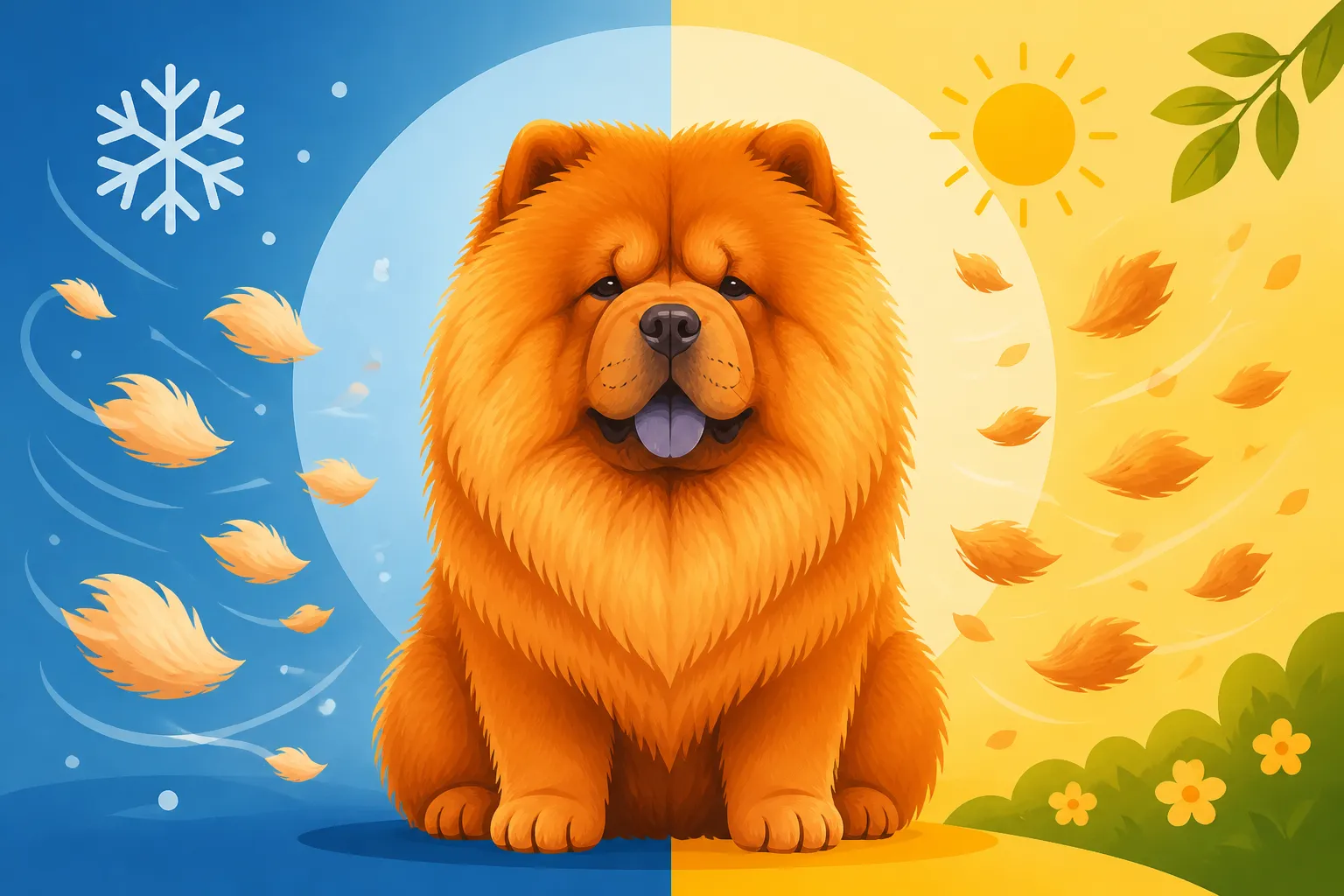
The timing of a Chow Chow's coat blow is largely dictated by seasonal changes and, to a lesser extent, hormonal fluctuations. Generally, you can expect two major "blows" per year, though individual dogs might vary slightly.
- Spring Blow: As the days lengthen and temperatures rise, a Chow Chow will shed its heavy winter undercoat. This thick, insulating layer is no longer needed for warmth, so the body naturally pushes it out to allow for a lighter coat that promotes better airflow and helps prevent overheating. This is often the more dramatic of the two shedding periods, as there's a significant amount of dense fur to be released.
- Autumn Blow: Conversely, as summer transitions into autumn and the weather cools, a Chow Chow will shed its lighter summer undercoat to make way for a denser, warmer winter coat. While still substantial, this blow might be slightly less intense than the spring shedding, as the summer undercoat isn't quite as heavy as the winter one.
Beyond the seasonal shifts, hormones can also play a role. Intact females, for example, often experience a significant coat blow after a heat cycle or after weaning a litter of puppies. Spaying can sometimes alter shedding patterns, leading to a year-round "blown" appearance in some cases, though the intensity of the seasonal sheds might still be present. It's important to remember that these are natural biological processes, and while we can manage the fur, we can't stop them from happening.
How Long a Chow Chow's Coat Blow Lasts
The duration of a Chow Chow's coat blow can feel like an eternity, especially when you're vacuuming daily! However, in reality, a full coat blow typically lasts anywhere from two to four weeks for most Chows. This isn't to say you won't see any shedding outside of these periods—Chow Chows do shed year-round, just at a much lower intensity.
During those peak weeks, you'll be amazed at the sheer volume of fur. It will come out in large clumps, sometimes making it look like your dog is literally falling apart. The first week or so might be characterized by loose fur that comes out easily with brushing. The middle two weeks are often the most intense, with daily, thorough grooming being essential to prevent matting and help the process along. By the final week, the shedding should start to taper off, and you'll notice less fur coming out during grooming sessions. Factors like diet, overall health, and the effectiveness of your grooming routine can influence how quickly the old coat is released. A well-nourished Chow Chow with a consistent grooming schedule might navigate their coat blow more efficiently than one with a less optimal routine. How Long a Chow Chow's Coat Change Takes offers more insight into this process.
Recognizing the Signs and Stages of a Coat Blow
You'll quickly learn to spot the impending doom (I mean, bloom!) of a coat blow. It's not always a sudden avalanche of fur; often, there are subtle clues that your Chow Chow is preparing for their seasonal transformation. Being attuned to these changes can help you prepare your grooming arsenal and your home.
Early Indicators: Increased Shedding and Texture Changes
Before the massive clumps start flying, you'll usually notice a gradual increase in shedding. You might find a bit more fur on the couch, or your usual quick brush-out might yield significantly more loose hairs. This isn't just "normal" shedding; it's a ramp-up.
- Subtle Increase in Loose Hair: A light stroke over your Chow Chow's back might lift more fur than usual, or you'll see a fine haze of hair settling on surfaces. It's a gentle warning that the undercoat is starting to detach from the follicles.
- Changes in Coat Texture: Sometimes, the undercoat can feel slightly different to the touch. It might feel a bit denser, or almost "fluffy" and loose, indicating that it's no longer firmly rooted. You might also notice that the coat doesn't lie as smoothly as it normally does. This is a good time to increase your daily brushing, even if it's just for a few minutes, to gently encourage the release of dead hairs and prevent them from tangling. Paying attention to these subtle cues means you're not caught completely off guard when the real shedding frenzy begins.
The Full Molt: When the Undercoat Comes Out in Clumps
This is the main event, the part where you start questioning your life choices that led you to own a double-coated breed. The full molt is unmistakable. You won't just see loose hairs; you'll see chunks of undercoat.
- Tuffts and Clumps Everywhere: This is when the undercoat starts to detach in earnest, coming out in large, cottony tufts that resemble dryer lint or even small clouds. You'll literally be able to pull handfuls of fur off your Chow Chow. These clumps will accumulate rapidly on your floors, furniture, and clothing.
- "Patchy" Appearance: Your Chow Chow might start to look a bit uneven, with areas where the undercoat has completely blown, leaving a thinner, less dense appearance, while other areas are still holding onto their old fur. This is particularly noticeable around the hindquarters, chest, and flanks. Don't worry, this isn't hair loss in a negative sense; it's just the natural shedding pattern. During this stage, a high-velocity dryer and an undercoat rake become your best friends. Ignoring it will lead to serious matting and discomfort for your dog, as the dead undercoat will tangle with itself and the live coat.
Managing the Mess: What to Expect During Peak Shedding
During the peak of the coat blow, managing the fur becomes a daily, sometimes hourly, battle. It's a commitment, but a necessary one to keep your Chow Chow healthy and comfortable.
- Daily Grooming Sessions: Expect to spend significant time brushing your Chow Chow every single day. We're talking 30 minutes to an hour, sometimes more, depending on the intensity. This isn't optional; it's crucial to remove the dead undercoat before it can mat.
- Household Fur Management: Your vacuum cleaner will be getting a workout. Invest in a good quality pet vacuum if you haven't already. Robotic vacuums can be a lifesaver for daily maintenance. You'll find fur in unexpected places – under furniture, behind doors, even on items you thought were safely tucked away. Using washable furniture covers can help, and regular lint-rolling of clothes will become second nature. You'll also likely want to restrict your Chow Chow's access to certain areas of the house if you're trying to keep the fur contained. A good quality air purifier can also help to reduce airborne dander and fur during these intense periods. How Much Undercoat Comes Off a Chow Chow gives you a realistic picture of the volume.
Essential Grooming Tools for a Successful Coat Blow
Attempting to tackle a Chow Chow coat blow without the right tools is like trying to chop down a tree with a butter knife – frustrating, inefficient, and potentially damaging. Investing in quality grooming equipment is not just a luxury; it’s a necessity for the health and comfort of your Chow Chow and your own sanity.
Undercoat Rakes and Their Importance
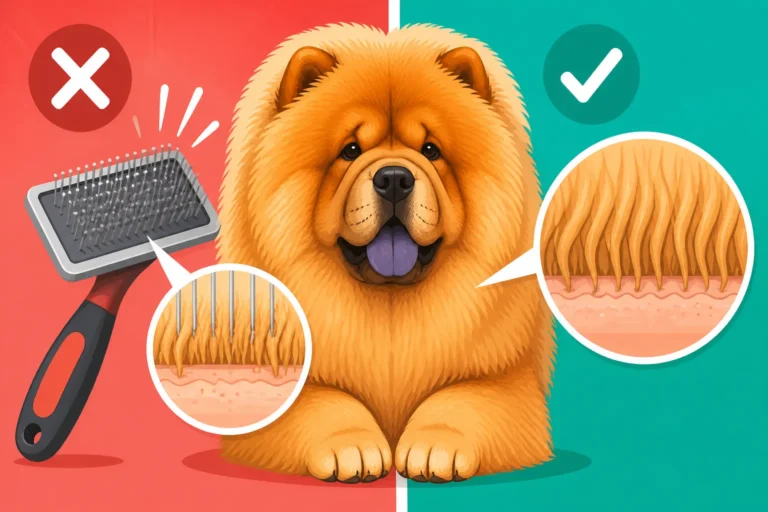
If there's one tool you absolutely cannot live without during a Chow Chow coat blow, it's a good undercoat rake. This isn't your standard dog brush.
- Reaching the Deep Undercoat: Unlike a slicker brush or a pin brush that primarily works on the surface, an undercoat rake is specifically designed with long, sturdy teeth that penetrate the dense outer coat to reach the loose, woolly undercoat beneath. It effectively pulls out dead, shedding hair without cutting or damaging the healthy guard hairs. This is crucial because leaving that dead undercoat in can lead to mats and skin irritation.
- Proper Technique is Key: You need to use an undercoat rake with firm but gentle strokes, always brushing in the direction of hair growth. Start from the skin and work your way out, ensuring you're not just skimming the surface. Pay particular attention to dense areas like the ruff, britches, and tail. Many Chows tend to get mats behind their ears and under their legs where the fur is finer and friction occurs. Which Comb Finds a Chow Chow's Mats offers more advice on finding and dealing with these trouble spots. Using an undercoat rake regularly during the blow will dramatically reduce the amount of fur shed around your home. You'll be amazed at the piles of fur you can remove in a single session. Look for sturdy options on Amazon or Chewy that are designed for double-coated breeds.
High-Velocity Dryers: A Game Changer
While often considered a professional grooming tool, a high-velocity dryer (also known as a forced air dryer or blaster) is an absolute game-changer for Chow Chow owners, especially during a coat blow.
- Blasting Out Loose Undercoat: These dryers aren't just for drying; their powerful, cool air stream can literally blast loose undercoat out of the coat before or after a bath. It separates the hair shafts, allowing the dead undercoat to fly free. This is incredibly effective and significantly reduces the amount of manual brushing needed. Imagine the air doing the work of a thousand brushes, pushing out all that loose fluff. Many Chow Chow owners find that a 15-minute session with a high-velocity dryer outdoors can remove as much fur as an hour of brushing.
- Thorough Drying and Mat Prevention: Beyond shedding, a high-velocity dryer is essential for properly drying a Chow Chow after a bath. Their dense double coat can take hours to air dry, and leaving it damp can lead to skin infections and matting. The forced air quickly dries the coat right down to the skin, preventing moisture-related issues. If you choose to invest in one, make sure your Chow Chow is properly acclimated to the noise and sensation, starting with short, positive sessions. A damp Chow Chow that is not thoroughly dried to the skin is a recipe for disaster, often leading to skin irritations and hot spots, especially during a coat blow.
Slicker Brushes, Combs, and Deshedding Shampoos
While the undercoat rake and high-velocity dryer are your heavy artillery, other tools are vital for completeness and finishing touches.
- Slicker Brushes: These brushes have fine, short wires packed closely together on a flat surface. They are excellent for removing surface tangles, smoothing the outer coat, and stimulating circulation. They're good for general brushing between blows, and for working through any remaining loose hair after using the rake. However, they aren't effective enough to tackle the deep undercoat during a full blow on their own.
- Wide-toothed Combs: A sturdy, wide-toothed metal comb is perfect for checking your work after brushing. It should be able to glide through the coat without snagging. If it catches, it means you've missed a mat or a patch of loose undercoat that needs more attention with the rake. This comb is your final check, ensuring you've reached down to the skin.
- Deshedding Shampoos and Conditioners: While not strictly "tools," these products can aid the shedding process. Deshedding shampoos are formulated to help loosen the undercoat, making it easier to remove during bathing and subsequent drying. Follow up with a good conditioner to moisturize the skin and coat. Brands like FURminator or Earthbath offer popular deshedding lines. Remember, a bath alone won't remove all the shedding undercoat, but it can make the job much easier when combined with powerful drying and brushing. Which Shampoo Suits a Chow Chow's Coat discusses suitable options for their unique fur.
| Grooming Tool | Primary Use During Coat Blow | Why It's Essential |
|---|---|---|
| Undercoat Rake | Reaching and removing deep, loose undercoat | Prevents matting, promotes skin health, removes bulk of shedding fur |
| High-Velocity Dryer | Blasting out loose undercoat; thorough, fast drying after bath | Dramatically reduces brushing time; prevents skin issues from dampness |
| Slicker Brush | Smoothing outer coat; removing surface tangles | Finishing touch; effective for lighter shedding |
| Wide-toothed Metal Comb | Checking for missed mats and loose undercoat after brushing | Ensures coat is clear down to the skin; prevents hidden tangles |
| Deshedding Shampoo | Loosening dead undercoat during bathing | Aids in release of fur, making drying/brushing more effective |
A Step-by-Step Guide to Grooming During a Coat Blow
Okay, you've got your tools, you know what's coming, now let's talk strategy. Grooming a Chow Chow during a coat blow isn't a quick once-over; it's a methodical process that, when done correctly, will save you a world of trouble and keep your dog happy.
The Initial Brush-Out: Loosening the Dead Undercoat
Before you even think about bathing, a thorough dry brush-out is critical. Trying to bathe a Chow Chow with a matted or heavily shedding undercoat will only make things worse, turning loose fur into wet, dense felt.
- Start with the Undercoat Rake: Find a comfortable spot, ideally outdoors or in an easily cleanable area. Start with your undercoat rake, working section by section. Begin at the neck and work your way back, then down the sides, chest, and finally the legs and tail. The goal here is to remove as much loose, dry undercoat as possible before it gets wet. Don't rush; be systematic. Use your free hand to hold back the longer guard hairs to expose the undercoat.
- Focus on Problem Areas: Pay extra attention to the areas where mats frequently form: behind the ears, under the chin, in the "armpits," on the britches, and under the tail. These areas often hold onto the most undercoat. You'll be amazed at the sheer volume of fur that comes out during this stage. It might look like you're creating a smaller Chow Chow out of the shed fur! Keep a waste bin nearby to dispose of the removed hair. This initial dry brush-out can take anywhere from 30 minutes to an hour, but it's time well spent. How to Line Brush a Chow Chow provides excellent technique advice.
Bathing for Maximum Undercoat Release
Once the initial dry brush-out has removed the bulk of the loose fur, it's time for a bath. The warm water and shampoo can help further loosen any remaining dead undercoat, making the next steps easier.
- Use Deshedding Shampoo: Wet your Chow Chow thoroughly, ensuring the water penetrates right down to the skin. Apply a deshedding shampoo, lathering it well into the coat. Really work the shampoo in, massaging the skin to help release the dead hair. Let the shampoo sit for the recommended time to allow it to do its job. Some owners find two lathers work best.
- Rinse Thoroughly: This is crucial. Chow Chows have incredibly dense coats, and any leftover shampoo can irritate the skin. Rinse, rinse, and rinse again until the water runs clear and you feel no soap residue. Follow up with a deshedding conditioner, which can help to smooth the hair shafts and make the next brushing stage even easier. Again, rinse the conditioner out completely. A warm bath can be surprisingly effective at loosening undercoat, and you might even see some fur swirling down the drain as you rinse. Remember, never use extremely hot water, as it can be uncomfortable for your dog and dry out their skin. How Often a Chow Chow Should Be Bathed is a good read if you're unsure about bathing frequency.
The Critical Drying and Final Brush-Out
This is perhaps the most important stage of coat blow management. An improperly dried Chow Chow is prone to matting and skin issues.
- Towel Dry Vigorously: After the bath, use absorbent towels to remove as much excess water as possible. Blot and squeeze the coat gently, rather than rubbing, to avoid tangling.
- High-Velocity Dryer Session: Move to your high-velocity dryer. Start on a low setting and gradually increase the power as your dog gets used to it. Aim the nozzle close to the skin, working section by section. The powerful air stream will push water out and, more importantly, continue to blast out loose undercoat. You'll literally see clouds of fur flying off your dog. This process can take a significant amount of time (often an hour or more) to get a Chow Chow completely dry right down to the skin, but it's absolutely vital.
- Final Line Brushing and Combing: Once your Chow Chow is completely dry, use your undercoat rake and then your slicker brush for a final, thorough brush-out. Finish with a wide-toothed comb to ensure there are no tangles or mats remaining. The comb should glide through the coat from root to tip. This ensures all the dead undercoat released by the bath and dryer has been removed, leaving a clean, fluffy, and healthy coat. This meticulous drying and brushing not only removes shedding hair but also aerates the coat and stimulates the skin, promoting healthy hair growth. Don't air dry your Chow Chow; it's a recipe for disaster. How Long a Chow Chow Takes to Dry explains why this step is non-negotiable.
Common Challenges and Troubleshooting During a Coat Blow
Even with the best tools and intentions, managing a Chow Chow's coat blow can present its own set of frustrations. Knowing what challenges to expect and how to address them can save you a lot of stress.
Dealing with Mats and Pelts
Mats are the bane of any double-coated dog owner's existence, and during a coat blow, they can form at an alarming rate if not diligently prevented. When loose undercoat intertwines with live hair and isn't brushed out, it creates dense knots, or "mats." If left unchecked, these mats can become solid, uncomfortable pelts that pull on the skin.
- Prevention is Key: The best defense against mats is a good offense: consistent, thorough brushing. During a coat blow, this means daily sessions with an undercoat rake, ensuring you're brushing all the way down to the skin. Pay particular attention to high-friction areas like behind the ears, under the legs, and around the collar. These are common culprits for mat formation.
- Tackling Existing Mats: For smaller, less severe mats, you can try to carefully work them out. Use a mat splitter or a blunt-ended scissor (with extreme caution!) to split the mat lengthwise into smaller sections. Then, gently tease out the individual strands with your fingers or the tines of a comb. Always work from the outer edge of the mat inwards, and never pull on the skin. A detangling spray can also help lubricate the hair. For larger, dense mats or pelts, do not attempt to cut them out with scissors yourself. It's incredibly easy to cut the skin, which is often pulled up into the mat. For severe matting, the safest and most humane option is to seek a professional groomer or veterinarian, who may need to carefully shave them out. When a Mat Should Be Cut Out of a Chow Chow offers crucial safety advice.
Skin Irritation and Hot Spots
The dense nature of a Chow Chow's coat, especially during a coat blow, makes them susceptible to skin issues like irritation and hot spots if proper care isn't taken.
- Causes of Irritation: Excessive scratching due to trapped, itchy undercoat can irritate the skin. Furthermore, if the coat isn't dried thoroughly after a bath, moisture can get trapped close to the skin, creating a warm, damp environment perfect for bacterial growth. This often leads to hot spots, which are acute moist dermatitis lesions that can appear suddenly and spread rapidly.
- Prevention and Treatment: Thorough drying with a high-velocity dryer is paramount after bathing to prevent moisture buildup. Regularly checking the skin during grooming for any redness, flakiness, or tenderness is also important. If you notice your Chow Chow scratching or licking a particular area excessively, investigate immediately. For minor irritation, keep the area clean and dry. If a hot spot develops, it needs prompt attention. The fur surrounding the hot spot often needs to be clipped away to allow air to reach the skin. A vet can prescribe topical treatments or antibiotics if necessary. Early detection and treatment are crucial to prevent hot spots from worsening and becoming deeply infected. How Often a Chow Chow Gets Hot Spots sheds more light on this issue.
Managing the Sheer Volume of Fur
Let's be real, the amount of fur a Chow Chow sheds during a coat blow can feel overwhelming. It's not just on your dog; it's everywhere.
- Daily Vacuuming and Cleaning: This is your reality for a few weeks. Invest in a powerful vacuum cleaner designed for pet hair, and use it daily, sometimes twice a day. Consider a robotic vacuum for continuous maintenance. Lint rollers will become your constant companions.
- Outdoor Grooming: Whenever possible, do your major grooming sessions outdoors. This contains the majority of the flying fur to an area where it's less likely to adhere to your furniture and clothes. If grooming indoors, choose a room that's easy to clean, such as a tiled bathroom or utility room, and consider laying down a sheet or tarp.
- Designated "Fur Zone": Some owners designate a specific area of the house, or even a particular blanket or bed, as the "fur zone" where their Chow Chow is allowed to lounge during the peak shedding weeks. This helps to contain the fur to one easily cleaned spot. Remember, this is temporary. The fur-nado will eventually pass, leaving you with a beautifully refreshed Chow Chow and a renewed appreciation for your vacuum cleaner. Ollie and Chewy offer a wide range of vacuums and cleaning supplies specifically for pet owners that can make these weeks more manageable. What Chow Chow Fur Does to a Vacuum highlights why this investment is critical.
Long-Term Strategies for a Healthy Chow Chow Coat
A coat blow is an intense, but temporary, period. However, maintaining a healthy Chow Chow coat is a year-round commitment. Implementing consistent long-term strategies will not only make future coat blows easier but will also contribute to your dog's overall well-being.
Consistent Routine Brushing Between Blows
Just because your Chow Chow isn't in full "blow" doesn't mean you can put the brushes away. Regular brushing between shedding cycles is vital.
- Preventative Maintenance: Weekly or bi-weekly thorough brushing sessions, even when shedding is minimal, help to prevent small tangles from becoming major mats. It also removes loose hairs before they accumulate, reduces dander, and distributes natural skin oils throughout the coat, promoting a healthy sheen. This consistent upkeep ensures that when a coat blow does start, you're not battling months of neglected undercoat. It’s much easier to maintain a healthy coat than to try and fix a matted one. A good quality undercoat rake used regularly will prevent most problems from developing.
- Bonding and Health Checks: Grooming time is also valuable bonding time with your Chow Chow. It allows you to calmly interact, reinforce positive associations with handling, and perform mini health checks. You can check for any lumps, bumps, skin irritations, parasites, or changes in their coat condition that might indicate an underlying health issue. Early detection of problems is always best. How Long Home Grooming a Chow Chow Takes Weekly might seem like a lot, but it’s an investment.
Nutritional Support for Coat Health
A beautiful, healthy coat starts from the inside out. What you feed your Chow Chow plays a significant role in the quality of their skin and fur.
- High-Quality Diet: Choose a high-quality dog food with easily digestible ingredients and a good source of animal protein. Avoid foods with excessive fillers or artificial ingredients. A diet rich in essential fatty acids, particularly Omega-3 and Omega-6, is crucial for skin and coat health. These fats help maintain the skin's barrier function, reduce inflammation, and promote a shiny, healthy coat with less dryness and flakiness.
- Supplements: If your Chow Chow's diet isn't providing enough fatty acids, consider supplementing with fish oil (salmon oil or krill oil) or flaxseed oil. These can be added directly to their food. Always consult with your veterinarian before adding any supplements to ensure they are appropriate for your dog's specific needs and won't interact negatively with existing medications or conditions. Some premium dog food brands, like Ollie, focus heavily on ingredients that support skin and coat health, which can make a noticeable difference in the vitality and manageability of your Chow Chow's fur. Whether a Chow Chow Needs Fish Oil for Its Coat has more information.
The Importance of a Professional Groomer Partnership
While home grooming is essential, partnering with a professional groomer who understands double-coated breeds, and specifically Chow Chows, can be incredibly beneficial.
- Expertise and Equipment: Professional groomers have access to specialized tools, high-quality products, and the expertise to tackle even the most challenging coats. They can perform thorough deshedding treatments, ensuring all the dead undercoat is removed, often more efficiently than you can at home. They also have large bathing tubs and powerful dryers that make the process less strenuous for both you and your dog. During a severe coat blow, a professional deshedding service can dramatically cut down on your home grooming efforts.
- Early Socialization for Grooming: Introduce your Chow Chow puppy to the groomer early on, even if it's just for a "happy visit" or a quick brush and nail trim. This positive exposure helps them become comfortable with the grooming environment and the handling involved, making future sessions much less stressful. A groomer can also catch potential skin or coat issues that you might miss. Finding a groomer who truly understands and appreciates the unique temperament and coat needs of a Chow Chow is invaluable. Ask for recommendations from other Chow Chow owners or your breeder. Finding a Groomer Who Will Take a Chow Chow can be tricky, but it’s worth the effort.
Dispelling the Myth: Why You Should Never Shave Your Chow Chow
It's tempting, isn't it? When faced with an overwhelming amount of fur during a coat blow or a hot summer day, the thought of shaving your Chow Chow clean crosses many owners' minds. You might think it will cool them down or solve your shedding problem. Please, resist this urge. Shaving a Chow Chow's double coat is almost always a bad idea, with potential long-term negative consequences.
The Damage Shaving Does to the Double Coat
The structure of a Chow Chow's double coat is complex and delicate. Shaving it can cause irreversible damage.
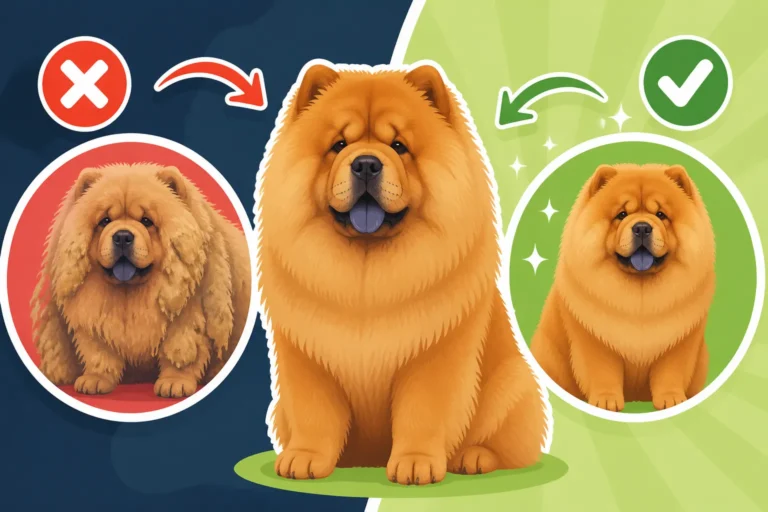
- Disrupting Natural Growth Cycles: When you shave a double coat, you cut both the coarse guard hairs and the soft undercoat to the same length. The undercoat typically grows back much faster and thicker than the guard hairs. This means the soft undercoat can essentially "choke out" the slower-growing, coarser guard hairs. The result is often a cottony, dull, and even matted coat that no longer has its natural texture, color, or protective qualities. This condition is sometimes referred to as "coat funk" or post-clipping alopecia, where the coat never truly recovers its original texture and can remain patchy or dull.
- Increased Matting: Ironically, shaving can actually increase the likelihood of matting in the long run. The new, softer undercoat that grows in often becomes more prone to tangling and matting because it lacks the protective, straight guard hairs to help it lie flat and shed properly. This creates a vicious cycle where owners feel they need to shave more frequently, further exacerbating the problem. What Shaving Does to a Chow Chow's Undercoat details these negative effects.
Heat Regulation and Sun Protection Compromised
The idea that shaving cools a Chow Chow down is a common misconception, and it's actually quite dangerous. Their double coat is an ingenious natural air conditioner.
- Insulation Works Both Ways: The dense undercoat isn't just for warmth; it creates a natural insulating layer that traps air close to the skin. This layer helps regulate body temperature. In winter, it keeps warmth in. In summer, it prevents external heat from reaching the skin and allows for air circulation, keeping the dog cooler than if exposed directly to the sun. Shaving removes this vital insulation, making the dog more vulnerable to heat, not less.
- Sunburn and Skin Cancer Risk: The guard hairs also provide natural protection against the sun's harmful UV rays. When these are removed, the delicate skin beneath is exposed directly to the sun, greatly increasing the risk of sunburn and, over time, potentially skin cancer. A sunburnt Chow Chow is a miserable Chow Chow, and these burns can be severe. Instead of shaving, focus on effective deshedding to remove the dead undercoat, which will allow better airflow and help your Chow Chow stay cooler naturally. Why Shaving Does Not Cool a Chow Chow is a must-read for any owner considering this option.
Post-Clipping Alopecia and Irreversible Coat Changes
In some cases, shaving a Chow Chow can lead to a condition called post-clipping alopecia, where the hair simply doesn't grow back normally, or in some cases, doesn't grow back at all in certain areas.
- Patchy or Non-Regrowth: While not every shaved Chow Chow will develop post-clipping alopecia, it's a significant risk. The mechanisms aren't fully understood, but it's believed to be related to trauma to the hair follicles, hormonal imbalances, or underlying thyroid issues exacerbated by the shave. The coat might grow back in patches, with different textures, or sometimes not at all, leaving areas of bare or thinly covered skin. This can be permanent.
- Altered Color and Texture: Even if the coat does grow back, it often returns with a significantly altered texture (more cottony, less coarse) and sometimes a faded or changed color. A beautiful red Chow Chow might grow back with a dull, almost gray hue. These changes can be heartbreaking for owners and can permanently affect the dog's appearance. The best approach is to manage the coat through diligent brushing, proper nutrition, and professional deshedding, not by resorting to shaving. Your Chow Chow's coat is a marvel of nature; respect its design.
When to Seek Professional Help or Veterinary Advice
While managing a Chow Chow's coat blow is largely a DIY endeavor with the right tools and knowledge, there are times when it's prudent, or even necessary, to call in the professionals. Don't hesitate if you're facing a challenge that feels beyond your capability.
Severe Matting and Pelting
This is probably the most common reason to seek professional help. If your Chow Chow's coat has become severely matted or, worse, developed dense pelts close to the skin, trying to tackle it yourself can be painful for your dog and lead to injury.
- Pain and Discomfort: Mats pull on the skin, causing constant discomfort, pain, and even bruising. They can restrict movement and hide underlying skin issues or parasites. Trying to brush out severe mats without proper technique and tools can cause your dog significant pain and create a negative association with grooming.
- Groomer or Vet Intervention: A professional groomer experienced with Chow Chows will have specialized tools and techniques to safely and humanely remove severe matting, often by carefully shaving beneath the mats. In some cases, if the mats are extremely tight or extensive, a veterinarian might need to sedate your dog to safely remove the pelts, as it can be a lengthy and painful process. Never feel ashamed to admit when the matting is too much; prioritizing your dog's comfort is what truly matters. What a Matted Chow Chow Gets Hot Spots reveals another risk of severe matting.
Persistent Skin Irritation or Hot Spots
While minor skin irritation can often be managed at home, persistent or worsening hot spots and other skin problems warrant a trip to the vet.
- Rapid Worsening: Hot spots can appear quickly and spread rapidly. If a hot spot is growing larger, oozing, very red, or causing your dog significant distress (excessive licking, biting, scratching), it's time to see the vet. These can become deeply infected if left untreated.
- Underlying Issues: Sometimes, skin problems during a coat blow can be a symptom of a deeper issue, such as allergies, parasitic infestations (fleas, mites), or even hormonal imbalances. A veterinarian can accurately diagnose the cause of the skin irritation and prescribe appropriate medication, such as antibiotics, anti-inflammatories, or specialized shampoos, to bring relief and treat any underlying conditions. Don't play guessing games with your dog's skin health. Signs a Chow Chow Has an Autoimmune Skin Disease details more serious conditions.
Unusual Coat Changes or Hair Loss
Beyond the typical coat blow, if you notice any unusual changes in your Chow Chow's coat, it's always best to consult your vet.
- Patchy Hair Loss Not Related to Shedding: If your Chow Chow is losing hair in distinct patches, or if the coat isn't growing back normally after a shed, this could indicate an issue.
- Dullness or Brittle Hair: A suddenly dull, dry, or brittle coat that doesn't improve with grooming and diet changes could be a sign of a nutritional deficiency, a thyroid problem, or another systemic illness.
- Changes in Skin Texture: Excessive dandruff, oily skin, or unusual lumps and bumps beneath the fur should always be checked by a vet. Remember, a Chow Chow's dense coat can hide a lot, so diligent inspection during grooming is your best chance to spot these issues early. Your vet can perform diagnostic tests, such as blood work or skin scrapes, to pinpoint the cause and recommend a suitable course of action. Your Chow Chow's coat is a good indicator of their overall health, so pay attention to any red flags. What Autoimmune Thyroiditis Does to a Chow Chow is one such example.
Disclaimer
This article is for general informational purposes only and does not constitute professional advice. Laws, prices and regulations vary by location and change over time. Consult a qualified professional for guidance on your specific situation.