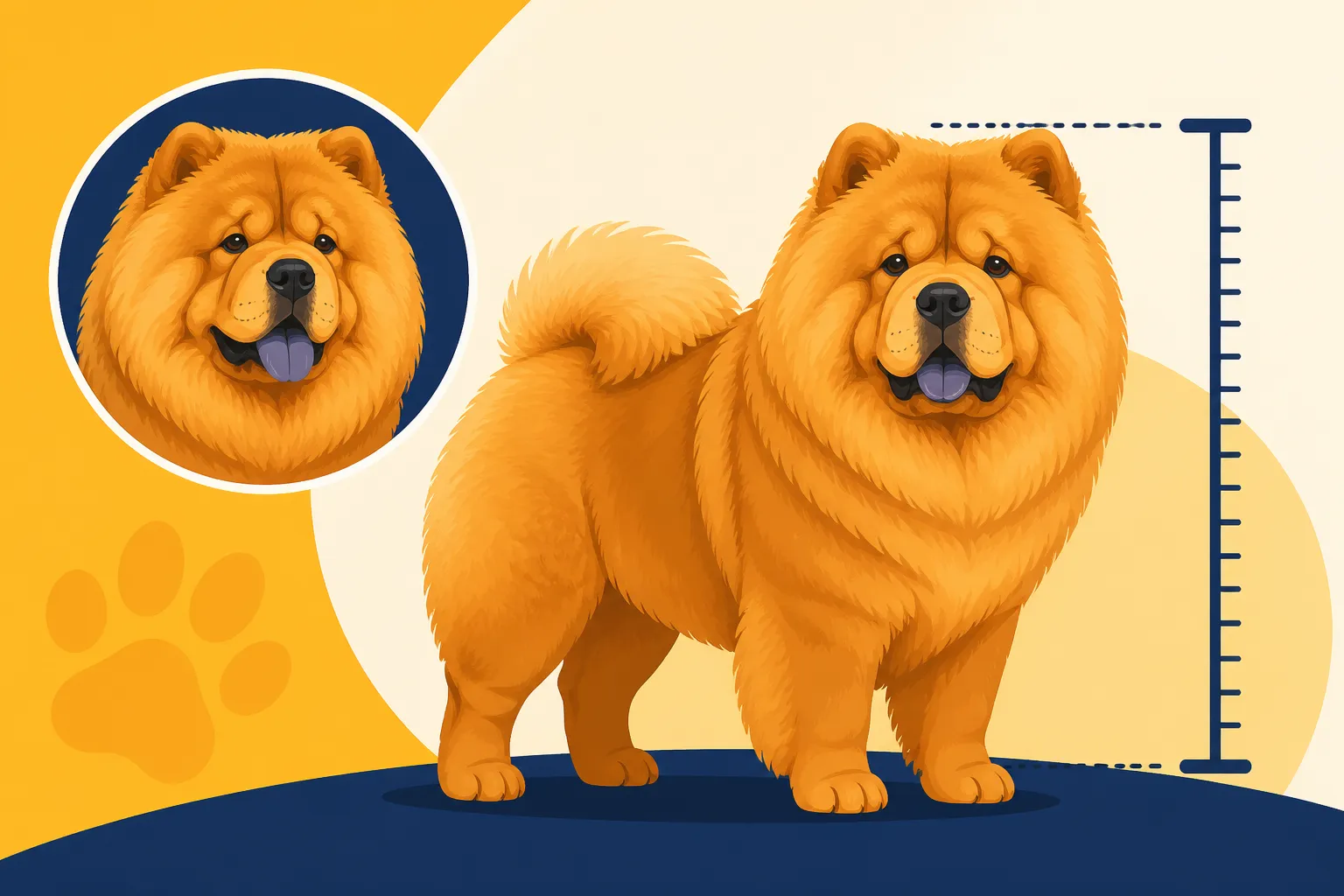
How Tall a Chow Chow Stands
It can be incredibly confusing when you're looking at pictures of Chow Chows online or even meeting them in person. Some seem like majestic, compact lions, while others appear to be taller, leggier dogs. This guide is here to unravel the mystery of the Chow Chow's stature, helping you understand the breed standard, the variations you might encounter in the real world, and what factors truly influence how tall your furry friend will stand.
The Standard Dimensions of a Chow Chow
When we talk about a dog breed, the first place we usually look for definitive information is the breed standard. This document, set by kennel clubs, describes the ideal characteristics of the breed, including their physical dimensions. For Chow Chows, this standard provides a clear benchmark, even if individual dogs might vary slightly.
What the Breed Standard Says About Height
The breed standard for the Chow Chow is quite specific when it comes to height, aiming for a consistent appearance that reflects the breed's historical purpose and structure. Most major kennel clubs state that the ideal height for an adult Chow Chow at the withers is between 17 and 20 inches. This range is considered optimal for maintaining the breed's powerful, compact, and square profile. Think of it as the sweet spot where their body length, leg length, and overall substance come together in perfect harmony. It’s not just an arbitrary number; it speaks to the very essence of what a Chow Chow should be, a sturdy, well-balanced dog capable of various tasks in its ancient homeland.
While a small variation within this range is generally acceptable, dogs significantly outside these parameters might be considered less ideal in a show ring. It’s all about maintaining that distinct, almost regal appearance that Chow Chows are known for.
Understanding "At the Withers"
When a breed standard talks about "height," it's almost universally referring to the measurement "at the withers." This might sound a bit technical, but it's crucial for getting an accurate read on your dog's size. The withers are the highest point of a dog's shoulder blades, located just at the base of the neck where the spine protrudes slightly. This is where you measure because it's a relatively fixed point on the dog's anatomy, providing a consistent reference regardless of whether the dog's head is up, down, or looking around.
Imagine trying to measure a dog to the top of its head – that height would change constantly with every tilt and turn! Measuring at the withers ensures that you're capturing the dog's structural height, giving you a true picture of its frame. This is also important because of the Chow Chow's magnificent coat. If you just measure to the top of the fur, you're going to get a much bigger number, which won't tell you anything about the dog's actual skeletal size. It’s a common mistake, but once you know where the withers are, it becomes much easier to visualize What a Chow Chow Weighs and How Tall It Stands.
Why Height Matters for Breed Type
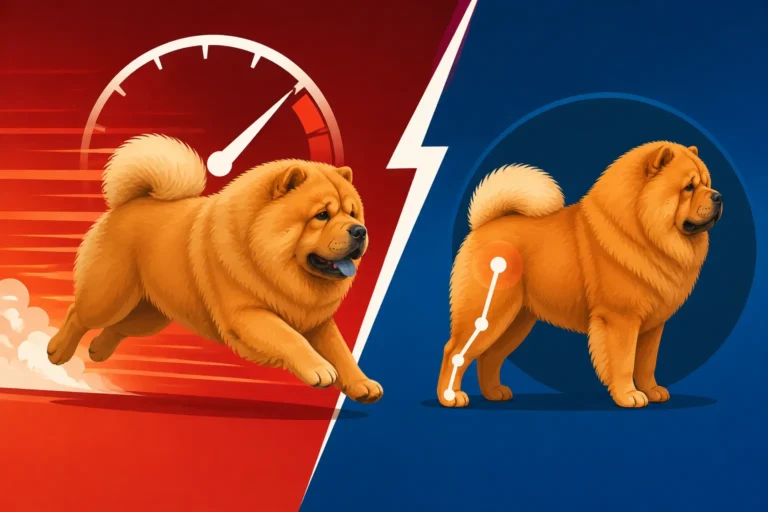
The specific height range isn't just a guideline for show dogs; it's fundamental to the Chow Chow's unique breed type and the qualities that define it. The 17-20 inch range contributes to the breed's characteristically square, well-balanced build. This compact structure, combined with their sturdy bone and powerful musculature, allowed them to be versatile working dogs, from guarding temples to pulling carts in their native China.
A Chow Chow that is too tall might appear leggy and less substantial, losing that powerful, stocky impression. Conversely, one that is too short could seem overly squat or heavy, deviating from the agile, alert stance. The correct height ensures that all their physical attributes – from their straight rear legs to their deep-set eyes – are in proportion, creating the iconic silhouette that defines the breed. It’s about more than just numbers; it’s about preserving the integral characteristics that make a Chow Chow a Chow Chow.
Beyond the Books: Real-World Chow Chow Heights
While the breed standard gives us the ideal, the reality is that not every Chow Chow will fit perfectly into that 17-20 inch box. Just like people, dogs have individual variations, and sometimes what you see isn't exactly what you get, especially with a breed as fluffy as the Chow Chow.
Individual Variation in Height
It's common to see a range of heights even within healthy, well-bred Chow Chows. Some might stand a little closer to 16 inches, while others might stretch to 21 inches. These slight deviations are often due to genetics from their individual lineage, even if their parents were perfectly within standard. Think of it like a family where some siblings are taller or shorter than the "average" parent. Factors like nutrition during crucial growth periods can also play a role, though typically a smaller one in fully grown adults.
Furthermore, there can be gender differences; males often stand at the taller end of the spectrum, while females tend to be on the shorter side, although this isn't a hard and fast rule. These variations don't necessarily mean there's anything "wrong" with the dog; they simply reflect the natural diversity within any living population. Many wonderful companion Chows exist happily outside the precise measurements of the show ring.
The Illusion of Size: Coat Volume vs. Actual Height
Here's where many new Chow Chow owners, or those simply admiring from afar, get a bit confused. A Chow Chow's dense, magnificent double coat can create a serious illusion of size. Their famous ruff, particularly on a rough-coated Chow, can make their head and neck appear much larger and higher than their actual skeletal structure. This optical trick can lead people to believe a Chow is much taller than its "at the withers" measurement would suggest.
Imagine a fluffy winter coat on a person – it makes them look larger than they actually are, right? It's the same principle for a Chow Chow. You might see a Chow that looks absolutely massive, only to find out when you measure them without their fluff that they are perfectly within the standard height range. This is why understanding where to measure is so important, and why grooming is such a critical part of their care. Sometimes, you truly won't realize how compact their frame is until you give them a bath and their coat gets thoroughly soaked! Whether a Chow Chow Puppy's Coat Type Is Obvious when they're very young often hints at how much glorious fluff they'll develop.
How Weight Interplays with Height
Height and weight are inextricably linked when it comes to a dog's overall build and health. While this article focuses on height, it's impossible to discuss one without considering the other. A Chow Chow should have a proportionate build, meaning their weight should be appropriate for their height and bone structure. An overly heavy dog, even if it's within the standard height, will appear shorter and stockier due to its bulk. Conversely, an underweight Chow Chow might look taller and leggier because its frame isn't filled out.
The breed standard for the Chow Chow also specifies a weight range, typically between 45-70 pounds for adult dogs. The goal is a powerful, sturdy dog, not an obese one. Maintaining an ideal weight is crucial not just for appearance, but for joint health and overall well-being. A dog carrying too much weight puts extra strain on its joints, particularly its elbows and hips, which can lead to problems down the line. We often discuss What an Adult Chow Chow Should Weigh in detail for this very reason.
Factors Influencing a Chow Chow's Stature
Beyond the strict definitions of the breed standard, several biological and environmental factors come into play that can determine a Chow Chow's ultimate adult height. Understanding these can give you a better grasp of why your Chow might be a little shorter or taller than the dog next door.
Genetics and Lineage
Unsurprisingly, genetics are the primary determinant of a Chow Chow's adult height. A puppy inherits its potential size from its parents and the broader lineage behind them. Responsible breeders meticulously study pedigrees and the size of their breeding stock to produce puppies that conform to the breed standard. If both parents are on the taller side of the standard, their offspring are more likely to be taller as well, and vice-versa.
This is why choosing a reputable breeder is so important. They aren't just breeding for pretty faces; they're aiming to preserve the health, temperament, and physical characteristics, including height, that define the breed. They can usually give you a good estimate of a puppy's likely adult size based on its parents and previous litters. A good breeder will be transparent about their dogs' sizes and health clearances, providing insights into the genetic potential of your future companion. You might want to ask Which Health Tests a Chow Chow Breeder Should Run as part of your research.
Nutrition and Growth
The nutrition a Chow Chow receives, especially during its critical puppy and adolescent growth phases, can significantly impact its final height and overall bone development. Growing too quickly or too slowly due to inadequate nutrition can affect skeletal development. For large and moderate-sized breeds like the Chow Chow, it's generally advised to feed a high-quality puppy food specifically formulated for large breeds, even if the Chow isn't considered "giant." These formulas are designed to promote slow, steady growth, rather than rapid growth spurts that can stress developing joints.
Overfeeding a puppy, even with appropriate food, can lead to excessive weight gain that puts undue stress on growing bones and joints. This can exacerbate conditions like elbow or hip dysplasia. On the other hand, underfeeding or providing a nutritionally deficient diet can stunt growth, preventing a Chow Chow from reaching its full genetic potential in height. Products available from retailers like Chewy often offer a wide range of suitable large-breed puppy foods that can help manage proper growth. Ensuring a balanced diet, without over-supplementation, is key for healthy skeletal development and reaching an appropriate adult height. We delve deeper into this in Whether a Chow Chow Puppy Needs Large Breed Food.
Gender Differences in Height
As with many dog breeds, there's a noticeable, though not always extreme, difference in average height between male and female Chow Chows. Typically, male Chow Chows tend to be at the higher end of the breed standard's height range, often reaching 18-20 inches at the withers. They generally have a more substantial and imposing build overall.
Female Chow Chows, while still sturdy, usually fall into the lower end of the height range, commonly 17-19 inches. They are often described as being slightly more refined in appearance compared to their male counterparts. However, these are general tendencies, not strict rules. You might certainly encounter a taller-than-average female or a more compact male. These differences are a natural part of sexual dimorphism within the canine species and contribute to the breed's overall diversity.
Measuring Your Chow Chow Accurately
So, you want to know how tall your Chow Chow is? Great! Getting an accurate measurement can be a bit tricky, especially with their glorious coat and sometimes stoic nature, but it's definitely doable with a little patience.
Tools You'll Need
Before you begin, gather a few simple tools. You won't need anything fancy or expensive, just some common household items:
- A sturdy, flat surface: This is crucial. Your dog needs to stand squarely on a level surface. A hard floor is ideal; avoid rugs or uneven ground.
- A measuring tape or yardstick: A standard retractable tape measure (the kind for sewing or home improvement) or a simple yardstick will work perfectly. If you have a larger Chow, a longer tape measure might be easier.
- A level or a stiff, straight object: This could be a ruler, a stiff piece of cardboard, or even a book. The goal is to lay it flat across your dog's withers.
- Treats and a helper: Because let's be realistic, a Chow Chow might not stand perfectly still for this without some persuasion! Having a helper to hold treats and distract your dog can make the process much smoother. Chewy offers a fantastic selection of high-value training treats that many Chows adore, making them more cooperative.
Having these items ready beforehand will save you a lot of frustration and ensure a more accurate measurement.
Step-by-Step Measurement
Once you have your tools and your patient (or bribed) Chow Chow, follow these steps for an accurate measurement:
- Position your dog: Have your Chow Chow stand on that flat, level surface. It's vital that they are standing squarely, with all four feet directly under them, not leaning or sitting back. Their head should be in a natural, upright position, looking straight ahead. If they're craning their neck, you'll get an inaccurate reading.
- Locate the withers: Feel for the highest point of their shoulder blades, right where the neck meets the back. This is your target.
- Use the level/straight object: Gently place your ruler or straight object horizontally across the withers. Make sure it's level and extending out to the side of your dog. This creates a clear horizontal plane from the top of their shoulder blades.
- Measure from the floor: Now, take your measuring tape. Hold the zero end firmly on the floor directly beneath the withers. Extend the tape straight up to the underside of your level/straight object. Read the measurement where the tape meets the underside of your straight edge.
- Repeat for accuracy: It's always a good idea to repeat the measurement a couple of times, especially if your dog wiggles a bit. Take the average of a few consistent readings to get the most accurate result. Don't be afraid to take breaks and offer more treats if your Chow starts losing interest!
When to Consult a Vet or Breeder
While home measurements are great for general curiosity, there are times when you might want a professional opinion. If you're considering showing your Chow Chow, a breeder or an experienced show handler can provide precise measurements that conform to show ring standards. Their practiced eye can spot subtle differences in stance or posture that might affect the measurement, ensuring it's as accurate as possible for competition purposes.
Similarly, if you're concerned about your Chow Chow's growth, perhaps you feel they are significantly smaller or larger than expected, your veterinarian can offer insights. They can assess your dog's overall health, skeletal structure, and growth plate development, particularly if it's a puppy. A vet can confirm whether their height is within a healthy range for their age and breed, and address any underlying issues that might be affecting their growth. This is especially important for puppies, as The Age a Chow Chow's Entropion Is Repaired or or growth plate closure are key developmental milestones that a vet closely monitors.
Height and Health: What to Watch For
A Chow Chow's height isn't just about aesthetics; it's a critical component of their overall health and well-being. Proportionality, growth rate, and even unexpected changes in height can be indicators of underlying health concerns.
Proportionality and Joint Health
The Chow Chow is meant to be a compact, squarely built dog. This specific proportionality – their length from breastbone to rear being roughly equal to their height at the withers – is crucial for their athletic ability and soundness. Any significant deviation from this, such as being overly long or overly tall, can alter their gait and put undue stress on their joints over time.
Breeds like the Chow Chow are prone to certain orthopedic issues, such as hip and elbow dysplasia. These conditions are often hereditary, but the stress on developing joints can be exacerbated by rapid growth or disproportionate body structure. A dog that grows too tall too fast, or carries too much weight on a tall frame, can experience increased wear and tear. Responsible breeders screen for these issues, and proper nutrition during growth can help mitigate risks. We often discuss What Elbow Dysplasia Does to a Chow Chow in detail due to its prevalence in the breed, and how it's linked to growth.
The Impact of Early Growth on Adult Size
The way a Chow Chow puppy grows has a profound impact on its adult height and skeletal health. As mentioned earlier, fast growth isn't always good growth, especially for a breed with specific structural considerations like the Chow Chow. Overfeeding high-calorie, high-protein puppy foods can cause a puppy to grow too quickly, leading to soft bones and overworked growth plates before they have a chance to properly solidify.
This is why many breeders and veterinarians recommend feeding a diet designed for large breed puppies or ensuring controlled growth for Chow Chows. These diets aim for a more gradual, steady increase in size, allowing the bones and joints to mature at a healthy pace. Interrupted growth, caused by severe illness or malnutrition during critical developmental stages, can also lead to a stunted adult height, preventing a dog from reaching its full genetic potential. Careful monitoring of a puppy's weight gain and overall growth is key to ensuring they develop into healthy, well-proportioned adults.
Height as an Indicator of Overall Health
While a Chow Chow's adult height is largely genetically predetermined, significant deviations from the expected range can sometimes be a subtle warning sign of health issues. For instance, a Chow Chow that is notably smaller than its parents and littermates, or fails to grow adequately, could be suffering from a nutritional deficiency, a parasitic infection, or even an underlying metabolic or hormonal disorder. Stunted growth in a puppy should always prompt a visit to the veterinarian.
On the flip side, extremely rapid growth, particularly if accompanied by lameness or discomfort, could indicate an orthopedic developmental issue. Additionally, an adult Chow Chow that experiences a sudden change in its posture or gait, perhaps appearing to "shrink" due to spinal compression or joint pain, needs prompt veterinary attention. While height itself isn't a direct disease, observing your Chow Chow's growth patterns and overall stature can be an important part of monitoring their general well-being.
Does Height Affect a Chow Chow's Temperament or Lifestyle?
It's natural to wonder if a taller or shorter Chow Chow might act differently, or if their size dictates aspects of their care. Let's explore some common misconceptions and practical considerations.
Size vs. Personality
Rest assured, a Chow Chow's height at the withers has absolutely no bearing on its personality or temperament. A 17-inch Chow is just as likely to be aloof and independent as a 20-inch Chow. Their characteristic traits – their devotion to one person, their wary nature with strangers, their sometimes cat-like independence – are breed-specific qualities driven by genetics and early socialization, not by how tall they stand.
You might meet a diminutive female Chow Chow who is a formidable guardian, and a taller male who is a gentle giant with his chosen family. Their individual personalities are shaped by their upbringing, training, and inherent genetic predispositions for temperament, not by whether they are on the taller or shorter side of the breed standard. So, don't let a few inches fool you into making assumptions about the dog's true character. This is why How Aloof a Chow Chow Really Is or How a Chow Chow Chooses Its Person are far more important indicators of their personality.
Practical Considerations for Taller Chows
While height doesn't affect personality, it can introduce some practical considerations for daily life. A taller Chow Chow, being closer to 20 inches, will naturally require more space around them, especially when maneuvering indoors. They might need a larger crate or a bigger dog bed from a brand like Chewy to ensure they can stretch out comfortably. Car travel might also become a bit more snug, requiring a larger vehicle or a robust car restraint system.
For owners, a taller Chow might mean less bending over during walks to attach a leash, but it also means a slightly longer reach for things on counters! Grooming might require a taller grooming table to ensure you're at a comfortable working height. Generally, these are minor adjustments, but they are worth considering if you're deciding between puppies or adopting an adult Chow Chow and have specific space constraints or physical limitations yourself. How Much Exercise a Chow Chow Actually Needs remains consistent regardless of their height.
Debunking "Mini" or "Giant" Chow Chows
Occasionally, you might come across advertisements or claims about "mini" or "giant" Chow Chows. It's important to understand that these are not recognized varieties of the breed. The Chow Chow breed standard is quite clear on the ideal height range, and any dog falling significantly outside of this range is simply an anomaly, not a distinct type.
Claims of "mini" Chows often point to runts of litters, dogs with poor nutrition, or possibly mixes with smaller breeds. "Giant" Chows could be simply overweight dogs, dogs with poor genetics that led to an oversized frame, or again, mixes with larger breeds. Neither of these extreme sizes is desirable from a health or breed standard perspective. Breeders aiming for such deviations are often prioritizing novelty over the breed's health and integrity. Stick to the recognized standard and reputable breeders to ensure you're getting a healthy, well-proportioned Chow Chow, not a marketing gimmick.
| Chow Chow Height Aspect | Description | Typical Range/Observation |
|---|---|---|
| Breed Standard Height | Ideal structural height at the highest point of the shoulder blades. | 17-20 inches (43-51 cm) |
| Gender Variation | Males tend to be taller than females. | Males: 18-20", Females: 17-19" |
| Perceived Height | How tall the dog looks due to its dense double coat. | Often appears 1-3 inches taller than actual |
| Measurement Point | From the ground to the top of the withers. | Consistent point for accuracy |
| Health Impact | Disproportionate height can affect joint health. | Too tall/heavy risks elbow/hip dysplasia |
Disclaimer
This article is for general informational purposes only and does not constitute professional advice. Laws, prices and regulations vary by location and change over time. Consult a qualified professional for guidance on your specific situation.