Why the Chow Chow Fell Out of America’s Top Ten
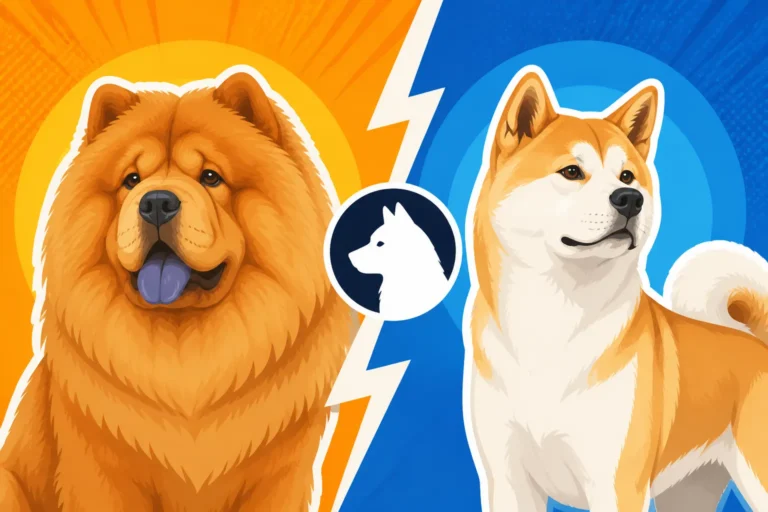
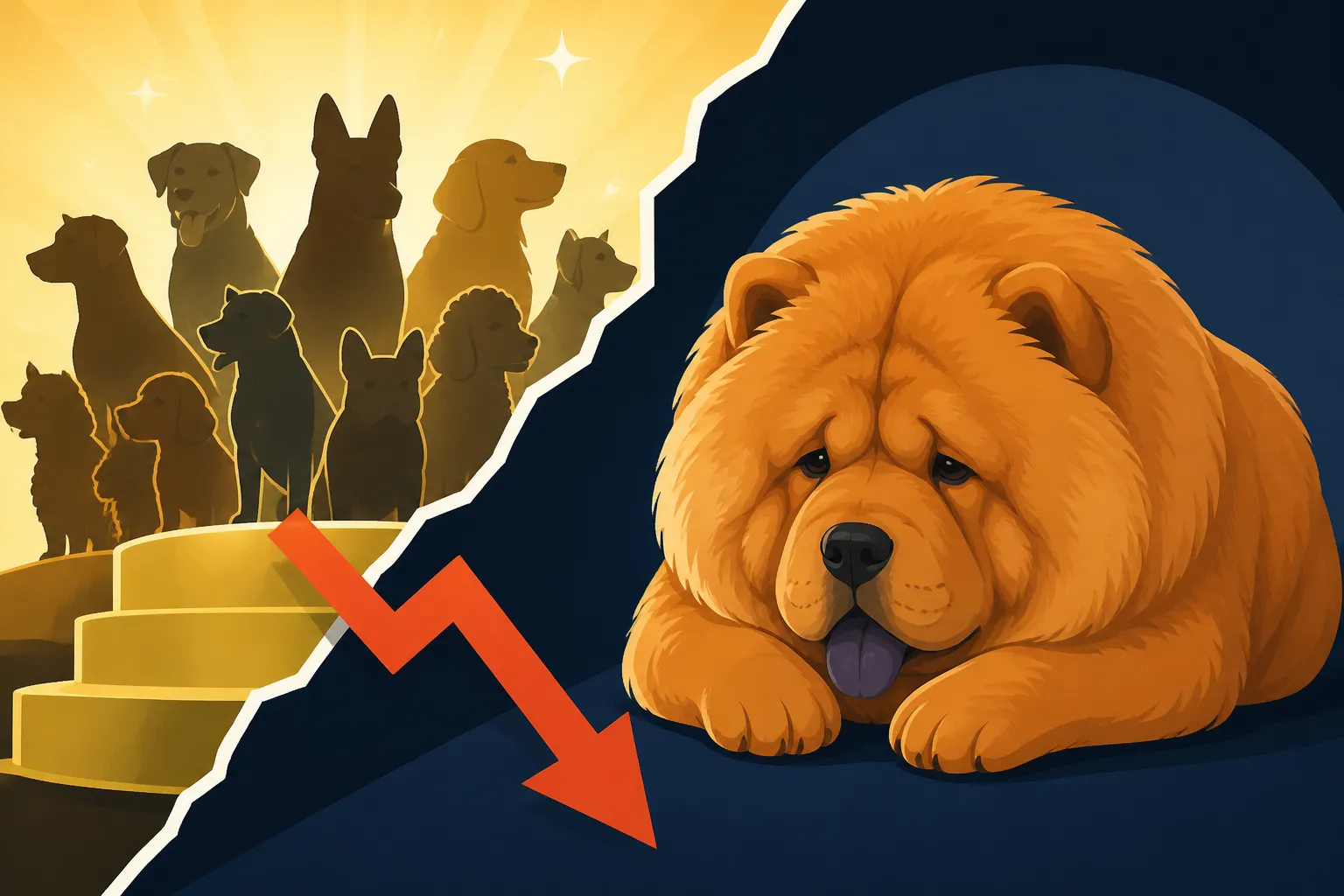
It's a tough truth for those of us who adore the majestic Chow Chow: despite their distinctive looks and noble history, they've quietly slipped from the ranks of America's most popular dog breeds. If you've ever wondered why these beautiful, lion-like dogs, once gracing the homes of celebrities and royalty, are seen less frequently today, you're not alone. This guide delves deep into the multifaceted reasons behind the Chow Chow's decline in popularity, exploring everything from their unique temperament to intensive care needs and shifting societal perceptions.
Remembering the Chow Chow's Reign in Popularity
There was a time when the Chow Chow was absolutely everywhere. Their regal bearing, thick ruff, and distinctive blue-black tongue captured imaginations, making them a true status symbol and a beloved companion in many American homes. It’s hard for some to imagine a time when they were as common, if not more so, than many of the breeds we see today, but their prominence was undeniable.
When the Chow Chow Sat Among America's Most Beloved
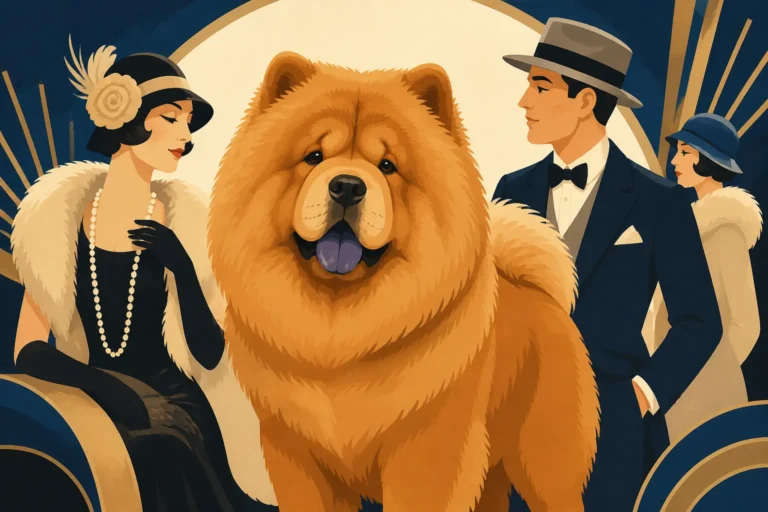
Go back a few decades, and the Chow Chow was a fixture in popular culture and an undeniable darling of the dog world. They weren't just present; they were en vogue. Think of the 1920s and beyond, when the breed reached its zenith, frequently appearing in the top ten most registered breeds with the American Kennel Club. This wasn't just a fleeting trend; it was a sustained period of immense popularity, cementing their image as a desirable and cherished canine. Owners were drawn to their unique appearance and the air of dignified independence they exuded. It truly felt like everyone knew a Chow Chow or wished they owned one.
This period of high visibility meant more people were exposed to the breed, both in person and through media. From films to prominent figures showcasing their Chows, the breed enjoyed a significant spotlight. This wide recognition, coupled with their striking looks, created a strong demand for Chow Chow puppies, fueling their presence in homes across the country. The sheer volume of puppies being bred and sold meant they were a common sight in neighborhoods and parks, solidifying their status as a mainstream companion animal.
The Exotic Charm That Captivated Early Owners
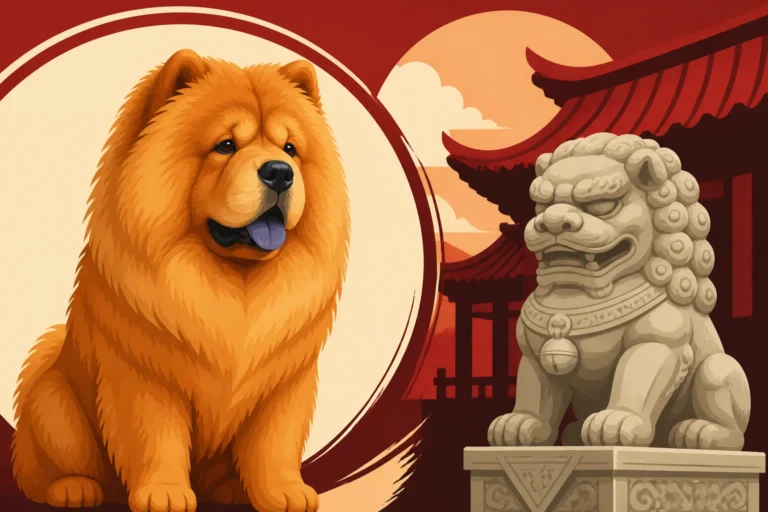
What was it about the Chow Chow that so captivated people? It was undeniably their exotic charm. Originating in ancient China, they brought with them a mystique unlike many other breeds. Their lion-like mane, deep-set eyes, and unique scowl gave them an almost mythical appearance, a living piece of ancient art. This distinctiveness set them apart from more conventional breeds and appealed to those looking for something truly special and out of the ordinary. They weren't just dogs; they were conversation pieces, living sculptures with a fascinating backstory.
Beyond their looks, the blue-black tongue was a perpetual source of fascination and wonder, a trait that remains unique and instantly recognizable. Early owners were often drawn to these singular physical characteristics, seeing them as badges of the breed's ancient and noble heritage. This exotic appeal, combined with their aloof yet loyal nature, created a compelling package for many discerning dog owners. They offered a blend of beauty, dignity, and a touch of the wild that was incredibly appealing at the time, leading many to seek out these extraordinary companions.
Unpacking the Chow Chow's Distinctive Temperament
While their looks are captivating, the Chow Chow's temperament is truly what sets them apart – and can also be a significant challenge for modern households. They are often described as cat-like, independent, and reserved, traits that don't always align with contemporary expectations for a family dog. This isn't a flaw in the breed, but rather a fundamental aspect of their character that requires a specific kind of owner.
The Loyal But Reserved "One-Person" Dog
One of the most defining traits of the Chow Chow is their tendency to bond intensely with a single individual. They are often called "one-person dogs" for a very good reason. This deep, unwavering loyalty to their chosen person is truly heartwarming for that individual, creating an incredibly strong and protective bond. However, this same intensity means they often treat other family members with polite indifference or, at best, a tolerant acceptance rather than enthusiastic affection. It can be a difficult dynamic in a busy household where everyone wants to interact equally with the family pet.
For children or other adults in the home, this reserved nature can sometimes feel like a rejection or even cause frustration. They may not solicit pets or cuddles from anyone other than their primary person, and efforts to engage them can be met with disinterest. This isn't out of malice, but simply how their innate personality expresses itself. Understanding and respecting this aspect of their temperament is crucial for harmonious living, but it's also a common reason why some families find a Chow Chow doesn't fit their ideal of a universally affectionate family dog. They simply aren't the kind of dog to greet every visitor with a wagging tail and sloppy kisses; for many, How Much a Chow Chow Wants to Be Petted is a lot less than they expect.
Navigating Socialization and Guarding Instincts
The Chow Chow's inherent guarding instincts are another facet of their temperament that requires careful management. They were historically bred to guard property, livestock, and homes, and that protective drive runs deep. This means they are naturally wary of strangers and can be quite territorial. Without extensive, consistent, and early socialization, these tendencies can easily escalate into problematic behavior, making them a challenge in a world where dogs are expected to be friendly and approachable to everyone. When a Chow Chow's Socialization Window Closes very early, missing this crucial period can have lasting effects.
Socializing a Chow Chow means exposing them to a vast array of sights, sounds, people, and other dogs from a very young age, always ensuring positive experiences. However, even with the best efforts, many Chows will retain a natural aloofness. They aren't prone to aggression if properly handled and introduced, but they are unlikely to be the life of the party at the dog park or thrilled by unexpected guests. For owners living in urban environments or those who frequently entertain, managing these instincts can become a constant source of vigilance and effort, proving too much for those unprepared for the commitment.
Public Perception and Misconceptions About the Breed
Unfortunately, the Chow Chow's unique temperament, coupled with instances of poor breeding or lack of proper socialization, has led to a public perception that often paints them as aggressive or untrustworthy. Their deep-set eyes and natural scowl can be misread as unfriendly, even when they are simply observing. Because they tend to give little warning before reacting if pushed past their comfort zone, incidents can quickly escalate, reinforcing negative stereotypes. This reputation, whether entirely fair or not, has undoubtedly contributed to their decline in popularity.
The media often highlights stories of dog bites, and when a Chow Chow is involved, it often fuels existing biases. This creates a vicious cycle: fewer people understand the breed, fewer are equipped to raise them properly, leading to more potential issues, which further solidifies the negative image. Over time, this has made many potential owners hesitant to consider a Chow Chow, fearing judgment from neighbors, challenges with pet insurance, or simply the responsibility of owning a dog with such a specific reputation. It’s a sad reality that sometimes a breed's past dictates its future in the public eye.
The Health Realities That Weigh on Chow Chow Ownership
Beyond temperament, the health profile of the Chow Chow presents its own set of challenges, many of which are characteristic of the breed's unique physical structure and genetic predispositions. For prospective owners, understanding these potential health issues is not just about preparing for vet visits, but also about the significant emotional and financial investment involved in keeping a Chow Chow healthy.
Persistent Orthopedic Issues: Hips, Elbows, and Gait
Chow Chows are unfortunately quite prone to a range of orthopedic problems, particularly affecting their hips and elbows. Elbow Dysplasia Ranks the Chow Chow Near the Top of breeds susceptible to this painful condition, where the elbow joint develops abnormally. Similarly, hip dysplasia, a malformation of the hip joint, is also a significant concern. Both conditions can lead to chronic pain, arthritis, and lameness, often requiring expensive surgeries, ongoing medication, and physical therapy to manage. These aren't minor ailments; they can severely impact a dog's quality of life and place a substantial burden on owners.
Adding to these challenges is the Chow Chow's distinctive "stilted gait," a consequence of their relatively straight rear legs. While part of their breed standard, this unique locomotion can put additional strain on their joints over time, potentially exacerbating existing orthopedic issues or contributing to new ones. Owners must be vigilant in monitoring their Chow's mobility, especially as they age, and be prepared for potential interventions. The prospect of managing a dog with chronic joint pain can be daunting, and for many, it's a factor that pushes them away from choosing the breed, especially when looking for a dog to join them on long hikes or active adventures.
Prolific Eye Problems: Entropion and Glaucoma Risks
The Chow Chow's deep-set eyes, while contributing to their iconic scowl, are also a significant source of breed-specific health problems. Entropion Is the Chow Chow's Signature Problem, a condition where the eyelid rolls inward, causing eyelashes and fur to rub against the cornea. This is incredibly painful and can lead to corneal ulcers, infections, and even vision loss if left untreated. Many Chow Chow puppies require surgery, sometimes multiple times, to correct entropion, adding considerable expense and stress to their early lives.
Another serious eye condition prevalent in the breed is glaucoma, which can be devastating. Glaucoma involves increased pressure within the eye, leading to irreversible damage to the optic nerve and rapid blindness. This is often an emergency situation that can cause blindness in a matter of days if not treated immediately. The combination of entropion and the risk of glaucoma means that Chow Chow owners must be exceptionally diligent about eye care, regular veterinary check-ups, and being prepared for potentially expensive and urgent interventions. The ongoing concern for their vision can be a heavy weight for owners to carry. What Most Chow Chows Die Of often includes complications or quality of life issues from these and other health problems.
Vulnerability to Heat and Other Unique Health Challenges
With their dense double coat, the Chow Chow is inherently vulnerable to overheating, especially in warmer climates or during strenuous exercise. Heat Is the Chow Chow's Most Immediate Danger, and understanding how to manage this risk is paramount for any owner. This means restricted outdoor activity during hot weather, constant access to shade and water, and often requiring air conditioning indoors. The need to constantly monitor their temperature and adjust lifestyles around weather conditions can be a significant limitation, particularly for active families or those living in hotter regions.
Beyond heat sensitivity, Chow Chows are also predisposed to other health concerns, including autoimmune diseases like pemphigus foliaceus and autoimmune thyroiditis, as well as certain cancers and hip/elbow dysplasia. While responsible breeders work to mitigate these risks through health testing of parent dogs, the cumulative list of potential health issues can be overwhelming for new owners. The sheer likelihood of encountering one or more of these conditions over a Chow Chow's lifespan means committing to potentially extensive veterinary care, specialized diets, and a deep understanding of their unique needs.
Beyond the Fluff: The Demands of Chow Chow Grooming and Care
The Chow Chow's magnificent coat is undeniably one of their most striking features, evoking images of lions and cuddly bears. However, this plush exterior comes with a demanding maintenance schedule that many prospective owners simply aren't prepared for. It's not just a quick brush once a week; it's a significant time commitment and, if done professionally, a considerable financial outlay.
Managing the Iconic Double Coat: Shedding and Matting
The Chow Chow possesses a luxurious double coat, consisting of a dense, soft undercoat and a coarser, longer outer coat. This combination, while beautiful, is a magnet for mats and sheds profusely, especially twice a year during their "coat blows." During these periods, it can feel like your home is snowing fur, and daily, thorough brushing is absolutely non-negotiable to prevent painful mats from forming. Neglecting their coat even for a short time can lead to severe matting, which can cause skin infections, discomfort, and eventually require a costly and potentially uncomfortable shave-down by a professional.
Maintaining this coat to the skin requires specific tools and techniques, such as line brushing, to ensure the undercoat is fully detangled and clear of loose fur. Rough or Smooth: the Two Chow Chow Coats and What Each Needs outlines that even the "smooth" variety still has a dense double coat requiring regular attention, just with shorter guard hairs. Many new owners underestimate the sheer volume of fur and the time involved in keeping it pristine and healthy. This isn't a low-maintenance breed; it demands a dedicated grooming regimen that impacts daily life and household cleanliness.
The Financial and Logistical Burden of Professional Grooming
For owners who cannot commit to the intensive at-home grooming required, or those whose Chows are particularly challenging to handle, professional grooming becomes essential. However, finding a groomer willing to take on a Chow Chow can be a task in itself, as their dense coats and sometimes wary temperaments require specialized skills and patience. When you do find one, the cost of professional grooming for a Chow Chow is significantly higher than for many other breeds due to the time, effort, and expertise involved.
A full groom, including bathing, drying, and meticulous brushing to get through that thick double coat, can take several hours. During their heavy shedding seasons, known as "coat blows," these services might be needed more frequently and can incur additional charges for de-shedding treatments. These recurring costs add up substantially over a Chow Chow's lifetime, becoming a major budgetary consideration. Many owners are simply taken aback by the combined time commitment and financial investment needed to keep their Chow looking and feeling good, leading some to reconsider their choice of breed.
The Constant Battle Against Overheating
As mentioned earlier, the Chow Chow's thick double coat is a marvel in cold climates but a liability in warmer ones. This means owners must constantly be vigilant about preventing overheating. This isn't just about limiting walks on hot days; it often means a fundamental shift in lifestyle. Air conditioning becomes less of a luxury and more of a necessity during summer months, adding to utility bills. Cooling mats, elevated beds, and cooling vests become standard accessories, often sourced from retailers like Chewy.
Moreover, certain activities that might be enjoyable with other breeds, such as long hikes in moderate weather or extended playtime in the park, must be carefully managed or avoided entirely with a Chow Chow. Owners must be prepared to adjust their schedules, walking their dogs only in the cool early mornings or late evenings. This constant need to protect them from the heat can feel restrictive and demanding, especially for individuals or families who envision a dog that can join them on all their outdoor adventures without significant modification. And for owners considering shaving them to keep them cool, it’s vital to remember Why a Chow Chow Must Never Be Shaved, as it can actually worsen their heat regulation and damage their coat.
Navigating Societal Challenges: Insurance, Housing, and Legislation
Owning a Chow Chow can come with an unexpected layer of challenges related to societal perceptions and institutional policies. The breed's historical reputation, whether fully deserved or not, has led to various restrictions that can make finding housing, obtaining insurance, or even living in certain areas quite difficult. This isn't just an inconvenience; it can be a significant barrier to ownership.
The Stigma of Breed Restrictions from Insurers and Landlords
For many potential Chow Chow owners, one of the biggest hurdles they face is securing appropriate housing and insurance. Pet insurance providers, homeowners insurance companies, and even landlords often maintain "banned breed" lists, and the Chow Chow frequently appears on them. This means that a homeowner might find their insurance premiums skyrocketing or their policy canceled if they acquire a Chow Chow. Renters face even greater difficulties, as many apartment complexes and rental properties flat-out refuse tenants with breeds on these lists, severely limiting housing options. Insuring a Chow Chow When Carriers Say No can be a major headache for prospective owners.
This breed-specific discrimination isn't based on an individual dog's behavior, but rather on generalizations about the breed as a whole. It places an unfair burden on responsible Chow Chow owners who have well-behaved, socialized dogs. The constant struggle to find an insurer who will cover them or a landlord who will accept them can be incredibly frustrating and expensive, pushing many away from the breed entirely. It's a logistical nightmare that forces many to choose between their desired breed and stable housing or affordable insurance.
How Breed-Specific Legislation Impacts Owners
Beyond the private sector, Chow Chows can also be impacted by Breed-Specific Legislation (BSL) in various cities, counties, and even some states. BSL typically imposes restrictions or outright bans on certain dog breeds, often including Chow Chows, due to perceived risks. These laws can range from requiring special leashing and muzzling in public, mandatory liability insurance, or even banning ownership of the breed entirely within certain jurisdictions.
For current or prospective owners, living under BSL means navigating a complex web of local ordinances that can drastically change their ability to own or keep their dog. A family moving to a new town might suddenly find their beloved Chow Chow is illegal there, forcing them into an impossible choice. This legislative environment creates uncertainty and can make Chow Chow ownership feel like a constant battle against regulations, further contributing to their decline in widespread popularity. No one wants to feel like their pet is a target or a legal liability, and these laws certainly foster that sentiment.
Evolving Trends: New Breeds and Shifting Pet Ownership Priorities
The world of pet ownership is constantly evolving, influenced by social media, changing lifestyles, and a greater emphasis on certain traits. This dynamic landscape has also played a role in the Chow Chow's diminishing presence, as newer breeds capture public attention and modern families seek out different qualities in their canine companions.
The Rise of Alternative Breeds and "Designer" Dogs
In recent years, there has been a significant shift in breed popularity, with many "designer" dogs and previously less common breeds taking center stage. Breeds like the Goldendoodle, Labradoodle, and various other Poodle mixes have exploded in popularity, largely due to their perceived hypoallergenic qualities, friendly temperaments, and often quirky appearances. These breeds offer a blend of traits that appeal to a broad spectrum of modern pet owners, particularly those with allergies or who desire a highly social and outwardly affectionate dog. Many discover these breeds through online communities and marketplaces like Chewy, where diverse options are readily available.
This rise of new favorites has naturally pushed older, more challenging breeds like the Chow Chow into the background. As the spotlight shines on easily trainable, outwardly friendly, and "low-shedding" options, the Chow Chow's intensive grooming, reserved temperament, and shedding habits become less appealing to the mainstream. It's a crowded market, and without active efforts to promote and educate about their unique qualities, breeds like the Chow Chow struggle to compete with the latest trends.
The Desire for a More Universally Amenable Companion
Modern lifestyles often call for a dog that is adaptable, friendly with strangers, good with children, and generally easygoing. Many families seek a companion that can seamlessly integrate into various social settings, from trips to the dog park to family gatherings with new faces. This desire for a universally amenable companion—a dog that is eager to please, overtly affectionate, and robustly social—is a stark contrast to the Chow Chow's inherent nature.
The Chow Chow, with its independent spirit, reserved demeanor, and strong guarding instincts, doesn't naturally fit this modern ideal without considerable effort and dedicated socialization. While these traits are part of their charm for experienced owners who appreciate their unique character, they can be seen as obstacles for those looking for a more "plug-and-play" pet. Whether a Chow Chow Suits a First Time Owner is a common question, and for many, the answer leans towards "probably not" if they expect a typical, universally friendly dog. The expectations of pet ownership have shifted, leaving breeds with more challenging traits on the sidelines.
Increased Awareness of Ethical Breeding and Health Testing
Finally, there's a growing awareness and demand among prospective dog owners for ethical breeding practices and comprehensive health testing. Today's owners are more educated about genetic health issues and the importance of supporting responsible breeders who screen their breeding stock for hereditary conditions like hip and elbow dysplasia, as well as eye diseases. This is a fantastic development for canine welfare across all breeds.
However, for a breed with a notable predisposition to several complex health issues, like the Chow Chow, this increased scrutiny can highlight the challenges. While excellent, ethical Chow Chow breeders absolutely exist and perform diligent health testing, the sheer number of potential health concerns means that finding a perfectly clear line can be difficult, and the costs associated with all this testing are significant. This can sometimes lead to smaller gene pools or higher prices for well-bred puppies. For some, the perceived health risks, even when managed by responsible breeders, are enough to make them look towards breeds with fewer well-known predispositions, contributing to the Chow Chow's decline in the top ranks.
Disclaimer
This article is for general informational purposes only and does not constitute professional advice. Laws, prices and regulations vary by location and change over time. Consult a qualified professional for guidance on your specific situation.