Whether a Chow Chow Is a Fussy Eater
Many Chow Chow owners find themselves staring at a full bowl of food, wondering why their majestic, fluffy companion isn't diving in with gusto. It's a common frustration, this feeling that your Chow Chow is a "fussy eater," leaving you worried they're not getting enough nutrition. This comprehensive guide will help you understand the unique eating habits of Chow Chows, differentiate between normal pickiness and genuine concerns, and provide actionable strategies to ensure your beloved dog is healthy and well-fed.
Understanding the Chow Chow's Appetite – It's Not Always What You Expect
When you bring home a dog, especially one as substantial as a Chow Chow, there's often an expectation of a hearty appetite. Many people picture a dog gobbling down every meal, but with a Chow Chow, that's not always the reality. Their eating habits can be quite distinct from other breeds, and what might seem like pickiness is often just their natural disposition.
The Myth of the Voracious Eater
It's a common misconception that all large dog breeds are ravenous eaters, constantly looking for their next meal. People often compare their Chow Chow to a Labrador or a German Shepherd, breeds known for their strong food drive, and then worry when their Chow doesn't follow suit. This can lead to frustration, as owners cycle through different foods, flavors, and feeding methods, feeling like they're failing to satisfy their dog. But the truth is, a Chow Chow's metabolism, activity level, and breed characteristics mean they simply aren't built to be constant chowhounds in the same way some other breeds are. They are often more measured and less driven by sheer hunger.
Consider the typical Chow Chow personality: independent, reserved, and often content to observe rather than actively participate in high-energy antics. This calm demeanor extends to their eating. They don't typically exhibit the same frantic energy around meal times that you might see in a retriever. Instead, they might approach their bowl cautiously, take a few bites, walk away, and return later. This isn't necessarily a sign of a problem; it's often just a reflection of their steady, self-controlled nature. Understanding this can alleviate a lot of the anxiety associated with their "picky" reputation.
Why Chows Aren't Always Gulpers
The Chow Chow's origins as a working dog in diverse roles across ancient China – from guarding temples to hunting – didn't necessarily require them to be high-energy, constantly-moving animals that needed massive amounts of fuel. Their historical purpose often involved periods of stillness and observation, conserving energy. This natural inclination towards lower-intensity activity translates directly to their metabolic needs. Unlike a border collie bred for herding, which burns through calories quickly, a Chow Chow’s energy output is typically much lower. They aren't going to be jogging miles with you every day, and their bodies are designed accordingly. How Much Exercise a Chow Chow Actually Needs touches on this directly.
Furthermore, their dense double coat, which protects them from harsh weather, also means they can overheat easily. When a dog feels too warm, their appetite naturally diminishes as their body prioritizes cooling down over digestion. This is particularly true during warmer months or if they live in a hot climate without adequate climate control. Why a Chow Chow Overheats So Easily provides more context on this breed-specific challenge. So, if your Chow is turning up their nose at food on a warm day, it might be their internal thermostat, not a dislike for the meal itself.
The Impact of Environment and Routine
Just like people, Chow Chows thrive on routine and can be sensitive to changes in their environment. A sudden shift in their feeding schedule, a new food bowl, or even moving their eating spot can throw them off. They are creatures of habit, and predictability provides comfort. If their routine is disrupted, their appetite might be one of the first things to show it. For example, if you typically feed them at 7 AM and 5 PM, but suddenly start feeding at irregular times, they might not feel hungry or ready to eat when the food is presented.
Beyond routine, the general household environment plays a significant role. A busy, noisy household with lots of foot traffic around their feeding area can make a Chow Chow feel uneasy and unwilling to eat. They prefer a calm, quiet space where they can feel secure while eating. Consider where you place their food bowl – is it in a high-traffic hallway, or a secluded corner where they can eat without interruption? Even the presence of other pets, especially more boisterous ones, can intimidate a Chow Chow from eating freely. Sometimes, simply giving them their own quiet space and a predictable schedule can dramatically improve their eating habits.
Decoding "Fussy": When Picky Eating Is Normal, and When It's a Concern
It’s easy for us to project our human eating habits and anxieties onto our dogs. When a Chow Chow doesn’t wolf down their food, we immediately think "fussy" and worry about nutrient deficiencies or underlying illness. However, for this particular breed, a degree of discernment around food is often just part of their normal temperament. The key is learning to distinguish between typical Chow Chow finickiness and actual signs that something might be amiss.
Normal Chow Chow Pickiness
A Chow Chow's pickiness often manifests as a lack of enthusiasm rather than outright refusal. They might sniff their bowl, take a few tentative bites, then walk away, only to return later for another nibble. They might turn their nose up at a particular flavor or texture of food, even if it’s a high-quality brand. This isn't a game to them; it's just their preference. They're not trying to manipulate you; they simply might not be as driven by food as other breeds. Many Chow Chows will leave food in their bowl and graze throughout the day, rather than clearing it in one sitting.
This selective eating can also extend to treats or different types of protein. You might find your Chow Chow absolutely adores chicken but shows no interest in beef, or they might prefer a crunchy kibble over a softer, wet food. What seems "fussy" to us is simply their way of communicating their preferences. It’s also important to remember that Chow Chows often eat less than their size might suggest, especially as adults. How Many Cups a Day an Adult Chow Chow Eats and Why a Chow Chow Eats Less Than Its Size Suggests cover this phenomenon in more detail. If your Chow maintains a healthy weight, has good energy, and a shiny coat, then their "pickiness" is likely just their normal behavior.
When to Worry: Signs of a Genuine Problem
While a certain level of pickiness is normal for a Chow Chow, there are definitive signs that indicate their lack of appetite might be due to a more serious underlying issue. If your Chow Chow suddenly and completely stops eating for more than 24 hours, or shows a marked, sudden decrease in appetite that lasts for several days, it’s time to pay close attention. This is especially true if their refusal to eat is accompanied by other symptoms.
Red flags that warrant a call to your vet include:
- Vomiting or diarrhea: These are clear signs of digestive distress or illness.
- Lethargy or unusual weakness: A sudden drop in energy, beyond their usual calm demeanor, is concerning.
- Changes in drinking habits: Drinking significantly more or less water can indicate health problems.
- Pain or discomfort: Whining, limping, guarding their abdomen, or difficulty getting up.
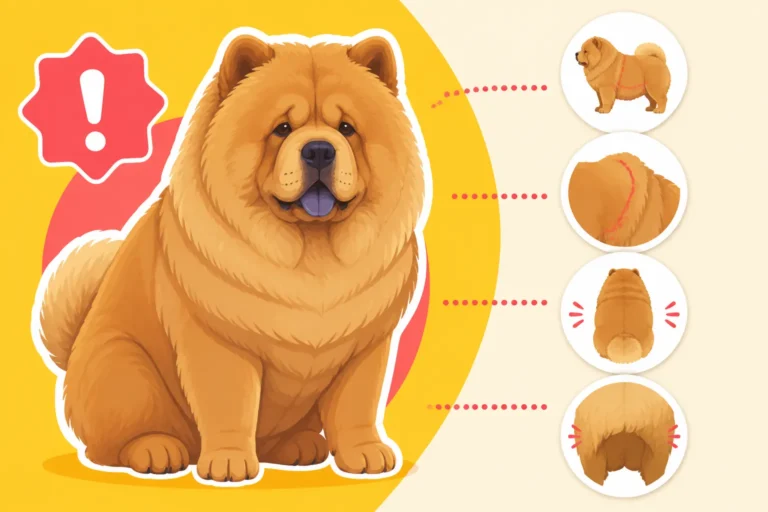
- Weight loss: If their coat suddenly feels thinner, or you can feel their ribs more easily through their dense fur. How a Chow Chow's Coat Hides Weight Loss explains why this can be hard to spot early.
- Changes in behavior: Increased irritability, hiding, or unusual aggression, particularly if it's new.
The Difference Between Disinterest and Illness
Distinguishing between a Chow Chow's typical disinterest in food and a genuine medical concern is crucial. A "disinterested" Chow Chow might walk away from their bowl but still eagerly accept a high-value treat, show interest in family meals (even if they don't get any), or resume eating later. They will still have good energy levels, a clear expression, and interact normally with you. Their coat will remain healthy, and their bowel movements will be regular. It’s a preference, not an inability or aversion to food itself.
Conversely, a Chow Chow suffering from an illness or pain will likely show a more widespread aversion to food, including treats they usually love. They might appear withdrawn, have dull eyes, a hot or cold nose, or exhibit other physical symptoms. If they skip meals for an extended period, they're often not just being picky; something is genuinely wrong. Why a Chow Chow Is Hard to Examine at the Vet and How a Chow Chow Hides Pain remind us that Chows are stoic, so any obvious signs of discomfort or illness are often significant. Trust your gut feeling as an owner – if something feels off, it's always best to consult with your veterinarian.
Common Reasons for a Chow Chow's Selective Palate
Understanding why your Chow Chow might be particular about their meals goes a long way in addressing the issue. While their independent nature contributes to their picky reputation, several environmental and physical factors can also influence their appetite. These aren't necessarily signs of illness, but rather responses to their internal or external world.
Temperature and Humidity: The Unseen Influencers
Chow Chows, with their magnificent double coats, are built for colder climates. This dense fur, while beautiful, makes them particularly susceptible to overheating, even in moderately warm temperatures. When a Chow Chow gets too hot, their body's priority shifts from digestion to cooling down. Eating generates internal heat as the body metabolizes food, so a dog trying to stay cool will naturally have a reduced appetite. This is especially noticeable during summer months or in warm, humid environments. Why a Chow Chow's Double Coat Traps Heat delves into this in detail.
You might notice your Chow Chow eating less during the hottest parts of the day, preferring to eat in the cooler mornings or evenings. They might also drink more water to help regulate their temperature. If your Chow lives in a warm house without air conditioning, or is exercised during peak heat, their disinterest in food is a natural protective mechanism. Providing a cool, comfortable environment, perhaps with a cooling mat or fan, can make a significant difference in their willingness to eat. What Temperature Is Too Hot for a Chow Chow offers practical advice on this.
Stress, Changes, and Anxiety
Chow Chows are known for their reserved and somewhat sensitive nature. They thrive on stability and a predictable routine. Any disruption to their usual environment or daily schedule can cause stress or anxiety, which often manifests as a reduced appetite. Moving to a new home, a new family member (human or pet), loud noises, construction nearby, or even changes in your own schedule can make them feel unsettled.
Because they tend to bond strongly with one person, if that person's routine changes significantly or they are absent, a Chow Chow might exhibit signs of stress, including not eating. How a Chow Chow Grieves Its Person highlights their deep emotional connections. They may also be sensitive to tension within the household. While they may not outwardly show distress like some other breeds, their internal state can greatly impact their desire to eat. Creating a calm, consistent environment and providing a safe, quiet space for them to eat can help mitigate these effects.
Dental Discomfort and Mouth Pain
One of the most common, yet often overlooked, reasons for a dog's reluctance to eat is dental pain. Imagine trying to chew your favorite meal with a throbbing toothache – it's no fun! Chow Chows are no exception. Tartar buildup, gum disease, a cracked tooth, or even a foreign object lodged in their mouth can make eating uncomfortable or even excruciating. Because Chow Chows can be stoic and their dark, pigmented mouths can hide issues, it might not be immediately obvious. How a Chow Chow's Pigmented Mouth Hides Melanoma touches on the challenges of oral examination.
Regular dental check-ups are vital, and if your Chow suddenly starts eating more slowly, drops food, or favors one side of their mouth, it’s worth a vet visit to rule out dental issues. Sometimes, switching to softer food or adding warm water to kibble can make eating less painful temporarily, but it's not a solution for the underlying problem. A professional dental cleaning or addressing specific tooth issues can often resolve eating problems entirely. What a Chow Chow's Sedated Dental Costs indicates the importance of these procedures.
Underlying Medical Conditions
While a Chow Chow might be naturally picky, a sudden or persistent change in appetite can signal a more serious underlying medical condition. It’s crucial not to dismiss a prolonged lack of interest in food as just "being a Chow Chow" if it's accompanied by other symptoms or is a drastic change from their norm. Various health issues can cause anorexia or a reduced desire to eat:
- Gastrointestinal issues: Upset stomach, inflammatory bowel disease, or even parasites can make eating unappealing. Whether a Chow Chow Bloats is a critical emergency to be aware of.
- Kidney or liver disease: These conditions can lead to a buildup of toxins that make dogs feel nauseous. Familial Renal Dysplasia Kills Young Chow Chows is a severe genetic concern.
- Pancreatitis: Inflammation of the pancreas is incredibly painful and causes severe appetite loss.
- Infections: Bacterial, viral, or fungal infections can make a dog feel unwell and suppress appetite.
- Cancer: As with humans, various forms of cancer can reduce appetite and cause weight loss. Which Cancers a Chow Chow Gets gives more information.
- Autoimmune diseases: Conditions like Autoimmune Disease in a Chow Chow can affect overall health and appetite.
- Hypothyroidism: An underactive thyroid can slow metabolism and sometimes reduce appetite, though weight gain is more common. Signs a Chow Chow's Thyroid Is Low details other symptoms.
If you suspect any of these, a trip to the vet for a thorough examination and diagnostic tests (like bloodwork or imaging) is the responsible course of action. Early detection can make a significant difference in treatment outcomes.
Strategies for Encouraging a Chow Chow to Eat
Once you've ruled out any medical reasons for your Chow Chow's fussiness, you can focus on strategies to encourage them to eat consistently and happily. It's often about consistency, making mealtime an enjoyable experience, and understanding what motivates your particular Chow.
Establishing a Consistent Feeding Routine
Chow Chows, like many dogs, thrive on routine. A predictable schedule helps regulate their metabolism and tells their body when to expect food. If meal times are erratic, they might not feel hungry or anticipate eating when the food is finally presented. Aim for two meals a day at roughly the same time each day.
A consistent routine also applies to where they eat. Designate a quiet, low-traffic area for their food bowl. This allows them to eat without feeling watched, interrupted, or stressed by household activity. If you have other pets, ensure your Chow Chow has their own space to eat undisturbed. Free-feeding, where food is left out all day, can often exacerbate pickiness in Chows, as it removes the element of anticipation and structure. Instead, put the food down for 15-20 minutes, and if it’s not eaten, pick it up until the next mealtime. This teaches them to eat when food is available.
Making Meals Appealing: Flavor and Texture
Sometimes, a Chow Chow's pickiness is simply a matter of taste and texture. They might genuinely dislike a certain kibble, regardless of its quality. Experimenting with different high-quality dog foods, perhaps switching protein sources (e.g., from chicken to lamb or fish), can sometimes spark their interest. Brands like Ollie often offer fresh, human-grade food options that can be particularly enticing to picky eaters due to their palatability and freshness.
Consider adding meal toppers or mix-ins to their kibble to make it more appealing. This could be a small amount of low-sodium broth, a spoonful of plain canned pumpkin, a little bit of plain yogurt, or even some safe, cooked lean meat like chicken or turkey. Be cautious with portions, as you don't want to over-fatten them or upset their stomach with too many new ingredients at once. A little bit of warmth can also release aromas that make food more enticing – try adding a splash of warm water to their kibble. You can find a wide variety of meal toppers and specialized picky eater foods on platforms like Chewy or Amazon.
Here's a quick comparison of food enticement methods:
| Method | Description | Pros | Cons |
|---|---|---|---|
| Warm Water/Broth | Adding a small amount of warm liquid to kibble. | Enhances aroma, softens food, easy to do. | Too much can make kibble soggy, some Chows dislike wet texture. |
| Fresh/Cooked Toppers | Mixing in small portions of cooked chicken, pumpkin, yogurt. | Highly palatable, adds nutrients. | Can lead to unbalanced diet if overused, preparation time. |
| Different Kibble Flavor | Switching to a different protein source within a reputable brand. | Simple change, maintains balanced diet. | Trial and error, can be expensive to test many brands. |
| Wet Food Mix-in | Adding a spoon of high-quality wet dog food to kibble. | Strong aroma, appealing texture. | Higher calorie count, can be messy. |
| Fresh Food Diet | Transitioning to a cooked or raw diet (e.g., from Ollie). | Extremely palatable, often improves coat/energy. | Higher cost, requires careful balancing of nutrients, storage. |
The Role of Exercise in Stimulating Appetite
While Chow Chows aren't high-energy athletes, regular, appropriate exercise is still crucial for their overall health and can significantly impact their appetite. A sedentary Chow Chow might burn very few calories, naturally leading to a reduced desire to eat. Just like humans, physical activity helps to stimulate metabolism and creates a genuine physiological need for food.
Aim for short, regular walks – perhaps two 15-20 minute strolls a day, avoiding the heat of the day. When a Chow Chow Should Be Walked in Summer is especially important to consider. Even indoor play with a favorite toy can contribute to calorie expenditure. Mental stimulation, through training sessions or puzzle toys, also burns energy and can lead to increased hunger. However, be mindful not to over-exercise your Chow, especially in warm weather, as this can lead to overheating and further suppress their appetite. The goal is gentle, consistent activity that helps them feel healthy and ready for their next meal, not an intense workout.
Navigating Food Choices for a Discerning Chow Chow
Choosing the right food for a Chow Chow can feel like a labyrinth, especially when they're particularly choosy. With so many options on the market, it's about understanding what works best for their unique palate and nutritional needs.
Dry Kibble Versus Wet Food
The debate between dry kibble and wet food is ongoing for many dog owners, and for a picky Chow Chow, the choice can be critical.
Dry Kibble:
- Pros: Generally more cost-effective, better for dental health (helps scrape tartar), and convenient for storage and free-feeding (though free-feeding isn't always best for Chows). Many high-quality kibbles offer complete and balanced nutrition. You can easily find diverse options and formulations from major retailers like Chewy.
- Cons: Less palatable for some Chows due to lower moisture content and often less intense aroma. Some Chows find the texture unappealing. If your Chow has dental issues, hard kibble can be painful to chew.
Wet Food:
- Pros: Highly palatable due to strong aroma and soft, moist texture, making it very appealing to picky eaters. High moisture content contributes to hydration. Can be easier to eat for Chows with dental problems.
- Cons: More expensive per serving than kibble, shorter shelf life once opened, and can contribute to dental issues if not paired with regular brushing. Some Chow Chows can have Whether a Chow Chow Has a Sensitive Stomach, and a sudden switch to rich wet food might cause digestive upset.
Many owners find a combination works best – a base of high-quality dry kibble, topped with a spoonful of wet food or a nutrient-rich broth, can offer the best of both worlds for a discerning Chow Chow. This increases palatability while maintaining the cost-effectiveness and dental benefits of kibble.
Fresh and Cooked Food Options
In recent years, fresh, human-grade food options have become increasingly popular, and they can be a game-changer for extremely picky Chow Chows. Companies like Ollie deliver pre-portioned, gently cooked meals made with real ingredients directly to your door.
- Pros: Highly palatable, often solves pickiness issues due to fresh ingredients and appealing textures. Owners report improved coat health, energy levels, and stool quality. You know exactly what ingredients your dog is eating.
- Cons: Significantly more expensive than kibble or even canned wet food. Requires refrigerator or freezer space. Transitioning to a fresh food diet must be done slowly to avoid digestive upset. While beneficial, it's a financial commitment.
Alternatively, some owners choose to home-cook meals for their Chow Chows. While this can offer control over ingredients, it's essential to consult with a veterinary nutritionist to ensure the diet is completely balanced. Without expert guidance, home-cooked meals can easily lack essential vitamins and minerals, leading to health problems down the line. A properly balanced homemade diet is a complex undertaking, but when done right, can be incredibly beneficial for a picky eater.
Supplements and Toppers: A Little Extra Enticement
If your Chow Chow is generally healthy but just needs a little nudge to finish their meals, strategic use of supplements and toppers can be helpful.
- Fish Oil: Adding a pump of fish oil can improve coat health, support joint function, and often makes food more appealing due to its rich aroma and fatty content. Whether a Chow Chow Needs Fish Oil for Its Coat mentions these benefits.
- Probiotics: If your Chow's pickiness is sometimes linked to a sensitive stomach or occasional loose stools, a probiotic supplement can improve gut health, which in turn can lead to a better appetite.
- Low-Sodium Broth: Warming up some low-sodium chicken or beef broth and pouring it over kibble can dramatically increase its aroma and moisture, making it much more inviting.
- Plain Canned Pumpkin: A spoonful of plain, unsweetened canned pumpkin can add fiber, help with digestion, and has a sweet, earthy flavor many dogs enjoy.
- Boiled Chicken/Lean Meat: As a temporary measure or an occasional treat, shredding a small amount of plain boiled chicken or other lean meat into their regular food can entice them to eat. Be careful not to make this a regular habit, or your Chow Chow might start holding out for the "good stuff" all the time.
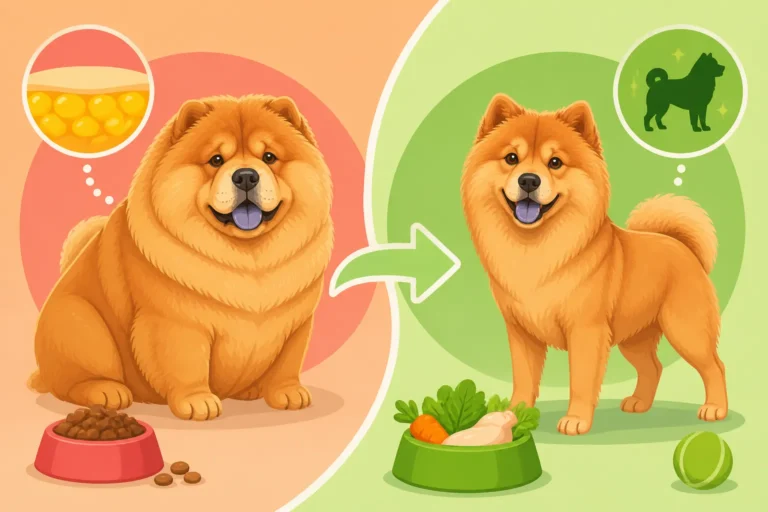
When using toppers, remember they are meant to entice, not to replace the balanced nutrition of their main food. Use them sparingly and ensure they don't contribute too many extra calories, especially if you're trying to Getting Weight Off a Chow Chow. Always introduce new supplements or toppers slowly to avoid any digestive upset. Checking for ingredient lists on platforms like Amazon is a good way to ensure quality.
Disclaimer
This article is for general informational purposes only and does not constitute professional advice. Laws, prices and regulations vary by location and change over time. Consult a qualified professional for guidance on your specific situation.