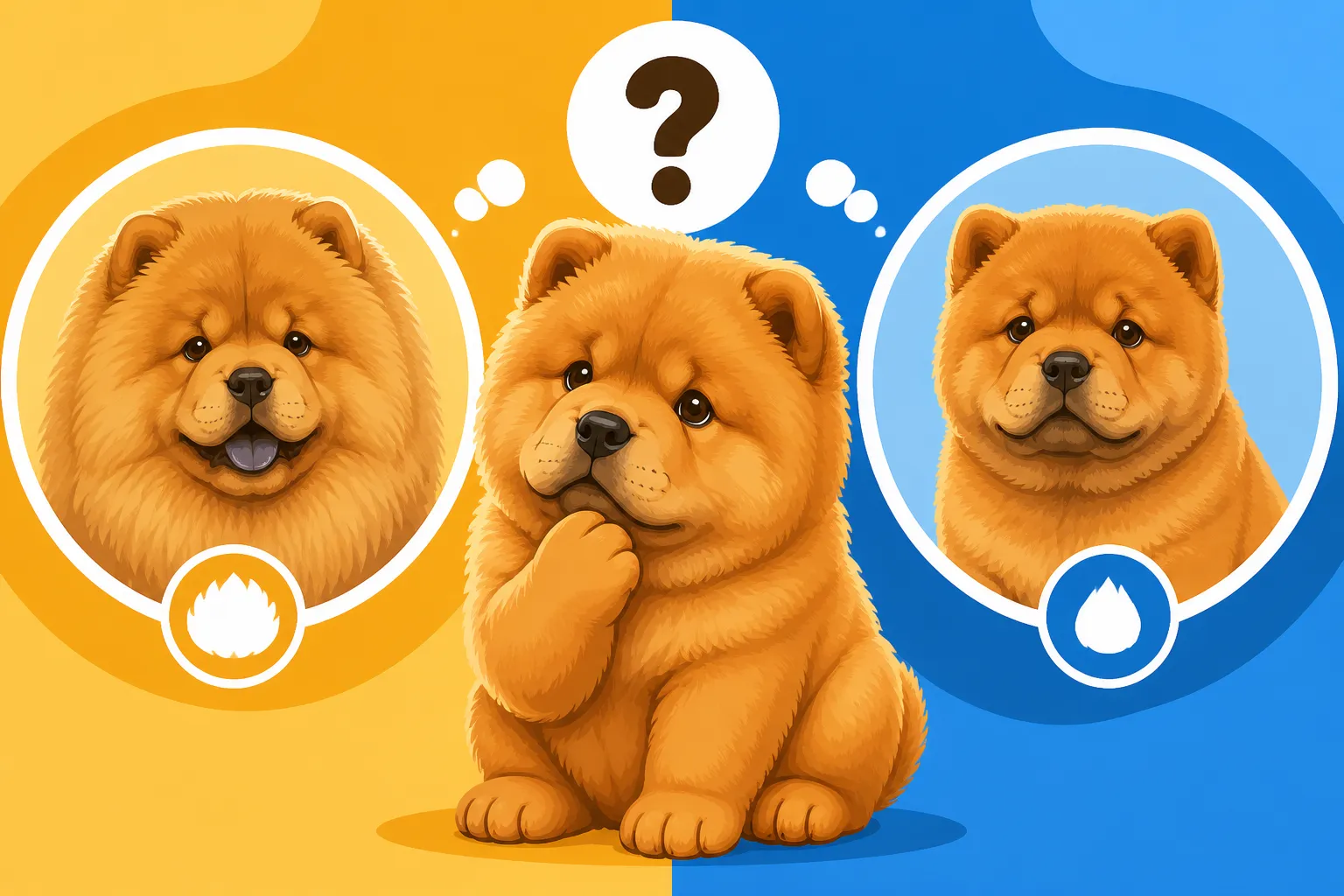
Whether a Chow Chow Puppy’s Coat Type Is Obvious
Bringing home a Chow Chow puppy is an incredibly exciting time, full of fluffy cuddles and endless "awws." But for many new owners, a common question starts to bubble up as their little furball grows: "Is my puppy going to be a rough coat or a smooth coat?" It’s not always obvious right away, and the subtle differences can leave you guessing, wondering how to best prepare for their adult grooming needs. This guide is here to walk you through the journey of a Chow Chow puppy's coat development, helping you understand when and how to distinguish between the two distinct coat types, and why it matters for your future care routine.
Understanding the Two Chow Chow Coat Types
Before we dive into deciphering your puppy's fluff, it’s helpful to truly grasp the characteristics of the two Chow Chow coat types. Both are double-coated, meaning they have a soft, dense undercoat and a coarser, protective outer coat. This double-layer system is vital for insulation, keeping them warm in winter and helping to regulate their body temperature in warmer climates. The crucial difference lies in the length and texture of that outer coat.
The Majestic Rough Coat
The rough coat is what most people picture when they think of a Chow Chow – that magnificent, lion-like mane. This coat type is characterized by a dense, harsh, and straight outer coat that stands off the body. It forms a prominent ruff around the head and neck, feathering on the legs, and a heavily plumed tail that curls over the back. The sheer volume and length of this coat give the rough-coated Chow Chow its iconic, regal appearance.
Caring for a rough coat is a significant commitment. The longer hairs, combined with the dense undercoat, are highly prone to matting if not brushed regularly and thoroughly. These mats can pull at the skin, causing pain, skin infections, and general discomfort for your dog. It's a coat designed for protection in harsh environments, and its beauty requires diligent maintenance. This commitment to grooming is one of the primary reasons distinguishing coat types early is so beneficial. You can find more detailed information on these distinctions in Rough or Smooth: the Two Chow Chow Coats and What Each Needs.
The Sleek Smooth Coat
While less common, the smooth coat Chow Chow is equally striking, possessing a different kind of elegance. Instead of the long, flowing mane, the smooth coat has a hard, dense, and short outer coat, with no appreciable ruff or feathering. It still retains the crucial double coat, with a thick undercoat, but the outer hairs lie flat and close to the body, giving the dog a much more streamlined silhouette.
Despite its shorter length, the smooth coat still sheds, and that dense undercoat still needs attention to prevent buildup. Many people assume a smooth coat means less work, and while it's generally true that it's less prone to severe matting, it certainly isn't a "wash and wear" coat. The shedding can still be substantial, especially during seasonal coat blows, and a good brushing routine is still essential for skin health and comfort. Understanding What a Smooth Coated Chow Chow Looks Like can help you recognize this type even as a puppy.
The Appearance of a Chow Chow Puppy's Coat
When you first bring home a Chow Chow puppy, typically between eight and twelve weeks old, both rough and smooth coats present as incredibly soft, fluffy, and generally quite uniform. They look like little cotton balls, and it can be genuinely challenging to predict their adult coat based on this initial fluff. This is often where the confusion begins, as the distinctive adult characteristics haven't fully developed.
Early Puppy Fluff: A Deceptive Phase
In these early weeks, a Chow Chow puppy's coat is designed for warmth and comfort, a soft baby fuzz that's a joy to bury your face in. Both coat types share this plush, downy texture. You might notice some variations in density or slight differences in the way the coat lays on the body, but these are often too subtle for an untrained eye to confidently identify. It's like trying to guess a teenager's adult height based on their baby photos – you might have a hunch, but it’s not a guarantee.
This stage is primarily about providing comfort and warmth, not about showcasing the genetic predisposition for a specific coat type. The hairs are finer, softer, and haven't yet taken on the adult texture or length. New owners often pore over pictures of adult Chows, trying to spot similarities, only to find their tiny fluff ball doesn't quite fit either mold yet. Patience is key during this deceptive phase.
Subtle Clues in the First Few Weeks
While definitive identification might be difficult, there can be some very subtle indicators even in the first few weeks if you know what to look for, especially when comparing puppies from the same litter. A rough-coated puppy might have slightly longer hairs around its ears, on the backs of its legs, or a hint of a more prominent tail plume compared to its smooth-coated littermates. The fluff on a rough coat puppy might also appear slightly more "airy" or stand further off the body.
Conversely, a smooth-coated puppy, even in its fluffiest stage, may have a coat that lies a bit flatter and denser against its body. The differences are not always dramatic, and if you only have one puppy, it can be nearly impossible to tell without the side-by-side comparison of a mixed litter. Good breeders, however, can usually tell the difference much earlier, often even at birth, based on their experience and the nuances of the newborn coats. They understand the intricacies of Whether a Chow Chow Puppy's Coat Type Is Obvious.
When the Coat Type Becomes Clear
The true revelation of your Chow Chow puppy's coat type usually coincides with a significant developmental milestone: the puppy coat change. This period can be a bit messy and certainly requires patience, but it’s when the adult coat begins to assert itself and the distinctive features of rough or smooth become undeniably apparent.
The Puppy Coat Change Explained
Around three to six months of age, your Chow Chow puppy will start what’s known as a "coat blow" or "blowing its puppy coat." This is when the soft, fluffy puppy hair is gradually shed, making way for the coarser, denser, and longer (or shorter, in the case of smooth coats) adult coat. This isn't a quick process; it can last for several weeks, or even a couple of months. During this time, you might notice increased shedding and a somewhat disheveled appearance as patches of adult coat grow in alongside remnants of the puppy fluff.
For a rough coat, this is when the characteristic ruff, feathering, and plumed tail begin to emerge more distinctly. The hair on the body will start to lengthen and take on its coarser texture. For a smooth coat, the puppy fluff will be replaced by the shorter, harder outer coat that lies flat. The overall appearance will become much sleeker. This period of transition is the most reliable time to definitively determine your Chow Chow's coat type. You can learn more about this transition in When a Chow Chow's Puppy Coat Changes and How Long a Chow Chow's Coat Change Takes.
Visual Confirmation and Developmental Milestones
By the time your Chow Chow puppy is around six to nine months old, the adult coat should be well on its way, providing clear visual confirmation of its type.
For a rough coat, you'll see:
- Distinct Ruff: A noticeable collar of longer, denser hair around the neck and shoulders.
- Feathering: Longer hair developing on the backs of the legs and tail.
- Stand-off Coat: The body coat will clearly stand away from the skin, not lie flat.
- Harsh Texture: The outer coat will feel coarser and straighter than the puppy fluff.
For a smooth coat, you'll observe:
- Close-Lying Coat: The hair on the body will remain short and lie flat, without any significant ruff or feathering.
- Dense and Hard Texture: The adult smooth coat feels firm and robust, not soft and fluffy like the puppy coat.
- Defined Silhouette: The dog's body outline will be more visible due to the shorter coat length.
If you're still unsure, observing photographs of adult rough and smooth Chow Chows can be incredibly helpful for comparison, allowing you to match your growing puppy’s emerging features to established breed standards.
Why Knowing the Coat Type Matters for Care
Understanding whether your Chow Chow will be a rough or smooth coat isn't just about curiosity; it's fundamental to providing the correct grooming and care throughout their life. The differences in coat structure dictate vastly different maintenance routines, and being prepared means a healthier, happier Chow Chow.
Grooming Implications for Each Coat
The primary reason to identify your Chow Chow's coat type early is to tailor your grooming regimen. This isn't just about aesthetics; it's about preventing discomfort, skin issues, and even costly veterinary visits.
Rough Coat Grooming:
A rough coat demands significant time and effort. It requires frequent and thorough line brushing, often several times a week, to prevent mats from forming. Mats can quickly tighten, pulling at the skin and creating painful hot spots or infections. Key tools include a sturdy slicker brush, a good undercoat rake, and a metal comb to check for tangles deep within the coat. Many owners invest in high-velocity dryers, especially during seasonal coat blows, to help remove loose undercoat and ensure the dense fur is completely dry after baths. You can find a wide array of these specialized tools on platforms like Amazon or Chewy, making it easier to equip yourself for the task. Remember that How Often a Rough Coated Chow Chow Needs Brushing is a common question, and the answer is frequently.
Smooth Coat Grooming:
While generally less demanding than a rough coat, a smooth coat still requires regular attention, particularly during shedding seasons. Brushing a smooth coat a couple of times a week with a slicker brush and a deshedding tool can help remove loose undercoat and minimize shedding around the house. Baths are still necessary, and proper drying is just as crucial to prevent skin issues. Don't fall into the trap of thinking "short coat, no work." The density of the undercoat in both types means both shed considerably, and regular grooming helps manage How Much a Chow Chow Sheds. Neglecting a smooth coat can still lead to skin irritation and a dull, unhealthy appearance.
Health and Comfort Considerations
Beyond aesthetics, the coat type plays a role in your Chow Chow's overall health and comfort. Both coats offer insulation, but their structure affects how you manage certain environmental factors and health observations.
Heat Management:
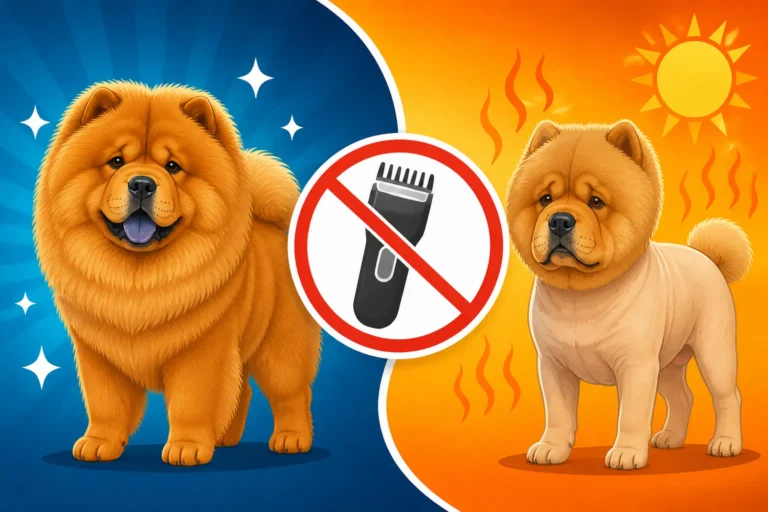
Chow Chows, regardless of coat type, are prone to overheating due to their dense double coats and brachycephalic (short-nosed) structure. While a smooth coat might appear cooler, its dense undercoat still traps heat. You absolutely should never shave a Chow Chow, as this disrupts their natural insulation system and can lead to sunburn or improper coat regrowth. Why a Chow Chow Must Never Be Shaved explains this in detail. Regular grooming for both types helps remove dead undercoat, which can improve air circulation close to the skin, aiding in temperature regulation.
Skin and General Health Checks:
The density of a Chow Chow's coat, especially a rough coat, can make it challenging to spot skin issues, lumps, or parasites. Regular, thorough grooming sessions, regardless of coat type, are crucial for performing these important checks. As you brush, you can feel for any abnormalities, notice changes in skin condition, or identify fleas and ticks before they become a major problem. It also helps you clean out any debris or dirt that can get trapped, particularly around the face folds or under the ruff, which can lead to irritation if left unattended. This proactive approach to care is a cornerstone of responsible Chow Chow ownership.
| Feature | Rough Coat Puppy | Smooth Coat Puppy | Adult Rough Coat | Adult Smooth Coat |
|---|---|---|---|---|
| Initial Look | Very fluffy, soft, resembles a cotton ball | Very fluffy, soft, resembles a cotton ball | Lion-like mane, prominent ruff, feathered legs | Sleek, short, dense, lies close to body |
| Subtle Clues | Slightly longer hair on ears/tail, more "airy" fluff | Coat lies a bit flatter, denser against body | Harsh, straight outer coat stands off body | Hard, dense outer coat, no ruff/feathering |
| Coat Change Age | 3-6 months | 3-6 months | Fully developed by 6-9 months | Fully developed by 6-9 months |
| Grooming Need | High; frequent line brushing, undercoat raking | Moderate; regular brushing, deshedding during blow | Extensive; daily/every other day to prevent mats | Moderate; 2-3 times weekly, especially during shed |
| Matting Risk | High | Low | Very High | Low to moderate |
Ultimately, whether your Chow Chow puppy grows into a magnificent rough coat or a sleek smooth coat, both require dedication and understanding. The initial puppy fluff is just the beginning, and as they mature, their true coat type will emerge, guiding you in providing the best possible care.
Disclaimer
This article is for general informational purposes only and does not constitute professional advice. Laws, prices and regulations vary by location and change over time. Consult a qualified professional for guidance on your specific situation.