When a Chow Chow’s Puppy Coat Changes
Many new Chow Chow owners find themselves wondering when their adorable, fluffy puppy will start to shed its soft baby coat and transform into the magnificent, dense-coated adult we all recognize. This transition can be a bit bewildering, often accompanied by a stage lovingly dubbed "the uglies." This comprehensive guide will walk you through the timing and process of a Chow Chow's puppy coat change, offering insights into what to expect and how to best care for your growing companion.
The Unique Nature of the Chow Chow Coat
Before we dive into the specifics of the coat change, it’s really helpful to understand what makes a Chow Chow’s coat so distinct in the first place. This breed isn't just fluffy; their coat is a finely tuned system, perfectly adapted to protect them from the elements. Knowing its structure will help you appreciate the journey your puppy's coat is about to take.
Understanding the Double Coat Structure
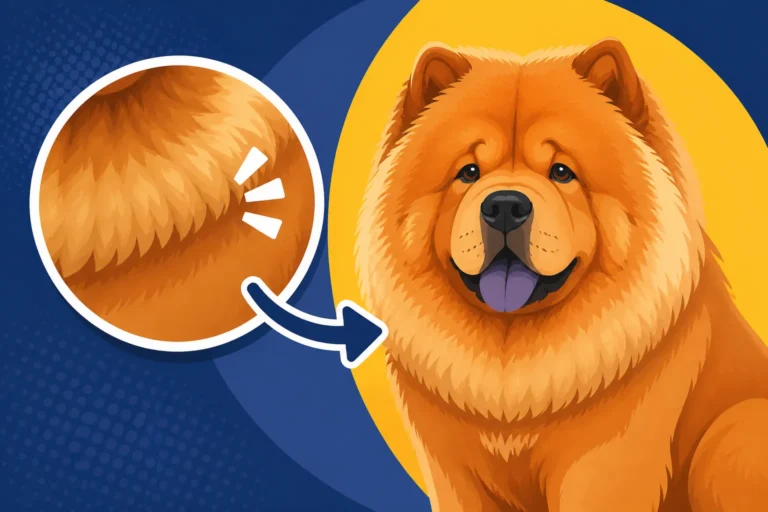
Every Chow Chow, whether they have a rough or smooth coat, possesses a dense double coat. This isn't just a fancy term; it's a vital part of their physiology. The double coat consists of two distinct layers, each serving a crucial purpose. First, there's the outer coat, or guard hairs. These are longer, coarser, and somewhat stiff, acting like a protective shield. They're designed to repel water, dirt, and debris, keeping your Chow Chow's skin dry and clean. Imagine walking through tall grass or encountering a sudden rain shower; these guard hairs are the first line of defense.
Beneath this protective outer layer lies the undercoat. This layer is incredibly soft, dense, and woolly, providing exceptional insulation. In colder climates, it traps warm air close to the body, keeping your Chow Chow toasty. In warmer weather, it actually helps to regulate their temperature by preventing direct sunlight from hitting the skin and allowing for air circulation. This intricate design is why we always talk about the importance of brushing right down to the skin, because neglecting the undercoat can lead to serious problems like matting and overheating. If you want to dive deeper into this, check out What a Chow Chow's Double Coat Is Made Of.
These two layers work in harmony, but they also have different growth cycles and textures, which becomes very evident during the puppy coat change. The puppy coat is predominantly soft undercoat, which is why they feel like little fluffy clouds. As they mature, the outer guard hairs grow in length and density, creating that characteristic lion's mane or sleek, smooth look.
Rough vs. Smooth Coats and Early Indicators
Chow Chows come in two distinct coat types: rough and smooth. While both have a double coat, their appearance and maintenance needs differ significantly. The rough coat is the more commonly recognized type, featuring a profuse, dense outer coat that stands off the body, creating that majestic mane around the head and neck, feathering on the legs, and a heavily plumed tail. It’s undeniably gorgeous, but it’s also the higher-maintenance option when it comes to grooming.
The smooth coat, on the other hand, is shorter, denser, and lacks the extensive feathering and mane. It lies flatter against the body, giving the dog a more streamlined appearance. Many people mistakenly think a smooth coat is easier to manage, and while it might take slightly less time, it still requires regular attention due to that dense undercoat. You can learn more about these differences in Rough or Smooth: the Two Chow Chow Coats and What Each Needs.
For new puppy owners, figuring out which coat type your young Chow Chow will develop can sometimes be a guessing game, especially when they are very young. However, by about 8-10 weeks, you can usually start to see hints of the coat they will carry into adulthood. A rough-coated puppy will often have noticeably longer fur on their ears and tail, and their overall fluffiness will be more pronounced. Smooth-coated puppies will have a much shorter, neater appearance from the get-go. Sometimes, it’s not immediately obvious, and you might wonder Whether a Chow Chow Puppy's Coat Type Is Obvious, but experienced breeders can usually tell quite early.
The Timeline of the Puppy Coat Transition
So, you've got this adorable, fluffy puppy, and you're watching them grow. One day, you might notice their coat isn't quite as soft, or perhaps it looks a little disheveled. Don't worry, it's not you, it's just the start of the fascinating and sometimes challenging puppy coat change, often lovingly referred to as "the uglies."
When the Change Begins
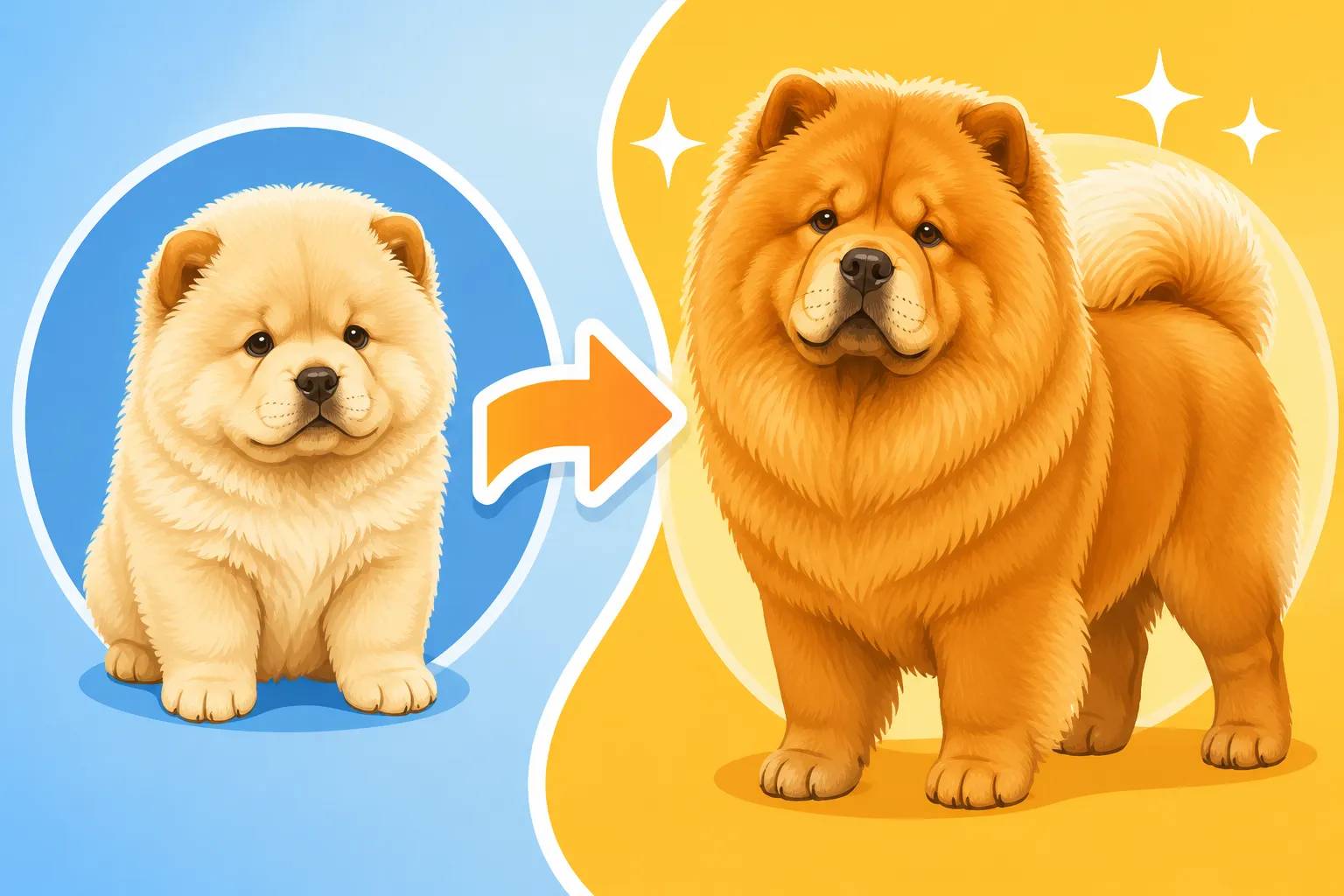
The transition from the soft, downy puppy coat to the denser, more structured adult coat typically begins when your Chow Chow is around 3 to 6 months old. However, just like human teenagers, every Chow Chow is an individual, and this timeline can vary. Some might start shedding their puppy fluff a little earlier, while others might hold onto it a bit longer. What you’ll first notice is a change in texture – that baby-soft fur starts to feel a bit coarser, and you might see more loose hair around the house or on their bedding.
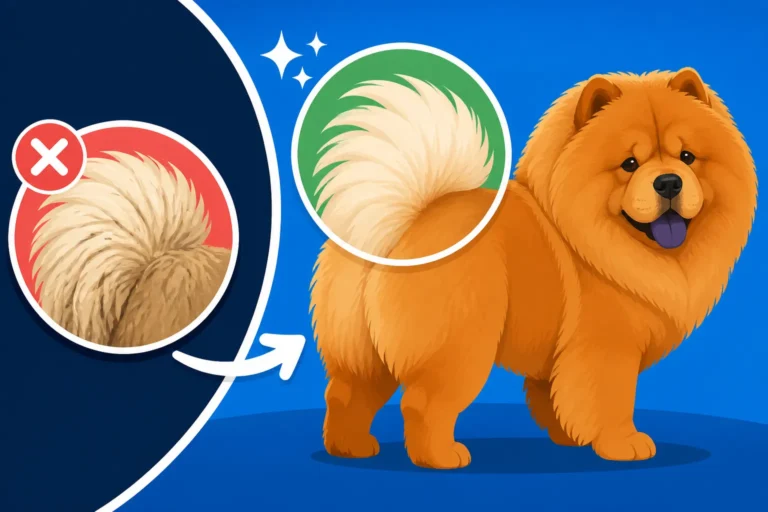
This isn't a sudden, dramatic event, but rather a gradual process. The adult guard hairs start to grow in, pushing out the softer puppy coat. This initial phase can sometimes be a bit patchy, with some areas of the body showing new growth while others still retain the old fluff. It’s not uncommon for a Chow Chow to start looking a little "scruffy" during this time, losing their perfectly rounded puppy appearance. This first significant shedding isn't quite the same as the seasonal "coat blow" that adult Chows experience, but it shares some similarities in terms of the sheer volume of hair involved. For more on that, you can read When a Chow Chow Blows Its Coat.
It's a really important period for grooming. If you haven't already started getting your puppy used to regular brushing, now is definitely the time. Getting ahead of the game will make the "uglies" phase much more manageable and less stressful for both of you. Daily, gentle brushing can help remove the shedding puppy fur and prevent mats from forming as the new coat starts to come in.
The Peak of the "Uglies" Phase
The term "the uglies" might sound harsh, but it's an affectionate, if slightly exasperated, descriptor used by many Chow Chow enthusiasts for a very real stage. This phase typically hits its peak between 6 and 12 months of age, though for some Chows, it can stretch a bit longer. During this time, your once perfectly spherical, fluffy puppy might look like a patchwork quilt of awkward fur lengths and textures. They might lose their majestic puppy fluff unevenly, resulting in bald-ish spots alternating with tufts of stubborn puppy coat.
This is where you'll really see a significant amount of hair coming out. The volume can be surprising, and it’s a direct result of the dense undercoat being shed to make way for the more substantial adult coat. You might find yourself asking How Much Undercoat Comes Off a Chow Chow, and the answer is usually "a lot!" Areas like the chest, neck (where the mane will eventually form), and britches often experience the most dramatic changes. It's a testament to the powerful genetic programming dictating their coat development.
Patience is truly a virtue during this period. Your Chow Chow might look less than camera-ready, but remember it's a completely normal part of their development. This phase can last for several months, and it's essential not to get discouraged or assume something is wrong with their coat. It's just nature doing its thing. While it feels like it lasts forever, the complete process for an adult coat to fully establish itself can take some time. How Long a Chow Chow's Coat Blow Lasts gives you an idea of the persistence required for these big shedding events.
The Slow Development of the Adult Coat
After surviving the peak of "the uglies," you'll gradually notice your Chow Chow's adult coat beginning to fill in more consistently. This stage can take quite a while, often not reaching full maturity until they are 18 months to 2 years old, or even a bit later for some individuals. The guard hairs become more prominent, offering that distinctive texture and protective quality, while the undercoat continues to thicken and provide insulation.
For rough-coated Chows, this is when their glorious mane and profuse ruff really start to develop, giving them that lion-like appearance that is so iconic. The feathering on their legs and tail will also become more pronounced and luxurious. Smooth-coated Chows will continue to develop a very dense, short outer coat with a thick undercoat, maintaining their sleek, yet substantial, silhouette.
Even once the adult coat has fully grown in, it's a living, breathing entity that will continue to change throughout their life. Factors like diet, health, climate, and even spaying or neutering can influence its density and texture. Regular grooming remains crucial even after the puppy coat transition is complete to maintain its health and appearance, prevent matting, and manage seasonal shedding.
Essential Grooming During the Coat Change
Navigating "the uglies" with your Chow Chow can feel like a full-time job, but with the right tools and techniques, it's absolutely manageable. The key is consistency and understanding how to groom this unique double coat. Remember, you’re not just brushing the top layer; you need to get down to the skin.
Brushing Techniques for Shedding Puppy Coat
During the puppy coat change, brushing becomes your best friend. The goal is to remove all that shedding puppy fluff and prevent it from tangling with the incoming adult coat, which is a recipe for serious mats. The most effective technique for a Chow Chow is line brushing. This involves parting the coat, usually starting at the bottom of a leg or flank, and brushing small sections upwards and outwards, working your way through the entire dog layer by layer. This ensures you reach all the way down to the skin, where mats often begin unseen.
You'll want to use a good quality slicker brush and a sturdy metal comb. The slicker brush helps to tease out loose fur and minor tangles, while the comb is essential for checking your work and making sure there are no hidden mats close to the skin. Don't be surprised if your grooming sessions are longer during this phase; a rough-coated Chow Chow can easily take 1-2 hours per session, especially if you're line brushing thoroughly. For a full breakdown on how to tackle this, consult How to Line Brush a Chow Chow.
This frequent brushing also serves a dual purpose: it not only manages the shedding but also desensitizes your puppy to being handled. A positive grooming experience now will pay dividends for years to come, making future maintenance much easier for you and your dog. You can make it a pleasant experience with tasty treats from brands like Ollie or even just a favorite toy after the session. Starting early and being consistent with even short, positive sessions will set them up for a lifetime of comfortable grooming. How Long Brushing a Rough Chow Chow Takes offers a realistic view of the time commitment.
Bathing and Drying Considerations
Bathing a Chow Chow, especially during a heavy shedding period, is an art form in itself. The dense double coat means they can take a very long time to get thoroughly wet and even longer to dry. However, a good bath can sometimes help loosen stubborn shedding fur, making brushing more effective afterward. The trick is to ensure you completely saturate the coat with water and then rinse all shampoo out. Any residue left behind can irritate the skin and even make matting worse.
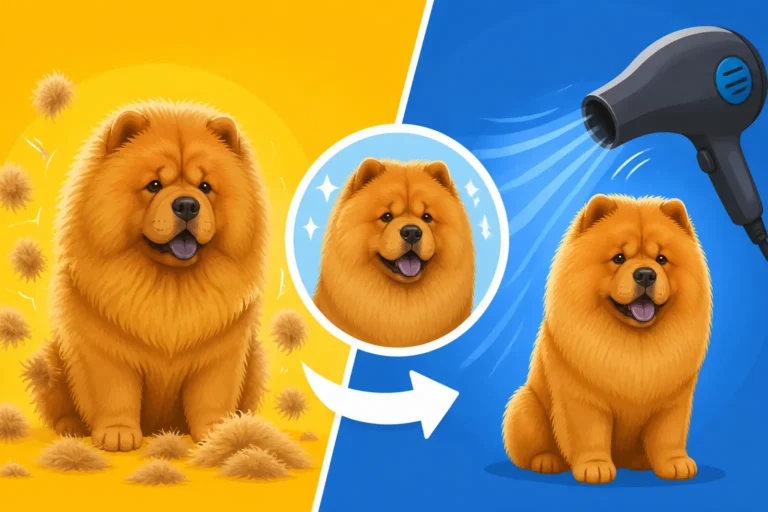
Once bathed, the drying process is paramount. Never, ever allow a Chow Chow to air dry, especially during a coat change. The dense undercoat traps moisture against the skin, creating a perfect breeding ground for bacteria and yeast, which can lead to uncomfortable and painful skin infections (hot spots). A high-velocity dryer is an absolute game-changer for Chow Chow owners. It blasts water out of the coat, significantly reducing drying time, and also helps to "blow out" loose undercoat, which can be incredibly satisfying. You can often find reliable high-velocity dryers on Amazon, which will be an investment that pays for itself over your dog's lifetime.
Even with a high-velocity dryer, drying a Chow Chow to the skin can take an hour or more. Take your time, brush as you dry, and ensure every layer of that double coat is completely dry. This meticulous drying process is key to preventing skin issues and maintaining a healthy coat. If you're curious about how these powerful tools work, consider checking out Whether a High Velocity Dryer Helps a Chow Chow Shed.
Tools to Make the Process Easier
Having the right arsenal of grooming tools can transform the coat change experience from a frustrating chore to a manageable routine. Beyond the slicker brush and metal comb, there are a few other items that will prove invaluable:
- Undercoat Rake: These tools are specifically designed to penetrate the dense outer coat and gently pull out loose undercoat without damaging the guard hairs. During the heavy shedding phases of the puppy coat change, an undercoat rake can be incredibly effective. Just be sure to use it gently and correctly to avoid irritating the skin. If you’re wondering about this specific tool, you might want to look into Whether an Undercoat Rake Suits a Chow Chow.
- De-shedding Shampoo and Conditioner: While not a miracle cure, a good quality de-shedding shampoo and conditioner can help loosen dead hair, making it easier to remove during brushing. Brands available through Chewy often have specific formulas for shedding breeds.
- Grooming Table: A grooming table, even a small, portable one, can save your back and make the grooming process much more efficient. It elevates your dog to a comfortable working height and often has a grooming arm to safely secure them, preventing them from wandering off mid-brush.
- Nail Clippers or Dremel: While not directly related to coat change, regular nail care is part of overall grooming. Getting your puppy used to having their feet handled and nails trimmed early will make things easier down the line.
Remember, the right tools are only part of the equation; consistent, gentle handling and positive reinforcement are just as important for a smooth grooming experience.
| Grooming Tool | Primary Use | Benefit During Coat Change |
|---|---|---|
| Slicker Brush | Removing loose fur, detangling | Essential for separating puppy and adult coat |
| Metal Comb | Checking for mats, reaching the skin | Ensures complete removal of shedding undercoat |
| Undercoat Rake | Penetrating topcoat to remove dense undercoat | Highly effective for heavy puppy coat removal |
| High-Velocity Dryer | Rapid drying, blowing out loose fur | Prevents skin issues, speeds up shedding |
| De-shedding Shampoo/Cond. | Loosens dead hair during bathing | Aids in shedding process, improves coat health |
| Grooming Table | Elevates dog for easier grooming | Improves ergonomics, safety, and efficiency |
Common Concerns and Misconceptions
It's natural to have questions and even a few worries when your Chow Chow's coat is undergoing such a significant transformation. Many new owners encounter similar issues or hear advice that isn't quite right for this unique breed. Let's clear up some of the most common ones.
Why Shaving is Never the Answer
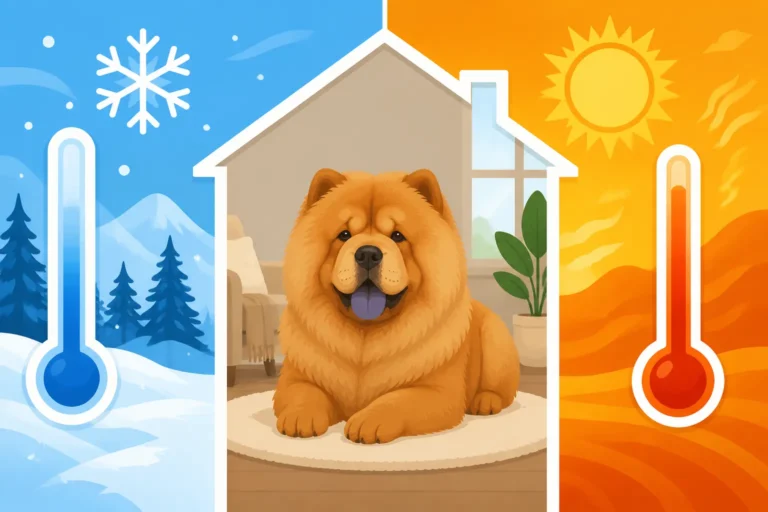
One of the biggest misconceptions, especially when dealing with the sheer volume of shedding during the puppy coat change or an adult coat blow, is that shaving a Chow Chow will somehow make them cooler or reduce shedding. This couldn't be further from the truth and is actually quite detrimental to their well-being. A Chow Chow's double coat is designed for insulation – it keeps them warm in winter and cool in summer by trapping air and protecting their skin from the sun.
When you shave a Chow Chow, you strip away this natural protection. You expose their delicate skin to harmful UV rays, making them highly susceptible to sunburn and increasing their risk of skin cancer. You also disrupt their natural temperature regulation system, which can actually make them more prone to overheating because their coat can no longer do its job. Furthermore, shaving can permanently damage the texture of their coat, leading to what's often called "post-clipping alopecia" where the coat grows back patchy, sparse, or with an incorrect texture that may never fully recover. For a deeper understanding of why this is such a bad idea, please read Why a Chow Chow Must Never Be Shaved.
Instead of shaving, the solution to managing shedding and keeping your Chow Chow comfortable is consistent, thorough grooming. Regular brushing, especially line brushing, and proper drying after baths will remove loose hair and allow their coat to function as intended. This effort, while significant, is crucial for their health and comfort.
Monitoring for Skin Issues Under the Changing Coat
The "uglies" phase, with its heavy shedding and new coat growth, can sometimes mask underlying skin issues. The dense fur makes it difficult to see what's happening close to the skin, which is why diligent inspection during grooming is so important. As you're brushing, always be on the lookout for any redness, irritation, flaky skin, bumps, or excessive scratching.
Moisture trapped in a dense, shedding coat can quickly lead to hot spots – painful, rapidly spreading bacterial skin infections. These often start as a small irritated patch but can become quite large and oozy in a short amount of time. If you notice your Chow Chow constantly licking or chewing at a particular area, part the fur and investigate. Early detection and treatment by a veterinarian are key to resolving hot spots quickly.
Also, be mindful of parasites. Fleas and ticks can easily hide within the dense coat, and their bites can cause severe itching and secondary skin infections. Regular flea and tick prevention is essential, and a thorough check during grooming sessions can help you spot any unwelcome visitors. If you are ever unsure or concerned about the health of your Chow Chow's skin or coat, don't hesitate to consult with your veterinarian. They can provide guidance, diagnose any issues, and recommend appropriate treatments to keep your Chow Chow healthy and comfortable through every stage of their coat's development.
Disclaimer
This article is for general informational purposes only and does not constitute professional advice. Laws, prices and regulations vary by location and change over time. Consult a qualified professional for guidance on your specific situation.