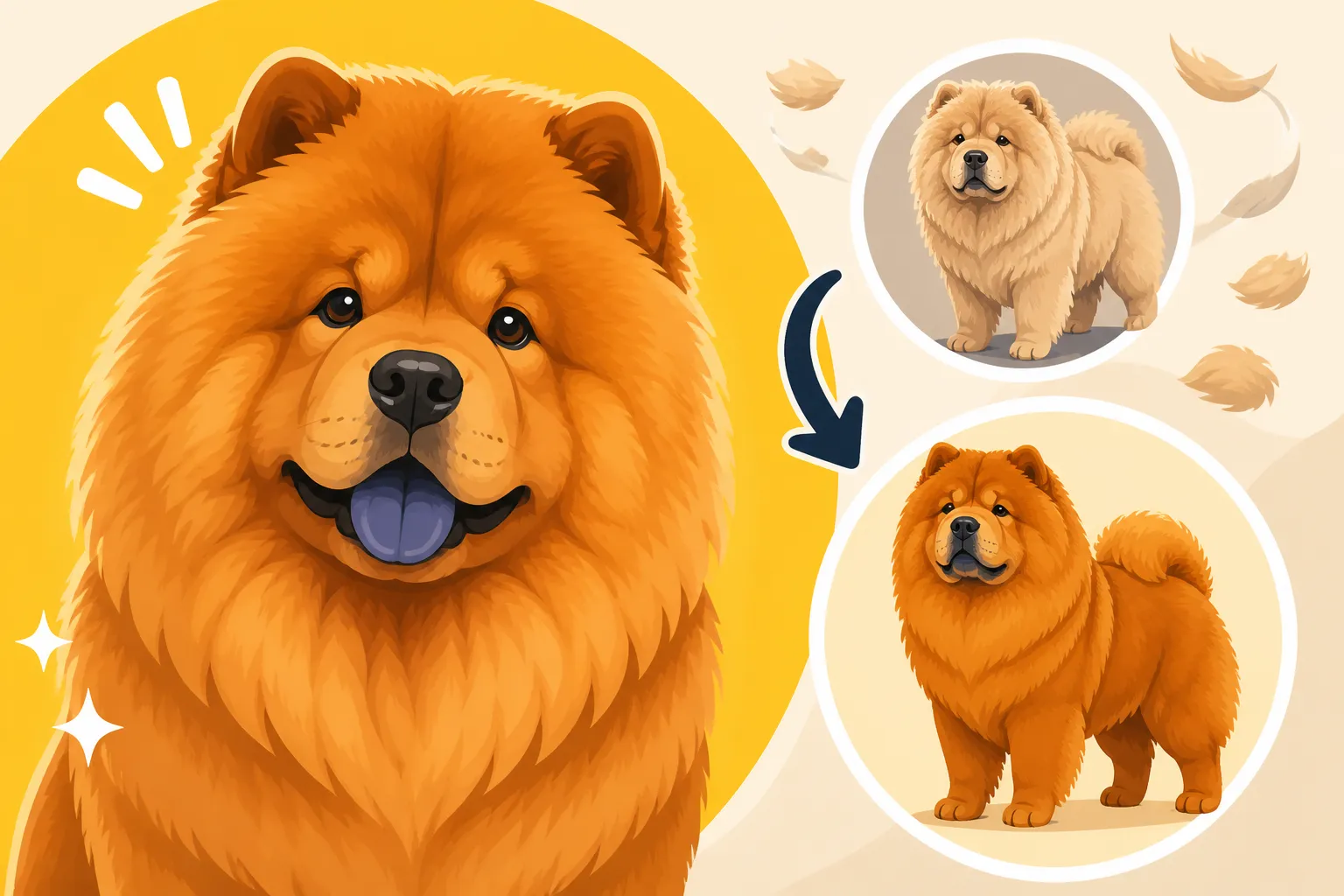
How Long a Chow Chow’s Coat Change Takes
Anyone who has lived with a Chow Chow knows the sheer wonder of their magnificent double coat. It's truly a sight to behold, a plush, luxurious mane that makes them look like a lion in dog form. But that beauty comes with a price, and if you've ever found yourself wading through what feels like an endless sea of fur, you're not alone. The "coat blow" is a rite of passage for every Chow Chow owner, and it often leaves us wondering, "When will this ever end?" This guide is here to shed some light on exactly how long a Chow Chow's epic coat change takes, and what you can do to manage it.
Understanding the Chow Chow "Coat Blow" Phenomenon
Before we dive into timelines, let's really grasp what's happening during a coat blow. It's not just regular shedding; it's an event, a massive evacuation of old fur to make way for new. For a breed known for its dense, insulating coat, this process is essential for their health and comfort.
What Exactly is a Coat Blow?
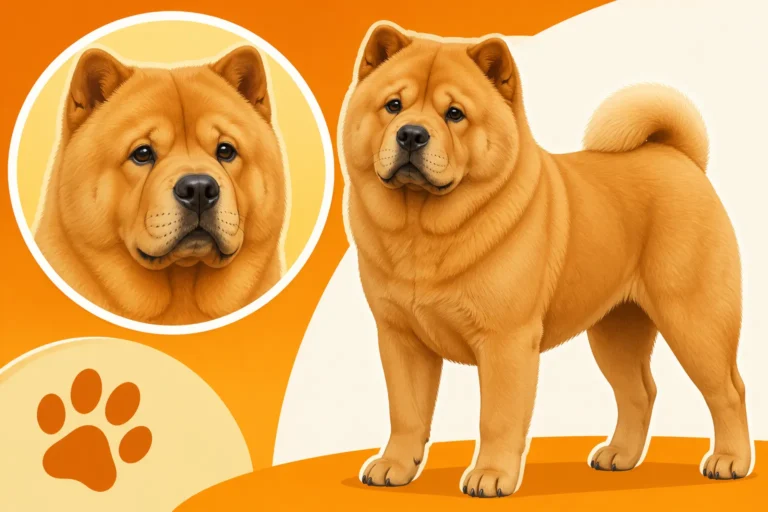
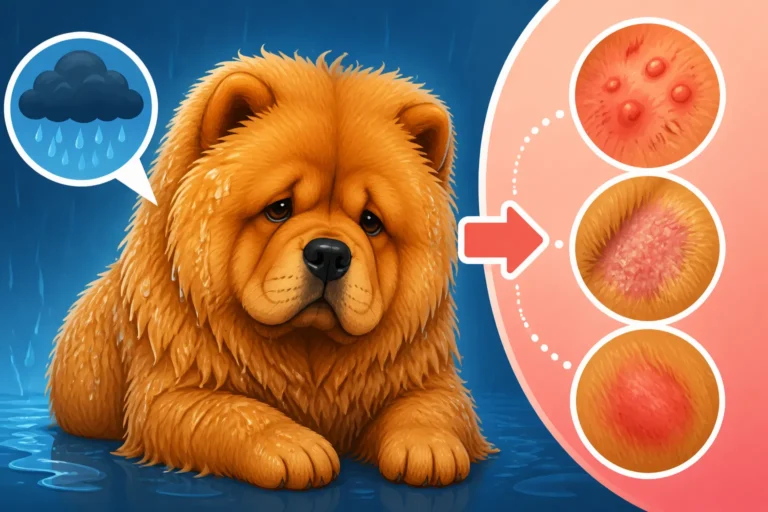
Imagine wearing two thick sweaters, one over the other. Now imagine needing to shed the inner, heavier one entirely before putting on a new, lighter one for summer, or a warmer one for winter. That's essentially what your Chow Chow does. Their coat is made up of two distinct layers: a coarse, straight outer guard coat that protects against the elements, and a soft, dense, woolly undercoat that provides insulation. When we talk about a "coat blow," we're primarily referring to the massive shedding of this undercoat. This old, dead undercoat needs to be expelled to allow air circulation to the skin, prevent matting, and enable the growth of a new, healthy undercoat appropriate for the upcoming season. It's a natural, albeit messy, part of being a double-coated breed. Without proper management, this trapped undercoat can lead to skin irritation, hot spots, and painful matting.
When Do Chow Chows Typically Blow Their Coat?
Chow Chows, like many double-coated breeds, generally experience two major coat blows a year. These typically coincide with the changing seasons: once in spring to prepare for warmer weather, and again in the fall to get ready for the colder months. The spring blow tends to be the most dramatic, as they shed their heavy winter insulation. However, individual dogs can vary. Factors such as geographical location and climate play a huge role. A Chow Chow living in a perpetually warm climate might have a less pronounced seasonal shed, or shed more consistently year-round, while one in an area with extreme seasonal shifts will have more distinct blows.
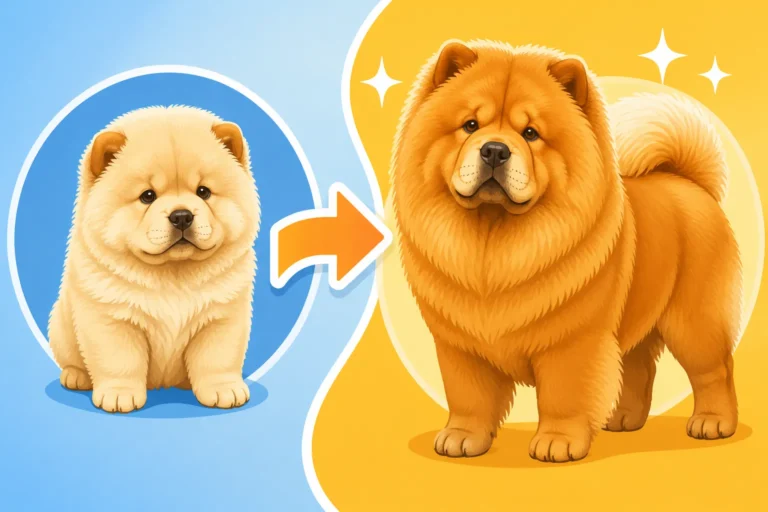
Beyond seasonal changes, hormonal shifts also trigger coat blows. Female Chow Chows will often blow their coat after going through a heat cycle, after pregnancy, or after whelping a litter. Spaying or neutering can also influence their shedding patterns, sometimes leading to a more continuous, though less intense, shed throughout the year rather than distinct seasonal blows. And, of course, puppies go through their own special coat change, transitioning from their soft, fluffy puppy coat to the adult double coat. You might notice your young Chow Chow's coat changing around When a Chow Chow's Puppy Coat Changes, which is another significant shedding period.
The Sheer Volume of Fur Involved
Let's be honest, for first-time Chow Chow owners, the sheer volume of fur that comes off during a coat blow can be absolutely shocking. It’s not just a few stray hairs; it's enough to build another small dog. You'll find tumbleweeds of fur rolling across your floors, clinging to your clothes, and magically appearing in places you didn't even know existed. This isn't an exaggeration; it's a realistic expectation. The density of their undercoat means there's a lot of material to shed. Without consistent brushing, this dead undercoat gets trapped, creating mats that pull on the skin and can become incredibly painful. It’s easy to feel overwhelmed, but understanding that this is normal and necessary for your Chow Chow's health can help you mentally prepare for the furry deluge. You can find out more about the composition of their impressive coat in What a Chow Chow's Double Coat Is Made Of.
The Timeline: How Long Does a Chow Chow's Coat Blow Really Last?
Now for the million-dollar question: how long does this furry marathon actually go on for? The answer, like with many things canine, is "it depends." But we can give you some realistic expectations.
Average Duration for Most Chows
For most Chow Chows, a significant coat blow will typically last anywhere from 2 to 6 weeks. Yes, you read that right – weeks, sometimes even stretching into a couple of months for particularly dense-coated individuals or if grooming isn't consistent. The initial phase is usually the most intense, where it feels like you're pulling out handfuls of fur with every brush stroke. This intense period might last 1-2 weeks. After that, it usually tapers off, but a steady stream of shedding can continue for several more weeks as the last bits of old undercoat work their way out and the new coat settles in.
It's a process, not a sudden event. Think of it less like flipping a switch and more like a slow, deliberate shedding of layers. During this time, you might feel like your vacuum cleaner is your most prized possession, and you might consider buying shares in lint roller companies.
Factors That Influence the Length of the Shed
Several factors can influence how long your Chow Chow's coat blow lasts, making some experiences longer and more challenging than others:
- Climate and Environment: Chows living in regions with distinct seasons will generally have more pronounced, but shorter, seasonal blows. Those in temperate or indoor-only environments might shed more continuously, making the "blow" feel less like an event and more like a year-round state.
- Grooming Frequency and Tools: This is arguably the biggest factor you can control. A Chow Chow that is consistently brushed, especially with the right tools, will get through its coat blow much faster. If dead undercoat isn't removed regularly, it stays trapped, prolonging the shedding period and increasing the risk of matting. Neglecting grooming during a blow can easily double or triple the duration. Having the right tools, like a good undercoat rake, is critical. You might be surprised at How Much Undercoat Comes Off a Chow Chow when you use the right approach.
- Diet and Nutrition: A healthy diet rich in omega fatty acids (like those found in high-quality dog foods or supplements) can contribute to a healthier coat and skin, potentially making shedding cycles more efficient. A poor diet can lead to dull, brittle fur that sheds excessively and takes longer to regenerate. Some brands like Ollie offer fresh, human-grade food options that can contribute to overall coat health.
- Genetics and Individual Coat Type: Some Chow Chows simply have denser coats than others, or shed more profusely due to their genetic makeup. A rough-coated Chow Chow, with its longer, thicker fur, will generally have a more intense and potentially longer blow than a smooth-coated Chow Chow, though both still have a double coat that blows. How Long Brushing a Rough Chow Chow Takes can give you an idea of the commitment for that coat type.
- Hormonal Status: As mentioned, intact females will shed heavily after heat cycles. Spayed/neutered dogs can sometimes develop a "spay coat" or "neuter coat," which may be denser and softer, sometimes leading to more continuous shedding.
The "Forever Shed": When it Feels Like it Never Ends
Sometimes, despite your best efforts, it can genuinely feel like your Chow Chow is shedding indefinitely. While technically the "coat blow" has a beginning and an end, continuous or excessive shedding can be a sign of underlying issues or simply a different shedding pattern.
For older Chow Chows, their coat can change with age, sometimes becoming thinner or shedding more constantly. What Changes in an Aging Chow Chow's Coat delves into this more. Persistent, non-seasonal shedding, especially if accompanied by patchy fur, thinning spots, dull coat, or skin irritation, should always warrant a vet visit. These could be signs of:
- Allergies: Environmental or food allergies can manifest as excessive shedding and poor coat quality.
- Parasites: Fleas, ticks, or mites can cause skin irritation and lead to hair loss and shedding.
- Hormonal Imbalances: Conditions like hypothyroidism (What Autoimmune Thyroiditis Does to a Chow Chow) can severely impact coat health and cause shedding.
- Nutritional Deficiencies: A diet lacking essential nutrients can lead to a dry, brittle coat that sheds excessively.
- Stress or Anxiety: Just like humans, stress can affect a dog's physical health, including their coat.
If you suspect any of these, don't hesitate to consult your veterinarian. They can help diagnose and treat any underlying health conditions affecting your Chow Chow's coat.
Surviving the Coat Blow: Management Strategies
When the fur starts flying, it's easy to feel defeated. But with the right strategies, you can minimize the mess and shorten the duration of the coat blow. Think of it as a concentrated effort that pays off in the long run.
Aggressive Grooming: Your Best Defense
This isn't the time for a quick once-over with a brush. During a coat blow, you need to be proactive and thorough. Regular, even daily, grooming is essential to remove the dead undercoat before it has a chance to mat or spread throughout your home.
- Tools of the Trade: Invest in high-quality grooming tools. An undercoat rake with rotating teeth is invaluable for penetrating the dense coat and pulling out dead undercoat without damaging the guard hairs. A slicker brush can help after the rake to smooth the outer coat. Many owners swear by de-shedding tools specifically designed for double coats. You can find a wide array of options on Chewy or Amazon.
- Line Brushing Technique: This is the most effective way to groom a Chow Chow. Start at the bottom of a section (e.g., a leg or the flank), part the hair, and brush downwards, slowly working your way up the body. This ensures you're getting down to the skin and removing all the trapped undercoat. How to Line Brush a Chow Chow provides a detailed explanation of this crucial technique.
- Frequency: During a heavy coat blow, aim to brush your Chow Chow daily, even if it's just for 15-20 minutes. This consistent effort will remove the fur in stages, rather than letting it accumulate. Outside of a major blow, How Often a Rough Coated Chow Chow Needs Brushing might be less, but never infrequent.
- Bathing: A bath can actually help loosen dead hair, but it must be followed by thorough drying and brushing. Never let a Chow Chow air dry during a coat blow, as trapped moisture and dead fur create a perfect breeding ground for skin problems and matting. Use a good quality shampoo designed for double coats.
Creating a "Shedding Station"
Designating a specific area for grooming can make the process much more manageable and contain the fur.
- Outdoor Grooming: If weather permits, brushing your Chow Chow outdoors is ideal. The wind will carry away loose fur, and you won't have to contend with it inside.
- Grooming Table: A grooming table can save your back and make the dog feel more secure and less likely to squirm away. It also keeps the fur contained to one area.
- High-Velocity Dryer: This is a game-changer for many Chow Chow owners. A high-velocity dryer, often used by professional groomers, blows out loose undercoat with incredible efficiency. After a bath, it not only dries your dog quickly to the skin but literally blasts out handfuls of dead fur, drastically reducing the shedding time. Brands available on Chewy or Amazon offer various models, and while an investment, it saves countless hours of brushing. Learn more about its benefits in Why a High Velocity Dryer Helps a Chow Chow Shed.
- Protective Gear: Wear old clothes or an apron when grooming, and consider using a bandana or mask to avoid inhaling loose fur.
Nutritional Support and Hydration
A healthy coat starts from within. What you feed your Chow Chow can genuinely impact the quality of their coat and the efficiency of their shedding cycles.
- High-Quality Diet: Ensure your Chow Chow is on a balanced, high-quality diet. Look for foods with real meat as the first ingredient and a good source of omega-3 and omega-6 fatty acids. These healthy fats are crucial for skin and coat health, promoting a strong, shiny coat and reducing excessive shedding. You might consider fresh food diets from providers like Ollie for an extra boost in nutrition.
- Supplements: If your dog's diet isn't providing enough, consider adding a vet-approved omega-3 fatty acid supplement, like fish oil. This can improve skin hydration and coat luster, which in turn can lead to a healthier shedding process.
- Water Intake: Adequate hydration is key for overall health, including skin and coat. Ensure your Chow Chow always has access to fresh, clean water. Good hydration helps keep the skin healthy and the hair follicles strong.
| Factor | Impact on Coat Blow Duration | Management Tip |
|---|---|---|
| Grooming Frequency | Low frequency = longer, more severe blow, more mats | Brush daily during blow with appropriate tools |
| Grooming Tools | Incorrect tools = inefficient fur removal | Use undercoat rake, slicker, high-velocity dryer |
| Diet Quality | Poor diet = brittle coat, prolonged shedding | Feed high-quality food, consider omega fatty acid supplements |
| Climate | Extreme seasons = more pronounced but shorter blows | Adjust grooming intensity to seasonal shifts |
| Hormonal Status | Intact females/spayed dogs can have specific patterns | Be aware of post-heat/post-surgery shedding, adapt grooming accordingly |
| Underlying Health Issues | Can cause continuous, abnormal shedding | Consult vet if shedding is excessive, patchy, or accompanied by skin issues |
After the Storm: Post-Blow Coat Care and Maintenance
Once the worst of the coat blow is over, you might feel a huge sense of relief. But the work isn't entirely done. Maintaining a healthy coat requires ongoing effort to prevent future issues and ensure your Chow Chow remains comfortable and looking their best.
Rebuilding a Healthy Coat
After shedding copious amounts of old undercoat, your Chow Chow's skin and remaining coat need care to regenerate. This isn't just about preventing the next coat blow; it's about setting the stage for a healthy cycle.
- Continued Good Grooming: Even when not actively blowing coat, your Chow Chow still sheds year-round. Regular brushing, perhaps 2-3 times a week for a rough coat, is crucial. This routine prevents minor matting from forming, helps distribute natural oils, and keeps the coat free of debris. Think of it as preventative maintenance. Consistent grooming also reinforces positive associations with handling, making future intense grooming sessions less stressful for both of you. Never think that Why a Chow Chow Must Never Be Shaved during warmer months means you don't have to keep grooming; it's always essential.
- Skin Health: With the dense undercoat gone, it's a good time to check your Chow Chow's skin for any dry patches, redness, or irritation that might have been hidden by the fur. A healthy skin barrier is fundamental to a healthy coat. If you find anything concerning, a vet visit is a good idea. Sometimes a medicated shampoo or balm might be recommended to soothe or protect the skin.
- Nutritional Consistency: Keep up with the high-quality diet and any supplements you've found beneficial. Consistent nutrition helps the new coat grow in strong, shiny, and healthy, making it more resilient to matting and less prone to excessive, non-seasonal shedding.
Recognizing When Something Isn't Right
While shedding is normal, there's a difference between a healthy coat blow and an abnormal amount of hair loss. Learning to recognize the signs that something might be amiss is crucial for your Chow Chow's well-being.
- Excessive Shedding Out of Season: If your Chow Chow is shedding as heavily as a seasonal blow, but it's not the right time of year, or if the shedding seems truly continuous with no breaks, it could indicate an issue.
- Patchy Fur or Bare Spots: A healthy shed replaces old fur with new. If you notice bald patches, thinning fur, or areas where the hair isn't growing back properly, it's a red flag. This can be a sign of skin infections, parasites, allergies, or hormonal problems.
- Dull, Brittle Coat: A healthy Chow Chow coat should have a natural sheen and feel soft, especially the undercoat. If the fur looks dull, feels coarse and brittle even after grooming, or breaks easily, it suggests poor coat health.
- Skin Irritation: Excessive scratching, licking, or chewing, especially if accompanied by red, inflamed skin, bumps, scabs, or a strange odor, points to underlying skin problems that need veterinary attention. Sometimes, even trapped dead fur can lead to hot spots if not addressed quickly.
- Behavioral Changes: Any significant change in your Chow Chow's behavior, like lethargy, decreased appetite, or increased anxiety, combined with abnormal shedding, warrants a trip to the vet. These can be indicators of systemic illness.
Don't ignore these signs. Your Chow Chow's coat is a good indicator of their overall health. Being attentive to changes and proactive in seeking veterinary advice can catch potential problems early, ensuring your furry companion stays as healthy and happy as possible.
Disclaimer
This article is for general informational purposes only and does not constitute professional advice. Laws, prices and regulations vary by location and change over time. Consult a qualified professional for guidance on your specific situation.