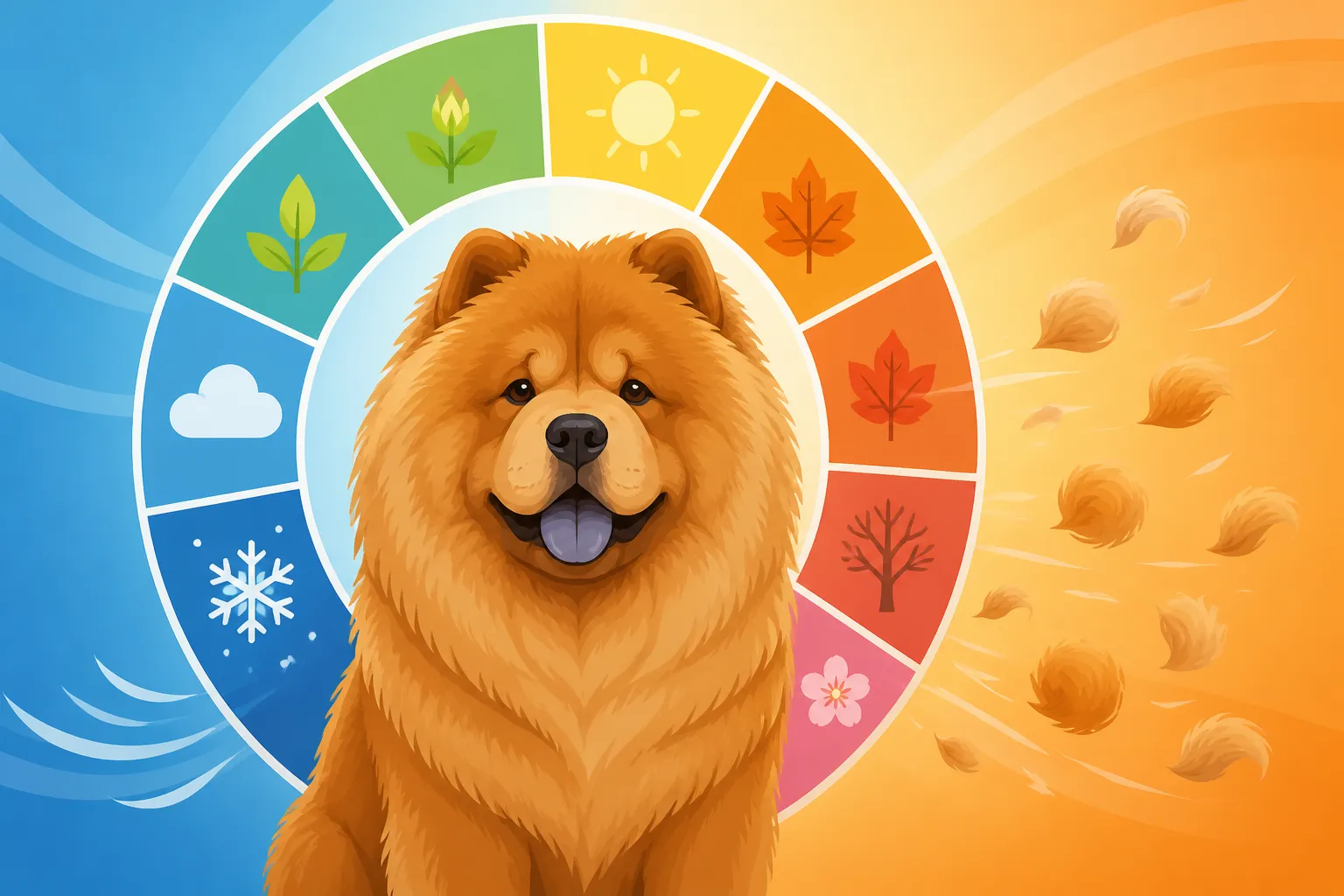
Which Months a Chow Chow Blows Its Coat
If you're a Chow Chow owner, or even just thinking about becoming one, you've probably heard hushed tales of "the coat blow." It's not a myth, I promise you, but a very real, very intense period of shedding that can turn your home into a furry wonderland if you're not prepared. This guide will walk you through exactly when to expect your Chow Chow to shed its substantial undercoat, why it happens, and what you can do to manage the impending fur storm.
Understanding the Chow Chow's Magnificent, Yet Demanding, Coat
Before we dive into the timing of the great fur explosion, let's talk a little about what makes a Chow Chow's coat so unique – and such a shedding challenge. These aren't just fluffy dogs; they're equipped with a serious double coat designed for colder climates, and understanding its structure helps us understand the shedding process.
The Double Coat: A Design for the Elements
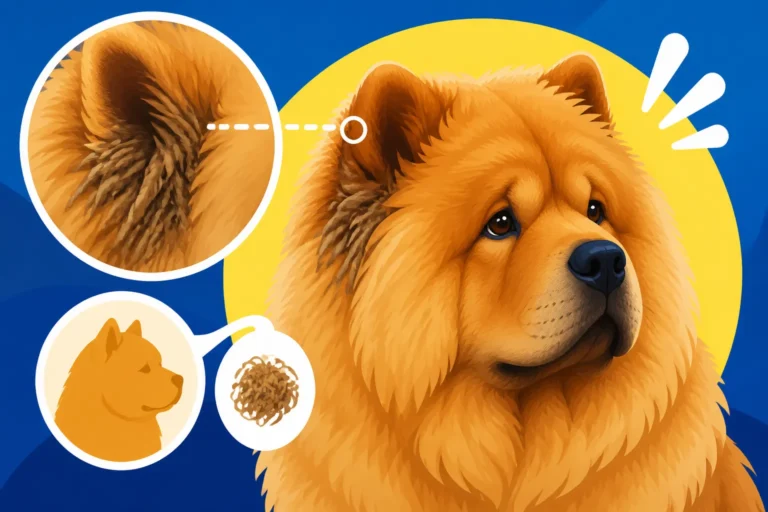
A Chow Chow's coat isn't just one layer; it's a meticulously crafted system of two distinct types of hair, working in harmony. First, you have the outer guard hairs, which are coarse, straight, and protective. Think of these as the raincoat, shielding your Chow from dirt, moisture, and harsh weather. They give the Chow Chow its iconic lion-like appearance, especially the "ruff" around the neck.
Beneath this formidable outer layer lies the true engine of the shedding dilemma: the dense, woolly undercoat. This soft, downy layer is what provides insulation, keeping your Chow warm in winter and helping to regulate their body temperature in other seasons. It's this undercoat that sheds in prodigious amounts during what we call a "coat blow." Many new owners are surprised by What a Chow Chow's Double Coat Is Made Of when they first encounter the sheer volume of fur.
Rough Versus Smooth: Both Will Shed, Just Differently
Chow Chows come in two coat varieties: rough and smooth. While the rough coat, with its abundant fur, is what most people picture, the smooth coat is also a double coat. It's simply shorter and denser, lacking the dramatic length and volume of the rough coat. However, don't let the "smooth" designation fool you into thinking you've escaped the shedding. Both varieties will experience significant coat blows, though the smooth coat might present with less visible fur floating around simply because the hairs are shorter. The principles of shedding remain the same for both.
The Annual Ritual: When to Expect Your Chow Chow to "Blow Coat"
The most significant shedding periods for a Chow Chow are largely dictated by seasonal changes, specifically the transitions from cold to warm and warm to cold. These are the times Mother Nature tells their bodies it's time to adjust their insulation.
The Great Spring Shed: Winter Coat Rises to the Occasion
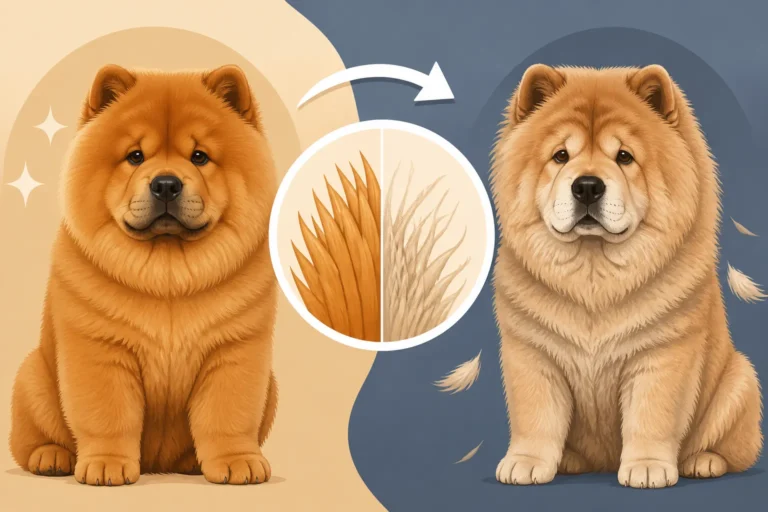
As the days begin to lengthen and the temperatures gradually warm up after winter, typically in late spring (think April, May, early June), your Chow Chow will start to shed its heavy winter undercoat. This is often the most dramatic coat blow of the year. Imagine your dog realizing it no longer needs all that extra warmth, and literally letting it go. The amount of fur that can come off during this period is truly astounding – enough to build a new dog, as many Chow Chow owners will jokingly (or not-so-jokingly) tell you.
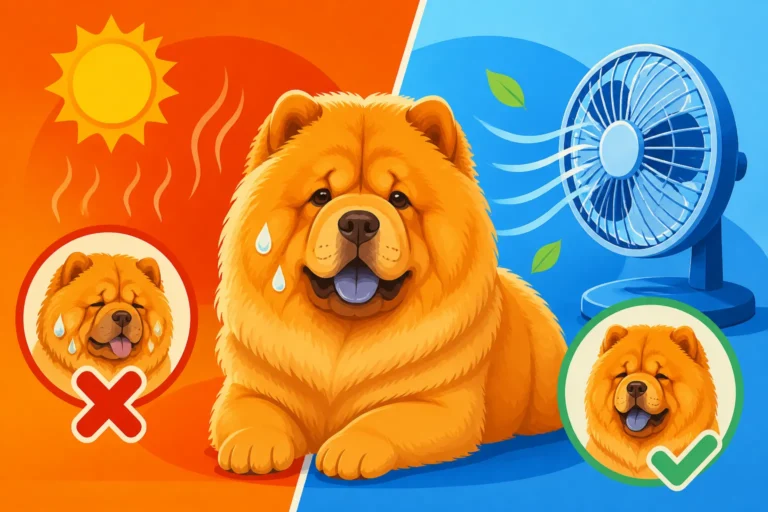
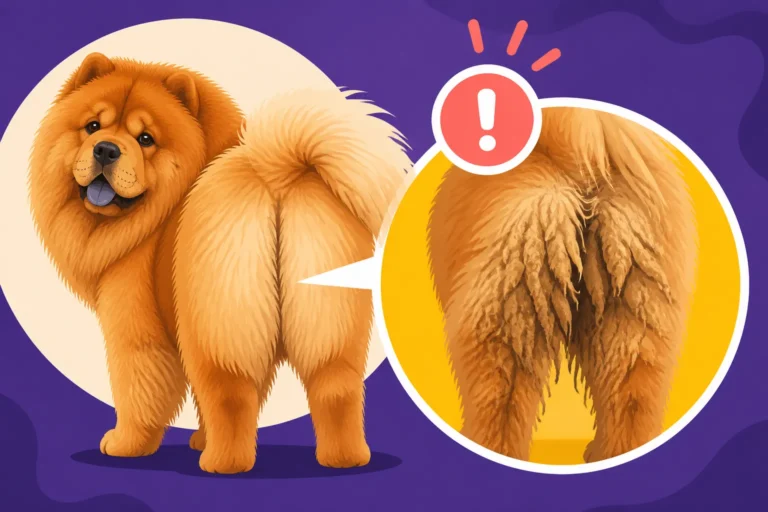
This spring shed is crucial because it allows cooler air to circulate closer to the skin, helping your Chow Chow stay comfortable as summer approaches. If this old, dead undercoat isn't properly removed, it can mat, trap heat, and lead to skin problems. You'll notice loose tufts of fur clinging to their body, and every pet of their back will yield a small cloud of fluff.
The Autumn Transition: Preparing for Winter
The second major coat blow usually occurs in late summer or early autumn (around September, October). This is when your Chow Chow sheds its lighter summer coat to make way for the thicker, warmer winter undercoat. While often not as visually dramatic as the spring shed, it's still a significant event. The shedding here is about making space for the new, dense insulation that will protect them during the colder months.
During this time, you might notice a more gradual, but still persistent, increase in fur around the house. It's their body's way of naturally regulating and preparing for the inevitable dip in temperature. Consistent grooming during this period is just as important, if not more so, to ensure the new winter coat can grow in properly without becoming impacted.
The Year-Round Reality: Shedding is Never Truly "Off"
While spring and autumn mark the peak shedding seasons, it's important to understand that Chow Chows are moderate to heavy shedders year-round. There's no magical "off" switch. They are constantly losing old hairs and growing new ones, so you'll always find some Chow Chow fur in your home, on your clothes, and potentially in your coffee. The seasonal coat blows are simply intensified periods of this ongoing process. How Much a Chow Chow Sheds is a question frequently asked, and the answer is always "a lot," regardless of the season, but especially during these two peaks.
Factors That Influence Your Chow Chow's Shedding Cycle
While there's a general seasonal rhythm to a Chow Chow's coat blow, several individual factors can significantly influence when and how much your dog sheds. It's not always a strict calendar event, and understanding these variables can help you manage expectations.
Living Environment and Climate
One of the biggest influencers on shedding is your Chow Chow's living environment. Dogs kept predominantly outdoors in a natural climate will typically have more pronounced, predictable seasonal sheds. Their bodies respond directly to the external changes in light and temperature. However, many Chows live indoors, in climate-controlled homes. This can sometimes blur the lines of the traditional seasonal shed, leading to a more consistent, albeit lighter, shedding throughout the year, with less dramatic "blows."
For example, a Chow Chow living in a perpetually air-conditioned home in a warm climate like Florida might shed more consistently and less acutely than one experiencing distinct seasonal shifts in a New England state. Their bodies are constantly trying to adapt to the stable indoor environment, rather than the wild swings of nature.
Hormonal Changes: Spay/Neuter Status
Hormones play a significant role in coat health and shedding cycles. Unspayed females might experience changes in their coat around their heat cycles, sometimes shedding more heavily or having coat texture changes. Similarly, spaying or neutering a Chow Chow can affect their coat. While some owners report a softer, more cottony texture post-surgery, others notice a change in the shedding pattern, sometimes leading to a more continuous, rather than intensely seasonal, shed. Whether a Spayed Chow Chow Blows Coat Differently is a common question, and the answer is often "yes," though the specific impact varies by individual dog.
Health, Diet, and Stress
A Chow Chow's overall health and nutrition can also impact their coat and shedding. A dog on a high-quality diet with appropriate nutrients, including omega fatty acids (you can find quality supplements or foods with these on sites like Chewy or Ollie), tends to have a healthier coat that sheds normally. Conversely, a poor diet, nutritional deficiencies, or underlying health issues like thyroid problems (which can cause excessive or abnormal shedding) can disrupt the natural cycle. Whether a Hypothyroid Chow Chow Loses Coat is a definite possibility, making regular vet check-ups and What a Chow Chow's Yearly Bloodwork Should Cover essential.
Stress can also trigger shedding. A move, a new pet, changes in routine, or even separation anxiety can cause a dog to "blow" their coat more heavily or at unusual times. It's their body's physiological response to perceived threats or discomfort.
| Factor | Impact on Shedding Cycle | Typical Timing Affected |
|---|---|---|
| Season/Climate | Primary driver; dictates undercoat density. | Spring (heavy), Autumn (moderate) |
| Indoor Living | Can smooth out peaks, lead to more constant shedding. | Less defined peaks, more consistent year-round |
| Spay/Neuter Status | Can alter coat texture, sometimes continuous shedding. | Varies, often post-surgery impact |
| Diet & Nutrition | Healthy diet supports normal shedding; poor diet worsens. | Ongoing, can cause abnormal shedding |
| Underlying Health | Illness (e.g., thyroid) can cause excessive shedding. | Can occur at any time |
| Stress | Can trigger sudden, heavy shedding outside of season. | Unpredictable, tied to stressful events |
Navigating the Fur Tsunami: Managing a Chow Chow's Coat Blow
So, you know when to expect it, and you know why it's happening. Now comes the practical part: how do you survive the sheer volume of fur that a Chow Chow's coat blow unleashes? It requires dedication, the right tools, and a fair bit of patience.
Daily Brushing: Your Most Powerful Weapon
During a coat blow, daily brushing isn't just recommended, it's absolutely essential. This isn't a quick once-over; it's a deep, thorough grooming session aimed at removing as much dead undercoat as possible before it ends up on your furniture and floors. You'll want to use an undercoat rake and a slicker brush, working in sections down to the skin. The goal is to separate and lift the dead fur.
My personal method involves what's called "line brushing," where you systematically brush through layers of the coat. You start at the bottom of the leg or flank, part the hair, and brush a small section upwards, then part the next section slightly higher, and so on. This ensures you're getting all the way to the skin. For detailed instructions, check out How to Line Brush a Chow Chow. An undercoat rake, often available on Amazon or Chewy, is invaluable here for getting through the thickest parts of the coat.
Strategic Bathing and Drying
Bathing a Chow Chow during a coat blow can actually help loosen and remove dead fur, but it's a commitment. You absolutely must ensure they are dried thoroughly, all the way to the skin. A damp undercoat can quickly lead to painful mats and skin infections. This is where a high-velocity dryer becomes your best friend. These powerful dryers blow water and loose fur out of the coat incredibly efficiently. If you don't have one, or access to a professional groomer who does, consider investing in one (you can find good options on Amazon) or preparing for a very long towel-drying and brushing session. How to Get a Chow Chow Through a Coat Blow Faster often involves this combination of bathing and high-velocity drying.
Professional Grooming: When to Call in the Experts
Even with diligent home care, many Chow Chow owners find that professional grooming is indispensable during a coat blow. A professional groomer has industrial-strength dryers and specialized tools that can accomplish in an hour what might take you several hours or even days at home. They can also spot and deal with any mats forming deep in the coat that you might miss. Finding a groomer experienced with double-coated breeds like Chow Chows is key, as they understand the importance of never shaving the undercoat.
Discuss with your groomer what services they offer for "deshedding" or "coat blowing" treatments. These are specifically designed to strip out the dead undercoat without damaging the healthy guard hairs. It might cost more than a regular bath, but it can save you days of frustration and vacuuming.
Maintaining Your Home Environment
Let's be real: no matter how much you brush, some fur will escape. Having a good quality vacuum cleaner, ideally one designed for pet hair, is non-negotiable for a Chow Chow owner. Regular vacuuming and sweeping become part of your daily routine during a coat blow. Lint rollers will become your constant companions. You might even consider investing in washable couch covers or throws that you can easily toss in the laundry.
Remember, a coat blow, though intense, is a natural and healthy process for your Chow Chow. With preparation and consistent effort, you can minimize the impact and keep your majestic companion comfortable and well-groomed. How Long a Chow Chow's Coat Blow Lasts varies, but generally, expect a few weeks of heightened diligence.
Beyond the Seasonal Shed: Other Reasons for Coat Changes
While the bi-annual coat blow is the most anticipated shedding event, sometimes your Chow Chow's coat might change or shed for other reasons. It's important to differentiate between a normal process and something that might warrant a closer look.
Age-Related Coat Changes
Just like humans, dogs experience changes as they age, and their coat is no exception. As a Chow Chow enters its senior years, you might notice their coat becoming thinner, coarser, or perhaps even losing some of its vibrant color. They might shed more frequently but in smaller amounts, or conversely, their shedding might decrease if their coat thins significantly. This is generally a normal part of the aging process, but always mention any significant coat changes to your vet during routine check-ups.
Dietary Deficiencies and Allergies
What goes into your Chow Chow's bowl directly impacts the health of their coat. A diet lacking essential nutrients, particularly omega-3 and omega-6 fatty acids, can lead to a dull, dry coat and increased shedding. Some Chows might also develop skin allergies to certain food ingredients, manifesting as itching, hot spots, and excessive hair loss. If you suspect a dietary issue, talk to your vet about switching to a high-quality, balanced dog food or adding supplements. Brands like Ollie often emphasize quality ingredients that can contribute to overall coat health.
Medical Conditions and Stress-Related Shedding
Sometimes, a sudden or unusual change in shedding can be a red flag for an underlying health issue. Hormonal imbalances, like hypothyroidism mentioned earlier, can cause significant hair loss or a sparse, unhealthy coat. Skin parasites (fleas, mites), fungal infections, or autoimmune diseases can also manifest with excessive shedding, patchy hair loss, or skin irritation. If you notice any bald spots, redness, excessive itching, or a dramatic change in shedding pattern that doesn't align with a seasonal blow, it's always best to consult your veterinarian. Stress, too, can cause a sudden "stress shed," where the dog's body reacts to anxiety by releasing a lot of fur at once. If your Chow Chow is suddenly shedding heavily without a clear seasonal reason, and showing other signs of stress or illness, a vet visit is in order.
Remember, your Chow Chow's coat is a good indicator of their overall health. Keeping an eye on its condition, understanding its natural cycles, and providing consistent care are all part of being a responsible Chow Chow owner.
Disclaimer
This article is for general informational purposes only and does not constitute professional advice. Laws, prices and regulations vary by location and change over time. Consult a qualified professional for guidance on your specific situation.