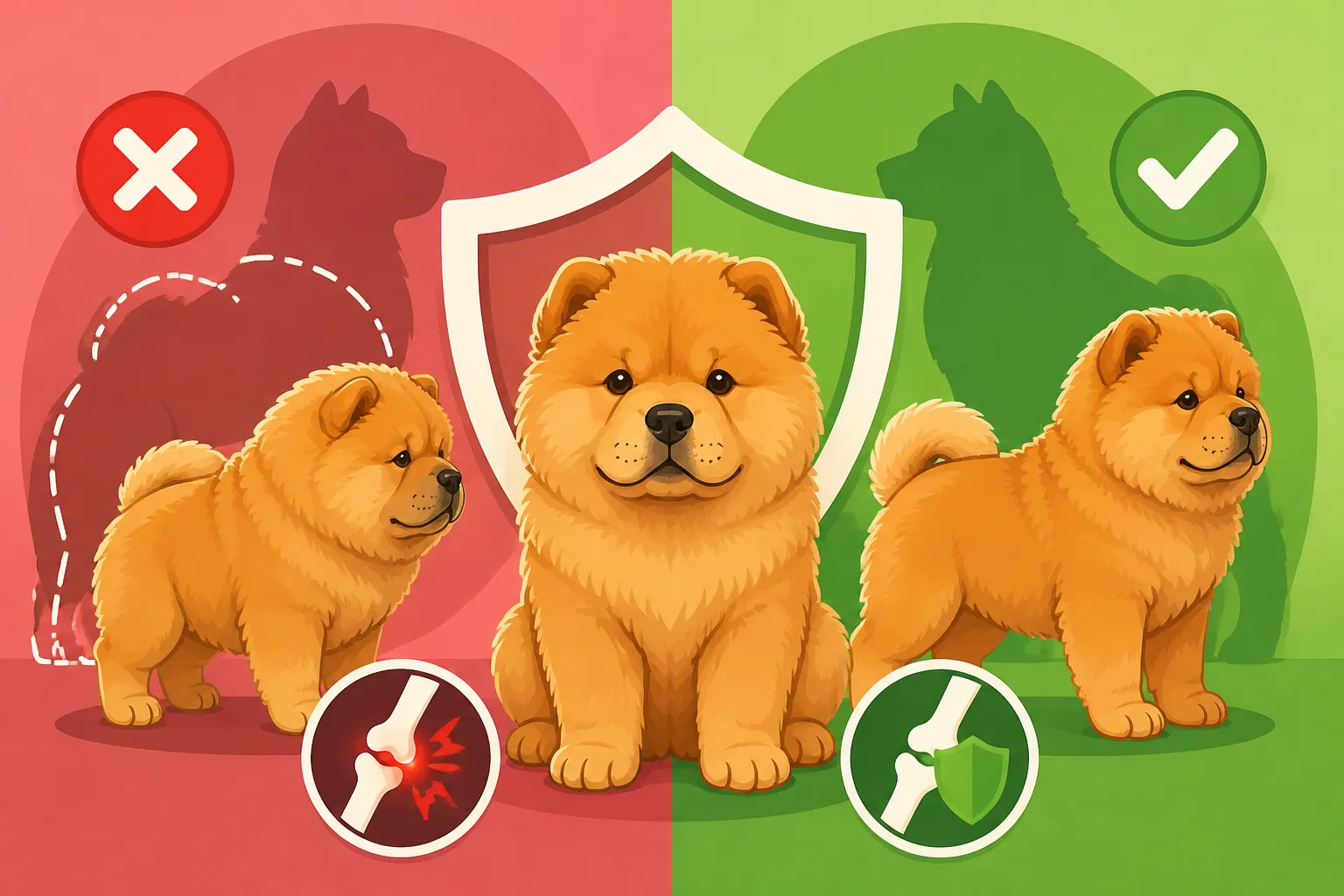
Why a Chow Chow Puppy Needs Controlled Growth
One of the most concerning things for any new Chow Chow puppy parent is seeing their little fluffball grow at an astonishing rate. While it’s exciting to watch them mature, there’s a genuine underlying worry that growing too quickly can actually set them up for significant health problems down the line, especially with their joints. This guide is here to walk you through exactly why a controlled growth rate is so vital for your Chow Chow puppy and how you can achieve it, easing your mind and setting your furry friend up for a long, healthy life.
The Unique Challenges of Rapid Growth in Large Breed Puppies
It's a common misconception that a bigger puppy is a healthier puppy. For large and giant breeds like our Chows, nothing could be further from the truth. The speed at which a puppy grows can have profound and lasting impacts on their skeletal development, dictating their comfort and mobility for years to come.
How Fast Growth Impacts Developing Bones
Imagine a scaffold being built. If the construction crew rushes, throwing up beams and platforms without allowing foundational supports to properly set, the entire structure becomes unstable. Puppy bones and joints are much the same. During a puppy’s rapid growth phase, their bones are extending and developing at an incredible pace. This process involves growth plates—areas of cartilage at the ends of long bones that gradually harden into bone. These plates are inherently weaker than mature bone and are vulnerable to injury.
If a puppy grows too quickly, these soft, developing growth plates and surrounding tissues are subjected to excessive stress and strain. Their body might be putting on muscle and fat faster than their skeletal system can structurally support it. This imbalance can lead to abnormal development, where joints don't fit together as snugly as they should, or bones grow at uneven rates. It's not about stunting their ultimate size, but ensuring the journey to that size is smooth and stable. We want strong, well-formed joints, not rushed, compromised ones.
The Chow Chow's Genetic Predisposition to Joint Issues
Chow Chows, while robust and sturdy, come with their own set of genetic predispositions, particularly when it comes to orthopedic health. Conditions like elbow dysplasia and hip dysplasia are unfortunately common in the breed. In fact, Elbow Dysplasia Ranks the Chow Chow Near the Top among breeds susceptible to this painful condition, and Hip Dysplasia in a Chow Chow is another significant concern. These are not solely genetic issues; while genetics provide the blueprint, environmental factors like nutrition and exercise during puppyhood play an enormous role in whether these conditions manifest or how severely they develop.
When a Chow Chow puppy grows too rapidly, the already inherent genetic tendency for these joint problems can be exacerbated. The increased weight and stress on immature joints can push a genetically predisposed puppy over the edge, turning a latent issue into a painful reality. The goal of controlled growth is to mitigate these environmental triggers, giving a puppy with even a slight genetic predisposition the best possible chance at healthy joint development. It's about letting their body build itself slowly and steadily, rather than forcing it to rush, which can lead to inflammation, abnormal joint formation, and lifelong discomfort.
Understanding Controlled Growth for Your Chow Chow Puppy
Now that we understand why controlled growth is so important, let's dive into what it actually means and how we can achieve it for our beloved Chows. It’s not about restrictive diets or keeping your Chow Chow smaller than nature intended; it's about fostering optimal development at a healthy pace.
What "Controlled Growth" Actually Means
"Controlled growth" isn't about deliberately stunting your Chow Chow's growth or making them undersized. Far from it! It’s about ensuring they grow at a steady, moderate pace that allows their bones, joints, ligaments, and tendons to mature and strengthen properly, without being overloaded or stressed by rapid weight gain. Think of it as building a house: you want the foundation to set firmly before the next story goes up. Rushing it can lead to cracks and instability.
Many people mistakenly believe that feeding a puppy as much as they'll eat will make them bigger and healthier. For large breeds, this thinking can actually backfire, leading to significant orthopedic problems. A Chow Chow puppy should grow consistently, adding muscle and bone mass in a balanced way, rather than experiencing sudden growth spurts that place immense pressure on their developing skeletal system. The idea is to reach their adult size naturally, but over a slightly longer period, allowing their body to keep up with itself. This principle is why it's often stressed that Why a Chow Chow Puppy Should Grow Slowly.
How Diet Plays a Crucial Role
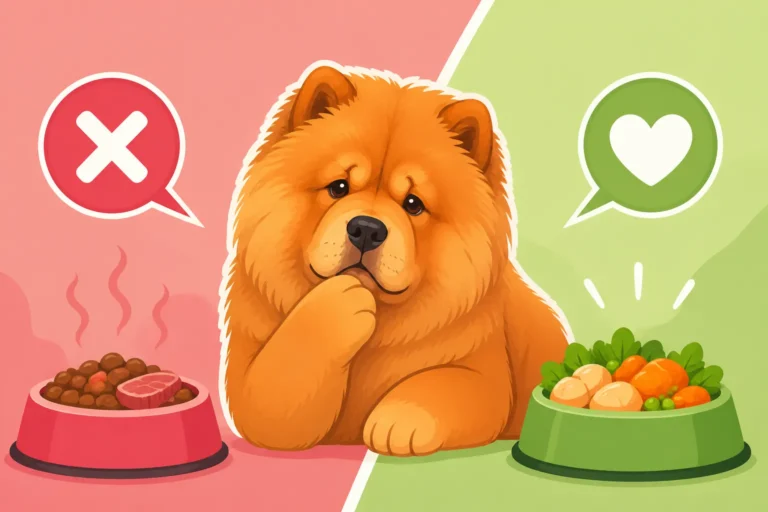
Diet is arguably the most critical component of controlled growth. The type of food you feed your Chow Chow puppy and the quantity of it directly influence their growth rate. Regular puppy foods, especially those formulated for smaller or medium breeds, might have too high a calorie content and an imbalanced calcium-to-phosphorus ratio for a large breed like a Chow Chow.
This is where specifically formulated "large breed puppy" foods come into play. These diets are designed with slightly lower caloric densities to prevent rapid weight gain, and, crucially, they maintain carefully balanced calcium and phosphorus levels. Too much calcium, for instance, can be just as detrimental as too little, interfering with bone mineralization and increasing the risk of developmental orthopedic diseases. This is why the question of Whether a Chow Chow Puppy Needs Large Breed Food is so important. Excess calcium can even be a problem, leading to issues like osteochondrosis dissecans (OCD) or panosteitis, which are painful inflammatory conditions. So, if you're thinking of adding extra calcium, remember that Whether Extra Calcium Harms a Chow Chow Puppy is a real concern. Many trusted pet food brands offer excellent large breed puppy formulas. For example, you can find a vast selection on Chewy, making it easier to compare and choose the right option, or explore specialized providers like Ollie for balanced, high-quality nutrition that supports healthy, controlled development.
Practical Strategies for Achieving Healthy Growth
Successfully managing your Chow Chow puppy's growth is a combination of diligent feeding, appropriate exercise, and regular veterinary check-ups. It might seem like a lot to juggle, but with a consistent routine, it quickly becomes second nature.
Choosing the Right Food and Portions
Selecting the right food is the foundation of controlled growth. Always opt for a high-quality dry kibble specifically labeled for "large breed puppies." These formulas are intentionally crafted to have a moderate protein and fat content, alongside a meticulously balanced calcium-to-phosphorus ratio, all designed to encourage slow, steady development. Avoid generic puppy foods or those meant for all life stages, as they often contain too many calories and minerals for a large breed puppy's delicate skeletal system.
Once you have the right food, portion control is paramount. Do not free-feed your Chow Chow puppy, allowing them to graze all day. Instead, measure out their meals precisely. Start by following the feeding guidelines on the food bag, typically based on the puppy's current weight and age. However, these are just starting points. Every puppy is an individual, and you'll need to adjust based on their body condition. It's a bit of an art to find the sweet spot, but checking their body condition regularly is key. Even with a Chow Chow's dense double coat, you should be able to feel their ribs easily without seeing them, and they should have a discernible waist when viewed from above. Don't worry if you're not quite sure – learning How to Feel a Chow Chow's Ribs Under the Coat is a skill you'll quickly master. If you're ever in doubt, your veterinarian can help you assess their condition and adjust feeding amounts. Remember, keeping your Chow Chow at a healthy, lean weight is crucial for their joint health, and managing their diet with a reputable food from somewhere like Chewy or even a specialized one like Ollie can make all the difference.
Here’s a simplified comparison of growth philosophies:
| Growth Approach | Goal | Key Features | Potential Risks of Mismanagement |
|---|---|---|---|
| Controlled Growth | Steady, optimal skeletal development | Moderate calorie/protein, balanced minerals (Ca/P) | Undersized puppy (if too restrictive) |
| Rapid Growth (Avoid) | Maximize size quickly | High calorie/protein, unbalanced minerals (Ca/P) | Joint disease (hip/elbow dysplasia) |
Appropriate Exercise and Activity Levels
Exercise is vital for a growing puppy, but how a Chow Chow puppy exercises is just as important as how much. Their skeletal system is still developing, and growth plates are open and vulnerable until they close, typically around 12 to 18 months of age, though When a Chow Chow's Growth Plates Close can vary slightly. During this time, high-impact activities, prolonged strenuous exercise, and repetitive movements should be strictly avoided.
Instead of long runs or vigorous games of fetch, focus on short, frequent, low-impact activities. Leash walks for 10-15 minutes, a few times a day, are perfect. Supervised playtime in a safe, flat yard is also great, but discourage excessive jumping, twisting, or roughhousing. Stairs, for instance, can put undue stress on developing joints, so Whether a Chow Chow Puppy Should Climb Stairs is a question usually answered with a cautious "no" or at least "very limited." Remember that the unique How a Chow Chow's Gait Wears Its Joints means they need even more careful consideration with exercise. The idea is to build muscle and stamina gently without overtaxing their immature bones and cartilage. A tired puppy after a short, calm walk is far better than an exhausted one after a long, intense session that could cause lasting damage.
Regular Vet Check-ups and Monitoring
Your veterinarian is your most important partner in ensuring your Chow Chow puppy's controlled growth. Regular check-ups allow the vet to monitor your puppy's weight gain, assess their body condition score, and track their overall development. They can identify if your puppy is growing too fast or too slow and provide tailored advice on adjusting their diet or exercise regimen.
During these visits, discuss your puppy's feeding schedule, the specific food you're using, and any concerns you might have about their activity levels. Your vet can also screen for early signs of orthopedic issues. They'll know what to look for, even with a Chow Chow's tendency to hide discomfort. Maintaining open communication with your vet is crucial for making informed decisions and addressing any potential issues before they become significant problems. This proactive approach ensures you're giving your Chow Chow the very best start in life.
The Long-Term Benefits of Controlled Growth
While the puppy phase seems to fly by, the decisions you make during these early months have a profound ripple effect on your Chow Chow's entire life. Investing in controlled growth is truly an investment in their future health and happiness.
Reduced Risk of Orthopedic Problems
The primary and most significant benefit of controlled growth is the dramatic reduction in the risk of your Chow Chow developing painful and debilitating orthopedic conditions. By allowing their bones and joints to mature at a biologically appropriate pace, you help ensure that their hip and elbow joints form correctly and that their growth plates close without injury. This doesn't completely eliminate genetic predispositions, but it provides the optimal environmental conditions to prevent the onset or severity of diseases like hip and elbow dysplasia, What Elbow Dysplasia Does to a Chow Chow, or osteochondrosis.
Imagine a Chow Chow approaching The Eight to Twelve Years a Chow Chow Gets with strong, healthy joints, able to enjoy walks and gentle play without discomfort. This is the goal. Avoiding early joint issues means fewer vet visits, less medication, and a much better quality of life for your furry companion. It's about preventing a lifetime of pain and costly treatments, ensuring that your Chow Chow can move freely and comfortably throughout their golden years.
A Happier, More Active Adult Chow Chow
A Chow Chow who has experienced controlled growth during puppyhood is far more likely to become a happier, more active adult. Dogs suffering from chronic joint pain are often reluctant to move, become withdrawn, and may even exhibit behavioral problems due to discomfort. By minimizing the risk of these issues, you pave the way for a Chow Chow who is comfortable in their own skin, eager to engage in appropriate activities, and generally more content.
While Chows are not known for being overly exuberant, a healthy Chow Chow is one that enjoys their daily walks, can get up and down comfortably, and isn't limited by stiff or painful joints. They may reach their full What an Adult Chow Chow Should Weigh naturally, but with a robust, well-developed skeleton rather than one rushed into formation. This translates to a dog that can participate more fully in family life, whether it's a calm stroll through the park or simply moving from one favorite napping spot to another without a grimace. Ultimately, making these careful choices early on helps reduce What a Chow Chow Costs Over Its Lifetime in terms of medical bills, and more importantly, ensures your Chow Chow enjoys every precious moment by your side without the burden of preventable pain.
Disclaimer
This article is for general informational purposes only and does not constitute professional advice. Laws, prices and regulations vary by location and change over time. Consult a qualified professional for guidance on your specific situation.