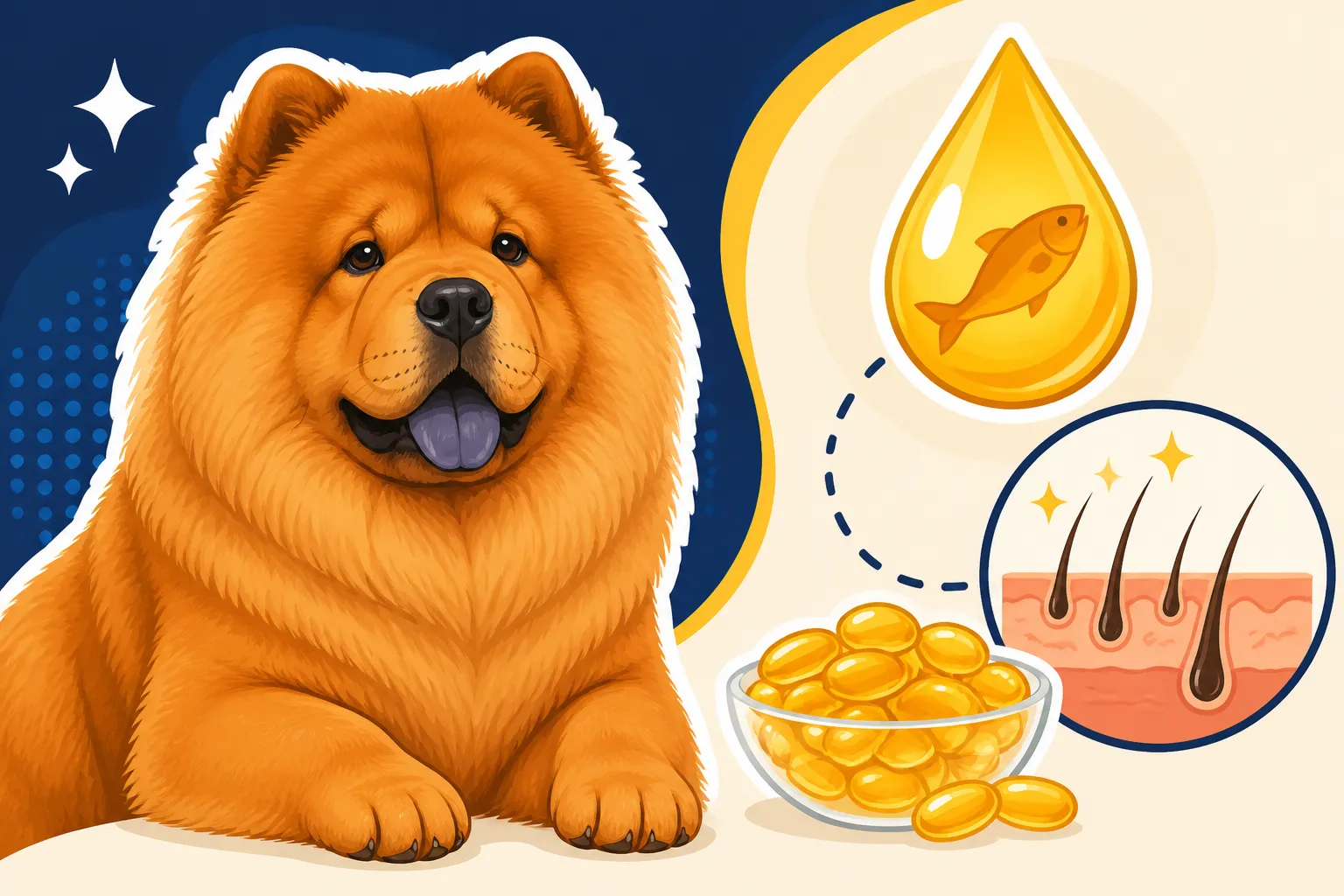
Whether a Chow Chow Needs Fish Oil for Its Coat
Anyone who has ever lived with a majestic Chow Chow knows that their coat, whether it's the regal rough or the sleek smooth variety, is a defining feature – a magnificent crown that requires careful attention. It’s also often a source of frustration, with owners constantly battling shedding, dryness, and the struggle to maintain that signature luster. This guide will delve into whether adding fish oil to your Chow Chow's diet could be the secret weapon you're looking for to keep their coat in prime condition, addressing the common issues and the science behind omega-3 supplementation.
The Magnificent Chow Chow Coat: More Than Just Fluff
The Chow Chow’s coat is truly a wonder, but it's also a high-maintenance affair. Understanding its unique structure and the common issues that plague it is the first step toward effective care.
Understanding the Double Coat's Unique Demands
A Chow Chow’s coat isn't just one layer; it's a sophisticated double coat designed for protection in harsh climates. You have the dense, soft undercoat, which provides insulation, keeping them warm in winter and helping regulate temperature in milder weather. Over this lies the coarser, straight outer coat, often called guard hairs, which offers protection from elements like rain, snow, and UV rays.
The "rough" coat, which is the most widely recognized, features that impressive mane or ruff around the head and neck, giving them their lion-like appearance. The "smooth" coat, while still a double coat, lacks this extensive ruff and feathering, appearing shorter and denser overall. Both types, however, share the fundamental challenge of density. This thickness, while beautiful, can easily trap dirt, moisture, and shed hair, leading to tangles, mats, and skin problems if not properly maintained. Think about trying to comb through a thick wool blanket; it’s not a quick, superficial brush. Each layer needs attention, and that means consistent, thorough grooming. Neglecting this can quickly turn a beautiful coat into a matted mess, and that’s not just an aesthetic problem; it can cause serious skin irritation and infections. Understanding Rough or Smooth: the Two Chow Chow Coats and What Each Needs is crucial for any owner.
Common Coat Challenges Chow Chow Owners Face
Despite their impressive appearance, Chow Chow coats come with their fair share of struggles. Dry, flaky skin is a huge concern, often hidden beneath layers of fur until it becomes severe. You might notice your Chow Chow scratching more than usual, or you might find white flakes on their bedding or grooming tools. This dryness can lead to itching, which then leads to more scratching, creating a vicious cycle that can irritate the skin and even cause secondary infections.
Dullness in the coat is another frequent complaint. Instead of a vibrant, healthy sheen, the fur might look lifeless, brittle, or coarse to the touch. This can be a sign that the coat isn't receiving adequate nourishment from within. And then, of course, there’s the shedding. Oh, the shedding! Chow Chows are renowned for their impressive "coat blows" twice a year, where they shed their entire undercoat, leaving a flurry of fur in their wake. But even outside these major events, constant shedding is a fact of life for many owners. Excessive or year-round shedding that seems beyond the norm can be a signal that something isn't quite right with their diet or skin health. Furthermore, their dense coat can hide various skin diseases, making early detection a challenge. You might not see a hot spot until it’s quite advanced simply because the fur is so thick. Knowing Why a Chow Chow's Dense Coat Hides Skin Disease is essential for owners to be vigilant.
The Science Behind Fish Oil: Omega-3s and Canine Health
When we talk about improving coat health from the inside out, fish oil often comes up. But what exactly is it, and how does it work its magic?
What Are Omega-3 Fatty Acids and Why Do They Matter?
Fish oil is rich in omega-3 fatty acids, specifically Eicosapentaenoic Acid (EPA) and Docosahexaenoic Acid (DHA). These are essential fatty acids, meaning your Chow Chow’s body can’t produce them on its own, so they must come from their diet. Think of them as vital building blocks that play a critical role in numerous bodily functions, far beyond just coat health.
At their core, EPA and DHA are powerful anti-inflammatory agents. In a dog's body, inflammation can manifest in many ways – from joint pain to skin irritation. When the skin is inflamed, it can lead to dryness, itchiness, and poor coat quality. Omega-3s work by modulating the body's inflammatory response, helping to calm down that internal fire. They also play a significant role in maintaining the integrity of cell membranes throughout the body, including those in the skin. A healthy cell membrane means healthier, more resilient skin and hair follicles. Without enough omega-3s, the body might rely on less beneficial fats, which can exacerbate inflammatory processes and leave the skin and coat vulnerable.
How Fish Oil Benefits a Chow Chow's Skin and Coat
So, how do these omega-3 powerhouses directly translate to a better coat for your Chow Chow? It all comes back to their anti-inflammatory and cell-supporting properties.
Firstly, fish oil helps to reduce skin inflammation. If your Chow Chow is dealing with dry, itchy skin, the EPA and DHA can help soothe that irritation, making them less prone to scratching and the secondary skin damage that often follows. By calming the skin, you create a healthier environment for hair follicles to thrive.
Secondly, fish oil improves the skin barrier function. The skin acts as a protective shield against environmental irritants, allergens, and moisture loss. Omega-3s are integral to the lipid (fat) layers within the skin cells, strengthening this barrier. A stronger barrier means less moisture escapes, leading to more hydrated skin, which in turn contributes to a softer, less brittle coat. It also means fewer irritants can penetrate, potentially reducing allergic reactions or sensitivities that manifest as skin issues. This can be particularly helpful for a Chow Chow prone to Signs a Chow Chow Has an Autoimmune Skin Disease or general skin sensitivities.
Finally, by promoting healthy skin and reducing inflammation, fish oil supports overall healthy hair growth. Hair follicles are embedded in the skin, and their health is directly tied to the health of the surrounding tissue. When the skin is well-nourished and free from excessive inflammation, the follicles can produce stronger, shinier, and healthier hair strands. This can lead to a noticeable improvement in coat luster, softness, and even density, making that magnificent Chow Chow coat truly shine.
Deciding if Your Chow Chow Needs Fish Oil
While fish oil offers many potential benefits, it's not a one-size-fits-all solution. Knowing when it might be beneficial and when to seek professional advice is key.
Signs Your Chow Chow Could Benefit from Supplementation
Many Chow Chow owners grapple with common coat complaints that could signal a need for fish oil. If you notice your Chow Chow has unusually dry, flaky skin, even after regular grooming and a good diet, it might be a sign. This dryness can often be hard to spot under their dense fur, so you might need to part the coat and examine the skin directly. Look for a dusty or scaly appearance, especially on the back or flanks.
A dull, brittle, or coarse coat is another strong indicator. Instead of that plush, soft feel, their fur might feel rough to the touch, and lack its natural sheen. This suggests the hair strands themselves might not be adequately moisturized or nourished. Excessive itching or scratching, when not attributable to fleas or allergies, can also point to underlying skin irritation that omega-3s might help to alleviate. While Chows shed, if your dog seems to be shedding more than usual, or losing patches of hair where they shouldn't, it could be a sign of skin distress. Beyond just the coat, some owners report that fish oil can help with general joint stiffness, especially in older dogs, or those prone to issues like Hip Dysplasia in a Chow Chow. If you observe these signs, it's worth considering fish oil as a potential support.
When to Consult Your Veterinarian
Even with all the benefits, fish oil isn't a magic bullet, and certain symptoms warrant immediate veterinary attention. If your Chow Chow has persistent skin issues, open sores, bald patches, or signs of infection (redness, swelling, pus, strong odor), you absolutely need to see your vet. These could be symptoms of allergies, fungal infections, parasitic infestations, or more serious conditions like Pemphigus Foliaceus Does to a Chow Chow. Relying solely on a supplement when a medical condition requires treatment could delay critical care.
Your veterinarian can help you determine the root cause of the problem and recommend appropriate treatment, which might include medication, a prescription diet, or specific grooming protocols alongside a supplement like fish oil. They can also advise on the correct dosage of fish oil, as giving too much can lead to gastrointestinal upset or, in rare cases, interfere with blood clotting. It’s always best to have a professional assessment to ensure you’re addressing the actual problem and not just masking symptoms. They can also help you choose a reputable brand and formulation that’s best suited for your individual Chow Chow’s needs.
Choosing the Right Fish Oil Supplement for Your Chow Chow
Once you've decided fish oil might be a good fit, the next challenge is navigating the overwhelming array of products available. Not all fish oils are created equal!
Key Factors: Quality, Purity, and Dosage
When it comes to fish oil, quality and purity are paramount. You want a product that has been rigorously tested for contaminants like heavy metals (mercury), PCBs, and dioxins. Look for supplements that state they are "third-party tested" and provide certificates of analysis (COAs) upon request. Reputable brands often make this information readily available on their websites or product packaging. A fantastic place to explore options and read reviews is on sites like Chewy, where many brands display their testing information directly.
The form of omega-3s also matters. Triglyceride form is generally considered more bioavailable, meaning your Chow Chow's body can absorb and utilize it more effectively than the ethyl ester form. While ethyl ester forms are cheaper to produce, the triglyceride form mimics the natural fat structure found in fish, making it easier for the body to process.
Consider the source of the fish oil too. Smaller fish like anchovies, sardines, and mackerel tend to accumulate fewer toxins than larger, longer-lived fish like tuna. Sustainably sourced fish is also a big plus for environmental reasons.
As for dosage, this is critical and should ideally be discussed with your vet. It's usually based on your dog's weight and the concentration of EPA and DHA in the product, not just the total fish oil content. A good starting point for general skin and coat health might be a certain milligram amount of combined EPA/DHA per pound of body weight, but your vet can give you precise guidance. Overdosing, while generally safe, can sometimes lead to loose stools or stomach upset.
Forms of Fish Oil: Liquid, Capsules, and Integrated Foods
Fish oil supplements come in a few common forms, each with its pros and cons:
- Liquid Fish Oil: This is often the most cost-effective per dose and can be easily mixed into your Chow Chow's food. Many Chows love the taste, viewing it as an extra treat. The downside is that liquid oil is more susceptible to oxidation once the bottle is opened, which can reduce its potency and even make it taste rancid. You need to store it properly, often in the refrigerator, and use it within the recommended timeframe. Brands like Nordic Naturals or Zesty Paws often offer high-quality liquid options.
- Capsules (Softgels): Capsules are convenient, pre-measured, and protect the oil from oxidation. They are also easier to travel with. The challenge can be getting your Chow Chow to swallow them. Some dogs will take them hidden in a treat (a piece of cheese or a dollop of peanut butter), while others are experts at spitting them out. You might find a wide selection of these on Amazon, often from brands like Great Pet or even Chewy's own brand.
- Integrated Foods/Treats: Some dog foods, especially premium or prescription diets, incorporate higher levels of omega-3s. Additionally, there are treats formulated with fish oil. These can be very convenient, but it's harder to control the exact dosage, and the heating processes during kibble manufacturing can sometimes degrade the fatty acids. Wet food options, like those from Ollie, often maintain the integrity of added fats better due to less processing. If you choose this route, ensure the food or treat explicitly states the EPA and DHA content.
| Form of Fish Oil | Pros | Cons |
|---|---|---|
| Liquid Oil | Cost-effective, easy to mix, palatable | Prone to oxidation, requires refrigeration, messier |
| Capsules/Softgels | Pre-measured, protected from oxidation, travel-friendly | Can be difficult to administer, more expensive per dose |
| Integrated Foods | Convenient, no extra step | Harder to control dosage, fatty acids can degrade in kibble |
Ultimately, the best form is the one your Chow Chow will consistently take, and that fits your budget and lifestyle.
Integrating Fish Oil into Your Chow Chow's Diet and Routine
Adding anything new to your Chow Chow's routine should be done thoughtfully. Consistency and a holistic approach are key to seeing results.
Gradual Introduction and Monitoring for Changes
When you start your Chow Chow on fish oil, introduce it gradually. Don't just dump the full recommended dose into their bowl on day one. Start with a quarter or half of the dose for a few days, then slowly increase over a week or two. This gives their digestive system time to adjust and helps prevent any potential stomach upset, like loose stools. Some Chows have sensitive stomachs, and a sudden change can definitely throw things off.
Once they're on the full dose, be patient. You won't see results overnight. Skin and coat health improvements take time, typically several weeks to a few months, as new hair grows and skin cells regenerate. Pay close attention to any changes:
- Reduced scratching: Is your Chow Chow scratching less frequently?
- Improved coat texture: Does their fur feel softer, less brittle? Is it looking shinier?
- Less flaking: Do you see fewer flakes in their coat or on their bedding?
- General well-being: Are they showing any other subtle improvements, perhaps in mobility or overall demeanor?
Keep a little journal if you like, noting when you started and what changes you observe. If you notice any adverse reactions, such as persistent vomiting, diarrhea, or lethargy, stop the supplement and consult your veterinarian immediately. While rare, every dog is an individual.
Holistic Coat Care: Beyond Just Supplements
While fish oil can be a fantastic addition, it's just one piece of the puzzle. A truly magnificent Chow Chow coat requires a holistic approach that goes beyond supplementation.
First and foremost, consistent and thorough grooming is non-negotiable. Whether you have a rough or a smooth coat, regular brushing is essential to prevent mats, remove dead undercoat, and distribute natural oils. For rough coats, this means line brushing down to the skin several times a week, especially during their The Twice a Year a Chow Chow Blows Its Coat. A slicker brush followed by a good undercoat rake and a metal comb are your best friends. For more on this, check out Brushing a Chow Chow's Mane Down to the Skin.
A high-quality diet forms the foundation of overall health, including coat health. Ensure your Chow Chow is eating a balanced, complete commercial dog food appropriate for their life stage. Look for ingredients that support skin and coat, such as other healthy fats, vitamins, and minerals. If their primary diet is lacking, no amount of supplementation will fully compensate.
Proper bathing and drying techniques are also vital. Chows need bathing, but over-bathing can strip natural oils. When you do bathe them, use a dog-specific shampoo and conditioner, and always ensure their dense coat is dried completely down to the skin to prevent skin infections and hot spots. Bathing and Drying a Chow Chow's Dense Coat is an art form!
Finally, environmental factors play a role. Ensure your Chow Chow has a comfortable, clean living environment. Protect them from extreme weather – intense sun can damage coats and skin, and excessive dryness from indoor heating can exacerbate skin issues. Providing ample fresh water is also crucial for hydration from within. By combining fish oil with excellent grooming, a nutritious diet, and a healthy lifestyle, you'll be giving your Chow Chow the very best chance at sporting a truly enviable, healthy coat.
Adding fish oil to your Chow Chow's diet can be a game-changer for maintaining their iconic coat, addressing common issues like dryness, dullness, and excessive shedding by providing essential anti-inflammatory omega-3 fatty acids. However, remember that it's part of a larger picture of care. Always prioritize a quality diet, consistent grooming, and regular veterinary check-ups to ensure your furry friend is healthy from the inside out. With a little patience and the right approach, your Chow Chow's coat can truly be a source of pride, reflecting their vibrant health and your dedicated care.
Disclaimer
This article is for general informational purposes only and does not constitute professional advice. Laws, prices and regulations vary by location and change over time. Consult a qualified professional for guidance on your specific situation.