Whether an Aging Chow Chow Needs Softer Food
As our beloved Chow Chows age, their needs naturally evolve, and one common concern many of us face is whether their dietary requirements shift, specifically if they need softer food. It's truly disheartening to watch your once-enthusiastic eater hesitate at the food bowl or struggle with kibble they used to gobble down. This guide is here to walk you through the various reasons an aging Chow Chow might benefit from a change in food texture, how to identify the signs, and the best ways to support their nutritional journey as they enter their golden years.
Understanding the Aging Chow Chow's Changing Needs
Aging isn't a single event; it's a gradual process, and for our Chows, it brings a suite of changes that can impact everything from their energy levels to how well they digest their meals. Just like us, older dogs aren't as resilient as they once were, and their bodies require a different kind of support to stay comfortable and healthy. It's not just about slowing down; it's about subtle shifts in internal functions that demand our attention.
The journey into seniorhood often begins around 8 years old for a Chow Chow, though every individual is different. This is when you might start noticing less obvious, but significant, changes. The Age a Chow Chow Is Considered Senior delves deeper into this timeline. Their metabolism can slow down, meaning they don't burn calories as efficiently, and their energy requirements might decrease. This can lead to unwanted weight gain if their diet isn't adjusted, which puts extra strain on their joints, especially those prone to issues like Elbow Dysplasia Ranks the Chow Chow Near the Top. Their immune system might not be as robust, making them more susceptible to illness.
Subtle Shifts in Senior Chow Chow Physiology
Beyond the visible signs of graying muzzles and slower walks, there are internal physiological changes happening that directly influence their appetite and ability to process food. Their sense of smell and taste, which are crucial for encouraging eating, can diminish. This can make their usual kibble less appealing, even if it's perfectly nutritious. It’s not uncommon for an older Chow to suddenly seem disinterested in food they once loved, leaving you scratching your head at the change in their routine.
Additionally, the gut itself ages. The digestive tract might become less efficient at absorbing nutrients, even if the food quality is excellent. This means that a senior Chow Chow could be eating enough, but still not getting all the vitamins and minerals they need to thrive. Issues like constipation or increased flatulence can also become more common, indicating that their digestive system is struggling with their current diet. Recognizing these subtle signs requires keen observation, as Chows are masters at How a Chow Chow Hides Pain.
Why "Caring for an Old Chow Chow" Means Adapting Diet
When we talk about Caring for an Old Chow Chow, adjusting their diet is one of the most proactive steps you can take. It’s not simply about convenience for them, but a genuine necessity to maintain their quality of life. Think about it: if every bite is painful or difficult to swallow, eating becomes a chore rather than a pleasure, leading to decreased food intake and potential malnutrition. This can create a downward spiral, impacting their overall health and energy.
Furthermore, an appropriate senior diet, which might include softer food, can help manage existing health conditions or prevent new ones from arising. For instance, if your Chow has kidney issues, a lower protein, lower phosphorus diet might be recommended, and often these formulations come in a wet or easily digestible form. Similarly, if they have joint pain, a diet rich in omega fatty acids could be beneficial, and these are often found in higher concentrations in wet or fresh food options. It’s about tailoring their nutrition to their unique, evolving needs.
Dental Health and Eating Challenges in Older Chows
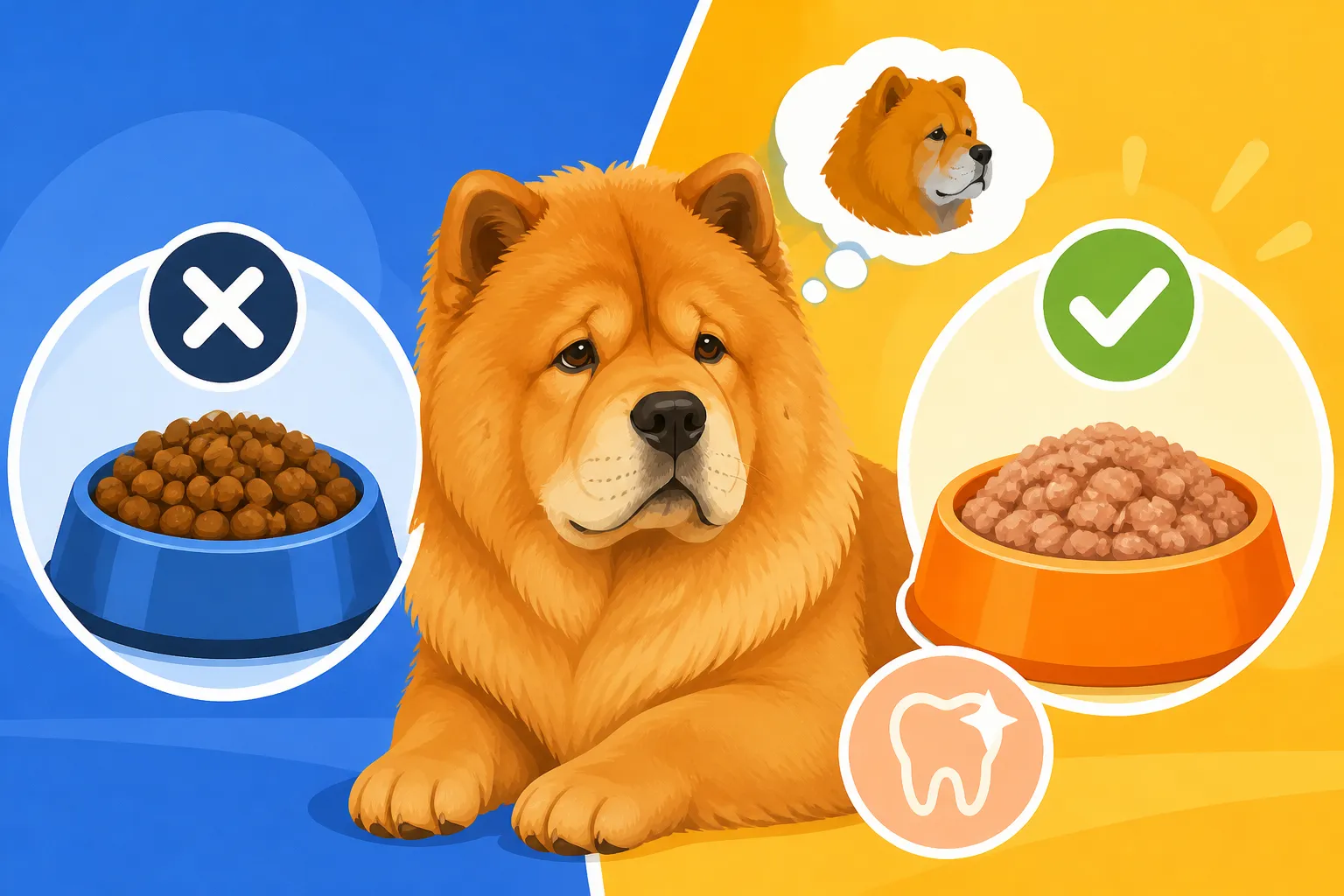
One of the most immediate and impactful reasons an aging Chow Chow might need softer food directly relates to their dental health. Just like humans, dogs experience significant changes in their teeth and gums over time. Years of chewing, plaque buildup, and sometimes a lack of consistent dental care can lead to painful conditions that make crunching on hard kibble an agonizing experience.
Imagine trying to eat a crunchy apple with a severe toothache or sensitive gums. That's often what a senior Chow is facing. They might desperately want to eat, but the pain or difficulty is simply too great. This isn't them being picky; it's their body telling them something is wrong. Ignoring these signs can lead to severe weight loss and further health complications, as well as prolonged suffering.
The Impact of Dental Disease on Appetite
Dental disease in dogs is incredibly common, and it only worsens with age. By the time a Chow Chow reaches their senior years, it's highly likely they have some degree of periodontal disease, which includes gingivitis (inflamed gums) and periodontitis (infection and inflammation of the structures supporting the teeth). This can cause pain, bleeding, and even tooth loss. Imagine the sharp edges of a broken tooth, or the throbbing pain of an abscessed root – these are common realities for many older dogs.
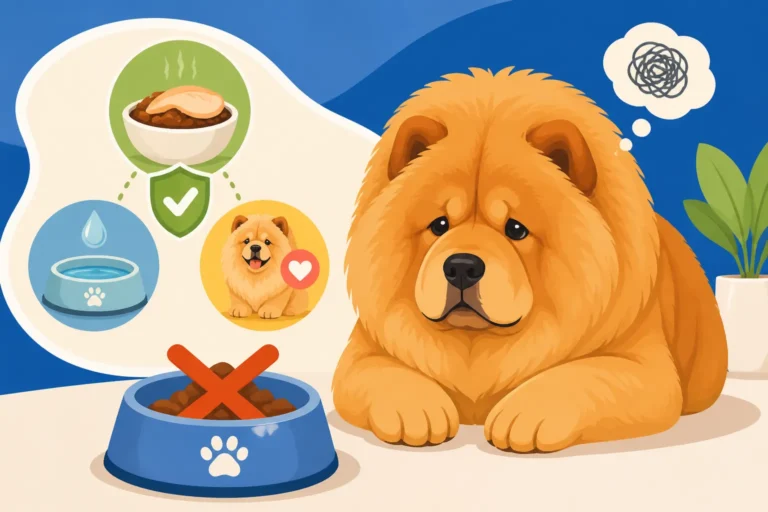
When a dog has significant dental pain, their appetite can drastically decrease. They might approach their bowl, sniff, perhaps even attempt a few tentative bites, then walk away. Or you might notice them chewing only on one side of their mouth, or dropping food. These are huge red flags. It's not just discomfort; the pain can be so severe that it genuinely prevents them from consuming enough calories, leading to rapid weight loss. This is especially problematic for Chows, whose dense coats can mask body condition changes, making it harder to notice How a Chow Chow's Coat Hides Weight Loss until it's significant.
Recognizing Signs of Oral Discomfort
Beyond outright refusal to eat, there are several subtle signs that your aging Chow Chow might be experiencing oral discomfort:
- Dropping food: They pick up a piece of kibble, only for it to fall out of their mouth. This happens when it's too painful to chew or grasp properly.
- Excessive drooling: While some drooling is normal for Chows, an increase, especially with visible blood, is a major warning sign.
- Bad breath: Persistent, foul odor is a classic sign of dental infection.
- Reluctance to chew on toys: If they suddenly lose interest in their favorite chew toy, it could be because it hurts their mouth.
- Swallowing food whole: Instead of chewing, they might try to gulp down kibble, leading to digestive issues or choking hazards.
- Rubbing their face: They might paw at their mouth or rub their face against furniture or the carpet.
- Puffy or bleeding gums: A visual inspection, if your Chow allows it, can reveal redness, swelling, or even bleeding from the gums.
If you observe any of these signs, a vet visit is paramount. An annual How Often a Chow Chow Needs a Wellness Exam should always include a thorough dental check. Your veterinarian can assess the extent of dental disease and recommend appropriate treatment, which often includes a professional dental cleaning under anesthesia. Sometimes, extractions are necessary to relieve pain. In the interim, or as a permanent solution, softer food becomes essential to ensure they get the nutrition they need without agony.
Digestive Changes and Nutrient Absorption in Senior Chows
Beyond dental woes, the internal workings of your Chow Chow's digestive system also undergo transformations with age. These changes can make their once-suitable diet less effective, impacting their ability to properly digest food and absorb vital nutrients. It's not always obvious from the outside, but their gastrointestinal tract is working differently, and their food needs to reflect that.
You might notice more frequent bouts of mild diarrhea or constipation, or perhaps their stool quality just isn't what it used to be. These are all indicators that their digestive system might be struggling. Adapting their diet to be more easily digestible, often through softer textures and specific ingredients, can make a world of difference in their comfort and nutrient uptake.
Slower Digestion and Nutrient Utilization
As Chows age, their digestive processes tend to slow down. The enzymes responsible for breaking down food might decrease in efficiency, and the motility of the gastrointestinal tract can lessen. This means food spends more time in the gut, which can lead to issues. For instance, harder kibble might not be broken down as thoroughly, passing through somewhat undigested. This can result in less efficient nutrient absorption, leaving your senior Chow lacking essential vitamins and minerals even if they're eating their usual portions.
This reduced efficiency in nutrient absorption is a significant concern for older dogs. They might require diets that are more nutrient-dense and highly digestible to ensure they're getting everything they need to support their aging bodies, maintain muscle mass, and bolster their immune system. This is a common reason why many senior-specific dog foods are formulated with higher quality, more easily processed protein sources and sometimes include prebiotics and probiotics to support gut health.
Increased Sensitivity and Specific Dietary Needs
Many aging Chows also develop increased sensitivities to certain ingredients they once tolerated perfectly well. What was once fine might now cause an upset stomach, gas, or loose stools. This can be frustrating for owners trying to keep their dogs healthy and comfortable. Some Chows might develop a sensitive stomach, necessitating a change in diet composition in addition to texture.
Furthermore, some senior Chows may develop age-related health conditions that require very specific dietary modifications. For example, if kidney function starts to decline, a vet might recommend a diet lower in protein and phosphorus. If they are prone to Whether a Chow Chow Bloats, smaller, more frequent meals of wet food might be safer. Diabetes, heart disease, or even certain cancers can all necessitate a careful adjustment of their diet, often leaning towards highly digestible and palatable options like softer foods. These conditions underscore why regular What a Chow Chow's Yearly Bloodwork Should Cover and vet check-ups are so vital.
Assessing Your Senior Chow Chow's Food Needs
Determining whether your aging Chow Chow truly needs softer food requires a combination of careful observation and professional veterinary advice. It's not a decision to be made lightly, and it should always be based on the individual needs of your dog, rather than a blanket assumption that all senior Chows require a switch. Every dog ages differently, and their dietary requirements will reflect their unique health profile.
The goal is to ensure your Chow Chow remains healthy, maintains a good body weight, and enjoys their meals without pain or discomfort. If you're seeing signs that suggest otherwise, it's time to take action. This process involves looking at their overall health, dental condition, appetite, and stool quality, then discussing your findings with your vet.
When to Consider a Change in Food Texture
You should definitely start considering a softer food option if you notice any of these specific indicators in your senior Chow:
- Difficulty chewing: They struggle to pick up or crunch their kibble, taking longer to eat, or dropping food.
- Pain while eating: Whining, crying, or recoiling from the food bowl.
- Decreased appetite: They're eating less than they used to, or skipping meals entirely, leading to weight loss.
- Weight loss: Despite eating, they are losing condition. Feeding a Chow Chow That Eats Less Than You Expect can give you more insights.
- Changes in stool: Persistent soft stools, diarrhea, or straining to defecate can indicate digestive upset from their current food.
- Visible dental issues: Missing teeth, broken teeth, severe tartar buildup, or red/bleeding gums.
- New or worsening health conditions: Conditions like kidney disease, liver disease, or severe arthritis that make eating hard kibble uncomfortable or require different nutrient profiles. What Changes in a Chow Chow After Eight can hint at some of these issues.
It's also worth noting that some Chows simply prefer softer food as they age, even without overt health problems. Their senses might dull, and a more aromatic, palatable wet food could entice them to eat more consistently. The key is monitoring their response and ensuring they are thriving.
Consulting Your Veterinarian for Expert Guidance
When you suspect your Chow Chow might need a dietary change, the very first step is always to consult your veterinarian. They can provide a thorough physical examination, including a detailed dental check. They might recommend blood work or other diagnostics to rule out underlying health issues that could be affecting appetite or digestion. How Often a Chow Chow Needs a Wellness Exam is crucial for these assessments.
Your vet can help you determine if the issues are indeed related to the texture of their food or if there's a deeper medical problem at play. They can also recommend specific therapeutic diets if your Chow has conditions like kidney disease, diabetes, or severe allergies. Discussing your observations, concerns, and any changes you've noticed will equip your vet to provide the best, most personalized advice for your individual Chow. This professional insight is invaluable and shouldn't be skipped.
Types of Softer Food Options and Transitioning
Once you and your veterinarian have determined that softer food is the right path for your aging Chow Chow, you'll find there are several excellent options available. It's not a one-size-fits-all solution, and what works best will depend on your Chow's preferences, health needs, and your budget. The key is to introduce any new food gradually to avoid upsetting their stomach.
The world of dog food has expanded dramatically, offering everything from canned wet food to fresh, gently cooked meals, and even kibble designed to be easily rehydrated. The goal is to find a palatable, nutritious, and easily digestible option that your senior Chow will happily consume.
Exploring Softer Food Options
Here are some of the most common softer food options for senior Chow Chows:
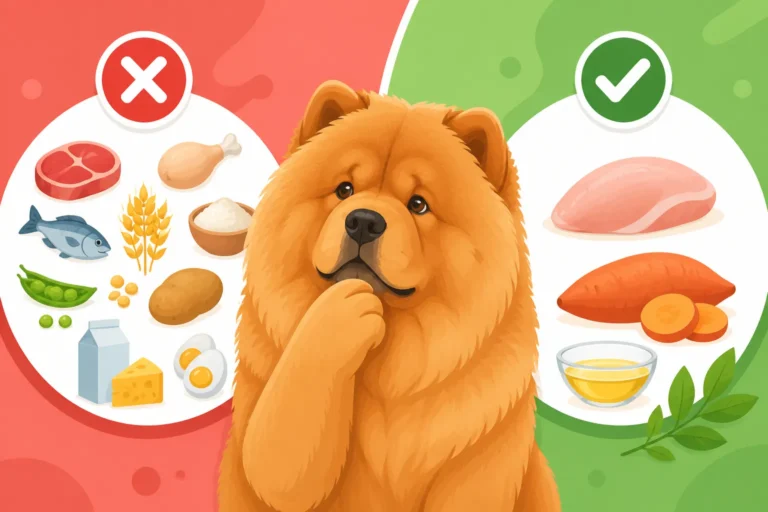
- Canned Wet Food: This is often the go-to for many owners. Wet food is highly palatable, easy to chew and swallow, and provides excellent hydration. It comes in a vast array of formulations, including senior-specific, limited ingredient, or prescription diets. Brands like Purina, Hill's, and Royal Canin offer many options. You can easily find these at your local pet store or online at retailers like Chewy.
- Rehydrated Kibble: If your Chow Chow still enjoys their current kibble but struggles with the crunch, simply adding warm water or low-sodium broth can soften it considerably. Let it sit for 5-10 minutes to absorb the liquid and soften before serving. This is a simple, cost-effective method to transition without a complete food change. Just ensure the kibble itself is still appropriate for their nutritional needs.
- Fresh, Gently Cooked Food: Companies like Ollie offer pre-portioned, gently cooked meals made from human-grade ingredients. These are typically soft, highly digestible, and very appealing to picky eaters. They can be more expensive, but many owners find the health benefits and palatability worth the investment. It’s essentially homemade food without the prep work.
- Homemade Soft Food (Vet Approved): If you're interested in preparing food at home, it's crucial to work with your veterinarian or a veterinary nutritionist. They can help you formulate a balanced diet to ensure your Chow gets all the necessary nutrients. Simply cooking chicken and rice isn't a complete diet and can lead to deficiencies over time. Homemade diets are soft by nature, allowing you full control over ingredients, which can be great for Chows with allergies or very sensitive stomachs.
The Importance of Gradual Transition
Regardless of the softer food option you choose, always introduce it gradually. A sudden switch can cause gastrointestinal upset, including vomiting and diarrhea, which is the last thing you want for an aging dog. A typical transition period lasts 7-10 days, slowly increasing the amount of new food while decreasing the old.
Here’s a general guideline for transitioning:
| Day | Old Food Percentage | New Food Percentage |
|---|---|---|
| Days 1-3 | 75% | 25% |
| Days 4-6 | 50% | 50% |
| Days 7-9 | 25% | 75% |
| Day 10+ | 0% | 100% |
Observe your Chow Chow closely during this period for any signs of digestive upset. If they show signs of an issue, slow down the transition further. Some Chows might need an even longer period, especially those with Whether a Chow Chow Has a Sensitive Stomach. A slower transition can make all the difference in ensuring a smooth dietary change and continued enjoyment of mealtime.
Monitoring and Adjusting for Optimal Health
After transitioning to softer food, continue to monitor your Chow Chow's overall health, appetite, weight, and stool quality. Are they eating enthusiastically? Are they maintaining a healthy weight, or are they Keeping a Chow Chow at the Weight Its Elbows Can Carry? Is their coat looking good? Is their energy level stable? You might even find they're more engaged and active if their previous discomfort has been alleviated. Remember, the ideal weight for an adult Chow Chow is usually between 45 and 70 pounds, depending on sex and build, so use What an Adult Chow Chow Should Weigh as a guide.
Sometimes, even after switching to a softer food, you might need to make further adjustments. Perhaps your Chow still finds a particular texture challenging, or a specific ingredient causes a minor upset. This is where your ongoing communication with your vet becomes vital. Don't be afraid to experiment with different brands or formulations, always with veterinary guidance, until you find the perfect match. Online retailers like Amazon offer a wide variety, making it easier to try different options. The goal is to keep your senior Chow happy, healthy, and well-fed for their remaining years, ensuring their The Eight to Twelve Years a Chow Chow Gets are as comfortable as possible.
Disclaimer
This article is for general informational purposes only and does not constitute professional advice. Laws, prices and regulations vary by location and change over time. Consult a qualified professional for guidance on your specific situation.