Whether an Aging Chow Chow Needs Help Getting Up
It's heartbreaking to watch our beloved Chow Chows start to slow down, and one of the most common and distressing signs of aging is when they begin to struggle with the simple act of getting up. That moment when they hesitate, perhaps groan a little, or push themselves up slowly with shaky legs, truly tugs at the heartstrings. This guide is here to walk you through why your senior Chow Chow might be having trouble getting to their feet, how to recognize the subtle signals they're sending, and most importantly, how you can offer practical, loving support to make their golden years as comfortable as possible.
The Inevitable Creaks and Groans of an Aging Chow Chow
Just like us, our Chow Chows experience physical changes as they age, and their once effortless movements can become a real challenge. It's not just about getting older; it's about how those years impact their joints, muscles, and overall comfort. Understanding these changes is the first step in providing the best care.
Why Mobility Changes Happen in Senior Chows
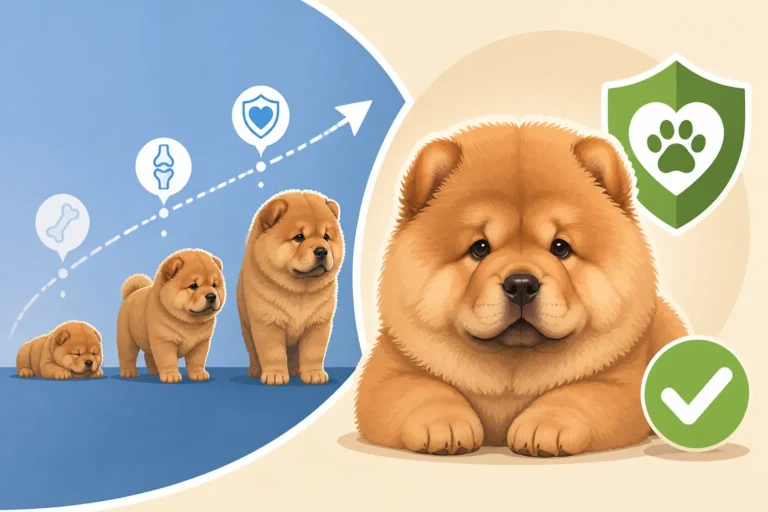
As a Chow Chow transitions into its senior years – typically around The Age a Chow Chow Is Considered Senior, which is often around eight years old – their bodies naturally undergo a process of wear and tear. Cartilage in the joints, which acts as a cushion, starts to thin, and the synovial fluid that lubricates these joints can decrease. This means more friction and less smooth movement. Their muscles might also lose mass and strength, a condition known as sarcopenia, making it harder to generate the power needed to push off the ground. Connective tissues can become less elastic, leading to stiffness. It's a gradual process, but one that undeniably impacts their ability to spring up like they used to. Think of it like a rusty hinge that needs a bit more effort to open each time.
Common Conditions That Affect an Old Chow's Ability to Rise
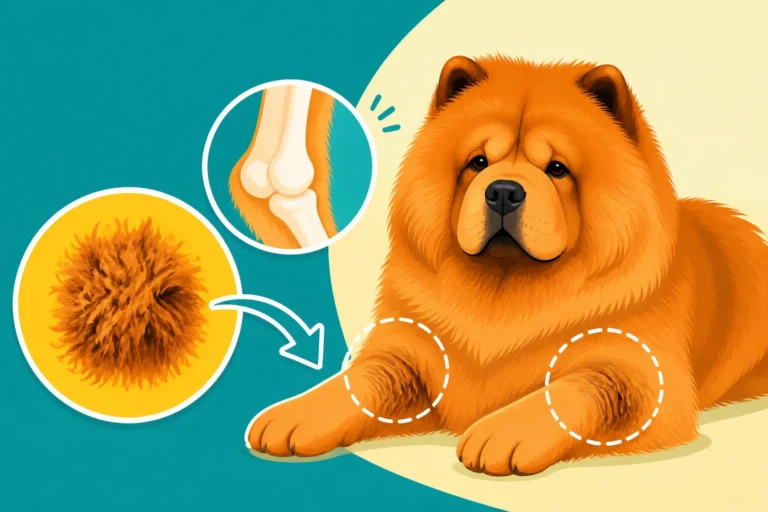
Several health conditions are particularly common in senior Chow Chows that can directly contribute to their difficulty getting up. Arthritis, or osteoarthritis, is by far the most prevalent. This degenerative joint disease can affect any joint, but often targets the hips, elbows, and spine, areas critical for standing and walking. If your Chow Chow has a history of conditions like Hip Dysplasia in a Chow Chow or Elbow Dysplasia Ranks the Chow Chow Near the Top, the progression of arthritis in those already compromised joints can make rising especially painful. Neurological issues, such as degenerative myelopathy (though less common in Chows than some other breeds) or intervertebral disc disease, can also cause weakness, incoordination, or pain in the hind limbs, severely impeding their ability to stand. Even something as seemingly minor as a persistent paw pad injury or overgrown nails can make pushing off the ground uncomfortable, leading to reluctance.
The Stoic Nature: Why Chows Hide Their Discomfort
One of the most challenging aspects of caring for a Chow Chow is their inherently stoic nature. They are not typically a breed to whine or dramatically limp, often choosing to suffer in silence rather than make a fuss. This means that by the time you notice overt signs of pain or difficulty, your Chow Chow might have been experiencing discomfort for quite a while. They are masters at masking pain, a trait that likely served them well in their ancient origins. This stoicism is why you need to be particularly observant, looking for subtle shifts in behavior or routine rather than waiting for obvious distress. A slight hesitation, a more labored breath when standing, or a change in where they choose to rest could all be silent alarms that something isn't right. Understanding How a Chow Chow Hides Pain is crucial for early intervention and maintaining their quality of life.
Reading the Subtle Cues: Signs Your Chow Needs a Helping Paw
Because of their tendency to mask discomfort, it’s up to us, their devoted companions, to become finely tuned observers. Those slight changes in their daily habits or movements are often the clearest indicators that they need a little extra help.
Difficulty With Specific Movements
One of the most telling signs your Chow Chow is struggling isn't just a general slowness, but difficulty with particular actions. You might notice them having trouble getting up from a lying position, especially after a long nap or in the morning. They might try several times, shifting their weight, pushing with their front paws, and then collapsing back down before finally managing to hoist themselves up. Getting onto or off furniture, climbing stairs, or even stepping into a car can become monumental tasks. They might start avoiding these activities altogether, preferring to stay on the floor rather than jump on the sofa, or hesitating at the bottom of the stairs, which is a big change from their younger days. Watch how they navigate turns; stiff joints can make sharp pivots painful, causing them to take wider, more deliberate arcs. How an Aging Chow Chow Stiffens will give you more insight into these specific movement changes.
Changes in Routine and Behavior
Beyond physical movements, a senior Chow Chow’s behavior can also signal distress. They might become less enthusiastic about walks or playtime, activities they once eagerly anticipated. A previously active Chow who now prefers to lie down more frequently, or who seems reluctant to join family activities, is definitely telling you something. You might also observe changes in their sleeping habits; they may struggle to find a comfortable position or wake up more frequently due to discomfort. Some Chows might become more withdrawn or even a little grumpy, snapping if touched in a sensitive area, which is highly uncharacteristic for their usually aloof but tolerant nature. They may seek out warmer, softer resting spots, like sunbeams on carpet, indicating they're trying to ease their aches.
Physical Indicators of Struggle
Beyond their actions, there are physical signs to look out for. Observe their posture when they are standing; an aging Chow Chow might stand with a more hunched back, or shift their weight continuously, trying to alleviate pressure on painful joints. Their gait might appear more stiff or wobbly, particularly in the hindquarters. Muscle atrophy, especially in the hind legs, can become noticeable; the muscles may look thinner compared to when they were younger. What Changes in a Chow Chow After Eight can include subtle muscle loss. They might also begin to lick or chew excessively at specific joints, indicating localized pain or discomfort. Swelling around joints, though often subtle and hidden by their dense coat, can also be a sign of inflammation.
Here's a quick reference table for common signs:
| Sign Category | Specific Observations | What it Might Mean |
|---|---|---|
| Movement | Slow or labored rising from rest | Joint pain (arthritis), muscle weakness |
| Hesitation before jumping, climbing stairs, or entering a car | Discomfort, fear of falling, reduced flexibility | |
| Stiff, stilted, or wobbly gait, especially after rest | Arthritis, joint inflammation | |
| Avoidance of previously enjoyed physical activities | Pain, decreased stamina, discomfort with movement | |
| Behavior | Increased lethargy or preference for resting over playing | Pain, fatigue, general aging |
| Seeking out warm, soft resting spots | Attempt to soothe aching joints | |
| Changes in temperament (e.g., grumpiness, withdrawal) when handled or touched | Pain response, discomfort | |
| Physical | Muscle loss, particularly in hindquarters | Sarcopenia, disuse atrophy due to pain |
| Hunched posture or shifted weight distribution | Compensation for pain | |
| Excessive licking or chewing at specific joints | Localized pain, irritation | |
| Changes in paw pad wear or overgrown nails | Foot discomfort impacting gait |
Practical Strategies for Supporting Your Senior Chow Chow
Once you've identified that your beloved Chow Chow is struggling, the good news is there's a lot you can do to help. These strategies range from direct assistance to making their home environment more comfortable.
Gentle Assistance Techniques
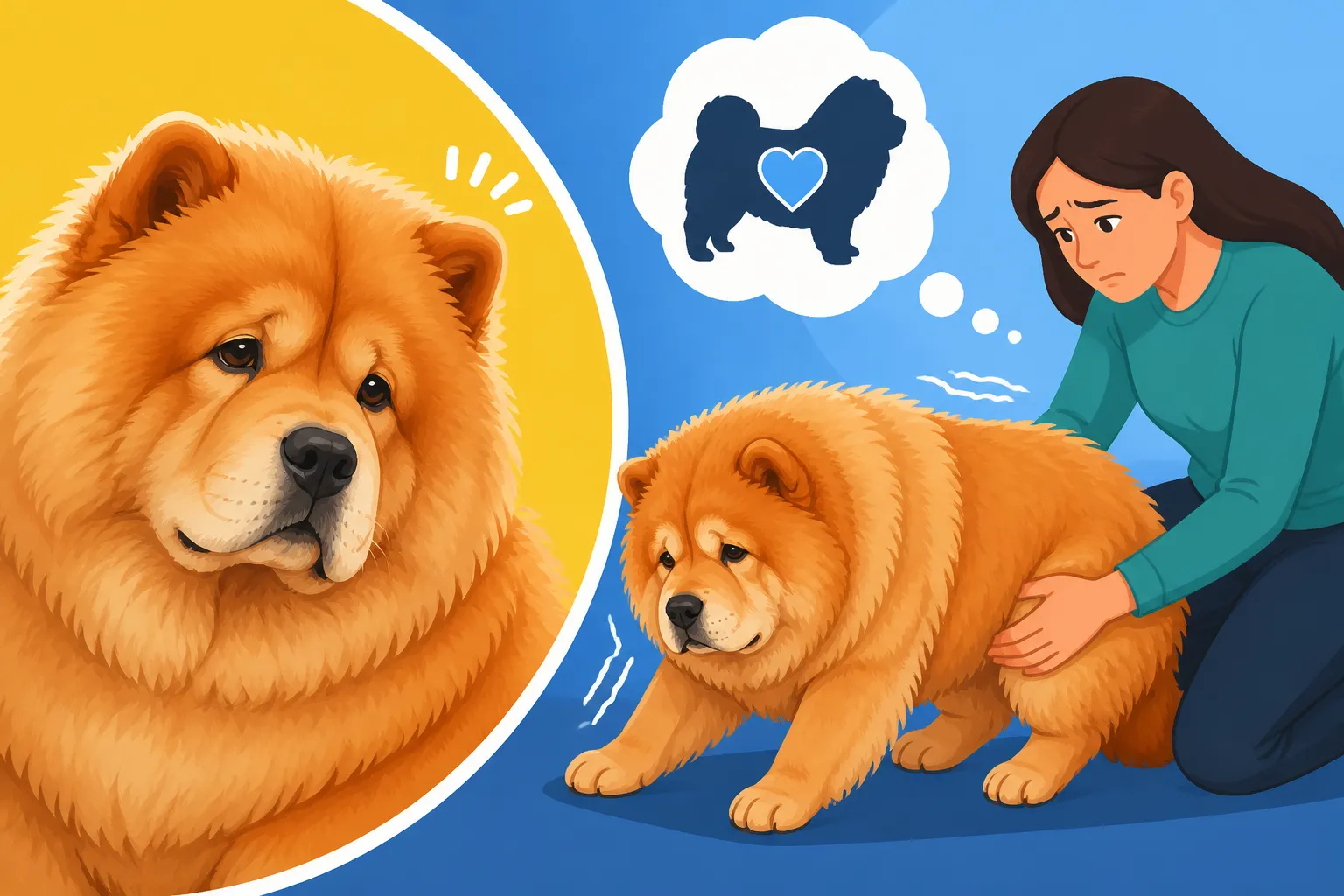
When your Chow Chow is having trouble getting up, a little physical help can go a long way. If they're struggling to rise from a lying position, approach them calmly and gently offer support under their chest or belly. You can use a sturdy towel, a specially designed lifting harness, or even your hands. Drape the towel under their abdomen, just in front of their hind legs, and gently lift as they attempt to stand. This provides crucial counter-pressure, helping them leverage their own strength. A full-body support harness is also an excellent investment for more consistent assistance. Brands available on sites like Chewy or Amazon offer a variety of harnesses designed for senior dogs, making it easier to assist with stability and lifting without putting strain on your own back. Remember to always lift evenly and avoid twisting their body, which could exacerbate pain. For stairs or getting into a car, a ramp can be a game-changer, removing the need for jumping or strenuous climbing altogether.
Creating a Joint-Friendly Home Environment
Making your home easier to navigate is vital for an aging Chow Chow. Start with their resting spots. Orthopedic beds are not a luxury; they are a necessity for senior dogs. These beds provide superior support for aching joints, cushioning pressure points and helping to maintain body temperature. Look for high-quality memory foam beds available from online retailers like Amazon or Chewy. Place these beds in quiet, easily accessible areas, away from drafts. Consider adding non-slip runners or rugs on hard, slippery floors, especially in high-traffic areas or where your Chow tends to struggle. Smooth surfaces can be treacherous for stiff legs, causing slips that can lead to injury or increased fear of movement. Keep food and water bowls easily accessible, perhaps elevated slightly to reduce strain on their neck and back. During the colder months, ensure their sleeping areas are warm, as cold can intensify joint stiffness and pain. You're essentially creating a senior-friendly zone where they feel secure and can move with minimal effort.
Nutritional and Supplement Support
Diet plays a crucial role in managing the health of an aging Chow Chow. While Chows generally don't eat as much as their size might suggest, maintaining a healthy weight is paramount for joint health. Every extra pound puts additional strain on already compromised joints. Talk to your vet about switching to a senior-specific dog food, which often has fewer calories and modified nutrient profiles to support aging bodies. Some premium brands, like Ollie, offer fresh, balanced meals that can be easier for senior dogs to digest and absorb nutrients from, potentially leading to better overall health and energy levels.
Beyond diet, supplements can be incredibly beneficial. Glucosamine and chondroitin are widely recognized for their role in joint health, helping to rebuild cartilage and improve joint lubrication. Omega-3 fatty acids, like those found in fish oil, have powerful anti-inflammatory properties that can reduce pain and stiffness. Some supplements also include MSM (methylsulfonylmethane) for pain relief and hyaluronic acid for joint lubrication. Always consult your veterinarian before starting any new supplements, as they can recommend the best options and dosages specifically for your Chow Chow's needs. Whether a Chow Chow Needs Joint Supplements is a topic worth discussing thoroughly with your vet.
Partnering With Your Vet: Medical Interventions and Pain Management
While home care makes a huge difference, professional veterinary care is non-negotiable for an aging Chow Chow with mobility issues. Your vet can accurately diagnose the underlying causes and provide medical strategies that offer significant relief.
Diagnostic Tools and Understanding the Underlying Cause
When you notice your Chow Chow struggling, your first call should be to your veterinarian. They will perform a thorough physical examination, observing your Chow's gait, checking for pain responses in various joints, and assessing muscle mass. X-rays are often the next step, allowing the vet to visualize the bones and joints, looking for signs of arthritis, hip or elbow dysplasia, or spinal issues. In some cases, blood tests may be recommended as part of What a Chow Chow's Yearly Bloodwork Should Cover to rule out other conditions that could contribute to weakness or pain, such as thyroid imbalances or kidney disease. Sometimes, more advanced imaging like an MRI or CT scan might be necessary to diagnose neurological problems, though these are typically reserved for complex cases. The goal is always to pinpoint the exact cause of their difficulty, as treatment will vary depending on the diagnosis.
Medication and Therapy Options
Once a diagnosis is made, your vet can prescribe medications to manage pain and inflammation. Non-steroidal anti-inflammatory drugs (NSAIDs) are commonly used and can dramatically improve a senior Chow Chow's comfort and mobility. Other medications might include gabapentin for neuropathic pain or amantadine for chronic pain. These drugs are generally safe for long-term use but require regular monitoring through bloodwork to ensure they aren't affecting liver or kidney function.
Beyond medication, several therapeutic options can aid mobility. Physical therapy, often including exercises, massage, and hydrotherapy (underwater treadmill), can help strengthen muscles, improve range of motion, and reduce pain. Acupuncture has also shown promise in managing chronic pain in some dogs. Laser therapy is another non-invasive option that can reduce inflammation and promote healing. Your vet might also discuss injectables, such as polysulfated glycosaminoglycans, which help protect cartilage and improve joint fluid. If your Chow Chow is particularly wary of new environments or strangers, finding a Whether a Chow Chow Needs a Fear Free Practice vet or therapist can make these visits much less stressful.
Proactive Care for Long-Term Comfort
Don't wait until your Chow Chow is in severe discomfort to seek veterinary help. Proactive care is key to extending their comfortable years. Regular veterinary check-ups, ideally twice a year for senior dogs, allow your vet to catch subtle changes early. Discuss any minor stiffness or hesitation you observe, even if it seems insignificant. Maintaining a healthy weight, providing a balanced diet with appropriate supplements, and engaging in gentle, consistent exercise (like short, slow walks on soft surfaces) are crucial. Regular grooming, including nail trims, is also important, as overgrown nails can impact gait and cause pain. For senior Chows, even a routine dental cleaning might be a big deal, and knowing What a Chow Chow's Sedated Dental Costs is part of planning for their comfort. By combining diligent home care with regular veterinary support, you can ensure your aging Chow Chow receives the best possible assistance to navigate their golden years with dignity and comfort.
Disclaimer
This article is for general informational purposes only and does not constitute professional advice. Laws, prices and regulations vary by location and change over time. Consult a qualified professional for guidance on your specific situation.