The Chow Chow Is One of the Oldest Breeds in the World
Many aspiring Chow Chow owners are drawn to their regal appearance but might not realize the immense history behind this majestic breed. It's not just another dog; the Chow Chow carries a lineage that stretches back thousands of years, making it one of the most ancient and fascinating canine companions you could ever invite into your home. This comprehensive guide will delve deep into the rich historical tapestry of the Chow Chow, exploring its origins, its roles throughout the ages, and how its ancient past has shaped the unique dog we know and love today.
The Deep Roots of the Chow Chow
To truly understand a Chow Chow, you have to look beyond the fluffy coat and the enigmatic scowl and delve into its incredible past. This isn't a breed that emerged from modern selective breeding programs; it's a living relic, a direct link to some of the earliest domesticated canids. Their history is not just long, it's profoundly intertwined with human civilization in Asia, making them a testament to the enduring bond between people and dogs across millennia.
Tracing Back to Ancient Times
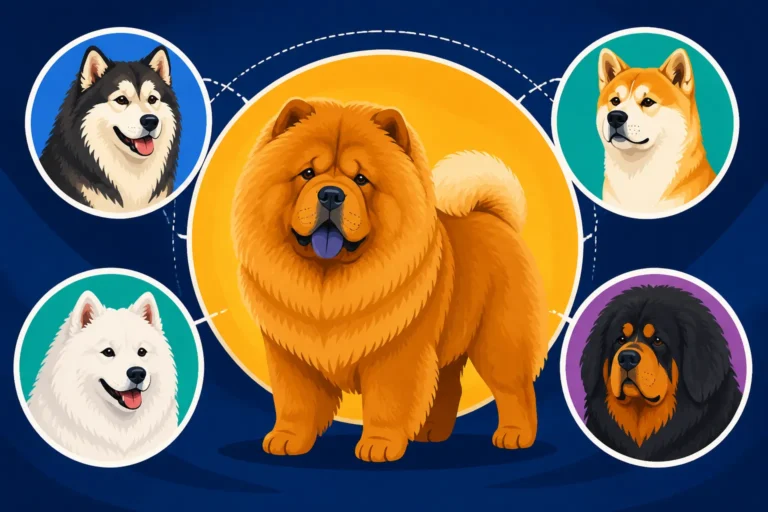
The Chow Chow’s lineage is often described as one of the most ancient, a claim supported by modern genetic studies that place them among the earliest breeds to diverge from wolves. Imagine a dog that walked the earth when empires were just rising and civilizations were still in their infancy. That's the kind of deep history we're talking about with the Chow Chow. Their origins are firmly rooted in northern China and Mongolia, regions known for harsh climates and vast, sweeping landscapes.
For thousands of years, these dogs were not just pets but indispensable working animals. They adapted to cold weather, herded livestock, guarded homes and temples, and even served as hunting companions for royalty. This long period of natural selection and working life helped forge the Chow Chow's hardy constitution, dense coat, and famously independent temperament. When you look at a Chow Chow today, you're seeing a dog whose ancestors have witnessed an incredible sweep of human history, from nomadic tribes to imperial dynasties. It's a humbling thought, connecting you directly to a past that most breeds can only dream of.
Evidence in Art and Culture
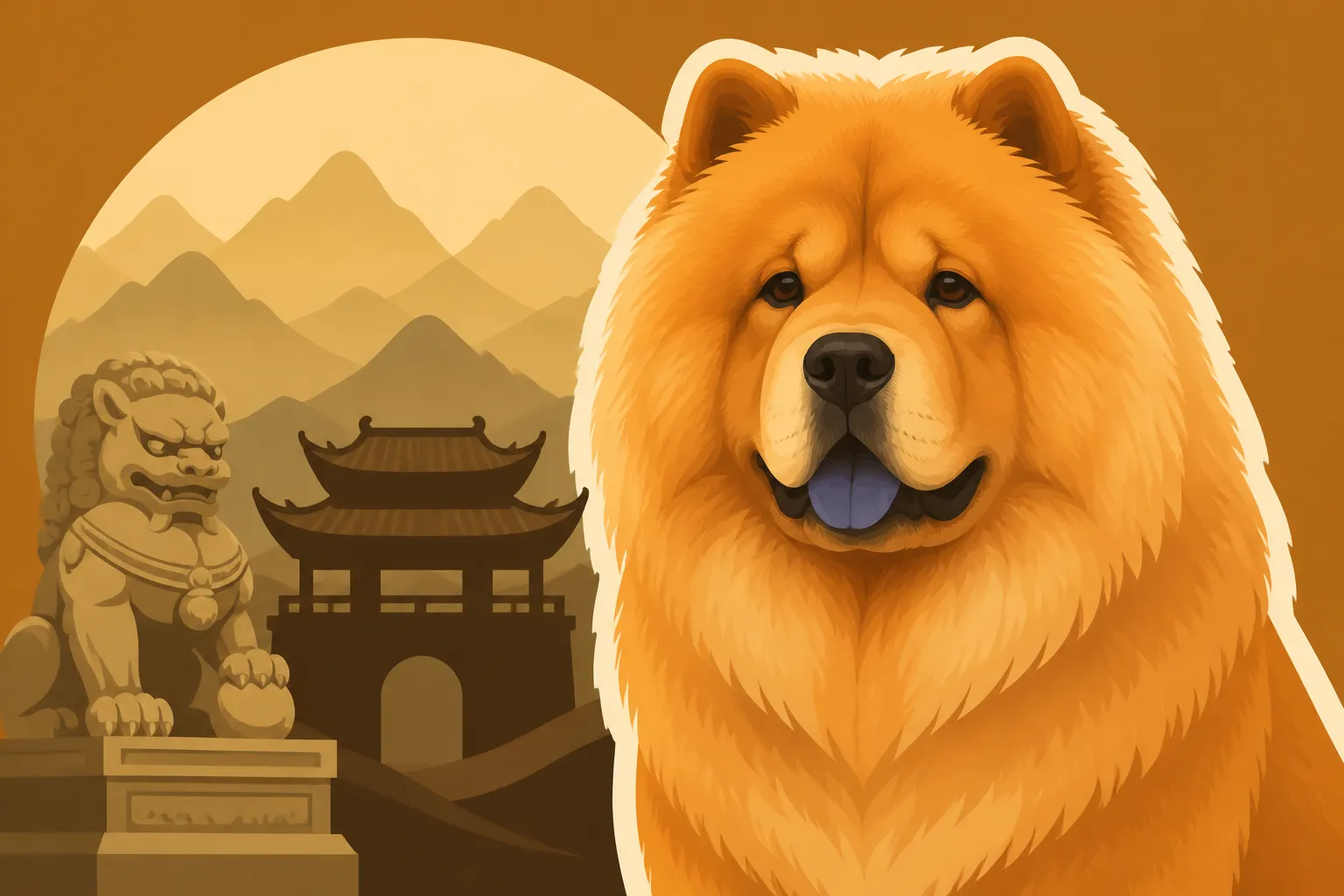
While written records of such ancient breeds can be scarce or fragmented, the Chow Chow's presence in historical art and artifacts provides compelling evidence of its long and valued existence. Pottery, sculptures, and bas-reliefs from various Chinese dynasties depict dogs that bear an unmistakable resemblance to the Chow Chow we know today. These artistic representations offer a visual timeline, showing that the breed's distinctive features—the lion-like mane, the deep-set eyes, the curled tail—have remained remarkably consistent over thousands of years. It’s like looking at a photograph from millennia ago and recognizing a family member.
One of the most striking examples comes from the Han Dynasty, which flourished from 206 BC to 220 AD. Han Dynasty Pottery Shows a Dog That Looks Like a Chow Chow perfectly illustrates this point. Statuettes and pottery from this period often feature robust, heavy-coated dogs with the characteristic scowl and proud posture. These aren't just generic dogs; they possess the very essence of the Chow Chow's unique silhouette and dignified bearing. Such widespread artistic inclusion suggests that these dogs were not merely common but held significant cultural importance, perhaps as symbols of protection, prosperity, or even spiritual guardians. This rich artistic legacy ensures that the Chow Chow's ancient history isn't just theory but a visually documented fact, giving us a precious glimpse into their past.
The Meaning Behind the Names
Every name carries a story, and the Chow Chow is no exception. In fact, this breed has carried several names throughout its long history, each shedding a little light on how it was perceived and utilized in different cultures and eras. From its original Chinese monikers to the rather peculiar name it acquired in the West, these titles offer a fascinating linguistic journey.
"Songshi Quan" and "Tang Quan"
In its native China, the Chow Chow was known by several descriptive names, each painting a vivid picture of its appearance or its perceived role. Perhaps the most widely recognized ancient Chinese name is "Songshi Quan," which translates quite poetically to "puffy-lion dog." This moniker perfectly captures the breed's majestic, lion-like mane and dense, voluminous coat. It highlights the awe and admiration the Chinese people felt for these impressive animals, seeing in them the noble bearing of the king of beasts.
Another significant historical name was "Tang Quan," or "Dog of Tang." This name refers to the Tang Dynasty (618-907 AD), a golden age in Chinese history known for its cultural flourishing and imperial grandeur. During this period, Chow Chows were indeed highly prized, often kept by emperors and nobility, and even used in large hunting expeditions. To be called "Dog of Tang" was to associate the breed with an era of immense power, prestige, and sophistication. It speaks volumes about the breed's esteemed status within Chinese society, far beyond that of a mere farm dog or pet. This noble association further solidified the Chow Chow's image as a dog of distinction and importance. What Songshi Quan Means helps illustrate the cultural significance woven into these names.
The Curious Case of "Chow Chow"
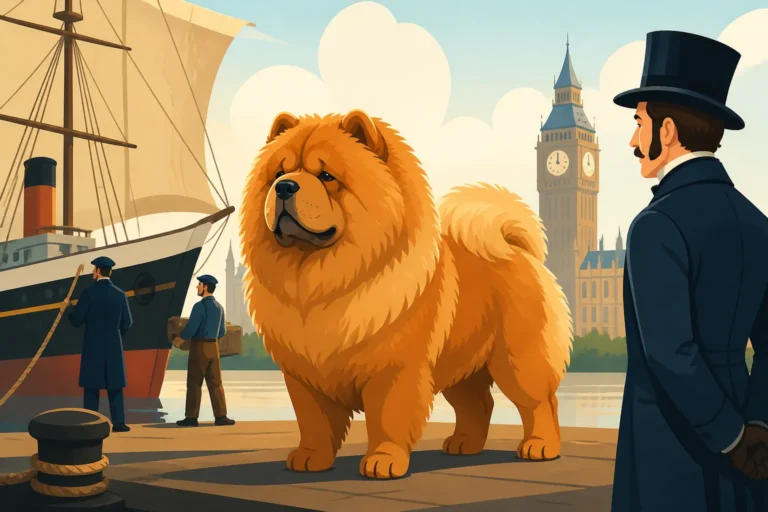
While its Chinese names were elegant and descriptive, the name by which the breed became known in the Western world, "Chow Chow," is far more enigmatic and, frankly, a bit quirky. It doesn't describe the dog's appearance or its lineage. Instead, its origin is believed to be rooted in a peculiar quirk of maritime trade during the 18th century. When these exotic dogs first began to arrive in England from China, they often came as part of a varied cargo on trading ships.
These ships carried a wide array of goods—spices, silks, porcelain, and various curiosities. On the manifests and bills of lading, miscellaneous items that didn't fit neatly into specific categories were often simply labeled "chow chow." It was a catch-all term for novelties or sundry goods. The theory goes that these unique dogs, being quite a novelty themselves, simply fell under this broad categorization and the name stuck. It's an amusing thought that such a dignified and ancient breed acquired its modern name from what essentially amounted to a "miscellaneous items" box. Where the Name Chow Chow Came From further explores this fascinating etymological journey. This somewhat accidental naming speaks to the wonder and exoticism with which Westerners first viewed these "puffy-lion dogs" from the distant East.
The Multifaceted Roles in Ancient China
The Chow Chow wasn't just admired for its looks or its imperial connections; it was a deeply functional animal, essential to the lives of the people who bred and relied upon it. Its versatility in ancient China is a testament to its intelligence, strength, and adaptability, qualities that were carefully cultivated over centuries. These roles shaped many of the traits we see in the breed today, from its protective instincts to its robust physique.
Hunter and Guardian
One of the primary roles of the Chow Chow in ancient China was that of a skilled hunter and vigilant guardian. Their formidable build, keen senses, and stoic nature made them excellent companions for hunting large game. Imagine these powerful dogs, with their thick coats providing insulation against the elements, tracking prey through dense forests or across rugged terrain. They were likely used to flush out game and perhaps even help subdue it, making them invaluable assets for sustenance and sport. This hunting heritage explains some of their innate independence and their focused, observant demeanor.
Beyond the hunt, Chow Chows were exceptional guardians. Their natural suspicion of strangers, combined with their imposing presence, made them perfect protectors for homes, monasteries, and even imperial palaces. They were not typically effusive barkers but possessed a silent watchfulness, ready to act if a threat arose. This guarding instinct is deeply ingrained in the breed's psyche, often manifesting today as territoriality and a strong desire to protect their family and property. They weren't just decorative; they were living security systems, an essential part of daily life in communities that faced various threats. Whether Chow Chows Guarded Temples highlights this important historical function.
Draft Dog and Companion
In addition to their roles as hunters and guardians, Chow Chows also served as working draft dogs, particularly in colder, more mountainous regions. Their powerful build and dense double coat made them well-suited to pulling carts laden with supplies, acting as pack animals, or even assisting with small sleds. This was especially important in areas where larger draft animals might have been scarce or difficult to maintain. Their endurance and strength were vital for transporting goods and aiding in daily labor, contributing significantly to the economy and survival of their human families. This history as a working dog underlines their robustness and physical capability.
Despite their working utility, Chow Chows were not solely utilitarian animals. They were also cherished companions, especially within the aristocratic circles. Emperors and nobles often kept them, not just for their protective qualities or hunting prowess, but for their dignified presence and unique personalities. While they might not have been as overtly affectionate as some other breeds, their loyalty and calm demeanor made them esteemed members of the household. This dual role—practical worker and noble companion—speaks to the balanced temperament that early breeders sought to cultivate, ensuring they were both useful and beloved. Today, many Chow Chows retain this companionable yet independent spirit, proving their ancient versatility.
A Controversial Past
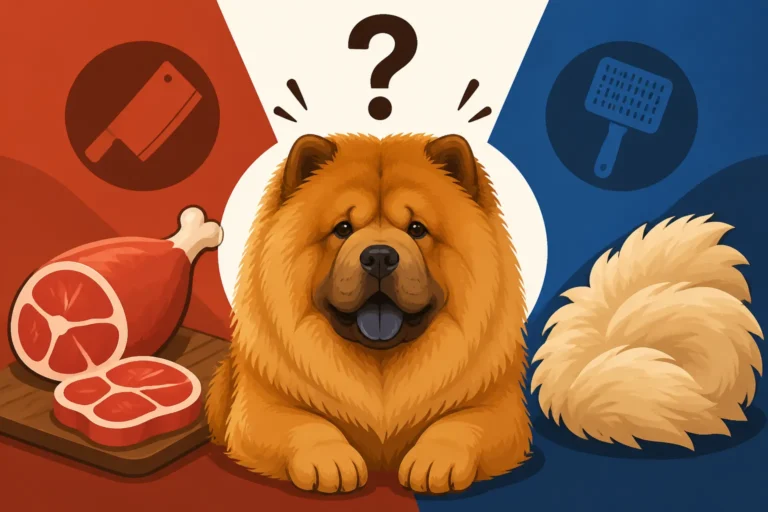
It would be remiss to discuss the Chow Chow's ancient history without addressing some of the darker, more controversial aspects of its past. Historical accounts suggest that in some regions of China, particularly among certain communities and during times of extreme hardship, Chow Chows were occasionally raised for their meat and fur. This practice, while disturbing to modern sensibilities, was a harsh reality in some parts of the world where survival often dictated difficult choices regarding domesticated animals. It’s a part of their history that many find uncomfortable, but it's important for a complete understanding of the breed's historical context.
It's crucial to understand that this practice was not universal across all of China or at all times. The Chow Chow was simultaneously revered in other contexts, especially among the elite, and it certainly doesn't define the breed's character or its place in the modern world. However, acknowledging this aspect of their past provides a more realistic and nuanced picture of their long journey. It underscores the incredible resilience of the breed and highlights the profound cultural shifts that have occurred in human-animal relationships over centuries. This sometimes grim historical footnote reminds us of the diverse and often challenging roles dogs played in various human societies, and why Whether Chow Chows Were Raised for Meat and Fur remains a topic of historical discussion.
The Chow Chow's Journey to the West
For millennia, the Chow Chow remained largely within the borders of China, a treasured national secret. However, as global trade routes expanded and interest in exotic goods from the East grew, these unique dogs eventually made their way to distant shores. Their arrival in the Western world marked a new chapter in their long history, transitioning from an ancient Chinese worker to a fashionable companion and show dog across Europe and America.
Arrival in England
The Chow Chow's grand voyage to the West began in the late 18th century, primarily through the bustling port of Canton (now Guangzhou). British merchant ships, engaged in lucrative trade with China, began to bring back not only silks, teas, and porcelain but also curious and exotic animals. Among these living cargo items were the "chow chows"—a catch-all term, as we discussed, for various curiosities. These early Chows were true pioneers, stepping onto European soil and into a world entirely new to them.
The first documented Chow Chow to arrive in England was around 1781, noted by naturalist Gilbert White in his work, "The Natural History and Antiquities of Selborne." He described a dog from Canton, owned by a neighbor, which bore all the hallmarks of the breed: "The dogs that attend these vehicles are long-legged and smooth-haired, but with a remarkable peculiarity about their legs, for their hind legs are entirely without the hock, or bending joint, and are as straight as a post." While White's anatomical observation was a bit off, his description clearly points to the Chow Chow's distinctive straight rear leg and "stilted gait," captivating the attention of early European observers. This initial trickle of dogs gradually grew, paving the way for the breed's eventual rise in popularity.
Royal Endorsement and Popularity
The Chow Chow's fortunes in the West truly soared when it received the ultimate endorsement: royal approval. Queen Victoria, a passionate dog lover, acquired a Chow Chow in the 1890s, instantly elevating the breed's status and making it highly fashionable among the British aristocracy. When Queen Victoria Got a Chow Chow was a pivotal moment. Imagine the buzz in high society as word spread that the Queen herself owned one of these exotic "lion dogs" from China! This royal seal of approval transformed the Chow Chow from a mere curiosity into a symbol of prestige and sophistication.
Suddenly, owning a Chow Chow became a statement. Wealthy families and socialites clamored to acquire these intriguing dogs, sparking increased importation from China and dedicated breeding efforts in England. The breed's unique appearance, dignified demeanor, and perceived exoticism made it perfectly suited for the Victorian era's fascination with all things Oriental. This period saw the Chow Chow firmly establish itself in the Western consciousness, laying the groundwork for its formal recognition and enduring popularity in dog shows and as beloved family companions across Europe and eventually, North America.
Establishing the Breed in the Modern Era
Once established in the West, the Chow Chow began its journey from exotic import to formally recognized breed. This involved the dedicated efforts of enthusiasts who sought to standardize the breed, establish clubs, and ensure its unique characteristics were preserved and promoted. This period of formalization was crucial in shaping the Chow Chow into the breed standard we recognize today.
Formal Recognition and Clubs
As the Chow Chow gained popularity in England, breeders and fanciers recognized the need to protect and preserve its distinctive traits. This led to the formation of the first breed clubs, dedicated to defining a breed standard and promoting responsible breeding practices. The Chow Chow Club in England was established in 1895, a significant step in formalizing the breed's presence. These clubs were instrumental in creating a framework for showing and judging Chow Chows, ensuring consistency in type and temperament.
Shortly after its establishment in Britain, the breed made its way across the Atlantic to America. The first Chow Chow was registered with the American Kennel Club (AKC) in 1903, marking its official entry into the American dog world. This recognition brought with it a surge in interest and the subsequent formation of the Chow Chow Club of America in 1906. These foundational clubs played a vital role in educating the public about the breed, organizing dog shows, and maintaining detailed pedigrees. The move from informal companions to formally recognized show dogs cemented the Chow Chow’s place in the modern canine registry, ensuring its ancient heritage would be celebrated and maintained for future generations.
Notable Chow Chows in History
Throughout its Western history, several Chow Chows have achieved a degree of celebrity, further cementing the breed's image in popular culture. These famous Chows, often owned by prominent figures, brought the breed into the public eye and helped to shape perceptions of its unique character. Their stories add a charming layer to the breed's already rich tapestry.
One of the most widely known associations is with President Calvin Coolidge. During his time in the White House in the 1920s, Coolidge and his wife, Grace, owned two Chow Chows: Timmy and Blackberry. Blackberry, a black Chow Chow, was famously photographed with Mrs. Coolidge, endearing the breed to the American public. The presence of these dignified dogs in the White House certainly contributed to their popularity during that era. Another famous owner was the celebrated psychoanalyst Sigmund Freud, who had a beloved Chow Chow named Jofi. Jofi was not just a pet; she often sat in on Freud's therapy sessions, a calming presence that Freud believed helped his patients relax and even gauge their emotional state. Whether Freud's Chow Chow Sat In on Sessions recounts this fascinating detail. These historical connections to influential personalities underscore the Chow Chow's enduring appeal and its ability to captivate and charm even the most intellectual and powerful individuals.
Distinguishing Features and Ancient Traits
What makes a Chow Chow instantly recognizable isn't just its fluffy coat or scowling expression; it's a collection of unique physical characteristics that have been preserved through millennia. These traits aren't just cosmetic; they often hint at the breed's ancient origins and its historical functions. Understanding these features helps us appreciate the Chow Chow's distinctiveness and its remarkable continuity with its past.
The Iconic Blue-Black Tongue
Perhaps the most striking and distinctive feature of the Chow Chow is its blue-black tongue. This isn't just an interesting quirk; it's a hallmark of the breed, so iconic that it's even a point of disqualification in dog shows if the tongue is predominantly pink in an adult dog. This deep pigmentation extends to the gums and roof of the mouth, giving the Chow Chow's oral cavity a truly unique appearance. Why a Chow Chow's Tongue Is Not Pink delves into the specific pigment responsible for this unusual coloration.
What's fascinating is that Chow Chow puppies aren't born with this fully developed blue-black tongue. They typically start with pink tongues, which gradually darken over the first few weeks of life, usually completing the transition by 8-10 weeks of age. When a Chow Chow Puppy's Tongue Turns Blue clarifies this developmental timeline. While the exact reason for this unique pigmentation is not fully understood, it's a trait shared by only one other breed, the Shar Pei, and it's a strong indicator of the Chow Chow's ancient lineage. This blue-black tongue serves no known functional purpose today, but it remains a profound visual link to its millennia-old past, a mysterious badge of its ancient heritage.
The Unique Stilted Gait
Another truly distinctive characteristic of the Chow Chow, deeply rooted in its ancient origins as a working dog, is its unusual "stilted" gait. When a Chow Chow walks, it moves with a somewhat stiff, almost mechanical stride, particularly in its hindquarters. This is due to its remarkably straight rear leg assembly, with minimal angulation at the hock joint. Unlike many breeds bred for speed or agility, which have more angled rear legs to provide spring and propulsion, the Chow Chow's design is different.
This straight rear leg assembly gives the Chow Chow a distinct, almost ponderous movement, earning it the descriptive term "stilted." While it might not lend itself to lightning-fast sprints, this conformation was likely beneficial for the breed's historical roles. Why the Chow Chow's Rear Leg Is Almost Straight explains how this anatomical feature contributes to their unique movement. A straighter leg structure can be more efficient for sustained, powerful pulling and for navigating varied terrain without expending excessive energy in complex joint movements. It provides stability and strength for carrying loads or moving through snow, rather than for the quick bursts of a sprinting predator. This peculiar gait is a living echo of its ancestors' lives as draft animals, hunters, and guardians in rugged landscapes, demonstrating how form follows function over vast spans of time.
The Lion-Like Appearance
No discussion of the Chow Chow's physical traits would be complete without highlighting its magnificent, lion-like appearance. This is arguably the first thing that captures people's attention and is a direct influence from its Chinese moniker, "puffy-lion dog." The breed's characteristic features combine to create an imposing and regal impression that truly sets it apart from other canines.
Central to this look is the Chow Chow's dense, profuse double coat, particularly the rough-coated variety. This coat forms an impressive ruff or mane around the head and neck, mimicking the majestic mane of a lion. This thick fur isn't just for show; it's a practical adaptation to the harsh, cold climates of its ancestral homeland, providing essential insulation. Coupled with its broad skull, small, rounded ears, and deep-set eyes, which contribute to its famous "scowling" or "puzzled" expression, the overall effect is one of dignified power and ancient wisdom. What a Chow Chow Weighs and How Tall It Stands helps paint a picture of their robust physique. The Chow Chow’s appearance is a beautiful fusion of utility and aesthetics, a living testament to thousands of years of adaptation and human admiration.
The Enduring Legacy of an Ancient Breed
The Chow Chow stands as a living bridge to an ancient past, a testament to the enduring bond between humans and dogs. Its journey from the steppes of China to the show rings of the West is a saga of survival, adaptation, and cultural exchange. Today, owning a Chow Chow is more than just having a pet; it's being a custodian of a truly remarkable lineage.
Modern Challenges and Preservation
Despite its celebrated history, the Chow Chow faces its share of modern challenges, many of which stem directly from its unique heritage and distinct conformation. One of the most significant concerns for the breed is ensuring the health and welfare of future generations. Responsible breeders are keenly aware of the genetic predispositions that can affect Chows, such as Entropion Is the Chow Chow's Signature Problem or Elbow Dysplasia Ranks the Chow Chow Near the Top. The breed's deep-set eyes, while contributing to its signature "scowl," can sometimes lead to issues, requiring diligent care and sometimes surgical intervention. Similarly, their heavy build and straight rear legs mean joint health is paramount.
Preservation efforts, therefore, focus not just on maintaining the breed's iconic appearance and temperament, but also on promoting genetic diversity and overall health. Breeders work to perform health screenings and make informed breeding choices to mitigate these risks. Owners, in turn, are encouraged to understand the specific needs of their Chow Chows, from specialized grooming tools from retailers like Chewy to regular veterinary check-ups. It's a collective effort to honor their ancient resilience by ensuring they can live long, healthy lives in the modern world. Education and careful breeding are key to safeguarding this ancient breed for millennia to come.
A Timeless Companion
Even with the challenges, the Chow Chow remains a beloved and timeless companion for those who understand and appreciate its unique nature. While they may not be the most effusive or overtly demonstrative dogs, their loyalty to their chosen person is unwavering and profound. They possess a quiet dignity and an independent spirit that appeals to many, particularly those seeking a dog with a strong personality and a sense of self-possession. The Chow Chow Bonds to One Person and Tolerates the Rest perfectly encapsulates this aspect of their temperament, a trait that harkens back to their roles as vigilant, solitary guardians.
Living with a Chow Chow means embracing their distinctive traits: their calm demeanor, their sometimes aloof nature, and their fierce protectiveness. They thrive in homes where their boundaries are respected, and their intelligence is engaged through consistent, fair training. From their initial appearance in Han Dynasty art to their presence in our homes today, the Chow Chow has traversed an incredible journey. They are more than just dogs; they are living pieces of history, offering a unique blend of ancient majesty and devoted companionship. For those prepared to understand and cherish their extraordinary heritage, a Chow Chow offers a truly unparalleled and rewarding partnership, connecting us to a lineage that has survived and thrived for millennia.
Disclaimer
This article is for general informational purposes only and does not constitute professional advice. Laws, prices and regulations vary by location and change over time. Consult a qualified professional for guidance on your specific situation.