Where the Chow Chow Comes From
Have you ever looked at your Chow Chow's regal, lion-like stance and wondered where on earth such a magnificent, ancient-looking breed truly comes from? It's easy to get lost in conflicting stories about their past, but understanding their origins isn't just a fascinating history lesson; it's key to appreciating their unique temperament, physical characteristics, and even some of their specific care needs today. This guide will take you on a journey back in time, unveiling the deep roots of the Chow Chow breed and clarifying its captivating, sometimes surprising, history.
Ancient Roots in China
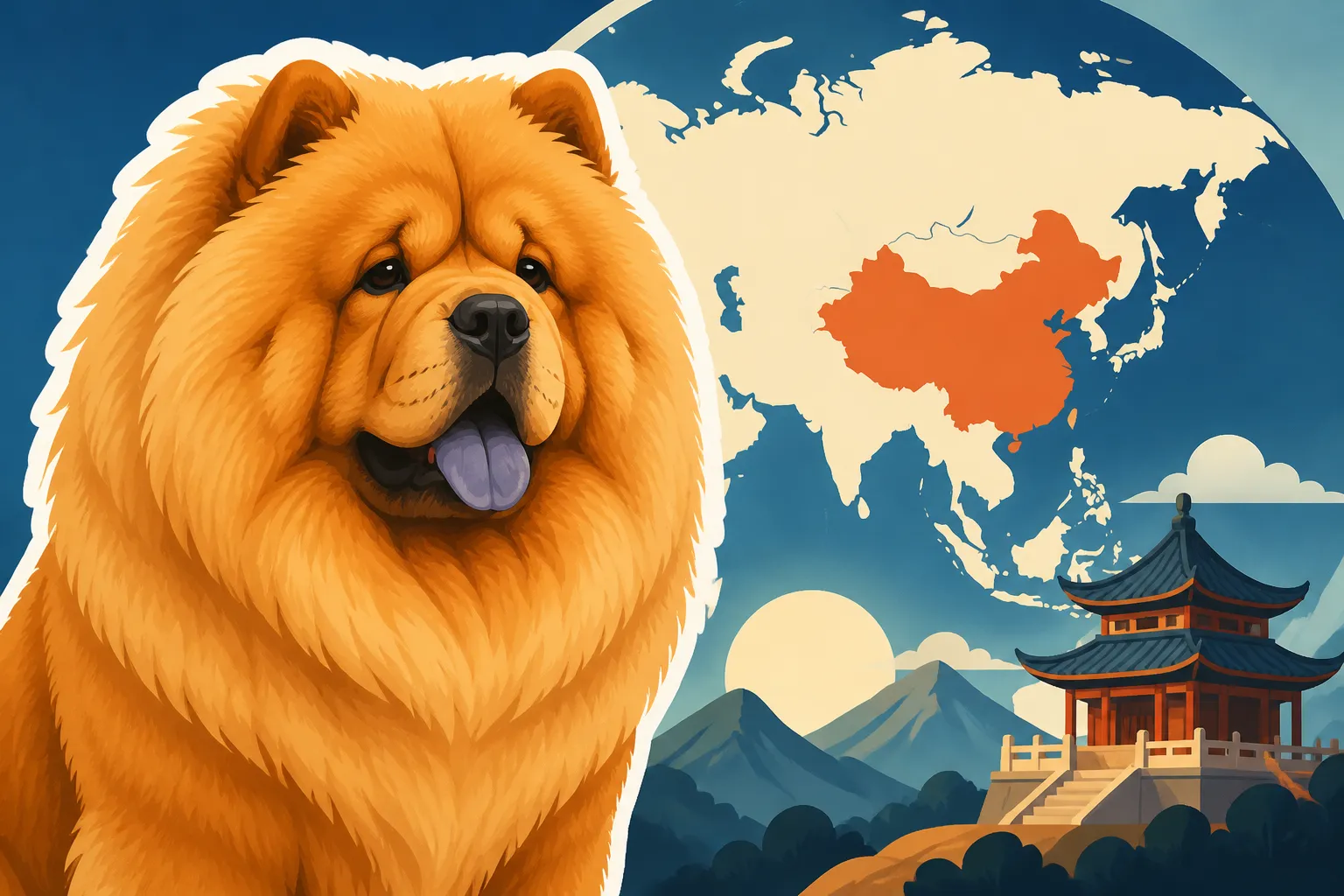
The Chow Chow's story begins not in the familiar West, but deep within the sprawling history of ancient China, making it one of the oldest breeds in the world. Their lineage stretches back thousands of years, predating many breeds we consider ancient today. This long history has left an indelible mark on their character and physique, shaping them into the distinctive dogs we know and love.
Tracing the Breed Through History
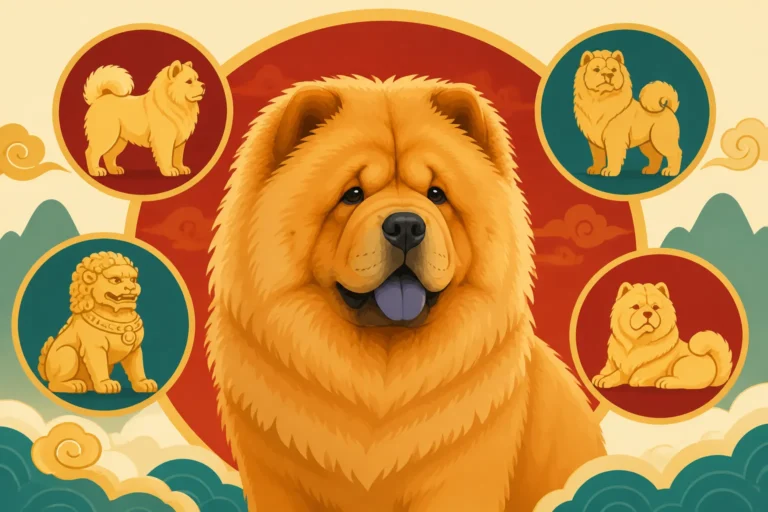
When we talk about the Chow Chow, we're really talking about a dog that has been a part of Chinese culture for millennia. Evidence suggests their presence dates back to the Han Dynasty (206 BC to 220 AD), with Han Dynasty Pottery Shows a Dog That Looks Like a Chow Chow. You can spot figures and bas-reliefs that clearly depict dogs bearing the striking resemblance of our Chows, from their dense coats to their characteristic scowl. These weren't just common dogs; they were clearly a recognized type, integral to daily life and even imperial affairs. Imagine these majestic animals striding through ancient palaces or guarding remote temples, their deep-set eyes observing everything around them. This deep historical presence is why the Chow Chow is often cited as one of the basal breeds, meaning it's one of the original types from which many modern breeds descended. It’s a truly humbling thought to consider the unbroken line of these dogs stretching back through so much human history.
Their ancient lineage is further supported by DNA evidence, which places the Chow Chow among the fourteen ancient breeds, meaning they are genetically very close to the wolf. This isn't just a fun fact; it speaks volumes about their independent nature and strong survival instincts, traits that are still very much present in today's Chows. Unlike many breeds developed for constant human interaction and cooperation, the Chow Chow's early existence involved a more independent role, shaping a dog that is self-reliant and often reserved. This profound connection to their ancient ancestors helps explain why they can sometimes seem so discerning about who they grant their affection to.
The Chow Chow's Original Purpose in China
The Chow Chow was truly a multi-purpose working dog in its native land, indispensable to its human companions. In various historical periods and regions, these powerful canines were utilized for a diverse array of tasks. They were renowned hunters, known for their prowess in flushing and holding game, ranging from pheasants to much larger animals like wolves and even leopard. This hunting role required immense strength, agility, and a keen sense of observation, attributes still visible in their robust build and alert demeanor today. Their thick coats, which we now adore, would have been invaluable protection against the elements during these rugged expeditions.
Beyond hunting, Chow Chows served as guardians, diligently protecting their homes, temples, and even trade caravans. Their naturally wary and watchful nature made them excellent deterrents, and their imposing presence would have been enough to ward off most threats. They were also used for herding livestock, demonstrating their versatility and intelligence. In some colder, northern regions of China and Mongolia, there's even historical mention of Chows pulling sleds, showcasing their incredible strength and endurance in harsh climates. These roles demanded a dog that was resilient, intelligent, and capable of independent thought, all qualities that still define the breed. The Chinese knew them by various names, reflecting these diverse functions, such as "Songshi Quan" (Puffy-Lion Dog) for their regal appearance, and "Hei She Tou" (Black-Tongue Dog) for their unique oral pigmentation. These names alone tell you much about how highly they were regarded and how distinct their appearance was even then.
The Journey to the West
For centuries, the Chow Chow remained largely confined to China, a treasured national secret. It wasn't until the age of exploration and trade that these magnificent dogs began their slow journey to the Western world, captivating those who encountered them with their exotic beauty and dignified demeanor. This transition marked a significant turning point in the breed's history, introducing them to entirely new cultures and purposes.
How the Chow Chow Arrived in England
The story of the Chow Chow's arrival in England is tied to the burgeoning trade routes of the 18th century. It was primarily the East India Company, with its vast shipping network, that facilitated the transport of these unique dogs from the Far East. As merchants and sailors traveled between China and Europe, they would often bring back various exotic goods – spices, silks, porcelain, and sometimes, intriguing animals. The first documented instances of Chow Chows reaching British shores appear around the late 1700s, though they were still exceptionally rare and considered curiosities. These early arrivals were often given as gifts or acquired by individuals with a penchant for the unusual and exotic.
Life on these long voyages would have been challenging, but the Chow Chow's stoic and independent nature likely made them more resilient to the confined conditions than many other breeds. They weren't just pets; they were living examples of the wonders of distant lands. These initial imports were crucial, laying the groundwork for the breed's eventual establishment and popularity in the West. Without these early, intrepid journeys, often aboard ships packed with all manner of cargo, the Chow Chow might have remained a mystery to the rest of the world for far longer.
The Naming of the "Chow Chow"
Perhaps one of the most intriguing aspects of the breed's Western introduction is how it acquired its peculiar name. Unlike many breeds named for their place of origin (e.g., German Shepherd, Labrador Retriever) or their function, "Chow Chow" seems a bit out of place for a dog from China. The prevailing theory, and the most widely accepted one, is that the name originated from the pidgin-English term used by sailors and merchants to describe the miscellaneous items brought back from the Far East. On ships' manifests, any various goods not easily categorized would often be listed under the generic term "chow-chow." This could include anything from trinkets to exotic foods and, yes, even these unusual dogs.
Over time, it's believed that the term "chow-chow" became specifically associated with the dogs themselves, perhaps because they were seen as another "miscellaneous" or "exotic" item in the mixed cargo. So, while it sounds rather informal, the name "Chow Chow" likely has its roots in logistical shorthand rather than any descriptive quality of the dog itself. It's a whimsical and slightly accidental origin for such a dignified breed, highlighting the cultural clash and linguistic adaptations that occurred during the early days of global trade. Regardless of its unglamorous origin, the name stuck, and centuries later, it's how the breed is universally recognized.
Rise to Popularity and Recognition
Once introduced to the Western world, particularly in England, the Chow Chow gradually moved from being a mere curiosity to a symbol of status and an object of fascination. Their unique appearance and aloof charm quickly captured the attention of royalty and the public alike, cementing their place in Western canine history.
Becoming a Victorian Sensation
The Chow Chow truly began its ascent into Western society during the Victorian era, an age marked by a keen interest in exoticism and the collection of rare specimens. A major turning point came in the 1880s when Queen Victoria herself acquired a Chow Chow. This royal endorsement instantly propelled the breed into the limelight, making it highly fashionable among the British aristocracy and wealthy elite. When a royal family member takes an interest in a breed, its status is elevated overnight, and the Chow Chow was no exception. Owning a Chow Chow became a statement of sophistication and a display of one's ability to procure rare and desirable imports.
Before finding their way into royal kennels, some Chow Chows were even displayed at the London Zoo, presented as "wild dogs" from China. While this might seem strange to us today, it underscores the novelty and exotic appeal they held for the Victorian public. People were genuinely curious about these "new" breeds from distant lands, and the Chow Chow, with its distinctive blue tongue and lion-like mane, certainly stood out. This period of public display and royal patronage was crucial for generating widespread awareness and demand, transforming the Chow Chow from a ship's cargo curiosity into a sought-after companion, an essential step in its journey to becoming a beloved breed. When Queen Victoria Got a Chow Chow sparked a craze that continues to influence the breed's image.
The Chow Chow in America
Following its rise to prominence in England, it was only a matter of time before the Chow Chow made its way across the Atlantic to America. The first recorded Chow Chow in the United States arrived in the 1890s, though it took a little longer for the breed to gain significant traction compared to its British popularity. However, once American dog fanciers and breeders discovered their unique allure, interest began to grow steadily. The American Kennel Club (AKC) officially recognized the Chow Chow in 1903, marking a significant milestone for the breed in the United States and providing a standardized framework for its development. This recognition meant Chows could compete in dog shows, further increasing their visibility and appeal.
The breed’s popularity really soared in the 1920s and 30s, becoming a favorite among celebrities and public figures. For instance, President Calvin Coolidge famously owned several Chow Chows, including a red Chow named Timmy and a black Chow named Blackberry, who were prominent fixtures in the White House. This kind of high-profile ownership gave the breed immense visibility and desirability. Even figures like Sigmund Freud were known to have Chows, often with his Chow Chow, Jofi, sitting in on therapy sessions, reportedly helping him assess his patients' moods. This fascinating period cemented the Chow Chow’s place in American culture, not just as a pet, but as a dog with a distinct personality and an air of quiet sophistication. You can find many products celebrating these historic figures, and sometimes even specific breed merchandise from retailers like Chewy features imagery inspired by this era.
Unique Characteristics Reflecting Its Past
Beyond their fascinating history, the Chow Chow possesses several truly unique physical traits that are direct legacies of their ancient origins and the roles they played. These aren't just quirks; they are living testaments to thousands of years of adaptation and purpose. Understanding these characteristics helps us appreciate the breed on a deeper level.
The Distinctive Blue-Black Tongue
Perhaps the most universally recognized and distinctive feature of the Chow Chow is its blue-black, or sometimes purplish, tongue. This isn't just an interesting color; it's a genetic trait that sets them apart from almost all other dog breeds. Unlike the common pink tongue seen in most canines, a purebred Chow Chow's tongue darkens as they mature, usually finalizing its color by six months of age. What Color a Chow Chow Puppy's Tongue Starts is typically pink at birth, but you'll see it gradually change. This unique pigmentation extends to their gums and the roof of their mouth as well, creating a striking visual contrast to their coats.
While the exact evolutionary reason for the blue tongue remains a topic of folklore and scientific speculation, it’s a hallmark of the breed's ancient lineage. There are various legends in China that attempt to explain it, often involving a dragon or a god painting the dog's tongue. Scientifically, it's simply a concentration of pigment cells (melanin), much like dark spots on human skin. It doesn't serve any known functional purpose, but it's such a defining characteristic that a pink-spotted tongue in an adult Chow Chow is considered a fault in the show ring. If you see a dog with a blue-black tongue and wonder if it has Chow Chow ancestry, you're onto something, as only a handful of other breeds, like the Shar Pei, share this trait, and it is a strong indicator of ancient bloodlines. Why a Chow Chow's Tongue Is Not Pink delves deeper into this unique aspect.
The Unique Stilted Gait and Straight Rear Legs
Another characteristic that immediately distinguishes a Chow Chow is its peculiar, almost "stilted" gait. This unusual movement is directly linked to their unique skeletal structure, specifically their relatively straight rear legs with minimal angulation at the hock joint. Most dog breeds have noticeable angulation in their hindquarters, which allows for powerful, springy movement. The Chow Chow, however, lacks this pronounced bend, resulting in a distinct, rather stiff-legged walk that is often described as "stilted" or "panda-like." The Straight Rear Leg No Other Breed Has is a unique breed standard feature.
This straightness in their rear legs is not a defect; it's a characteristic that evolved to suit their original working purposes. In their ancient roles as guardians and hunting dogs across varied terrains, a stilted gait might have offered a different kind of endurance or stability compared to the galloping stride of more overtly athletic breeds. It allowed them to move with a steady, tireless pace rather than bursts of speed, which would have been advantageous for long patrols or tracking game through dense undergrowth. While it might limit their ability to jump or run at top speeds, it contributes to their dignified, unhurried presence. As such, it's a critical part of the breed standard, and understanding this biomechanical difference is important for exercise and joint health consideration for any Chow Chow owner. When they move, they tend to lift their entire foot rather than extending it fluidly, which is why it looks so distinctive and contributes to their powerful, almost regal bearing.
The Lion-Like Mane and Double Coat
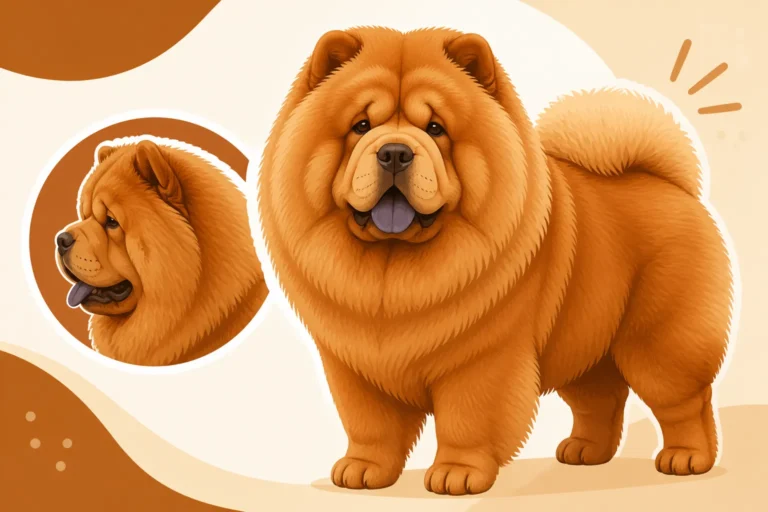
The Chow Chow's iconic appearance is largely defined by its magnificent, dense double coat, particularly the prominent ruff or mane around its neck, giving it that unmistakable lion-like look. This luxurious coat, whether a rough or smooth variety, is a direct adaptation to the often harsh, cold climates of its ancestral home in northern China and Mongolia. What a Chow Chow's Double Coat Is Made Of explains how it functions. The outer coat is coarse and straight, acting as a protective barrier against snow, rain, and wind, while the soft, thick undercoat provides exceptional insulation, trapping a layer of warm air close to the body.
This double layer was absolutely vital for survival when these dogs lived and worked outdoors in freezing temperatures. It allowed them to withstand extreme cold and remain comfortable even when exposed to severe weather conditions. While today's Chows often live in more temperate climates, this evolutionary trait remains, requiring significant grooming to maintain its health and insulating properties. The thick coat, while beautiful, also means they are incredibly susceptible to overheating in warm weather. Why a Chow Chow's Double Coat Traps Heat highlights the importance of managing their environment. Owners need to be diligent with brushing, not just for aesthetics, but to prevent matting that can pull on the skin and cause discomfort, and to help manage shedding. Regular grooming with appropriate tools, perhaps sourced from a comprehensive pet supply retailer like Chewy, is essential for keeping their skin healthy and their magnificent coat in top condition. This coat isn't just for show; it's a testament to their rugged heritage.
The Chow Chow's Temperament Shaped by History
It’s often said that a dog’s history shapes its personality, and nowhere is this truer than with the Chow Chow. Their ancient roles and cultural context have profoundly influenced the temperament we observe today – a unique blend of independence, loyalty, and discernment that can be both endearing and challenging for owners. Understanding this historical foundation is crucial to successfully living with and training a Chow Chow.
Why They Are Independent and Aloof
The Chow Chow's characteristic independence and sometimes aloof demeanor are not signs of disinterest or unfriendliness; rather, they are deeply ingrained traits stemming from their original purpose as multi-faceted working dogs in ancient China. Unlike many modern breeds developed for close companionship or intricate cooperation with humans, Chows were often expected to perform tasks such as hunting, guarding, and pulling sleds with a degree of self-reliance. They needed to make decisions independently, observe their surroundings, and act without constant human direction. This fostered a mindset of self-sufficiency rather than constant seeking of approval or attention. How Aloof a Chow Chow Really Is often surprises new owners.
This history means that a Chow Chow will typically bond intensely with one or two primary individuals in a household, tolerating others but not necessarily showering them with affection. They are not usually the type of dog to follow you from room to room or demand constant petting. Their affection is often expressed subtly and on their own terms, which can be misunderstood by those accustomed to more outwardly demonstrative breeds. They observe, they think, and they then decide how to engage. This discerning nature is a direct echo of their past, where an overly dependent dog might not have survived or excelled in its rigorous duties. This independence also means they can be wonderfully calm and quiet, comfortable in their own company, a trait many busy owners find appealing.
Their Protective Instincts and Wary Nature
The Chow Chow's strong protective instincts and natural wariness towards strangers are also direct inheritances from their long history as guardians. For centuries, these dogs were entrusted with protecting valuable property, livestock, and even human lives. In ancient China, a Chow Chow would have been a formidable deterrent to intruders, and their natural suspicion of outsiders would have been a highly valued trait. This isn't aggression for aggression's sake; it's a deep-seated instinct to discern friend from foe and to protect their perceived territory and family.
This inherent caution means that proper socialization from a young age is absolutely paramount for a Chow Chow. Without it, their natural wariness can easily morph into fear or aggression towards new people, places, and animals. They need to be introduced to a wide variety of positive experiences in a controlled manner during their critical puppyhood window. While they are incredibly loyal to their chosen family, they are not typically gregarious or instantly friendly with strangers. They prefer to observe from a distance, assess the situation, and decide if an individual is trustworthy. This vigilant nature means they make excellent watchdogs, always aware of their surroundings, but it also necessitates responsible ownership and a clear understanding of Why Early Socialization Decides What a Chow Chow Becomes. Their history has forged a watchful, protective companion, a trait that requires respect and careful management in modern society.
Impact of Breed History on Modern Chow Chow Ownership
Understanding the Chow Chow's historical background isn't just an academic exercise; it profoundly impacts the daily realities of owning one of these magnificent dogs today. From their health needs to their training approach, nearly every aspect of Chow Chow care can be traced back to their ancient origins and the selective pressures they faced.
Health Considerations Rooted in History
The Chow Chow's ancient lineage and specific physical adaptations have, unfortunately, also given rise to certain breed-specific health concerns. For instance, their deep-set eyes, while historically providing some protection, contribute to conditions like entropion, where the eyelid rolls inward, causing irritation to the cornea. Entropion Is the Chow Chow's Signature Problem and is a common issue owners must be aware of. This isn't a modern flaw; it's a consequence of generations of breeding for a distinct head structure. Similarly, their dense double coat, while perfect for cold climates, makes them extremely prone to overheating in warmer environments, requiring owners to take extra precautions during hot weather. Heat Is the Chow Chow's Most Immediate Danger to their health.
Joint issues, particularly elbow and hip dysplasia, are also prevalent. While not exclusive to Chows, their unique straight rear leg structure and heavy build might put different stresses on their joints over a lifetime, emphasizing the importance of proper nutrition, controlled exercise, and careful breeding practices. What a Chow Chow Breeder Should Have Tested specifically covers these and other health clearances. Awareness of these historically linked health predispositions is vital for prospective owners, as it allows for proactive care, early detection, and informed choices when selecting a puppy or adopting a rescue. Regular vet check-ups and a keen eye for subtle changes in behavior become even more critical when managing a Chow Chow's health. You might find a range of joint support supplements or cooling mats at places like Chewy that cater to these specific needs.
Training and Grooming Echoes of the Past
Training a Chow Chow can often feel like a unique experience, largely due to their independent and intelligent nature, which is a direct reflection of their history as self-reliant working dogs. They are not naturally inclined to unquestioning obedience, nor do they thrive on endless repetition. Instead, A Chow Chow Trains by Agreement, Not Obedience, responding best to consistent, fair, and positive reinforcement methods that appeal to their intelligence rather than demanding submission. Harsh corrections or force will almost certainly backfire, leading to stubbornness or withdrawal. Their ancestral roles required them to think for themselves, and that innate ability means they’ll often assess whether a command is truly worth their effort. Short, engaging training sessions focused on motivation and mutual respect yield the best results.
Grooming, too, carries echoes of their past. Their magnificent double coat, a survival tool in ancient cold climates, demands significant dedication from owners. It’s not just about looking good; it's about maintaining their skin health and preventing painful mats. Regular, thorough brushing, often involving line brushing down to the skin, is essential to manage shedding and prevent their undercoat from becoming a tangled mess. This often requires specialized tools like undercoat rakes and high-velocity dryers, which can be found at pet supply stores like Chewy, for efficient removal of dead hair, especially during their twice-yearly coat blows. Understanding that this grooming isn't merely cosmetic but a fundamental part of their well-being helps owners commit to the routine required for these historically practical, yet beautiful, dogs. The Twice a Year a Chow Chow Blows Its Coat means serious grooming time.
| Aspect | Original Purpose/History | Modern Implication for Owners |
|---|---|---|
| Origin | Ancient China, multi-purpose working dog | Independent, discerning nature; strong guarding instincts. |
| Coat Type | Protection from cold, harsh climates | Requires extensive grooming, prone to overheating in warm weather. |
| Deep-Set Eyes | Possible protection, unique aesthetic | Predisposition to eye conditions like entropion, requiring veterinary attention. |
| Straight Rear Legs | Unique gait for stability/endurance | Stilted gait, potential for joint issues (dysplasia), need for controlled exercise. |
| Blue-Black Tongue | Genetic trait of ancient lineage | Unique identifier, no specific health implication but a breed hallmark. |
| Temperament | Self-reliant, watchful guardian | Bonds strongly with one person, wary of strangers, requires early socialization and positive training. |
Disclaimer
This article is for general informational purposes only and does not constitute professional advice. Laws, prices and regulations vary by location and change over time. Consult a qualified professional for guidance on your specific situation.