Which Chow Chow Was Registered First
It's quite fascinating, isn't it, to think about a breed as ancient and unique as the Chow Chow and then wonder how it eventually found its footing in the organized world of dog registries? You might be picturing these magnificent dogs roaming centuries ago, far from the structured world of kennel clubs, and then suddeny they're officially recognized. It can feel like trying to connect two vastly different worlds. This guide will take you on a journey through the Chow Chow's path to Western recognition, focusing on the pioneering efforts that led to its official registration, and shedding light on which specific Chow Chow earned that very first spot in the American Kennel Club's studbook.
The Chow Chow's Arrival in the Western World
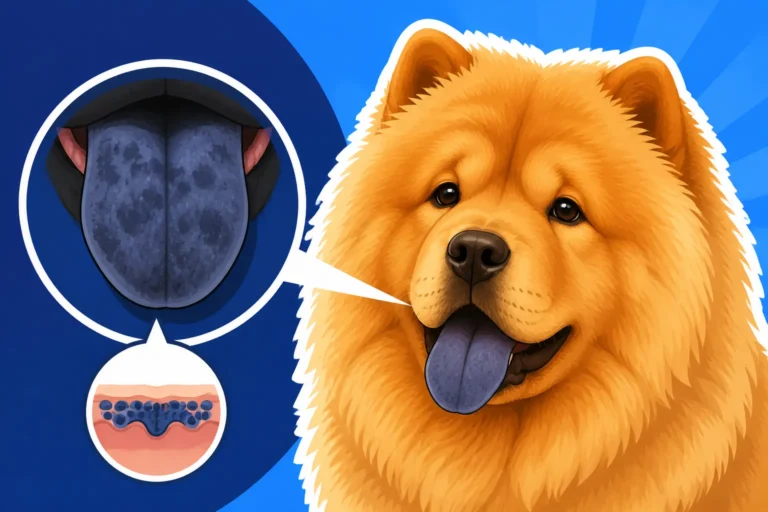
The Chow Chow, with its distinctive lion's mane and blue-black tongue, has a history steeped in ancient China, stretching back thousands of years. They were companions to emperors, guardians of temples, and working dogs in various capacities. Their presence in the East was long and storied, but their introduction to the Western world, particularly Europe and then America, was a much more recent development, primarily kicking off in the 19th century. This transition from an exotic, mysterious breed to a recognized fixture in Western dog fancy is a captivating story, marked by curiosity, dedication, and the efforts of early enthusiasts.
From China to English Shores
For centuries, China remained relatively isolated, and with it, the Chow Chow. It wasn't until the mid-1800s that the breed began to make its way to Europe. British traders and sailors, venturing into Chinese ports, were captivated by these unusual "lion dogs" or "black-mouthed dogs," as they were sometimes called. They brought them back as curiosities, often as part of varied cargo manifests. The earliest known arrival of a Chow Chow in England is believed to have been around 1780, but it wasn't until much later that they started to gain a foothold and attract significant attention.
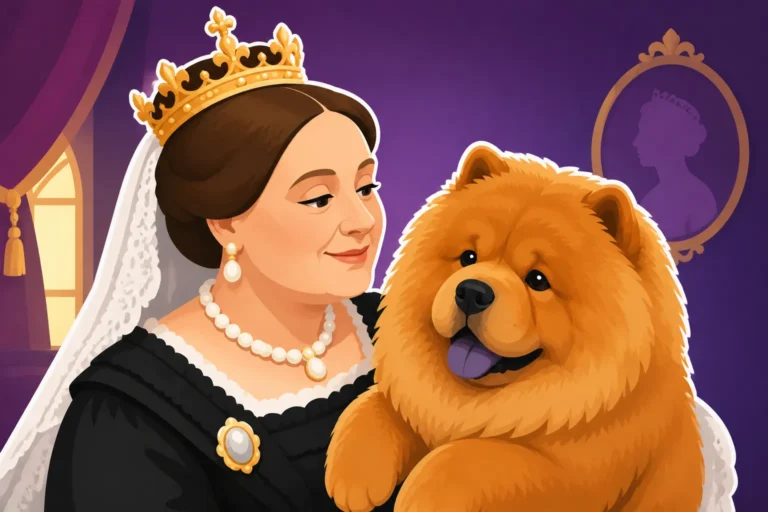
The breed’s true introduction to high society in England came later in the 19th century. Queen Victoria herself received a Chow Chow in the 1860s, which undoubtedly boosted the breed's profile and desirability among the upper classes. This royal endorsement transformed them from mere exotic imports into a fashionable accessory, sparking greater interest in their breeding and exhibition. People started to see the Chow Chow not just as an oddity but as a dog of regal bearing and unique charm. This period was crucial for the breed's establishment outside of Asia and laid the groundwork for formal recognition. You can imagine the stir these distinctive dogs caused among the established breeds of the time! How the Chow Chow Reached England provides more details on this fascinating journey.
Establishing the Breed in America
Following their growing popularity in England, it was only a matter of time before Chow Chows made their way across the Atlantic to America. The late 19th century was a burgeoning era for dog fancy in the United States, with the American Kennel Club (AKC) having been founded in 1884. As new breeds were discovered and imported, there was a concerted effort to establish breed standards and formalize their place in the dog show world. American enthusiasts, much like their British counterparts, were drawn to the Chow Chow's striking appearance and aloof dignity.
However, bringing a breed to America and establishing it meant more than just importing a few dogs. It required dedicated breeders to establish lines, maintain records, and adhere to emerging standards. It was a slow, careful process of importation, breeding, and public exhibition to build awareness and gather support for the breed's formal recognition. The initial Chows in America were few and far between, often prized possessions of wealthy individuals or serious dog fanciers who understood the potential of this unique breed. They certainly stood out from the typical retrievers and terriers seen in American homes.
The Dawn of Official Recognition
Before a breed can compete in official dog shows or have its offspring formally documented, it needs to be recognized by a governing body like the American Kennel Club. This isn't just a rubber stamp; it's a rigorous process that involves demonstrating a stable gene pool, a consistent type, and dedicated fanciers willing to uphold the breed's integrity. For a breed as distinct as the Chow Chow, with its specific physical characteristics and temperament, this was a significant undertaking.
The Formation of the Chow Chow Club
As interest in the breed grew in the United States, so did the need for an organized body to represent its interests. In the world of dog breeds, a parent club plays a vital role in developing and maintaining the breed standard, promoting responsible breeding practices, and organizing events. For the Chow Chow, this meant bringing together the scattered but passionate owners and breeders under a single banner. This unified effort was critical for formal recognition by the AKC.
The Chow Chow Club of America was founded in 1906. This was a monumental step, signifying that enough dedicated individuals were committed to the breed's future in the country. The club's formation provided a platform for fanciers to share knowledge, discuss breeding strategies, and collectively work towards the breed's official acceptance. Without such a dedicated group, the process of formal registration would have been far more challenging, if not impossible. Their efforts in setting standards and advocating for the breed were instrumental in its eventual widespread acceptance.
The American Kennel Club's Early Days
The AKC, established in the late 19th century, was still a relatively young organization when the Chow Chow began its journey toward registration. Its primary role was to maintain a registry of purebred dogs, promote dog shows, and protect the integrity of various breeds. The process for a new breed to be recognized involved a series of steps, including a sufficient number of dogs of that breed being imported or bred within the country, and the existence of a national breed club.
For the AKC to formally recognize a breed, it needed to see consistency. This meant not just a few unique dogs, but generations that reliably produced puppies with the distinctive traits of the Chow Chow, from its profuse double coat to its unique gait. The journey for any breed to gain AKC recognition is a testament to the perseverance of its early champions, and the Chow Chow was no exception. When the AKC Recognized the Chow Chow offers more context on the historical backdrop of breed recognition in America.
Takya: The First Chow Chow Registered with the AKC
The moment of official recognition is often marked by the registration of the very first individual dog of a breed. For the Chow Chow in the United States, this honor belongs to a dog named Takya. Her registration was a pivotal event, symbolizing the breed's formal entrance into the American purebred dog community and opening the doors for countless Chows to follow.
Who Was Takya?
Takya, a female Chow Chow, was officially registered with the American Kennel Club in 1903. This date often surprises people, as the Chow Chow Club of America wasn't formed until a few years later. However, initial individual registrations could occur before a formal parent club was fully established and recognized. Takya was owned by Mr. B.F. Watson, a prominent early fancier of the breed. She was a red Chow Chow, a color that is still very popular today. Her existence, and the efforts of her owner, highlighted the growing presence and appeal of the breed in America.
Her registration wasn't just a bureaucratic formality; it was a statement. It meant that the Chow Chow had arrived, that it was a legitimate breed worthy of documentation and exhibition. This act acknowledged the hard work of those who had imported and bred these dogs, ensuring their unique characteristics were preserved and recognized within the burgeoning American dog scene. Imagine the excitement among Chow Chow enthusiasts at the time, knowing their beloved breed was now officially "on the books."
The Significance of Her Registration
Takya's registration in 1903 was far more than a simple record-keeping entry. It was a crucial milestone that had ripple effects on the Chow Chow breed in America. Firstly, it allowed her offspring, and subsequently other Chows, to be officially recognized and registered, creating a documented lineage. This is foundational for any purebred breed, ensuring that breeding programs can be tracked and the genetic health and purity of the breed can be maintained. This registration also set the stage for the Chow Chow to be fully accepted into AKC dog shows and competitions.
Secondly, Takya's registration brought the Chow Chow into the public eye in a new way. Official recognition by the AKC lent credibility and prestige to the breed, moving it beyond being merely an exotic curiosity. It encouraged more people to consider owning a Chow Chow, driving demand and further establishing the breed's presence. Owners could now participate in the organized world of dog sports and showing, which in turn helped refine breeding goals and popularize the breed. You can find many essentials for new Chow Chow owners, including training guides and health information, available through resources like Chewy, which reflect how far the breed's integration has come. The Chow Chow Is One of the Easiest Breeds to Housetrain and How Much Exercise a Chow Chow Actually Needs are great resources for understanding how to integrate a Chow Chow into your life after its formal recognition.
Early Chow Chow Exhibitions and Pedigrees
With official registration in place, the path was clear for Chow Chows to enter the formalized world of dog shows and for their pedigrees to be meticulously tracked. This period was vital for standardizing the breed and for its continued growth in popularity across the United States.
Competing in the Show Ring
Once registered, Chow Chows could compete in AKC-sanctioned dog shows. This was a critical step in establishing the breed's "type" according to the breed standard. Judges would evaluate Chows based on their physical attributes, gait, and overall conformation, ensuring that breeding efforts were aligned with the ideal representation of the breed. Early show wins brought prestige to breeders and their dogs, further elevating the Chow Chow's status.
The first Chow Chows to compete in these shows were pioneers, showcasing the breed's unique characteristics to a broader audience of dog enthusiasts. These events were not just competitions; they were educational platforms, helping the public understand and appreciate the breed's distinctive traits. The exposure from these shows contributed significantly to the Chow Chow gaining recognition beyond a small circle of dedicated fanciers. It helped cement the breed's image as a dignified, powerful, and utterly unique companion.
The Importance of Pedigree
In the world of purebred dogs, a pedigree is essentially a family tree, documenting a dog's lineage for several generations. Takya's registration, and the subsequent registrations of other early Chows, created the foundation for robust pedigree tracking. This was incredibly important for several reasons. For one, it allowed breeders to trace genetic lines, helping them make informed decisions to improve health, temperament, and conformation within the breed.
A well-documented pedigree also offered assurances to prospective owners that they were indeed acquiring a purebred Chow Chow with a known history. This transparency helped to build trust and prevent misrepresentation, which was particularly important for a relatively new and exotic breed in the Western world. Today, resources like Chewy provide a wide array of products specifically designed for purebred dogs, from specialized foods to grooming tools, acknowledging the legacy of careful breeding and care that started with early registrations. Understanding a Chow Chow's lineage can also give insights into potential health issues like Elbow Dysplasia Ranks the Chow Chow Near the Top or Entropion Is the Chow Chow's Signature Problem, making pedigree research a vital tool for responsible ownership.
The Enduring Legacy of Early Recognition
The efforts of early Chow Chow fanciers and the official registration of dogs like Takya have had a lasting impact on the breed's trajectory. Their dedication ensured that this ancient breed secured its place in the modern dog world, paving the way for its continued presence in homes and show rings today.
Shaping the Breed Standard
The process of gaining AKC recognition involves the establishment of a detailed breed standard, which is essentially a blueprint for the ideal Chow Chow. This document describes the physical characteristics, temperament, and movement that define the breed. Early fanciers, drawing on their knowledge of the breed's history and careful observation of imported dogs, played a critical role in drafting and refining this standard.
This standard became the guiding principle for all subsequent breeding programs, ensuring consistency in the breed's development. It's a living document, refined over time, but its core principles were set by those pioneering individuals who first brought the Chow Chow into the AKC fold. Without their foresight and commitment, the Chow Chow we know today might look, or even behave, quite differently. The standard helps ensure that when you see a Chow Chow, you recognize it instantly, thanks to those carefully defined traits.
Impact on Popularity and Public Perception
Official recognition and the ability to compete in shows significantly boosted the Chow Chow's profile and popularity. No longer just a rare curiosity, it became a breed that many aspired to own. This increased visibility led to more people learning about the breed, its unique needs, and its distinct personality. While the Chow Chow eventually moved out of America's top ten most popular breeds, its early recognition was key to its initial surge in popularity. Why the Chow Chow Fell Out of America's Top Ten delves deeper into these shifts in popularity.
The formal process also helped to dispel some of the myths and mysteries surrounding the breed, replacing them with accurate information about its characteristics and care requirements. This shift from novelty to legitimacy helped potential owners make more informed decisions, fostering responsible ownership. Today, the continued availability of resources, whether it's through breed clubs or online retailers like Chewy, is a direct result of these early foundational steps.
Key Milestones in Chow Chow AKC Recognition
Let's take a moment to look at some key dates that summarize the Chow Chow's journey to becoming a recognized breed in the American Kennel Club. These moments are snapshots of the dedication and effort that went into establishing this magnificent breed in the Western world.
| Year | Event | Significance |
|---|---|---|
| 1780 | First recorded Chow Chow in England | Early introduction to the Western world, though not yet widespread. |
| 1860s | Queen Victoria receives a Chow Chow | Boosts breed's profile and popularity in high society. |
| 1903 | Takya registered with AKC | First individual Chow Chow officially recorded, pivotal for formal recognition. |
| 1906 | Chow Chow Club of America founded | Organized body to promote and protect the breed in the United States. |
| 1906 | AKC officially recognizes the Chow Chow | Formal acceptance of the breed into the American purebred dog community. |
This timeline clearly shows a relatively rapid progression from initial imports to full recognition within just a few decades in the U.S., a testament to the breed's captivating nature and the efforts of its early champions. This history underlines the importance of dedicated individuals in preserving and promoting specific breeds for future generations.
Considerations for Modern Chow Chow Owners
Understanding the history of the Chow Chow's recognition isn't just a fun fact; it provides valuable context for modern owners. The breed's journey highlights the importance of responsible breeding, careful socialization, and a deep appreciation for its unique traits. As a Chow Chow owner today, you stand on the shoulders of those early pioneers who worked so hard to establish and preserve the breed.
Embracing the Breed's Distinct Nature
The Chow Chow is undeniably a unique breed, known for its independent spirit and often reserved demeanor. These traits, which sometimes lead to misunderstandings, are an intrinsic part of its ancient heritage. The efforts of early breeders were not to change these characteristics but to preserve them within a structured standard. As a modern owner, embracing this distinct nature is key. Your Chow Chow isn't going to be a golden retriever; they are often described as having a cat-like temperament. Why a Chow Chow Is Called Cat Like explains this more thoroughly.
This means understanding that a Chow Chow typically bonds strongly with one person and might be aloof with strangers. They require early and consistent socialization, not to make them overtly friendly with everyone, but to ensure they are well-adjusted and comfortable in various situations. It’s about respecting their boundaries and understanding their communication style. Products from Chewy, like enrichment toys or sturdy leashes, can aid in providing a stimulating and safe environment for your distinct Chow.
Supporting Responsible Breeding Practices
The legacy of Takya and her contemporaries underscores the importance of responsible breeding. The initial registration was about establishing healthy, true-to-type lines. Today, this translates to seeking out breeders who prioritize health testing and adhere to the breed standard, not just for looks but for temperament and soundness. What a Chow Chow Breeder Should Have Tested provides a crucial checklist for potential owners.
A responsible breeder will openly share health clearances for conditions common in the breed, such as hip and elbow dysplasia, and eye issues. They will also be dedicated to the ongoing welfare of the breed and provide lifetime support for their puppies. Supporting such breeders helps ensure the Chow Chow continues to thrive as a healthy, well-tempered breed for generations to come, honoring the work of those who first brought them into the spotlight.
Disclaimer
This article is for general informational purposes only and does not constitute professional advice. Laws, prices and regulations vary by location and change over time. Consult a qualified professional for guidance on your specific situation.