Whether the Chow Chow Was Called a Bear Dog
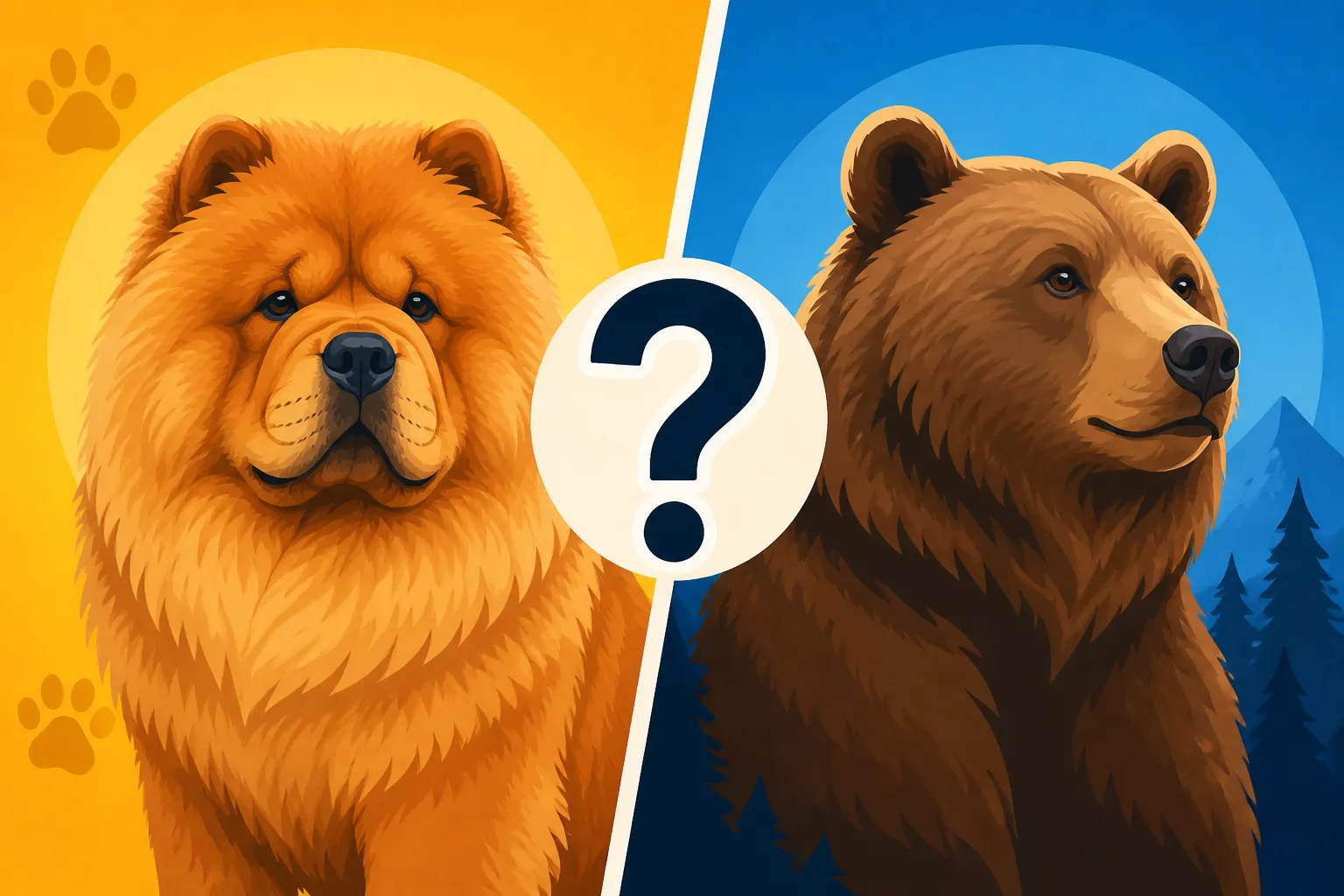
One of the most charming, yet sometimes confusing, aspects of the Chow Chow breed is its striking resemblance to a bear. Many people, upon first seeing these majestic dogs, instantly wonder if they're looking at some sort of canine-ursine hybrid or if the dogs were perhaps historically known by a more literal "bear dog" title. This guide will delve into the visual cues, historical context, and cultural nuances to explore the validity of that enduring nickname.
The Alluring "Bear Dog" Mystique
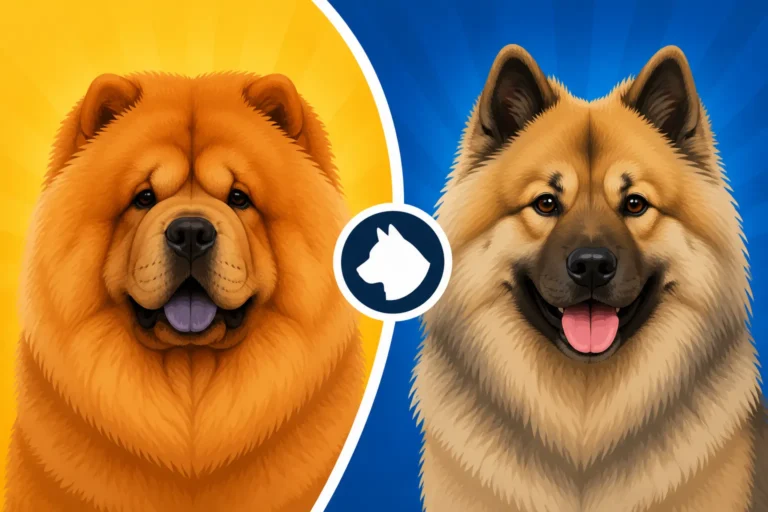
It’s easy to see why the Chow Chow often conjures images of bears. Their dense, fluffy coats, sturdy build, and particular facial structure create an undeniable, almost cuddly, bear-like appearance that captures the imagination. This visual parallel is so strong that it often leads people to question the breed's history and original names.
The Visual Cues That Spark the Comparison
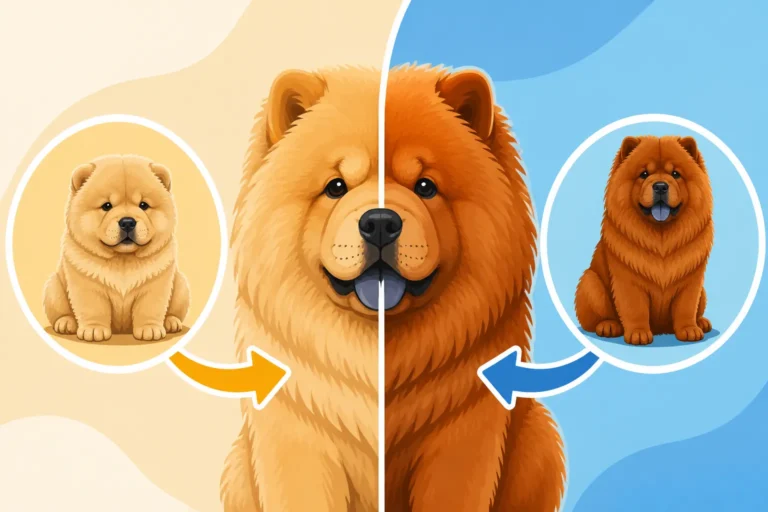
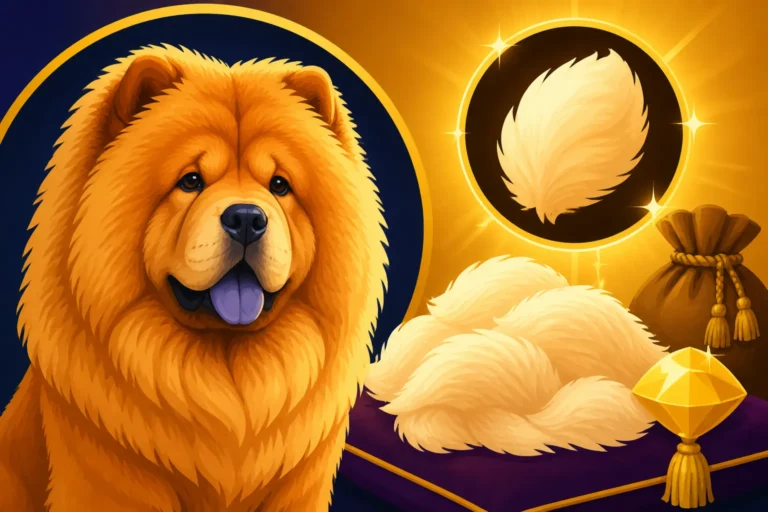
When you look at a Chow Chow, particularly a rough-coated one, several physical attributes immediately jump out and align with what we typically associate with a bear. Their thick double coat, especially the impressive mane or ruff around their head and shoulders, creates a powerful, broad silhouette. Imagine a small bear cub, and you're not far off from the general shape and fluffiness of a Chow Chow. This plush coat isn't just for show; it's a critical feature for insulating them in colder climates, much like a bear's fur.
Beyond the coat, their relatively short, broad muzzle and rounded ears, which are set well apart, further enhance the "bear" illusion. They don't have the long, pointed snouts or large, erect ears typical of many other dog breeds. Instead, their features are condensed and rounded, contributing to that distinctive, almost stoic, bear-like face. It's a look that makes them seem robust and perhaps a bit more wild than your average domestic dog. For a visual of this, consider Why a Rough Coated Chow Chow Looks Like a Lion, which describes a similar powerful appearance.
How the Deep-Set Eyes and Facial Structure Contribute
The Chow Chow's deep-set eyes are another crucial element in their bear-like facade. These eyes, often tucked away within the folds of their face and beneath a prominent brow, give them a somewhat serious or "scowling" expression. This isn't an indicator of temperament, but rather a characteristic of their breed standard. Why a Chow Chow's Eyes Are Set So Deep explains this in more detail. When you combine these eyes with their broad skull and the natural folds of skin around their face, the effect is a rather unique, somewhat mysterious gaze that can remind one of a bear peeking out from dense foliage.
This facial structure also plays a role in how they perceive the world and interact with it, often leading to misunderstandings. Because their eyes are so deep-set, their peripheral vision can be limited. This can mean they startle more easily if approached from the side or rear, an important consideration for owners. This isn't a flaw, but a defining characteristic that adds to their unique allure and contributes to their distinct "look."
A Journey Through Historical Naming Conventions
To truly understand whether the Chow Chow was ever called a "bear dog," we need to journey back through its ancient history and examine the names it was given by the people who first bred and lived with these magnificent animals.
Understanding the Chow Chow's Ancient Chinese Titles
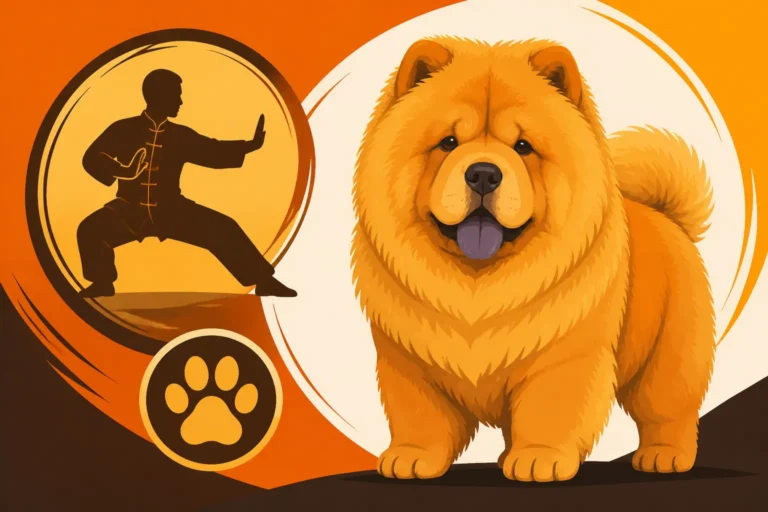
The Chow Chow is indeed one of the most ancient dog breeds, with a history stretching back thousands of years. The Chow Chow Is One of the Oldest Breeds in the World and How Old the Chow Chow Breed Is both underscore this deep heritage. In its native China, the breed was known by a variety of names, none of which directly translate to "bear dog."
Some of the most prominent Chinese names for the Chow Chow included:
- Songshi Quan (松獅犬): This beautiful name translates to "puffy-lion dog." This is perhaps the most widely recognized ancient Chinese name and directly references their majestic, lion-like mane and sturdy build. The "lion" comparison is much more prevalent in their historical identity than "bear." What Songshi Quan Means provides more insight into this particular name.
- Tang Quan (唐犬): Meaning "Dog of the Tang Dynasty," this name highlights their long association with a powerful and culturally significant period in Chinese history. This title speaks to their noble origins and the respect they commanded.
- Hei She Tou (黑舌犬): This translates to "black-tongue dog," a direct reference to one of the Chow Chow's most distinctive and unusual features—its blue-black tongue. This is a unique trait that sets them apart from almost all other dog breeds.
As you can see, the historical Chinese names consistently emphasize either their lion-like appearance, their royal patronage, or their unique tongue, never explicitly linking them to bears in their official nomenclature. This suggests that while the visual similarity might be modern, it wasn't the primary descriptor for ancient breeders. For more on their various Chinese names, explore Which Chinese Names the Chow Chow Has Carried.
The Origin of the English Name "Chow Chow"
The English name "Chow Chow" itself has a fascinating, if somewhat enigmatic, origin, and it certainly doesn't come from "bear dog." The prevailing theory is that the name derived from a pidgin English term used by British sailors and merchants in the late 18th century. These ships often carried a variety of goods from the Far East, and miscellaneous items not easily categorized were often lumped together as "chow-chow."
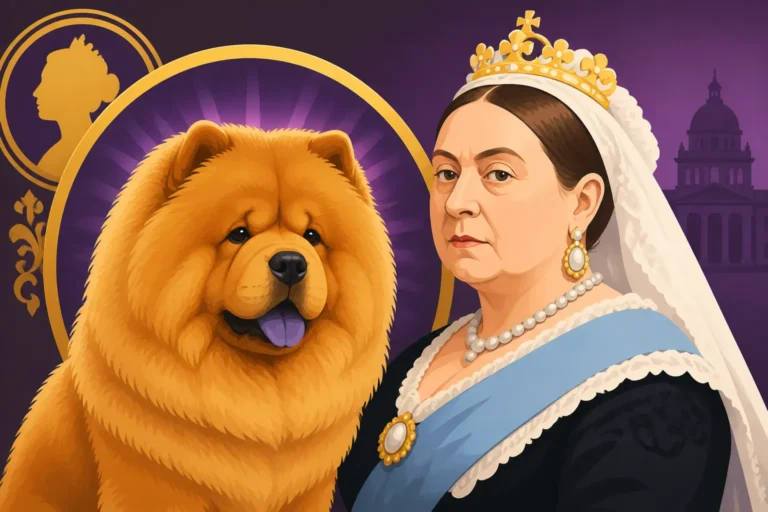
When these distinctive dogs began to be imported from China to England, they might have simply been listed as "chow-chow" on ship manifests, signifying "miscellaneous goods from the East." Over time, this generic term became specifically attached to the breed. How the Chow Chow Got an English Name From a Ship's Manifest offers a deeper dive into this historical linguistic journey. This origin story, while less romantic than a direct descriptor, further confirms that the "bear dog" label was not part of their official introduction to the Western world.
Examining Historical Records for "Bear Dog" Mentions
While ancient Chinese texts or early English shipping records don't explicitly use "bear dog," it's certainly possible that the visual comparison arose anecdotally as the breed became more known. However, it was never a formal or widely accepted designation within breed circles.
Instead, early Western descriptions and depictions often highlighted their lion-like qualities, echoing their Chinese "puffy-lion dog" title. Enthusiasts admired their regal bearing, dense coat, and unique appearance. Han Dynasty Pottery Shows a Dog That Looks Like a Chow Chow indicates that their distinct look has been recognized for millennia, even if the "bear dog" phrase is a more recent popular association rather than an ancient historical one.
The table below summarizes the common historical names for the Chow Chow compared to the "bear dog" moniker:
| Name/Term | Origin Location | Direct Translation/Meaning | Connection to "Bear Dog" |
|---|---|---|---|
| Songshi Quan (松獅犬) | China | Puffy-lion dog | None |
| Tang Quan (唐犬) | China | Dog of the Tang Dynasty | None |
| Hei She Tou (黑舌犬) | China | Black-tongue dog | None |
| Chow Chow | England (Pidgin) | Miscellaneous goods from the East | None |
| "Bear Dog" | Western Popular Culture | Visual similarity to a bear | Informal, anecdotal |
This table clearly illustrates that "bear dog" stands apart from the breed's official and historical names, existing primarily as a descriptive term in popular culture rather than a formal designation.
Beyond Appearance: Behavioral Similarities and Differences
It’s not just their looks; sometimes a Chow Chow's personality and movement can also subtly feed into the "bear dog" perception, though these are often based on misunderstandings of their true canine nature.
Temperamental Traits Often Mistaken for Bear-like Solitude
Chow Chows are famously independent and often described as cat-like in their demeanor. They are typically reserved, dignified, and can be quite aloof, even with their own families. This isn't to say they aren't affectionate, but their affection is often expressed subtly and on their own terms, rather than with the boisterous enthusiasm of a Golden Retriever. This reserved nature can sometimes be misinterpreted as a kind of solitary, "bear-like" independence. Bears are known for being solitary creatures, and a Chow Chow’s less effusive personality might, to the untrained eye, seem to mimic this.
However, it's crucial to remember that this is a canine trait, not an ursine one. A Chow Chow’s independence is part of its unique temperament as a dog, a trait refined over centuries. They bond deeply with their chosen person, but often view strangers and even other family members with a certain polite distance. They are not bears acting like dogs; they are Chows acting like Chows. Understanding How Aloof a Chow Chow Really Is helps clarify these nuances of their personality.
The Stilted Gait: A Unique Walk, Not a Bear's Lumber
Another physical characteristic that can contribute to the bear-like illusion is the Chow Chow's distinctive gait. They possess a rather straight rear leg, which is a hallmark of the breed and results in a unique, somewhat stilted or choppy walk. This isn't the free-flowing, ground-covering stride you see in many other dog breeds. Instead, their movement can appear somewhat stiff or deliberate, almost like a lumbering bear.
This "stilted gait" is directly related to their unique angulation and is a breed-specific trait. It's not a sign of discomfort or a true lack of agility, but simply how their anatomy dictates they move. While it might superficially resemble a bear's walk, it's a canine adaptation, historically useful for their original purposes in ancient China, which included guarding and potentially hunting. For more on this unique movement, you can look into Why a Chow Chow Moves With a Stilted Gait and Why a Chow Chow's Straight Rear Leg Limits Running. It’s a fascinating aspect of their physical design that further sets them apart in the dog world, even as it sometimes prompts the bear comparison.
The Truth About the "Bear Dog" Label
So, was the Chow Chow ever truly called a "bear dog" in a formal sense? The short answer is no, not in its official history or ancient nomenclature. However, the informal association is undeniably strong and has permeated popular culture for good reason.
Why the Term Lingers in Popular Culture
The "bear dog" term persists mainly because the visual resemblance is so compelling. In a world where immediate impressions often take hold, the Chow Chow's fluffy coat, rounded features, and sometimes solemn expression create an instant mental link to bears. It's a natural human tendency to categorize and compare things to what we already know. For a magnificent, lion-maned dog that also happens to be quite sturdy, "bear dog" becomes an easy, albeit informal, descriptor for many.
Furthermore, the Chow Chow is not as common as breeds like Labradors or Golden Retrievers, meaning many people aren't familiar with their precise breed standard or historical context. For new admirers, the "bear dog" label helps them communicate what they see, even if it's not historically accurate. It's a testament to the Chow Chow's unique and striking appearance that it can evoke such strong imagery, allowing the informal nickname to continue to resonate.
What Sets the Chow Chow Apart as a Canine
While the bear comparison is understandable, it's important to appreciate the Chow Chow as a distinct canine breed with unique characteristics. They are not bears, nor are they "bear dogs" in any zoological sense. They are dogs, descendants of ancient Asian canids, with thousands of years of distinct development. Their blue-black tongue, deep-set eyes, stilted gait, and proud, reserved temperament are all hallmarks of the Chow Chow breed specifically.
Their physical size, typically ranging from 45 to 70 pounds, is also distinctly different from most bears, which are much larger. What a Chow Chow Weighs and How Tall It Stands highlights these physical dimensions. These are dogs bred for guardianship, companionship, and a variety of roles in their native land, not for roaming wild. Their dense What a Chow Chow's Ruff Was For in Cold Weather is an adaptation for harsh climates, just like many other northern breeds, not a feature solely shared with bears.
Embracing the Chow Chow for Its Unique Heritage
Ultimately, while the informal "bear dog" label might persist due to visual similarities, it's far more enriching to understand the Chow Chow through the lens of its actual history and unique breed characteristics. This is a breed steeped in thousands of years of Chinese culture, known by names that evoke lions, imperial eras, and distinctive physical traits like their dark tongues.
To truly appreciate a Chow Chow is to move beyond superficial comparisons and embrace their dignified, independent spirit, their unique physical structure, and their rich lineage. They are magnificent "puffy-lion dogs" from ancient China, not "bear dogs," and that heritage is far more captivating than any simple nickname could convey. When we understand their true background, we gain a much deeper respect for these truly special companions.
Disclaimer
This article is for general informational purposes only and does not constitute professional advice. Laws, prices and regulations vary by location and change over time. Consult a qualified professional for guidance on your specific situation.