Whether a Chow Chow Needs Entropion Surgery Twice
Finding out your beloved Chow Chow needs entropion surgery is tough enough, but the nagging worry that it might not be a one-and-done deal can be truly disheartening. Many Chow Chow owners dread the possibility of their furry companion having to go through the stress and discomfort of a second eye surgery. This comprehensive guide aims to shed light on whether a Chow Chow typically needs entropion surgery twice, what factors influence this, and how you can prepare for every eventuality to ensure your dog's comfort and long-term eye health.
Understanding Entropion in Chow Chows
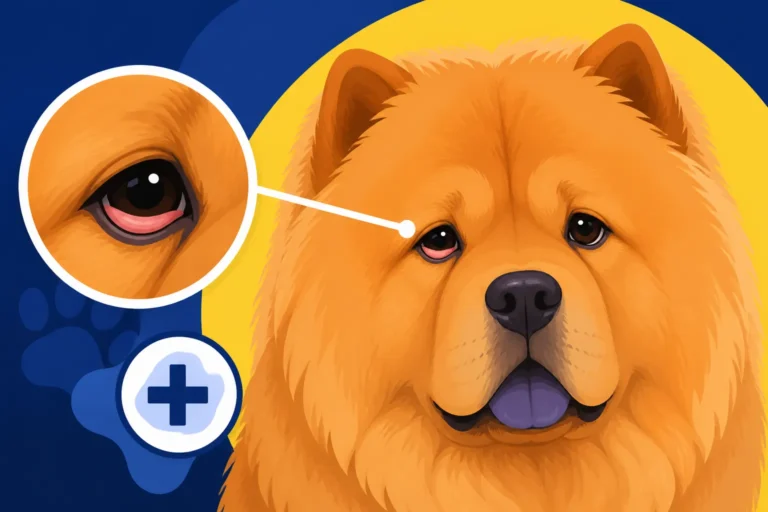
Entropion is unfortunately a very common condition in Chow Chows, so if your dog has been diagnosed, you're certainly not alone. It's a genetic conformational defect where a portion of the eyelid, usually the lower one, rolls inward towards the eye. This means the delicate hairs on the eyelid, and sometimes even the eyelid skin itself, are constantly rubbing against the cornea, leading to persistent irritation, pain, and potentially severe damage. It's a truly uncomfortable situation for your Chow, and it’s why intervention is so crucial.
What Entropion Does to a Chow Chow's Eye
The constant rubbing of fur against the sensitive surface of the eye isn't just irritating; it causes a whole host of problems. Imagine having an eyelash constantly poking your eye – now imagine that, but with coarser fur, and all day, every day. This friction can lead to chronic inflammation, excessive tearing, and a sticky discharge as the eye tries to clear the irritant. More seriously, it can cause corneal ulcers, which are open sores on the eye's surface. These ulcers are incredibly painful and, if left untreated, can lead to scarring, infection, and even vision loss. We've seen cases where a simple squint progressed into something much more serious because the underlying entropion wasn't addressed promptly. For a deeper dive, check out our article on What Entropion Does to a Chow Chow's Eye.
Why a Chow Chow's Eyelid Rolls Inward
The unfortunate reality is that the Chow Chow's unique and often admired facial structure contributes directly to this problem. Their heavy brows, prominent facial folds, and deep-set eyes, while giving them that characteristic "scowl," can also create a perfect storm for entropion. The extra skin and musculature around the eyes can physically push the eyelid inward. This structural predisposition is why entropion is considered one of the breed's "signature problems," as highlighted in our post, Entropion Is the Chow Chow's Signature Problem. It's not something owners cause; it's an inherited trait that needs careful management. Understanding this genetic component is key to grasping why managing entropion can sometimes be a complex, multi-step process for some Chows. If you're curious about the mechanics, our article Why a Chow Chow's Eyelid Rolls Inward provides more detail.
How Entropion Is Repaired in a Chow Chow
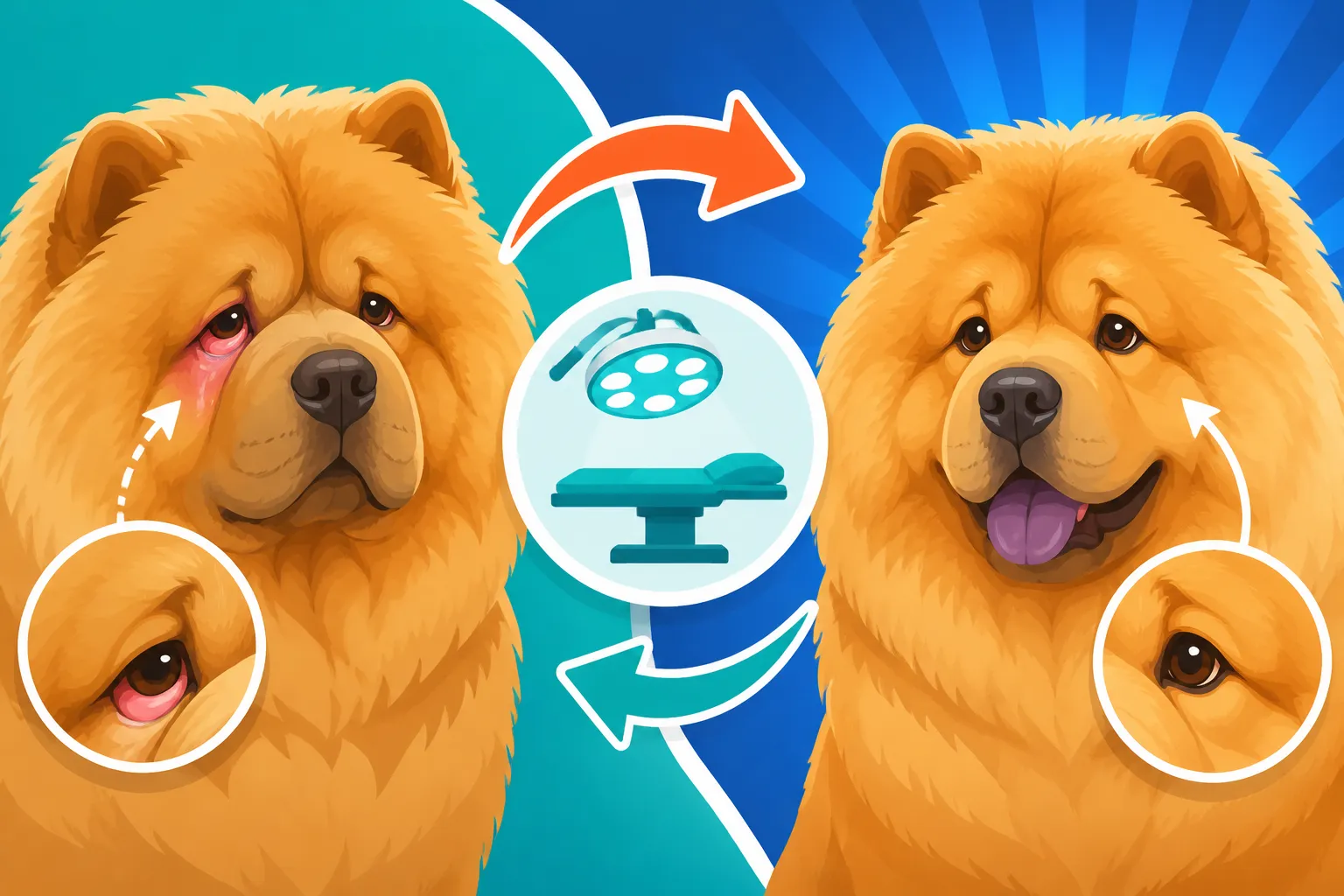
The primary treatment for entropion is surgical correction, often called blepharoplasty. This procedure aims to remove a small, crescent-shaped piece of skin and muscle from the affected eyelid, which then tightens the eyelid and pulls it back into its correct position, away from the eye. The goal is to provide immediate relief from the irritation and prevent further corneal damage. In some cases, particularly with puppies, a temporary procedure called eyelid tacking might be used, where sutures are placed to evert the eyelid temporarily, giving the puppy time to grow and see if the entropion self-corrects. However, for adult Chows, a permanent surgical fix is usually required. The success of this initial surgery is often very high, but it's not always a guarantee of lifelong relief, which leads us to the heart of the matter. You can read more about this in How Entropion Is Repaired in a Chow Chow.
The Possibility of Repeat Entropion Surgery
It's a question that keeps many Chow Chow owners up at night: will my dog need entropion surgery again? The honest answer is, sometimes. While many Chow Chows only require one successful surgery to correct their entropion, a significant percentage, especially within certain predisposed breeds like Chows, may need a second, or even a third, procedure. This isn't necessarily a failure of the initial surgery, but rather a reflection of the complex nature of the condition, the dog's ongoing growth, and the delicate balance required to achieve perfect eyelid conformation. It’s important to manage expectations and understand the factors that can lead to recurrence.
Factors Influencing the Need for a Second Surgery
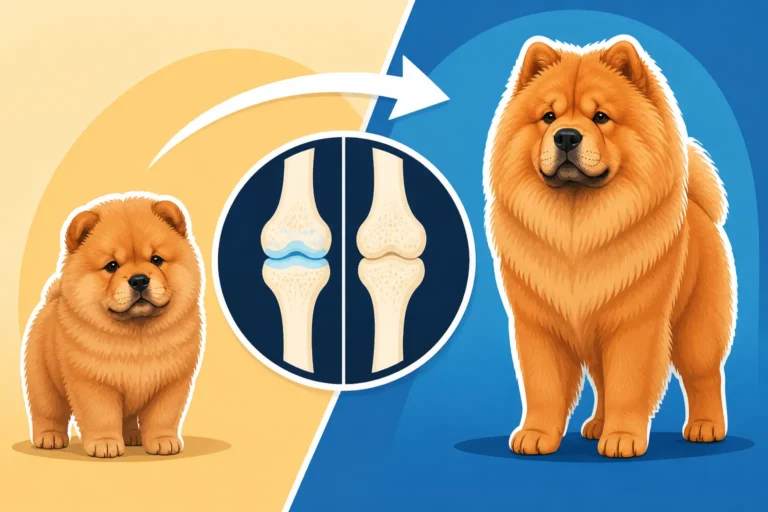
Several elements can contribute to whether a Chow Chow might need subsequent entropion surgeries. One of the most critical is the age at which the initial surgery was performed. If a puppy undergoes surgery too young, before their head and facial structures are fully mature, there's a higher chance that as they grow, the eyelid might roll in again. This is why many veterinary ophthalmologists prefer to perform a temporary tacking procedure on puppies and wait until the dog is closer to full maturity (often around 6-12 months of age) for definitive surgery if tacking isn't enough.
The severity of the initial entropion also plays a role. Dogs with very pronounced inward rolling, or those with extensive facial folds, might be more challenging to correct perfectly in one go. Additionally, the surgical technique itself and the experience of the veterinary surgeon can influence the outcome. An experienced board-certified veterinary ophthalmologist is often recommended for these delicate procedures, as their expertise can significantly reduce the risk of needing revision surgeries.
When a Chow Chow Might Need a Second Entropion Repair
A second entropion repair typically becomes necessary if the initial surgery did not fully correct the problem, or if the entropion recurs over time. This recurrence can happen in a few ways:
- Under-correction: Sometimes, the surgeon might be deliberately conservative in the initial procedure to avoid over-correcting, which could lead to ectropion (eyelid rolling outward), a different but also problematic condition. If too little tissue is removed, the entropion might not be fully resolved, and a small degree of inward rolling could persist or gradually return.
- Continued Growth: As mentioned, if a young Chow Chow undergoes surgery, their head shape can continue to change. What was a perfect correction at six months might become insufficient as the dog reaches full adult size, causing the eyelid to roll inward again.
- Scar Tissue Formation: In some rare instances, scar tissue from the initial surgery can contract and pull the eyelid back into an entropion position.
- Different Eyelid Affected: Occasionally, only one eyelid or a portion of one eyelid is affected initially. Over time, another part of the same eyelid, or even a different eyelid, might develop entropion. This isn't technically a recurrence of the same problem area, but it still necessitates another surgery.
It's common for a veterinary ophthalmologist to discuss these possibilities upfront, managing owner expectations. They might even aim for a slight "over-correction" in the short term, knowing that as swelling subsides and the tissue settles, it will relax into the ideal position.
The Surgical Approach for a Second Procedure
If a second entropion surgery is needed, the approach will often be similar to the first, but with increased precision and consideration of the existing scar tissue. The veterinary ophthalmologist will carefully assess the remaining entropion, noting exactly which part of the eyelid is still rolling inward. They might use a technique that allows for very fine adjustments, removing a smaller, very specific piece of tissue to fine-tune the eyelid's position.
Sometimes, rather than a full re-do of the original technique, the surgeon might opt for alternative or supplementary procedures, such as a lateral canthoplasty, which involves reshaping the outer corner of the eye. The goal remains the same: to evert the eyelid margin so that hair no longer irritates the cornea. The recovery time for a second surgery is generally similar to the first, usually involving a cone (E-collar) to prevent self-trauma and prescribed eye drops or ointments. Our article on How Long a Chow Chow Recovers From Eye Surgery can give you a good idea of what to expect during the healing process.
Recognizing Signs of Recurrence
The best defense against serious complications from recurring entropion is early detection. As a dedicated Chow Chow owner, you're the first line of defense. Knowing what to look for, even the most subtle changes, can make a huge difference in your dog's comfort and the ease of any potential corrective action. Don't dismiss minor signs; your vigilance is critical.
Subtle Indicators of Eyelid Irritation
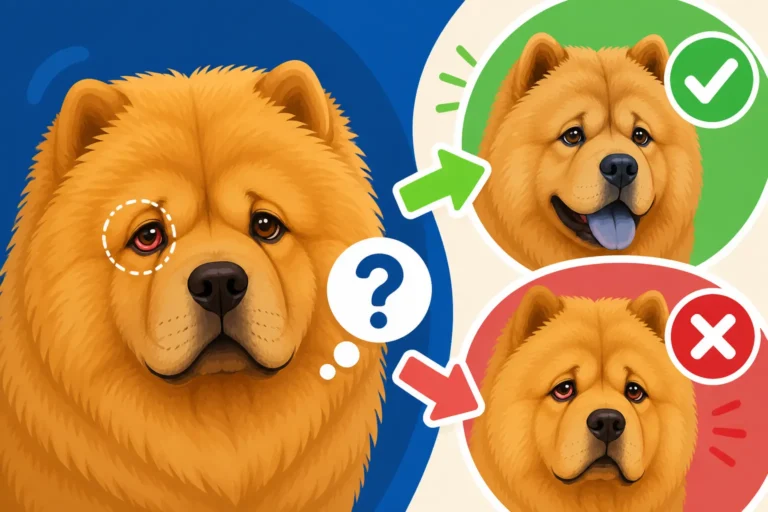
Even if your Chow Chow had successful entropion surgery, it’s vital to remain observant. Subtle signs of recurring irritation can be easily missed if you're not specifically looking for them. These can include:
- Mild Squinting or Blinking: Your dog might not be full-on squinting like they were pre-surgery, but you might notice them blinking a bit more frequently, especially in bright light, or just holding their eye slightly closed.
- Increased Tearing (Epiphora): A little teariness is normal, but if one eye seems consistently wetter than the other, or if tear stains become more prominent on the fur below the eye, it could signal irritation.
- Changes in Eye Discharge: While some discharge is normal, pay attention to any increase in volume, a change in color (e.g., from clear to whitish or yellowish), or a thicker consistency.
- Rubbing or Pawing at the Eye: If your Chow Chow starts rubbing their face on furniture or pawing at their eye more often than usual, it’s a clear sign of discomfort.
- Redness or Inflammation: A slight redness along the eyelid margin or in the whites of the eye could indicate that the fur is starting to rub again.
These signs, especially when they appear gradually, can be easy to overlook, but they are your dog's way of telling you something isn't quite right. Our article on Signs a Chow Chow Puppy's Eyes Are Sore has more general information about eye discomfort that can be relevant here too.
Progression of Symptoms After Initial Surgery
If entropion does recur, the symptoms will likely follow a similar progression to the initial onset, albeit potentially starting more subtly. You might first notice the mild squinting or increased tears, as described above. As the condition worsens, the inward rolling of the eyelid becomes more pronounced, leading to more constant irritation. This can then escalate to:
- Significant Pain: Your Chow Chow might shy away from having their face touched, become withdrawn, or show obvious signs of discomfort.
- Corneal Ulceration: This is the serious complication. If the rubbing continues, a painful ulcer can form on the cornea. Signs include intense squinting, a cloudiness on the surface of the eye, or even a visible divot or irregularity. This is an emergency and requires immediate veterinary attention. Our guide on What a Corneal Ulcer Does to a Chow Chow provides crucial details on this painful condition.
- Vision Impairment: In severe, chronic cases, untreated entropion and resulting corneal damage can lead to permanent scarring, pigmentation, and even blindness in the affected eye.
It's a distressing thought, but being prepared to recognize these signs means you can act quickly and prevent your Chow from experiencing prolonged suffering or irreversible damage.
The Importance of Veterinary Follow-Ups
Regular veterinary check-ups, especially in the months following entropion surgery, are absolutely non-negotiable for a Chow Chow. Even if your dog seems to be doing wonderfully, a professional examination can catch subtle changes that you might miss at home. Your vet will specifically check the eyelid margins, assess tear production, and examine the cornea for any signs of irritation or ulceration.
If entropion was corrected in puppyhood, it's particularly important to schedule follow-up visits as your Chow Chow grows into adulthood. Their facial structure is still developing, and what looked perfect at six months might shift by twelve or eighteen months. Many vets recommend a yearly eye exam for breeds prone to eye issues, which certainly includes Chows. This proactive approach allows for early intervention, often making any necessary secondary corrections simpler and less invasive. Don't skip these crucial appointments, and remember to discuss any concerns, no matter how minor, with your veterinarian. Our article on Whether a Chow Chow Needs a Yearly Eye Exam explains why this is so important for their overall health.
Managing Expectations and Outcomes
Living with a Chow Chow, you quickly learn that managing their unique health challenges is part of the journey. Entropion, while common, is manageable, and even if a second surgery is needed, it doesn't mean a bleak outlook. The key is to have realistic expectations, commit to post-operative care, and partner with the right veterinary professionals.
Long-Term Prognosis for Chow Chows with Entropion
The long-term prognosis for Chow Chows with entropion, even those requiring multiple surgeries, is generally very good when the condition is managed proactively and effectively. The goal of surgery is to relieve pain, prevent corneal damage, and preserve vision, and for the vast majority of Chows, this is achievable. While the need for a second surgery can feel like a setback, it's often a step towards ensuring complete and lasting comfort for your dog.
Many Chows go on to live full, happy lives after successful correction, free from eye irritation. The immediate relief they experience post-surgery is often profound, transforming a constantly uncomfortable dog into one who can finally open their eyes fully without pain. Even with the genetic predisposition, modern veterinary ophthalmology has excellent techniques to manage entropion effectively.
Post-Operative Care for Multiple Surgeries
Whether it's the first surgery or a revision, diligent post-operative care is paramount for success. This typically involves:
- E-collar (Cone): This is non-negotiable. Your Chow Chow must wear the Elizabethan collar to prevent them from rubbing, pawing, or scratching at the surgical site, which could disrupt sutures or introduce infection. Many Chows dislike the cone, but it's a temporary necessity.
- Medication Administration: You’ll likely be sent home with eye drops or ointments, often a combination of antibiotics and anti-inflammatory medications. Administering these exactly as prescribed is crucial for preventing infection and managing swelling.
- Restricted Activity: For the first week or two, your Chow will need to avoid strenuous activity, rough play, and anything that could put strain on the surgical site. Calm, supervised outings for potty breaks are usually all that's recommended.
- Keeping the Area Clean: Gently wipe away any discharge from around the eye with a clean, damp cloth. Avoid touching the incision site directly.
- Monitoring for Complications: Watch for excessive swelling, redness, discharge, or any signs of pain. Report these to your vet immediately.
Following these instructions precisely, especially after a second surgery where tissues might be more delicate due to previous intervention, significantly increases the chances of a smooth and successful recovery.
Choosing an Experienced Veterinary Ophthalmologist
For a complex condition like entropion in a predisposed breed, the expertise of the surgeon truly matters. While your general practice veterinarian can diagnose entropion, consulting with a board-certified veterinary ophthalmologist is highly recommended, particularly if a second surgery is on the table. These specialists have advanced training and experience specifically in eye conditions and surgical techniques, including the delicate nuances of entropion correction.
An ophthalmologist can perform a thorough examination, including specialized tests, to accurately assess the degree of entropion and determine the best surgical approach to minimize the risk of recurrence. They understand the specific anatomical challenges presented by breeds like the Chow Chow and have the precise skills to achieve optimal results. Investing in a specialist upfront can often save you stress, discomfort for your dog, and potentially even money in the long run by reducing the likelihood of needing multiple revisions. Finding a good specialist, like those associated with major veterinary teaching hospitals or large referral practices, can make all the difference for your Chow's eyes.
Financial and Emotional Considerations
The journey of managing entropion, especially if it involves multiple surgeries, isn't just physically taxing for your Chow Chow; it also carries significant financial and emotional weight for you, the owner. It’s important to acknowledge these burdens and proactively explore ways to mitigate them, ensuring you can provide the best care without undue stress.
The Cost Implications of Repeat Entropion Surgery
Let's be blunt: entropion surgery isn't cheap, and the thought of having to pay for it twice can be daunting. The cost of entropion surgery on a Chow Chow can vary significantly based on location, the severity of the condition, whether one or both eyes are affected, and whether a general practitioner or a specialist performs the surgery. Generally, you can expect costs to range from several hundred to well over a thousand dollars per eye for the initial procedure.
If a second surgery is required, the costs will be similar, if not sometimes slightly higher due to the increased complexity of working with previously operated tissue. These figures typically include the surgeon's fees, anesthesia, post-operative medications, and follow-up visits. It’s a substantial financial commitment, but one that directly impacts your Chow's quality of life. For a clearer picture of what to budget, refer to our article on What Entropion Surgery Costs on a Chow Chow.
Navigating Pet Insurance Coverage for Recurrence
This is where pet insurance can be a real lifeline. Many Chow Chow owners are proactive and enroll their puppies in pet insurance plans early on, precisely because of known breed predispositions like entropion. If your Chow Chow developed entropion after enrolling in a policy and completing any waiting periods, most comprehensive pet insurance plans, such as those offered by Healthy Paws, will cover a significant portion of the surgical costs, including any necessary repeat procedures.
However, there's a crucial caveat: if your dog was diagnosed with entropion (or showed signs of it) before you purchased insurance or during a waiting period, it will almost certainly be considered a pre-existing condition and will not be covered. This is why early enrollment is so important. When researching pet insurance providers, it's wise to specifically ask about coverage for hereditary and congenital conditions, and how they handle repeat surgeries for the same condition. A good plan can dramatically ease the financial strain, allowing you to prioritize your Chow's health without constantly worrying about the bill. Companies like Healthy Paws are well-regarded for their coverage, but always read the fine print. More details on insurance can be found in Whether Insurance Covers a Chow Chow's Entropion Repair.
Coping with the Stress of Multiple Surgeries
Beyond the financial aspect, the emotional toll of your Chow Chow needing multiple surgeries can be significant. It's natural to feel frustrated, worried, and even guilty, wondering if you did something wrong or if your dog is suffering unnecessarily. Remember, this is a genetic predisposition, and you are doing everything you can to help your beloved companion.
Lean on your veterinary team for support and clear communication. Ask all your questions, no matter how small. Connect with other Chow Chow owners online or through breed clubs; sharing experiences can provide immense comfort and practical advice. Most importantly, give yourself grace. You are a loving pet parent facing a challenge, and your Chow Chow feels your presence and care. Focus on the positive outcome: a comfortable, pain-free life for your furry friend. The resilience of dogs is truly remarkable, and with your dedication, your Chow will get through it.
Disclaimer
This article is intended for informational purposes only and does not constitute professional veterinary advice. Always consult with a qualified veterinary professional for any health concerns or before making any decisions related to your pet's care.