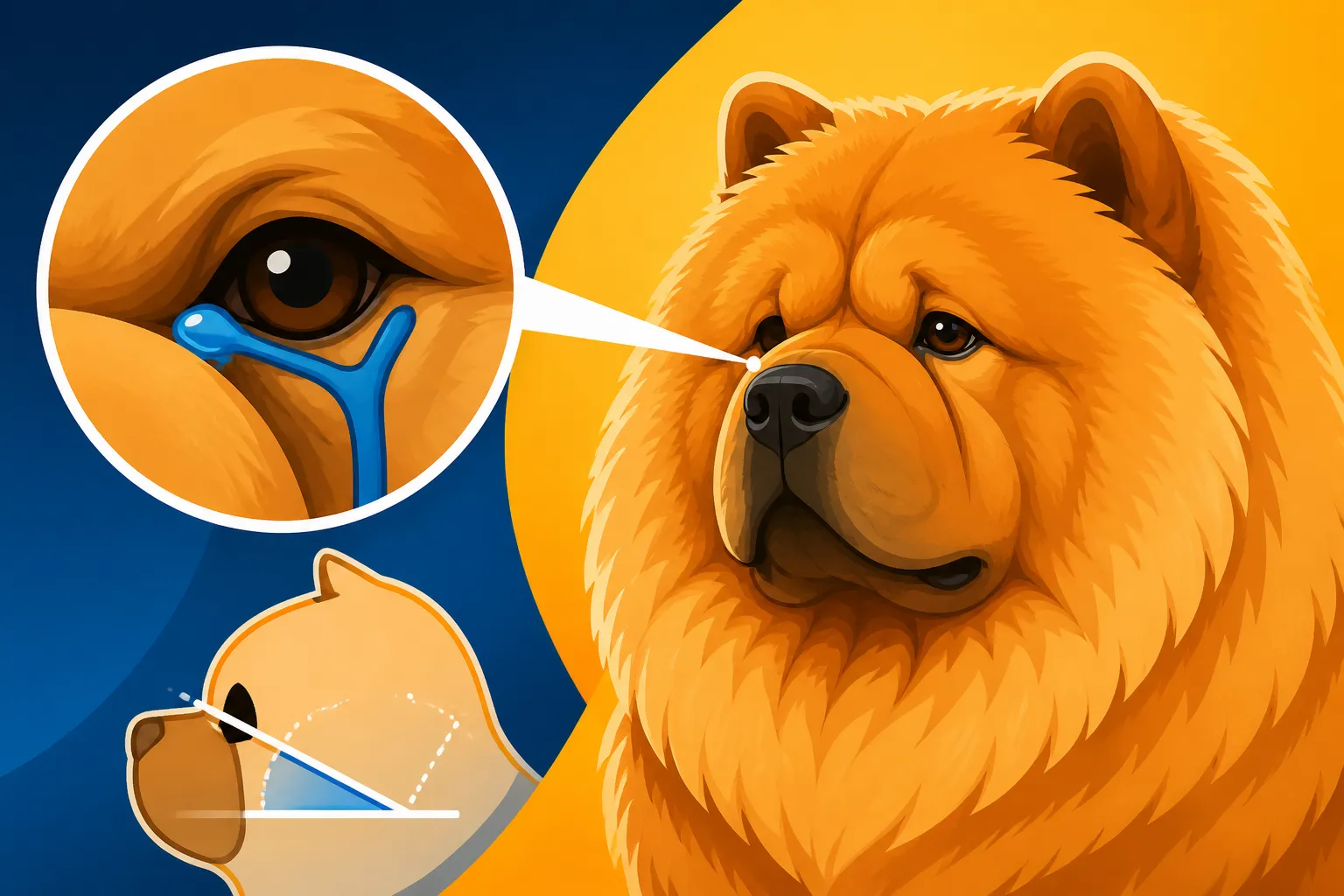
Why a Chow Chow’s Drainage Angle Is Narrow
The Chow Chow's distinctive lion-like mane and deeply set eyes are undeniably part of their majestic appeal, but these very features can contribute to significant health challenges, particularly concerning their vision. Many Chow Chow owners worry about eye conditions, and for good reason: the breed is unfortunately predisposed to a narrow drainage angle within the eye, a critical anatomical variation that can lead to severe issues like glaucoma. This comprehensive guide will unravel the complexities of your Chow Chow's eye anatomy, explain precisely why their drainage angle might be narrower than other breeds, and equip you with the knowledge to safeguard their precious sight.
Understanding the Chow Chow's Unique Eye Anatomy
The Chow Chow possesses a truly unique head and facial structure, which, while contributing to their distinctive appearance, also plays a crucial role in the health and function of their eyes. Unlike many other breeds with more open, prominent eyes, the Chow Chow's ocular features are characterized by depth and surrounding tissue, setting the stage for specific anatomical considerations.
The Deep-Set Eye and Its Implications
One of the most defining characteristics of a Chow Chow's face is its deep-set eyes. This isn't just a superficial trait; the eyeball itself sits further back within the skull's orbit compared to other dogs. This depth creates a somewhat protected, almost veiled appearance, often giving the Chow Chow a thoughtful or even discerning gaze. However, this deep-set nature means that the eyelids and surrounding tissues can interact with the eye in ways that aren't always beneficial. The deeper the eye, the more the surrounding skin and muscle might push or pull on the eyelids, potentially affecting their natural curvature and function.
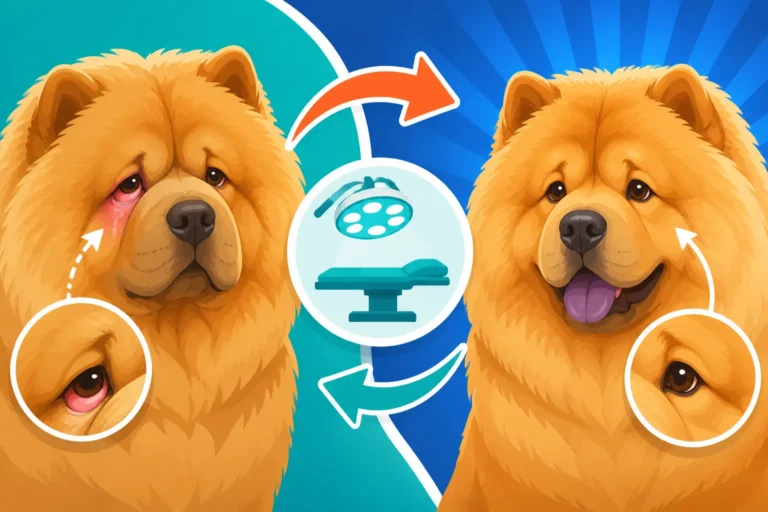
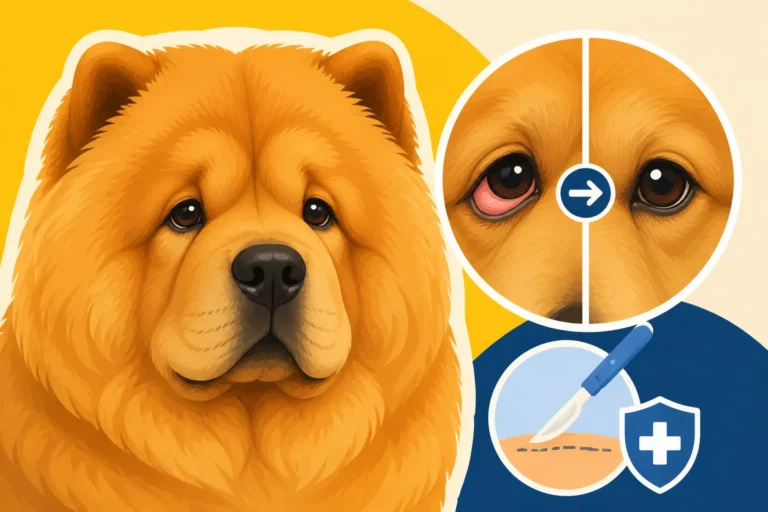
This particular conformation can unfortunately contribute to several issues, including the tendency for the eyelids to roll inward, a condition known as entropion. You might be interested to learn more about how Entropion Is the Chow Chow's Signature Problem due to this very reason. The deeply recessed position of the eye also means that the overall space within the socket is tightly packed. This snug fit can influence the delicate balance of fluid dynamics within the eye itself, which we'll explore in more detail shortly. It's a delicate balance where aesthetics meet potential physiological challenges, and understanding this foundational aspect is key to appreciating why their drainage angle is a concern.
The Chow Chow's Facial Structure and Skin Folds
Beyond the deep-set eyes, the Chow Chow's broad, powerful head and characteristic facial folds further complicate the picture. These folds, particularly prominent around the muzzle and brow, aren't just cosmetic; they add bulk and structure to the facial region. While contributing to that iconic scowl, these folds can inadvertently put pressure on the ocular area. Imagine the extra skin and tissue around the eyes and how it might subtly push the eyelids, or even the eye itself, slightly out of its ideal alignment.
This inherent facial structure means that the eyelids can be relatively thick and often have a natural tendency to roll slightly inward, especially the lower lid. This rolling, even if not severe enough to cause full-blown entropion initially, can still affect the positioning of the eyelid margin in relation to the cornea. More significantly, these facial folds and the broadness of the skull can physically reduce the space available at the front of the eye, particularly in the region where the iris meets the cornea. This area is crucial for the eye's natural drainage system, and any physical constriction here can have profound implications for fluid outflow, directly contributing to why a Chow Chow's drainage angle is narrow.
The Mechanics of Ocular Fluid and Drainage
To truly grasp why a narrow drainage angle is such a big deal for a Chow Chow, we need to talk a little bit about how the eye manages its internal pressure. It's not unlike how a house needs proper plumbing to prevent flooding – the eye has its own intricate system for fluid production and drainage to maintain health.
Aqueous Humor Production and Flow
Inside your Chow Chow's eye, there's a clear, watery fluid called aqueous humor. Think of it as the eye's internal nourishing bath. It's constantly being produced by a structure behind the iris called the ciliary body. This fluid isn't just for lubrication; it actually supplies nutrients to the lens and cornea, which don't have their own direct blood supply. After it's produced, the aqueous humor flows from the posterior chamber (behind the iris and in front of the lens) through the pupil and into the anterior chamber (the space between the iris and the cornea). This continuous circulation is vital.
The health of the eye depends on a perfect balance: the rate at which this fluid is produced must equal the rate at which it drains away. If too much fluid builds up, or if it can't drain properly, the pressure inside the eye starts to rise. This intraocular pressure (IOP) is what your vet checks during a routine eye exam, and it’s a critical indicator of eye health. A persistent increase in IOP is the hallmark of glaucoma, a condition where sustained high pressure damages the optic nerve, leading to blindness. You can read more about what happens when Signs a Chow Chow's Eye Pressure Is Rising if you are concerned.
The Trabecular Meshwork and Iridocorneal Angle
Now, let's talk about the drainage system. Once the aqueous humor has circulated and done its job, it needs a way out. This exit route is located in a very specific part of the eye called the iridocorneal angle (ICA). This angle is formed where the iris (the colored part of the eye) meets the cornea (the transparent front surface of the eye). It's a somewhat triangular space, and within this angle lies a spongy tissue structure known as the trabecular meshwork.
The trabecular meshwork acts like a sophisticated filter or a sieve. The aqueous humor drains through this meshwork and then into a network of tiny vessels that eventually carry the fluid away from the eye. In a healthy eye, this angle is wide and open, allowing the fluid to pass through the meshwork freely and maintain normal intraocular pressure. However, in breeds like the Chow Chow, genetic predispositions and unique anatomical features mean this angle is often naturally constricted. If the ICA is narrow or the trabecular meshwork itself is abnormal, the drainage pathway becomes restricted, and the fluid outflow is impeded. This is precisely Why the Chow Chow Is a Closed Angle Glaucoma Breed, as the physical architecture sets them up for problems.
Why the Chow Chow's Drainage Angle Narrows
The Chow Chow's propensity for a narrow drainage angle isn't a random occurrence; it's a direct result of centuries of selective breeding that has, perhaps unintentionally, emphasized certain physical traits. This breed's distinctive appearance comes with anatomical quirks that directly impact the delicate structures within their eyes.
Breed-Specific Conformation and Genetics
At the heart of the narrow drainage angle problem in Chow Chows lies their unique breed conformation and, more specifically, the genetics that dictate their physical features. The breed standard calls for a broad, flat skull, a deep-set eye, and a distinctive "scowl" formed by the brow. While these traits are highly prized in the show ring and contribute to the breed's recognizable appearance, they also contribute to the anatomical predisposition for ocular issues. The bony orbit of the eye, combined with the thickness of the facial tissues, can literally crowd the structures at the front of the eye.
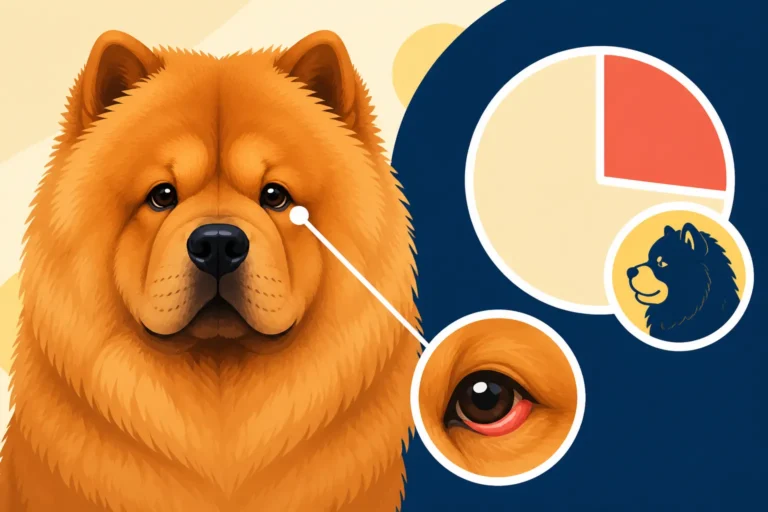
Genetically, Chow Chows are predisposed to primary closed-angle glaucoma (PCAG), which is directly linked to the formation of a narrow iridocorneal angle. Studies have shown a clear hereditary component, meaning that this condition is passed down through generations. Reputable breeders are increasingly aware of this, and some utilize specialized ophthalmic examinations to assess the anterior chamber angle of breeding stock. However, even with careful breeding, the inherent breed characteristics mean that the tendency for a narrow angle remains a significant concern for the vast majority of Chow Chows. This genetic blueprint means it's not simply an environmental factor, but a built-in risk factor from the moment they are born.
Pigmentation and Tissue Thickness
Another fascinating, yet problematic, aspect contributing to the narrow drainage angle in Chow Chows is related to their unique pigmentation and the thickness of their ocular tissues. Chows are famous for their blue-black tongues, and this heavy pigmentation isn't limited to their oral cavity. Many Chows also exhibit significant pigmentation within their eyes, particularly on the iris. While this might seem harmless, excessive pigment can contribute to a thickening of the iris tissue itself. A thicker iris, combined with its forward displacement often seen in breeds predisposed to glaucoma, can physically reduce the space available at the iridocorneal angle.
Imagine a thicker curtain trying to pull across a narrow window – it simply doesn't allow as much light through. Similarly, a thicker iris can encroach upon the drainage pathways, making it harder for the aqueous humor to access the trabecular meshwork. Furthermore, the overall density and thickness of the connective tissues within the Chow Chow's eye structures can play a role. These aren't flimsy structures; they are robust, and in some cases, this robustness can work against efficient fluid flow. These combined factors of breed conformation, genetic predisposition, and the unique tissue characteristics mean that the Chow Chow is inherently set up for a narrow drainage angle, making regular monitoring of their eye health absolutely essential.
Age-Related Changes and Secondary Factors
While a narrow drainage angle is often a congenital or genetically predisposed condition in Chow Chows, it's important to understand that its severity and the manifestation of related issues like glaucoma can be influenced by age and other secondary factors. As a Chow Chow ages, physiological changes within the eye can further narrow an already compromised drainage angle. For instance, the lens inside the eye continues to grow throughout a dog's life. This gradual increase in lens size, though subtle, can push the iris forward, progressively constricting the iridocorneal angle over time. This means that a Chow Chow who might have had a borderline narrow angle in their youth could develop a clinically significant obstruction later in life.
Additionally, other eye conditions or systemic health issues can exacerbate the problem. Inflammation within the eye (uveitis), trauma, or even certain medications can lead to changes in the eye's internal structures or fluid dynamics, potentially worsening a pre-existing narrow angle. For example, if a Chow Chow develops a corneal ulcer, the body's inflammatory response could indirectly affect the structures surrounding the drainage angle. Therefore, it's not just about what they're born with, but how their eyes evolve and respond to other challenges throughout their lifespan. Vigilance and proactive veterinary care, especially as they enter their senior years, become even more critical when managing a Chow Chow's eye health. Caring for a Chow Chow Past Eight definitely includes heightened awareness for eye health.
The Serious Consequences of a Narrow Drainage Angle
A narrow drainage angle isn't just an interesting anatomical quirk; it's a significant risk factor that can lead to extremely painful and vision-threatening conditions for your Chow Chow. Understanding these consequences is vital for any owner, as early recognition and intervention can be the key to preserving their sight.
The Direct Link to Glaucoma
The most dire and immediate consequence of a narrow drainage angle in a Chow Chow is the high risk of developing primary closed-angle glaucoma (PCAG). In this type of glaucoma, the iridocorneal angle becomes so constricted – or even completely closed – that the aqueous humor cannot drain from the eye effectively. Remember that delicate balance of fluid production and drainage? When the outflow is severely hindered, the intraocular pressure (IOP) rapidly skyrockets. This sudden and dramatic increase in pressure is incredibly painful for the dog, often described as a severe headache or intense eye pain, and it can cause irreversible damage to the optic nerve and retina very quickly.
Unlike other forms of glaucoma that might progress slowly, PCAG in Chow Chows can develop with startling speed. A narrow angle means that the "drain" is already mostly blocked, and any additional factor, however minor, can completely shut it down. The immense pressure crushes the delicate nerve fibers that transmit visual information from the eye to the brain. Once these fibers are damaged, they cannot regenerate, leading to permanent vision loss. This is why immediate veterinary attention is not just recommended, but absolutely critical when glaucoma is suspected. For more information on the progression of this disease, you might want to read How Fast Glaucoma Blinds a Chow Chow.
Signs to Watch For and Early Detection
Recognizing the signs of glaucoma, especially in a breed predisposed to it, is paramount. Because glaucoma is often an emergency in Chow Chows, every owner should be acutely aware of the subtle and not-so-subtle indicators. The earliest signs can be quite subtle and might include your Chow Chow seeming a bit withdrawn, rubbing at their face, or displaying a reduced appetite due to discomfort. Their eye might appear slightly red, particularly around the whites (sclera), or the pupil might seem dilated and unresponsive to light.
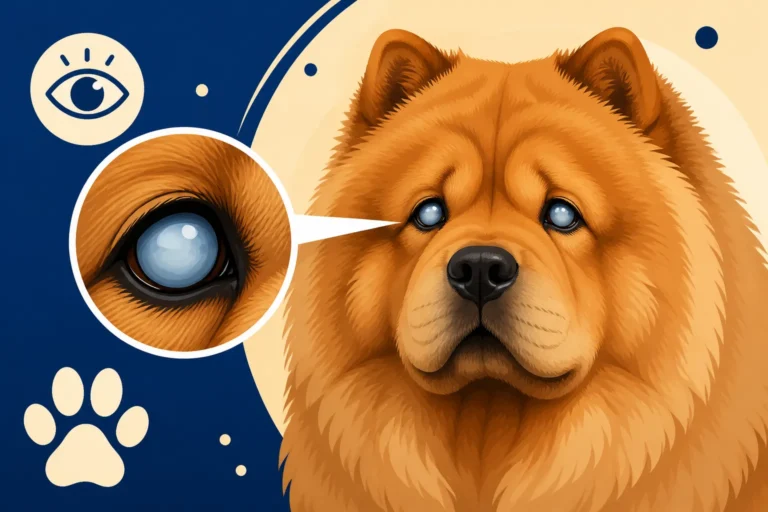
As the pressure increases, the signs become more obvious. The eye might start to look cloudy or bluish, especially the cornea, dueising a general haziness or even a dull, non-reflective quality. The eye itself can appear larger or more prominent than the unaffected eye. They may squint or keep the affected eye partially or completely closed, indicating intense pain. Swelling around the eye or eyelid is also a red flag. If your Chow Chow is suddenly bumping into furniture, hesitating on stairs, or seems disoriented, it could be a sign of sudden vision loss. Even if only one eye is affected initially, the breed's predisposition means the other eye is also at very high risk, often following suit within months or even weeks. Regular veterinary check-ups that include an eye pressure test are invaluable for early detection, particularly with breeds at risk. Insurance providers like Healthy Paws can be a lifesaver in these emergency situations, helping to cover the often significant costs associated with diagnosing and treating acute glaucoma.
Managing and Monitoring a Chow Chow's Eye Health
Living with a Chow Chow, especially one with a known predisposition to a narrow drainage angle, requires a proactive and dedicated approach to eye health. It's not just about reacting when a problem arises, but about regular monitoring and taking preventative steps to protect their vision for as long as possible.
Regular Veterinary Ophthalmic Exams
The single most crucial step in managing a Chow Chow's eye health is to establish a routine of regular veterinary ophthalmic examinations. For any Chow Chow, an annual eye check-up by your primary veterinarian should be standard. During these exams, your vet will typically perform a basic ocular inspection and may measure the intraocular pressure (IOP) using a tonometer. This simple, non-invasive test is vital because it can detect elevated eye pressure before outward signs of pain or vision loss are evident.
However, given the Chow Chow's specific risks, it is highly advisable to consult with a board-certified veterinary ophthalmologist. These specialists have advanced training and equipment to perform more thorough examinations, including gonioscopy. Gonioscopy involves using a special lens to directly visualize the iridocorneal angle, allowing the ophthalmologist to assess its openness and the health of the trabecular meshwork. This can help identify if your Chow Chow has a narrow angle even before any signs of glaucoma appear, allowing for earlier intervention or more vigilant monitoring. Many owners wonder Whether a Chow Chow Needs a Yearly Eye Exam, and for this breed, the answer is a resounding yes, preferably with a specialist. Comprehensive pet insurance plans, like those offered by Healthy Paws, can significantly ease the financial burden of these specialized and often expensive examinations and potential treatments.
Proactive Measures and Lifestyle Considerations
Beyond regular professional examinations, there are proactive measures and lifestyle considerations you can implement at home to support your Chow Chow's eye health and potentially mitigate some risks. First and foremost, be consistently observant of your dog's eyes. Look for any changes in appearance such as redness, cloudiness, discharge, or asymmetry between the eyes. Pay attention to changes in behavior like squinting, rubbing their face, withdrawal, or reluctance to navigate familiar spaces, all of which could indicate discomfort or vision impairment.
Maintaining a clean facial area is also important. The Chow Chow's facial folds can trap moisture and debris, potentially leading to irritation or infection that could indirectly affect overall eye health. Gently wiping their face with a damp, clean cloth can help. Ensure they are kept cool, especially in warm weather, as overheating can cause stress that might indirectly impact physiological processes, though its direct link to glaucoma onset is not fully established. Avoid strong pulling on leashes or collars that could increase pressure in the head and neck, opting instead for a comfortable harness. Finally, discuss with your vet or ophthalmologist whether any dietary supplements, such as antioxidants, might be beneficial, though these are generally supportive rather than preventative for structural issues like a narrow drainage angle. Being prepared for potential costs is also key, as What Glaucoma Treatment Costs a Chow Chow Owner can be substantial, making pet insurance a wise investment.
Understanding Your Chow Chow's Eye Health: A Comparison
To help visualize the difference, here's a table comparing characteristics of a normal drainage angle versus a narrow drainage angle in a dog's eye.
| Feature | Normal Drainage Angle | Narrow Drainage Angle (Chow Chow Predisposition) |
|---|---|---|
| Iridocorneal Angle (ICA) | Wide and open | Constricted, shallow, or partially closed |
| Trabecular Meshwork | Easily accessible, allows free fluid outflow | Obscured, compressed, or functionally impaired |
| Aqueous Humor Flow | Smooth and unobstructed | Restricted, leading to fluid backup |
| Intraocular Pressure (IOP) | Maintained within a healthy range (10-20 mmHg) | High risk for elevated IOP, especially rapid spikes |
| Risk of Glaucoma | Low, typically only due to secondary causes | High risk for Primary Closed-Angle Glaucoma (PCAG) |
| Visual Appearance | Clear, bright, responsive pupil | May appear normal initially; later, redness, cloudiness, pupil dilation, enlarged globe |
| Pain Level | None | Severe, often acute, headache-like pain |
| Consequences | Healthy vision | Rapid, irreversible vision loss and blindness |
Understanding these differences underscores the importance of proactive care and monitoring for your Chow Chow. Their unique beauty comes with a responsibility to understand and mitigate these specific health risks.
Disclaimer
The information provided in this guide is for general educational purposes only and should not be considered a substitute for professional veterinary advice. Always consult with a qualified veterinarian or a board-certified veterinary ophthalmologist for any health concerns or before making any decisions related to your Chow Chow's care.