Whether a Chow Chow’s Color Changes as It Grows
A Chow Chow puppy can look one shade in a breeder’s photos and quite another after its adult coat comes in. That shift can be surprising, especially when a black coat turns rusty in sunlight or a red puppy grows into a paler-looking adult. This guide explains what normal color changes look like, what causes them, and when a change deserves a closer look.
Why a Chow Chow’s coat color changes as it grows
Puppy coat gives way to adult coat
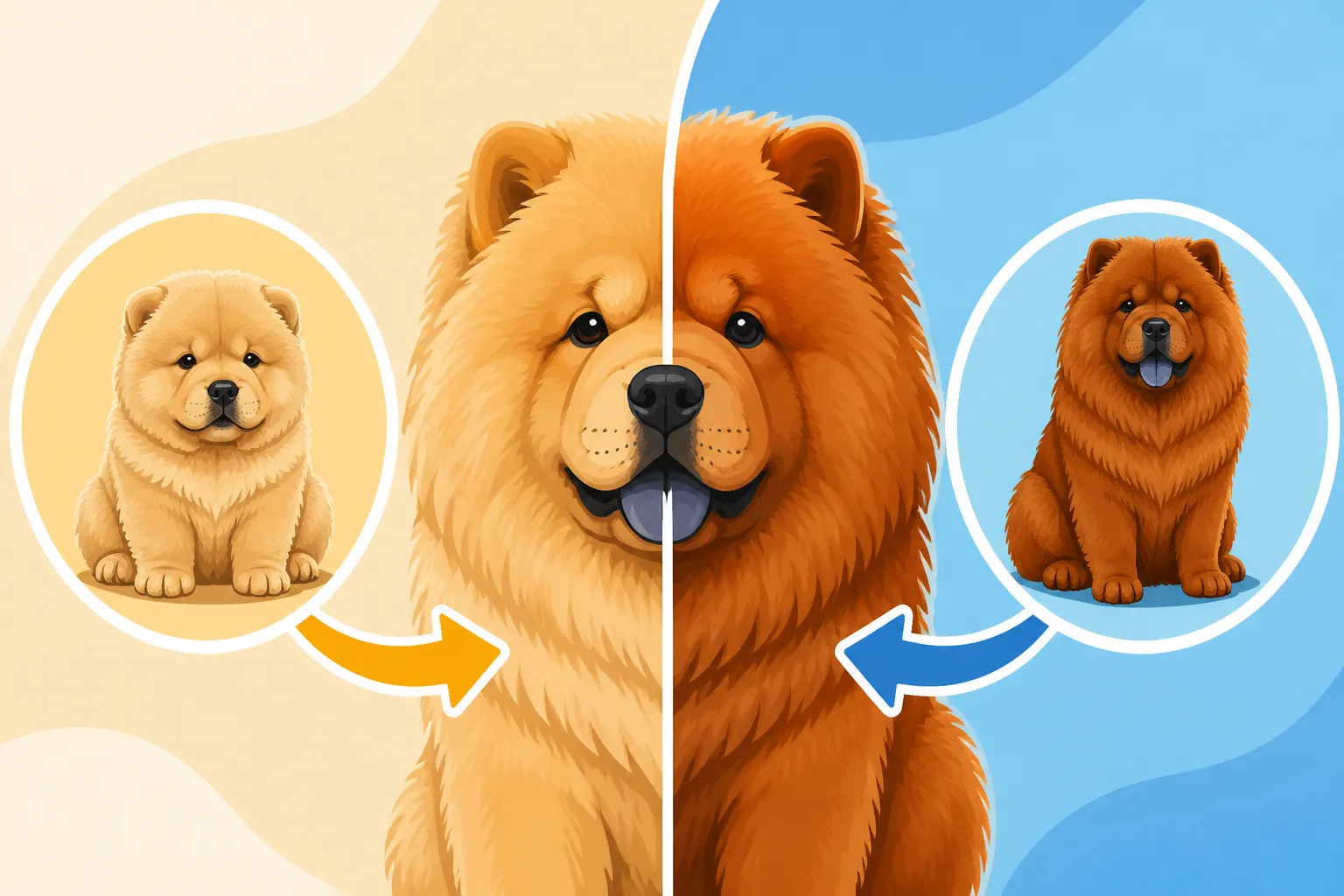
A Chow Chow’s coat does not simply grow longer while keeping exactly the same appearance. As puppy fur sheds and adult coat develops, the texture, length, and balance of undercoat and outer coat change. The new coat can make the dog look lighter, darker, or more uneven in color than it did as a young puppy.
The transition is often most noticeable around the neck ruff, shoulders, back, and hindquarters. A puppy may have soft, fluffy fur that looks like one solid shade, while the adult coat develops longer guard hairs with darker or lighter tips. The result can be a blended or shaded appearance rather than a uniform color.
The timing varies. Some owners notice a marked coat change during the first year, while others see the coat continue settling as the dog matures. If the coat seems patchy during a shed, remember that loose puppy coat and incoming adult coat may not lie evenly. You can read more about the transition in When a Chow Chow's Puppy Coat Changes.
Shading is part of the breed’s appearance
A Chow Chow’s recognized coat colors are red, black, blue, cinnamon, and cream. Within those colors, coats can show natural variation. Red, for example, can range from a deeper mahogany-like shade to a pale golden tone. Cinnamon may look fawn, warm brown, or silvery, depending on the individual coat and the light.
Some Chow Chows also have lighter feathering or shading on areas such as the tail, britches, and underside. That variation does not necessarily mean the dog is changing from one recognized color to another. It may simply be how that color appears across different parts of the coat. The guide Five Colors and Nothing Else: the Chow Chow Palette explains the breed’s color range in more detail.
Photos can make these shifts seem more dramatic. Indoor lighting, direct sun, a wet coat, and the camera’s automatic color adjustment can all change how fur looks. If you are comparing puppy pictures with an adult dog, try to compare photos taken in similar lighting and note whether the coat is clean, dry, and fully grown in.
What color changes are common in each coat shade
Red, cinnamon, and cream coats
Red Chow Chows may lighten or deepen as their puppy coat changes. A puppy that appears very dark can develop a lighter coat, while another may retain deeper shading along the back or tail. This variation is one reason a young dog’s exact adult appearance can be difficult to judge from a single photograph.
Cinnamon coats can also shift in how warm or cool they appear. Some look more brown in one light and more silvery or fawn in another. Cream coats may develop subtle shading, particularly around the ears or along the back, and some cream dogs have a darker tone in those areas than on the body. These changes are usually gradual and follow the growth and replacement of the coat, rather than appearing as sudden bare or inflamed patches.
A puppy’s coat is not a guarantee of a precise adult shade. If you are choosing a puppy, it is reasonable to ask the breeder what colors appear in the parents and previous litters, but even that cannot promise exactly how the puppy’s coat will look as an adult. Whether a Chow Chow Puppy's Coat Type Is Obvious discusses another feature that can take time to become clearer.
Black and blue coats
Black Chow Chows can develop brownish or reddish-looking tips, especially where the coat gets regular sun exposure. The effect may be more obvious in the outer guard hairs than near the skin. It can look like the dog is turning brown, although the coat may still be classified as black. Sun exposure, shedding, and the condition of the hair can all affect the appearance.
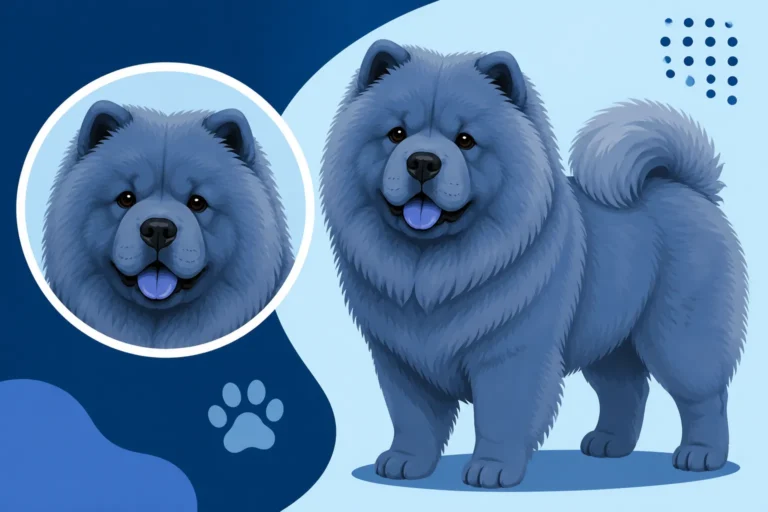
Blue is a diluted coat color and can look slate, gray, or blue-gray depending on the coat and lighting. As the coat matures, its shade may appear to shift, and loose or sun-faded hair can make the color look less even. A change in the visible coat does not automatically mean that a dog’s underlying color has changed.
| Coat color | Changes owners may notice | Common reasons for the appearance |
|---|---|---|
| Red | Lighter, darker, or more shaded areas | Puppy coat replacement and natural variation |
| Cinnamon | Warmer brown, fawn, or silvery tones | Lighting, coat length, and individual shading |
| Cream | Subtle darker shading, often around the ears or back | Adult coat growth and natural variation |
| Black | Brown or rusty-looking tips | Sun exposure, shedding, and hair condition |
| Blue | Gray or slate tones that look different in varied light | Coat maturity, lighting, and natural variation |
The table describes common visual effects, not a rule for every dog. Coat color is only one part of the picture; Which Five Colors the Chow Chow Standard Accepts provides more detail on recognized colors and how they are described.
How shedding, grooming, and light affect coat color
Seasonal shedding can change what you see
Chow Chows have a dense double coat, and shedding can make the coat look temporarily different. When loose undercoat comes out, the outer coat may sit differently, exposing areas that were less visible before. During a heavy shed, fur may look thinner or uneven in places even when the skin underneath is healthy.
A coat blow can also reveal color variation that was hidden by the old coat. For example, a fresh coat may look brighter or more uniform than the coat that has just shed. If you see a change around the time your dog is shedding, look for new growth and check whether the skin is comfortable, without redness, sores, or persistent itching. The Twice a Year a Chow Chow Blows Its Coat covers what to expect during this demanding phase.
Regular brushing helps you see the coat and skin more clearly, but it will not permanently change the dog’s natural color. A slicker brush used only on the surface may leave undercoat packed close to the skin, so work in small sections and check that the coat is free of tangles down to the skin. For detailed coat care, see Brushing a Chow Chow's Mane Down to the Skin.
Sun, bathing, and drying can affect the look
Sunlight can fade or warm the appearance of some coats, particularly the tips of dark guard hairs. The effect is usually cosmetic, but a sudden color change accompanied by hair loss or skin irritation is different from ordinary sun fading. If your Chow Chow spends long stretches outdoors, pay attention to the skin as well as the coat, especially on exposed or thinly covered areas.
A bath can make the coat appear darker while wet and lighter or fluffier once it is fully dry. Residue from shampoo, dirt, or a damp undercoat may also dull the coat’s appearance. Chow Chows need thorough drying because moisture trapped in the dense coat can contribute to skin trouble. A complete grooming routine is explained in Bathing and Drying a Chow Chow's Dense Coat.
For basic coat maintenance, you might keep a suitable comb, brush, and dog shampoo on hand. Chewy is one place owners may look for grooming supplies, but choose tools for your dog’s coat and comfort rather than assuming that a product marketed for any thick-coated breed will work equally well. A groomer familiar with double-coated dogs can also help you identify whether a color difference is simply loose coat or something unusual.
When a color change may signal a health issue
Look for changes in the skin and hair together
A gradual shift in shade as the coat grows is generally less concerning than a sudden change in one area. Pay closer attention if the coat is thinning, breaking, falling out in patches, or changing alongside redness, scabs, odor, persistent licking, or itching. Those signs call for a veterinary assessment rather than a new shampoo or color-enhancing product.
The coat can hide early skin problems, particularly in a dense breed. Part the fur in several places and check the skin rather than judging only by the surface. If the change is localized, take clear photos and note when you first noticed it, whether it is spreading, and whether your dog seems uncomfortable. That information can make a veterinary visit more useful.
Color changes around the muzzle or face can also be affected by food, saliva, tears, or moisture. Staining is different from a change in pigment or a skin lesion. If you are unsure whether a new mark is staining, normal coat variation, or a skin change, avoid scrubbing the area and ask your veterinarian to examine it.
Keep an eye on pigment, not just fur color
A dog’s coat color and skin pigment are related but not identical. A change in the fur does not necessarily mean the skin or nose has changed, and normal coat shading should not be confused with a new pale, dark, raised, or irritated spot on the skin. Check the nose, lips, eyelids, and visible skin periodically while grooming.
If your Chow Chow’s coat looks different but the skin is healthy and the dog is acting normally, take a few weeks of photos in consistent lighting and track the change. If there is rapid hair loss, discomfort, or a visible skin abnormality, contact your veterinarian rather than waiting to see whether the coat grows back. And if the dog’s appearance is changing alongside weight loss, low energy, or other behavior changes, mention those too.
When shopping for routine grooming items, Chewy may be convenient for comparing combs, brushes, and shampoos, but supplies cannot diagnose the reason for a coat change. A vet can help distinguish ordinary coat maturation from skin disease or another health concern. For broader context on breed-related skin issues, see Why a Chow Chow's Dense Coat Hides Skin Disease.
Disclaimer
This article is for general informational purposes only and does not constitute professional advice. Laws, prices and regulations vary by location and change over time. Consult a qualified professional for guidance on your specific situation.