How a Chow Chow Differs From a Keeshond
Choosing between a Chow Chow and a Keeshond can be confusing: both have thick double coats, curled tails, and a striking, plush outline. But living with them can feel very different. This guide compares their size, temperament, grooming, exercise needs, and suitability for different homes so you can look beyond their similar appearance and decide which breed better fits your daily life.
The biggest differences between Chow Chows and Keeshonds
Appearance, size, and coat color
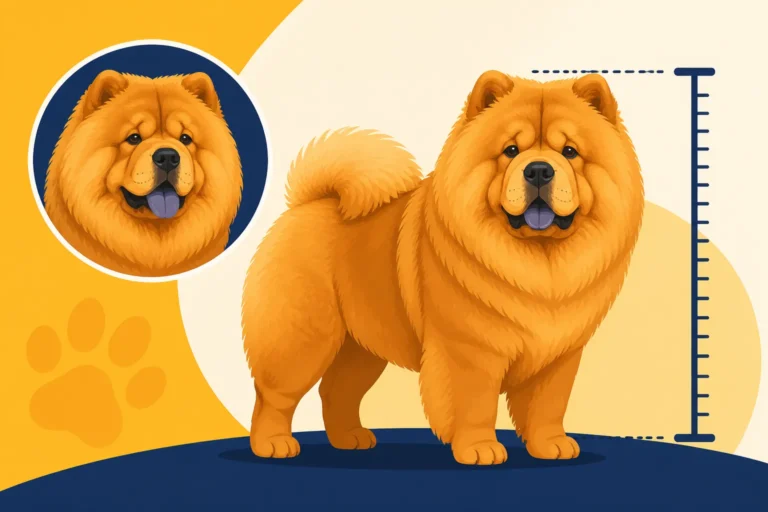
At a glance, both breeds look like fluffy northern dogs, but their shapes and expressions differ. The Chow Chow is sturdy and compact, with a broad head, small upright ears, deep-set eyes, and a characteristic scowl. Its coat can form a prominent ruff around the neck, especially in rough-coated dogs. A Keeshond has a more foxlike face, a medium build, and distinctive dark markings around the eyes that can look like spectacles.
Chow Chows are generally heavier and more solidly built than Keeshonds, although individual dogs vary. Their straight, stiff-looking rear-leg structure gives them a distinctive gait. Keeshonds are also sturdy, but their proportions tend to look more balanced and less blocky. For a closer look at Chow Chow measurements, see How Much a Chow Chow Weighs.
Both breeds have dense double coats: a softer insulating undercoat beneath a harsher outer coat. Chow Chows come in several solid colors, including red, black, blue, cinnamon, and cream. Keeshonds are known for a gray, black, and cream combination, often with darker shading along the back and a lighter mane. If you’re comparing breed colors, Which Colors a Chow Chow Comes In explains the Chow Chow palette in more detail.
| Trait | Chow Chow | Keeshond |
|---|---|---|
| Overall build | Compact, powerful, and heavy-boned | Medium-sized, sturdy, and more balanced in outline |
| Typical expression | Broad-faced and serious-looking | Foxlike face with distinctive dark “spectacle” markings |
| Common coat appearance | Solid colors, often with a large ruff | Gray, black, and cream with a contrasting mane |
| General temperament | Often reserved and independent | Often sociable, alert, and people-oriented |
| Vocal tendency | Usually watchful, but not typically a constant barker | Often vocal and quick to announce activity |
| Coat care | Frequent brushing, with close attention to dense areas | Frequent brushing to manage a thick coat and shedding |
The coat colors and markings are useful clues, but appearance alone does not tell you everything about an individual dog. Mixed ancestry, grooming, age, and coat condition can all change how a dog looks. If you’re trying to identify a dog with traits from both breeds, How to Tell a Chow Chow Mix From a Purebred offers more context.
Breed history and the instincts that remain
The Chow Chow has a long history in China, where dogs of its type were used in different working roles over time. That background helps explain why many Chows are observant, self-possessed, and selective about unfamiliar people. These tendencies are not guarantees, and good early experiences matter, but a Chow Chow often approaches new situations by watching first rather than rushing in to greet everyone.
The Keeshond developed in the Netherlands and became associated with Dutch boats and barges. Its history as a companion and watchdog in close contact with people is reflected in the breed’s reputation for being engaged and communicative. Many Keeshonds enjoy being part of household activity and are quick to notice people, sounds, and changes around the home. For more on the Chow Chow’s background, read Where the Chow Chow Comes From.
Their different histories are not a personality forecast for every dog, but they can help you understand why two fluffy breeds may respond differently to the same visitor. A Keeshond may greet a guest with excitement or a series of alert barks, while a Chow Chow may hang back and assess the person. A thoughtful introduction is important for either breed; friendliness should never be assumed just because a dog is attractive or familiar-looking.
Temperament, training, and family life
Reserved independence versus an outgoing watchdog
Chow Chows are often described as aloof, but aloof does not mean emotionless or incapable of bonding. Many form deep attachments to their household while remaining reserved with strangers. They may prefer to sit nearby rather than seek constant petting, and some dislike being crowded or hugged. Respecting that preference is part of building trust. How Aloof a Chow Chow Really Is explores what that reserved temperament can look like at home.
Keeshonds are generally known for being more openly social and responsive to family activity. Many enjoy company and will make their opinions known when something catches their attention. That can be charming if you like a dog who participates in daily life, but it can also mean more barking. A Keeshond may alert you to a delivery, a neighbor walking past, or a sound in the hallway. How Much a Chow Chow Barks can help you compare the Chow Chow’s watchdog style with a more vocal breed.
Neither breed is automatically the better family dog. A well-matched choice depends on how much interaction you want, how calmly household members can respect a dog’s boundaries, and whether you can manage alert barking. Children should be taught not to grab, chase, or disturb a dog that is resting. With either breed, adult supervision and safe places to retreat matter more than assumptions based on breed reputation.
Training, socialization, and time alone
Both breeds benefit from patient, reward-based training, but a Chow Chow may be less inclined to repeat a task simply because a person asks. Training often works best when it is clear, brief, and worthwhile to the dog. Harsh correction can damage trust, especially with a dog that is already wary or sensitive to handling. A Keeshond may be more eager to engage, but an enthusiastic dog still needs consistent practice and boundaries.
Early socialization means giving a puppy calm, positive exposure to different people, places, sounds, and routines. It does not mean making the puppy greet every stranger or tolerate every kind of handling. For a Chow Chow, gentle exposure paired with choice can help prevent unfamiliar situations from becoming overwhelming. Keeshonds also need practice settling around visitors and not treating every new sound as an emergency.
Think about your ordinary schedule, not just the training plan you hope to follow. If you work long hours, travel frequently, or expect the dog to entertain itself in a busy home, consider how each individual dog copes with separation and change. A Keeshond’s people-focused nature may make regular companionship especially appealing, while a Chow Chow’s independence should not be mistaken for an inability to need attention. For a broader look at ownership demands, read Whether a Chow Chow Suits a First Time Owner.
Grooming, exercise, and practical care
Managing two thick double coats
Neither breed is low-maintenance when it comes to coat care. Regular brushing helps remove loose undercoat, reduce tangles, and let you check the skin. A Chow Chow’s dense fur can hide mats close to the skin, particularly around the ruff, behind the ears, under the collar, and in the feathering. Keeshonds also shed and need consistent brushing, especially during heavy seasonal shedding.
A quick surface brush may make the coat look tidy without reaching the undercoat. Work in sections, parting the hair so you can see the skin, and pause if your dog becomes uncomfortable. Make grooming a routine in short, positive sessions rather than waiting until the coat is tangled or shedding heavily. A suitable brush and comb can help, but technique and cooperation matter just as much. Rough or Smooth: the Two Chow Chow Coats and What Each Needs explains how coat type affects Chow Chow grooming.
Bathing and drying also take time because both breeds have dense coats. The coat needs to be thoroughly rinsed and dried; leaving the undercoat damp can contribute to skin irritation. If you’re choosing grooming supplies, retailers such as Chewy can be one place to compare brush types and product instructions, but check that a tool suits your dog’s coat and comfort level. A groomer familiar with double-coated breeds can help if you’re unsure how to manage a coat blow or a developing mat.
Exercise needs, heat, and apartment life
Neither dog needs to be treated like an endurance athlete, but both need regular activity and mental engagement. Walks, sniffing opportunities, short training sessions, and suitable indoor games can make a dog’s day more satisfying. The right amount depends on age, health, weather, and the individual dog. A young, energetic Keeshond may ask for more interactive play, while a Chow Chow may be content with steady walks and time to investigate at its own pace.
Heat deserves particular care for both breeds because their dense coats can make hot weather uncomfortable. A Chow Chow’s heavy coat and facial structure can add to heat-management concerns, so choose cooler hours for walks, provide shade and water, and watch for signs of overheating. Do not assume that shaving a double coat is a safe shortcut to keeping a dog cool. Keep outdoor activity modest in hot conditions and let the dog rest in a cool indoor space.
Apartment suitability depends less on square footage than on daily routines, noise tolerance, and access to safe exercise. A Keeshond’s alert barking may be challenging in a building with close neighbors unless you actively teach calm responses. A Chow Chow may be quieter in some homes, but still needs purposeful walks, socialization, and respectful handling. When buying routine supplies or food, Chewy may help you compare options, but your dog’s needs should guide the choice rather than breed labels alone.
Choosing the breed that fits your household
Match the dog to your expectations
A Chow Chow may be a better fit if you appreciate an independent companion, can give a reserved dog room to observe, and are prepared to work steadily on socialization and handling. That does not mean a Chow should be left to make every decision on its own. It means building cooperation without expecting an outgoing, universally affectionate dog.
A Keeshond may suit you better if you want a more openly interactive companion and don’t mind a dog that may announce visitors or neighborhood activity. Be realistic about sound: a dog that barks to alert can be harder to manage in shared housing or a home where quiet is essential. Training and enrichment can help, but they do not erase every inherited tendency.
Before choosing either breed, spend time with adult dogs, ask about temperament and health, and look beyond the puppy’s appearance. A responsible breeder or rescue should be willing to discuss the dog’s behavior, care needs, and any known challenges. If you’re considering an individual Chow Chow, How a Chow Chow Differs From a Shar Pei can also help distinguish the Chow’s traits from those of another breed with a similar reputation for independence.
A simple decision checklist
Ask yourself what a normal week with the dog would look like. Will you enjoy brushing several times a week? Can you provide calm exposure to new people and places? Are you comfortable with a dog that might prefer nearby companionship over constant cuddling? Or would you rather have a more openly social dog, even if that means managing frequent alert barking?
Consider practical constraints, too. A household with small children needs clear supervision and rules for giving the dog space. A shared-wall apartment may call for particular attention to barking. A hot climate requires careful planning for either breed, especially during summer walks. If you’re unsure about grooming products or routine food choices, Chewy is one retailer where you can review product details, but a veterinarian or experienced groomer can help with questions specific to your dog.
There is no universal winner in the Chow Chow versus Keeshond comparison. The Chow Chow is often the more reserved, self-directed companion; the Keeshond is often the more vocal, socially engaged watchdog. Those are broad tendencies, not promises. Choose the dog whose needs and personality you can welcome on an ordinary Tuesday—not just the one whose coat or expression first caught your eye.
Disclaimer
This article is for general informational purposes only and does not constitute professional advice. Laws, prices and regulations vary by location and change over time. Consult a qualified professional for guidance on your specific situation.