How Many Chow Chows Get Entropion
It’s a heartbreaking sight to see your beloved Chow Chow squinting, tearing up, or constantly rubbing at their eyes. You know instinctively something isn't right, and the worry about their unique facial structure often leads you to suspect eye issues. This guide is here to shed light on one of the most common and often distressing eye conditions affecting our fluffy friends: entropion. We'll delve into just how prevalent it is within the Chow Chow breed, why it happens, and what you can do about it, arming you with the knowledge you need to protect your furry companion's vision and comfort.
Understanding Entropion in the Chow Chow Breed
When you look into those deep-set, soulful eyes of a Chow Chow, you're looking at one of their defining characteristics – but also, unfortunately, a genetic predisposition to certain eye conditions. Entropion is a prime example of this, a condition that many Chow Chow owners will sadly encounter at some point in their dog’s life.
What Entropion Actually Means for a Chow Chow
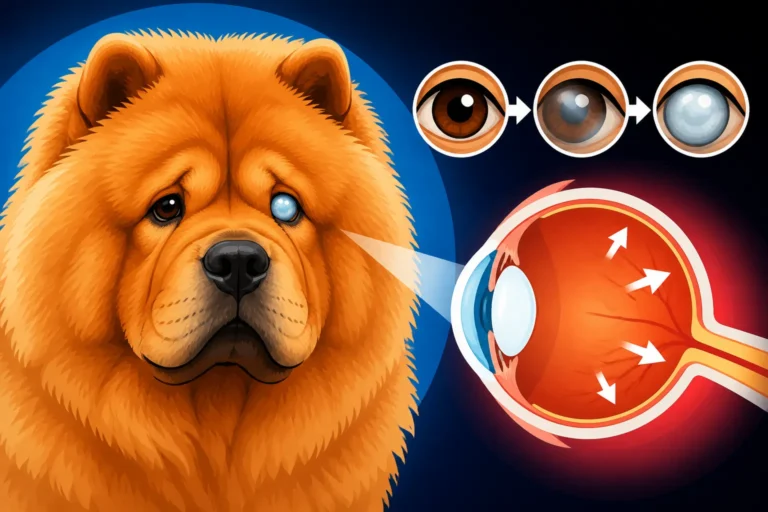
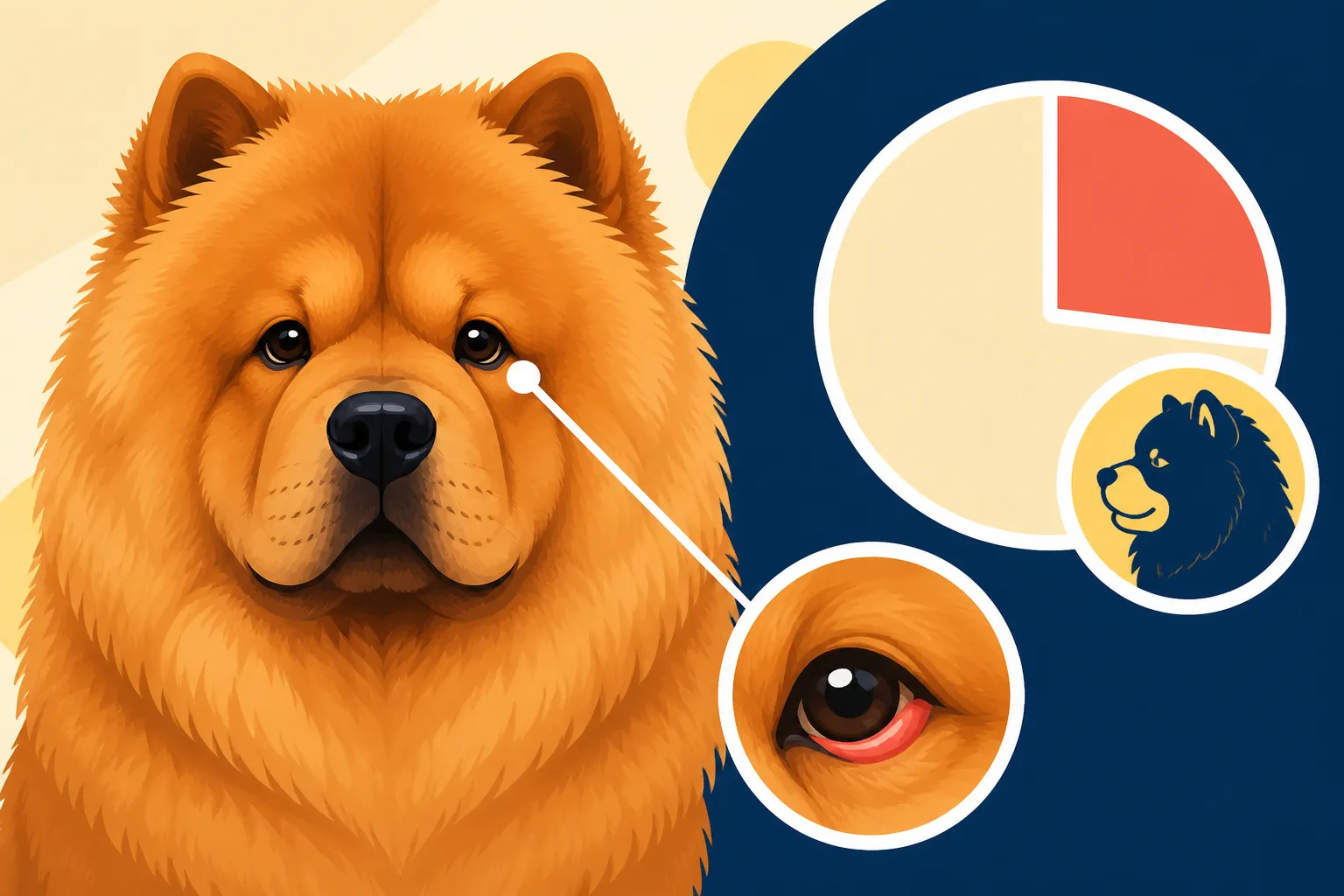
Entropion is a painful condition where a portion of your Chow Chow's eyelid, usually the lower one, rolls inward towards the eyeball. Imagine having your eyelashes constantly scraping against your eye – that's essentially what your Chow Chow experiences. The soft fur and often stiff hairs on the eyelid rub against the delicate surface of the cornea and conjunctiva, causing chronic irritation, pain, and potentially serious damage. The unique facial structure of a Chow Chow, with its broad head and deep-set eyes, combined with abundant skin folds, often contributes to this inward rolling effect. These folds can physically push the eyelid in, creating a constant source of discomfort. Over time, this constant abrasion can lead to corneal ulcers, scarring, and even vision impairment if left untreated. It's a truly miserable experience for them, and one that requires prompt attention. If you're wondering more about this, we have a detailed article on Why a Chow Chow's Eyelid Rolls Inward that dives deeper into the mechanics.
The Genetic Predisposition in Chow Chows
It’s no secret among Chow Chow enthusiasts and breeders that entropion is a significant concern within the breed. This isn't just bad luck; it's deeply rooted in genetics. While the exact mode of inheritance can be complex, it's widely accepted that entropion has a strong hereditary component. This means that if a Chow Chow's parents or other close relatives had entropion, there's a higher chance their offspring will develop it too. This genetic link is precisely why responsible breeders are so meticulous about health screening their breeding stock. They aim to reduce the incidence of such conditions by carefully selecting dogs without a history of entropion in their lineage. Unfortunately, even with the best intentions, the polygenic nature of the condition means it can still appear, making continuous vigilance essential for owners and breeders alike. Learning Whether Entropion Runs in Chow Chow Lines can help you understand the importance of asking breeders about their dogs' health history.
Prevalence Rates: How Common is Entropion in Chow Chows?
This is the million-dollar question for many prospective and current Chow Chow owners. The honest answer is that it's notoriously difficult to pin down an exact, universally agreed-upon percentage, but it's undoubtedly one of the most common genetic health issues in the breed.
The Challenging Numbers and Why They Vary
While a definitive, large-scale epidemiological study with precise percentages across the entire Chow Chow population is hard to come by, veterinary ophthalmologists and breed clubs often cite figures that suggest entropion is quite common. Some estimates suggest that anywhere from 20% to 50% of Chow Chows may experience entropion to some degree during their lifetime. This wide range isn't surprising when you consider a few key factors. Firstly, not all cases are reported or officially recorded in databases. Mild cases might go undiagnosed or simply managed at home with lubricants by owners who don't seek a formal veterinary diagnosis, or breeders might perform temporary fixes. Secondly, the prevalence can vary significantly between different breeding lines and regions, depending on the historical breeding practices and the emphasis placed on health screening. A breeder who consistently screens and breeds away from affected dogs will naturally have a lower incidence in their puppies compared to those who do not prioritize such health clearances. Therefore, while we don't have one single, perfect number, it's safe to say that entropion is a widespread concern, making it crucial for every Chow Chow owner to be aware of the signs and prepared for potential treatment.
Factors Influencing Individual Risk
While the breed as a whole carries a predisposition, not every Chow Chow will develop entropion, and the severity can differ greatly. Several factors can influence an individual dog's risk and the age at which the condition manifests. For instance, dogs with more pronounced facial wrinkles and heavier brows tend to be at a higher risk because these features can physically push the eyelids inward. The rough-coated Chow Chow, with its denser, often more voluminous fur, might sometimes appear to have more severe entropion due to the fur's thickness exacerbating the irritation, though both coat types are susceptible.
Furthermore, a puppy's growth rate can play a role. Rapid growth can sometimes temporarily worsen the condition as their facial structure develops. Many cases of entropion in Chow Chow puppies are observed during their rapid growth phases. You'll often find that The Age Entropion Shows in a Chow Chow Puppy is typically between a few weeks and a year old, as their facial structure matures. Specific familial lines within the breed also carry a higher risk. This is why a reputable breeder will be transparent about their dogs' pedigrees and the health history of the parent dogs, providing you with the best possible insight into your puppy's potential genetic predispositions.
Recognizing the Signs and Seeking Early Intervention
Catching entropion early is paramount to preventing long-term damage and unnecessary suffering for your Chow Chow. Their stoic nature means they might not always vocalize their pain, but their eyes will often tell a clear story.
Identifying Symptoms in Chow Chow Puppies and Adults
The signs of entropion can range from subtle to overtly obvious, and they can affect Chow Chows of all ages. In puppies, you might notice them squinting frequently, especially when exposed to bright light or wind. This is their way of trying to protect their irritated eyes. Excessive tearing is another common indicator, as the eye tries to flush out the irritant. The tears might leave dark stains on the fur below their eyes, particularly noticeable on lighter-colored Chows. You might also observe thick, mucous-like discharge, which can be clear, whitish, or even yellowish if an infection is present.
As the condition progresses, or in more severe cases, your Chow Chow might rub their face against furniture or paw at their eyes, indicating intense discomfort. The whites of their eyes might appear red and inflamed, and in some instances, a visible corneal ulcer can develop, which looks like a cloudy or opaque spot on the clear surface of the eye. It's vital not to ignore these signs. We have a dedicated resource on Signs a Chow Chow Has Entropion that offers more in-depth examples and descriptions. For younger pups, paying close attention to Signs a Chow Chow Puppy's Eyes Are Sore is especially critical, as they might not show pain in other ways. Don't dismiss persistent wetness or discharge around the eyes; When a Chow Chow's Eye Discharge Means Entropion is often a crucial early warning.
The Importance of Veterinary Consultation and Diagnosis
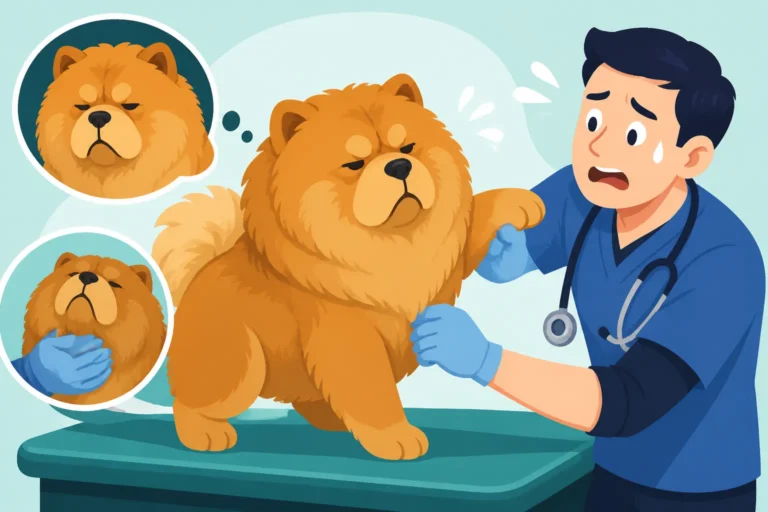
If you suspect your Chow Chow has entropion, scheduling an appointment with your veterinarian or a veterinary ophthalmologist immediately is crucial. This isn't a condition that will simply resolve itself; in fact, it tends to worsen over time, leading to more severe pain and potential vision loss. Your vet will perform a thorough eye examination, which typically includes checking tear production, inspecting the eyelids for inward rolling, and potentially staining the cornea with a fluorescent dye. This dye highlights any abrasions or ulcers on the corneal surface that might be invisible to the naked eye. The presence of a corneal ulcer is a serious complication, and you can learn more about What a Cornean Ulcer Does to a Chow Chow in our comprehensive guide. Early diagnosis allows for timely intervention, minimizing discomfort and preventing more severe complications. Don't hesitate to seek professional help; your Chow Chow is relying on you to alleviate their pain.
Management and Treatment Options for Entropion
Once entropion is diagnosed, your veterinarian will discuss the best course of action. It's important to remember that while some temporary measures can offer relief, surgical correction is usually the definitive solution for most Chow Chows.
Non-Surgical and Temporary Relief Measures
In some mild cases, or as a temporary measure for puppies still growing, your vet might recommend topical lubricating eye drops or ointments to help protect the cornea from irritation. These can provide some comfort, but they don't solve the underlying anatomical issue. For very young puppies (often under 4-6 months old) whose facial structures are still developing, a temporary procedure called eyelid tacking might be performed. This involves placing a few sutures in the eyelid to pull it away from the eyeball, giving the puppy relief and allowing the eyelid to potentially "grow into" a better position as they mature. This isn't a permanent fix, but it can be life-changing for a suffering puppy, preventing permanent damage to their eyes. We’ve covered What Eyelid Tacking Does for a Chow Chow Puppy in another article, detailing its benefits and limitations. However, for most adult Chow Chows with persistent entropion, these non-surgical methods only offer short-term comfort and do not resolve the problem permanently.
Surgical Correction and Recovery
For most Chow Chows with entropion, especially those experiencing significant discomfort or corneal damage, surgical correction is the gold standard. This procedure, typically performed by a general veterinarian or a veterinary ophthalmologist, involves removing a small, crescent-shaped piece of skin and muscle from the affected eyelid to roll it outward, away from the eye. The goal is to achieve a comfortable, functional eyelid that no longer irritates the cornea. The timing of surgery is often debated, but many vets prefer to wait until a Chow Chow is closer to skeletal maturity, usually around The Age a Chow Chow's Entropion Is Repaired, to ensure the permanent result is accurate. However, if a puppy is in extreme pain or has a severe corneal ulcer, surgery may be performed earlier.
The success rate for entropion surgery is generally very high, providing permanent relief for the vast majority of dogs. Recovery typically involves a few weeks of wearing an Elizabethan collar (the dreaded "cone of shame") to prevent rubbing at the sutures, along with a course of eye drops to prevent infection and reduce inflammation. Our guide on How Entropion Is Repaired in a Chow Chow provides a detailed look at the process. Owners often wonder about How Long a Chow Chow Recovers From Eye Surgery, which usually involves about two weeks of diligent care.
Financially, entropion surgery is a significant expense. It's definitely something every Chow Chow owner should The Entropion Surgery Every Chow Chow Owner Should Budget For. Costs can vary widely depending on your location, the complexity of the case, and whether you see a general practitioner or a board-certified ophthalmologist. Generally, you can expect to pay anywhere from $800 to $2,000 per eye, potentially more if complications arise. This is where pet insurance can be a literal lifesaver. Many owners find that a policy from a provider like Healthy Paws can help significantly offset these unexpected veterinary bills, especially if the policy is in place before any signs of entropion appear. It’s always worth checking Whether Insurance Covers a Chow Chow's Entropion as policies vary, but often, if purchased before diagnosis, it can provide crucial coverage. Healthy Paws, for example, is often praised for its comprehensive coverage for unexpected illnesses and accidents, which entropion surgery would typically fall under. Planning ahead with pet insurance is one of the best ways to ensure you can afford the best care for your Chow Chow without financial strain.
Entropion Symptoms Checklist
To help you quickly assess your Chow Chow, here's a handy checklist of common entropion symptoms. If you notice several of these, it's definitely time to call your vet.
| Symptom | Description | Action Recommended |
|---|---|---|
| Squinting or Excessive Blinking | Frequent closing or partial closing of the eye, especially in bright light. | Consult vet immediately. |
| Increased Tearing/Wetness | Constant watery eyes, often leading to tear staining on the fur. | Monitor closely; consult vet if persistent. |
| Eye Discharge | Mucus, pus, or yellowish discharge from one or both eyes. | Consult vet immediately, could indicate infection. |
| Redness/Inflammation | Visible redness of the conjunctiva (whites of the eyes) or eyelids. | Consult vet immediately. |
| Rubbing or Pawing at Eyes | Your Chow Chow frequently attempts to rub their face or paw at their eyes. | Consult vet immediately. |
| Cloudiness or Opaque Spot on Eye | A visible hazy or cloudy area on the surface of the cornea. | Emergency vet visit needed; indicates ulcer. |
| Holding One Eye Closed | Keeping one eye completely or mostly shut more often than the other. | Consult vet immediately. |
| Sensitivity to Light (Photophobia) | Appears uncomfortable or tries to avoid bright light sources. | Consult vet immediately. |
Disclaimer
The information provided in this article is for general informational purposes only and does not constitute veterinary advice. Always consult with a qualified veterinarian for any health concerns or before making any decisions about your pet's medical care.