Whether a Chow Chow Needs Sedation for a Checkup
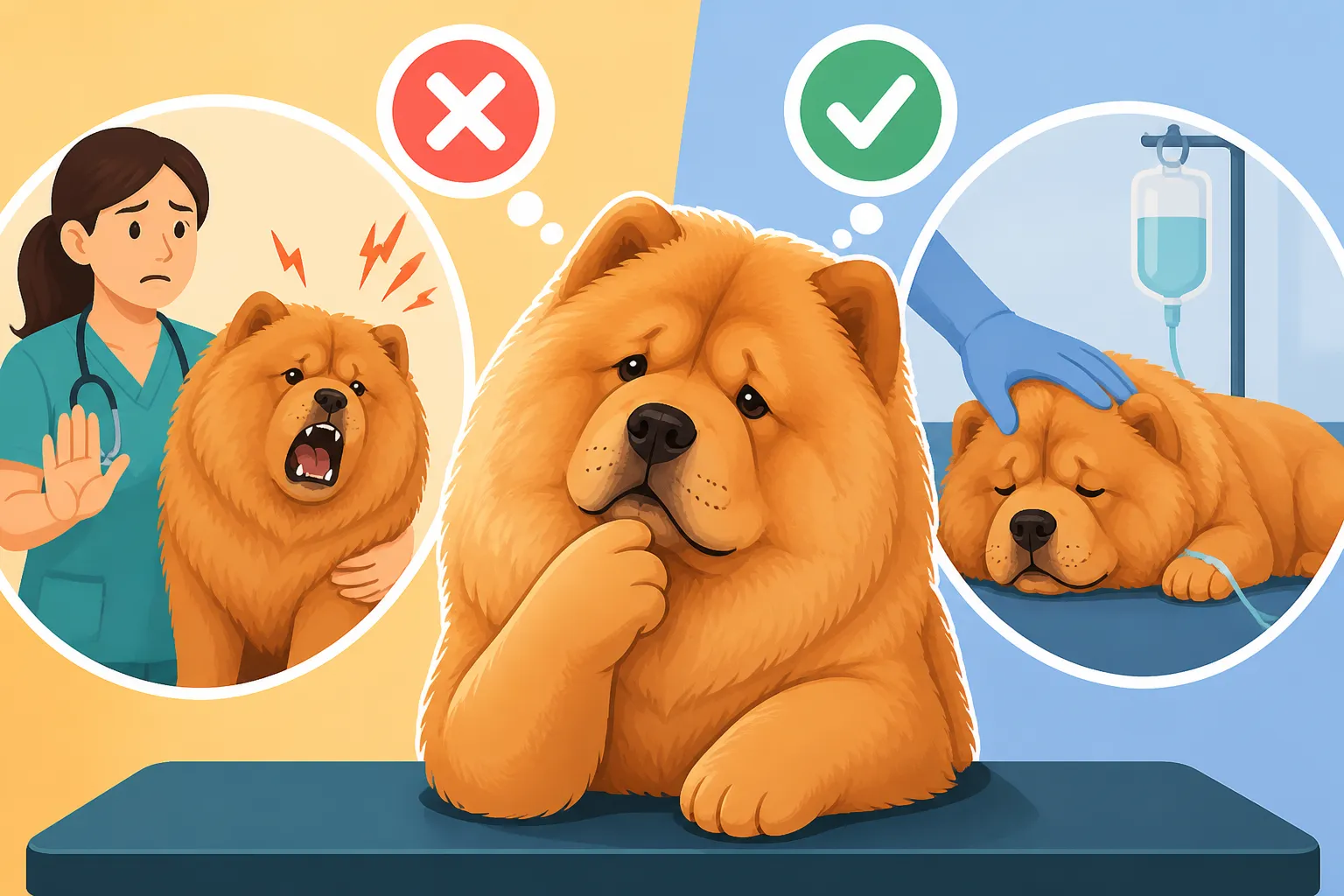
Bringing your majestic Chow Chow to the vet can sometimes feel like navigating a diplomatic summit. Their inherently reserved nature and deep-seated loyalty often mean that routine examinations, especially those involving uncomfortable prodding or close contact with strangers, can be incredibly stressful, not just for your beloved companion, but for you and the veterinary team as well. This comprehensive guide will explore why sedation might be necessary for your Chow Chow's checkups, when it's appropriate, and what you can do to make veterinary visits as calm and safe as possible for everyone involved.
Why Chow Chows Can Be Challenging at the Vet
It's no secret that Chow Chows aren't typically the effusive, tail-wagging greeters you might see in other breeds. Their unique temperament, combined with certain physical characteristics, can make veterinary examinations particularly tricky. Understanding these factors is the first step toward a smoother vet visit.
Their Inherently Reserved Nature
Chow Chows are known for their aloofness and dignified demeanor. They tend to bond fiercely with one person, often tolerating others rather than actively seeking their affection. This isn't aggression; it's simply part of who they are. When a Chow Chow encounters a stranger, especially in a stressful environment like a vet clinic, their natural inclination is to be wary, guarded, and sometimes even defensive. They don't readily offer trust, and a veterinarian, who needs to examine them thoroughly, often feels like an intrusive stranger. This characteristic means that while other dogs might be distracted by treats or gentle petting, a Chow Chow might remain stoic and resistant, making a full physical exam challenging, if not impossible, without some form of intervention. Trying to force interaction can backfire, leading to increased stress and potential reactivity. This deep-seated trait is why many owners report that The Chow Chow Bonds to One Person and Tolerates the Rest holds true even in medical settings.
Imagine a situation where your Chow Chow needs vaccinations or a blood draw. In a typical clinic setting, this requires the vet tech to hold them firmly, exposing them to unfamiliar scents, sounds, and restraints. For a Chow who values personal space above almost all else, this can be perceived as a direct threat. They might growl, snap, or attempt to pull away, not out of malice, but out of a profound discomfort with being handled by someone they don't know or trust, especially when feeling vulnerable. This isn't about being "naughty"; it's a fundamental aspect of their breed character.
Limited Vision and Startle Reflex
Another critical factor contributing to challenging vet visits is the Chow Chow's unique facial structure. Their deep-set eyes, characteristic scowl, and profuse fur can significantly limit their peripheral vision. This means they often have a much narrower field of view than other breeds, making them prone to startling if approached unexpectedly from the side or behind. Many owners will recognize the truth in How a Chow Chow's Deep Set Eye Limits Its Vision.
In a bustling veterinary clinic, with people moving around, other animals making noise, and objects appearing suddenly in their limited field of vision, a Chow Chow can easily become overwhelmed and react defensively. A sudden touch from a vet tech they didn't see approach can trigger an instinctive snap or lunge. This isn't necessarily aggression; it's a startled reaction to a perceived threat. Therefore, a vet visit requires an extra layer of caution and awareness from the staff, always ensuring they approach from the front and speak to the dog before making physical contact. This can be particularly difficult when the dog is already stressed and resistant, further escalating the need for a calm, controlled environment that sedation can provide. Many owners learn firsthand Why a Chow Chow Snaps at Someone It Did Not See in these precise scenarios.
Hiding Pain and Discomfort
Chow Chows are notoriously stoic animals. They are experts at hiding pain, a trait that likely stems from their ancient origins where showing weakness could mean vulnerability in the wild. While this might seem admirable, it poses a significant challenge for veterinarians trying to assess their health. A dog in pain, even a Chow Chow, might become more reactive to handling because any touch exacerbates their discomfort. However, because they rarely whine or visibly limp until an injury is severe, veterinarians have to rely heavily on a thorough physical examination – palpating joints, checking range of motion, and feeling for lumps and bumps.
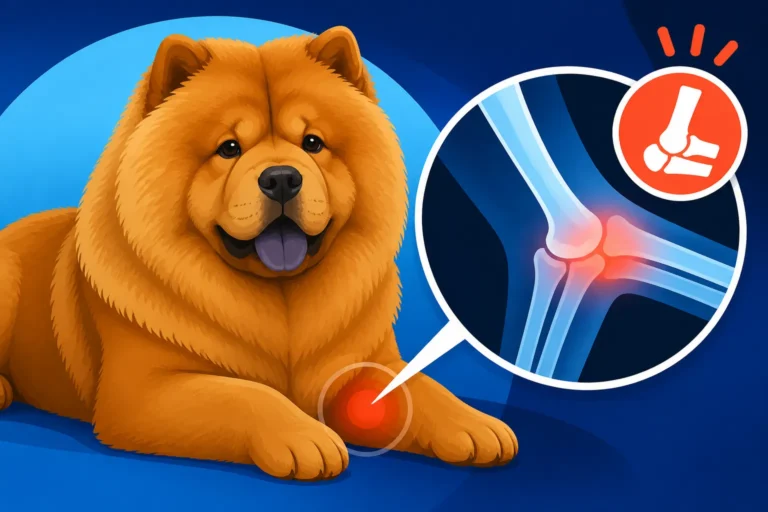
If a Chow Chow is already uncooperative due to its reserved nature or limited vision, examining them properly to detect subtle signs of illness or injury becomes almost impossible. For instance, detecting something like Elbow Dysplasia Ranks the Chow Chow Near the Top requires careful manipulation of the joints, which a resistant Chow might never allow. A comprehensive examination, which includes feeling their abdomen, checking their teeth, and inspecting their ears, simply cannot be done effectively if the dog is constantly pulling away, growling, or attempting to bite. This is the crux of Why a Chow Chow Is Hard to Examine at the Vet, as their natural stoicism combines with their guarded personality. In these cases, sedation isn't just about managing behavior; it's about enabling the vet to provide accurate diagnostics and care, uncovering issues that the Chow Chow would otherwise keep secret.
The Practicalities of a Sedated Vet Visit for a Chow Chow
When an unsedated examination simply isn't feasible or safe, sedation becomes a vital tool in veterinary medicine. It allows for a thorough, stress-free assessment, but it's important to understand the process and considerations involved, especially for a breed like the Chow Chow.
When Sedation Becomes Necessary
Sedation isn't typically the first choice for a routine nail trim, but for many Chow Chows, it's often the only way to ensure a complete and accurate veterinary examination. There are several situations where sedation moves from a "maybe" to a "must-have." If your Chow Chow exhibits significant fear, anxiety, or aggression when handled by strangers or in the veterinary environment, even for simple procedures like vaccinations or ear checks, sedation ensures the safety of both your dog and the veterinary staff. It's especially crucial for procedures that involve discomfort or pain, such as cleaning badly matted ears, examining a painful injury, or performing a thorough dental check. Without sedation, the vet might only get a cursory glance, potentially missing critical health issues that could lead to much bigger problems down the line.
Consider a scenario where your Chow Chow needs an X-ray due to a suspected orthopedic issue, or a biopsy of a suspicious lump. These procedures require the dog to remain perfectly still, sometimes in awkward positions, and are impossible to perform safely and effectively on an uncooperative or distressed animal. Furthermore, if your Chow Chow has a history of reactivity, even attempting an uncooperative exam can traumatize them further, making future vet visits even more challenging. In these instances, a light sedative or even full anesthesia becomes a necessary compassionate choice to facilitate proper medical care. It's about weighing the minor risks of sedation against the significant risks of misdiagnosis or untreated illness. This can make owners wonder What a Chow Chow's Sedated Exam Costs, but the benefits often outweigh the financial aspect.
Pre-Sedation Protocols and Safety Concerns
Before any sedation is administered, a responsible veterinary practice will always follow a strict protocol to ensure your Chow Chow's safety. This usually begins with a thorough pre-sedation physical examination and often includes pre-anesthetic blood work. This blood panel assesses organ function, particularly the kidneys and liver, which are responsible for processing and eliminating sedatives and anesthetics from the body. Identifying any underlying health issues beforehand allows the vet to choose the safest sedative agents and tailor the dosage precisely for your individual dog. For example, if kidney values are off, they might opt for different medications or adjust the hydration protocols.
Chow Chows, like many brachycephalic (short-nosed) breeds, can sometimes have a more sensitive respiratory system, which is a consideration during sedation. However, the notion that they are inherently bad anesthesia candidates is often a misunderstanding. With modern anesthetics, careful monitoring, and experienced veterinary staff, Chow Chows generally tolerate anesthesia well. The key is appropriate preparation and vigilance during the procedure. Vets will often place an IV catheter to provide fluids and ensure quick access for emergency medications if needed. During sedation, your Chow Chow's heart rate, respiration, oxygen saturation, and temperature will be continuously monitored, often by a dedicated veterinary technician. This meticulous approach minimizes risks and ensures that Whether a Chow Chow Tolerates Anesthesia is a much safer prospect than it once was.
The Sedation Process and Recovery
The actual sedation process for a Chow Chow typically involves an injectable sedative administered by the veterinarian or vet tech. This might be given as an intramuscular injection, or sometimes intravenously through a previously placed catheter. The onset of action can vary depending on the specific drugs used, but generally, within 10 to 20 minutes, your Chow Chow will become visibly relaxed and drowsy, often able to lie down calmly for the examination or procedure. The goal is usually a "conscious sedation," meaning they are not fully unconscious but are relaxed enough to be safely handled without stress or reactivity. They might still be aware of their surroundings but too calm to object.
Once the procedure is complete, the effects of the sedative will gradually wear off. In some cases, a reversal agent might be administered to help them wake up more quickly. During recovery, your Chow Chow will be kept in a quiet, warm area, often with blankets, and monitored closely as they fully awaken. They might be a bit wobbly, drowsy, or disoriented for a few hours afterward. It's crucial to follow your vet's post-sedation instructions carefully, which typically include keeping them warm, offering small amounts of water, and limiting food until they are fully alert to prevent choking. Most Chows make a full recovery within a few hours, though some might be groggy for the rest of the day.
| Aspect | Sedated Vet Visit | Unsedated Vet Visit (Challenging Chow Chow) |
|---|---|---|
| Safety for Pet & Staff | High (reduced risk of bites/injuries) | Low (high risk of bites/injuries) |
| Thoroughness of Exam | High (vet can perform complete exam/diagnostics) | Low (often limited to what the dog tolerates) |
| Stress Level for Pet | Low (minimizes fear/anxiety, creates positive association) | High (can be traumatic, leading to future resistance) |
| Time Efficiency | Moderate (includes prep/recovery time) | Can be very long and frustrating, or very short and incomplete |
| Cost | Higher (due to medications, monitoring, staff time) | Lower (for a simple checkup) |
| Risk | Low (with proper pre-screening and monitoring) | High (risk of misdiagnosis, escalated aggression) |
| Suitability for Procedures | Excellent (X-rays, dentals, painful exams) | Poor (for anything beyond superficial observation) |
Alternative Approaches and Building Trust
While sedation is a valuable tool, it's certainly not the only strategy. Proactive measures and a different approach to veterinary care can significantly reduce the need for sedation, especially for routine visits.
The Importance of Early and Consistent Desensitization
The foundation for a calm Chow Chow at the vet starts long before their first actual appointment. Early socialization is absolutely critical for this breed. Puppyhood, specifically the period between 8 and 16 weeks, is a prime window for positive exposure. This means gently handling your puppy all over their body – ears, paws, mouth, tail – making it a pleasant experience with treats and praise. The more accustomed they become to being touched and examined by you, the easier it will be for a vet to do the same. This early conditioning needs to be consistent throughout their life. It's about building a positive association with handling, so it doesn't feel like an invasion when a stranger does it.
Beyond home handling, strategically exposing your puppy to the vet clinic environment in a non-stressful way can be hugely beneficial. This might involve "happy visits" where you just bring your Chow Chow to the clinic for a treat and some praise from the staff, without any actual procedures. This helps them associate the clinic with positive experiences rather than just pokes and prods. Remember, Early Socialization Decides What a Chow Chow Becomes, and this includes their comfort level with veterinary care. The goal is to make vet visits a neutral, if not mildly pleasant, experience, reducing the underlying anxiety that often leads to the need for sedation.
Fear-Free Veterinary Practices
In recent years, a growing number of veterinary clinics have adopted "fear-free" practices, specifically designed to reduce stress and anxiety for pets during vet visits. These clinics are a fantastic option for Chow Chows, as their methods directly address many of the challenges this breed presents. Fear-free clinics focus on creating a calm environment by using calming pheromones, separate waiting areas for dogs and cats, gentle handling techniques, and distraction methods like high-value treats. They often schedule appointments during quieter times, allow pets to explore the exam room before the vet enters, and avoid forceful restraint.
The staff at fear-free clinics are specifically trained to read canine body language, recognizing subtle signs of stress before they escalate into reactivity. They understand that for a Chow Chow, a direct stare or a quick, unexpected movement can be alarming. They prioritize comfort and consent, often working with the dog at their pace, even if it means taking a bit longer. For a Chow Chow owner, finding a veterinarian who practices these methods can be a game-changer, as it might significantly reduce the likelihood of needing sedation for routine care. Many owners find asking Whether a Chow Chow Needs a Fear Free Practice leads to a much better experience for everyone.
Muzzle Training as a Tool, Not a Punishment
For many people, the sight of a dog wearing a muzzle conjures images of aggression or a "bad" dog. However, for a Chow Chow, particularly one that is wary of strangers or prone to startling, muzzle training can be an invaluable tool that actually reduces stress during vet visits and can prevent the need for sedation. A well-fitting, comfortable basket muzzle allows your dog to pant, drink, and take treats, while providing a crucial safety net. If a vet knows your Chow is muzzled, they can often proceed with an examination more confidently and gently, without the fear of a snap. This confidence translates into a calmer atmosphere, which your dog can pick up on.
Introducing a muzzle to your Chow Chow should be done gradually and positively, associating it with treats and praise. Never use it as a punishment. The goal is for your dog to view the muzzle as a normal, non-threatening piece of equipment, much like a collar or harness. By making it a positive experience, you empower your vet team to provide care safely, often without the need for chemical restraint. In fact, for many breeds with strong guarding instincts, Teaching a Chow Chow to Wear a Muzzle is considered a responsible part of ownership. A muzzled Chow is often a safer, and ironically, less stressed Chow during vet visits because the fear of potential reactivity is removed for both the dog and the handlers.
Financial Considerations and Pet Insurance
Vet care, especially when sedation is involved, can add up quickly. Understanding the costs and how pet insurance can mitigate them is a crucial part of responsible Chow Chow ownership.
The Cost of Sedated Exams
Let's be realistic: a sedated vet visit will almost always cost more than a standard, unsedated checkup. The additional expenses stem from several factors. First, there's the cost of the sedative medications themselves, which can vary depending on the specific drugs chosen and your Chow Chow's weight. Second, there's the professional time involved in administering the sedation, monitoring your dog throughout the process, and overseeing their recovery. Many clinics also require pre-sedation blood work to ensure your Chow Chow is a suitable candidate, which adds another layer of cost. Depending on the depth of sedation required and the complexity of the examination or procedure, these costs can range from a couple of hundred dollars for light sedation for a simple nail trim, to several hundred for a more involved exam or minor procedure requiring deeper sedation and extensive monitoring.
For owners with Chows who frequently require sedation for even routine tasks, these costs can become a significant annual expense. It's not uncommon for a sedated exam to cost anywhere from $200 to $600 or more, depending on your location and the specific services rendered. This is why discussing the financial implications with your veterinarian beforehand is always a good idea. They can provide an estimate and explain all the components of the bill, helping you budget for these necessary but sometimes pricey appointments.
How Pet Insurance Can Help
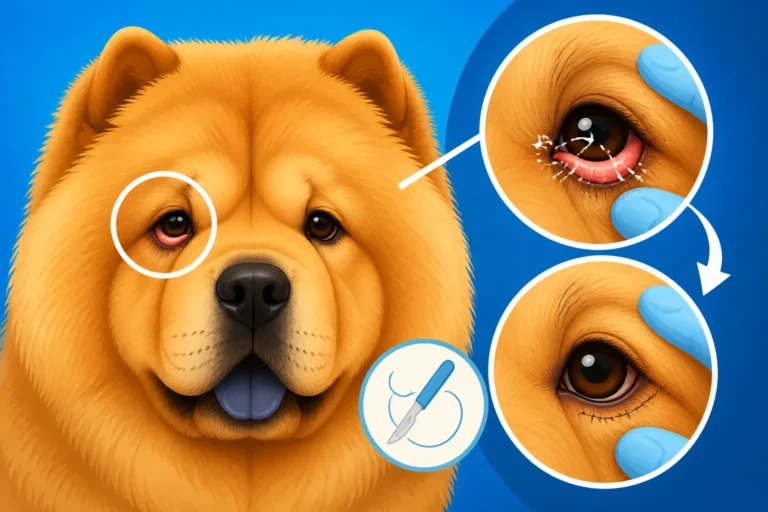
This is where pet insurance really shines, especially for breeds known for potential health issues or behavioral challenges like the Chow Chow. While pet insurance typically doesn't cover routine wellness exams (unless you have a specific wellness plan rider), it often does cover the costs associated with diagnosing and treating unexpected illnesses or injuries, even if those diagnoses require sedation. If your Chow Chow needs sedation because of a sudden injury, an eye problem like entropion, or a suspicious lump that requires a biopsy, your pet insurance policy could cover a significant portion of those sedated procedure costs. This can be a huge relief, turning a potentially overwhelming bill into a manageable one.
Companies like Healthy Paws are well-regarded for their comprehensive coverage, often reimbursing a high percentage of vet bills after your deductible is met. It's important to read the fine print, though, as pre-existing conditions are usually excluded. This means enrolling your Chow Chow in a pet insurance plan before any health or behavioral issues develop that might necessitate sedated vet visits. Having a solid policy in place can provide peace of mind, knowing that you can afford the best possible care, even if it requires a sedated approach. For many, investigating What Pet Insurance Costs on a Chow Chow at Eight is a crucial step in preparing for their dog's senior years, when sedation might become more common.
Planning for Routine Sedation
If you know your Chow Chow will likely need sedation for regular exams or grooming, proactive planning is essential. First, communicate openly with your veterinarian about your Chow Chow's temperament and history. They can help you determine the most appropriate and safest sedation protocol. Secondly, incorporate the cost of sedation into your annual pet care budget. Think of it as a predictable expense, similar to food or vaccinations. Some owners even set aside a dedicated "vet fund" specifically for these types of anticipated costs.
Lastly, explore if your vet offers any package deals or discounts for frequent sedated procedures, or if there are options for managing costs. For instance, sometimes certain medications can be given at home prior to the appointment to help reduce stress, making a lower dose of sedative necessary at the clinic. This open dialogue and financial preparedness ensure that your Chow Chow receives the best care without undue financial strain on your part. Even common breed-specific issues like Whether Insurance Covers a Chow Chow's Entropion can be financially challenging if not planned for with insurance.
Disclaimer
This article is intended for informational purposes only and does not constitute veterinary advice. Always consult with a qualified veterinarian for any health concerns or before making any decisions about your Chow Chow's medical care, including sedation protocols. Individual needs and circumstances may vary.