Whether an Aging Chow Chow’s Eyes Cloud
It's heartbreaking to watch our beloved Chow Chows age, and often, one of the first things many owners notice is a subtle, or sometimes not-so-subtle, cloudiness developing in their furry friend's eyes. This change can be incredibly worrying, making us wonder if our loyal companion is losing their sight or if something more serious is at play. This guide will walk you through the common causes of eye cloudiness in aging Chow Chows, help you understand what's normal and what requires urgent veterinary attention, and offer practical advice on how to support your senior Chow's vision as they gracefully move into their golden years.
The Natural Haze: Understanding Lenticular Sclerosis in Aging Chow Chows
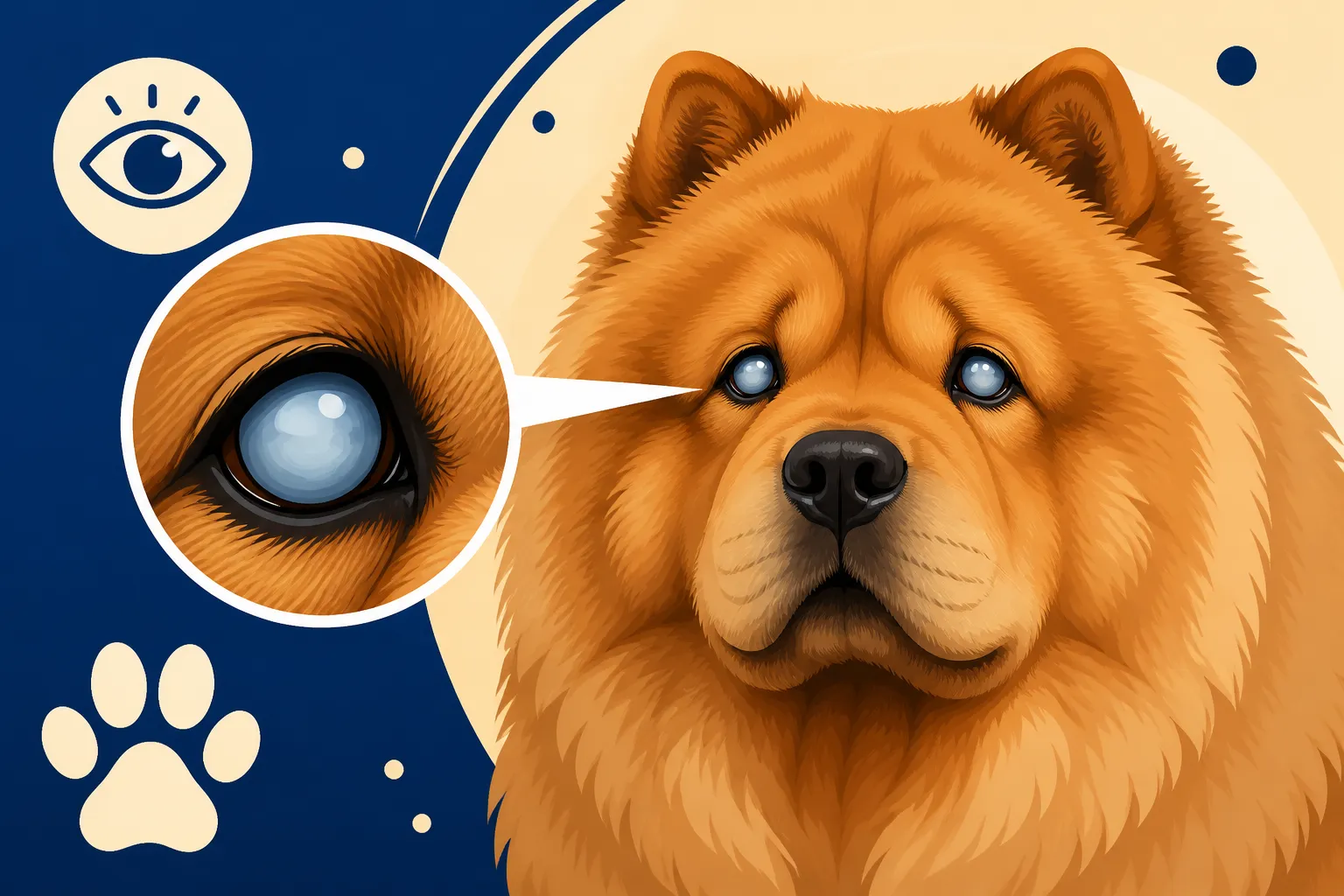
As our Chow Chows enter their senior years, which typically begins around the age of seven or eight, their bodies undergo a lot of changes, just like ours do. One of the most common and often misunderstood changes is a bluish-gray haze that develops in the lens of their eyes. This phenomenon, known as lenticular sclerosis, nuclear sclerosis, or senile sclerosis, is a completely normal part of the aging process and, thankfully, it's generally not painful or severely vision-impairing for your dog. It's a natural source of anxiety for many of us, but understanding what it truly is can bring a lot of peace of mind.
What is Lenticular Sclerosis, Really?
Imagine the lens of your Chow Chow's eye like a tiny, perfectly clear onion. Throughout their life, new lens fibers are continually produced and added to the outer layers. The older, inner fibers don't just disappear; they get compressed and packed more tightly together. This increased density of the lens fibers changes how light passes through the lens, causing it to appear cloudy or hazy. It's not a "cloud" forming on the surface, but rather a thickening and hardening within the lens itself. Think of it like a perfectly clear glass that slowly becomes frosted over time due to internal changes rather than external dirt.
This process is universal in older dogs, and Chow Chows are no exception. It’s a physiological change, not a disease. While it does scatter light and can slightly reduce the sharpness of vision, most dogs adapt remarkably well. They might be a little less precise catching a treat thrown from afar, or navigate unfamiliar spaces a tiny bit more cautiously, but they generally retain excellent functional vision for everyday life. They can still see you, recognize their toys, and find their food bowl without a problem.
How Lenticular Sclerosis Differs from Cataracts
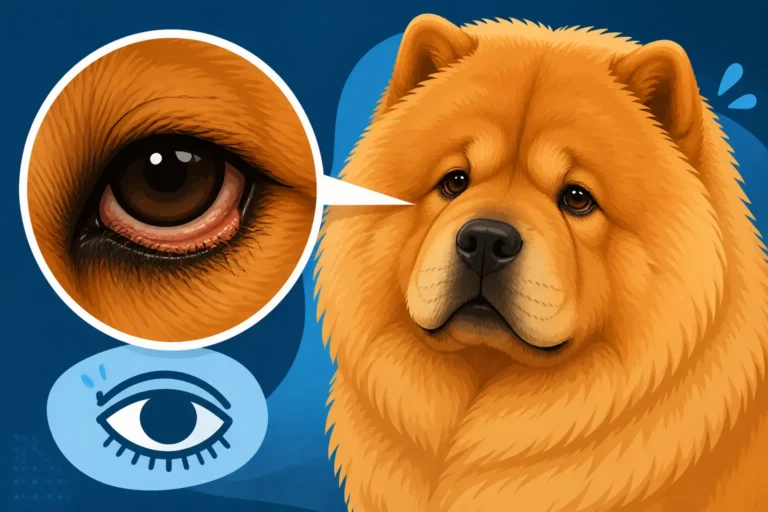
This is where a lot of confusion, and understandable panic, often sets in for Chow Chow owners. Many people see the cloudy eyes and immediately think "cataracts!" While both conditions affect the eye's lens and cause cloudiness, they are distinctly different, and one is far more serious than the other. Lenticular sclerosis is a diffuse, bluish-gray haze that typically appears in both eyes simultaneously and evenly. If you shine a light into your Chow's eye, the entire lens will glow with this bluish sheen.
Cataracts, on the other hand, involve a true opacity or clouding of the lens where light cannot pass through. They can be white, milky, or appear as dense, localized spots. A mature cataract blocks light entirely, making the pupil appear solid white or opaque, which can lead to blindness. Unlike lenticular sclerosis, cataracts can occur at any age and can be caused by genetics, diabetes, trauma, or other underlying health issues. If you're wondering, "Cataracts in a Chow Chow" is a specific condition you might need to research further if your vet suggests it. For now, know that while lenticular sclerosis might look dramatic, it's rarely a cause for alarm in terms of severe vision loss.
The Appearance and Progression of This Normal Change
Lenticular sclerosis usually begins to become noticeable when a Chow Chow is around six to nine years old. You might first notice it as a subtle haziness in the center of the pupil, almost like a faint smoke ring. Over time, it will become more pronounced and encompass the entire lens, giving the eye that characteristic bluish-gray tint. It progresses slowly and symmetrically in both eyes. This gradual progression is another key differentiator from cataracts, which can sometimes appear suddenly or asymmetrically.
The density of the cloudiness can vary from dog to dog, and even though it looks quite opaque to us looking into their eyes, the light can still mostly pass through it to the retina. Your Chow Chow will likely show very few, if any, signs of visual impairment from lenticular sclerosis alone. They'll still navigate their familiar home environment with ease, chase squirrels in the yard (maybe not quite as gracefully, but that's often more about stiff joints than poor eyesight!), and locate their favorite sleeping spots. The important thing is to have your veterinarian confirm that the cloudiness is indeed lenticular sclerosis and not something more problematic.
When Cloudiness Signals Something More Serious
While lenticular sclerosis is generally benign, it's crucial not to dismiss any change in your aging Chow Chow's eyes without a proper veterinary check-up. There are several serious eye conditions that can cause cloudiness, pain, and even rapid blindness, and some of these conditions are unfortunately more common in Chow Chows due to their breed characteristics. Knowing the signs to watch for can make all the difference in preserving your dog's vision and comfort.
Glaucoma: A Painful and Rapid Threat
Glaucoma is one of the most devastating eye conditions for Chow Chows, and it's something every owner of an aging dog should be acutely aware of. It's characterized by a rapid increase in pressure within the eye, which can cause excruciating pain and lead to irreversible blindness in a matter of days if not hours. The cloudiness associated with glaucoma is often different from lenticular sclerosis; it might appear as a generalized haziness of the cornea (the clear outer layer of the eye) rather than deep within the lens, or it could be accompanied by a bulging appearance of the eyeball. The signs a Chow Chow has glaucoma are often very dramatic.
Other tell-tale signs of glaucoma include redness of the whites of the eye (sclera), a dilated pupil that doesn't react to light, squinting, tearing, and your dog holding the affected eye shut or rubbing at it. They might become withdrawn, refuse to eat, or show signs of head pain. Because Chow Chows have naturally deep-set eyes, it can be harder to spot the subtle changes of glaucoma early on. This is why regular eye checks are so important. If you suspect glaucoma, consider it an immediate emergency and get to a vet or veterinary ophthalmologist right away. Timely intervention is critical for potentially saving their vision. For more detail, you might want to read about What Glaucoma Does to a Chow Chow's Eye.
Distinguishing Cataracts from Lenticular Sclerosis
We touched on this earlier, but it bears repeating, especially when discussing serious conditions. While lenticular sclerosis gives a diffuse, bluish-gray haze that still allows you to see the back of the eye with an ophthalmoscope, a cataract is a true opacity that blocks vision. With a mature cataract, the eye might appear white or opaque, and light cannot pass through it to the retina. Imagine looking through a frosted window versus a painted-over window; one allows some light and general shapes, the other blocks everything.
Cataracts can sometimes develop alongside lenticular sclerosis, making it even trickier for an untrained eye to differentiate. A vet will use specialized equipment to examine the lens and determine the exact nature and location of the cloudiness. If your Chow Chow suddenly seems to bump into furniture, especially in dim light, or shows signs of significant vision loss, it's more likely a cataract or another serious issue than just lenticular sclerosis. Early detection of cataracts, particularly if they are rapidly progressing, can allow for treatment options, sometimes including surgical removal, although this is a complex decision for an aging dog.
Other Eye Conditions to Watch For
Besides glaucoma and cataracts, several other conditions can cause eye cloudiness or discomfort in your aging Chow Chow that should not be ignored.
- Corneal Dystrophy/Degeneration: This refers to a non-inflammatory clouding of the cornea. Dystrophy is usually inherited and bilateral, appearing as gray-white opacities in the cornea. Degeneration is often secondary to another disease or injury and can involve fat or mineral deposits. It can sometimes cause discomfort or ulcers.
- Dry Eye (Keratoconjunctivitis Sicca – KCS): While not directly causing lens cloudiness, severe dry eye can lead to chronic inflammation, corneal ulcers, and scarring that appears as a cloudy, bluish-white film over the cornea. Your Chow's eyes might look dull, red, and have thick, yellowish discharge. Untreated, it can be very painful and lead to vision loss.
- Uveitis: This is an inflammation of the internal structures of the eye. It can cause the eye to appear cloudy, particularly the aqueous humor (the fluid in the front of the eye), giving it a smoky or hazy appearance. Other signs include redness, squinting, pain, and a constricted pupil. Uveitis can be caused by infections, autoimmune diseases, or even cancer, and requires prompt treatment to prevent secondary glaucoma or permanent damage.
- Entropion: While more commonly seen in puppies, an aging Chow Chow's facial structure can sometimes change, or chronic irritation from existing Entropion Is the Chow Chow's Signature Problem can lead to corneal scarring and cloudiness. This is where the eyelid rolls inward, causing eyelashes and fur to rub against the cornea. Look for chronic tearing, redness, and squinting.
It's clear that while some cloudiness is normal, the potential for serious issues means that regular, professional veterinary evaluation of your aging Chow Chow's eyes is non-negotiable.
Supporting Your Senior Chow Chow's Eye Health
As our Chow Chows age, their overall health needs a bit more attention, and their eyes are certainly part of that. Beyond just understanding what's happening, there are practical steps you can take to support their vision, manage any issues that arise, and ensure their comfort and quality of life. This means working closely with your vet and making some thoughtful adjustments at home.
Regular Veterinary Check-ups and Monitoring
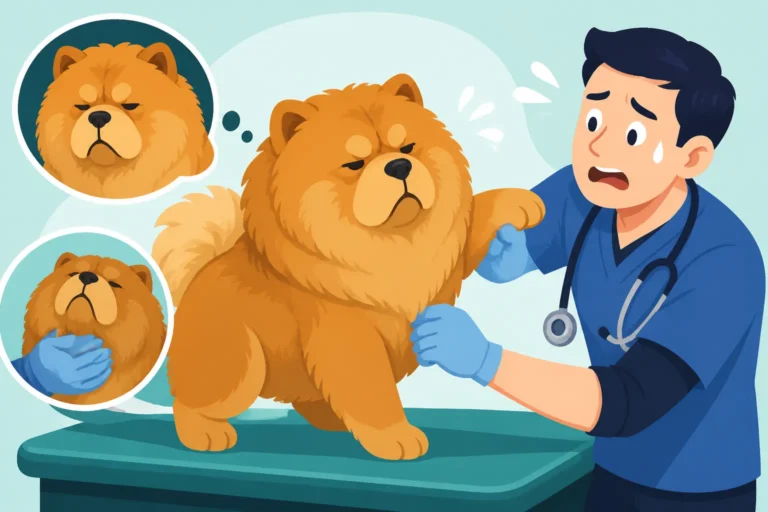
The most critical step in managing an aging Chow Chow's eye health is consistent veterinary care. Your general veterinarian can perform routine eye examinations during annual wellness visits, especially important as The Age a Chow Chow Is Considered Senior approaches. They can use an ophthalmoscope to distinguish between lenticular sclerosis and early cataracts, check for signs of inflammation, and measure tear production to screen for dry eye.
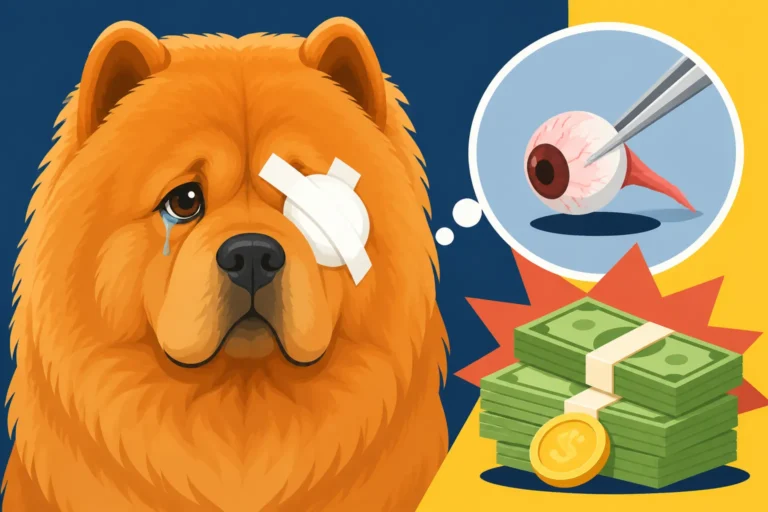
For Chows with specific concerns or those showing more significant changes, a referral to a veterinary ophthalmologist is invaluable. These specialists have advanced diagnostic tools and expertise to accurately diagnose complex eye conditions. They can perform tonometry (to measure eye pressure and screen for glaucoma, which is critical given How Fast Glaucoma Blinds a Chow Chow), perform advanced imaging, and discuss surgical options if needed. Don't hesitate to ask your vet for a referral if you're worried; an expert opinion can provide immense relief and the best path forward. For owners considering pet insurance, a plan from a provider like Healthy Paws can be incredibly beneficial for covering unexpected specialist visits and treatments for these types of conditions.
Adjusting Their Environment for Better Vision
Even if your senior Chow Chow only has mild lenticular sclerosis, or if they are experiencing some degree of vision loss from another condition, you can make simple adjustments to their home environment to improve their safety and confidence.
- Maintain Consistency: Avoid rearranging furniture, especially major pieces. Dogs with impaired vision rely heavily on memory and scent cues to navigate their familiar surroundings.
- Clear Pathways: Keep floors clear of clutter. Toys, shoes, or unexpected obstacles can become tripping hazards for a dog who can't see them clearly.
- Good Lighting: Ensure your home is well-lit, especially in areas where your Chow Chow spends a lot of time. Nightlights can be helpful for navigating at night.
- Sensory Cues: Use different textures or scents to mark important areas, like the edge of a step or the location of their food bowl. A small, textured mat before stairs can act as a warning.
- Verbal Cues: Continue to talk to your Chow Chow as you move around the house. Announce your presence when approaching them, especially from behind, to avoid startling them since their peripheral vision might be reduced due to How a Chow Chow's Deep Set Eye Limits Its Vision.
- Secure Outdoor Spaces: If your Chow Chow spends time in a fenced yard, ensure there are no new hazards or gaps. Supervise them closely, as their depth perception might be affected, making steps or uneven ground more challenging.
Creating a predictable and safe environment will significantly reduce stress and improve your aging Chow Chow's quality of life, even with diminished eyesight.
Nutritional Support and Preventative Care
While no supplement can reverse lenticular sclerosis or fully prevent all serious eye conditions, good nutrition and overall preventative care play a vital role in supporting your aging Chow Chow's eye health. A high-quality diet rich in antioxidants, vitamins, and omega-3 fatty acids can support overall cellular health, including the cells of the eyes. Ingredients like blueberries, spinach, sweet potatoes, and fish oil are often beneficial. Always discuss any dietary changes or supplements with your veterinarian.
Beyond diet, ensuring your Chow Chow gets appropriate, gentle exercise helps maintain good circulation, which benefits eye health. Protecting their eyes from excessive sun exposure, especially if they have lighter colored eyes or any sensitivity, can also be helpful; special doggy sunglasses or visors are available for very sensitive dogs, though many Chows might not tolerate them. Regular cleaning of any discharge around the eyes, especially if they are tearing more due to age or mild irritation, can also prevent secondary infections. This is where a robust pet insurance plan, such as one from Healthy Paws, can really make a difference, covering the costs of specialized diets or long-term medications for chronic conditions discovered during these preventative check-ups. Maintaining a healthy weight, as detailed in Keeping a Chow Chow at the Weight Its Elbows Can Carry, also contributes to overall health, which indirectly supports eye function.
It's also worth remembering that The Eight to Twelve Years a Chow Chow Gets means that eye issues are an expected part of the journey. While some changes are normal, proactive care and vigilance are your best tools to ensure your senior Chow Chow enjoys their golden years with as much comfort and sight as possible. Remember to regularly check their eyes at home for any new redness, discharge, or signs of pain, and bring any concerns to your vet promptly. The more attentive you are, the better you can manage these changes.
A Quick Glance: Eye Cloudiness in Aging Chow Chows
To help quickly distinguish between common and serious eye changes, here's a brief comparison:
| Feature | Lenticular Sclerosis (Normal Aging) | Cataracts (Disease) | Glaucoma (Emergency) |
|---|---|---|---|
| Appearance | Diffuse, bluish-gray haze within lens | Dense, white/milky opacity in lens | Hazy/bluish cornea, often eye appears bulging |
| Onset | Gradual, typically after age 6-7 | Can be gradual or sudden, any age | Often sudden, rapid progression |
| Vision Impact | Minimal, functional vision usually maintained | Significant to total vision loss | Rapid, irreversible blindness if untreated |
| Pain/Discomfort | None | None (unless secondary issues like uveitis) | Severe pain, often squinting, redness, rubbing |
| Pupil Response | Normal | May be slow/absent if mature | Often dilated and unresponsive to light |
| Progression | Very slow, affects both eyes symmetrically | Can be rapid or slow, one or both eyes | Extremely rapid, can blind within hours/days |
| Veterinary Action | Monitor, differentiate from cataracts | Vet diagnosis, potential surgery (phacoemulsification) | Emergency! Immediate vet intervention needed |
This table serves as a general guide. Always consult your veterinarian for an accurate diagnosis. Early detection of serious conditions can make a significant difference. Considering What an Aging Chow Chow's Bills Look Like as they accumulate, having a pet insurance plan from a company like Healthy Paws can certainly help mitigate costs related to diagnostics and treatment for these serious conditions.
Disclaimer
This article is for general informational purposes only and does not constitute professional advice. Laws, prices and regulations vary by location and change over time. Consult a qualified professional for guidance on your specific situation.