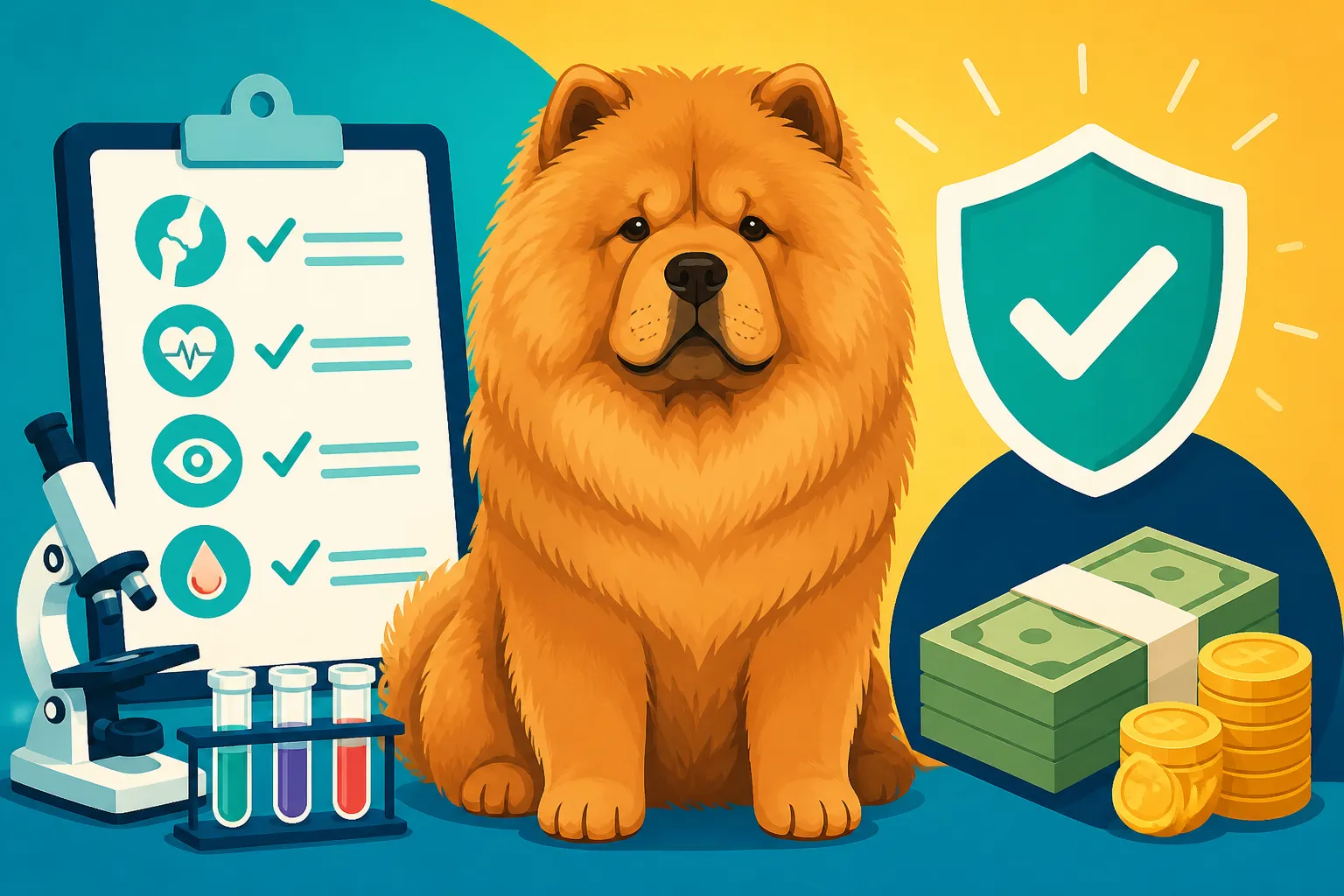
What a Chow Chow’s Health Testing Should Have Cost the Breeder
It's incredibly frustrating, isn't it? You're looking for a Chow Chow puppy, you see a range of prices, and then you hear whispers about "health testing," but what does that even mean? How can you, as a potential owner, know if a breeder has truly done their due diligence, or if they've cut corners that could lead to heartache and massive vet bills down the road? This guide is here to pull back the curtain, explaining precisely what a responsible Chow Chow breeder should have invested in health testing, and why that investment is non-negotiable for the breed's well-being.
Understanding the "Why" Behind Chow Chow Health Testing
Bringing a Chow Chow into your life is a commitment, and a responsible breeder understands this long before any puppies are conceived. They know that certain health conditions are more prevalent in the breed, and actively work to reduce their incidence through careful breeding practices. This isn't about guaranteeing a perfectly healthy dog – no one can do that – but it's about stacking the odds in favor of wellness, ensuring that the puppies they produce have the best possible start without inheritable burdens.
The Chow Chow's Predisposition to Specific Health Issues
Chow Chows, like many purebred dogs, have genetic predispositions to particular health conditions. Their unique physical characteristics, while part of their charm, also make them prone to certain ailments. For instance, their distinctive deep-set eyes and facial structure can unfortunately contribute to eye problems. Their sturdy build can also be misleading, as joint issues are a known concern. A breeder who truly loves the breed isn't ignoring these facts; they're actively working to mitigate them.
Understanding these predispositions is the first step in responsible breeding. It means acknowledging that problems like entropion, hip and elbow dysplasia, and certain thyroid conditions aren't just random occurrences, but often have a genetic component. A responsible breeder sees these challenges not as roadblocks, but as clear directives for their health testing protocol. They're investing in a healthier future for the breed, one puppy at a time.
Why Health Testing Isn't Just "Vet Check-ups"
When a breeder talks about health testing, they're referring to far more than a routine vet visit or a basic puppy check-up. A "vet check-up" confirms a dog is currently healthy at that moment. Health testing, however, is a diagnostic process designed to screen breeding dogs for genetic or inheritable conditions before they're bred. This often involves specialized examinations, imaging, and DNA tests conducted by board-certified veterinary specialists.
For example, a regular vet can visually check eyes, but they aren't equipped to perform the comprehensive ocular exams that a veterinary ophthalmologist does to clear a dog for breeding. Similarly, assessing joint health goes far beyond a quick palpation; it requires specific X-rays and official evaluations from organizations like the Orthopedic Foundation for Animals (OFA). This distinction is critical for prospective owners to grasp, as it highlights the depth of commitment – and cost – involved in truly responsible breeding.
Orthopedic Health: Hips and Elbows
One of the most significant health concerns for many larger breeds, including the Chow Chow, involves their joints. Hip and elbow dysplasia are debilitating conditions that can lead to chronic pain, arthritis, and severely impact a dog's quality of life. A responsible breeder prioritizes orthopedic evaluations to ensure they are not passing these painful conditions down to future generations. This is a considerable investment in both time and financial resources, but it's absolutely essential.
The Cost of OFA Hip Dysplasia Screening
Hip dysplasia is a malformation of the hip joint, where the ball and socket don't fit together properly. The standard for screening breeding dogs is through radiographs (X-rays) evaluated by the Orthopedic Foundation for Animals (OFA). The process involves specific positioning of the dog under sedation or anesthesia to get accurate images, which are then submitted to a panel of expert radiologists at OFA. They review the images and assign a rating (Excellent, Good, Fair, Borderline, Mild, Moderate, or Severe).
The cost associated with OFA hip screening covers several components: the veterinary visit itself, the sedation or anesthesia, the X-ray films, and the fee charged by OFA for their expert evaluation. These costs can add up, especially if a breeder is doing multiple dogs or re-evaluating dogs over time. However, this investment provides invaluable information, helping a breeder make informed decisions to avoid breeding affected dogs and reduce the prevalence of Hip Dysplasia in a Chow Chow within their lines.
Delving into OFA Elbow Dysplasia Screening Costs
Just like hip dysplasia, elbow dysplasia is a complex condition involving abnormal development of the elbow joint. It's common in many large breeds and can cause lameness and arthritis. The OFA also provides a certification program for elbows, again relying on specific radiographic views that are submitted for expert evaluation. The rankings are Normal, Grade I, Grade II, or Grade III, with any grade of dysplasia being a disqualifier for breeding in a responsible program.
The protocol for elbow X-rays often mirrors that for hips, requiring sedation for proper positioning. Therefore, the associated costs are quite similar to hip screenings, encompassing vet fees, sedation/anesthesia, imaging, and the OFA submission fee. When you see a breeder provide OFA certifications for both hips and elbows, it signifies a substantial financial and ethical commitment to the long-term health of their dogs. It's a clear indicator that they're working to ensure the puppies they produce have the best chance at a pain-free life. A breeder should be transparent about Where the Chow Chow Ranks in OFA Elbow Scores and how they use this information.
Ocular Health: Eyesight is Key for Chows
The Chow Chow's distinctive deep-set eyes, while contributing to their unique "scowling" expression, also make them particularly susceptible to certain eye conditions. Without proper screening, breeding dogs can pass on painful and vision-impairing issues to their offspring. Eye health testing is thus another cornerstone of responsible Chow Chow breeding, ensuring that puppies are born with the best possible genetic predispositions for good vision.
CERF/OFA Eye Examinations and Costs
One of the most common and important eye tests for Chow Chows is the examination by a board-certified veterinary ophthalmologist. Historically, this was often referred to as CERF (Canine Eye Registration Foundation) examination, though now it's often done through the OFA Eye Certification Registry (ECR). During this exam, the ophthalmologist performs a thorough inspection of the dog's entire eye structure, checking for conditions such as entropion, ectropion, cataracts, glaucoma, and distichiasis.
This specialized examination needs to be performed regularly, ideally annually, on breeding dogs. The cost involves the specialist's consultation fee, any necessary dilation drops, and the registration fee to submit the results to OFA's database. This continuous screening is vital because some conditions can develop later in life. Entropion is a common issue for the breed, and responsible breeders are careful to screen for it, knowing that Entropion Is the Chow Chow's Signature Problem and can cause immense discomfort.
Understanding Glaucoma Screenings for Chow Chows
Glaucoma is a serious and painful eye condition characterized by increased pressure within the eye, which can lead to rapid and irreversible blindness. For Chow Chows, a particular concern is primary angle-closure glaucoma, due to their unique eye anatomy. This type of glaucoma can strike suddenly and aggressively, sometimes blinding a dog in mere days. Because of this high risk, breeders should take proactive steps to screen for predispositions.
While standard ophthalmic exams can sometimes detect early signs, specialized equipment like a tonometer is used to measure intraocular pressure, which can indicate glaucoma. Some breeders might also opt for genetic testing if available for specific forms of glaucoma known in the breed. The cost for these screenings is part of the overall ocular health panel, and it's an investment aimed at preventing a devastating and painful disease that can occur with little warning, as Glaucoma Can Blind a Chow Chow in Days. Any breeder truly committed to their lines will understand the importance of these checks.
Thyroid Health: An Often Overlooked but Critical Test
Beyond structural and ocular issues, a Chow Chow breeder must also consider systemic health, and thyroid function is a key area. Autoimmune thyroiditis, a condition where the dog's immune system attacks its own thyroid gland, is unfortunately seen in Chow Chows. This can lead to hypothyroidism, impacting a dog's metabolism, energy levels, coat quality, and overall health. Screening for this condition in breeding stock is a responsible practice to maintain the health of the breed.
Comprehensive Thyroid Panel Expenses
Screening for autoimmune thyroiditis involves a specific blood test called a thyroid panel. This isn't just a basic T4 level; a comprehensive panel typically measures total T4, free T4 (by equilibrium dialysis), T3, and, most importantly, autoantibodies against thyroglobulin (TgAA). The presence of TgAA antibodies indicates that the dog has autoimmune thyroiditis, even if their thyroid hormone levels are currently normal. Dogs with high TgAA levels are considered affected and should not be bred, regardless of their current T4 levels.
The costs associated with a comprehensive thyroid panel include the veterinary consultation for blood draw, the lab fees for running the specialized tests, and potentially a submission fee to a registry like OFA, which also certifies thyroid results. These tests often need to be repeated periodically, typically every year or two for breeding stock, as the condition can develop later in a dog's life. This ongoing testing is a significant financial commitment, but crucial for understanding What Autoimmune Thyroiditis Does to a Chow Chow.
Why Regular Thyroid Testing Matters for Breeding Stock
Autoimmune thyroiditis can be an insidious disease, sometimes not presenting with outward clinical signs until a dog is older or has already produced several litters. By regularly testing breeding dogs with a full thyroid panel, breeders can identify affected individuals before they pass on the genetic predisposition. This proactive approach helps to improve the long-term health of the breed, reducing the incidence of hypothyroidism in future generations.
A dedicated breeder will not only test their breeding dogs but also educate prospective puppy buyers about the importance of regular thyroid checks throughout a Chow Chow's life. The value here isn't just in the immediate cost of the test, but in the preventative measure it represents, potentially saving owners from the expense and frustration of managing a dog with autoimmune disease. It’s part of a complete picture of What a Chow Chow Breeder Should Have Tested.
Genetic Testing Beyond the Standard
While hip, elbow, and eye certifications, along with thyroid panels, form the core of responsible Chow Chow health testing, advancements in canine genetics have opened doors to testing for other specific inheritable conditions. These DNA tests offer a powerful tool for breeders to identify carriers or affected individuals, allowing them to make even more informed breeding decisions and reduce the risk of passing on debilitating diseases.
Myotonia Congenita DNA Test Costs
Myotonia Congenita is a rare genetic muscular disorder that has been identified in Chow Chows. Dogs affected by this condition experience muscle stiffness, particularly after rest or when excited, which can make movement difficult and impact their quality of life. Thankfully, a specific DNA test is available to identify carriers and affected dogs. This test is a simple cheek swab or blood sample that is sent to a specialized genetic testing laboratory.
The cost for a Myotonia Congenita DNA test is typically a one-time fee per dog, usually ranging lower than the specialist vet visits required for orthopedic or eye certifications, but it's still an important part of the overall investment. This test allows a breeder to confidently pair dogs, ensuring that they do not produce affected puppies, even if one parent is a carrier. Given the severity of the condition, incorporating this test into a breeding program demonstrates a truly thorough commitment to genetic health. For more on this, you can look into Myotonia Congenita in a Chow Chow.
Exploring Other Relevant Genetic Panels
Beyond Myotonia Congenita, breeders are always keeping an eye on new research and available genetic tests. While not as universally prevalent or severe for the Chow Chow as, say, entropion or hip dysplasia, other conditions may have genetic markers that become identifiable. For example, some breeds have genetic tests for certain kidney diseases. While Whether Renal Dysplasia Has a DNA Test specifically for Chow Chows might be a developing area, a diligent breeder stays informed.
Many reputable laboratories offer broad "breed panels" that screen for a variety of genetic conditions common to a particular breed or general dog population. While not every condition on a panel might be a major concern for Chows, these panels can sometimes uncover unexpected issues or confirm the absence of known mutations. The cost for these broader panels can vary, but they provide a comprehensive look at a dog's genetic health profile, offering an extra layer of confidence in a breeding program.
The Breeder's Time and Expertise: Beyond the Lab Fees
It's easy to look at a list of tests and see only the fees associated with laboratories and specialist vets. However, the true cost of responsible breeding extends far beyond these direct expenses. A significant, often invisible, cost is the breeder's time, expertise, and dedication. These are intangible investments that directly contribute to the quality and health of the puppies, but they don't show up on a lab invoice.
The Value of Vetting and Specialist Consultations
Responsible breeders don't just order tests; they actively engage with veterinary professionals. This means building relationships with general practitioners who understand the breed, and having access to a network of specialists – ophthalmologists, orthopedists, and reproductive veterinarians. These relationships are critical for interpreting results, making informed breeding decisions, and receiving advice on everything from pre-breeding health checks to post-whelping care.
Each consultation, each discussion about a dog's suitability for breeding, each follow-up call, represents an investment of the breeder's time and, often, additional professional fees. This expertise isn't just about reading a report; it's about understanding the nuances, the pedigree, and the overall health trends within their lines. This comprehensive approach is a world away from someone simply "running a few tests" without understanding the deeper implications.
The Ongoing Commitment to Health in a Breeding Program
Responsible breeding is not a one-time event; it's an ongoing commitment. This means not only testing parents before breeding but also monitoring the health of their offspring as they grow. A dedicated breeder keeps in touch with puppy buyers, often requesting updates on their dogs' health throughout their lives. This feedback loop is invaluable, helping the breeder to assess the success of their health testing protocols and adjust future breeding plans if necessary.
This commitment extends to maintaining excellent general health for their breeding dogs – high-quality nutrition (perhaps considering brands like Ollie that focus on tailored, fresh ingredients), regular veterinary care, and an environment that supports physical and mental well-being. These day-to-day care costs might not be labeled "health testing," but they are foundational to producing healthy puppies. It's a holistic approach that ensures every dog in their program is thriving.
Comparing Testing Costs: What to Expect from a Reputable Breeder
When you're looking for a Chow Chow puppy, the differences in price can be perplexing. Why does one breeder charge significantly more than another? Often, the answer lies in the investment they've made in health testing and the overall care of their breeding stock. Understanding these cost differences can help you identify a truly responsible breeder versus one who is cutting corners. You might even want to ask them about What a Full Chow Chow Health Panel Costs to understand their transparency.
| Health Test Category | Specific Tests | Why It's Done | Frequency (for breeding dog) | Approximate Cost Scope (Breeder's end) |
|---|---|---|---|---|
| Orthopedic | OFA Hips (Radiographs & Evaluation) | Screens for Hip Dysplasia | Once (after 24 months) | Significant |
| OFA Elbows (Radiographs & Evaluation) | Screens for Elbow Dysplasia | Once (after 24 months) | Significant | |
| Ocular | OFA Eye Certification (Ophthalmologist Exam) | Screens for Entropion, Glaucoma, Cataracts, etc. | Annually | Moderate |
| Thyroid | OFA Thyroid (Comprehensive Blood Panel) | Screens for Autoimmune Thyroiditis | Annually/Bi-annually | Moderate |
| Genetic (DNA) | Myotonia Congenita (DNA test) | Screens for Muscular Disorder | Once (any age) | Lower |
| Other Breed-Specific DNA Panels (if applicable) | Screens for various genetic conditions | Once (any age) | Variable | |
| Reproductive/General | Brucellosis Test (Blood Test) | Screens for contagious bacterial disease | Prior to each breeding | Lower |
| Pre-breeding Vet Check/Consultation | Ensures overall health & readiness for breeding | Prior to each breeding | Moderate |
Note: The "Approximate Cost Scope" refers to the breeder's direct veterinary and lab fees for that specific test, not the overall cost of raising a litter or the puppy price.
Why a "Bargain" Puppy Often Means Skipped Testing
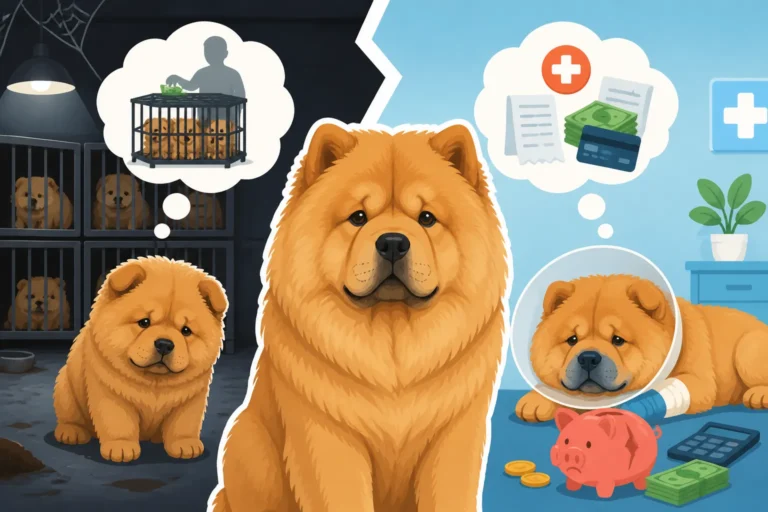
It's tempting to opt for a lower-priced puppy, but often, that "bargain" comes with a hidden and potentially devastating cost: skipped or inadequate health testing. A breeder who sells puppies for significantly less than the going rate for well-bred Chows is likely not investing in the extensive, expensive, and ongoing health screenings necessary for the breed. This means you could be buying a puppy with an increased genetic predisposition to conditions like Elbow Dysplasia Ranks the Chow Chow Near the Top or Entropion Is the Chow Chow's Signature Problem.
While the upfront cost might be lower, the veterinary bills for treating these inheritable conditions can quickly escalate, far exceeding any initial savings. Surgeries for entropion, ongoing management for hip or elbow dysplasia, and lifetime medication for thyroid issues can cost thousands. Furthermore, the emotional toll of watching your beloved companion suffer from preventable conditions is immeasurable. Pet insurance, from providers like Healthy Paws, can help with unexpected veterinary expenses later, but prevention through responsible breeding is always the first line of defense.
Asking the Right Questions About a Breeder's Health Investment
To truly understand what a Chow Chow breeder's health testing should have cost, you need to ask specific questions and expect verifiable proof. Don't be afraid to inquire about:
- OFA Clearances: Ask to see the official OFA certificates for hips, elbows, and thyroid for both parents. These should be publicly verifiable on the OFA website. Ask What Elbow and Eye Certification Costs a Chow Chow Breeder to see their understanding.
- Eye Certifications: Request proof of recent (within the last 12 months) eye examinations by a board-certified veterinary ophthalmologist. This is often also registered with OFA.
- DNA Test Results: Inquire about Myotonia Congenita DNA test results, and any other breed-specific genetic tests.
- Frequency of Testing: Understand that some tests, like eye and thyroid, need to be performed annually or bi-annually on breeding stock.
- Veterinary Relationships: Ask about their relationship with their veterinarians and specialists. A good breeder will be happy to talk about their vet team.
- Health Guarantees: Understand what kind of health guarantee they offer with their puppies, and what conditions it covers.
A reputable breeder will not only have these results readily available but will be proud to share them and explain their health philosophy. Their transparency is a direct reflection of their investment and commitment to the health and longevity of their Chow Chow line. They've likely invested thousands into their breeding program before a single puppy is even conceived, making their asking price a reflection of that ethical dedication, which will give you peace of mind and potentially save you significant expense in the long run.
Disclaimer
This article is for general informational purposes only and does not constitute professional advice. Laws, prices and regulations vary by location and change over time. Consult a qualified professional for guidance on your specific situation.