Twelve Years of a Chow Chow, Priced Out
Bringing a Chow Chow into your life is an incredibly rewarding experience, but let's be realistic: it's also a significant financial commitment. Many prospective owners focus solely on the initial purchase price, completely overlooking the decade or more of recurring expenses that follow. This guide aims to pull back the curtain on the true cost of loving a Chow Chow for its full twelve-year potential, giving you a detailed breakdown of what to expect from puppyhood to their golden years.
The Initial Investment: Bringing Home Your Chow Chow
The moment you decide to welcome a Chow Chow into your family, you're looking at more than just a cute, fluffy face. There are immediate, upfront costs that lay the foundation for your life together. These initial outlays are often the most visible, but they’re just the beginning of the financial journey. Preparing for these first expenses ensures a smoother transition for both you and your new companion.
Puppy Price from a Reputable Breeder
If you're dreaming of a Chow Chow puppy, finding a responsible, ethical breeder is paramount – and it comes with a price tag. The cost of a well-bred Chow Chow puppy reflects the breeder's dedication to health, temperament, and the breed standard. This isn't just about the puppy itself, but about the generations of careful breeding, health testing, and early care that went into producing a healthy, well-adjusted companion. Expect these prices to be substantial, often representing a significant initial investment. They're trying to recoup the costs of proper nutrition for the dam, veterinary care for the litter, microchipping, initial vaccinations, and comprehensive health screenings for both parent dogs. You can learn more about this by reading our guide on What a Chow Chow Puppy Costs From a Breeder.
Beware of "bargain" puppies. While the idea of a lower upfront cost might seem appealing, it almost invariably leads to much higher expenses down the road. These puppies often come from puppy mills or backyard breeders who cut corners on health, nutrition, and socialization. This can result in a dog with serious genetic health issues, chronic behavioral problems, or a poor start in life, all of which will cost you dearly in veterinary bills and training interventions later on. It’s far better to pay a higher price initially for a healthy puppy from a breeder who can provide health clearances and a strong health guarantee.
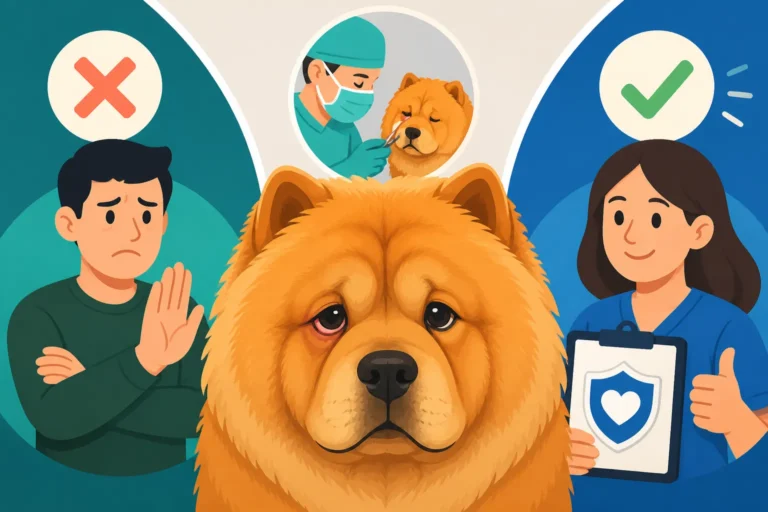
A reputable breeder will typically have invested heavily in their breeding stock, ensuring that both parents have undergone rigorous health testing for common Chow Chow ailments like hip and elbow dysplasia, eye conditions such as entropion and glaucoma, and thyroid issues. This testing alone is a considerable expense, and it’s a crucial step in trying to prevent hereditary diseases in the puppies. When you ask Which Health Tests a Chow Chow Breeder Should Run, a good breeder will have all the documentation ready and be transparent about their practices and costs.
Rescue and Adoption Fees
For many, giving a second chance to a dog in need is a deeply fulfilling path, and rescuing a Chow Chow is a fantastic option. While adoption fees are generally lower than breeder prices, they still represent an important initial cost. These fees help rescue organizations cover the extensive expenses they incur in caring for the dogs, including veterinary check-ups, vaccinations, spaying or neutering, microchipping, and sometimes even addressing existing health issues or behavioral training. The fee ensures that the dog is healthy and ready for a new home.
The benefit of adopting a rescue Chow Chow often extends beyond the financial. Many rescue Chows come with a known history, and the rescue organization can provide insights into their temperament, quirks, and any specific needs they might have. This transparency can be invaluable, especially for a breed like the Chow Chow, which thrives on understanding and clear boundaries. Learning What Adopting a Chow Chow Costs will help you budget for this compassionate choice.
Even with an adoption fee, you're usually getting a significant amount of veterinary care already paid for, which would otherwise be part of your initial puppy costs. Many rescues are passionate about ensuring their Chows find the right home, and their comprehensive screening process can actually help you determine if a Chow Chow is truly the right fit for your lifestyle and budget, setting both of you up for success from day one.
Initial Supplies and Setup Costs
Beyond the cost of the Chow Chow itself, there's a whole shopping list of essentials you'll need to acquire before your new companion walks through the door. Think of it as setting up their personal apartment within your home. This includes a sturdy crate (a must for housetraining and creating a safe den), food and water bowls, a comfortable bed, a collar and leash, identification tags, a variety of durable chew toys, and grooming tools appropriate for their dense double coat.
The quality of these initial supplies matters, especially with a strong, intelligent breed like the Chow Chow. A cheap leash might snap, a flimsy crate might not hold up to their size and strength, and inadequate toys won't stand a chance against their powerful jaws. Investing in good quality, durable items from the start, perhaps from reputable online retailers like Chewy, will save you money in the long run by avoiding frequent replacements. This initial shopping spree can easily add up, so factor it into your upfront budget.
Don't forget the often-overlooked little things, too: enzymatic cleaners for accident clean-up during housetraining, puppy pads, puppy-specific food (if you have a young one), and maybe even a baby gate or two to help manage their access to different areas of your home. These smaller items, though individually inexpensive, contribute to the overall initial setup cost and are crucial for providing a safe and comfortable environment for your new family member.
Feeding Your Lion Dog: Ongoing Nutrition Expenses
Nutrition is the bedrock of your Chow Chow's health, and it will be one of your most consistent ongoing expenses. Choosing the right food is critical, not just for their immediate well-being, but for their long-term health and vitality. This isn't an area where you want to cut corners.
Understanding Chow Chow Dietary Needs
Chow Chows, while robust, have specific nutritional needs that must be met to support their unique physique and prevent common health issues. They are a medium to large breed with a relatively low activity level compared to some other dogs, meaning they don't necessarily need excessively high-calorie diets. Overfeeding can quickly lead to obesity, which puts undue strain on their joints, particularly given the breed's predisposition to conditions like elbow and hip dysplasia. Therefore, careful portion control and choosing a food formulated for medium to large breeds with moderate energy content is often ideal.
When selecting food, look for high-quality protein sources as the primary ingredient, followed by complex carbohydrates and healthy fats. Some Chow Chows can have sensitive stomachs or develop allergies, so you might find yourself exploring limited ingredient diets or foods with novel protein sources. Always consult with your veterinarian about the best dietary choices for your individual Chow Chow, as their needs can change with age, activity level, and any developing health concerns. Investing in good nutrition now can potentially stave off costly vet visits later.
It's also worth noting that, despite their size, some Chows don't eat as much as you might expect. They can be a bit particular about their food, which can be a blessing for your budget but also a challenge if they decide to go on a hunger strike! Monitoring their weight and body condition regularly, despite their dense coat that can hide changes, is crucial. You should be able to feel their ribs without pressing too hard, and they should have a discernible waist.
Monthly Food Costs and Brand Options
The monthly cost of feeding your Chow Chow will vary significantly based on the brand of food you choose, its quality, and where you purchase it. Premium dog foods, which often feature better ingredients and fewer fillers, naturally come at a higher price point than generic brands. However, many owners find that the benefits of improved health, coat condition, and fewer digestive issues outweigh the extra cost. Brands like Ollie, known for their fresh, human-grade food, can be an excellent option for Chows, though they represent a higher monthly expense.
Many owners opt for subscription services or bulk purchases from online retailers like Chewy to manage costs and ensure a consistent supply. These platforms often offer discounts for auto-shipments, which can help mitigate the ongoing expense. When comparing prices, always look at the cost per pound or per serving, as package sizes can be deceiving. Remember, a slightly more expensive food might be more nutrient-dense, meaning your Chow Chow might eat less of it to feel satisfied, sometimes balancing out the cost.
| Food Type | Typical Price Range (per month) | Considerations |
|---|---|---|
| Standard Kibble | Moderate | Widely available, varying quality, look for named protein sources |
| Premium Kibble | Higher | Better ingredients, fewer fillers, often specialized formulas |
| Fresh/Subscription | Significantly Higher | Human-grade ingredients, custom portions, convenience |
| Raw Diet | High to Very High | Requires careful balancing, freezer space, vet consultation |
Please note: These are general descriptive price ranges. Actual costs will vary based on brand, region, specific product, and Chow Chow's size/needs.
Treats, Supplements, and Special Diets
Beyond their regular meals, treats are an undeniable part of most dogs' lives, whether for training, enrichment, or simply showing affection. However, treats add to your monthly food budget and need to be factored in. Opt for healthy, low-calorie options, especially given the Chow Chow's propensity to gain weight. Dental chews can also be a valuable addition, contributing to oral hygiene, though they are an extra cost.
As your Chow Chow ages, or if they develop specific health conditions, your veterinarian might recommend dietary supplements. These could include joint supplements for arthritis (common in larger breeds), omega-3 fatty acids for coat health or inflammation, or probiotics for digestive issues. These supplements, while beneficial, are an additional recurring expense. Likewise, if your Chow Chow develops allergies or other medical conditions, a prescription diet might be necessary, which can be significantly more expensive than over-the-counter foods.
Being prepared for these potential additions to the food budget is important. It's not just about the bag of kibble; it's about the holistic approach to their dietary health. Always discuss any supplements or dietary changes with your vet to ensure they are appropriate and beneficial for your Chow Chow's specific needs.
Grooming the Majestic Coat: Maintenance Costs
The Chow Chow’s magnificent double coat is one of its most striking features, but it’s also a significant commitment in terms of grooming. Whether your Chow has the dense, stand-offish rough coat or the slightly shorter smooth coat, regular and thorough grooming is non-negotiable to prevent matting, skin issues, and excessive shedding. This isn't just about aesthetics; it's vital for their health and comfort.
Professional Grooming vs. Home Grooming
When it comes to maintaining a Chow Chow's coat, you generally have two main paths: rely on professional groomers or commit to doing it all yourself at home. Both options have their financial implications and time commitments. Many owners find a hybrid approach works best, tackling daily brushing themselves but bringing in professionals for the more intensive tasks like bathing, drying, and seasonal coat blows.
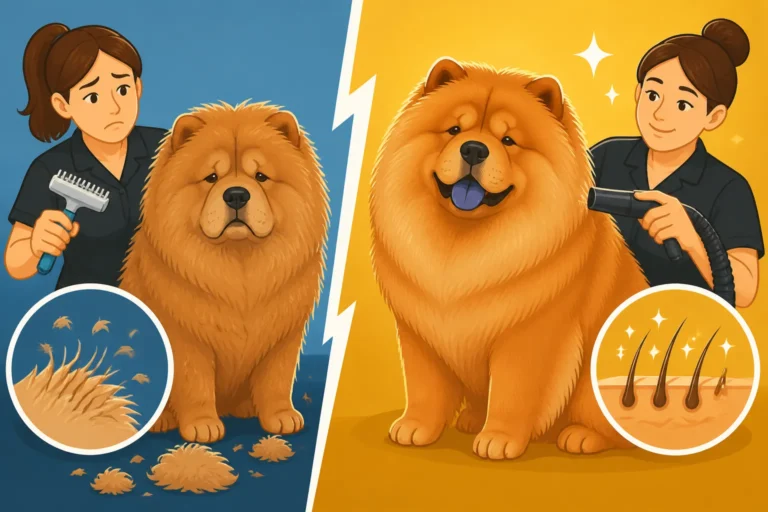
Professional grooming, while seemingly expensive, offers expertise and specialized equipment. A good groomer understands the unique challenges of a Chow Chow's coat – its density, propensity to mat, and the sheer volume of undercoat – and can handle them efficiently. They have high-velocity dryers that can get through the thickest coats to the skin, preventing moisture-related skin issues. They also have the experience to handle a sometimes-aloof Chow Chow, making the experience less stressful for both dog and owner. Understanding What Professional Grooming Costs for a Chow Chow can help you budget for this essential service.
On the other hand, home grooming requires an investment in tools and a significant commitment of time and effort. You'll need to learn proper techniques like line brushing to ensure you're getting down to the skin and removing all loose undercoat. While it saves on professional fees, the cost of quality grooming equipment can be substantial upfront, and the time spent brushing can add up quickly. However, it also offers a wonderful bonding opportunity with your Chow Chow and allows you to catch any skin issues or lumps early.
Frequency and Cost of Professional Grooming
A rough-coated Chow Chow typically benefits from professional grooming every 6-8 weeks, with more frequent visits (monthly) during their seasonal coat blows. Smooth-coated Chows might get away with slightly less frequent appointments, perhaps every 8-10 weeks, but still require regular care. The cost per session can be quite high due to the time and skill involved in handling such a dense coat and the potential for a challenging temperament. Some groomers even add a handling fee for Chows.
During a "coat blow," which happens roughly twice a year, usually in spring and fall, your Chow Chow will shed an incredible amount of undercoat. This period can last several weeks, and professional deshedding treatments are invaluable for getting the bulk of the loose fur out efficiently and preventing massive mats. These specialized services will often be priced higher than a regular maintenance groom. It’s also important to understand How Often a Chow Chow Needs a Groomer to prevent painful matting and skin problems.
Remember that these are just general guidelines, and your individual Chow Chow's coat condition, lifestyle, and your own comfort level with home grooming will dictate the actual frequency and therefore the overall annual cost. Consistent grooming, whether professional or at home, is key to preventing bigger, more expensive problems like extensive mat removal or severe skin infections.
Essential Home Grooming Supplies
If you plan to do a significant portion of your Chow Chow's grooming at home, you'll need to invest in a quality set of tools. This isn't just a brush and comb; you'll need a selection of items to properly maintain their coat. Key items include a sturdy slicker brush, a wide-toothed metal comb (essential for checking for mats down to the skin), an undercoat rake to gently pull out loose undercoat, and nail clippers or a Dremel tool for paw care.
Beyond brushes and combs, a high-velocity force dryer is a game-changer for Chow Chow owners. This isn't a human hairdryer; these powerful machines blow water off the coat, significantly reducing drying time after baths and effectively blowing out loose undercoat during shedding seasons. While a significant upfront investment, it pays for itself over time by reducing professional grooming needs and preventing the discomfort of a damp undercoat. You’ll also need good quality dog shampoo and conditioner, ear cleaner, and possibly tear stain wipes for their deep-set eyes.
Many Chow Chow owners also find a grooming table to be an invaluable piece of equipment. It raises your dog to a comfortable working height, saving your back and making the process easier. It also helps teach your Chow Chow to stand still for grooming, which can be a challenge for some. While the initial cost of all these supplies might seem high, they are essential tools that will last for years and are critical to keeping your Chow Chow healthy and comfortable.
Health and Wellness: Veterinary Care Throughout the Years
One of the most significant and often unpredictable expenses of Chow Chow ownership is veterinary care. From routine check-ups to unexpected emergencies and age-related conditions, a healthy Chow Chow requires a consistent investment in their medical well-being.
Routine Vet Visits and Vaccinations
In the early years, regular puppy wellness visits are critical for vaccinations, deworming, and ensuring healthy growth and development. These initial visits can be frequent and add up quickly. As adults, Chow Chows generally need at least one annual wellness exam, during which your vet will perform a physical check-up, discuss any concerns, and administer booster vaccinations as needed. Many vets also recommend routine blood work, especially as your Chow Chow approaches middle age, to catch any underlying issues early.
These routine visits are not just about shots; they are your opportunity to build a relationship with your veterinarian and discuss your Chow Chow’s overall health, diet, and behavior. Given the Chow Chow's stoic nature, they can often hide discomfort or illness until it's quite advanced, making regular professional assessments even more important. Don't underestimate the value of preventative care in avoiding more serious, and costly, problems down the line.
The costs for these routine appointments, vaccinations, and basic diagnostic tests are recurring and essential. They are the foundation of proactive health management for your Chow Chow, helping to ensure they live a long, comfortable life. Always budget for these predictable expenses as part of your annual pet care plan.
Preventative Care Flea/Tick, Heartworm
Beyond vaccinations, a crucial part of ongoing veterinary care for your Chow Chow involves preventative medications for parasites. This includes monthly or quarterly treatments for fleas, ticks, and heartworm. These parasites pose serious health risks, from skin irritations and anemia to life-threatening diseases like Lyme disease and heartworm disease. Preventing them is not only vital for your Chow Chow's health but also for your peace of mind and, ultimately, your wallet, as treating these conditions can be very expensive and complex.
Your veterinarian will recommend specific products based on your geographic location, your Chow Chow's lifestyle, and any local parasite prevalence. These medications are a recurring monthly or quarterly expense that you must budget for throughout your Chow Chow's entire life. While you might be tempted to skip a dose or opt for cheaper, less effective alternatives, the potential costs of treating an infestation or infection far outweigh the consistent investment in preventatives.
Heartworm prevention, in particular, often requires an annual blood test before medication can be prescribed, adding another small but necessary cost to your yearly vet bill. This ensures that your dog isn't already infected, as giving heartworm medication to an infected dog can cause severe complications. These preventative measures are an absolute cornerstone of responsible Chow Chow ownership and a non-negotiable part of their ongoing health budget.
Managing Common Chow Chow Health Issues
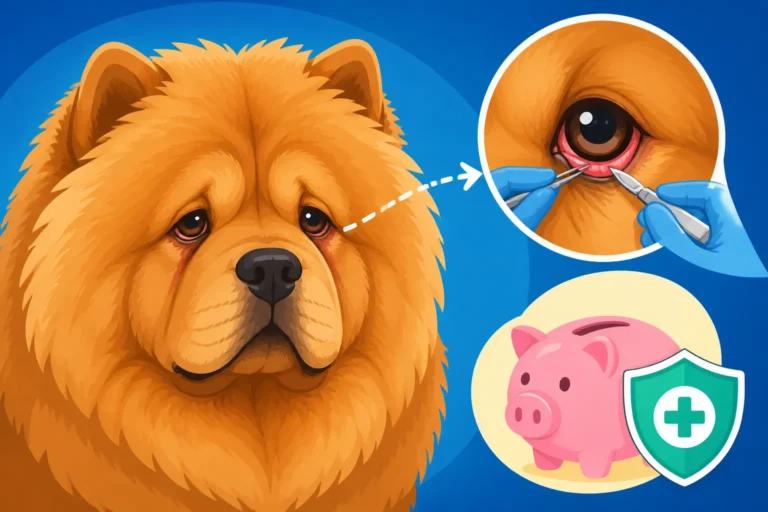
Unfortunately, Chow Chows are prone to certain breed-specific health issues that can lead to significant veterinary expenses. Entropion, where the eyelid rolls inward, causing eyelashes to rub against the eye, is famously common. This condition often requires surgery to correct, and sometimes even a second surgery. Knowing The Entropion Surgery Every Chow Chow Owner Should Budget For is crucial for prospective owners.
Other common concerns include hip and elbow dysplasia, which can lead to chronic pain and arthritis, often requiring ongoing medication, physical therapy, or even surgery. Autoimmune diseases, thyroid issues, and certain cancers are also seen in the breed. Diagnosing these conditions typically involves specialized tests like X-rays, blood panels, and biopsies, which add to the cost. Treatment can range from daily medications for life to complex surgical procedures or long-term therapies. For example, What Entropion Surgery Costs on a Chow Chow is a very real number you'll want to have set aside.
Dealing with these health issues can be emotionally and financially draining. It’s why an emergency fund or pet insurance is so important. The stoic nature of Chows means they may not always show pain or discomfort readily, so being observant and seeking veterinary advice at the first subtle sign of trouble can sometimes prevent a minor issue from becoming a major crisis.
The Role of Pet Insurance
Given the potential for significant health costs, especially with breed-specific issues, pet insurance can be a financial lifeline for Chow Chow owners. It helps mitigate the burden of unexpected veterinary bills, allowing you to make medical decisions based on what’s best for your dog, rather than solely on your ability to pay out-of-pocket. There are various types of policies, from accident-only to comprehensive plans that cover accidents, illnesses, and even some wellness care.
The cost of pet insurance for a Chow Chow will depend on factors like your dog's age, your location, the type of plan you choose, and the deductible and reimbursement levels. Premiums generally increase as your dog ages, reflecting the higher likelihood of health issues in senior years. While it's an ongoing monthly expense, many owners find the peace of mind it provides to be invaluable. Exploring What Insuring a Chow Chow Costs a Month can help you budget appropriately.
It's crucial to research different providers and understand what each policy covers and, more importantly, what it doesn't. Pre-existing conditions are typically not covered, so it's generally best to enroll your Chow Chow when they are young and healthy. Companies like Healthy Paws are well-regarded for their comprehensive plans and quick claim processing, offering a solid option for Chow Chow owners looking to protect against unforeseen medical expenses.
Training and Socialization: Investing in Behavior
A well-behaved Chow Chow isn't born; it's made through consistent training and thorough socialization. This breed is known for its independent nature and discerning personality, which means investing in their behavioral development is just as important as their physical health. It's not always easy, but it's crucial for a harmonious life together.
Puppy Classes and Professional Training
Early socialization and puppy classes are incredibly beneficial for a Chow Chow, helping them learn appropriate social skills with other dogs and people during their critical developmental window. These classes, while an added expense, provide a structured environment for learning basic manners and exposing your puppy to new sights, sounds, and experiences in a positive way. Given the Chow Chow's tendency to be reserved or aloof with strangers and other dogs, this early exposure is vital to preventing potential behavioral issues down the line.
As your Chow Chow grows, you might find that their independent streak requires more specialized intervention. Professional training, whether through private lessons or advanced group classes, can be a wise investment. A certified professional trainer experienced with independent breeds can help you navigate challenges like leash reactivity, resource guarding, or improving recall. These services can range significantly in cost, but they offer tailored guidance that can prevent minor issues from escalating into major problems that could impact your dog’s quality of life and your relationship.
Remember, a Chow Chow learns by agreement and respect, not by force or endless repetition. Finding a trainer who understands and employs positive reinforcement methods will be far more effective and foster a stronger bond with your dog. Investing in training early can prevent costly behavioral consultations or, in severe cases, the difficult decision to rehome if issues become unmanageable.
Everyday Training Supplies
Beyond formal classes, effective training is an ongoing process that requires certain supplies. A good quality, comfortable leash and collar or harness are paramount for daily walks and training sessions. Given the Chow Chow's strength, a durable leash that provides good control without causing discomfort is a must. Many Chow Chow owners find head halters or front-clip harnesses helpful for managing their strength on walks.
High-value treats are also an absolute essential for successful positive reinforcement training with a Chow Chow, who can be quite food-motivated when the reward is right. These can be small pieces of cheese, cooked chicken, or specialized training treats purchased from pet supply stores or online retailers like Chewy. A treat pouch worn on your belt makes them easily accessible during walks or training sessions. Clickers are also inexpensive tools that many trainers advocate for, helping to precisely mark desired behaviors.
Don't forget durable chew toys and puzzle toys. These aren't just for fun; they are crucial for mental enrichment and can help manage boredom or destructive chewing, especially during puppyhood. A bored Chow Chow can quickly become a destructive Chow Chow, and replacing chewed furniture is far more expensive than a few well-chosen toys.
Socialization Opportunities and Their Costs
Ongoing socialization throughout your Chow Chow's life, especially during their younger years, is vital to maintaining a well-adjusted temperament. This doesn't necessarily mean daily trips to a dog park (which isn't always suitable for the breed anyway), but rather controlled, positive exposures to different environments, people, and calm dogs. The cost here isn't always monetary but rather an investment of your time and effort.
However, some socialization opportunities do come with a cost. Doggy daycare, for a few hours a week, can provide supervised interaction for suitable Chows, but rates can be significant. Attending dog-friendly events or classes, even just auditing, can provide exposure. Regular walks in varied, leashed environments (e.g., quiet parks, pet-friendly stores during off-peak hours) help them become accustomed to the wider world without being overwhelmed. The goal is to create positive associations rather than forcing interactions.
The true cost of inadequate socialization is far greater than any fees you might pay for positive experiences. An undersocialized Chow Chow can become fear-aggressive, defensive, or overly wary, leading to stress for both dog and owner, and potentially costly behavioral intervention down the line. Investing in thoughtful, consistent socialization helps your Chow Chow grow into a confident, reliable companion.
Beyond the Basics: Miscellaneous and Unexpected Expenses
While food, grooming, and vet bills form the core of Chow Chow ownership costs, there's a whole category of additional, sometimes unexpected, expenses that can add up over their twelve-year lifespan. Being aware of these helps paint a more complete financial picture.
Licensing, Microchipping, and Identification
Responsible pet ownership begins with proper identification. Most municipalities require annual dog licensing, and the fees for this vary by location. This is a recurring expense that ensures your Chow Chow is registered with local authorities and often helps fund animal control services. Microchipping is a one-time procedure, usually done at a vet clinic or by a rescue, which greatly increases the chances of being reunited with your Chow Chow if they ever get lost. While usually included with adoption or breeder fees, it’s a cost to consider if it’s not.
Beyond licensing and microchipping, physical identification is crucial. A sturdy collar with up-to-date ID tags (listing your phone number and potentially your address) is a small but vital investment. Many owners also add a tag noting if their Chow Chow has any specific medical conditions or is microchipped. These items are generally inexpensive but need occasional replacement due to wear and tear.
These initial and ongoing identification costs are minimal compared to the anguish and potential expense of a lost dog. They provide a critical safety net, offering peace of mind that you've done everything possible to ensure your Chow Chow can find its way home.
Boarding, Pet Sitting, and Travel
Life happens, and sometimes you need to travel without your Chow Chow. This is where boarding or pet sitting expenses come into play. A Chow Chow, with its sometimes-reserved nature, might not thrive in every boarding facility. Finding a reputable kennel or a pet sitter experienced with the breed is key, and this expertise often comes at a premium. Boarding fees can vary widely based on location, facility amenities, and the length of stay, but they can quickly add up for extended trips.
Pet sitters who come to your home can be a less stressful option for some Chows, allowing them to remain in their familiar environment. However, this service typically costs more per day than a traditional kennel. If you plan to travel with your Chow Chow, remember to factor in pet-friendly accommodation fees, which can increase the cost of hotels, and potential airline pet travel fees if flying.
These expenses are intermittent, but if you travel frequently, they can become a significant annual cost. It's wise to research local options and their prices well in advance of any planned trips, ensuring you have a safe and comfortable arrangement for your Chow Chow while you're away.
Addressing Property and Liability Concerns
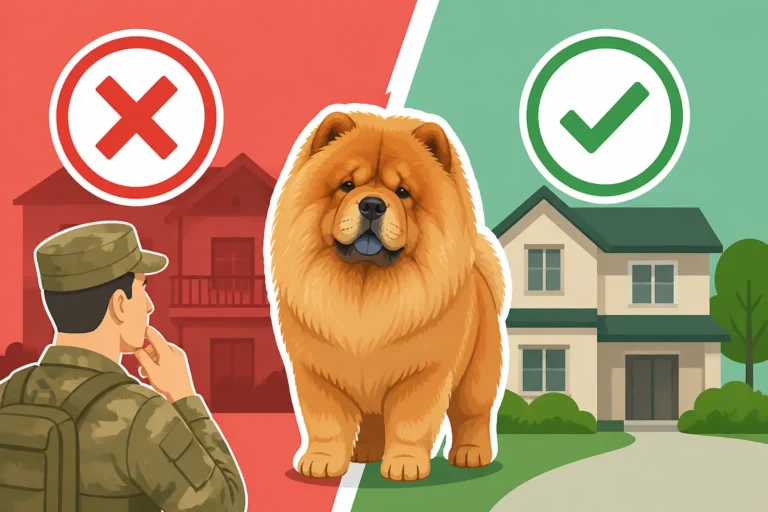
Given the Chow Chow's protective instincts and strong jaws, some insurance companies and landlords consider them a "restricted" or "dangerous" breed. This can lead to increased homeowners insurance premiums, or even refusal of coverage. It's critical to check with your insurance provider before bringing a Chow Chow home to understand their policy regarding breed restrictions and any potential impact on your rates. Some states have laws preventing breed discrimination by insurers, but this isn't universal.
Similarly, if you rent, many landlords or apartment complexes have breed restrictions, making it challenging to find housing that accepts Chow Chows. Some may require a larger pet deposit or charge additional monthly "pet rent." Failing to disclose your Chow Chow could lead to lease violations and even eviction. This potential hurdle can limit your housing options and add to your overall cost of living.
While these aren't direct costs for the Chow Chow, they are costs directly related to Chow Chow ownership that can significantly impact your budget and lifestyle. It's an often-overlooked aspect that can cause significant stress if not addressed proactively.
Emergency Fund and Senior Care
No matter how well you plan, unexpected emergencies can happen. A sudden illness, an accident, or an emergency vet visit can result in bills that quickly climb into the thousands. This is where a dedicated emergency fund, or robust pet insurance, is absolutely essential. Waiting to save until an emergency strikes often means tough choices, and no one wants to be in that position.
As your Chow Chow enters their senior years – typically around age eight, as discussed in The Age a Chow Chow Is Considered Senior – veterinary expenses tend to increase significantly. Older dogs are more prone to chronic conditions like arthritis, dental disease, kidney issues, and cancer. They may require more frequent vet visits, specialized diets, daily medications, and supportive care like joint supplements or even acupuncture. Caring for a Chow Chow Past Eight can be financially demanding, but incredibly rewarding.
These senior care costs can be substantial, transforming what was once a relatively stable monthly budget into a variable and often higher expense. Having a financial plan for these later years, whether through continued pet insurance, a dedicated savings account, or both, is a profound act of love and responsibility for your aging companion.
The Lifetime Financial Picture: A Twelve-Year Estimate
Breaking down the costs over your Chow Chow's entire lifespan, from a wiggly puppy to a wise senior, helps illustrate the full financial commitment. It's not just about annual budgets; it's about understanding how expenses ebb and flow across different life stages.
Breaking Down Costs by Life Stage
The financial demands of Chow Chow ownership shift as they age.
Puppyhood (0-1 year): This is often the period with the highest initial concentration of expenses. You have the purchase or adoption fee, initial vaccinations, deworming, spay/neuter surgery, microchipping, puppy classes, and all the initial supplies (crate, beds, toys, food). While some food costs are moderate as they aren't eating as much as an adult, the one-off "startup" costs are significant. This foundational year sets the stage for their health and behavior, so investing wisely here is crucial.
Adulthood (1-8 years): Once your Chow Chow reaches adulthood, the costs generally stabilize. You'll have annual vet check-ups, ongoing preventative medications (flea/tick/heartworm), regular grooming expenses (professional or home-based), and consistent food bills. Training needs might be less intense, but you'll still be replacing toys and beds occasionally. This period represents the bulk of their healthy, active years, and consistent maintenance keeps larger problems at bay. This is where you really see your What a Chow Chow Costs Over Its Lifetime start to add up.
Seniority (8+ years): As mentioned, the senior years often bring a noticeable increase in veterinary expenses. Older Chow Chows are more susceptible to age-related illnesses, requiring more frequent vet visits, diagnostic tests, medications for chronic conditions (like arthritis or thyroid issues), and possibly specialized diets or mobility aids. While grooming needs remain, other costs might shift. This stage demands a flexible budget and often significant emotional investment as you support your aging companion.
Average Annual and Total Lifetime Costs
Estimating the exact annual and total lifetime cost for a Chow Chow is challenging due to variables like geographic location, individual health, lifestyle, and your choices regarding professional services versus DIY. However, we can look at general ranges.
In a typical year, after the initial puppy expenses, an adult Chow Chow might incur costs related to:
- Food & Treats: A few hundred to over a thousand dollars, depending on quality and brand.
- Veterinary Care: Routine exams, vaccinations, preventatives (flea/tick/heartworm) could range from a few hundred to several hundred dollars. This excludes emergencies.
- Grooming: If professional, this could be several hundred to over a thousand dollars annually, depending on frequency and coat type.
- Miscellaneous: Licensing, toys, replacement supplies, occasional boarding, pet insurance premiums.
Over a twelve-year lifespan, when you combine the initial investment, recurring food, grooming, and routine vet care, plus the strong potential for unexpected or senior-specific medical costs, the total can be substantial. It's not uncommon for a Chow Chow to cost tens of thousands of dollars over its lifetime, easily reaching into the range of $15,000 to $25,000 or more, especially if serious health issues arise. This is why considering Whether a Chow Chow Suits a First Time Owner's Budget is so important.
Preparing for the Financial Commitment
The reality of Chow Chow ownership is that it requires not just love and time, but also a solid financial foundation. Being prepared for these costs from the outset will prevent stress and ensure you can provide the best possible care for your companion throughout their life.
- Create a Budget: Map out the estimated monthly and annual expenses. Don't forget to include a buffer for unexpected costs.
- Start an Emergency Fund: Even with pet insurance, an emergency fund is invaluable for deductibles, uncovered treatments, or things like emergency boarding.
- Research Pet Insurance: Look into different plans and consider enrolling your Chow Chow when they are young and healthy to maximize coverage for future needs.
- Factor in Lifestyle Changes: If you anticipate moving, having children, or changing jobs, consider how these shifts might impact your ability to meet your Chow Chow's needs.
- Prioritize Preventative Care: Regular vet visits, quality food, and consistent grooming might seem like expenses, but they are investments that often prevent more significant and costly problems down the road.
Ultimately, the bond you share with your Chow Chow is priceless. But ensuring their health, happiness, and well-being comes with a tangible financial cost. Approaching this commitment with eyes wide open and a well-thought-out plan will allow you to cherish every one of those twelve years without undue financial strain.
Disclaimer
This article is for general informational purposes only and does not constitute professional advice. Laws, prices and regulations vary by location and change over time. Consult a qualified professional for guidance on your specific situation.