What a Rescue Chow Chow Costs to Take On
Bringing a rescue Chow Chow into your home is a truly noble act, filled with the promise of giving a deserving dog a second chance. However, it's easy to get swept up in the emotion and underestimate the financial commitment involved. Many hopeful adopters are often surprised by the wide range of costs, from the initial adoption fee to the ongoing care and potential medical needs of a rescue. This guide is here to shed light on the true financial picture of welcoming a rescue Chow Chow into your life, ensuring you're prepared for every expense.
The Initial Adoption Fee: More Than Just a Number
When you first consider adopting a rescue Chow Chow, the adoption fee is usually the most obvious cost staring you in the face. It’s easy to see it as simply the price tag for the dog, but it's crucial to understand that this fee represents so much more than that. Rescues are non-profit organizations, and these fees help them continue their vital work.
The adoption fee isn't designed to make a profit; instead, it's a way for the rescue to recoup some of the money they've already invested in the dog's well-being. Think of it as a contribution towards a comprehensive care package that the rescue has already provided. It covers a multitude of services and initial treatments, ensuring the Chow Chow is as healthy and prepared for its new home as possible. This investment upfront means you're bringing home a dog that has already received fundamental care, which can save you significant costs in the immediate future.
What the Adoption Fee Typically Covers
Most reputable rescue organizations are incredibly thorough with the care they provide before a dog is adopted, and the adoption fee reflects this. You can generally expect the fee to cover a full veterinary check-up, which often includes a comprehensive physical examination to assess the dog's overall health. This initial screening is critical, especially for a breed like the Chow Chow, which can be prone to certain health conditions.
Beyond a general check-up, the fee almost always includes spaying or neutering. This is a standard practice for rescues, not only to prevent further unplanned litters but also to improve the dog's health and behavior. All necessary vaccinations, such as distemper, parvovirus, and rabies, are usually up-to-date. Many rescues also microchip their dogs, providing a permanent form of identification that greatly increases the chances of reunion if your Chow Chow ever gets lost. Some even send you home with a starter bag of the food the dog has been eating, a collar, and a leash, making the transition a little smoother. These are all expenses you would incur yourself if you were to acquire a dog from other sources, so the adoption fee effectively bundles these services.
Why Adoption Fees Vary Between Rescues
It might be surprising to see adoption fees differ quite a bit from one rescue to another, or even within the same rescue depending on the dog. These variations aren't arbitrary; they often reflect the specific circumstances of the dog and the operational realities of the rescue. For instance, a rescue Chow Chow that is older, or one with significant medical needs requiring extensive veterinary intervention, might have a lower adoption fee to encourage placement, or a similar fee but the rescue has absorbed much higher costs. Conversely, a young, healthy puppy might command a higher fee, as they are often more in demand and cost the rescue less in immediate medical care.
Location also plays a role, with rescues in areas with higher veterinary costs or a greater volume of abandoned animals sometimes needing to charge more to sustain their operations. The reputation and funding structure of the rescue itself can also influence fees. Larger, well-established rescues with robust donor support might be able to offer lower fees than smaller, volunteer-run organizations that rely heavily on adoption fees to cover their day-to-day expenses. It’s always a good idea to ask a rescue what their fee covers and why it is set at that particular amount; transparency is a good sign. You might find some useful information in our article on Adopting a Chow Chow From Rescue.
Understanding the Value of a Rescue Fee
It’s easy to focus on the dollar amount, but truly understanding the value of an adoption fee means looking beyond the immediate transaction. When you pay an adoption fee, you're not just buying a dog; you're contributing to a system that provides comprehensive care and a second chance to countless animals. The fee often covers medical costs that far exceed the asking price – think about diagnostics, medications, and sometimes even surgeries that the rescue has already paid for.
Many rescue Chow Chows arrive with pre-existing conditions, behavioral challenges, or simply needing a lot of basic care. The rescue absorbs these costs, from addressing Entropion Is the Chow Chow's Signature Problem to managing skin infections or malnutrition. By paying the adoption fee, you're not just getting a vetted, vaccinated, and often spayed/neutered dog; you're also implicitly supporting the rescue’s ability to help the next dog in need. This collective model allows rescues to continue operating and providing critical services, making a genuine difference in the lives of vulnerable animals.
Immediate Needs and Setup Costs for Your Rescue Chow
Once you've paid the adoption fee and picked up your new best friend, the financial journey has only just begun. There are a host of immediate needs and setup costs that every new Chow Chow owner will face, regardless of whether their dog came from a breeder or a rescue. These initial expenses are critical for ensuring a smooth transition and a comfortable, safe environment for your new companion. It's not just about what you buy, but also preparing your home and your routine.
It's common for new owners to underestimate these initial outlays. You might think you have everything covered, but as you start setting up, you'll likely discover items you hadn't considered, or realize that the rescue dog you've adopted has specific needs that require tailored equipment. Being prepared for these costs upfront can prevent stress and allow you to focus on bonding with your rescue Chow Chow.
Essential Supplies for a New Chow Chow
Bringing a new Chow Chow home means stocking up on some absolute necessities. First and foremost, a sturdy crate is often invaluable for house-training, providing a safe den, and managing situations when you can't supervise your dog directly. For a Chow, make sure the crate is appropriately sized, allowing them to stand, turn around, and lie down comfortably. Then there's the bedding – a comfy, durable dog bed is a must, perhaps even a chew-proof one if you're unsure about your rescue's habits.
Food and water bowls, preferably stainless steel or ceramic, are next on the list. You'll also need a well-fitting collar and a strong, reliable leash for walks. Don't forget toys! Chows, while sometimes perceived as aloof, still enjoy appropriate toys for mental stimulation and play. Chewy, for example, offers a vast selection of durable toys and bowls suitable for even the most discerning Chow. Lastly, and crucially for a Chow Chow, you'll need basic grooming tools, which we’ll delve into more later. Even if your rescue came freshly groomed, maintaining their coat at home is an ongoing necessity.
Initial Veterinary Care Beyond What's Covered
While most adoption fees cover initial vet care, it's rare that a rescue Chow Chow won't need at least one or two follow-up visits in the first few weeks. This could be for a recheck on a minor issue the rescue was managing, or simply to establish a relationship with your own veterinarian. Sometimes, a rescue might have suspected an issue but not had the resources to fully diagnose it, leaving that to the adopter. This is especially true for complex conditions or those requiring specialist consultations.
For instance, if your Chow Chow arrived with signs of an eye issue, you might need to see a veterinary ophthalmologist to confirm or rule out conditions like glaucoma, which can progress quickly in the breed. Or perhaps they have a persistent skin issue that requires further investigation. These specialist visits and advanced diagnostics can add significantly to your initial vet bills. Always budget for these potential extra costs, especially with a rescue whose full medical history might not be perfectly documented, or whose stress in the shelter environment might have masked underlying conditions. The article What a Chow Chow's Eye Exams Cost a Year can give you an idea of specialized care expenses.
Training and Behavioral Support
Many rescue Chow Chows come with a past that might include limited socialization, inconsistent training, or even previous trauma. This isn't their fault, of course, but it means you might need to invest in professional training or behavioral support to help them adjust and thrive in their new home. Unlike some breeds eager to please, Chows are known for their independent nature and can be challenging to train without the right approach. Our article on A Chow Chow Trains by Agreement, Not Obedience explores this in depth.
Puppy socialization classes, even for an adult Chow, can be invaluable for building confidence and improving manners around other dogs and people, though you'll need to find a class suited to their personality. If your rescue Chow Chow exhibits specific behavioral issues like leash reactivity, resource guarding, or separation anxiety, a certified professional dog trainer or a veterinary behaviorist might be necessary. These services can range from group classes to private one-on-one sessions or even specialized programs, and the costs can add up quickly. Investing early, however, can prevent more serious issues down the line and help your Chow Chow become a well-adjusted family member.
Ongoing Monthly Expenses for a Rescue Chow Chow
Beyond the initial burst of spending to get your rescue Chow Chow settled, you'll quickly move into the rhythm of regular, ongoing monthly expenses. These are the costs that will be a consistent part of your budget for the entirety of your Chow's life. While some might seem small individually, they accumulate significantly over time and are crucial for maintaining your dog's health, happiness, and overall well-being.
It’s easy to overlook these recurrent costs when you’re excited about a new pet, but they are the bedrock of responsible dog ownership. Being realistic about these expenses from the outset will prevent financial strain and ensure you can consistently provide the best possible care for your Chow Chow. Remember, a rescued dog deserves just as much, if not more, consistent care as any other pet.
Food and Nutrition Considerations
The quality of food you provide your Chow Chow has a direct impact on their health and longevity. For a rescue, especially one whose past nutritional history might be unknown or inconsistent, investing in a high-quality, balanced diet is paramount. You'll need to decide between dry kibble, wet food, or perhaps a fresh food diet. Brands like Ollie offer fresh, human-grade food that can be excellent for Chows with sensitive stomachs or specific dietary needs, though it often comes at a higher price point. If you prefer kibble, many reputable brands are available through retailers like Chewy, offering a wide range of options for different life stages and dietary restrictions.
Some Chow Chows may have specific allergies or sensitivities that necessitate a limited ingredient diet or a prescription formula, adding to the monthly food bill. The actual amount your Chow eats will depend on their size, activity level, and metabolism, but a general idea of What a Chow Chow Eats in a Month can help you budget. Always factor in treats for training and enrichment, as these are an important part of building your bond and keeping your Chow engaged.
Routine Grooming: Essential for a Chow's Coat
A Chow Chow's magnificent double coat, whether rough or smooth, requires consistent and diligent grooming, and this isn't an optional expense. Without proper care, their dense fur can quickly become matted, leading to skin infections, discomfort, and potentially costly veterinary intervention. You have two main options here: commit to regular home grooming or budget for professional services.
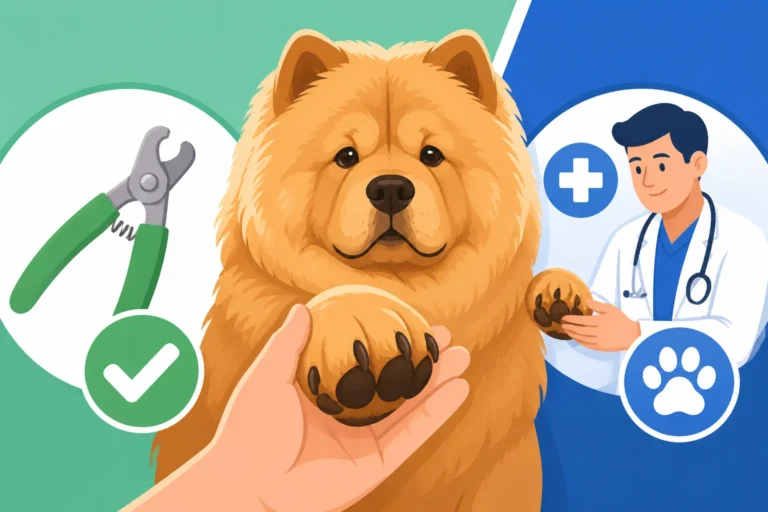
If you choose home grooming, you’ll need to invest in quality tools like a slicker brush, an undercoat rake, and a sturdy comb. While this is a one-time cost, the time commitment is significant – a rough-coated Chow can take considerable time to brush thoroughly down to the skin several times a week, especially during their twice-yearly coat blows. If you opt for professional grooming, which many Chow owners do, be prepared for substantial fees. What Professional Grooming Costs for a Chow Chow can be quite high, as many groomers charge more due to the breed's dense coat, potential temperament challenges, and the time required for a proper deshedding and drying session. How Many Grooms a Chow Chow Needs a Year will greatly influence this recurring cost.
Preventative Health and Medication
Regular preventative health measures are critical for keeping your Chow Chow healthy and happy, and these contribute to your monthly budget. This includes monthly flea, tick, and heartworm medications, which are non-negotiable in most climates. These prevent parasites that can cause serious health issues and expensive treatments down the line.
Beyond these routine preventatives, some rescue Chows might require ongoing medication for chronic conditions. This could be anything from thyroid medication, common in the breed, to joint supplements for arthritis, especially if you've adopted an older dog or one with a history of hip or elbow dysplasia. While these medications often aren't exorbitant, they become a consistent line item in your budget. Remember to factor in yearly wellness exams with your vet, bloodwork, and any specific health screenings recommended for the breed. Proactive care is always cheaper than reactive emergency treatment, so investing in preventatives is a wise financial decision.
Healthcare and Insurance: Preparing for the Unexpected
One of the biggest financial unknowns when owning any dog, especially a rescue Chow Chow, is healthcare. While you can budget for routine care, unexpected illnesses, accidents, or the emergence of breed-specific health conditions can lead to staggering veterinary bills. Being prepared for these possibilities, either through insurance or a dedicated savings fund, is a crucial part of responsible Chow ownership.
The independent nature of the Chow Chow means they can sometimes be stoic and hide pain, making early detection of issues challenging. This breed is unfortunately predisposed to a number of health problems that can be expensive to treat. Understanding these potential costs upfront, and having a plan in place, can save you immense stress and allow you to make the best decisions for your beloved companion when difficult situations arise.
The Reality of Chow Chow Health Issues
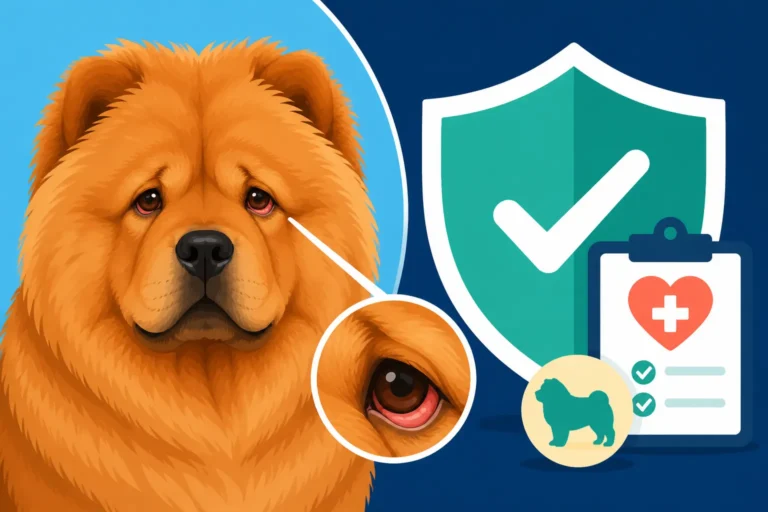
Chow Chows, while robust in many ways, are predisposed to several significant health issues that can result in considerable veterinary expenses. Eye problems are notoriously common, with entropion (inward-rolling eyelids) being almost synonymous with the breed. As our article The Entropion Surgery Every Chow Chow Owner Should Budget For highlights, this often requires corrective surgery, sometimes even twice, which is not a minor procedure. Glaucoma, another serious eye condition, can lead to blindness and requires aggressive, often lifelong, treatment. What Glaucoma Treatment Costs a Chow Chow Owner can be substantial, including medications and potential surgeries.
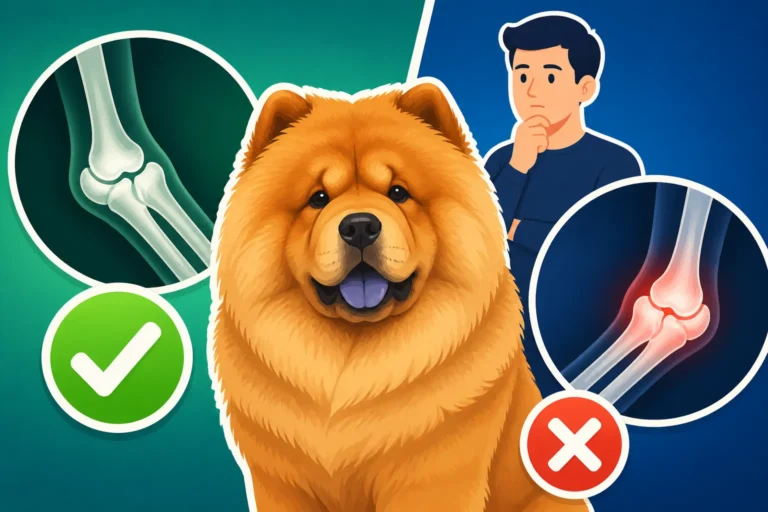
Orthopedic issues like elbow and hip dysplasia are also prevalent. These conditions can lead to chronic pain, arthritis, and may require expensive surgeries, physical therapy, or ongoing medication. Additionally, Chows can be prone to autoimmune diseases, thyroid issues, and certain cancers. While you hope your rescue Chow Chow will be perfectly healthy, it's wise to be aware of these predispositions and their potential financial impact.
Pet Insurance Options and Benefits
Given the potential for high veterinary costs, many Chow Chow owners opt for pet insurance to help mitigate the financial burden of unexpected illnesses or accidents. Pet insurance works much like human health insurance, where you pay a monthly premium, and in return, the insurer covers a percentage of your vet bills after you meet a deductible. Providers like Healthy Paws offer various plans that can cover accidents, illnesses, emergency care, and sometimes even specialist visits and prescription medications.
When looking at pet insurance for a rescue Chow Chow, it's crucial to understand what's covered and what isn't. Many policies have waiting periods, and pre-existing conditions (any illness or injury your dog had before the policy started or during the waiting period) are typically excluded. This is a vital consideration for rescue dogs, as their medical history might be complex or incomplete. Always read the fine print, compare different providers, and get quotes based on your Chow Chow's age, breed, and known health history. Our article What Insuring a Chow Chow Costs a Month delves into the premiums for this breed.
Emergency Fund vs. Insurance
Deciding between pet insurance and self-insuring with an emergency fund is a personal choice, but it's one that every Chow Chow owner needs to make. An emergency fund means you consistently put money aside into a dedicated savings account specifically for your dog's potential medical needs. The benefit here is that you have direct access to your money, and you don't pay monthly premiums that you might not always "use." However, it requires significant discipline to build and maintain a substantial fund, and a sudden, large vet bill early on could easily deplete it before it's adequately grown.
Pet insurance, on the other hand, provides a safety net for those unexpected large expenses. While you pay premiums monthly, it can prevent you from facing an immediate, crippling bill of thousands of dollars if your Chow Chow has a major accident or develops a serious illness. The downside is that you might pay into a policy for years without making significant claims, and you'll still have deductibles and co-pays. For a breed with known health predispositions like the Chow Chow, many owners find the peace of mind offered by insurance to be well worth the monthly cost.
| Cost Category | Initial (Adoption/Setup) | Monthly (Estimated) | Annual (Estimated) | Notes |
|---|---|---|---|---|
| Adoption Fee | Varies (see section 1) | N/A | N/A | Typically covers initial vet care, spay/neuter, microchip. |
| Crate & Bedding | One-time | N/A | N/A | Depending on quality, may need replacement over time. |
| Food & Treats | Starter bag included | Varies | Varies | Depends on brand, diet type (kibble vs. fresh), and dog's needs. |
| Collar, Leash, Toys | One-time | N/A | Small | Replacements as needed due to wear or preference. |
| Vet Visits (initial) | Covered by fee/Extra | N/A | N/A | Follow-ups, specialist consults, immediate treatments. |
| Training Classes | One-time/As needed | N/A | Varies | Depends on issues, class type (group vs. private). |
| Grooming (Home Tools) | One-time | N/A | Small | Brushes, rakes, shampoo. |
| Grooming (Pro) | N/A | N/A | Varies | Highly dependent on frequency and groomer's rates for Chows. |
| Preventative Meds | N/A | Consistent | Varies | Flea/tick/heartworm. |
| Pet Insurance | N/A | Consistent | Varies | Premiums vary by age, breed, coverage. Excludes pre-existing conditions. |
| Emergency Fund | N/A | Savings | Savings | Self-insurance. Requires discipline. |
| Misc. (Boarding, etc.) | N/A | Varies | Varies | Travel, unexpected replacements, cleaning supplies. |
Miscellaneous and Long-Term Costs
Beyond the easily quantifiable monthly and initial expenses, there's a whole category of miscellaneous and long-term costs that can significantly impact the overall financial picture of owning a rescue Chow Chow. These are often the "hidden" expenses that catch new owners off guard, ranging from occasional services to inevitable expenditures that come with a dog's full lifespan.
Thinking about these less frequent but equally important costs is vital for truly comprehensive financial planning. A Chow Chow, like any dog, is a long-term commitment, and preparing for these varied expenses will ensure you can provide consistent, quality care throughout their life, from their boisterous younger years to their golden, senior moments.
Boarding, Daycare, and Pet Sitting
Life happens, and there will inevitably be times when you need to travel, or simply require your Chow Chow to be cared for outside the home. This is where boarding, doggy daycare, or professional pet sitting services come into play, and they represent a significant variable cost. Finding a facility or sitter that is experienced with and willing to take on a Chow Chow can sometimes be a challenge, as the breed's independent nature and deep-set eyes can lead to them being misunderstood by those unfamiliar with them.
Costs for these services can vary widely depending on your location, the type of care (a luxury boarding kennel versus in-home pet sitting), and the duration. For instance, a week-long vacation could incur hundreds of dollars in boarding fees. Daycare, if your Chow enjoys it and is suitable for group play, might be a regular weekly or monthly expense. Always vet any potential caregivers thoroughly, ensuring they understand the breed and are equipped to handle a Chow's specific needs and sometimes aloof temperament. Some Chow Chows also benefit from Whether a Chow Chow Should Be Crated for Visitors if they are uncomfortable with new people in their space, which can factor into care options.
Replacements and Upgrades
Over the years, various items you purchased for your Chow Chow will wear out, break, or need upgrading. This could be anything from replacing a beloved dog bed that's seen better days, to a crate that has become too small or damaged, or simply updating toys. A worn-out leash, a collar that no longer fits, or even a food bowl that's cracked will all need replacing. These might seem like small costs individually, but they add up over a decade or more.
Consider also unforeseen home expenses related to dog ownership. Accidents happen, and carpets might need deep cleaning or replacement. Furniture could get chewed, or you might need to invest in better fencing for your yard to ensure your Chow's safety. While you can't predict every single item, setting aside a small buffer each month for these types of replacements and upgrades is a smart move. It ensures you’re not caught off guard when your Chow Chow's favorite blanket suddenly needs to be replaced.
End-of-Life Care and Considerations
While it's not pleasant to think about, responsible dog ownership includes planning for the end of your Chow Chow's life. As your Chow ages, they will likely require more frequent veterinary visits, potentially specialized senior diets, and ongoing management of age-related conditions like arthritis, deafness, or cognitive decline. Caring for an Old Chow Chow often means increased medication, more frequent check-ups, and possibly palliative care to maintain their quality of life.
The final costs can include euthanasia, which is a peaceful and humane option when the time comes, as well as cremation or burial services. These services vary in price depending on your chosen options and location, but they are an inevitable part of pet ownership. Having a plan, and ideally a small fund, set aside for these difficult but necessary expenses can help ease the emotional burden during a heartbreaking time. Our article What a Chow Chow's Final Illness Costs can provide more detail on this significant expense.
Disclaimer
This article is for general informational purposes only and does not constitute professional advice. Laws, prices and regulations vary by location and change over time. Consult a qualified professional for guidance on your specific situation.