Whether a Rescue Chow Chow Has Had Its Eyes Done
Bringing a rescue Chow Chow into your home is an incredibly rewarding experience, but it often comes with a unique set of worries, especially regarding their health history. Many potential adopters lose sleep wondering if the rescue has addressed common breed-specific issues like eye problems, which can be both painful for the dog and costly to treat. This guide aims to demystify how reputable Chow Chow rescues approach veterinary care, particularly when it comes to eye conditions, and what you, as a prospective owner, can expect and inquire about to feel confident in your decision.
Why Eye Health is a Paramount Concern for Rescue Chow Chows
It’s no secret that Chow Chows are prone to certain health conditions, and their eyes are often at the top of that list. Their distinctive facial structure, with those deep-set eyes and often prominent facial folds, while contributing to their unique and charming "scowl," unfortunately makes them genetically predisposed to conditions like entropion. This is a painful condition where the eyelid rolls inward, causing eyelashes and fur to rub against the cornea. The constant irritation isn't just uncomfortable; it can lead to serious complications.
The Specific Eye Problems Common in Chow Chows
Chow Chows often battle a few particular eye issues that make prospective owners pause. The most well-known is Entropion Is the Chow Chow's Signature Problem. This condition can manifest in puppies as young as a few months old, and it causes chronic pain and irritation. Imagine having an eyelash constantly scratching your eye—that's what a Chow Chow with entropion experiences every waking moment. If left untreated, it can lead to corneal ulcers, scarring, and even blindness. This isn't just a minor cosmetic flaw; it's a significant welfare concern.
Another issue, though less common than entropion, is glaucoma, which can rapidly lead to blindness. Glaucoma Can Blind a Chow Chow in Days. The Chow Chow's eye anatomy can make them susceptible to a form of glaucoma known as primary closed-angle glaucoma. These serious conditions require immediate and often expensive veterinary intervention. When considering a rescue Chow Chow, understanding this predisposition helps you frame your questions to the rescue organization and anticipate potential future health needs.
The Impact of Untreated Eye Issues on a Rescue Dog
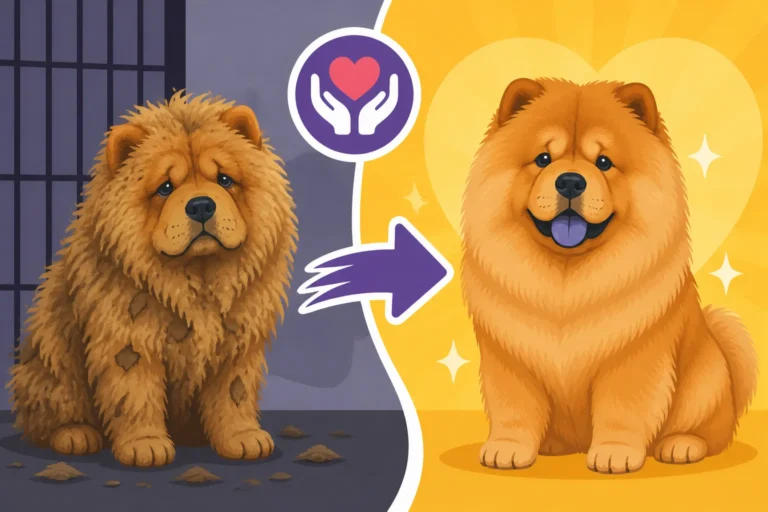
When a Chow Chow ends up in rescue, their past is often a mystery. They might come from a neglectful situation, a puppy mill, or from an owner who simply couldn't afford necessary medical care. For a Chow Chow, untreated eye conditions mean a life of chronic discomfort. A dog constantly squinting, rubbing its eyes, or tearing profusely isn't just sad to witness; it indicates ongoing pain. The constant irritation from entropion, for example, can lead to serious corneal damage. What a Corneal Ulcer Does to a Chow Chow. This can make them wary of being touched, less engaged, and generally impact their quality of life.
Reputable rescues understand the profound impact these conditions have. They know that a dog in pain cannot truly thrive, bond with a new family, or display its true temperament. Therefore, addressing these issues is typically a high priority, not just for the dog's physical health but for its mental and emotional well-being as it prepares for a new home. This is why it's so important to dig into the veterinary history the rescue provides.
How Rescue Organizations Address Chow Chow Eye Health
Reputable Chow Chow rescue organizations are usually very proactive when it comes to the breed's known health issues, and eye problems are no exception. They understand the financial and emotional burden these conditions can place on new owners, and their mission is to set both the dog and the adopter up for success. This often means providing comprehensive veterinary care before adoption.
Standard Veterinary Protocols in Reputable Rescues
When a Chow Chow comes into a reputable rescue, a thorough veterinary examination is one of the first things on the agenda. This exam goes beyond just checking for fleas and worms; it includes a detailed assessment of the dog's overall health, including a specific focus on the eyes. Many rescues work closely with veterinarians who are familiar with the breed's specific needs. For Chow Chows, this means a careful check for entropion, checking for inward-rolling eyelids and any signs of corneal irritation or damage.
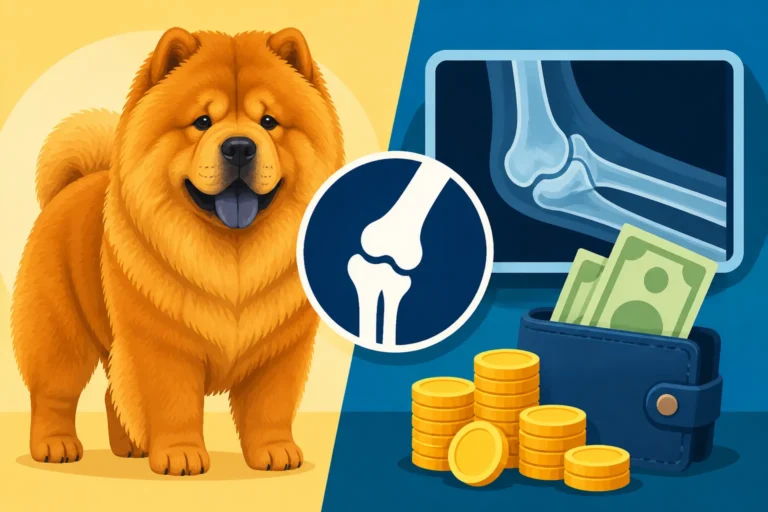
If entropion or another eye issue is identified, the rescue will typically seek to have it addressed. For entropion, this usually involves surgery. How Entropion Is Repaired in a Chow Chow. It's a common procedure for the breed and one that experienced vets handle regularly. The rescue will cover the costs of these procedures, understanding that this investment ensures the dog is healthy and comfortable before finding its forever home. They often have established relationships with veterinary ophthalmologists or general practice vets who are adept at these surgeries, which can make the process smoother and more cost-effective for the rescue itself.
The Disclosure of Health History and Treatments
A key differentiator for a good rescue is transparency. They want you to be fully informed about the dog you're considering. When a rescue Chow Chow has undergone eye surgery, they should provide you with all the details. This includes the date of the surgery, the veterinary clinic that performed it, and any follow-up care instructions. They should also inform you if the dog needed Whether a Chow Chow Needs Entropion Surgery Twice, which sometimes happens in severe cases or if the initial tacking wasn't fully effective.
You should receive copies of veterinary records, detailing the diagnosis, treatment plan, and post-operative care. This might include information about eye drops, pain medication, and instructions for keeping the surgical site clean during recovery. Don't be shy about asking for these records, as they are crucial for understanding your new companion's past health journey. Knowing this history helps you continue their care seamlessly and provides peace of mind.
What to Look For and Ask About When Adopting
Navigating the adoption process for a rescue Chow Chow requires diligence, especially with their predisposition to eye issues. You want to ensure you're getting a dog that has been properly cared for and that you're prepared for any ongoing needs. Asking the right questions and carefully observing the dog are your best tools.
Key Questions for the Rescue Organization
When you’re speaking with a rescue coordinator, prepare a list of specific questions about the Chow Chow’s eye health. Don't assume anything. Here are some critical inquiries:
- Has the Chow Chow had any eye issues diagnosed, specifically entropion or glaucoma? If so, when was it diagnosed, and what was the extent of the problem?
- Has the dog undergone any eye surgeries? If yes, request specific details: what procedure was performed, by whom, and when?
- Can I see the veterinary records pertaining to eye examinations and any surgeries? A reputable rescue will have these readily available.
- What was the recovery process like for the eye surgery? Did the dog tolerate it well? Were there any complications?
- Are there any ongoing eye care needs? Does the dog require daily eye drops, specific cleaning, or regular re-checks?
- What is the rescue's policy if an eye condition reappears or is discovered shortly after adoption? While rare with reputable rescues, it’s good to know their stance.
A transparent rescue will be happy to answer these questions thoroughly. If they are evasive or cannot provide records, it should be a red flag. Remember, you’re not just adopting a dog; you’re taking on a lifelong commitment, and you deserve to have all the information necessary.
Observing the Chow Chow's Eyes Before Adoption
Beyond asking questions, spend time observing the Chow Chow you're interested in. Look for visible signs of past or current eye issues.
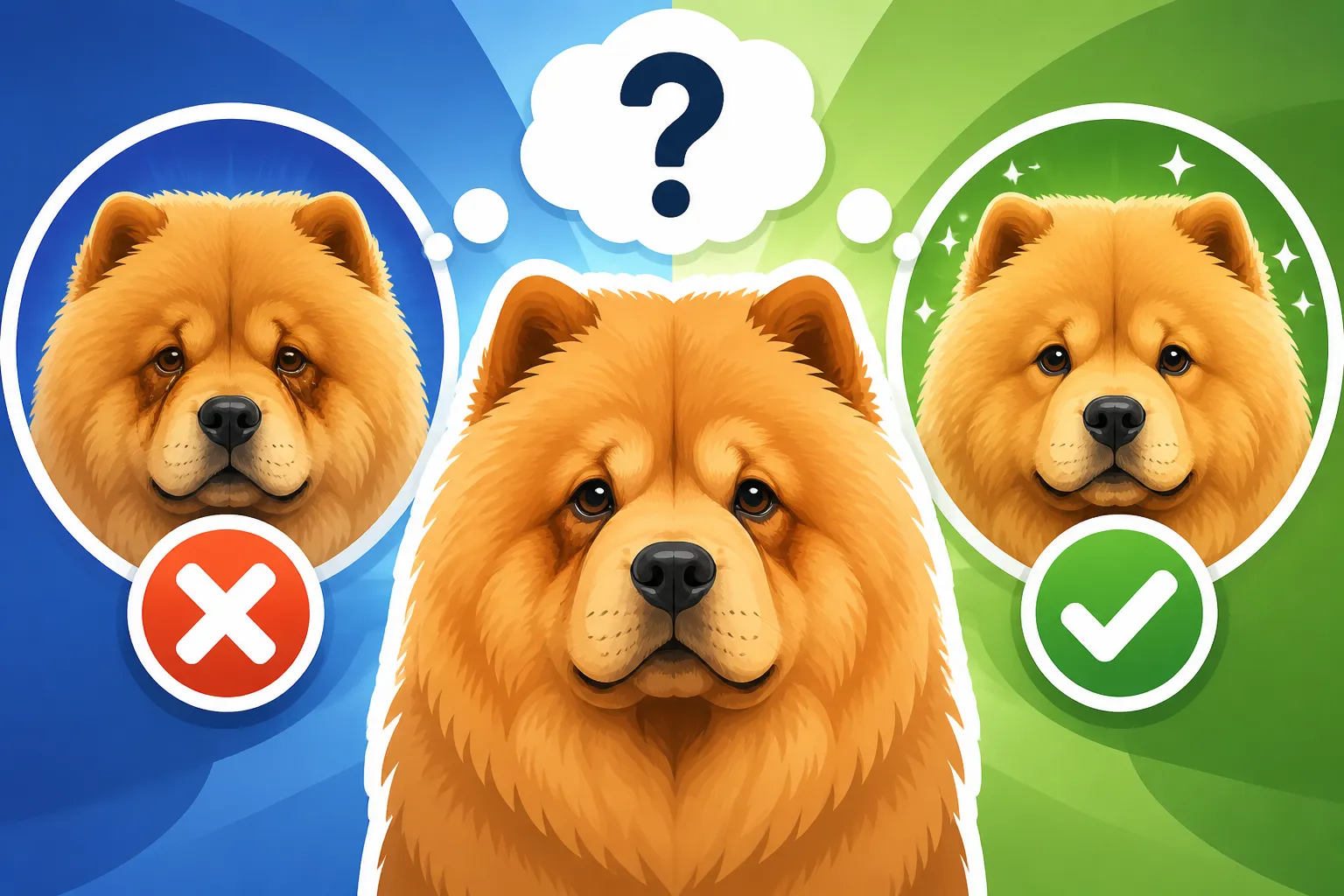
- Check for redness or discharge: While some discharge can be normal, excessive or colored discharge could indicate irritation or infection. When a Chow Chow's Eye Discharge Means Entropion.
- Observe squinting or excessive blinking: These are clear signs of discomfort. Why a Chow Chow With Entropion Squints.
- Examine the eyelids: Gently (if the dog is comfortable) try to look at the lower and upper eyelids to see if they roll inward. Sometimes, after surgery, the eyelids might look a little different, but they should be properly aligned.
- Look for cloudiness or scarring on the cornea: These can be signs of past ulcers or chronic irritation.
- Assess their vision: Do they track objects well? Do they bump into things? This can give you an idea if their vision is compromised.
While a rescue Chow Chow that has had its eyes "done" should ideally have no active symptoms, it’s still wise to be observant. Even after successful surgery, some dogs might require ongoing care like lubricating eye drops or careful monitoring, especially if they have Why a Chow Chow's Deep Set Eye Causes Trouble.
Financial Considerations and Long-Term Care for Eye Health
Adopting a rescue Chow Chow is wonderful, but it’s also a long-term financial commitment. While a good rescue will cover initial medical needs, understanding potential future costs and how to plan for them is crucial. Eye health, even after successful surgery, can sometimes require ongoing attention.
Understanding the Costs of Eye Care Post-Adoption
Even if your rescue Chow Chow has had entropion surgery, there might be ongoing costs. These could include routine follow-up vet visits, particularly for the first year, to ensure everything is healing well and no recurrence is evident. You might also need to purchase specific eye drops or wipes, which can add up over time. If by some chance a new eye issue develops or a previous one recurs, further veterinary visits, medications, or even another surgery might be necessary.
It’s wise to consider pet insurance for a Chow Chow, especially given their predispositions. Companies like Healthy Paws offer coverage that can help offset unexpected veterinary bills. While pre-existing conditions are typically excluded, getting insurance early on, especially before any new conditions manifest, can provide a safety net for future, unrelated health issues. When planning for ongoing needs, don't forget general supplies like grooming tools from retailers like Chewy, which can help keep facial folds clean and prevent irritation around the eyes.
Proactive Care and Prevention
Once you bring your rescue Chow Chow home, proactive care is key to maintaining good eye health. This involves routine checks by your veterinarian, even if the dog has had surgery. Your vet can monitor for any changes, catch potential issues early, and advise on preventative measures. Regular cleaning of the facial folds around the eyes can help prevent irritation and infection that might otherwise affect the eyes. How Often a Chow Chow's Face Folds Need Cleaning.
Ensuring your Chow Chow maintains a healthy weight is also crucial, as obesity can exacerbate many health issues. A balanced diet, perhaps incorporating quality food from brands like Ollie, can contribute to overall health and resilience. Be vigilant for any changes in your dog's eye appearance or behavior, such as increased tearing, squinting, or rubbing. Early detection and intervention are always the best approach to managing eye health in this wonderful breed. By being informed and prepared, you can offer your rescue Chow Chow a comfortable, happy life free from the pain of untreated eye conditions.
| Aspect of Eye Health | Reputable Rescue Approach | Less Reputable Source Approach |
|---|---|---|
| Initial Vet Exam | Thorough eye exam by experienced vet, includes specific checks for breed issues. | Basic, often cursory exam; eye issues might be missed or ignored. |
| Problem Diagnosis | Identifies specific conditions like entropion or glaucoma promptly. | May downplay or miss significant eye health problems. |
| Treatment Provided | Surgically corrects entropion, treats other conditions before adoption. Covers all related medical costs. | May adopt out dogs with active, painful conditions; expects new owner to pay. |
| Medical Records | Provides full vet history, including surgical reports, medications, and follow-up plans. | Sparse or non-existent records; vague answers about past treatments. |
| Disclosure | Openly discusses all known health issues, prognosis, and potential future needs. | Withholds information, deflects questions, or minimizes seriousness of issues. |
| Follow-up Support | Offers advice for post-adoption care, may check in on the dog's adjustment. | Little to no follow-up support once the adoption is complete. |
Disclaimer
This article is for general informational purposes only and does not constitute professional advice. Laws, prices and regulations vary by location and change over time. Consult a qualified professional for guidance on your specific situation.