Whether a Rescue Chow Chow Arrives Matted
Bringing home a rescue Chow Chow is a truly noble act, filled with immense love and the promise of a second chance. But let's be honest, many of us worry about what condition our new furry family member will be in, especially when it comes to that magnificent, dense coat. It’s a common, valid concern: will your rescue Chow Chow arrive matted? The short answer is, it's very possible. This guide will delve into why matting is such a prevalent issue for Chow Chows in rescue, how to assess the severity, what the dematting process involves, and how you can prepare to give your new companion the best possible start.
Why Matting is a Common Problem for Rescue Chow Chows
It’s a heartbreaking reality that many dogs entering rescue situations come from less-than-ideal circumstances. For a breed like the Chow Chow, with their distinctive and demanding coat, neglect almost inevitably leads to severe matting. Understanding why this happens can help you approach the situation with empathy and practical solutions.
The Chow Chow Coat's Predisposition to Mats
The Chow Chow is famous for its luxurious, dense double coat, which is one of its most striking features. Whether you're considering a rough-coated Chow Chow, with its abundant mane and feathering, or a smooth-coated variety, both possess a thick, woolly undercoat beneath a coarser outer layer. This combination is designed to protect them from harsh weather, but it's also a magnet for tangles. The fine, soft undercoat easily catches and holds onto shed hair, dirt, debris, and moisture. If not regularly brushed, that shed undercoat forms tight knots that quickly spiral into large, painful mats.
Areas of particular concern include behind the ears, under the armpits, around the collar, in the "britches" (the feathering on their hind legs), and on their tail. These are high-friction zones where mats form rapidly and can become incredibly tight, pulling on the skin. You can learn more about their unique fur in Rough or Smooth: the Two Chow Chow Coats and What Each Needs.
The Realities of Neglect and Lack of Grooming
When a Chow Chow ends up in rescue, it's often because a previous owner was unable or unwilling to provide the specialized care this breed requires. Grooming a Chow Chow isn't a quick brush-over; it's a dedicated, time-consuming commitment that many people underestimate. For owners who are elderly, ill, financially struggling, or simply uneducated about proper Chow care, regular brushing falls by the wayside.
In severe cases, Chow Chows come from hoarding situations, where dozens of animals are kept with minimal care, making individual grooming impossible. Stray Chows, too, face environmental challenges; their coats become caked with mud, feces, burrs, and other natural debris, which then felt into solid, impenetrable mats. Even a few weeks without proper grooming can turn a Chow Chow's coat into a matted mess, causing significant discomfort and potential health issues.
Stress and Self-Care in a Neglected Environment
Dogs in stressful, neglected environments often cease to engage in normal self-grooming behaviors. A Chow Chow that is anxious, malnourished, or living in unsanitary conditions may not lick or scratch effectively, allowing their coat to become even more tangled. Stress itself can lead to changes in coat health, making it duller and more prone to shedding and matting.
Furthermore, these dogs might be housed in cramped spaces, constantly lying in their own waste, or exposed to the elements. All of these factors contribute to the rapid deterioration of their coat, exacerbating matting. The combination of a breed predisposed to matting, owner neglect, and environmental stressors creates a perfect storm for a rescue Chow Chow to arrive at the shelter with a coat in dire need of intervention.
Assessing the Severity of Matting in a Rescue Chow Chow
When you first meet a rescue Chow Chow, the extent of their matting can range from minor tangles to a solid, painful "pelt." Understanding these different levels and their implications is crucial for their well-being and recovery.
Different Levels of Matting
Matting isn't a one-size-fits-all problem; it exists on a spectrum. At one end, you might see light tangles – small knots that form in areas like behind the ears, under the chin, or in the "armpits." These are generally manageable with careful brushing and an undercoat rake, provided the dog is cooperative.
Moderate matting involves larger, more compacted clumps of fur, often found on the body or legs. While still serious, there might be some small areas where the skin is visible between mats. This level of matting often requires more extensive work, possibly involving careful clipping or shaving of certain sections by a professional.
At the most severe end, you encounter pelting or extreme matting. This is when the mats have become so dense and extensive that they form a solid, felt-like shell over a significant portion, or even all, of the dog's body. These mats are tight against the skin, restricting movement and causing immense pain. In these cases, air cannot circulate, and the skin underneath is often a disaster.
Health Risks Associated with Severe Matting
Beyond the obvious discomfort, severe matting poses a myriad of serious health risks for a Chow Chow. The tight pull on the skin can lead to constant pain, making even simple movements agonizing. This pain can cause a dog to become irritable or lash out, which is often misinterpreted as aggression.
Critically, mats trap moisture and debris against the skin, creating a perfect breeding ground for bacteria and yeast. This often results in painful skin infections, hot spots, and chronic inflammation. Parasites like fleas and ticks can also hide deep within the matted fur, unnoticed and untreated, leading to further irritation and disease. In some cases, maggots can infest severely matted areas, especially if the dog has open sores or is incontinent.
Additionally, a thick coat of mats can hide injuries, lumps, or other medical conditions, making it incredibly difficult for veterinarians to perform a thorough physical exam. Why a Chow Chow's Dense Coat Hides Skin Disease is a crucial read here. The dog's circulation can be compromised, and their ability to regulate body temperature can be severely affected, increasing their risk of overheating in warm weather. You might not even realize your Chow Chow has a severe underlying skin issue until the mats are removed; Signs a Chow Chow Has an Autoimmune Skin Disease can be very subtle under such conditions.
What Rescue Organizations Do About Matting
Reputable rescue organizations prioritize the health and comfort of the animals they take in. Upon arrival, a matted Chow Chow will undergo an initial assessment by veterinary staff. This includes checking for immediate medical concerns hidden by the mats and evaluating the dog's overall temperament.
The rescue will usually attempt to address the matting as soon as possible, but their approach can vary. If the matting is light, volunteers or a contracted groomer might carefully brush and comb it out. However, if the matting is severe, attempting to brush it out would be excruciating for the dog and potentially cause skin tearing. In these cases, shaving the dog is the safest and most humane option. This is typically done by a professional groomer or veterinary technician, sometimes under sedation, to minimize stress and pain for the Chow Chow. It's a drastic but often necessary step for their immediate relief and to allow the skin underneath to breathe and heal. Resources might be limited, so while they do their best, some Chows might still arrive with some matting if it wasn't immediately life-threatening.
| Matting Level | Description | Recommended Action |
|---|---|---|
| Light Tangles | Small knots, typically in friction areas (behind ears, armpits, britches). | Gentle brushing with an undercoat rake and slicker brush; can often be managed at home with patience. |
| Moderate Matting | Larger, more compacted mats, but still some air circulation near the skin. | Careful dematting at home if the dog is tolerant and mats aren't too tight; otherwise, professional groomer. |
| Severe Matting | Mats form a solid 'pelt' over large areas, tight against the skin. | Immediate professional grooming is essential. Often requires shaving; attempting at home risks injury and pain. |
The Process of Dematting and Rehabilitation
Dematting a severely matted Chow Chow is more than just a cosmetic procedure; it's a critical step in their physical and emotional rehabilitation. This process requires expertise, patience, and a deep understanding of the breed's needs.
Professional Grooming vs. Home Dematting
For light tangles, with a cooperative Chow Chow, home dematting can be feasible. You'll need the right tools – an undercoat rake, a slicker brush, and a sturdy metal comb – along with a generous amount of patience and perhaps some detangling spray. Start slow, work in small sections, and prioritize your dog's comfort over speed. Regular maintenance, as described in Brushing a Chow Chow's Mane Down to the Skin, is key to preventing mats.
However, for moderate to severe matting, a professional groomer is not just recommended, but essential. They have specialized tools, experience with matted coats, and the knowledge to safely remove mats without injuring the dog. Trying to demat severe mats at home can be incredibly painful for your Chow Chow, leading to fear, aggression, and potentially deep cuts or abrasions from attempting to cut out tight mats. What Professional Grooming Costs for a Chow Chow gives you an idea of the expense, and be aware that Why a Groomer Charges More for a Matted Chow Chow is a real factor due to the extra time and skill involved. In many severe cases, shaving the coat down close to the skin is the only humane option, as brushing out such mats would cause too much pain and distress. Remember Why a Chow Chow Must Never Be Shaved unless it's for severe matting or medical necessity; for regular grooming, shaving can damage the coat.
The Emotional and Physical Recovery for the Chow Chow
After dematting, especially a full shave, your Chow Chow will not only look different but will likely feel an immense sense of relief. However, the skin underneath the mats can be inflamed, irritated, or even wounded. Your veterinarian may prescribe antibiotics for skin infections or medicated shampoos to help the skin heal. This initial period of recovery is crucial.
Emotionally, a severely matted dog has likely endured significant discomfort and possibly painful grooming attempts. They might be wary of being touched, especially in previously matted areas. Building trust during this time is paramount. Keep interactions positive, gentle, and brief initially. Use high-value treats and praise to create positive associations with handling. It’s a marathon, not a sprint, but the payoff of seeing them comfortable and happy is immeasurable.
Long-Term Coat Care After Rescue
Once the initial matting crisis is resolved, establishing a consistent grooming routine is non-negotiable for a Chow Chow. This is where you prevent future matting and maintain their health. You'll need to invest in quality tools, such as a sturdy undercoat rake, a slicker brush, and a high-velocity dryer. What an Undercoat Rake for a Chow Chow Costs and What a High Velocity Dryer Costs a Chow Chow Owner can give you an idea of the initial investment.
Regular line brushing, working in small sections down to the skin, is the gold standard for Chow Chow coat care. This ensures the undercoat is thoroughly cleared of shed hair before it can tangle. Depending on the coat type and environment, this could mean brushing several times a week, or even daily during seasonal coat blows. You might find that How Long Home Grooming a Chow Chow Takes Weekly is a significant time commitment. Beyond brushing, regular baths (with thorough drying to the skin) and occasional professional trims of sanitary areas or paw pads will keep their coat in top condition.
What to Expect and How to Prepare as an Adopter
Adopting a rescue Chow Chow, especially one with a history of neglect, is a profound commitment. Being prepared for the potential challenges, both financial and emotional, will set both you and your new companion up for success.
Questions to Ask the Rescue About Coat Condition
Before committing to adoption, don't hesitate to ask the rescue detailed questions about the Chow Chow's coat history and current condition. Inquire about:
- The severity of matting when the dog arrived.
- What grooming (if any) has already been performed (e.g., was the dog shaved?).
- Any skin issues discovered once the mats were removed (e.g., infections, hot spots, lesions).
- The dog's temperament during grooming. Were they fearful? Did they require sedation?
- Recommendations for ongoing coat care based on their assessment.
A good rescue organization will be transparent and provide as much information as possible, helping you understand the extent of the commitment.
Budgeting for Dematting and Ongoing Care
Bringing home a rescue dog, particularly a Chow Chow with potential medical and grooming needs, comes with financial considerations. You should budget for the immediate costs associated with severe matting. This might include:
- Professional Grooming: As mentioned, severe dematting can be more expensive than a regular groom.
- Veterinary Care: Treatment for underlying skin infections, antibiotics, special shampoos, or pain medication can add up. You might also want to look into The Entropion Surgery Every Chow Chow Owner Should Budget For if your Chow has that common breed issue.
- Grooming Tools: A quality set of brushes, combs, and a high-velocity dryer are an upfront investment.
- Specialized Food: If your Chow Chow's skin needs extra support, a high-quality diet can make a difference. Many owners find value in options like Chewy for a wide range of premium foods, or even fresh-prepared meals from companies like Ollie which can be beneficial for overall skin and coat health.
Considering pet insurance early can be a smart move, especially for a rescue dog whose full health history may not be known. Providers like Healthy Paws offer various plans that can help mitigate unexpected veterinary costs, although pre-existing conditions are typically not covered. It's always a good idea to research what different plans cover and their waiting periods.
Patience and Love: The Key to a Matt-Free Future
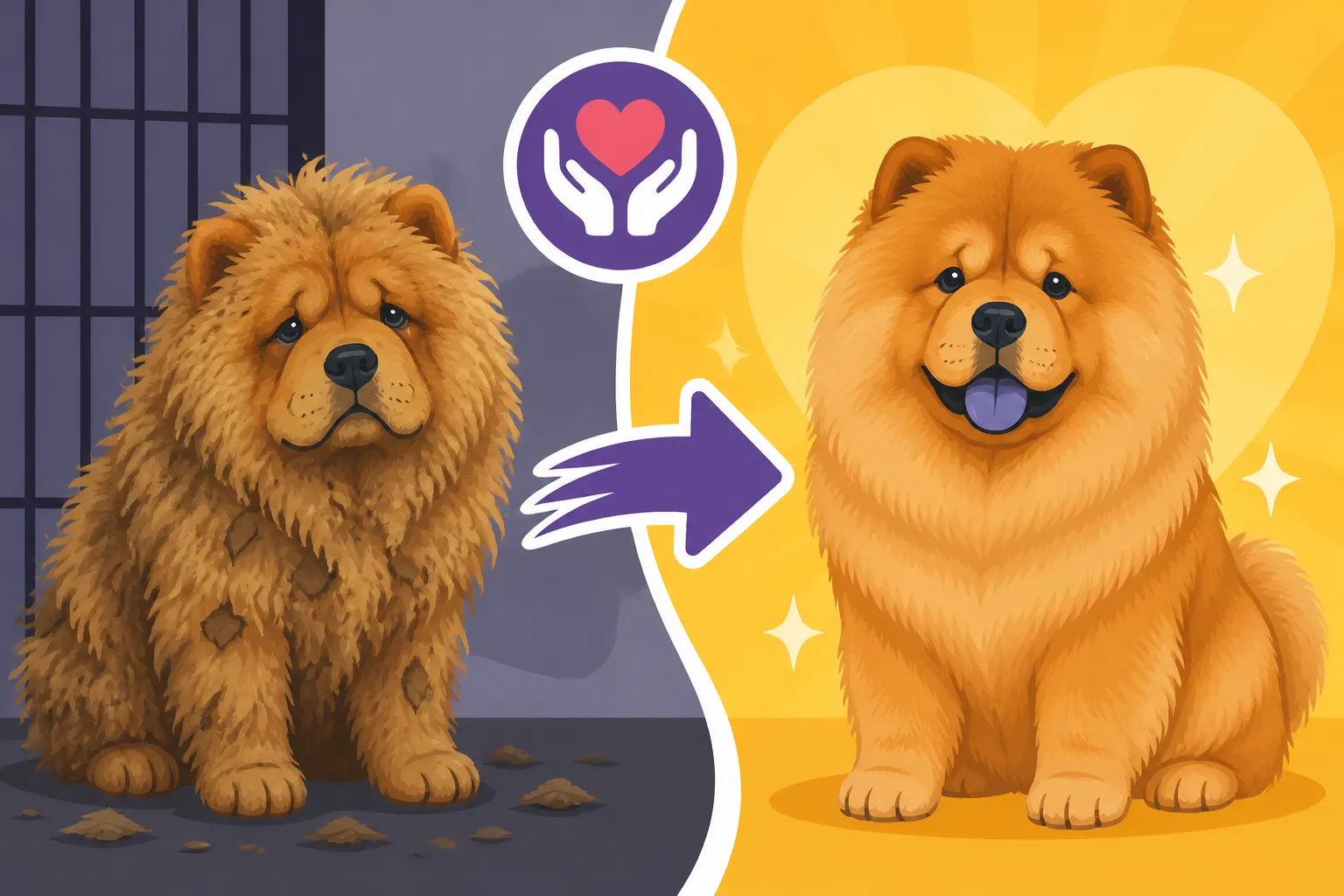
Ultimately, the most important tools you can bring to a matted rescue Chow Chow are patience, understanding, and unwavering love. The physical transformation from matted to magnificent is often dramatic, but the emotional journey takes time. Your Chow Chow might initially be reserved, fearful, or even seem aloof. This is a characteristic trait for the breed anyway, as detailed in How Affectionate a Chow Chow Is, but can be exacerbated by past trauma.
Celebrate small victories: a tail wag, a relaxed sigh during a gentle brush, a moment of connection. Consistent, positive reinforcement grooming sessions will gradually build trust and comfort. Your dedication to their care, both physical and emotional, will help them shed the burdens of their past and blossom into a confident, cherished family member. The reward of seeing your Chow Chow comfortable, healthy, and finally able to enjoy their beautiful coat, is truly immeasurable.
Disclaimer
This article is for general informational purposes only and does not constitute professional advice. Laws, prices and regulations vary by location and change over time. Consult a qualified professional for guidance on your specific situation.