When a Chow Chow’s Socialization Window Closes
One of the most common anxieties for new Chow Chow owners, or those considering bringing one into their lives, is the idea of the "socialization window." You hear about this critical period and instantly picture a ticking clock, worrying if you're doing enough, or worse, if you've already missed your chance to shape a well-adjusted dog. It's a heavy burden, especially with a breed as unique and often misunderstood as the Chow Chow. This guide is here to demystify the socialization window for Chow Chows, explain what it truly means for this particular breed, and offer realistic strategies for helping your furry friend thrive, whether they're a puppy or an adult.
Understanding the Chow Chow's Critical Socialization Period
The term "socialization window" often gets thrown around, but what does it really mean, especially for a Chow Chow? It's not just about meeting a bunch of new people and dogs; it's about forming foundational positive associations with the world around them during a crucial developmental stage. For a Chow, whose natural inclination can be reserved and watchful, this period is exceptionally important, but also requires a nuanced approach.
Defining the Critical Window
Generally, the critical socialization window for puppies is considered to be between 3 and 16 weeks of age. During this time, a puppy's brain is like a sponge, highly receptive to new experiences, sights, sounds, smells, and interactions. Positive exposure during this period helps them develop resilience and confidence, reducing the likelihood of fear-based aggression or extreme shyness later in life. It's when they learn what is "normal" and safe in their world. If they don't encounter a variety of stimuli in a positive way during this window, they can become wary, anxious, or even fearful of new situations as adults. This isn't to say all is lost if you have an older dog, but it certainly makes the path more challenging.
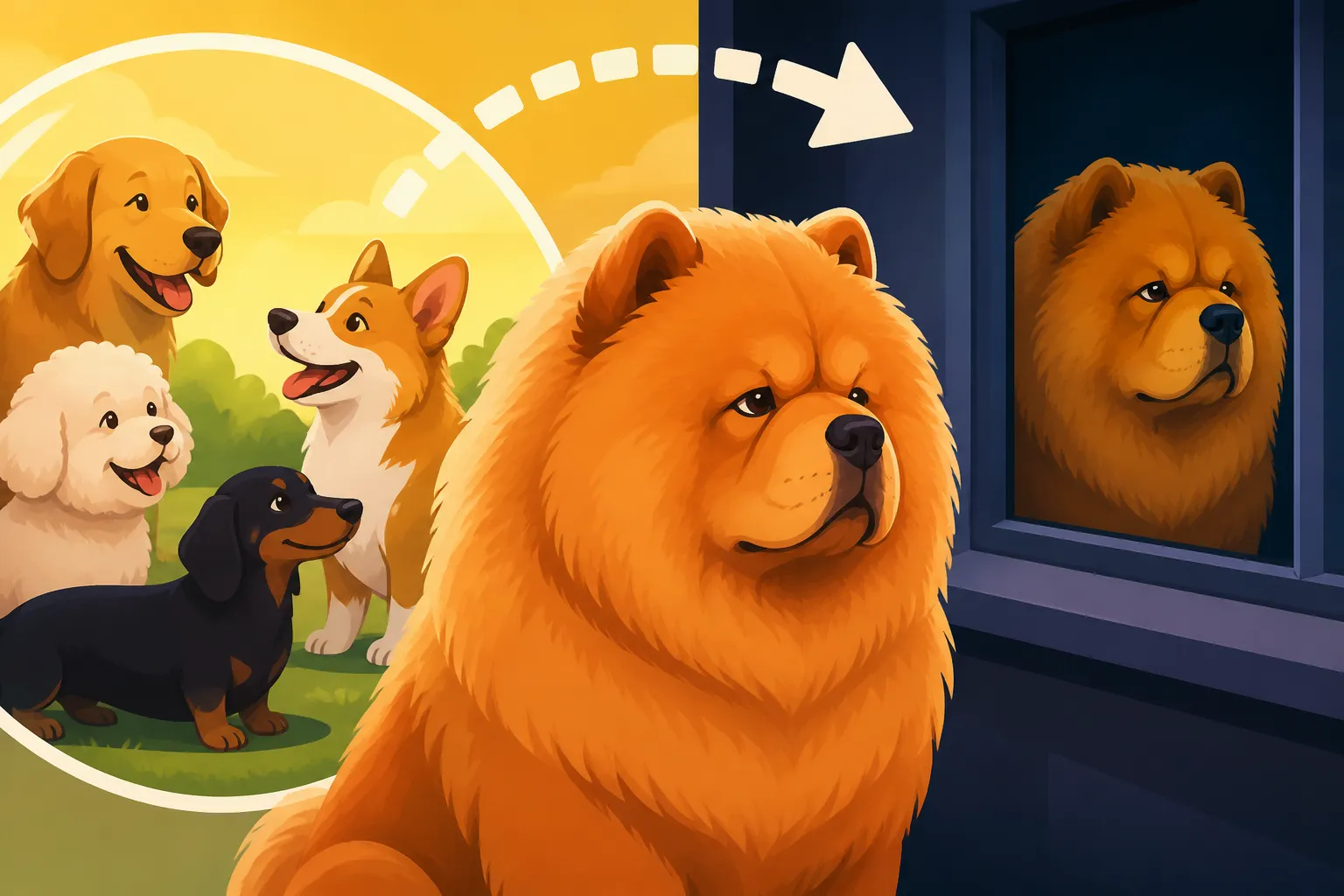
For a Chow Chow, this window is perhaps even more intensely felt. Their independent and often discerning nature means that early, consistent, and positive experiences are paramount. We're not aiming for a dog that joyfully greets every stranger like a Golden Retriever, but rather one that is comfortable and confident in various environments, even if they choose to observe rather than engage directly. Missing this window can cement their natural cautiousness into full-blown fear or defensiveness.
Why It's Different for Chows
Chow Chows are not naturally gregarious or overly friendly with strangers. They possess a keen sense of discernment, a strong guarding instinct, and a somewhat stoic demeanor. This inherent temperament means that "socialization" for a Chow Chow isn't about creating an outgoing social butterfly. It's about teaching them that the world isn't a scary place, even if they don't want to be best friends with everyone in it.
Their unique physical attributes, such as their deep-set eyes, further complicate matters. Why a Chow Chow's Deep Set Eye Causes Trouble or How a Chow Chow's Deep Set Eye Limits Its Vision explains that their vision can be somewhat restricted, meaning they might be startled by sudden approaches from the side or rear. This physical predisposition makes positive introductions from the front, with plenty of space and calm energy, even more critical during their formative weeks. The goal of Chow Chow socialization is to foster acceptance and neutrality, ensuring they don't feel the need to react aggressively out of fear or uncertainty. It's about building a foundation of trust and calm observation rather than boisterous engagement.
The Early Weeks: What Happens Before They Come Home?
The socialization journey for a Chow Chow puppy begins long before they ever step paw into your home. The first crucial weeks spent with their breeder, mother, and littermates lay a foundational layer of understanding about canine social etiquette and the general environment. As a prospective owner, understanding this period is key to appreciating the puppy you bring home and continuing their development.
Breeder's Role in Early Development
A responsible Chow Chow breeder plays an absolutely vital role in the initial stages of a puppy's socialization. From birth, puppies should be exposed to a clean, stimulating, and safe environment. This means regular, gentle handling by different people, exposure to household sounds like vacuums, doorbells, and music, and a general atmosphere of calm activity. A good breeder will ensure their puppies are comfortable with being touched, especially in sensitive areas like their paws, ears, and mouth, preparing them for future grooming and veterinary visits. They might even introduce soft toys, different textures to walk on, and short periods away from their littermates to build individual confidence.
The breeder's efforts during these critical early weeks, often from 3 to 8 weeks, can significantly influence how adaptable and resilient a Chow Chow puppy will be. If a puppy comes from an environment where they were isolated, not handled, or exposed to stressful situations, they are already starting behind the curve. It's why Which Health Tests a Chow Chow Breeder Should Run and Which Questions to Ask a Chow Chow Breeder About Temperament are so important; you’re not just looking for physical health, but also evidence of good early rearing. This early foundation contributes to a puppy's confidence, making them more receptive to your continued socialization efforts once they arrive home.
Impact of Littermate Interactions
Learning "dog manners" is one of the most significant aspects of littermate interaction. From wrestling and play biting to subtle body language cues, puppies teach each other about bite inhibition and appropriate social behavior. Their mother also plays a crucial role in this, correcting overly rough play and demonstrating calm canine leadership. Puppies who are removed from their litter and mother too early (before 8 weeks) often miss out on these vital lessons, potentially leading to issues with impulse control, bite inhibition, and understanding canine communication signals later on.
Imagine a Chow Chow puppy who never learned that biting too hard elicits a yelp from a sibling; they might unintentionally hurt another dog or a person during play as they grow. This is particularly relevant for a breed like the Chow, known for its strong personality. A well-socialized Chow Chow, even one who is reserved, will understand the nuances of dog-to-dog interactions because they learned the basics from their littermates. This means they are more likely to offer appropriate signals, even if those signals are simply "I'd prefer to be left alone," rather than escalating to a snarl or a snap.
The Golden Window: When to Maximize Exposure
Once your Chow Chow puppy comes home, typically around 8 weeks of age, you enter the prime period for active socialization, often called the "golden window," which extends up to about 16 weeks. This is where you, as the owner, take the reins and intentionally introduce your puppy to a wide array of positive experiences. It’s about quality over quantity, and ensuring every new encounter is a good one, building confidence rather than fear.
Puppy Classes and Safe Encounters
One of the best ways to continue your Chow Chow's socialization is through structured puppy classes. While you might worry Whether Puppy Class Suits a Chow Chow given their independent nature, the right class environment is invaluable. Look for classes that prioritize positive reinforcement, offer small class sizes, and have experienced trainers who understand individual breed temperaments. These classes provide a safe, controlled environment for your puppy to interact with other puppies of similar age and size, learning appropriate play and manners.
Beyond puppy playtime, these classes expose your Chow Chow to new people, different handling techniques from the trainer, and various sounds and smells. It’s not just about other dogs; it’s about the overall experience of being in a novel setting and having it be positive. Always ensure that any interactions are supervised and positive. If your Chow Chow puppy seems overwhelmed or retreats, allow them that space. The goal isn't forced interaction, but comfortable exposure. Your puppy should be leaving these sessions feeling more confident, not stressed. Many puppy classes, like those often advertised by BAXTER & Bella, can offer guidance even before your puppy is fully vaccinated, focusing on in-home socialization activities or safe, controlled outdoor exposures.
Diverse Experiences Beyond the Home
Socialization isn't confined to a classroom; it extends to the entire world your puppy will inhabit. Think of it as introducing them to "life." This means short, positive trips to places like quiet parks (where you can observe from a distance), pet-friendly stores, or even just sitting on a bench to watch people and cars go by. Expose them to different surfaces (grass, pavement, gravel, stairs), sounds (children laughing, skateboards, sirens), and sights (people in hats, people with umbrellas, people on bikes). The key is to keep these experiences short, positive, and never overwhelming. Bring high-value treats and make every new experience a rewarding one.
Crucially, avoid forcing interactions. A Chow Chow puppy who is dragged towards a person or dog they are wary of will learn to associate new encounters with stress and fear, undoing all your hard work. Instead, offer treats, praise, and comfort from a distance, allowing them to approach at their own pace. If they choose to simply observe quietly, that's a win for a Chow Chow! This period is truly when you lay the groundwork for a confident, if reserved, adult. Remember that even brief, positive exposures contribute significantly.
Beyond the Window: Is it Ever Too Late?
The idea that socialization "closes" at 16 weeks can be terrifying for owners, especially if they acquire an older Chow Chow or feel they didn't do enough in those early months. While the critical window is undeniably important, it’s a myth that all hope is lost once it closes. Socialization is a lifelong process, though the approach changes significantly for an adult dog.
Continued Exposure vs. Rehabilitation
Once a Chow Chow passes the 16-week mark, their brain becomes less pliable to new experiences. They are more likely to be wary of novel situations if they weren't exposed positively during puppyhood. This doesn't mean you stop, but your strategy shifts. For a well-socialized adolescent or adult Chow, continued exposure means maintaining their comfort levels. Regularly revisit parks, stores, and other environments they encountered as a puppy, ensuring these experiences remain positive and reinforce their calm demeanor. For example, a weekly walk through a bustling town square (if they are comfortable) can maintain their neutrality towards crowds.
However, for an undersocialized adult Chow Chow, the process becomes more akin to rehabilitation. This often involves very slow, controlled desensitization and counter-conditioning. You're working to change deeply ingrained fear or anxiety responses, which takes immense patience and consistency. The goal shifts from broad exposure to targeted, positive experiences that slowly chip away at negative associations. This might mean starting with simply observing people or dogs from a very safe distance, rewarding calm behavior, and gradually decreasing that distance over weeks or months. What an Undersocialized Chow Chow Becomes highlights the challenges, but also the possibilities, for these dogs.
Managing an Undersocialized Adult
Managing an undersocialized adult Chow Chow is about setting them up for success and prioritizing their comfort and safety, as well as the safety of others. This means being a strong advocate for your dog. If your Chow Chow is fearful or reactive towards strangers or other dogs, avoid situations that trigger them. This might involve walking them during off-peak hours, choosing quieter routes, or even avoiding dog parks altogether. Muzzle training, introduced positively, can be an excellent safety tool, not a punishment, allowing you to gradually expose them to more situations with peace of mind. You can find excellent, comfortable muzzles on platforms like Amazon.
Professional guidance is almost always recommended for an undersocialized adult Chow Chow. A certified professional dog trainer or veterinary behaviorist can help you develop a tailored plan using positive reinforcement techniques. They can teach you to read your Chow Chow's subtle body language – Signs a Chow Chow Is Uncomfortable – and intervene before they become overwhelmed. It's a journey of small steps, celebrating every ounce of progress, no matter how minor it seems. It might take years, but fostering a sense of security and trust with your Chow Chow, even if they never become a social butterfly, is a profound reward.
Common Misconceptions About Chow Chow Socialization
When it comes to socializing a Chow Chow, there are several persistent myths that can lead owners down the wrong path, causing frustration for both human and canine. Understanding these misconceptions is crucial to setting realistic expectations and adopting effective strategies.
The "One-Person Dog" Myth
The idea that a Chow Chow is a "one-person dog" is widely circulated, and while they do often form an intensely deep bond with one primary person, this doesn't mean they should be isolated from everyone else. The myth can lead owners to believe that socializing with other family members or strangers is futile or unnecessary, which is far from the truth. A Chow Chow should be comfortable and accepting, if not overtly affectionate, towards all members of their immediate household. They might not follow everyone around the house or seek cuddles from every family member, but they should tolerate polite interactions. The Chow Chow Bonds to One Person and Tolerates the Rest further explores this dynamic.
Furthermore, being a "one-person dog" doesn't excuse a Chow Chow from learning to tolerate the wider world. While they may never be the life of the party, a well-socialized Chow Chow should be able to calmly observe strangers and new situations without fear or aggression. The goal is acceptance, not necessarily enthusiastic engagement. Neglecting socialization because of this myth can result in a Chow Chow who is not just reserved, but genuinely fearful or reactive towards anyone outside their inner circle, making life difficult for everyone involved.
Socialization Means Acceptance, Not Extreme Friendliness
This is perhaps the biggest misconception of all, and it's particularly vital for Chow Chow owners to grasp. Many people equate "socialized" with "friendly to everyone." For a Chow Chow, this simply isn't a realistic or even desirable outcome. Their breed standard often describes them as "discriminating" or "aloof" with strangers. Expecting a Chow Chow to be effusively friendly with every person or dog they meet is setting both of you up for failure and disappointment.
Instead, define successful Chow Chow socialization as fostering neutrality and acceptance. This means your Chow Chow can be in a public place, see new people, encounter other dogs on leash, and experience various sounds without reacting fearfully or aggressively. They might not want to go up and say hello, and that's perfectly fine. A calm, indifferent Chow Chow is a well-socialized Chow Chow. Your training should focus on rewarding calm observation and a lack of reaction, rather than trying to force interactions. This understanding helps manage expectations and reduces frustration when your Chow isn't the social butterfly you might see in other breeds.
Practical Strategies for Lifelong Socialization
Socialization isn't a one-time event; it's an ongoing commitment, particularly for a Chow Chow. As they grow from a puppy into an adult, your strategies will evolve, but the goal remains the same: to ensure they remain confident, accepting, and comfortable in the world around them.
Structured Socialization Sessions
Even after the critical puppy window closes, continue to plan structured, positive socialization sessions. These aren't random encounters, but deliberate exposures designed to reinforce positive associations. For example, regularly take your Chow Chow on short, leashed walks in different neighborhoods, allowing them to take in the sights and sounds from a comfortable distance. Visit a quiet pet store during off-peak hours, or sit outside a coffee shop with them, rewarding calm behavior with high-value treats.
Focus on quality over quantity. A few short, positive experiences a week are far more beneficial than one overwhelming, negative one. Keep sessions brief, ending on a positive note before your Chow Chow becomes tired or stressed. Always carry treats – the tastier, the better – to reinforce good behavior. These regular, positive outings help maintain their comfort level and prevent them from becoming rusty or reverting to wary behaviors as they mature. Consider enrolling in advanced obedience or manners classes; even if your Chow Chow isn't a natural obedience star, the controlled environment and consistent exposure to new people and dogs is valuable.
Utilizing Tools and Professional Help
Sometimes, even with the best intentions, you might need a little extra help. Don't hesitate to invest in tools that aid in safe and effective socialization. A comfortable, well-fitting harness gives you better control on walks, and a long lead (easily found on Amazon) allows for exploration while maintaining safety. A clicker can be an excellent communication tool for positive reinforcement training, marking the exact moment your Chow Chow performs a desired behavior, like calmly observing a stranger.
For Chow Chow owners feeling overwhelmed or facing specific behavioral challenges, professional guidance is invaluable. A certified professional dog trainer specializing in positive reinforcement and reactive dogs can provide tailored strategies. They can help you learn to read your How to Read a Chow Chow's Face and body language better, identify triggers, and implement counter-conditioning and desensitization protocols. For more complex cases, a veterinary behaviorist might be necessary. Remember, seeking help is a sign of a responsible owner dedicated to their Chow Chow's well-being. Organizations like BAXTER & Bella offer comprehensive online training programs that can be incredibly useful for Chow Chow owners who prefer to work at home or need supplemental guidance. Their structured lessons can help you establish routines and positive interactions even before venturing out into more complex social settings.
Socialization Phases for a Chow Chow
To help summarize the key periods, here's a table outlining the general phases of socialization for a Chow Chow, along with typical goals and recommended activities:
| Age Range | Phase Name | Primary Goal | Key Activities | Considerations for Chow Chows |
|---|---|---|---|---|
| 0-8 Weeks | Pre-Socialization | Develop neurological connections, basic manners | Handled gently by breeder, exposure to household sounds, littermate play, mother's guidance. | Breeder's role is paramount. Lack of early handling can be detrimental. |
| 8-16 Weeks | Critical Socialization | Form positive associations with the world | Puppy classes, diverse sounds/sights/surfaces, meeting calm vaccinated dogs, gentle handling by various people. | Focus on neutrality, not effusive greetings. Avoid overwhelming. |
| 4-12 Months | Adolescent Socialization | Reinforce positive associations, build confidence | Continue diverse outings, advanced training classes, controlled play dates, exposure to real-world scenarios. | Hormonal changes may impact behavior; stay consistent. |
| 1 Year + | Adult Socialization | Maintain comfort, manage specific behaviors | Regular low-stress outings, refresh training, desensitization/counter-conditioning for fear/reactivity if needed. | Lifelong process. Focus on acceptance and calm observation. |
Ultimately, while the critical socialization window for your Chow Chow puppy is a vitally important time, it's not the end-all, be-all. Socialization is a continuous journey that evolves with your dog. By understanding their unique breed traits, being patient, and consistently providing positive, controlled experiences, you can help your Chow Chow become a confident, well-adjusted, and happy companion, even if they choose to express their comfort through quiet observation rather than boisterous enthusiasm.
Disclaimer
This article is for general informational purposes only and does not constitute professional advice. Laws, prices and regulations vary by location and change over time. Consult a qualified professional for guidance on your specific situation.