Why a Chow Chow Ignores a Cue It Knows
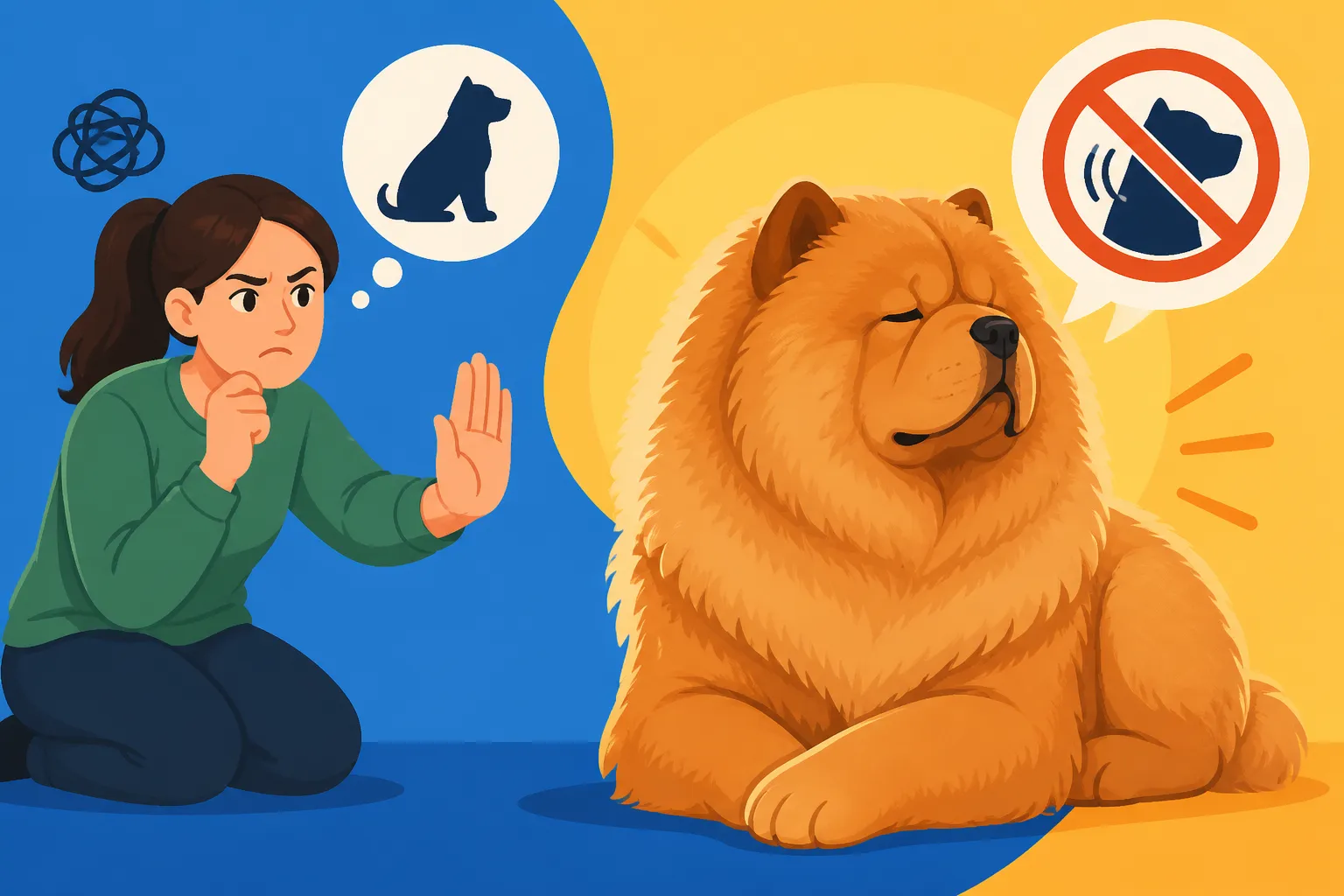
Oh, the classic Chow Chow "selective hearing"! If you're a Chow Chow owner, you've probably experienced it: your majestic fluffball knows "sit" perfectly in the quiet living room, but the moment you're out in the park with a squirrel in sight, your perfectly trained companion suddenly develops amnesia. It’s a common frustration, making you wonder if they truly understand or just choose when to comply. This guide dives deep into why your Chow Chow might be ignoring cues it clearly knows and how you can bridge that communication gap to foster a more reliable response.
Understanding the Unique Chow Chow Mindset
Let's be real, Chow Chows aren't like your typical Golden Retriever who lives to please. They're a breed with a rich history and a very distinct personality. Understanding this fundamental difference is crucial when you're trying to figure out why your Chow Chow sometimes acts like you're speaking a foreign language, even when you're using a cue they’ve aced a hundred times before.
Independent Nature and Intelligence
Chow Chows are often described as cat-like, and there's a good reason for it. They possess a fierce independence, a trait that served them well in their ancient roles guarding temples and homes in China. This isn't a breed that automatically defaults to "What do you want me to do, human?" Instead, their intelligence is often paired with a deep-seated self-reliance. They can learn quickly, but their motivation isn't always rooted in eager obedience.
Think of it this way: your Chow Chow isn't unintelligent; they're often too smart for simple, mindless repetition. They process information, and then they decide if it's worth their while to act on it. This independence means they often make their own decisions, which can be both charming and maddening. They're not trying to be disobedient out of spite, but rather because their innate nature encourages them to assess situations on their own terms. It’s a part of what makes them so unique, but it certainly adds a layer of complexity to their training. You might notice your Chow Chow has a very strong bond with one particular person in the household, almost to the exclusion of others, which can also influence their responsiveness. Why a Chow Chow Picks One Person discusses this fascinating aspect of their loyalty.
The "What's In It For Me?" Attitude
This ties directly into their independent nature. While some dogs are motivated purely by pleasing their owner, a Chow Chow operates on a more pragmatic wavelength. They're constantly evaluating the cost-benefit analysis of every request. "If I sit right now, will I get a treat? Is that treat worth more than continuing to sniff this interesting bush?" This isn't rudeness; it's just how their minds are wired. They are, after all, an ancient breed, and self-preservation and efficiency were likely prized traits.
This means that your training approach needs to consistently offer value. A simple "good dog" might not cut it, especially in distracting environments. They need to feel adequately compensated for their effort, whether that's a high-value treat, a favorite toy, or a brief, enthusiastic play session. If the reward isn't enticing enough, or if they perceive a greater reward elsewhere (like chasing that squirrel!), your cue might just fall on deaf ears. Understanding this intrinsic motivation is the first step in re-engaging your Chow Chow and preventing them from becoming completely aloof during training. How Aloof a Chow Chow Really Is provides more context on this characteristic.
Common Reasons for Ignoring Cues
Beyond their inherent personality traits, there are several practical reasons why your Chow Chow might suddenly seem to forget everything you've ever taught them. It’s rarely about them genuinely not knowing the cue; it’s usually about something else taking precedence in their world at that particular moment.
Distraction and Environment Overload
Imagine trying to concentrate on a complicated math problem while someone is loudly playing rock music, a TV is blaring, and people are having a heated argument in the next room. That’s often what a busy park or even a new walking route can feel like to your Chow Chow. Their senses are bombarded with novel sights, sounds, and smells – a dog walking by, a child on a bike, the scent of another animal, a sudden loud noise. These external stimuli can completely overwhelm their ability to focus on your voice or hand signals.
Their deep-set eyes, characteristic of the breed, can also limit their peripheral vision. This means they might not see something approaching from the side as readily as other breeds, leading to sudden startling and a heightened state of alertness that makes it hard to focus on you. When a Chow Chow is overstimulated, their natural instinct to assess and guard can kick in, making them less inclined to follow commands. It's not a deliberate defiance; it's a physiological response to their environment. This is why practicing known cues in progressively more distracting environments is so important.
Physical Discomfort or Health Issues
This is one of the most overlooked reasons for a sudden change in a dog's behavior, including ignoring cues. Dogs are masters at hiding pain or discomfort, a survival instinct that dates back to their wild ancestors. If your Chow Chow suddenly seems reluctant to sit, lie down, or even move quickly to you, it might not be defiance – it could be pain. Conditions like hip or elbow dysplasia, arthritis (especially as they age), or even something as simple as a thorn in a paw can make certain actions uncomfortable.
A Chow Chow's dense coat can also hide skin issues, hot spots, or external parasites that could be causing irritation. An ear infection, dental pain, or even a digestive upset could make them feel generally unwell and less inclined to engage in training. If the "selective hearing" is new or accompanied by other subtle behavioral changes (like changes in appetite, sleep, or general demeanor), a vet check is always a good idea. Sometimes, an underlying health problem is the true culprit, and a regular wellness exam is critical for early detection of such issues. How Often a Chow Chow Needs a Wellness Exam covers this in more detail.
Boredom, Repetition, and Lack of Motivation
As mentioned earlier, Chow Chows are intelligent, and sometimes, that intelligence means they get bored easily. If your training sessions are repetitive, long, and without much excitement, your Chow Chow might simply check out. They know the cue, they've done it a hundred times, and if the reward isn't particularly thrilling or varied, why bother? Why Repetition Bores a Chow Chow delves deeper into this aspect of their learning style.
Imagine being asked to do the same simple task over and over again with the same minimal reward. You'd likely lose interest too! Chow Chows thrive on variety and challenge. If every "sit" is followed by the same dry kibble, they might decide it’s not worth the effort when there are more interesting things to do or investigate. The lack of motivation often stems from a predictable routine or insufficient reward value. They need to feel that engaging with you is always the most rewarding option available, especially when competing with the world's myriad distractions.
| Reason for Ignoring Cues | Description | Potential Solution |
|---|---|---|
| Independent Nature | Chow Chows make their own decisions, not always seeking to please. They assess situations on their own terms. | Consistently provide high-value rewards; build a strong, trust-based relationship; keep training sessions short and positive. |
| "What's In It For Me?" | They evaluate the benefit of complying with a cue vs. doing something else. If the reward isn't compelling, they won't comply. | Use high-value treats (e.g., bits of cheese, cooked chicken); vary rewards; ensure rewards are delivered immediately and enthusiastically. |
| Distraction Overload | Environmental stimuli (sights, sounds, smells) overwhelm their ability to focus, especially their limited peripheral vision. | Start training in quiet environments; gradually introduce distractions; practice "look at me" cues; keep initial sessions in distracting areas very short. |
| Physical Discomfort | Pain, injury, or illness (e.g., arthritis, ear infection, skin irritation) makes performing cues uncomfortable or causes general malaise. | Rule out medical issues with a vet check; observe for other signs of discomfort (limping, reluctance to move, changes in appetite); adjust training to avoid painful actions. |
| Boredom/Repetition | Intelligent Chow Chows get bored with predictable, repetitive tasks, especially if rewards are unexciting. | Vary training routines; introduce new tricks; make sessions fun and engaging; use different types of rewards (treats, toys, praise). Keep sessions brief to maintain interest. How Long a Chow Chow's Training Session Should Be recommends short bursts. |
| Harsh Correction History | Negative experiences or punishment can shut down a Chow Chow, making them reluctant to try or trust. | Switch exclusively to positive reinforcement; rebuild trust; avoid scolding or physical corrections. Focus on rewarding desired behaviors. |
| Lack of Generalization | They might perform a cue perfectly in one context but not understand it applies everywhere or with everyone. | Practice cues in diverse locations, with different family members, and in varying scenarios. |
| Misunderstanding the Cue | The cue might not be clear, consistent, or may have been inadvertently associated with something else. | Ensure clear, consistent cues; avoid confusing hand signals or verbal commands; re-teach the cue in a low-distraction environment. |
The Impact of Training Methods
The way you train your Chow Chow has a profound effect on their willingness to comply. Given their independent and often sensitive nature, the wrong approach can lead to more than just ignored cues – it can damage your relationship and make training an uphill battle.
Why Harsh Correction Backfires
It's tempting when your Chow Chow ignores you to get frustrated, raise your voice, or even use a physical correction. After all, if they know it, why aren't they doing it? However, with a Chow Chow, harsh correction almost always backfires. They are not a breed that responds well to intimidation or force. Instead of learning to comply, they learn to shut down, become fearful, or, worse, become defensive. Why Harsh Correction Backfires on a Chow Chow explains this dynamic in detail.
A Chow Chow subjected to harsh training methods often becomes reluctant to offer behaviors at all, for fear of doing the wrong thing and being punished. This can manifest as an even greater unwillingness to respond, a sullen demeanor, or even outright avoidance. Their confidence can be shattered, and the trust between you and your dog, which is paramount for this breed, can be severely eroded. Remember, they are intelligent creatures making choices. If the consequence of a choice (not responding) is less unpleasant than the consequence of trying and failing (harsh correction), they will often choose the path of least resistance or simply avoid engagement altogether. Building a strong, positive relationship is key, and harshness destroys that foundation. Your Chow Chow might also develop a long memory for negative experiences, which can affect their willingness to engage in future training. How Long a Chow Chow Remembers a Bad Session highlights their capacity for holding grudges or remembering unpleasant events.
The Power of Positive Reinforcement
On the flip side, positive reinforcement is the golden key to unlocking your Chow Chow's potential. This method focuses on rewarding desired behaviors, making them more likely to happen again. When your Chow Chow does offer a "sit," even after a moment of hesitation, a high-value treat, enthusiastic praise, or a quick game of tug immediately after makes them think, "Ah, that was a good choice! I should do that again."
The key here is consistency and finding what truly motivates your Chow Chow. For some, it might be a specific type of treat – maybe a bit of cooked chicken, cheese, or even slices of hot dog. Others might be more toy-motivated. The level of praise and excitement you bring to the session also matters. Chows may not be overly demonstrative, but they do appreciate genuine positive feedback. Positive reinforcement builds confidence and makes training a fun, rewarding interaction rather than a chore. It strengthens the bond between you, fostering a partnership where your Chow Chow wants to cooperate because they associate you and your cues with good things. Platforms like BAXTER & Bella offer online puppy training programs that emphasize positive reinforcement, which can be a valuable resource for Chow Chow owners looking for structured, humane methods.
Re-engaging a Disinterested Chow Chow
So, your Chow Chow has developed a knack for ignoring you. Don't despair! It’s not a lost cause. Re-engaging them requires patience, creativity, and a willingness to shake up your training routine.
Refreshing Known Cues
Sometimes, the cue itself might have become stale or diluted. It's time to go back to basics, but with a twist. Pick one cue your Chow Chow knows well (or used to know well) and re-teach it as if it's brand new, but in a fun, rewarding way.
- Low-Distraction Environment: Start in a very quiet area of your home, free from any outside stimuli.
- High-Value Rewards: Pull out the really good stuff – those treats your Chow Chow goes wild for. This is where a trip to Amazon for a variety of novel, high-value training treats might come in handy.
- Short, Sweet Sessions: Keep these refreshers incredibly brief, maybe just 1-2 minutes, ending on a success. You want to leave them wanting more, not bored. How Long a Chow Chow's Training Session Should Be suggests this approach.
- Clear Cues: Ensure your verbal cue is crisp and clear, and your hand signal (if you use one) is consistent. Avoid repeating the cue multiple times without a response; if they don't respond after one or two tries, gently guide them into position, then immediately reward and praise.
- Vary the Reward: Don't always use the same treat. Sometimes it's a piece of chicken, sometimes a toy, sometimes just enthusiastic play. This keeps them guessing and engaged. Which Treat a Chow Chow Will Work Hardest For explores the best motivators for Chows.
Once they're reliably performing in this low-distraction environment, gradually introduce very mild distractions. A TV quietly on in the background, a family member walking through the room. Slowly build up the challenge, always setting them up for success.
Making Training Fun Again
If training feels like work to you, it probably feels like work to your Chow Chow too. The key is to inject joy and novelty back into your sessions.
- Game On!: Turn training into games. Instead of simply asking for a "stay" in one spot, try a "hide and seek" game where they have to "stay" while you hide, then "come" to find you. This can be especially good for improving a reliable recall. Teaching a Chow Chow a Reliable Recall is an important skill to practice with games.
- New Tricks: Chows enjoy learning, even if they're not overtly enthusiastic about it. Teaching a new, fun trick like "spin," "bow," or "fetch a specific toy" can re-ignite their interest and build confidence. The mental stimulation is just as valuable as the physical.
- Interactive Toys: Incorporate puzzle toys or sniff games into your routine. Hiding treats around the house for them to find engages their powerful sense of smell and provides mental enrichment without the pressure of formal cues.
- Short Bursts of Engagement: Instead of a long 20-minute session, scatter short 30-second bursts of training throughout the day. Ask for a "sit" before dinner, a "down" before they get a chew toy, or a "wait" at the door. These micro-sessions make training feel less like a chore and more like a natural part of daily life.
Remember, the goal is to make them associate training with positive, exciting experiences. Your energy and enthusiasm are contagious, even to a stoic Chow Chow.
Changing the Training Environment
Your Chow Chow might be a superstar in the living room but a complete novice outside. This is a common issue known as a lack of generalization – they associate the cue with a specific place, not the action itself.
- Location, Location, Location: Start practicing known cues in different parts of your home, then your yard, then a quiet street, then a slightly busier park. Each new environment is like re-teaching the cue, so always start with easier expectations and higher rewards.
- Vary the Time of Day: Train at different times – morning, midday, evening. Environmental factors like light, temperature, and activity levels change throughout the day, presenting new challenges.
- Different People: If possible, have other family members practice cues with your Chow Chow. This helps them understand that "sit" means "sit," no matter who is asking. This can be particularly helpful if your Chow Chow tends to bond very strongly with one person.
- Managed Distractions: When you move to a more distracting environment, manage those distractions. For example, if you're practicing in a park, choose a time when it's less crowded. Work at a distance from other dogs or people, slowly decreasing the distance as your Chow Chow's focus improves. This is about setting them up for success, not overwhelming them.
By gradually expanding the environments in which you train, you help your Chow Chow understand that a cue is a universal command, not just something they do in one specific spot.
Preventing Future "Selective Hearing"
Once you've re-engaged your Chow Chow and they're responding more reliably, the goal is to maintain that progress and prevent future bouts of selective hearing. This requires a proactive, consistent, and compassionate approach to living and learning with your unique companion.
Consistent, Varied Training
Consistency is the bedrock of all successful dog training, but for a Chow Chow, consistency must be paired with variety. Repeating the same five cues in the same order every day will lead to boredom and disengagement.
- Daily Mini-Sessions: Integrate short bursts of training into your daily routine. Think of it as brain breaks for your Chow Chow. Asking for a "down-stay" while you tie your shoes, a "come" from the kitchen to the living room, or a "shake a paw" before a treat keeps their mind active and reinforces that cues are part of everyday life.
- Mix It Up: Rotate the cues you practice. Some days focus on recalls and stays, other days on polite leash walking and door manners. Introduce new, fun tricks to keep things fresh. The goal is to keep them guessing and keep them engaged, ensuring they don't get bored.
- Proofing: This is the process of practicing a cue in increasingly challenging environments. Start with minimal distractions and gradually add more, ensuring your Chow Chow can reliably perform the cue no matter what's going on around them. This might mean practicing "sit" with a toy rolling by, then with another dog passing at a distance, always rewarding heavily for success.
- Reward Variability: Don't always offer the same reward. Sometimes it's a high-value treat, sometimes a favorite toy, sometimes a special belly rub (if your Chow Chow enjoys them, which not all do!). The unpredictability of the reward keeps them motivated. How Far Praise Gets You With a Chow Chow explores the different types of reinforcement.
By keeping training varied and consistent, you create a dog that is always ready to learn and eager to engage with you, knowing that good things happen when they pay attention.
Building a Stronger Bond
Ultimately, training is a partnership. A Chow Chow is less likely to ignore someone they deeply trust and respect. The stronger your bond, the more willing they will be to listen, even when their independent nature might tell them otherwise.
- Spend Quality Time: Beyond training, dedicate time each day to activities your Chow Chow enjoys. This could be a peaceful walk, a gentle grooming session, or simply sitting quietly together. These moments build connection without pressure.
- Learn Their Language: Pay attention to your Chow Chow's subtle body language. Are they showing signs of stress, discomfort, or overstimulation? Recognizing these cues from them allows you to intervene before they shut down or react negatively, reinforcing that you understand and respect them.
- Fairness and Patience: Always be fair in your expectations and patient in your approach. Understand that they have good days and bad days, just like us. If they're struggling, step back, simplify, and rebuild. Never lose your temper.
- Positive Interactions: Make the majority of your interactions positive and rewarding, not just when you're giving a cue. Random treats, unexpected praise, and spontaneous play sessions reinforce that you are a source of good things.
A strong, trusting bond is the ultimate insurance against selective hearing. When your Chow Chow views you as their consistent, fair, and rewarding partner, they are far more likely to choose to engage with you, even when the world outside is calling their name. The Weeks That Matter Most for a Chow Chow Puppy are especially critical for establishing this bond and setting the foundation for future training success.
Knowing When to Call for Professional Help
Sometimes, despite your best efforts, the communication breakdown persists. This is not a sign of failure on your part, but rather an indication that it might be time to bring in an expert.
- Persistent Issues: If your Chow Chow consistently ignores crucial cues like "come" or "leave it," especially in high-stakes situations, or if you're struggling with aggression or fear-based behaviors, professional help is invaluable.
- Certified Professional Dog Trainers (CPDT-KA/KPA CTP): Look for trainers who use positive reinforcement methods and have experience with independent or challenging breeds. Avoid anyone who suggests harsh corrections, intimidation, or dominance-based techniques. A good trainer will teach you how to communicate more effectively with your dog.
- Veterinary Behaviorists (DACVB): For more complex behavioral issues, such as severe anxiety, fear, or aggression, a board-certified veterinary behaviorist is the most qualified professional. They are veterinarians with specialized training in animal behavior and can address underlying medical or neurological components.
- Online Resources and Classes: Many reputable organizations offer online courses or webinars. While not a substitute for one-on-one help, these can provide excellent foundational knowledge and specific techniques. Programs like those offered by BAXTER & Bella can be a great starting point, even if you eventually seek an in-person trainer.
Never hesitate to seek help. A professional can provide an objective perspective, identify subtle issues you might be missing, and equip you with personalized strategies and tools to get your Chow Chow listening more reliably. Whether a Chow Chow Needs a Professional Trainer is a valid question, and for many, the answer is yes, at least for some guidance. They can help you understand your Chow Chow's unique learning style and tailor training to their specific needs, ensuring a happier, more harmonious relationship for both of you.
Disclaimer
This article is for general informational purposes only and does not constitute professional advice. Laws, prices and regulations vary by location and change over time. Consult a qualified professional for guidance on your specific situation.