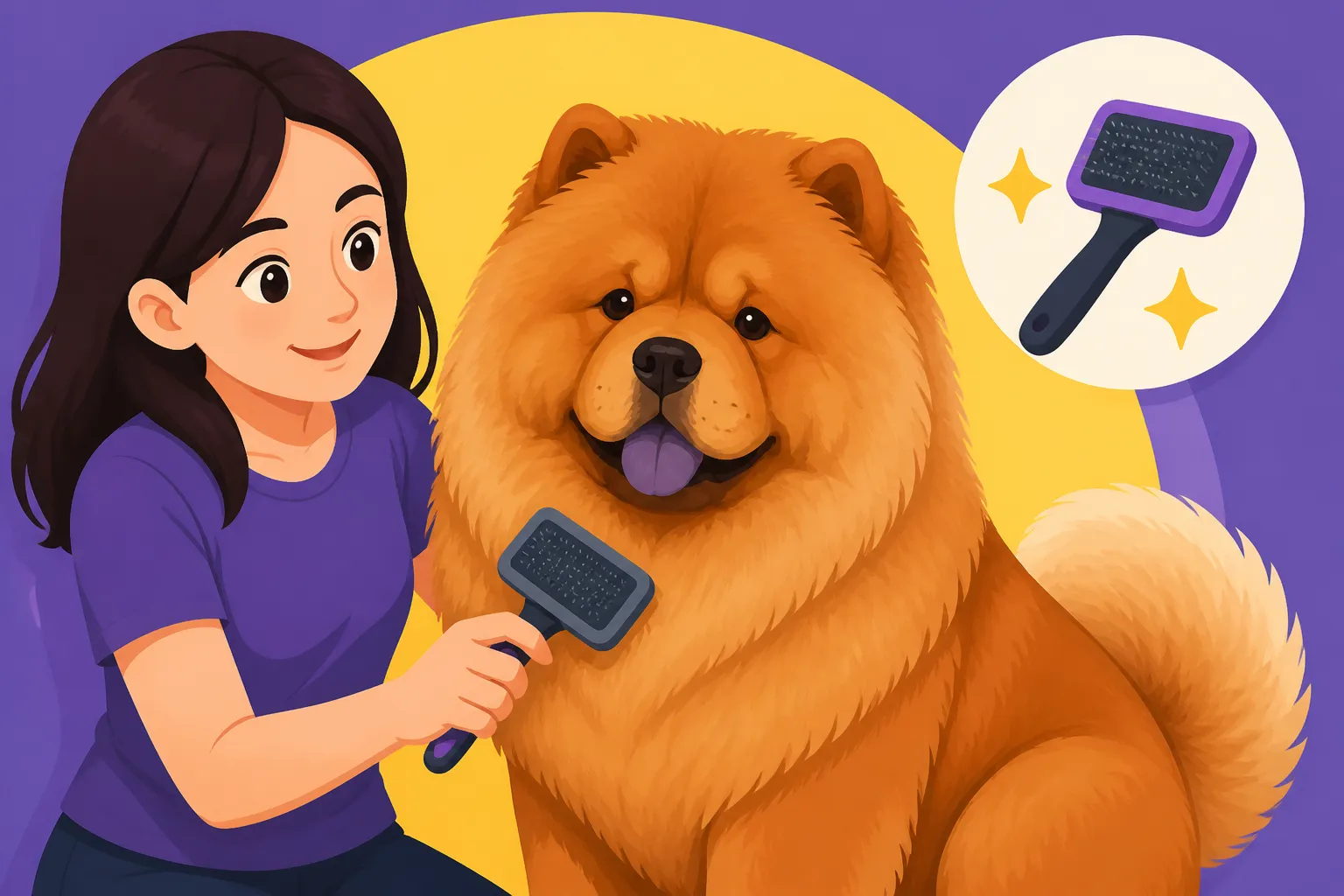
Teaching a Chow Chow to Be Brushed
One of the biggest anxieties many Chow Chow owners face is the thought of regular grooming, especially brushing. That majestic double coat, while undeniably beautiful, can quickly become a matted, tangled nightmare if not properly maintained. The struggle is real – trying to get an independent, sometimes stubborn Chow Chow to stand still for brushing can feel like an impossible task, often leading to frustration for both you and your furry companion. This guide is here to walk you through how to teach your Chow Chow to not just tolerate, but genuinely accept and even enjoy being brushed, transforming a dreaded chore into a bonding experience.
Understanding the Unique Chow Chow Coat and Temperament
Before you even pick up a brush, it's crucial to understand what makes grooming a Chow Chow so distinct. Their coat isn't just fluffy; it's a complex system, and their personality isn't always one to readily submit to perceived inconveniences.
The Intricacies of the Chow Chow's Double Coat
The Chow Chow boasts a dense double coat, comprised of a soft, woolly undercoat and a coarser, longer outer coat. This combination is what gives them their distinctive "lion's mane" appearance and provides protection against the elements in their ancestral colder climates. However, this magnificent coat is also a magnet for debris, dead hair, and, yes, mats. The undercoat sheds profusely, particularly during their bi-annual "coat blows," where it can feel like you're losing half your dog overnight. Without diligent brushing, this shed undercoat compacts, forming tight, painful mats that pull on the skin and can lead to skin infections and discomfort.
It's not just about aesthetics; it's about health and comfort. A matted coat prevents air circulation, trapping moisture and creating a breeding ground for bacteria and parasites. It also makes it difficult for your Chow Chow to regulate their body temperature, which is already a challenge for them. You might be surprised to learn that even a "smooth-coated" Chow Chow, while having a shorter outer coat, still possesses a dense undercoat that requires regular attention. Knowing Rough or Smooth: the Two Chow Chow Coats and What Each Needs is the first step in appreciating the task at hand.
Why a Chow Chow's Temperament Affects Grooming
Chow Chows are known for their dignified, independent, and sometimes aloof nature. They aren't typically the type of dog to eagerly roll over for a belly rub from a stranger, and this extends to their tolerance for handling. They thrive on routine and clear expectations, but they rarely respond well to force or harsh methods. A Chow Chow that feels cornered, uncomfortable, or unfairly treated during grooming can quickly become resistant, fearful, or even defensive. Their deep-set eyes can also limit their peripheral vision, meaning they might startle if you approach from behind without warning, which can be interpreted as aggression by a handler if not understood.
This independence means that teaching them to accept grooming isn't about dominance; it's about partnership and trust. You need to convince your Chow Chow that grooming is a positive, safe experience, not something to be endured. This breed also tends to bond strongly with one person, often making that person the only one they truly trust for intimate care tasks. Consistency from their chosen person is key, but even then, patience and positive reinforcement are paramount. If you've ever wondered Why a Chow Chow Resists the Brush, their unique blend of physical and psychological traits holds the answer.
Building Your Essential Chow Chow Brushing Toolkit
Having the right tools is half the battle when it comes to effective and comfortable grooming for your Chow Chow. Skimping on quality or using the wrong type of brush can make the experience unpleasant for both of you, leading to further resistance.
Essential Brushes and Combs for a Chow Chow
Your grooming arsenal should include several key items. First, a high-quality slicker brush is indispensable for working through the outer coat and removing loose hair. Look for one with sturdy, angled pins that can penetrate the dense fur without scratching the skin. Next, a long-toothed metal comb, often called a Greyhound comb, is crucial for line brushing. This type of comb allows you to get down to the skin and check for any developing mats that the slicker brush might miss. It's often debated Which Brush a Chow Chow Needs, but a combination is usually best.
A pin brush can also be useful for longer feathering and for a general once-over, but it won't be sufficient for preventing mats in the undercoat. For serious shedding during a coat blow, an undercoat rake can be a lifesaver, designed to pull out large amounts of loose undercoat. You can find all these specialized grooming tools easily on platforms like Amazon, making it convenient to build your collection. Remember, the goal is to choose tools that are effective yet gentle.
Other Important Grooming Aids
Beyond brushes and combs, a few other items will make your grooming sessions smoother. A sturdy grooming table, ideally with a non-slip surface and a grooming arm, is highly recommended. This elevates your Chow Chow to a comfortable working height, saving your back and helping to keep them still. If you don't have a table, a non-slip mat on a sturdy surface will work. A high-velocity dryer is another excellent investment, especially during those heavy shedding periods. It blasts out loose hair and helps to thoroughly dry the coat after baths, preventing matting. Many owners find that a high-velocity dryer makes grooming much faster and more efficient, reducing the time your Chow Chow has to endure the process. It's truly amazing How Much Undercoat Comes Off a Chow Chow with one of these!
For puppies, a soft, small brush for early desensitization and some delicious, high-value treats are non-negotiable. You'll also want a good detangling spray for any stubborn knots, and possibly a muzzle for safety if your Chow Chow is particularly anxious or has a history of nipping when uncomfortable. Even if your dog isn't prone to biting, muzzle training early on can be beneficial for future vet visits or emergencies. Consider these investments for a lifetime of easier grooming and a happier Chow Chow.
Laying the Foundation: Positive Experiences from Puppyhood
The key to a Chow Chow who accepts brushing lies in starting early and making every interaction positive. Puppyhood is a critical window for socialization and habituation.
Starting Early with Gentle Handling
The moment you bring your Chow Chow puppy home, start with gentle handling exercises. Don't wait until their coat is long and matted to introduce them to the brush. Begin by simply touching their paws, ears, tail, and all over their body, especially areas that might be sensitive, like their rear. Use soft, reassuring tones, and immediately follow any touch with a tiny, high-value treat. The goal is to create a positive association: "When my human touches me, good things happen." This is also a fantastic time to get them comfortable with lying on their side, which will be essential for thorough brushing. Many comprehensive puppy training programs, like those offered by BAXTER & Bella, include modules on handling and desensitization that can be incredibly helpful for new Chow Chow owners.
Once they tolerate touch, introduce the softest brush you have. Just a few gentle strokes, followed by a treat and praise. Keep these initial sessions incredibly short – think 30 seconds to a minute. Don't worry about thoroughness at this stage; focus entirely on making it a pleasant experience. Gradually increase the duration and the pressure of the brush over days and weeks. The goal is incremental progress, building confidence and trust one positive interaction at a time. Remember, consistency is more important than intensity.
Associating Brushing with Positive Reinforcement
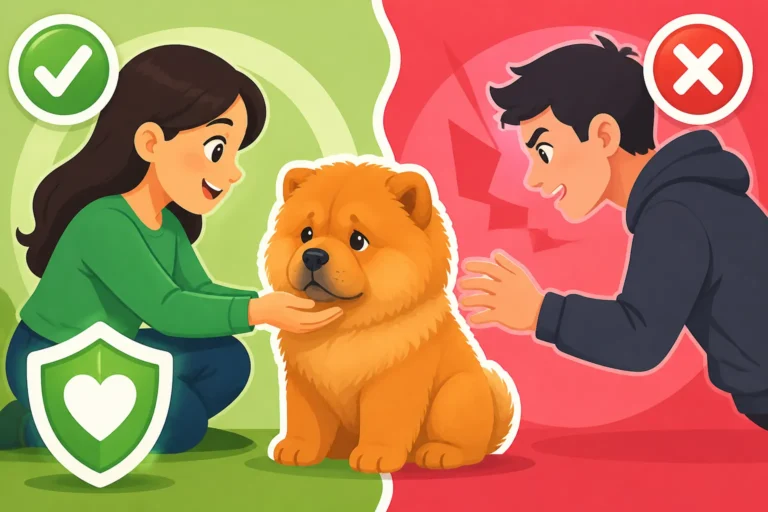
Positive reinforcement is your best friend when training a Chow Chow. Every time your puppy tolerates the brush for even a second, reward them generously. This could be their favorite treat, a happy verbal "Good dog!", or a gentle, preferred scratch behind the ears. The moment they show discomfort, stop, wait for them to relax, and then try again with less intensity or for a shorter duration. Never punish or force your Chow Chow during grooming, as this will only lead to fear and resistance.
Think of brushing as a game. You can incorporate fun commands, like "brush time!" in a cheerful voice, before you start. Use a designated mat or space for grooming so they understand the routine. For young puppies, you can even make grooming part of their daily playtime. A successful routine built on positive experiences in puppyhood means you won't have to wonder Why a Chow Chow Puppy Backs Away From a Hand later on. Consistency in these early stages will pay dividends for the rest of your Chow Chow's life.
The Step-by-Step Guide to Brushing an Adult Chow Chow
Even if you have an older Chow Chow who isn't keen on grooming, it's never too late to start building positive associations. Patience and a structured approach are vital.
Establishing a Routine and a Calm Environment
Chow Chows thrive on routine. Establish a regular brushing schedule – ideally, a few times a week for a rough coat, and at least once a week for a smooth coat. During seasonal coat blows, daily brushing might be necessary. Pick a quiet time of day when both you and your Chow Chow are relaxed. A specific spot for grooming, like your grooming table or a designated mat, helps signal to them what's coming. Make sure the area is free from distractions – no loud noises, no other pets vying for attention. Having their favorite treats readily available is also key.
Before you even touch them with a brush, spend a few minutes gently petting and massaging them, especially in areas they enjoy. This helps them relax and get into a receptive state. You can also give them a favorite chew toy or a lick mat smeared with peanut butter to distract them positively during the session. The aim is to create an atmosphere of calm and comfort, reducing any anxiety before the tools even come out.
The Line Brushing Technique for Thoroughness
Line brushing is the most effective way to groom a Chow Chow's dense coat. It ensures you reach all the way down to the skin, preventing mats from forming deep within the undercoat. To do this, part the hair horizontally, starting at the bottom of a leg or flank. Hold the top layer of hair up with one hand, exposing a small section of skin. With your other hand, use your slicker brush and then your metal comb to brush the exposed section of hair down and out, making sure the comb runs smoothly through to the skin.
Once that section is mat-free and smooth, drop a small amount of the upper layer down and repeat the process, working your way up the body in small sections. This methodical approach ensures you don't miss any spots, especially in prone areas like behind the ears, under the legs, and the "britches" around their hindquarters. It might seem tedious, but it’s the only way to truly penetrate that thick coat. This technique ensures you're Brushing a Chow Chow's Mane Down to the Skin properly.
| Area of Body | Tools Recommended | Frequency for Rough Coat | Frequency for Smooth Coat | Common Matting Areas |
|---|---|---|---|---|
| Main Body | Slicker, Metal Comb, Rake | 2-3 times/week | 1 time/week | Behind ears, armpits, britches |
| Legs/Paws | Pin Brush, Metal Comb | 1-2 times/week | 1 time/week | Between toes, behind elbows |
| Ruff/Mane | Slicker, Metal Comb, Rake | Daily during shed, 3x/wk | 1-2 times/week | Under collar, behind ears |
| Tail/Feathering | Pin Brush, Metal Comb | 2 times/week | 1 time/week | Base of tail, under |
| Face/Ears | Small Pin Brush, Fine Comb | As needed | As needed | Around eyes, inside ear flaps |
Reward-Based Brushing: Making it Enjoyable
Throughout the brushing session, continuously reward your Chow Chow for cooperation. Every few minutes, or after successfully brushing a section, offer a treat and praise. If they become antsy or try to walk away, calmly stop, wait for them to settle, and then gently redirect them. Don't get angry or frustrated; your calm demeanor will help keep them calm. If they seem particularly stressed, take a short break, engage in a quick game, then return to brushing. Short, frequent sessions are often more effective than one long, grueling one.
Consider using a special treat only reserved for grooming sessions to heighten its value. Some owners even teach a "stand" or "lie down" command specific to grooming, rewarding them for maintaining the position. The goal is to make them associate the brushing experience itself with positive outcomes. If you're wondering How Long a Chow Chow's Training Session Should Be, for brushing, it's often better to have multiple short sessions than one long one that strains their patience. With consistent positive reinforcement, your Chow Chow will learn that brushing means treats, praise, and a comfortable, mat-free coat.
Troubleshooting: Tackling Mats, Fear, and Resistance
Even with the best intentions and early training, you might encounter bumps in the road. Dealing with mats, overcoming fear, or managing resistance requires a calm, strategic approach.
Dealing with Stubborn Mats Safely
Finding a mat is never fun, but panicking will only make it worse. The most important rule: never try to brush out a large, tight mat with a slicker brush, as this will pull on the skin and cause extreme pain. Instead, use your metal comb or a mat splitter. Gently work from the outer edges of the mat, teasing out small sections of hair at a time. A detangling spray can help lubricate the hair, making it easier to separate. Always hold the hair at the base of the mat close to the skin with your fingers to minimize pulling.
If a mat is too tight or large, do not hesitate to carefully cut it out with blunt-nosed scissors, always cutting away from the skin. It’s better to have a small bald spot than to inflict pain or injury. For extensive or very tight mats, especially those close to the skin, a professional groomer or veterinarian might be needed to safely shave them out. Groomers have specialized tools and expertise to handle matted coats without causing injury. Remember, When a Mat Should Be Cut Out of a Chow Chow is when it becomes painful or impossible to comb through.
Overcoming Fear and Anxiety During Grooming
If your Chow Chow has developed a fear of brushing, you'll need to go back to basics, essentially retraining them from scratch, but with even more patience. Start with just presenting the brush, rewarding them for simply looking at it calmly. Then, touch the brush to their body for a split second, reward, and repeat. Gradually increase the duration and intensity of the touch, always stopping before they show signs of fear. Desensitization and counter-conditioning are key here. This process can take weeks or even months.
For Chows with extreme anxiety, consulting with a professional positive reinforcement trainer or a veterinary behaviorist can be invaluable. They can help you develop a tailored plan and may suggest calming aids or techniques to reduce stress. A crucial part of this is understanding Signs a Chow Chow Is Uncomfortable during handling – watch for lip licks, yawns, head turns, or stiffness. Respect these signals and adjust your approach. Never force a fearful dog, as this can escalate their anxiety and potentially lead to defensive aggression.
Managing Resistance and Nipping
Chow Chows can be stubborn, and sometimes resistance can manifest as trying to walk away, sit down, or even nip. If your Chow Chow tries to leave, calmly block their path or gently guide them back to the grooming spot. If they sit, wait for them to stand, or try brushing them while they’re sitting if that’s more comfortable for them. Again, positive reinforcement for any compliance is essential.
If nipping or snapping occurs, it's a clear sign your Chow Chow is deeply uncomfortable and feeling threatened. Immediately stop the session. Assess whether the nipping was due to pain (e.g., hitting a mat), fear, or simply a lack of tolerance for handling. For safety, if nipping is a concern, consider muzzle training your Chow Chow so you can continue working on positive grooming experiences without risk. A well-fitted, comfortable muzzle can allow you to continue desensitization and counter-conditioning safely. You might find guidance in Teaching a Chow Chow to Wear a Muzzle. Never punish nipping, as it's often a dog's way of saying they need space and are in distress; punishment can make them suppress warnings, leading to bites without warning.
Making Brushing a Lifelong, Stress-Free Routine
The goal isn't just to get through a brushing session; it's to integrate grooming seamlessly into your Chow Chow's life, fostering trust and ensuring their long-term health and comfort.
The Importance of Regularity and Consistency
Regularity is the cornerstone of successful Chow Chow grooming. Short, frequent sessions are far more effective and less stressful than marathon sessions where you're battling extensive mats. By brushing a few times a week, you prevent mats from forming, remove shed hair before it compacts, and keep your Chow Chow accustomed to the routine. This also allows you to catch any skin issues, lumps, or parasites early on. Remember, a Chow Chow's dense coat can easily hide problems, so thorough, consistent examination during brushing is a health check in itself.
Consistency also means everyone in the household who interacts with the Chow Chow should be aware of the grooming expectations and use similar positive reinforcement techniques. If your Chow Chow has a primary person they bond with, that person should ideally take the lead on grooming, but others can certainly participate in the positive reinforcement aspect. This reinforces the idea that grooming is a normal, pleasant part of their life.
Incorporating Other Grooming Tasks
Brushing isn't the only grooming task your Chow Chow needs. Once they are comfortable with brushing, gradually introduce other necessary tasks during these sessions. This includes checking and cleaning their ears (especially their deep-set ears), wiping around their eyes, and inspecting their teeth. Most importantly, regular nail trims are critical. Chow Chows have thick nails, and if not kept short, they can cause pain, affect their gait, and even lead to serious joint problems. What Changes in a Chow Chow After Eight often includes increased stiffness, making nail care even more vital.
You can also integrate gentle paw handling into the brushing routine, making them more tolerant of nail clipping or grinding. Again, use positive reinforcement, break tasks into tiny steps, and keep sessions short. For example, if your Chow Chow struggles with nail trims, start by just touching their paw, then touching the clippers to their nail, rewarding each tiny step. Some Chows might need professional help for nail trims due to their strong objections or very hard nails.
When to Call in Professional Help
There's absolutely no shame in seeking professional help for your Chow Chow's grooming. In fact, many Chow Chow owners rely on professional groomers to help maintain their dog's coat, especially during heavy shedding seasons or if mats become unmanageable. A good groomer understands the breed's temperament and coat needs and can perform tasks like thorough deshedding, mat removal, and nail trims safely and efficiently. Finding a groomer who practices "Fear Free" techniques can be incredibly beneficial for anxious Chows.
If your Chow Chow continues to exhibit extreme fear, aggression, or resistance despite your best efforts, consider consulting a veterinary behaviorist. They can address underlying anxieties or behavioral issues that might be contributing to the grooming struggles. Ultimately, the goal is your Chow Chow's well-being and comfort. Whether you do it all yourself, or you have a team of professionals helping, ensuring your Chow Chow is well-groomed is a commitment to their health and happiness.
Disclaimer
This article is for general informational purposes only and does not constitute professional advice. Laws, prices and regulations vary by location and change over time. Consult a qualified professional for guidance on your specific situation.