Why a Chow Chow’s Deep Set Eyes Limit What It Sees
It's incredibly frustrating when your Chow Chow seems to ignore you, startles unexpectedly, or struggles in busy environments, leaving you wondering if they're being stubborn or simply aloof. The truth is, often, these behaviors aren't intentional defiance but rather a direct consequence of their unique facial structure and deep-set eyes, which significantly limit their field of vision. This guide will delve into the fascinating anatomy behind a Chow Chow's "tunnel vision" and offer practical strategies to help you understand and navigate the world with your beautiful, visually-challenged companion.
The Unique Anatomy of a Chow Chow's Eyes
Chow Chows are a truly ancient and distinctive breed, celebrated for their lion-like mane, sturdy build, and dignified demeanor. However, some of their most iconic features, while aesthetically pleasing, come with practical implications, particularly concerning their vision. The deep-set nature of their eyes, combined with their characteristic facial structure, creates a visual experience quite different from many other breeds. Understanding this is the first step in truly connecting with your Chow Chow and preventing misunderstandings.
Deep-Set Eyes: More Than Just a Look
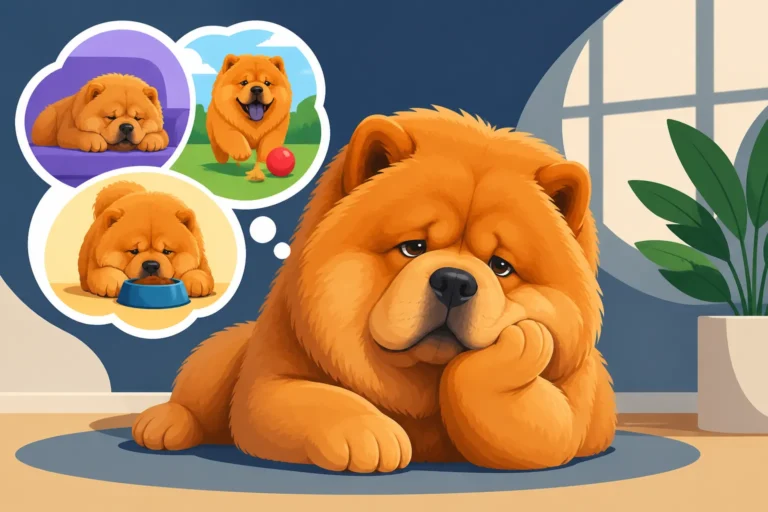
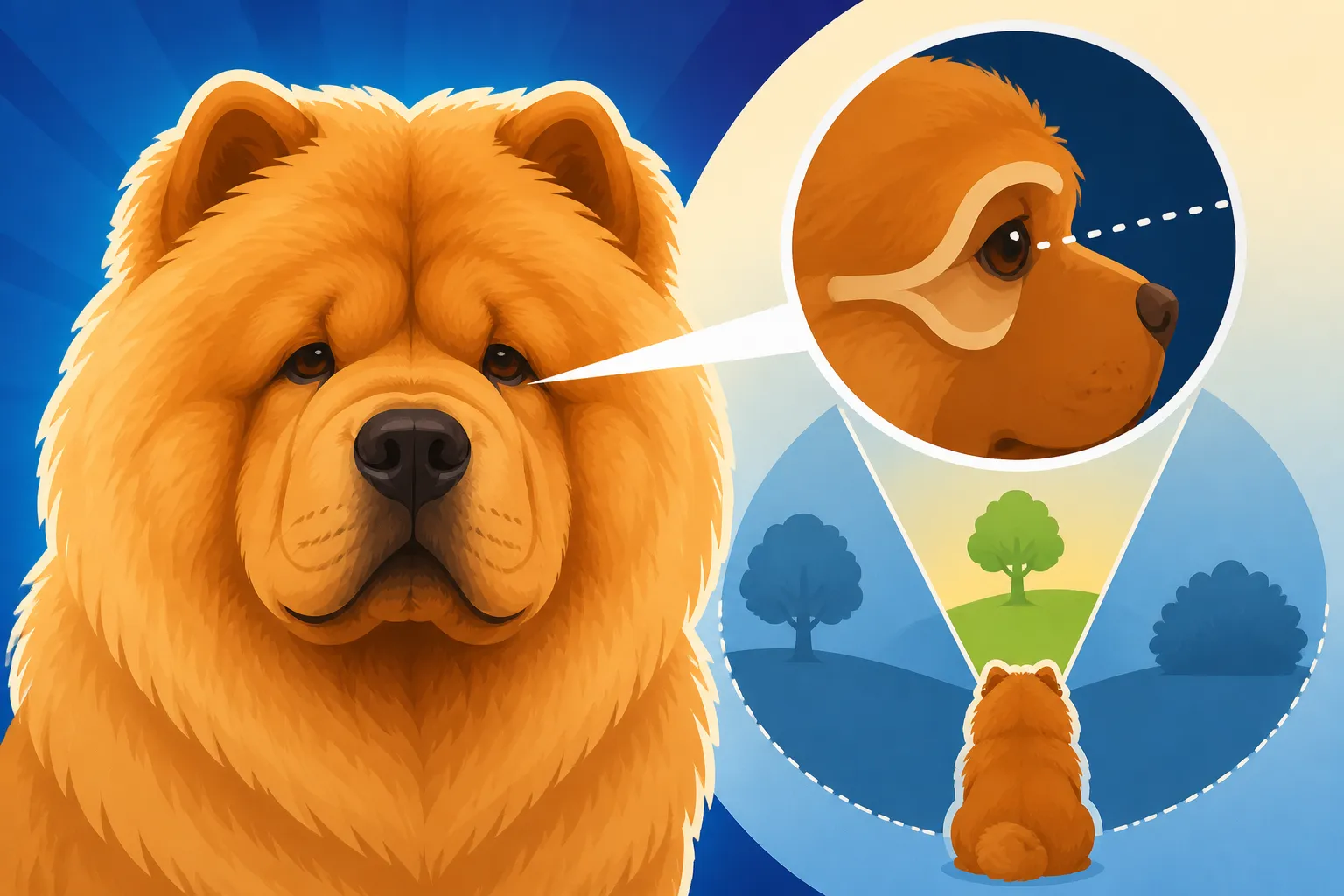
When you look at a Chow Chow, you often notice those soulful, deep-set eyes that seem to peer out from under a heavy brow. This isn't just a quirky aesthetic; it's a structural reality that physically restricts their sightlines. Unlike breeds with more prominent or forward-facing eyes, a Chow Chow's eyes are tucked further back into their skull. Imagine looking out from inside a small cave – your forward view is generally clear, but everything to the sides, above, and sometimes even below is obscured by the cave entrance. That's a bit like what a Chow Chow experiences.
This inherent design means their field of vision is naturally narrower. They have a good direct frontal view, which is excellent for focusing on something right in front of them, like a treat or a toy you're presenting. However, their ability to see movement or objects to their immediate sides, or even things approaching from slightly above or behind, is severely compromised. It’s a bit like wearing blinkers, constantly, which can lead to situations where they seem to "miss" things that are clearly visible to you. This isn't them being stubborn; it's just a biological limitation they navigate every single day. The breed standard, in seeking that quintessential "scowl" and lion-like appearance, inadvertently prioritizes these features, which contribute to this visual challenge. You can learn more about how their unique eye structure creates problems in What a Chow Chow's Deep Set Eye Causes Trouble.
The Role of Facial Structure and Wrinkles
Beyond the deep-set eyes themselves, the Chow Chow's impressive facial structure further contributes to their visual limitations. Their broad, often wrinkly foreheads, dense ruff around their neck, and sometimes even the folds of skin around their eyes, all act as natural blinders. These physical obstructions cast shadows and block light, effectively narrowing their peripheral view even more. Think of trying to look out from under a really broad-brimmed hat that’s pulled down low – you can see straight ahead, but your side vision is completely cut off.
These facial features, while part of their charm, mean that anything approaching from the side, a low-flying bird, or even another dog walking a bit behind them, might simply fall outside their visual field. This can be especially pronounced in rough-coated Chows, where the abundance of fur around their face and ears can add another layer of obstruction. It's not uncommon for a Chow Chow to bump into a low-lying object or to startle when someone approaches them from the side because they simply didn't see them coming. Their facial folds, while giving them that adorable, stoic expression, can actually push the eyelids inward, causing another common problem for the breed. How a Chow Chow's Face Folds Push the Lid In details this issue. Owners often have to be more proactive in describing the world to their Chows, using vocal cues to compensate for what their eyes might miss.
What a Chow Chow Can't See
Understanding the specific limitations of a Chow Chow's vision is key to being a compassionate and effective owner. It's not enough to know that their vision is limited; it's important to grasp how those limitations manifest in their daily perception of the world. This insight can profoundly change how you interact with your Chow Chow, fostering greater patience and preventing many common misunderstandings.
Peripheral Vision: The Hidden Blind Spots
For most dogs, and certainly for humans, peripheral vision is incredibly important. It allows us to detect movement and objects outside of our direct line of sight, providing crucial context about our surroundings without having to constantly turn our heads. For a Chow Chow, however, peripheral vision is significantly curtailed. Their deep-set eyes, combined with their broad skull and prominent brow, create substantial blind spots to their sides. Imagine wearing a very narrow set of goggles that only let you see straight ahead – that's a good analogy for their experience.
This means that if you're standing slightly to their side and speak to them, they might genuinely not "see" you. They're not ignoring you; they simply haven't registered your presence visually. This can be particularly startling for them if someone or something suddenly appears in one of these blind spots without a prior auditory cue. A child darting in from the side, another dog approaching quietly, or even an object placed on the floor that wasn't there a moment ago can elicit a jump or a defensive snap, not out of aggression, but pure surprise. It's like someone suddenly tapping you on the shoulder from behind when you were completely focused on something else. This hidden "bubble" of invisibility around them is something every Chow Chow owner needs to be constantly mindful of. In fact, How Far a Chow Chow Can See to the Side is a topic many new owners grapple with as they learn to navigate their dog's unique visual world.
The Impact on Depth Perception
While peripheral vision is about seeing around things, depth perception is about judging how far away things are. It’s the ability to perceive the world in three dimensions, estimating distances, heights, and spatial relationships. While the exact link between compromised peripheral vision and depth perception in Chow Chows isn't always straightforward, limitations in one can certainly influence the other. When a dog has a restricted view of its surroundings, its brain has less visual information to process and triangulate distances effectively.
This can lead to moments where your Chow Chow might hesitate at the edge of a step, misjudge a jump onto a low couch, or even seem clumsy on uneven terrain. They might walk into furniture that they should have seen, or step off a curb more abruptly than expected. It’s not that they can’t see the object at all, but rather that their brain is working with less data to determine its exact location and distance. This can make navigating new environments particularly challenging for them, especially if those environments are cluttered or have varying elevations. Always be patient and offer verbal guidance when your Chow Chow is encountering new or complex spatial challenges. This diminished depth perception, combined with their blind spots, is often the root cause of Why a Chow Chow Snaps at Someone It Did Not See.
Behavioral Manifestations of Limited Vision
The physiological realities of a Chow Chow's deep-set eyes don't just stay in the realm of anatomy; they directly translate into observable behaviors that can sometimes be misinterpreted by owners and strangers alike. Understanding these behavioral cues as a consequence of their vision rather than personality flaws can significantly improve your relationship with your Chow Chow and ensure their safety and comfort.
Startling and Reactivity
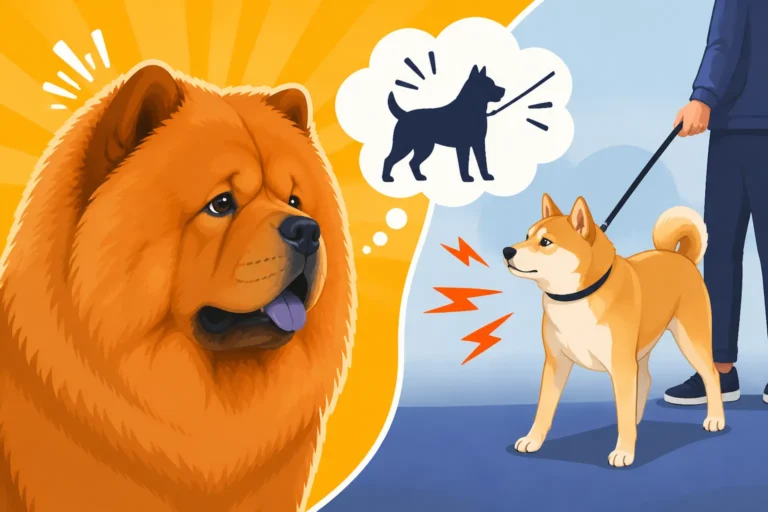
One of the most common behavioral manifestations of a Chow Chow's limited vision is their tendency to startle easily. Because their peripheral vision is so restricted, anything that suddenly enters their field of view, or worse, comes into contact with them without prior warning, can trigger an immediate and often intense reaction. Imagine being completely engrossed in something directly in front of you, and then suddenly someone touches your shoulder from behind that you never saw approaching. Your natural instinct might be to jump, flinch, or even let out a surprised yelp. A Chow Chow's reaction can be similar, but potentially more pronounced, sometimes leading to a growl, a snap, or a quick lunge as a defensive mechanism.
This isn't aggression in the typical sense; it's a fear-based, startle response born from being genuinely surprised. It's crucial for owners to differentiate this from true aggression, which typically has different triggers and body language. If a child, a mail carrier, or another pet approaches your Chow from the side or behind, they might not register their presence until they are uncomfortably close, leading to a defensive reaction. This is why it's so important to teach everyone in your Chow Chow's life to always announce their presence verbally and approach from the front, where the dog has a clear line of sight. Managing their environment to reduce unexpected surprises is also key, helping them feel more secure and less prone to these reactive outbursts.
Apparent Aloofness or Ignorance
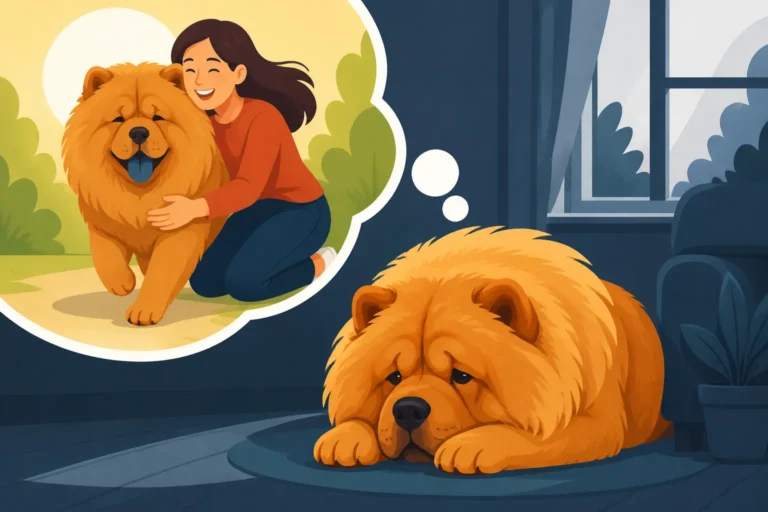
Chow Chows have a well-earned reputation for being independent and sometimes aloof, a trait that makes them charming to some and challenging to others. However, what often appears as aloofness or even deliberate ignorance can frequently be attributed to their visual limitations. If you call your Chow's name from another room, or from slightly to their side, and they don't respond immediately, it's easy to think they're simply choosing to ignore you. In reality, they might not have registered where the sound came from relative to their visual field, or they might not have seen the subtle body language cues you were giving.
For example, if you're standing to their side and try to gesture them over, they might not see your hand movements at all. They rely heavily on direct, frontal visual input and strong auditory cues. This means that instead of just calling their name, you might need to combine it with a distinct sound, like a clap, and move into their direct line of sight to fully get their attention. Their profound independence and often stoic expression can mask the fact that they simply haven't visually processed your presence or command. It's a common misunderstanding that owners can overcome by adjusting their communication style to suit their Chow's visual reality. This visual limitation often reinforces the perception of How Aloof a Chow Chow Really Is.
Navigational Challenges
Navigating the world is a constant process of visual input and spatial awareness. For a Chow Chow with restricted vision, even seemingly simple environments can present challenges. Crowded spaces, like busy dog parks or lively sidewalks, become particularly difficult. In such environments, there's constant movement from multiple directions, much of which will fall into their blind spots. This can make them feel overwhelmed, anxious, or even trapped, as they struggle to process who and what is around them.
Think about walking through a crowded market square: you're constantly scanning, dodging, and weaving. If your peripheral vision was severely limited, you'd be bumping into people, feeling claustrophobic, and likely becoming very stressed. A Chow Chow in a similar situation might become hesitant, freeze, or even act defensively because they can't accurately assess the threats or pathways around them. Similarly, navigating narrow hallways, doorways, or unfamiliar spaces with unexpected obstacles can be tricky. They might brush against walls, trip over objects they didn't see, or hesitate before entering a new room. As an owner, you become their eyes in these situations, guiding them with a gentle lead, a clear verbal cue, and by actively clearing paths for them. Being proactive in these settings can make a world of difference for your Chow Chow's comfort and confidence.
Adapting Your Approach and Environment
Understanding why your Chow Chow behaves in certain ways due to their limited vision is the first step; the next is actively adapting your approach and their environment to ensure their comfort and safety. This involves a conscious effort to adjust your communication style and create predictable, safe spaces for your beloved companion.
Approaching Your Chow Chow Safely
Because your Chow Chow has significant blind spots, especially to their sides and behind, how you approach them matters immensely. A sudden touch or an unexpected presence can cause them to startle and react defensively. This isn't about aggression; it's a natural, instinctive response to being surprised. To prevent these incidents and foster a sense of security, always make your presence known before you get too close.
Here's a step-by-step guide to safe approaches:
- Always Announce Your Presence Verbally: Before you enter their immediate space, speak their name clearly and calmly. Use a consistent phrase like "Hello, [Chow's Name], it's me!" This auditory cue allows them to orient themselves and know you're coming.
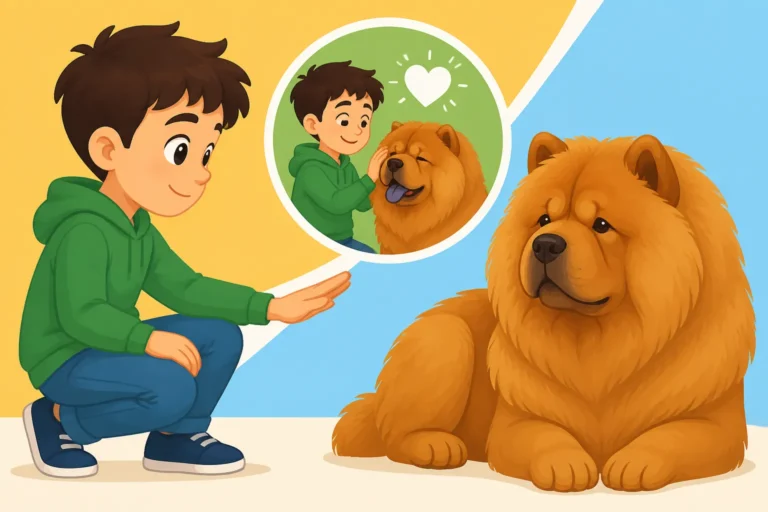
- Approach from the Front: Whenever possible, approach your Chow Chow from the front, or slightly to the front-side. This ensures you are squarely within their primary field of vision, giving them ample time to see you and register your intentions. Avoid coming up directly from behind or from their extreme side.
- Move Slowly and Predictably: Avoid sudden, fast movements. Walk towards them at a calm, steady pace. Jerky or quick movements can be perceived as threatening, especially if they're already on edge from being startled.
- Offer a Hand (if appropriate): Once they've seen you and acknowledged your presence, you can gently extend a closed fist for them to sniff, allowing them to confirm your identity through scent before you initiate physical contact. Always wait for them to initiate contact or show a relaxed posture.
- Be Mindful of Their Space: Respect their boundaries. If they seem hesitant or back away, give them space. Never force an interaction. Your patience will build trust.
Teaching everyone who interacts with your Chow Chow, from family members to guests, to follow these simple rules is paramount. It ensures that every interaction is positive and predictable, reinforcing their sense of safety. For a deeper dive into this, check out How to Approach a Chow Chow Safely.
Training and Communication Strategies
Given their visual limitations, training a Chow Chow requires an emphasis on clear, consistent, and primarily auditory communication. While many breeds benefit from visual cues and hand signals, your Chow Chow will rely much more heavily on what they hear.
- Prioritize Verbal Cues: When teaching commands, always pair your verbal cue (e.g., "Sit," "Stay," "Come") with any visual signal you might use. Over time, try to phase out reliance on visual cues by making the verbal command the primary trigger. This ensures they can respond even if they aren't looking directly at you.
- Use Distinct Tones and Inflections: Vary your tone of voice to convey meaning. A cheerful, high-pitched voice for praise, a firm but calm tone for commands, and a lower, gentle tone for reassurance can all be distinct signals.
- Attention-Grabbing Sounds: Teach your Chow Chow a specific sound that means "look at me!" or "attention!" This could be a unique whistle, a clicker sound, or even a specific word spoken in a particular way. Practice this in various environments, always rewarding them generously when they turn their head and meet your gaze. Treats from a trusted brand found on Amazon can be a great motivator here.
- Positive Reinforcement is Key: Chow Chows respond best to positive reinforcement. Harsh corrections or frustration will only make them shut down or become more resistant. Reward desired behaviors immediately with high-value treats or praise. If your Chow seems to ignore a known cue, it's often not defiance, but simply a missed signal. Understanding Why a Chow Chow Ignores a Cue It Knows can help you refine your training approach.
- Short, Engaging Sessions: Their independent nature and tendency to get bored mean training sessions should be kept short, fun, and engaging. A few 5-10 minute sessions a day are far more effective than one long, tedious one. Consider online puppy classes or training resources, like those offered by BAXTER & Bella, which often emphasize clear communication and positive reinforcement techniques that can be adapted for a Chow Chow's needs, whether they are a puppy or an older rescue.
By adapting your communication to their strengths, you'll find that your Chow Chow is not just capable of learning, but eager to engage with you on their own terms.
Managing Interactions with Others
Living with a Chow Chow means you're not just managing your relationship with them, but also guiding their interactions with the wider world. Their visual limitations mean you need to be an active advocate, educating others and creating safe scenarios to prevent misunderstandings and ensure positive experiences for everyone.
Educating Family and Visitors
The people who frequently interact with your Chow Chow – family members, close friends, or regular visitors – are your first line of defense against potential startle reactions. It's not enough for you to know about your Chow's blind spots; everyone needs to be on board. Make it a clear, consistent rule in your home:
- The "Announce Yourself" Rule: Insist that anyone approaching your Chow Chow, especially from behind or the side, speaks their name first and waits for a visible acknowledgment before coming closer or attempting to pet them. This simple act can prevent many jumps and defensive snaps.
- Teach the "Front Approach": Explain to family and guests that a Chow Chow needs to see them coming. Demonstrate how to approach from the front, allowing the dog to process their presence visually before physical contact.
- Children and Chow Chows: This is especially critical for children, who often move quickly and unpredictably, and might not understand a dog's subtle cues. Teach children that the Chow Chow can't always see them and explain the "announce and approach from the front" rule in simple, age-appropriate terms. Supervise all interactions between children and your Chow Chow, particularly when youngsters are very young. For more guidance on this sensitive topic, refer to How to Teach a Child to Approach a Chow Chow.
- Reading Body Language: While Chows are known for being stoic, teach visitors to watch for any subtle signs of discomfort, such as a stiffening body, a direct stare, or a head turn away. If these signs appear, it’s a clear signal to give the dog space.
By proactively educating your inner circle, you create a safer, more predictable environment for your Chow Chow, reducing their stress and the likelihood of unexpected incidents.
Considerations for Other Pets
If you have other pets in your household, their interactions with your Chow Chow also need careful consideration due to the visual limitations. A playful cat darting past, a smaller dog weaving around their legs, or even a bird flying erratically can trigger a startle response if it appears suddenly in a Chow's blind spot.
- Supervised Introductions and Interactions: Always supervise initial interactions between your Chow Chow and other pets. Ensure other animals are calm and introduced slowly, allowing your Chow to process their presence through scent and sound before visual confirmation.
- Predictable Movement: Encourage other pets, especially dogs, to move around the Chow Chow in a predictable manner, avoiding sudden lunges or dashes directly into their blind spots. This might require some training for your other animals too!
- Designated Safe Spaces: Ensure each pet has its own designated safe space where it can retreat and be undisturbed. This is crucial for Chows who might feel overwhelmed in close quarters.
- Leash Management Indoors: In some multi-pet households, keeping your Chow on a leash indoors, especially when you're not actively supervising, can help manage unpredictable interactions and prevent them from bumping into other pets they didn't see.
- Respecting Boundaries: Teach all pets to respect each other's boundaries. A calm, consistent home environment where all animals feel secure will reduce stress for your Chow Chow and minimize reactive behaviors.
It’s often a slow and steady process, but with patience and understanding, multi-pet households can thrive with a Chow Chow.
Safety in Public Spaces
Taking your Chow Chow out into the world, whether for a walk around the neighborhood or a visit to a pet-friendly store, requires extra vigilance and proactive management. Public spaces are often unpredictable, filled with moving objects, people, and other animals that can easily trigger a startle response.
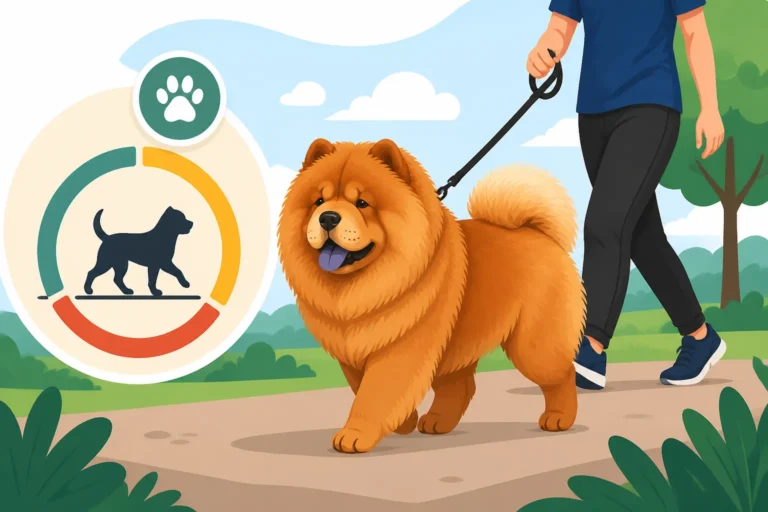
- Leash and Harness Choice: A well-fitting, sturdy leash and harness are essential. A front-clip harness can provide better control and help prevent pulling, allowing you to guide your Chow more effectively. You can find many reliable options for harnesses and leashes on Amazon. Avoid retractable leashes, which offer less control and can be dangerous in unpredictable situations.
- Constant Awareness: You need to be your Chow Chow's eyes and ears in public. Constantly scan your surroundings for potential triggers – children running, other dogs approaching, cyclists, or anything that might suddenly appear in their blind spot. Be prepared to step in front of them, guide them around obstacles, or give a verbal warning.
- Verbal Announcements: Just as you would at home, use verbal cues to alert your Chow Chow to approaching people or dogs. "Dog coming!" or "Person on your left!" can give them crucial seconds to prepare and avoid being startled.
- Avoid Overwhelming Environments: Busy dog parks, crowded street festivals, or bustling shopping centers are often too stimulating and overwhelming for a Chow Chow with limited vision. Stick to quieter parks, less crowded walking trails, or specific times of day when there are fewer distractions. A Chow Chow is naturally predisposed to react to other dogs, especially when on a leash, and their visual limitations can exacerbate this. Understanding Why a Chow Chow Reacts to Dogs on Leash can help you prepare for and manage these interactions.
- Short and Sweet Outings: Keep public outings relatively short, especially when they are young or still learning to navigate these environments. Gradually increase exposure as they build confidence, always ending on a positive note.
By being a proactive and observant handler, you can help your Chow Chow navigate the complexities of public spaces safely and confidently, turning potential stressors into manageable experiences.
When to Consult a Vet or Specialist
While some visual limitations are a normal characteristic of the Chow Chow breed, it's vital for owners to understand when a visual issue might be more than just a breed trait and could indicate a serious health concern. Your Chow Chow relies on you to monitor their health, and regular veterinary check-ups are paramount, especially regarding their eyes.
Differentiating Normal vs. Concerning Vision Issues
It's one thing for your Chow Chow to have blind spots to the side; it's another entirely if their direct forward vision seems compromised, or if they show signs of pain or discomfort. Knowing the difference is crucial for their well-being.
Normal Breed-Related Visual Limitations:
- Startling at side/rear approaches: As discussed, this is often due to blind spots.
- Hesitation in busy, unpredictable environments: Feeling overwhelmed by too much movement they can't fully track.
- Needing verbal cues for attention: Relying more on sound than subtle gestures.
- Minor clumsiness on unfamiliar terrain: Sometimes misjudging depth due to reduced visual input.
Signs that Warrant Veterinary Attention:
- Sudden onset of clumsiness or disorientation: Bumping into familiar objects, struggling with stairs they once mastered.
- Redness, swelling, or excessive discharge from the eyes: Any unusual weeping, stickiness, or inflammation could indicate infection, injury, or an underlying condition.
- Cloudiness or changes in eye color/pupil size: A blue haze, milky appearance, or pupils that are abnormally dilated or constricted can be signs of serious eye diseases like cataracts or glaucoma.
- Squinting, blinking excessively, or pawing at the eyes: These are classic signs of eye pain or irritation. Your Chow Chow might be experiencing discomfort from something as simple as an irritant or as serious as a corneal ulcer.
- Reluctance to go outside or navigate certain areas: If they suddenly avoid dimly lit rooms or refuse to go on walks, it could be a sign of worsening vision.
- Visible changes in the eyelid structure: Their heavy facial folds can predispose them to conditions like entropion, where the eyelid rolls inward, causing eyelashes to rub against the cornea. Entropion Is the Chow Chow's Signature Problem is a signature issue for the breed, and one to watch for.
- Increased reactivity or anxiety: If their startle response becomes more frequent or severe, it might indicate that their vision is deteriorating, making them feel less secure.
If you observe any of these concerning signs, don't delay. A visit to your veterinarian is imperative. Eye conditions can progress rapidly, and early intervention often makes a significant difference in preserving vision and alleviating pain. For instance, Glaucoma Can Blind a Chow Chow in Days, highlighting the urgency of prompt veterinary care for sudden eye changes.
Regular Eye Health Checks
Even if your Chow Chow isn't exhibiting obvious signs of distress, regular eye health checks are a non-negotiable part of responsible ownership. Chow Chows are unfortunately predisposed to several hereditary eye conditions, making proactive screening and monitoring even more critical.
- Annual Veterinary Exams: Your Chow Chow's yearly wellness exam should always include a thorough eye check by your general veterinarian. They will examine the overall structure of the eye, look for any signs of infection or injury, and may test for tear production.
- Consulting a Veterinary Ophthalmologist: For Chow Chows, especially those from breeding lines with a history of eye issues, or if your vet notes anything unusual, a referral to a veterinary ophthalmologist is highly recommended. These specialists have advanced diagnostic tools and expertise in detecting and managing complex eye diseases.
- Breed-Specific Screening: Reputable Chow Chow breeders conduct specific health screenings for their breeding stock, including ophthalmologist evaluations, often through organizations like the Orthopedic Foundation for Animals (OFA). These screenings help identify dogs with hereditary eye conditions before they are bred. Knowing What a Chow Chow Breeder Should Have Tested can give you peace of mind that your puppy came from health-conscious parents.
- Monitoring at Home: Between vet visits, make it a habit to routinely examine your Chow Chow's eyes at home. Look for clarity, brightness, and absence of discharge. Pay attention to how they navigate familiar spaces and if their behavior changes. Any subtle changes, no matter how small, should be noted and discussed with your vet.
By being diligent with both at-home observation and professional veterinary care, you can help your Chow Chow maintain the best possible vision throughout their lives, ensuring their comfort and ability to enjoy their world.
| Feature | Typical Dog Vision (General) | Chow Chow Vision Challenges |
|---|---|---|
| Field of View | Wide, often 240 degrees or more | Narrower, significant blind spots to sides and behind |
| Peripheral Vision | Strong, detects movement easily | Severely restricted by deep-set eyes and facial structure |
| Depth Perception | Good, aids in judging distances and heights | Can be impacted by limited peripheral view, leading to misjudgments |
| Reaction to Surprise | Less likely to startle if approached from side | Prone to startling/reactivity if approached unexpectedly from blind spots |
| Navigational Ease | Generally confident in varied environments | May struggle in crowded or cluttered spaces, hesitates with changes in elevation |
| Communication Needs | Responds well to both verbal and visual cues | Heavily reliant on verbal cues; visual cues easily missed |
Disclaimer
This article is for general informational purposes only and does not constitute professional advice. Laws, prices and regulations vary by location and change over time. Consult a qualified professional for guidance on your specific situation.