How Many People a Chow Chow Puppy Should Meet
One of the most common worries new Chow Chow owners face is navigating their puppy's early interactions with people. You hear all sorts of stories about the breed being aloof or even aggressive towards strangers, and you desperately want to ensure your fluffy companion grows into a well-adjusted, confident adult who can handle meeting new faces without fear or defensiveness. This guide is here to walk you through exactly how many people your Chow Chow puppy should meet, and more importantly, how those introductions should happen to foster a secure, friendly demeanor.
The Critical Window: Why Early Interactions Shape Your Chow Chow's Future
Bringing home a Chow Chow puppy is an exciting time, but it comes with a unique set of responsibilities, especially concerning socialization. Unlike some more overtly gregarious breeds, Chow Chows have a natural inclination towards reserve, making early, positive experiences with humans absolutely paramount. Neglecting this crucial period can set your puppy up for a lifetime of anxiety or reactivity around people they don't know, which is a situation no one wants to find themselves in. It's not just about avoiding problems; it's about building a foundation of confidence and trust in the world around them.
Understanding the Chow Chow's Natural Temperament
Chow Chows are often described as being cat-like, independent, and discerning. They typically bond very deeply with one or two primary caregivers and are quite reserved with strangers. This isn't inherently a bad trait; it simply means they aren't usually the type of dog to enthusiastically greet every person they encounter with slobbery kisses and a wagging tail. Their deep-set eyes and dense ruff can sometimes make their expressions hard to read, and their inherent protective instincts can kick in if they feel threatened or if their personal space is invaded without warning. Because of this natural predisposition, you can’t just assume they’ll "figure it out" or "be fine" with people. You need to be proactive and intentional in shaping their perceptions during their formative months. Understanding this allows you to create socialization experiences that respect their nature while gently broadening their comfort zone.
The Golden Period of Puppy Socialization
Veterinarians, behaviorists, and experienced breeders all emphasize the "socialization window," a critical developmental period for puppies. For most breeds, this window generally runs from about 3 weeks to 16 weeks of age. During this time, puppies are like sponges, absorbing new experiences and forming impressions that will stick with them for life. Positive, gentle exposure to a wide variety of sights, sounds, textures, and, yes, people, is incredibly important. For a Chow Chow, this period is arguably even more vital due to their inherently reserved nature. Every positive interaction during these early weeks helps build a mental library of "safe" experiences. Conversely, negative or overwhelming experiences can create lasting fear or aversion. It’s during these weeks that your puppy learns that people, even strange ones, can be a source of good things, or at the very least, not a threat. You can read more about The Weeks That Matter Most for a Chow Chow Puppy to understand this timeline better.
The Dangers of Missed Opportunities
Imagine a young Chow Chow who has only ever met the immediate family. When suddenly confronted with a new person, their instinct might be to retreat, bark, or even snap out of fear. This isn't aggression for aggression's sake; it's a lack of understanding and a self-preservation response. If this critical socialization window is missed or poorly managed, the consequences can be significant. An undersocialized Chow Chow might develop a deep distrust of strangers, which can manifest as fear-based aggression, excessive barking, or constant anxiety whenever new people are present. This can limit your dog’s ability to participate in everyday life, make vet visits incredibly stressful, and even lead to situations where your dog becomes a risk to others. The goal is to avoid an outcome where you're left wondering What an Undersocialized Chow Chow Becomes. Early intervention and consistent effort are your best tools against these potential difficulties.
Quality Over Quantity: Diverse Experiences for a Well-Adjusted Chow
When we talk about how many people a Chow Chow puppy should meet, it’s not simply a numbers game. It's not about parading your puppy in front of a hundred strangers in one afternoon. What truly matters is the quality and diversity of those interactions, ensuring they are always positive and on the puppy's terms. A few excellent experiences are far more valuable than many mediocre or even scary ones. We're aiming for confidence, not just exposure.
Who Should Your Chow Chow Puppy Meet?
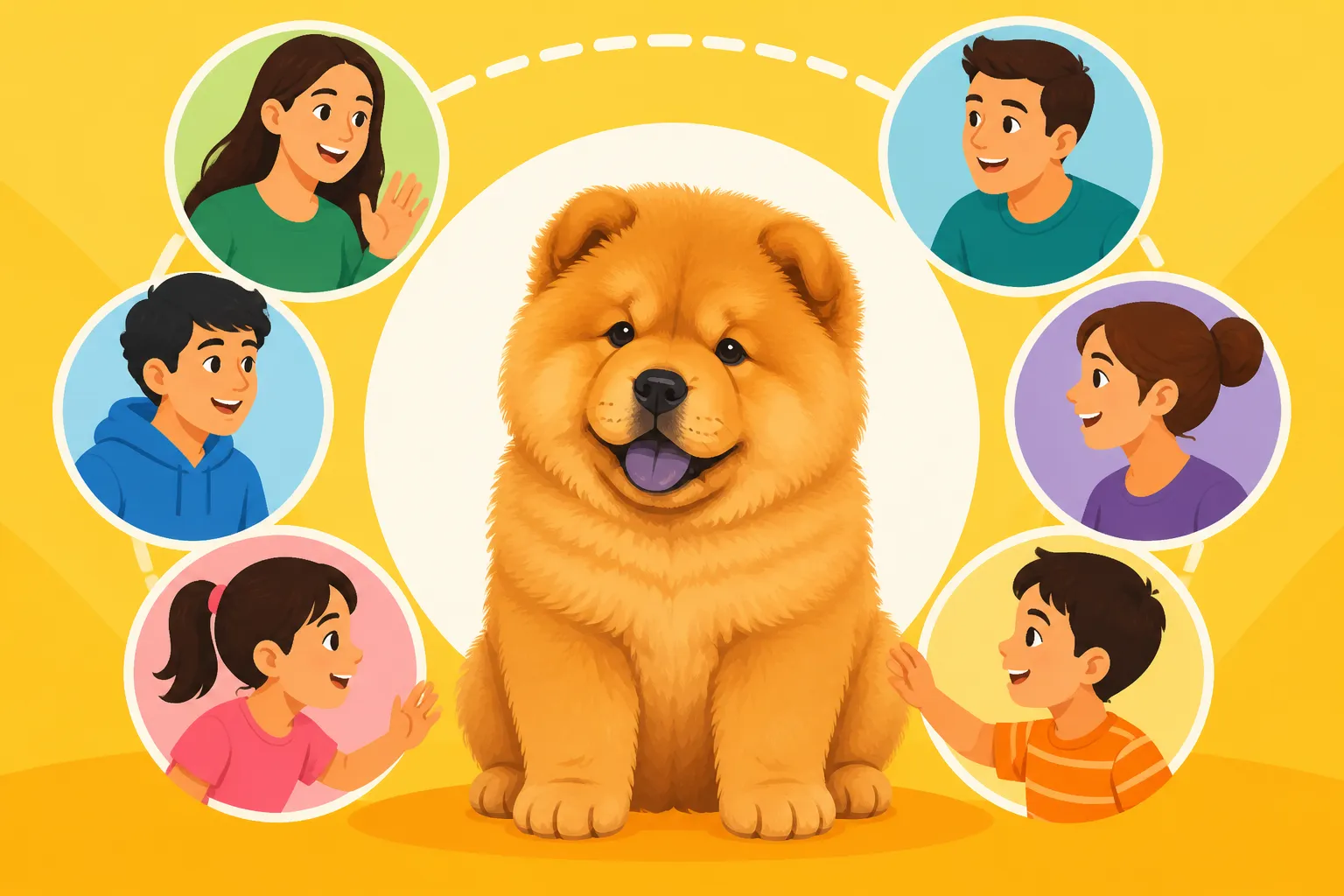
To build truly robust social skills, your Chow Chow puppy needs to meet a wide array of people. Think about the variety in human appearance and behavior. This includes:
- Different Genders: Men, women, and non-binary individuals. It’s common for dogs to have less exposure to men, or people with deeper voices, leading to unease.
- Varying Ages: From calm, gentle children (always supervised, of course, and taught how to interact safely) to elderly individuals who move slowly or use walking aids.
- Diverse Appearances: People with hats, glasses, beards, uniforms, loud voices, quiet voices, different skin colors, and various physical characteristics. These seemingly small details can be significant for a puppy trying to make sense of the world.
- People with Different Gaits/Movement: Some people move quickly, others slowly. Some might use crutches or wheelchairs.
- People Carrying Things: Groceries, backpacks, umbrellas – everyday items that might seem unusual to a puppy.
The idea is to desensitize your puppy to the endless variations of the human form and presence, so they don't develop specific fears or biases. Each person represents a different data point, reinforcing the idea that "people are generally safe and interesting."
Creating Positive First Impressions
Every introduction should be a positive one. This means no forced interactions, no overwhelming situations, and always pairing the new person with something wonderful. Here’s how:
- High-Value Treats: Every new person should dispense a delicious, pea-sized treat (like cooked chicken, cheese, or hot dogs). The puppy should associate the person with the treat, not necessarily interact directly at first.
- Short and Sweet: Keep interactions brief. A quick hello, a treat, and then the person moves on. You don't want to exhaust or overwhelm your puppy.
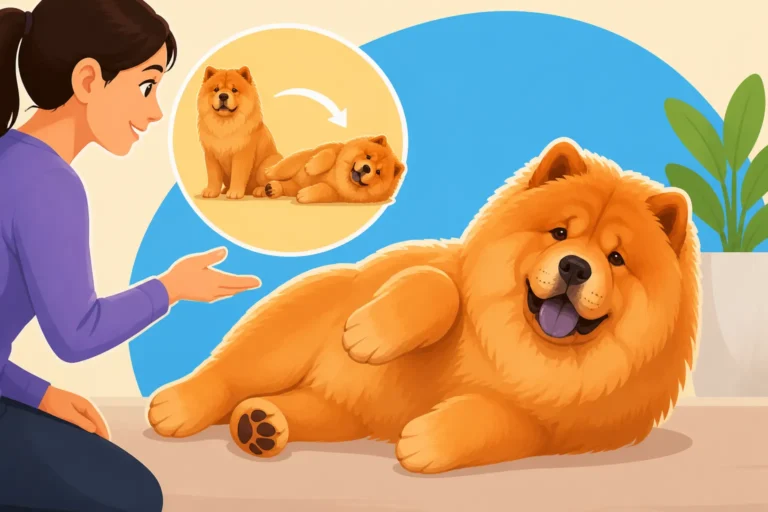
- Let the Puppy Approach: Never force your Chow Chow puppy to go up to someone. Allow them to investigate at their own pace. If they hesitate, the person can simply drop a treat on the ground near the puppy and then ignore them, turning slightly to the side to appear less threatening.
- One Person at a Time: Especially initially, introduce your puppy to one new person at a time, rather than a crowd. This reduces sensory overload.
- Calm Energy: Ensure the people your puppy meets understand to be calm, quiet, and gentle. No loud noises, sudden movements, or bending directly over the puppy. Teach people to kneel down, offer a treat, and let the puppy come to them.
Remember, the goal is to build positive associations. If an interaction seems like it might turn negative or overwhelming, it's always better to gently guide your puppy away.
The Role of Controlled Environments
While meeting people in everyday life is important, controlled environments play a huge role in successful socialization. Think of these as "training grounds" where you can manage the variables.
- Your Home: Start here. Invite trusted, calm friends and family over, one or two at a time. Brief them on how to interact (treats, no forcing). This is a safe, familiar space for your puppy.
- Puppy Socialization Classes: These are invaluable, not just for meeting other puppies, but for controlled exposure to new people (the instructors and other owners). Look for classes that prioritize positive reinforcement and focus on creating a safe, low-stress environment. A good class can teach you Where to Socialize a Chow Chow Puppy effectively and answer Whether Puppy Class Suits a Chow Chow.
- Pet-Friendly Stores (Quiet Times): Once your puppy has had their full series of vaccinations and is comfortable with home visitors, short trips to quiet pet-friendly stores can offer gentle exposure to different people and sights, always with treats in hand. Avoid busy times initially.
- Quiet Parks/Sidewalks: Go during off-peak hours. Sit on a bench and simply observe people passing by from a distance. Reward your puppy for calm behavior. If someone approaches, use the positive introduction techniques discussed above.
A structured approach, whether through formal classes or carefully orchestrated home visits, helps solidify your Chow Chow’s confidence in various social settings.
Practical Steps for Introducing Your Chow Chow to People
Successfully socializing your Chow Chow puppy to people requires a bit of planning and consistent effort. It's an ongoing process, not a one-time event. The key is to empower your puppy to feel safe and positive in new situations, rather than forcing them into interactions that might cause fear or anxiety. Your puppy needs to learn to trust you to protect them from uncomfortable situations, which in turn builds their confidence in facing the world.
Setting Up Successful Meet-and-Greets
When you're ready for your Chow Chow puppy to meet new people, consider these practical steps to set everyone up for success:
- Brief Your Guests: Before anyone enters, explain your puppy's personality and your socialization goals. Tell them about the treats, the "no forced interaction" rule, and to approach calmly. If the guest is willing to sit on the floor and let the puppy come to them, even better.
- Prepare High-Value Rewards: Have a pocket full of your Chow Chow's absolute favorite, small, soft treats. Think tiny pieces of hot dog, cheese, or freeze-dried liver. These are your currency for positive association. You can find a great selection of high-value training treats on Amazon.
- Choose the Right Environment: Start in a familiar, low-distraction environment, like your living room or a quiet, enclosed yard. As your puppy gains confidence, you can gradually move to slightly busier settings.
- Keep it Low-Key: Avoid loud greetings or sudden movements. The guest should appear non-threatening. A good strategy is for the person to ignore the puppy at first, allowing the puppy to initiate contact. This puts the control in the puppy's paws, which is crucial for a Chow Chow's confidence.
- The "Treat Toss" Method: When a new person comes in, they can immediately toss a treat away from themselves, so the puppy has to move to get it. This creates a positive association with the person's arrival without direct pressure. After a few tosses, if the puppy approaches, the person can offer a treat by holding it out calmly. If your puppy seems uncertain, you can try tossing the treat further away to give them more space. This simple technique is excellent for teaching How to Introduce a Chow Chow to a Stranger.
Reading Your Puppy's Cues and Respecting Boundaries
This is perhaps the most important aspect of effective socialization. Your Chow Chow puppy will tell you, through their body language, how they're feeling. It's your job to listen and advocate for them.
- Signs of Comfort: Loose body, relaxed tail wag (not stiff or frantic), soft eyes, sniffing, gently approaching, perhaps even a playful bow.
- Signs of Uncertainty/Fear: Tail tucked, ears flattened, licking lips, yawning (out of context), turning head away, trying to hide behind you, stiff body, low growl, barking. These are all signals that your puppy is uncomfortable and needs space.
- Respecting "No": If your puppy shows signs of discomfort, do not force the interaction. Politely ask the person to stop, back away, or simply ignore the puppy. Pulling your puppy towards someone or holding them for a greeting can severely damage their trust in you and their perception of strangers. Whether Forcing a Chow Chow to Greet Backfires is a resounding yes.
- Short Exposure, Frequent Breaks: Even positive interactions can be tiring. Keep sessions short and allow your puppy plenty of downtime in a quiet space afterward.
Learning to observe your Chow Chow's subtle cues is essential, as their deep-set eyes can sometimes make their expressions harder to read than other breeds.
Tools and Resources for Confident Socialization
Beyond direct interaction, there are tools and resources that can bolster your socialization efforts.
- Training Classes: As mentioned, puppy classes are fantastic. They offer a controlled environment for meeting new people (and dogs) and provide expert guidance. Many positive reinforcement-based online programs, like those offered by BAXTER & Bella, can also provide structured guidance on socialization from the comfort of your home, which is particularly useful for breeds that prefer a more controlled setting.
- Treat Pouches and High-Value Treats: Always have these on hand! A convenient treat pouch (again, readily available on Amazon) means you're always ready to reward calm behavior or create a positive association with a new person.
- Long Line Leash: A lightweight, long training leash (15-30 feet) can give your puppy freedom to explore and approach people at their own pace in a safe, open area, while still allowing you control.
- Desensitization to Different Sounds: Playing recordings of various human voices, laughter, crying babies, or even people talking loudly can help your puppy get used to the sounds of different people without direct interaction initially. Keep the volume low and gradually increase it, always pairing it with treats.
- "Meet-and-Greet" Cards: Some owners create small cards to hand to strangers that explain their puppy is in training and asks for gentle, calm interactions, perhaps offering a treat. This can educate the public and protect your puppy from rough handling.
Using these tools thoughtfully can make the socialization process smoother and more effective for both you and your Chow Chow puppy.
Common Mistakes and How to Avoid Them
Even with the best intentions, it's easy to fall into common traps when socializing a Chow Chow puppy. Because of their unique temperament and sensitivities, certain approaches that might work for other breeds can backfire dramatically with a Chow. Recognizing these pitfalls and actively working to avoid them will ensure your Chow Chow develops into a confident, trustworthy companion.
Overwhelm and Negative Experiences
One of the biggest mistakes is overwhelming your puppy, especially with a breed as naturally reserved as the Chow Chow. Flooding a puppy with too many new people at once, or pushing them into interactions they clearly don't enjoy, can do more harm than good. Instead of creating a positive association, you inadvertently teach them that new people are scary, unpredictable, or a source of stress. This can lead to your puppy developing a deep-seated fear that's incredibly difficult to overcome later. It's especially important to avoid situations where strangers grab at your puppy, try to force hugs, or are overly boisterous. These intense, uncontrolled interactions can erode your Chow's trust and make them wary of all new faces.
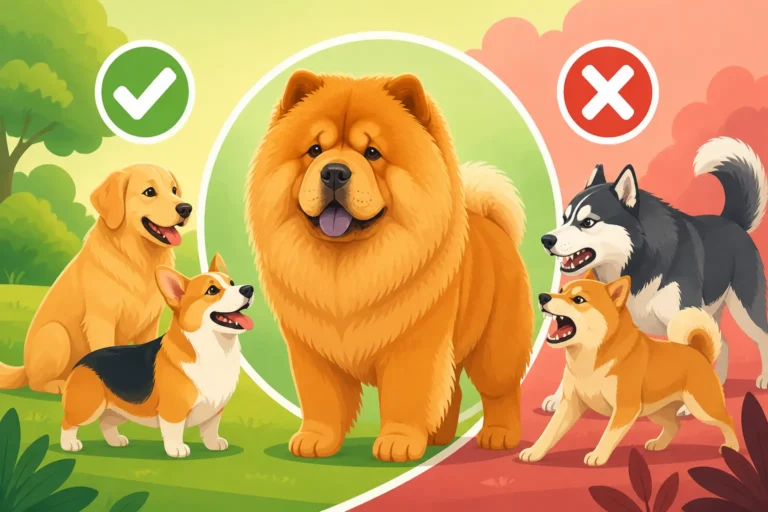
| Interaction Type | Recommended for Chow Chow Puppy Socialization | Avoid for Chow Chow Puppy Socialization |
|---|---|---|
| Exposure | Diverse, calm people; 1-on-1 introductions | Large crowds; overwhelming groups |
| Approach | Puppy-led; quiet; gentle; offers treats | Forceful; grabbing; loud; direct stare |
| Environment | Familiar, quiet, controlled spaces | Loud, chaotic, unpredictable places |
| Rewards | High-value treats, praise, safe retreat | Scolding, pushing, ignoring discomfort |
| Duration | Short (1-5 minutes), frequent breaks | Extended periods of forced interaction |
Neglecting Ongoing Socialization
Socialization isn't a "one and done" checklist item that you complete by 16 weeks of age. For a Chow Chow, it's a lifelong commitment. While the puppy phase is crucial for initial impressions, adult Chows still need consistent, positive exposure to maintain their social skills. Life changes, and dogs can revert to old habits if not reinforced. If your Chow Chow rarely sees new people after their puppyhood, they might become increasingly aloof or wary as an adult. Think of it like a language: if you don't use it, you might lose fluency. Continue to invite calm friends over, take your Chow Chow to quiet pet-friendly places, and engage in short, positive interactions with new people throughout their life. This ongoing reinforcement helps them maintain their confidence and ensures that their positive early experiences are sustained. Even an adult Chow Chow benefits from gentle, managed interactions to remind them that How a Chow Chow Greets Visitors can be a pleasant experience.
Forcing Interactions and Its Consequences
One of the most damaging mistakes you can make with a Chow Chow puppy is to ignore their subtle cues and force them into interactions they clearly don't want. This includes picking up a scared puppy and handing them to a stranger, or physically pushing them closer to a person or group. A Chow Chow, more than many other breeds, needs to feel secure and in control of their own space. Violating that can lead to significant trust issues. If your Chow Chow learns that you won't protect them from uncomfortable situations, they might decide to protect themselves. This self-defense mechanism can unfortunately escalate into growling, snapping, or biting as they mature. Always remember that your role is to be your puppy's advocate and guardian. Validate their feelings of unease by removing them from the situation rather than forcing them through it. By respecting their boundaries, you build a stronger bond of trust and teach them that they can rely on you for safety, which ultimately leads to a more confident and well-adjusted dog. Never put your Chow Chow in a position where they feel they have no choice but to use their teeth to say "no." Understanding Signs a Chow Chow Puppy Is Already Wary will help you prevent these situations before they escalate.
By understanding the Chow Chow's unique personality and embracing a proactive, positive, and patient approach to socialization, you can help your fluffy companion grow into a confident, well-adjusted adult who handles the world around them with grace and trust. It's a journey, not a sprint, but the rewards of a happy, well-socialized Chow Chow are truly immeasurable.
Disclaimer
This article is for general informational purposes only and does not constitute professional advice. Laws, prices and regulations vary by location and change over time. Consult a qualified professional for guidance on your specific situation.