Whether a Chow Chow Can Be Socialized After a Year
It’s a heart-wrenching moment when you realize your beloved Chow Chow, who might be past their boisterous puppy stage, isn't quite as comfortable in the world as you'd hoped. Perhaps you adopted an adult Chow, or maybe early socialization efforts didn't quite stick, and now you're wondering if it's too late to introduce them to new experiences, people, or other animals. Many Chow Chow owners face this very real frustration, feeling a mix of regret and concern for their dog's well-being. This guide aims to tackle that question head-on, exploring whether an adult Chow Chow can indeed be socialized after a year, outlining the unique challenges you'll face, and providing practical, empathetic strategies to help your Chow navigate the world with greater confidence and calm.
Understanding the Chow Chow's Socialization Window
When we talk about socialization, especially with a breed as distinct as the Chow Chow, it's crucial to understand that there isn't just one "window" that opens and then slams shut forever. However, there are certainly prime times that make the process significantly easier.
The Critical Puppy Period for Chows
Most dog behaviorists and trainers will emphasize the importance of the "critical socialization period" for puppies, which typically falls between 3 and 16 weeks of age. During these formative weeks, a puppy's brain is like a sponge, soaking up new sights, sounds, smells, people, and experiences, and forming its understanding of what is normal and safe in the world. For a Chow Chow, a breed known for its naturally reserved, independent, and sometimes wary temperament, this period is absolutely paramount. Missing out on diverse, positive experiences during this time can have a profound and lasting impact.
A Chow Chow puppy who doesn't meet a variety of calm people, see different environments, or hear a range of sounds during these critical weeks might grow up to view anything new or unfamiliar with suspicion or fear. They might become overly protective of their space or their person, or simply choose to retreat from novel situations. Think about it: a well-socialized puppy learns that a friendly stranger reaching out is a source of gentle pets or treats, not a threat. Without that foundation, an adult Chow may react with apprehension, a stiff posture, or even a snap because they simply haven't learned otherwise. It truly sets the stage for their entire life. The Weeks That Matter Most for a Chow Chow Puppy
Why Adult Socialization Differs
So, does this mean if your Chow Chow is over a year old and hasn't had ideal early socialization, you're out of luck? Absolutely not! It simply means the approach and expectations need to shift. Adult socialization isn't about capitalizing on a "critical window" anymore; it's about systematically and patiently reshaping established behaviors and emotional associations.
An adult Chow Chow has already formed their worldview. Their responses to strangers, other dogs, and new environments are ingrained habits, often rooted in past experiences – or lack thereof. If they learned that novel things are scary, they will act fearful. If they learned that the best defense is a good offense, they might be reactive. Changing these deeply held perceptions takes immense effort, consistency, and a deep understanding of your individual dog. It's like trying to re-tile a bathroom floor versus just cleaning it; one is a much bigger project. Their inherent temperament, which leans towards being rather aloof and independent, can also mean they are less naturally inclined to seek out new social interactions, making your job even more challenging. How Aloof a Chow Chow Really Is It's not impossible, but it demands a strategic, gentle hand and an abundance of patience.
Challenges of Socializing an Adult Chow Chow
Embarking on the journey of socializing an adult Chow Chow requires a realistic understanding of the hurdles you might face. These aren't insurmountable, but they are significant and demand a thoughtful, measured approach.
Deep-Seated Wariness and Reactivity
One of the most common challenges with an undersocialized adult Chow Chow is dealing with their deep-seated wariness, which can often manifest as reactivity. This isn't usually an act of malice; it's almost always fear-based. If your Chow didn't have positive experiences with a wide variety of people, places, and things as a puppy, they naturally default to caution. When faced with an unfamiliar person or dog approaching, their internal alarm bells ring loud and clear. This can lead to a range of behaviors such as barking, lunging on the leash, backing away, growling, or even a quick snap if they feel cornered or threatened. Signs a Chow Chow Puppy Is Already Wary
These reactions are a dog's way of saying, "Please, stay away! I don't know you, and I feel unsafe." It's a defensive mechanism, and punishing these reactions only teaches your Chow that their attempts to communicate discomfort are met with more negativity, potentially suppressing the warning signs and making future incidents more unpredictable. The key here is to understand that you're not just trying to stop a behavior; you're trying to change an underlying emotional state of fear or anxiety.
The Chow Chow's Independent Nature and Learning Style
Chow Chows are not your typical "people-pleasers." They are renowned for their independent, almost cat-like demeanor. This means that training methods that rely heavily on eager compliance or constant praise might not resonate with them in the same way they would with, say, a Golden Retriever. If you try to force an adult Chow into a social situation they're uncomfortable with, or use harsh corrections when they react, you're likely to experience significant pushback. Why Harsh Correction Backfires on a Chow Chow A Chow Chow will shut down, become more stubborn, or even resentful if they feel unfairly pressured.
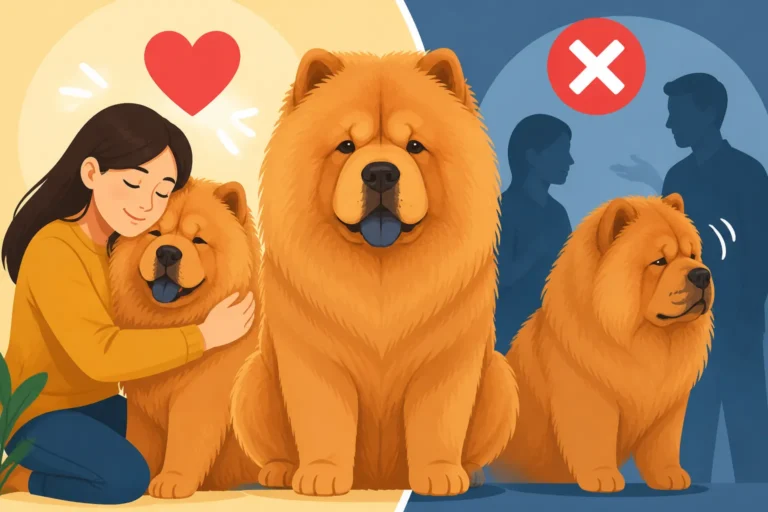
Their selective bonding also plays a role. A Chow often bonds intensely with one primary person and tolerates others, including family members, to varying degrees. The Chow Chow Bonds to One Person and Tolerates the Rest This makes introducing new people into their circle a deliberate process. They won't automatically extend trust and affection just because you want them to; they need to assess and accept individuals on their own terms, which can be a slow burn.
Physical Limitations and Sensory Considerations
It’s easy to overlook how a Chow Chow's unique physical characteristics can impact their socialization and reactions. Their deep-set eyes, combined with the heavy wrinkle structure around their face, can significantly limit their peripheral vision. Imagine walking around with blinders on, unable to see what's coming from the sides or behind you. This can make them easily startled when approached unexpectedly, which can then trigger a defensive reaction. Why a Chow Chow Snaps at Someone It Did Not See
If your Chow is constantly being surprised by things appearing suddenly in their limited field of vision, it naturally heightens their state of alert and anxiety. This isn't just a quirk; it's a fundamental part of how they perceive the world, and it absolutely must be factored into any socialization efforts. Approaching them head-on, or allowing others to do so, is often the safest and most considerate way to interact, ensuring they see you coming.
Strategies for Successful Adult Chow Chow Socialization
While challenging, successfully socializing an adult Chow Chow is absolutely possible with the right strategies, a commitment to patience, and an understanding of their unique personality. The goal isn't necessarily to turn your reserved Chow into a social butterfly, but rather to help them feel safer, more comfortable, and less reactive in various situations.
Positive Reinforcement and Desensitization
When working with an adult Chow Chow, especially one with a history of wariness or reactivity, positive reinforcement coupled with desensitization is your most powerful tool. The aim is to change your Chow's emotional response to a trigger, moving from fear or anxiety to neutrality or even positive anticipation. This isn't about forcing interaction; it's about creating such wonderful associations that the presence of the trigger (a stranger, another dog) becomes a predictor of good things happening.
Start with desensitization: expose your Chow to the trigger at a distance where they notice it but do not react. This is crucial. If they are barking, lunging, or even stiffening, you are too close. The moment they calmly observe the trigger, immediately reward them with high-value treats and calm, soothing praise. High-value treats could be anything from small pieces of cooked chicken or cheese to specialized training treats like those found easily on Amazon. The idea is to make the experience overwhelmingly positive. Over time, very, very gradually, you can decrease the distance to the trigger, always ensuring your Chow remains below their "threshold" of reactivity. If they react, increase the distance again. This slow, steady progress helps them learn that these triggers are not, in fact, scary, but rather a cue for good things from you.
Structured and Controlled Environments
For an adult Chow Chow, especially one prone to reactivity, throwing them into a busy dog park or a crowded street fair is a recipe for disaster and will likely set back any progress. You need to create highly structured and controlled environments for introductions. Think quality over quantity.
Begin with one-on-one interactions in quiet, neutral spaces. If introducing to a new person, choose a calm friend who understands dog body language and can follow your instructions on how to approach (e.g., no direct eye contact, approach from the side, allow the Chow to initiate contact, offer a treat gently). For dog introductions, seek out a known, calm, and stable dog that is unlikely to be pushy or overly exuberant. Start with parallel walks at a distance, allowing them to acclimate to each other's presence without direct interaction.
Don't hesitate to enlist the help of a professional. A certified professional dog trainer or veterinary behaviorist experienced with guardian breeds can provide invaluable guidance. They can help you read your Chow's subtle body language, set up safe practice scenarios, and troubleshoot specific issues. Online resources can also be a fantastic supplement; platforms like BAXTER & Bella offer virtual training programs and guidance that can be incredibly helpful for owners working on complex behavioral challenges from the comfort of their home. Remember, the goal is always to keep your Chow feeling safe and in control.
Patience, Consistency, and Realistic Expectations
This is perhaps the most important strategy: arm yourself with boundless patience, commit to unwavering consistency, and set realistic expectations. Socializing an adult Chow Chow is not a quick fix; it is a marathon. You might see small, incremental improvements over weeks or months, and there will likely be setbacks. Your Chow might have a good day, then a bad day where they seem to regress. This is normal. How Long a Chow Chow Remembers a Bad Session
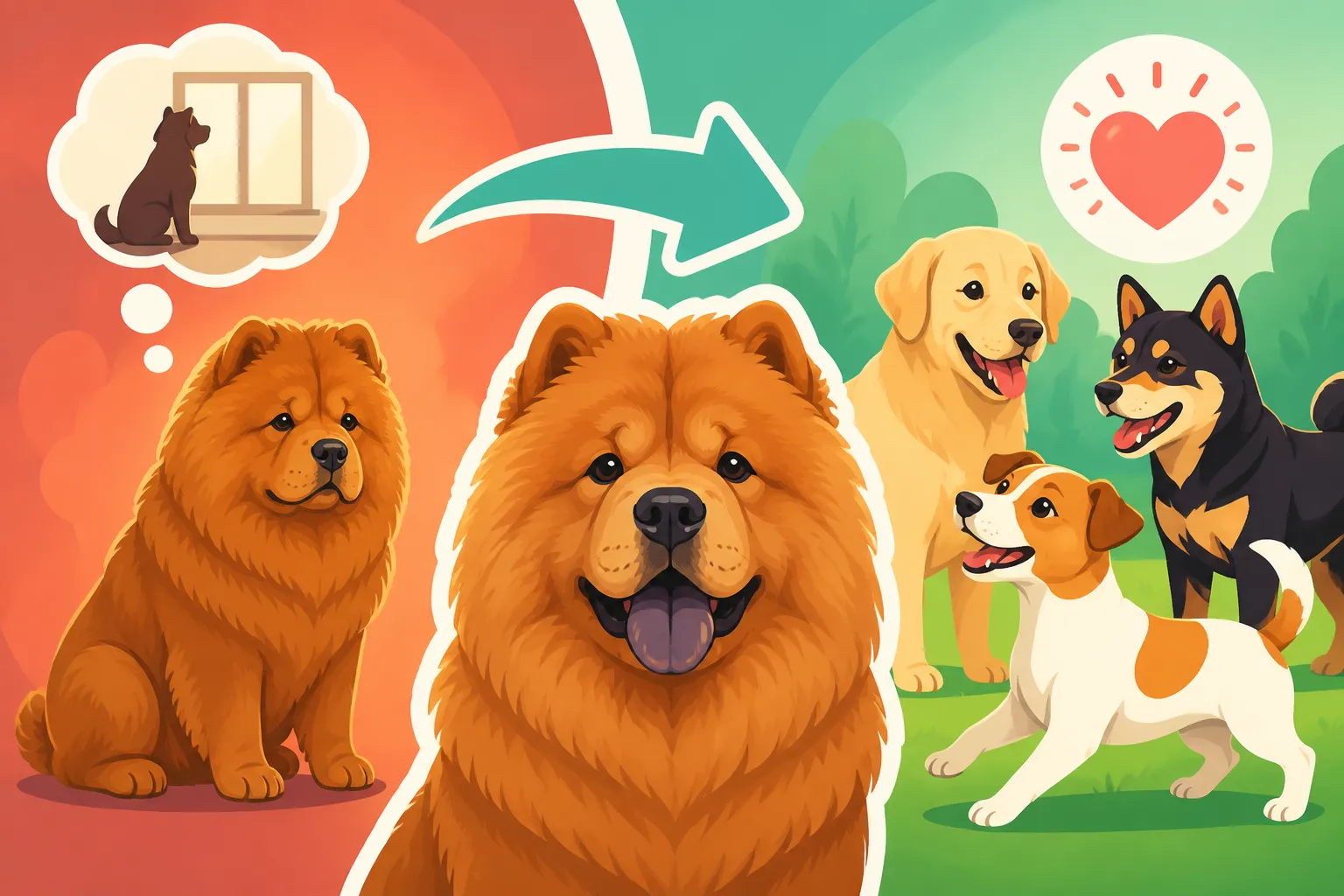
The ultimate goal for an adult Chow Chow isn't usually to become the life of every party or to greet every stranger with a wagging tail. For many, the realistic and highly successful outcome is a Chow who is tolerant, calm, and can navigate the world without undue stress or reactive outbursts. This means they might still be reserved, prefer limited interactions, and remain primarily bonded to you, and that is perfectly okay. What you're aiming for is a dog who feels safe enough to not react fearfully or defensively.
Consistency from every member of the household is critical. Everyone needs to be on the same page with the training protocols, using the same cues, rewards, and management strategies. If one person allows behaviors that another is trying to extinguish, it sends mixed signals and confuses your Chow, hindering progress. How a Chow Chow Treats the Rest of the Family Embrace the small victories, learn from the setbacks, and celebrate every step forward, no matter how tiny it seems.
Practical Steps for Re-Socializing Your Adult Chow Chow
Now that we've covered the foundational strategies, let's dive into some practical, actionable steps you can take to begin re-socializing your adult Chow Chow. Remember, every Chow is an individual, so observe your dog closely and adjust these steps to suit their comfort level.
Assessing Your Chow Chow's Baseline
Before you can make a plan, you need to understand where your Chow Chow currently stands. This means carefully observing and documenting their reactions to various triggers.
- Identify Triggers: What exactly sets your Chow off? Is it specific types of people (men, children, people in hats)? Other dogs (all dogs, specific breeds, high-energy dogs)? Certain sounds or objects?
- Gauge Intensity: How severe is the reaction? A slight stiffening is very different from lunging and growling.
- Determine Threshold Distance: At what distance from the trigger does your Chow start to react? This is their "threshold." Your goal will be to work below this threshold.
- Keep a Log: Maintain a simple journal. Note the date, time, trigger, environment, your Chow's reaction, and the distance from the trigger. This log will help you identify patterns, measure progress, and adjust your approach. For example, you might notice your Chow is more reactive in the evenings, or to children running, but fine with a calm adult walking slowly past. This data is invaluable for tailoring your training.
Controlled Introductions to People
Introducing your Chow Chow to new people needs to be a highly choreographed dance, especially if they have a history of wariness. The goal is to make every interaction positive and non-threatening.
- Start Small, Stay Calm: Begin with a single, calm, dog-savvy friend or family member who your Chow doesn't know well but is willing to follow your instructions perfectly. Avoid large groups or boisterous individuals.
- Outdoor, Neutral Territory: Conduct initial introductions outdoors in a quiet, neutral space where your Chow feels less territorial. Have your Chow on a leash, perhaps a sturdy one from a brand like Kurgo, and wear a comfortable, secure harness.
- The "No Direct Approach" Rule: Instruct the new person to ignore your Chow initially. No direct eye contact, no reaching out, no talking to the dog. This takes the pressure off. Have them stand sideways or even sit down a short distance away.
- Treat Delivery: While the person is passively present, you can start feeding your Chow high-value treats. As your Chow shows signs of relaxation (loose body, sniffing, looking at the person calmly), the person can gently toss a treat in your Chow's direction, not directly to them. This creates a positive association with the person's presence.
- Let the Chow Initiate: Allow your Chow to approach the person on their own terms. If your Chow sniffs or shows interest, the person can calmly offer a treat with an open hand, still avoiding direct eye contact. If your Chow backs away, that's okay. End the session on a positive note, even if it was just successful passive presence.
- Short and Sweet: Keep initial sessions very short – just a few minutes – and always end before your Chow shows any signs of stress. Slowly, over many sessions, you can increase proximity and brief, calm interactions. How to Introduce a Chow Chow to a Stranger
Controlled Introductions to Other Dogs
Socializing an adult Chow Chow with other dogs is often the most challenging aspect, as Chow Chows are not typically known for their effusive dog-friendliness. Many will tolerate other dogs, but few seek out extensive play with strangers.
- Choose Wisely: Select a calm, well-socialized, non-reactive dog whose owner you trust. Avoid high-energy or pushy dogs, as this can overwhelm and potentially frighten your Chow.
- Parallel Walks: Begin with parallel walks. You and your Chow walk on one side of a street or park path, and the other dog and owner walk parallel to you on the other side, maintaining a significant distance. The goal is for both dogs to be aware of each other but remain calm. Feed your Chow treats for calmly observing the other dog.
- Gradual Proximity: Over several sessions, as your Chow shows consistent comfort, you can slowly decrease the distance. Never force a face-to-face meeting on leash, as this can create tension and is often a trigger for leash reactivity.
- Sniff and Move On: If your Chow and the other dog are both relaxed, you might allow for a very brief, controlled "sniff" opportunity, but keep it moving. Prolonged eye contact or static greetings can escalate quickly.
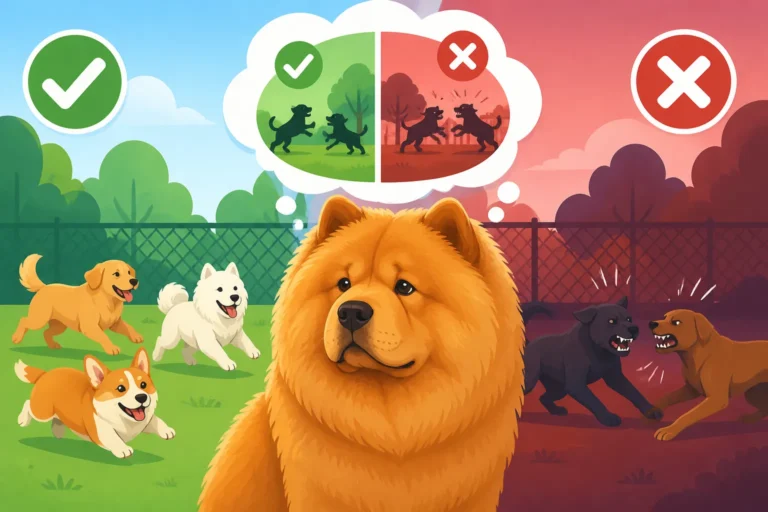
- No Dog Parks: For most adult Chow Chows with socialization issues, dog parks are off-limits. They are chaotic, unpredictable environments that can quickly lead to negative experiences and setbacks. Your goal is quality, controlled interactions, not quantity. How a Chow Chow Gets Along With Other Dogs
- Professional Guidance: If your Chow has strong dog-dog reactivity, professional intervention from a qualified trainer or behaviorist is highly recommended. They can help set up structured sessions and guide you through the nuanced process of counter-conditioning.
Here's a quick comparison of general socialization approaches for puppies versus adult Chow Chows:
| Aspect of Socialization | Chow Chow Puppy (3-16 weeks) | Adult Chow Chow (1+ year) |
|---|---|---|
| Primary Goal | Broad exposure, positive foundation | Reshaping existing associations, building confidence & coping skills |
| Pace of Progress | Generally faster, absorbent of new info | Slower, incremental, requires consistent repetition & management |
| Key Methodologies | Wide range of safe exposures, diverse play, positive associations | Desensitization, counter-conditioning, controlled exposure, careful management |
| Environments | Puppy classes, varied safe public spaces, structured playdates | Highly controlled, quiet, private, one-on-one interactions, professional guidance |
| Expected Outcome | Well-adjusted, generally tolerant/friendly, curious | Tolerant, calm, possibly reserved but safe, improved coping in specific scenarios |
| Focus | Prevention, exposure, habituation | Rehabilitation, emotional change, behavior modification |
Remember, socializing an adult Chow Chow is about improving their quality of life, reducing stress, and building trust between you and your dog. It's a journey of understanding, patience, and unwavering commitment.
Disclaimer
This article is for general informational purposes only and does not constitute professional advice. Laws, prices and regulations vary by location and change over time. Consult a qualified professional for guidance on your specific situation.