Whether an Adult Rescue Chow Chow Can Change
Bringing an adult rescue Chow Chow into your home often comes with a unique set of hopes and, let's be honest, anxieties. You see their potential, you want to give them a loving life, but you also wonder how much of their past can truly be left behind. Many new owners wrestle with the question of whether an older Chow Chow, with an unknown history, can genuinely "change" their core behaviors and personality. This guide is here to walk you through the realistic expectations and dedicated efforts required to help an adult rescue Chow Chow adapt and thrive in their new home.
Understanding the Chow Chow's Nature and Its Impact on Change
When you adopt an adult rescue Chow Chow, you're not getting a blank slate. You're getting a dog with a lifetime of experiences, both good and bad, layered on top of a breed temperament that is already quite distinct. Understanding both these factors is crucial to fostering any positive "change."
The Innate Chow Chow Temperament: A Foundation for Behavior
Chow Chows are a truly ancient breed, and their temperament reflects their long history as guardians and companions, rather than effusively friendly socialites. They are often described as regal, independent, and sometimes aloof. This isn't a flaw; it's simply who they are. They tend to bond fiercely with one primary person and may tolerate others in the household, rather than showering everyone with affection. The Chow Chow Bonds to One Person and Tolerates the Rest is a common trait, and it means that expecting a highly gregarious, constantly seeking-attention dog from a Chow Chow is usually a recipe for disappointment.
This inherent independence means that while you can certainly build trust and rapport, you're unlikely to turn a reserved Chow Chow into a Labrador. Their strong-willed nature means they often think for themselves, rather than constantly looking to you for direction. Owners often get frustrated when their Chow seems to ignore commands it clearly understands, but for a Chow, compliance is often a negotiation based on their own assessment of the situation, rather than blind obedience. This isn't about being stubborn; it's about their deep-seated self-reliance. When you realize that these traits are genetic and part of the breed's very essence, you can adjust your expectations and learn to work with their nature, rather than constantly fighting against it.
The Weight of Past Experiences: Trauma and Learned Behaviors
Beyond their breed tendencies, an adult rescue Chow Chow carries the weight of their past. Unlike a puppy raised from eight weeks in a stable home, a rescue dog often comes with an unknown history. They might have experienced neglect, abuse, inconsistent training, or simply a lack of appropriate socialization during their critical formative weeks. These experiences don't just disappear when they walk through your door; they become deeply ingrained learned behaviors and emotional responses.
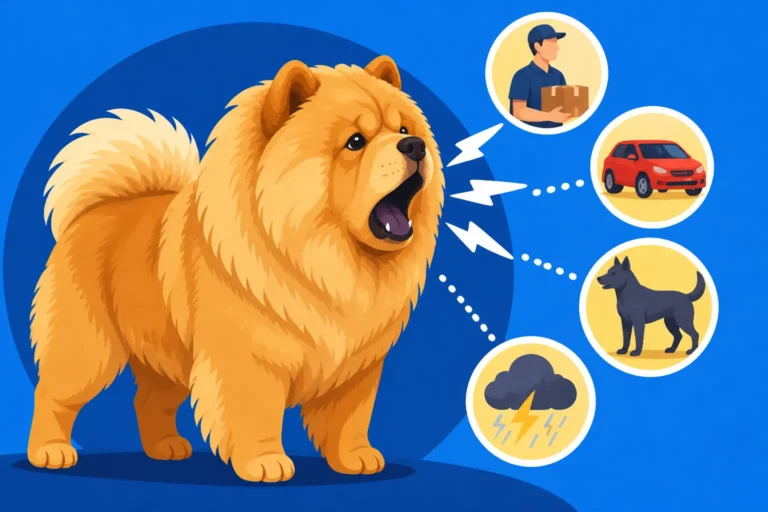
For example, a Chow Chow who was never properly introduced to new people, dogs, or environments as a puppy can become deeply fearful or reactive as an adult. They might be undersocialized, leading to behaviors like barking aggressively at strangers, lunging at other dogs on walks, or being terrified of novel situations like vacuum cleaners or car rides. What an Undersocialized Chow Chow Becomes can be a stark reality, resulting in dogs that are anxious, insecure, and prone to defensive behaviors. These aren't personal attacks; they're survival mechanisms they developed to cope with a world that was confusing, scary, or lacked guidance. These past traumas can manifest as fear, anxiety, resource guarding, or even aggression, and addressing them requires immense patience, understanding, and a systematic approach to rebuilding their sense of safety and trust.
The Realities of Behavior Modification in Adult Chow Chows
The idea of "changing" an adult rescue Chow Chow can feel overwhelming, especially when you're dealing with entrenched behaviors. It's important to differentiate between a complete personality overhaul and strategic behavior modification.
Setting Realistic Expectations for "Change"
Let's be realistic: you probably won't turn a 5-year-old Chow Chow with a history of neglect into an outgoing social butterfly overnight, or even ever. "Change" in an adult rescue Chow Chow more often means modifying specific behaviors and improving their overall comfort and confidence within their new environment, rather than fundamentally altering their core personality. Think of it like this: if you adopt a human who's always been a quiet introvert, you wouldn't expect them to suddenly become the life of every party. You'd hope they'd feel comfortable enough to relax and be themselves, perhaps engaging more openly with you over time.
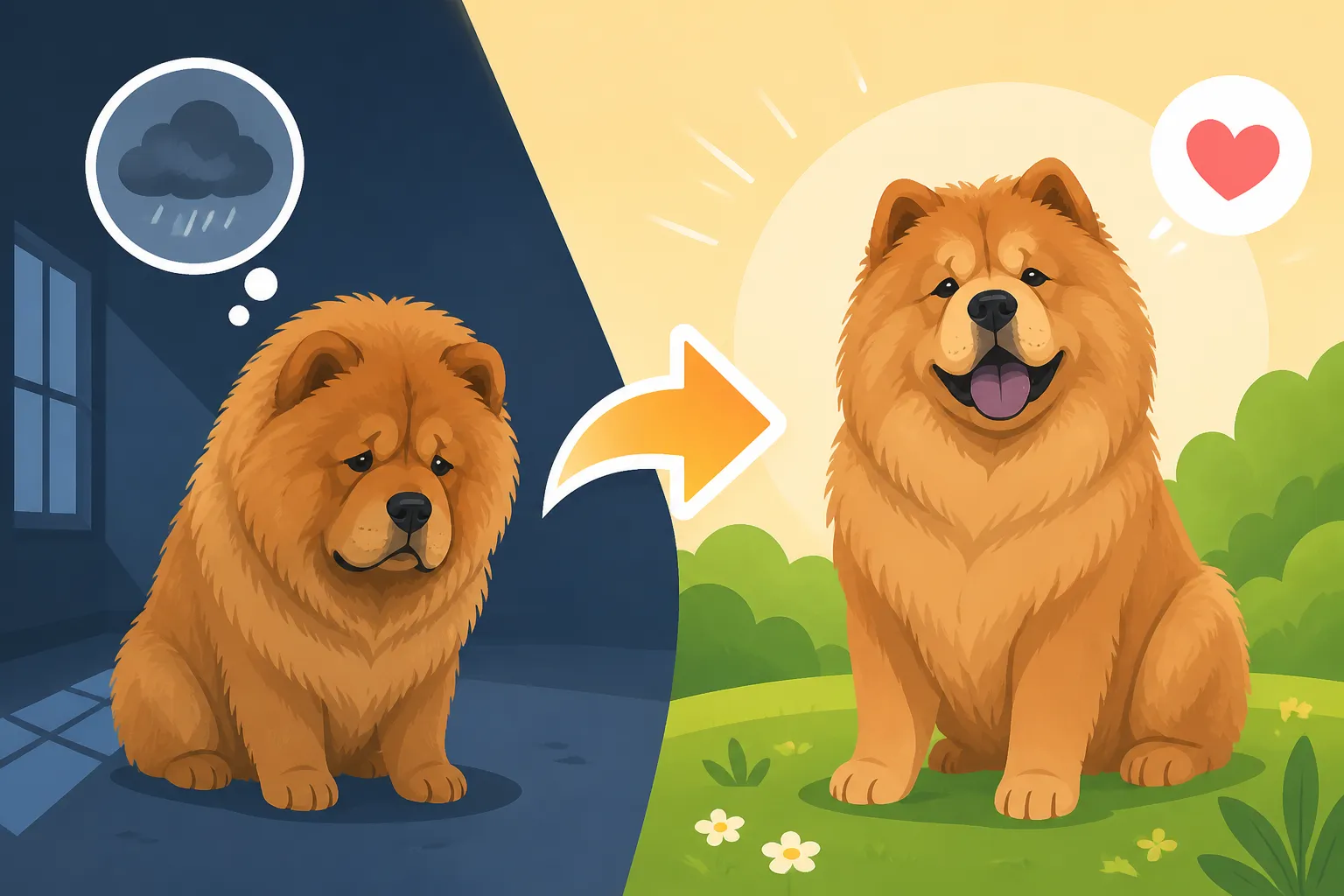
For a Chow Chow, this might mean transforming intense leash reactivity into a calm, controlled walk, or shifting from resource guarding their food bowl to comfortably eating in your presence. It means helping them feel safe enough that their defensive instincts aren't constantly triggered. It's about reducing stress, increasing their coping skills, and building a bond of trust where they feel secure enough to let their guard down. The goal isn't to erase their past, but to help them build a better, more positive future with you. This journey requires celebrating small victories and acknowledging that progress might be slow and sometimes cyclical. Whether an Adult Rescue Chow Chow Can Change really depends on what you define as "change" and your commitment to supporting them.
The Role of Patience, Consistency, and Positive Reinforcement
One of the biggest mistakes owners make with strong-willed or fearful rescue Chows is resorting to outdated, harsh training methods. Chows, with their sensitive yet independent nature, do not respond well to force, intimidation, or punishment. In fact, Why Harsh Correction Backfires on a Chow Chow is particularly true for this breed; it often leads to a shut-down dog, increased fear, or even aggressive defensive behaviors because their trust is broken. They don't learn what to do; they just learn to fear you.
Instead, the path to positive change relies heavily on:
- Patience: This is not a sprint; it's a marathon, and some days will feel like you're running backward. Every interaction, every small step, contributes.
- Consistency: Everyone in the household needs to be on the same page with rules, routines, and how they interact with the dog. Inconsistency breeds confusion and anxiety for a dog that already carries baggage.
- Positive Reinforcement: This means rewarding the behaviors you want to see. High-value treats, praise, and gentle affection can work wonders. If your Chow shows even a tiny flicker of the desired behavior, reward it. Brands like BAXTER & Bella offer online puppy and dog training programs that emphasize positive reinforcement, which can be a fantastic resource for rescue Chow owners looking for structured, humane guidance from the comfort of their home. Even simple items like a good quality treat pouch from Amazon can make consistent positive reinforcement much easier during walks and training sessions.
By focusing on making good things happen for your Chow when they exhibit desired behaviors, you slowly build positive associations and encourage them to offer those behaviors more frequently.
Professional Guidance: When to Call in the Experts
While many aspects of helping an adult rescue Chow Chow adjust can be handled with dedication at home, there are times when professional help is not just beneficial, but essential. Behaviors stemming from deep-seated fear, aggression, or severe anxiety often require the expertise of a certified professional dog trainer or a veterinary behaviorist.
These professionals can:
- Assess: They can help you understand the root cause of your Chow's behaviors, distinguishing between breed traits, past trauma, or even underlying medical issues.
- Strategize: They develop tailored behavior modification plans that are safe, effective, and humane for your specific dog and situation. This might involve desensitization, counter-conditioning, or management strategies.
- Coach: They teach you how to implement these strategies effectively, providing hands-on guidance and troubleshooting. They can show you how to read your Chow's subtle body language, which is crucial for a breed that often gives little overt warning before reacting.
- Medicate (Veterinary Behaviorist): In cases of severe anxiety or fear, a veterinary behaviorist can prescribe medication to help lower your dog's stress levels, making them more receptive to behavior modification work.
Don't see seeking professional help as a failure on your part. It's an act of responsible pet ownership, acknowledging that some challenges are beyond typical home training. Whether a Chow Chow Needs a Professional Trainer Early is often a resounding yes, even for puppies, but it's even more critical for adult rescues with complex histories.
Strategies for Fostering Positive Evolution in Your Rescue Chow Chow
Helping an adult rescue Chow Chow evolve past their previous experiences and settle into a new, happier life involves a multi-faceted approach. It's about creating an environment where they feel safe enough to be their best self.
Building Trust and a Secure Environment
The foundation of any positive change in a rescue Chow Chow is trust. Without it, they'll remain on guard, constantly anticipating danger or inconsistency. Building trust requires a consistent, predictable, and safe environment.
- Routine is King: Chows thrive on predictability. Establish a consistent daily schedule for meals, walks, potty breaks, and playtime. This helps them understand what to expect and reduces anxiety.
- Safe Space: Create a designated "safe zone" for your Chow, like a crate in a quiet corner or a comfy bed in a low-traffic room. This is their sanctuary where they can retreat when feeling overwhelmed. Never use this space for punishment. You can make it extra cozy with a comfortable bed or specific calming toys found on Amazon.
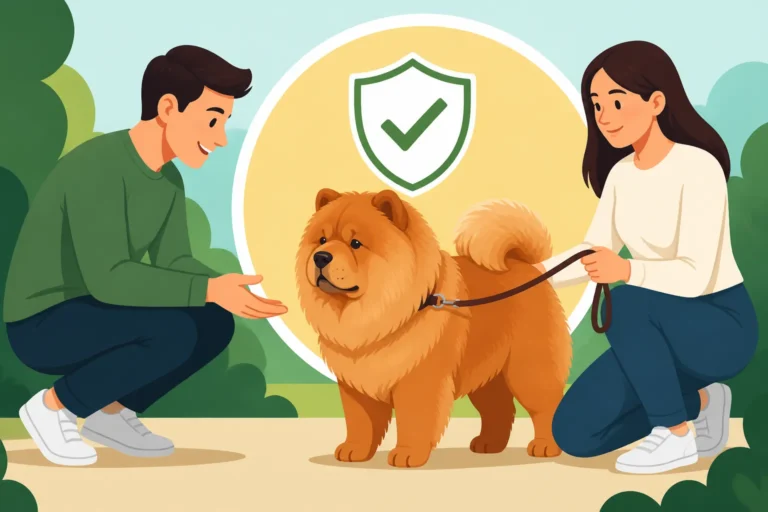
- Slow Introductions: Whether it's to new people, other pets, or novel situations, always introduce things slowly and positively. Don't force interactions. Let your Chow approach on their own terms. How to Introduce a Chow Chow to a Stranger is a delicate dance; ensure the stranger knows to ignore the Chow initially and let the dog initiate contact. Keep interactions short, calm, and end them before your Chow shows signs of stress.
- Patience and Understanding: Sometimes, a rescue Chow will test boundaries or revert to old behaviors when stressed. Respond with calm consistency, not frustration. They're not trying to be "bad"; they're reacting from old habits or fear.
Gradual Socialization and Exposure
Socialization for an adult rescue Chow Chow looks very different from puppy socialization. It's not about throwing them into a dog park or busy crowd. It's about controlled, positive, and gradual exposure to the world in a way that builds confidence, rather than overwhelming them.
- Controlled Exposure: Instead of going to a busy park, start with quiet walks during off-peak hours. Allow them to observe from a distance, rewarding calm behavior. If they're reactive to other dogs, work with a professional to create structured, positive encounters from a safe distance. While a puppy needs broad exposure (see How Much Socialization a Chow Chow Puppy Needs), an adult needs focused desensitization.
- Positive Associations: Pair any new experience (seeing a new person, hearing a strange noise) with high-value treats. If they see another dog at a distance and remain calm, immediately reward them. The goal is to change their emotional response from fear/anxiety to "Oh, that thing means good stuff happens!"
- Avoid Triggers: Initially, identify and avoid situations that consistently trigger negative reactions. This isn't avoiding the problem; it's managing the environment so your Chow can feel safe enough to learn. For instance, if crowded streets are overwhelming, choose quieter routes until they build more confidence.
- One-on-One: If your Chow struggles with other dogs, focus on one-on-one, calm interactions with a known, stable dog, if possible. Don't expect them to be a dog park regular, especially if they have a history of not getting along with others. How a Chow Chow Gets Along With Other Dogs is often nuanced, requiring careful management.
Addressing Specific Behavioral Challenges
Many adult rescue Chow Chows arrive with specific behavioral challenges that require targeted intervention.
- Resource Guarding: If your Chow guards food, toys, or even specific spots, this needs to be addressed carefully to prevent escalation. Start by building positive associations with you approaching their guarded items, without taking them away. Drop high-value treats near them while they're eating or playing. Gradually, they learn your presence is a predictor of good things, not a threat. How to Stop a Chow Chow Guarding a Room involves similar principles of positive association and managing access.
- Leash Reactivity: Lunging, barking, or growling at other dogs or people on walks is a common issue. This is usually fear-based. Use tools like a front-clip harness for better control and carry plenty of high-value treats. When you see a trigger approaching, try to get your Chow's attention before they react and reward them for looking at you. If they react, increase the distance. This is a classic counter-conditioning scenario. Why a Chow Chow Reacts to Dogs on Leash is often tied to their protective instincts and limited peripheral vision.
- Fear/Anxiety: If your Chow is generally fearful of new things, people, or noises, a structured desensitization program is key. This means gradually exposing them to very low levels of the feared stimulus, keeping them below their reactivity threshold, and pairing it with positive reinforcement. For instance, if they fear the vacuum, start by showing them the off vacuum, rewarding them, then gradually moving closer, turning it on briefly at a distance, always rewarding calm behavior. Again, specific calming chews or supplements available on Amazon can sometimes assist in reducing overall anxiety, making the training more effective.
Long-Term Commitment: A Lifelong Journey with Your Chow
Welcoming an adult rescue Chow Chow into your life is a significant commitment. Their journey of adaptation and evolution doesn't end after a few weeks or months; it's a lifelong process.
Celebrating Small Victories and Managing Setbacks
It's vital to adjust your mindset to celebrate the small, incremental improvements. Maybe today your Chow didn't bark at the mail carrier, or they allowed a friend to pet them without backing away. These are huge wins! Don't get discouraged if there are setbacks. A new stressful event, a change in routine, or even just a bad day can cause a temporary regression in behavior.
- Document Progress: Keep a journal or use a simple app to note down good days, challenges, and improvements. This helps you visualize progress, especially when you feel stuck.
- Reset and Re-evaluate: If a setback occurs, don't panic. Revert to basics, reduce expectations, and re-establish the routines and exercises that previously helped. Think of it as taking a step back to solidify their foundation before moving forward again. Your patience and resilience are just as important as your Chow's.
Understanding Their Unique Communication
Chow Chows are not typically demonstrative dogs. They don't always wear their emotions on their sleeve like some other breeds. Their communication can be subtle, and learning to read their body language is paramount to understanding their comfort levels and preventing issues.
- Subtle Signals: A slight head turn, a yawn, lip licking, a stiffening of the body, or a shift in eye contact can all be signs of discomfort or stress. They might not growl or bark loudly before reacting; their warning signs can be very quiet. How to Read a Chow Chow's Face requires attention to their overall demeanor, not just obvious cues.
- Limited Vision: Remember that their deep-set eyes can limit their peripheral vision. This means they might startle more easily if approached from the side or behind, as they simply didn't see you coming. Always approach them clearly from the front, speaking gently so they know you're there.
- Respect Boundaries: Once you learn their signals, respect them. If your Chow is showing signs of discomfort, don't push them. Give them space, remove them from the situation, or redirect their attention. Understanding Signs a Chow Chow Is Uncomfortable can literally prevent bites and build immense trust.
Living with an adult rescue Chow Chow is a truly rewarding experience, one that teaches immense patience and deep understanding. They may never be the dog you initially imagined, but with your unwavering commitment, they can become a loyal, loving, and securely attached companion who has, in their own unique way, truly changed for the better.
| Trait/Aspect | Puppy Chow Chow (Ideal Scenario) | Adult Rescue Chow Chow |
|---|---|---|
| Temperament | Innate independence, can be shaped with early positive exposure. | Innate independence, often amplified by past experiences. |
| Socialization | Critical window for broad exposure to new people, dogs, places. | Requires careful, gradual, positive desensitization. |
| Training Pace | Learns quickly with positive, engaging methods. | Can be slower, requires high consistency and patience. |
| Past Trauma | Minimal to none in a good breeding environment. | Often present, requires gentle, trust-building approaches. |
| "Change" Defined | Learning new behaviors, developing a well-adjusted personality. | Modifying ingrained behaviors, increasing comfort/confidence. |
| Trust Building | Established naturally through consistent care. | Requires deliberate, consistent effort to overcome mistrust. |
| Expectations | Can be guided towards desired behaviors and social skills. | Focus on management, improvement, and creating a safe home. |
Disclaimer
This article is for general informational purposes only and does not constitute professional advice. Laws, prices and regulations vary by location and change over time. Consult a qualified professional for guidance on your specific situation.