Why a Chow Chow Backs Away From a Hand
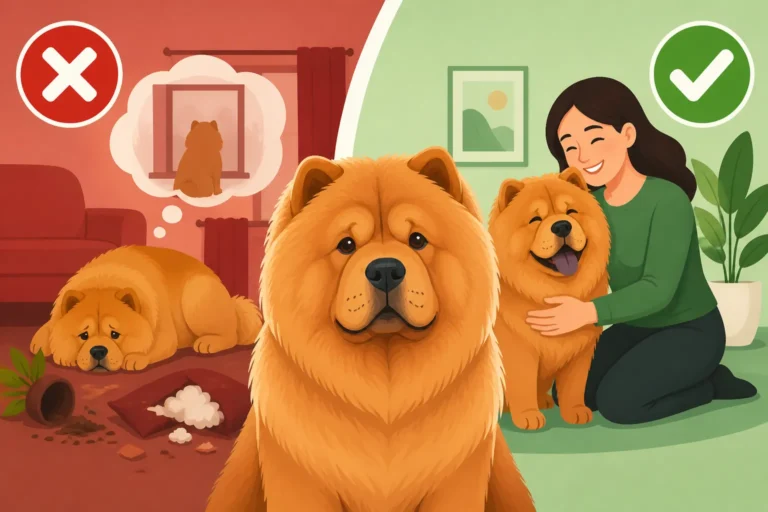
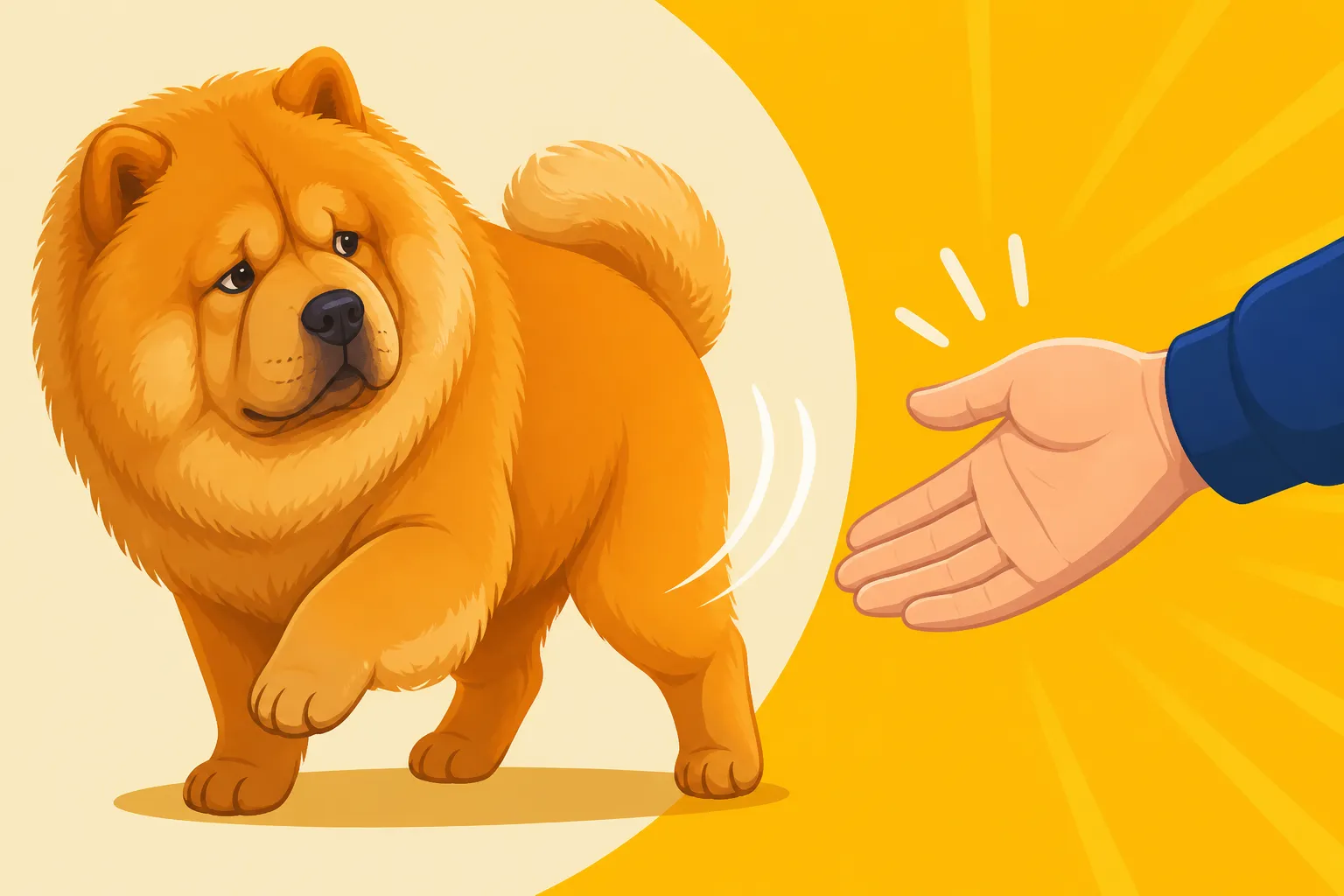
It’s a scene many Chow Chow owners know all too well, and frankly, it can be a bit disheartening: you reach out a hand, perhaps to pet their magnificent ruff or offer a treat, and your stoic Chow takes a step, or two, or even three, backward. It’s not aggression, not exactly, but it’s definitely not the eager greeting you might get from many other breeds. This behavior can leave you wondering what you're doing wrong, or if your Chow Chow even likes you. This guide will delve into the multifaceted reasons why a Chow Chow might back away from an outstretched hand, offering insights into their unique temperament, physical characteristics, and how past experiences shape their responses, helping you understand this ancient and often misunderstood breed.
Understanding the Chow Chow's Natural Disposition
Chow Chows are not your typical Golden Retriever when it comes to expressing affection. They are an ancient breed, known for their dignity, independence, and a famously reserved nature. This isn't a flaw; it's a fundamental part of who they are, woven into their very DNA from centuries of working independently in varied roles, from guarding temples to hunting.
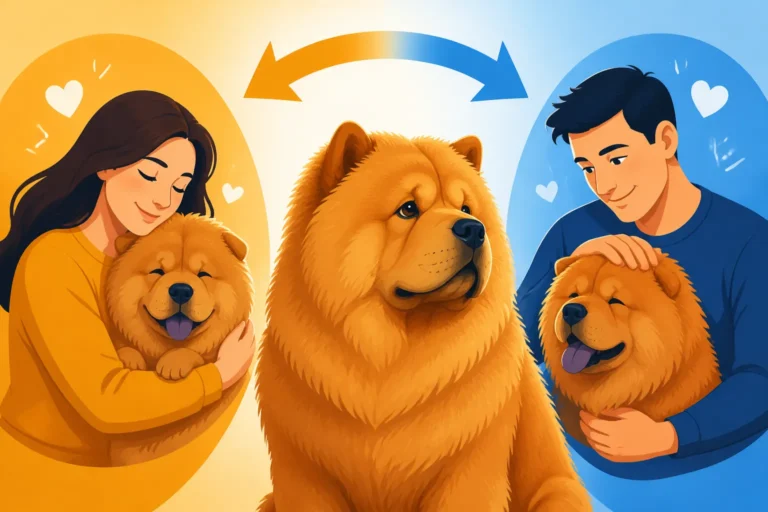
When a Chow Chow backs away from a hand, it's rarely a personal insult or a sign of dislike. More often, it's a preference for personal space and a natural wariness of sudden, direct approaches. They bond deeply with their chosen person or family, but that bond often manifests in quiet companionship rather than effusive physical contact. Imagine a very particular, dignified houseguest who appreciates your hospitality but prefers to observe from a comfortable distance rather than engaging in boisterous games. That's often a Chow. Their ancestral history didn't demand them to be overly demonstrative with strangers or even casual acquaintances; their value lay in their watchful eyes and formidable presence. For a deeper understanding of their personality, consider reading How Aloof a Chow Chow Really Is.
This inherent reserve means that a quick, enthusiastic reach from a human can feel intrusive. While other dogs might interpret an outstretched hand as an invitation for a scratch or a game, a Chow Chow might see it as a sudden, potentially threatening gesture. They value their autonomy, and a hand invading their personal bubble without prior invitation or a clear, calm signal can be startling. It’s about respect for their boundaries, which are often wider than those of many other breeds.
Sensory Limitations and the Startle Response
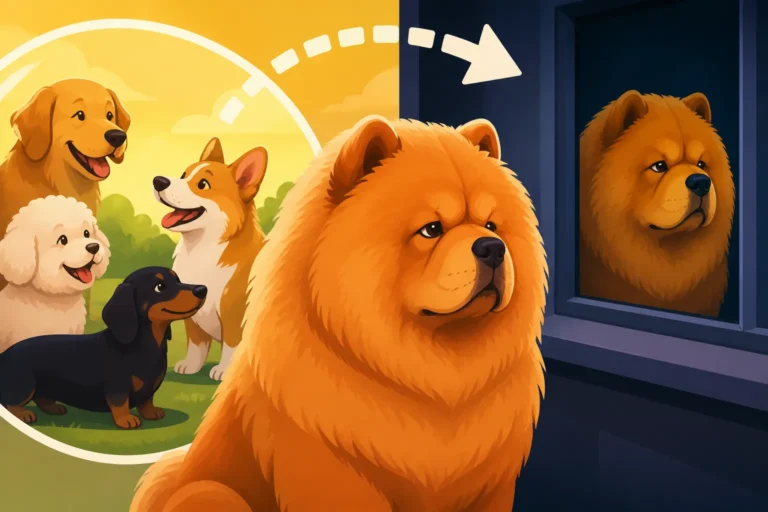
One of the most significant, yet often overlooked, reasons a Chow Chow might back away from an outstretched hand has to do with their unique physical characteristics, particularly their deep-set eyes and dense ruff. These features, while contributing to their distinctive "lion's mane" appearance and iconic scowl, severely limit their peripheral vision. They simply cannot see things approaching from the sides or from behind very well.
Think about it from their perspective: you're casually observing your surroundings, perhaps enjoying a quiet moment, when suddenly, a hand appears in your limited field of vision. It might seem to materialize out of nowhere. For a dog, especially one with a naturally cautious temperament, this sudden appearance can be incredibly startling, triggering an instinctive "flight" response. Instead of seeing a friendly hand, they perceive a sudden, unexpected object in their personal space. Their heavy facial folds and thick neck fur further restrict their ability to turn their head quickly and fully to assess the situation, exacerbating the surprise. This isn't paranoia; it's a physical limitation. If you've ever wondered why they might react so strongly to something they didn't seem to notice, our post Why a Chow Chow Snaps at Someone It Did Not See explains this phenomenon in detail.
This visual constraint means that approaching a Chow Chow head-on, or at least ensuring they see your hand coming from a safe distance, is absolutely crucial. A hand sweeping in from the side, even with the best intentions, can be perceived as an ambush. Their initial reaction to back away is a self-preservation instinct, giving them space to process the sudden intrusion and decide if it's safe. It's not a rejection of you, but a natural canine response to feeling surprised or cornered due to their limited sensory input. Always make sure they see you and your hand approaching well in advance.
The Impact of Early Experiences and Socialization
The foundation of a Chow Chow's temperament and their reaction to human interaction is heavily laid during their formative puppy months. The crucial period for socialization in puppies generally closes relatively early, meaning that positive exposure during this time is paramount. If a Chow Chow puppy doesn't experience a variety of gentle, positive interactions with different people and hands during this window, they can develop a lifelong wariness.
Imagine a puppy who, for whatever reason, didn't meet many different people. Perhaps they were raised in a quiet home with only one or two adults, or worse, in an environment where human hands were associated with negative experiences. For such a dog, any unfamiliar hand reaching out can trigger suspicion or fear. Rescue Chow Chows, in particular, often come with unknown histories, and their backing away might be a direct result of past trauma or neglect. They might have learned that an approaching hand isn't always friendly, or that it signals something unpleasant. This is why resources like online puppy courses, such as those offered by BAXTER & Bella, can be invaluable for new owners, providing structured guidance on positive early socialization. You can learn more about this critical developmental stage by reading When a Chow Chow's Socialization Window Closes and understanding What an Undersocialized Chow Chow Becomes.
Even with excellent early socialization, the Chow Chow's natural reserve means that they will still have a preference for space and careful introductions. However, a well-socialized Chow is more likely to pause, observe, and then back away calmly, rather than reacting with extreme fear or aggression. They've learned that not all hands are a threat, but they still prefer to maintain their dignified distance until they decide to engage. Building trust is an ongoing process, especially if their early experiences were less than ideal. Patience and consistency are key to showing them that your hands, and others', are safe.
Misinterpreting Human Cues and Body Language
It's a classic case of crossed wires: humans often approach dogs with gestures that, while well-intended, can be completely misinterpreted by a Chow Chow. We tend to extend a hand directly towards their head, lean over them, or make direct eye contact – all signals that, in the canine world, can be perceived as confrontational, dominant, or even threatening. For a Chow Chow, a breed already predisposed to wariness, these human actions are a recipe for them backing away.
Consider the human impulse to reach out and pat a dog on the head. To us, it's a sign of affection. To many dogs, especially a Chow Chow, it's a hand coming directly down on their most vulnerable area, often from above where they can't fully see it. This can feel like a predatory gesture. Similarly, leaning over a Chow Chow, which makes you appear larger and more imposing, can heighten their sense of unease. Direct, prolonged eye contact, which we use to show connection, can be seen by a dog as a challenge or an aggressive stare.
Chow Chows communicate their discomfort through subtle signals that many humans miss. A slight stiffening of the body, a quick lip lick, a turning of the head, or even just freezing in place before they back away – these are all quiet warnings that often go unnoticed until the Chow Chow creates distance. We expect an overt invitation, but Chows offer more nuanced cues. Understanding these can help you avoid inadvertently pushing them to retreat. Our guide How to Read a Chow Chow's Face can offer valuable insights into their often-subtle expressions, and Signs a Chow Chow Is Uncomfortable explores other body language cues. Learning to recognize these faint signals is crucial for building a trusting relationship with your Chow Chow and preventing them from feeling the need to back away.
Building Trust and Respecting Boundaries
So, if your Chow Chow consistently backs away from an outstretched hand, how do you bridge that gap and build a stronger, more trusting relationship? The answer lies in patience, respect for their natural tendencies, and a commitment to clear, positive communication. You need to essentially re-teach them that human hands are not a threat, and that they have control over the interaction.
Start by never forcing interaction. Allow your Chow Chow to initiate contact. Instead of reaching out, crouch down to their level, turn your body slightly sideways (less confrontational), and offer an open palm or a closed fist with your knuckles facing them, held low and to the side. Let them come forward and sniff your hand. If they do, even just a brief sniff, reward them with a calm, soft voice and maybe a small, high-value treat. For great treat ideas to motivate your Chow Chow, check out Which Treat a Chow Chow Will Work Hardest For. Don't rush to pet them immediately; let them withdraw if they choose, or offer another sniff. This teaches them that your hand is safe and predictable, and that they have a choice. This gradual approach is key, as explained in How to Introduce a Chow Chow to a Stranger.
Consistency is also vital. Every positive, low-pressure interaction reinforces trust. You can incorporate positive associations with hands through training sessions. Use your hand to present treats for simple commands like "sit" or "stay." Gradually, you can introduce gentle touches, perhaps starting with a quick stroke on their chest or shoulder (areas less sensitive than the head) and immediately following with a reward. Never chase them if they back away, and never scold them for retreating. That only confirms their suspicion. If you're struggling, consider enlisting the help of a professional trainer experienced with independent breeds. Resources like BAXTER & Bella offer online training programs that can guide you through these steps at your own pace, creating a positive learning environment. Remember, even routine handling, like brushing, needs to be introduced carefully, which is detailed in How to Start Brushing a Chow Chow Puppy. If you're wondering whether professional help is necessary, Whether a Chow Chow Needs a Professional Trainer offers good advice.
| Action to Avoid | Chow Chow Interpretation | Action to Take Instead | Chow Chow Interpretation |
|---|---|---|---|
| Reaching hand over head | Threatening, invasive | Offer hand to sniff, low/side | Inviting, non-threatening |
| Direct eye contact | Challenge, aggression | Soft gaze, look away | Respectful, submissive |
| Leaning over the dog | Dominating, scary | Crouch to their level, side-on | Equal, approachable |
| Approaching from behind | Startling, ambush | Announce presence, approach visible | Predictable, safe |
| Grabbing/holding | Restrictive, frightening | Let them come to you, gentle touch | Respectful, consensual |
This table provides a concise overview of common human actions and how a Chow Chow might perceive them, along with suggested alternative actions that can foster trust.
Distinguishing Fear from Aloofness
It’s easy to lump all Chow Chow "backing away" into one category, but there's a nuanced difference between a Chow Chow who is simply being aloof and one who is genuinely fearful. Understanding this distinction is crucial for responding appropriately and building a healthy relationship.
An aloof Chow Chow, even one who prefers not to be petted, might back away simply because they don't feel like engaging at that moment. This isn't necessarily fear; it's a preference for personal space, a hallmark of their dignified nature. They might move a few steps away, then settle down somewhere else, perhaps casting a calm glance back at you. There are no other overt signs of distress – no tucked tail, no lip licking, no wide eyes, no tense body. They are simply exercising their right to decide when and how they interact, which is a key part of How Much a Chow Chow Wants to Be Petted. Their aloofness means they might not be chasing constant physical attention, but they are content in your presence.
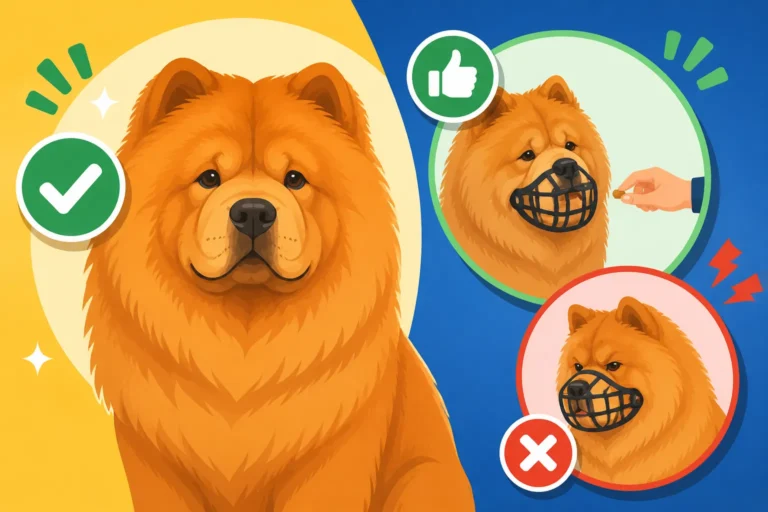
A fearful Chow Chow, however, will display additional body language signals that indicate genuine discomfort or anxiety. Beyond backing away, you might see a tucked tail, flattened ears, a lowered head, repetitive lip licking, yawning (when not tired), tense muscles, or even trembling. Their eyes might be wide, showing the whites (whale eye), or they might actively try to escape the situation completely. This kind of retreat isn't just about personal space; it's about feeling threatened or unsafe. If you notice these signs, immediately stop whatever you are doing, give them space, and re-evaluate your approach. Building trust with a fearful Chow requires even more patience and a slower, more deliberate strategy, often best guided by a professional trainer. Recognizing these subtle differences allows you to respect their true emotional state and respond in a way that truly helps them feel secure.
Disclaimer
This article is for general informational purposes only and does not constitute professional advice. Laws, prices and regulations vary by location and change over time. Consult a qualified professional for guidance on your specific situation.