Which Treat a Chow Chow Will Work Hardest For
It’s incredibly common for Chow Chow owners to feel like they’re speaking a different language when it comes to training. You offer what you think is a delicious treat, only for your fluffy companion to give it a sniff, a disdainful look, and walk away. This isn't just frustrating; it can bring training to a complete standstill. This guide will help you decode your Chow Chow's palate and discover the treats they will truly work hardest for, making training a more successful and less exasperating endeavor for both of you.
Understanding Your Chow Chow's Unique Training Motivation
The Chow Chow is a breed unlike many others, and their approach to training reflects that distinct personality. What motivates a Golden Retriever or a Border Collie might utterly fail to impress a Chow, leaving you scratching your head and wondering if your dog even likes you. It’s crucial to first understand their fundamental nature to tailor your treat strategy effectively.
The Independent Nature of the Chow Chow
Chow Chows are often described as "cat-like" for a reason. They possess a remarkable independence and a strong sense of self-possession. Unlike some other breeds that live to please their human, a Chow Chow operates more on a partnership basis. They'll cooperate if they see a good reason to, and often, that reason needs to be pretty compelling. This isn't defiance; it's simply how their ancient minds are wired. They were bred for guarding and companionship, not for intricate obedience routines where their sole purpose was to follow every command without question.
This independent streak means that relying solely on praise or a generic pat on the head might not be enough to hold their attention, especially when learning something new or working in a busy environment. They don't typically have that inherent "let me make my human happy" drive to the same degree as some other dogs. You'll find that with a Chow, you're not so much commanding as you are negotiating. Think of it as presenting an irresistible offer rather than issuing an order. Understanding this fundamental aspect of their personality is the first step in successful treat motivation. They might be bonded to you deeply, but when it comes to learning, the tangible reward often seals the deal. You might find more insights into their unique temperament in Why a Chow Chow Is Called Cat Like.
Why Pickiness Isn't Just a Phase for Chows
Many dog owners experience a puppy phase of pickiness, but for Chow Chows, a discerning palate often lasts a lifetime. They aren't always ravenous, willing to gobble down anything you put in front of them, particularly if they aren't genuinely hungry or the treat isn't up to their discerning standards. It's not uncommon for a Chow to turn up their nose at a perfectly good commercial dog biscuit that another breed would devour in a heartbeat. This isn't them being difficult; it's just their preference.
Their pickiness can be frustrating when you’re trying to train, as a treat that worked yesterday might be ignored today. This means you can't get complacent with your treat choices. You have to continually evaluate what truly excites them. If a treat isn't novel or enticing enough, they might simply decide the effort required to perform the desired behavior isn't worth the mediocre reward. This pickiness is why finding their "holy grail" treat is so important; it's the key to unlocking their focus and willingness to engage. If you've ever wondered How Food Motivated a Chow Chow Is, this deep-seated pickiness is a big part of the answer. They are food motivated, but only for the right food.
Beyond Basic Reinforcement: The Need for True Incentive
While praise, affection, and playtime are all valuable forms of reinforcement, with a Chow Chow, you often need to go beyond the basics, especially for challenging tasks or breaking through a stubborn streak. They might enjoy a good scratch behind the ears, but that might not be enough to convince them to perform a perfect "stay" while other dogs walk by, or to let you brush their back legs, a spot many Chows dislike having touched.
For these higher-stakes scenarios, the tangible, undeniable incentive of a truly high-value treat becomes paramount. It signals to your Chow that this particular request is extra special, worthy of their full attention and effort. This isn't to say your bond isn't important; it absolutely is the foundation. But treats act as a powerful communication tool, a clear indicator of immediate reward for a specific action. Without that strong incentive, you might find your Chow Chow more inclined to weigh their options, often deciding that lounging on the couch is a much better use of their time than performing a trick for a lackluster reward.
The Hierarchy of High-Value Treats for a Chow Chow
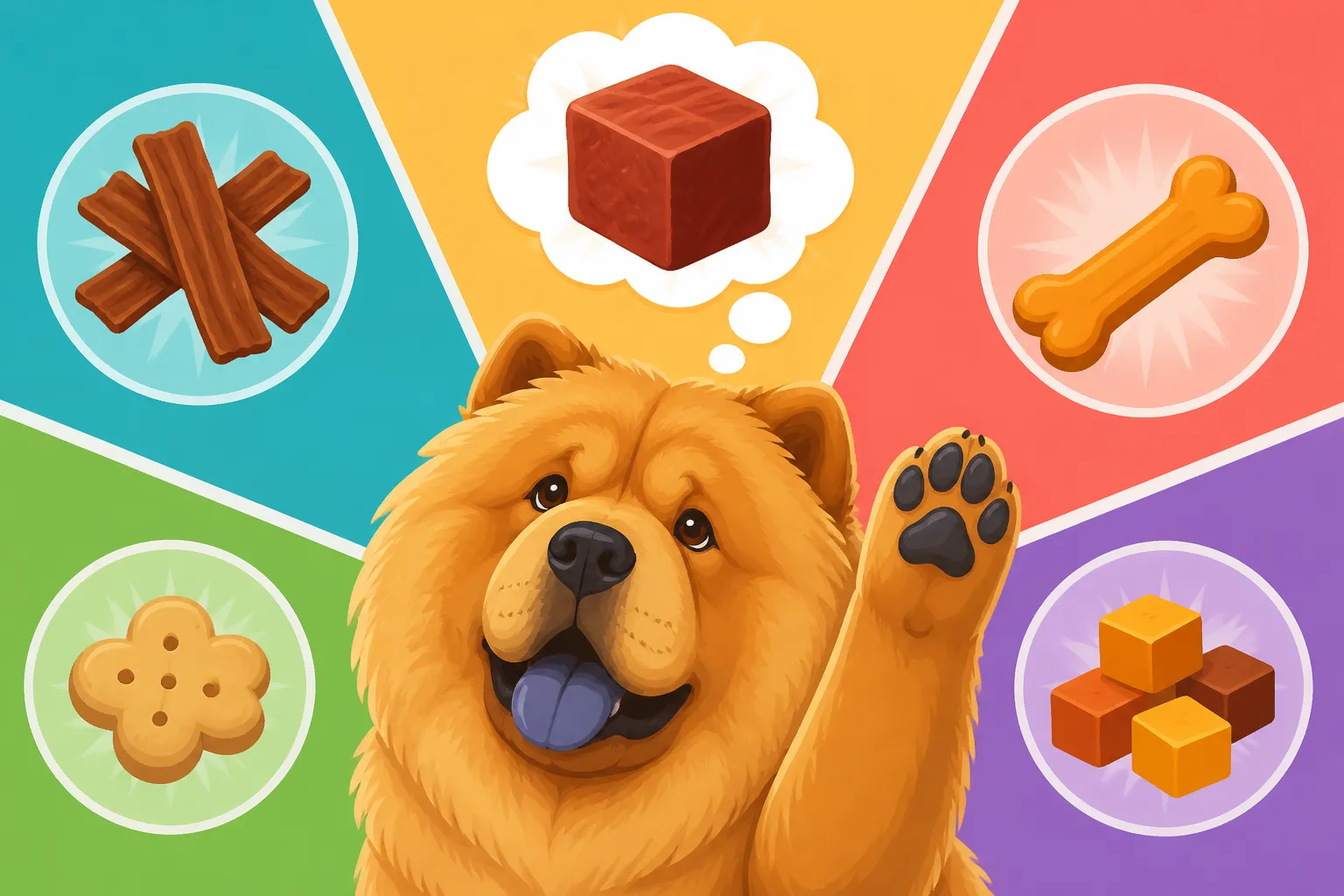
When it comes to treats for a Chow Chow, not all are created equal. You need to think in terms of a "treat hierarchy," where certain items are perceived as incredibly valuable, while others barely register. Finding where different treats fall on your Chow Chow's personal scale is crucial for effective training.
Tier 1: The Gold Standard – Meats and Organs
For most Chow Chows, the absolute pinnacle of treat motivation lies in real meat and organ meats. These are often the "jackpot" rewards that can break through even the most stubborn resistance or capture their focus in highly distracting environments. Think of these as your secret weapon, reserved for those moments when you absolutely need their undivided attention and cooperation.
- Cooked Chicken or Turkey: Small, plain pieces of cooked chicken breast or turkey are almost universally adored. Boil or bake it without any seasonings, then cut it into tiny, pea-sized cubes. The smell alone can often get a Chow Chow's ears perking up.
- Lean Beef: Similar to poultry, lean cooked beef (again, unseasoned) is a fantastic motivator. You can even get thin slices of preservative-free deli roast beef and tear them into small pieces.
- Freeze-Dried Liver or Meat Treats: These are incredibly convenient, lightweight, and often intensely fragrant. Brands like Orijen or Stella & Chewy's offer high-quality freeze-dried options that many Chows go wild for. You can find a huge variety of these on Amazon, making it easy to experiment and find your Chow's favorite. The intense smell and natural taste often make them irresistible, mimicking the appeal of fresh cooked meat without the mess.
- Hot Dogs (Plain): While not an everyday treat due to sodium content, a tiny piece of a plain hot dog (cut into quarters lengthwise, then into small pieces) can be a phenomenal motivator for a really tough training session or a critical recall during a walk. The strong smell and soft texture are often a hit.
These treats should be cut into very small pieces to avoid overfeeding and to ensure your Chow can consume them quickly, allowing for rapid-fire repetitions during training. The goal is a quick, high-impact reward, not a drawn-out chewing session.
Tier 2: The Strong Contenders – Cheese and Dairy
Just a notch below the raw power of pure meat, certain dairy products can still rank very high on a Chow Chow's treat hierarchy. These are excellent for slightly less demanding tasks, for maintaining focus, or when you want to provide a rich, satisfying reward without going straight for the highest value meat every time.
- Small Cubes of Cheese: Many Chows adore cheese. Small cubes of cheddar, mozzarella, or even string cheese torn into pieces can be fantastic. Be mindful of the fat content, as too much can upset their stomach. Again, tiny pieces are key.
- Plain Yogurt or Cream Cheese (in moderation): While not ideal for direct "hand-to-mouth" training, a smear of plain, unsweetened yogurt or a little dollop of cream cheese can be a wonderful reward for crate training or for distracting them during handling. A lick mat with a bit of plain yogurt can be a soothing distraction.
- Boiled Egg: A small piece of boiled egg can also be a surprising hit for some Chows. It’s packed with protein and has a unique flavor and texture.
As with any rich treat, introduce these in small quantities to ensure they don't cause any digestive upset. The strong scent and creamy texture of cheese are often very appealing, providing a different sensory experience from meat-based treats.
Tier 3: The Novelty Boosters – Fruits, Veggies, and Special Chews
This tier is great for adding variety and keeping your Chow Chow interested, as well as for providing healthy, lower-calorie options. While they might not illicit the same frantic excitement as a piece of chicken, they can still be very effective, especially if you rotate them frequently.
- Carrot Sticks or Apple Slices: Many Chows enjoy the crunch and mild sweetness of certain fruits and vegetables. Always ensure they are dog-safe (no grapes, raisins, or apple seeds) and offered in small, manageable pieces. Carrots are particularly good for their dental benefits and low caloric impact.
- Green Beans: Cooked or raw, green beans can be a low-calorie, healthy snack for Chows, especially if you're watching their weight.
- Specific Crunchy Treats They Adore: Some commercial treats, even if not meat-based, might hit a specific spot for your Chow. It could be a particular texture, shape, or flavor profile they find irresistible. This often comes down to trial and error.
- Dental Chews: While not ideal for rapid-fire training, a small piece of a favored dental chew can be a good reward for a long-duration behavior or at the end of a session.
The key with this tier is discovering your individual Chow's preferences. One Chow might turn their nose up at a carrot, while another considers it a delightful crunch. Experimentation is your friend here to understand Which Treat a Chow Chow Will Work Hardest For.
What About Store-Bought Training Treats?
Store-bought training treats certainly have their place, but for a discerning Chow Chow, they can be hit or miss. Many are designed to be palatable for a wide range of dogs, but lack the intense appeal of real food.
- Utility: They are convenient, usually pre-cut, and often formulated to be low-calorie for frequent use. Good soft, chewy training treats can still be effective for basic commands in a low-distraction environment.
- Limitations: For a Chow Chow, many commercial treats simply don't carry enough "punch." They might be too bland, too crumbly, or just not exciting enough to compete with environmental distractions or the Chow's own independent thoughts. If your Chow gives a commercial treat a sniff and then looks away, it's a clear sign you need to level up your treat game.
- Reading Labels: If you do use commercial treats, look for options with high-quality ingredients, ideally with real meat as the first ingredient, and minimal fillers or artificial preservatives. Brands that specialize in natural, limited-ingredient treats often fare better.
Ultimately, while convenient, don't rely solely on store-bought options for a Chow Chow's core training motivation. They serve best as a supplementary reward or for very easy, well-established behaviors.
Matching the Treat to the Task
Understanding the hierarchy of treats is only half the battle. The other half is strategically deploying them. You wouldn't use your most expensive, rarest ingredient for a simple weekday meal, and the same principle applies to treating your Chow Chow.
Low-Value for Maintenance and Known Cues
For behaviors your Chow Chow knows backward and forward, or for simple requests in a quiet, familiar environment, you don't always need to pull out the gourmet chicken. This is where your medium to lower-value treats come into play.
- Routine Commands: When you ask your Chow to "sit" before dinner, or to "stay" for a few seconds while you open the door in your living room, a piece of their regular kibble, a small commercial training treat, or even a modest carrot slice might be perfectly sufficient. These are maintenance rewards, reinforcing established habits without diminishing the impact of your high-value treats.
- Preventing Complacency: Using lower-value treats for these easy tasks helps prevent your Chow from becoming complacent and expecting top-tier rewards for minimal effort. It also keeps them guessing, maintaining an element of novelty even for routine actions.
- Daily Practice: If you're doing quick, frequent training sessions throughout the day, using lower-value treats helps manage their calorie intake. You want them to perform, but you don't want them getting chunky from too many high-fat rewards.
The idea here is to save the really good stuff for when it truly counts, making it clear that certain efforts warrant an exceptional payoff.
High-Value for New or Difficult Behaviors
This is where your Tier 1 and Tier 2 treats truly shine. When you are asking your Chow Chow to do something new, challenging, or in an environment full of distractions, you need to provide an incentive that is undeniable and instantly gratifying.
- Learning New Cues: Teaching a brand new command, like "down" or a complex trick, requires maximum motivation. Your Chow needs a strong reason to focus, try, and repeat the new behavior until it clicks. This is the time for cooked chicken or cheese.
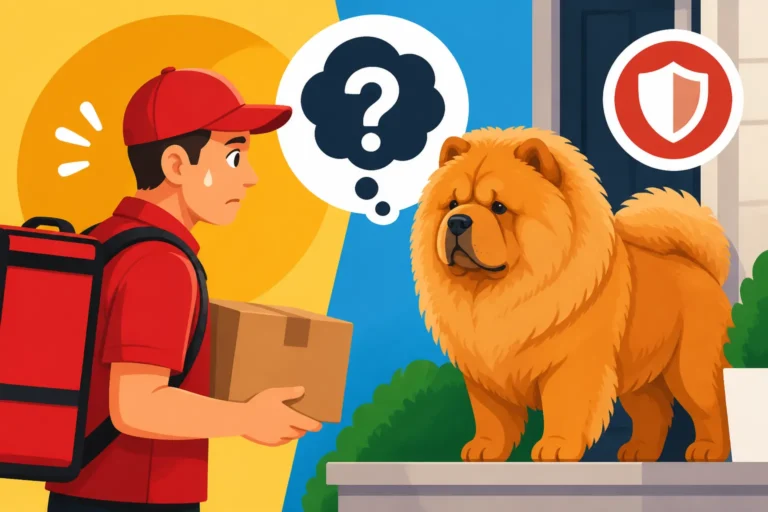
- Distracting Environments: Imagine trying to get your Chow Chow to "come" when there are squirrels, other dogs, or new people around. A bland biscuit won't cut it. A tiny piece of hot dog or freeze-dried liver can be the difference between them ignoring you and a lightning-fast recall. This is especially true if you are working on something like a reliable recall, a critical safety command. Teaching a Chow Chow a Reliable Recall is one of the most vital things you can do, and high-value treats are indispensable here.
- Unpleasant Experiences: If you're working on making vet visits less stressful, desensitizing them to grooming tools, or practicing cooperative care, pairing these experiences with incredibly delicious treats can create positive associations. For instance, when getting them used to the brush, offering a bit of chicken every time you touch them with it can make a huge difference. Teaching a Chow Chow to Be Brushed can become much easier with the right treat.
- Online Training Programs: Many online training programs, such as those from BAXTER & Bella, emphasize positive reinforcement and using high-value rewards to establish new behaviors quickly and effectively. When you're following a structured curriculum, having a range of irresistible treats on hand will make the exercises far more successful with your Chow Chow. These programs often teach you how to properly time your rewards, which is essential for a breed that needs clear, immediate feedback.
When your Chow Chow "ignores a cue it knows," or struggles with a novel concept, it’s often not defiance but a lack of sufficient motivation, particularly if the treat offered isn't high enough value for the context. Why a Chow Chow Ignores a Cue It Knows often comes down to the payoff not being worth the effort in their eyes.
Environmental Factors and Distractions
The environment plays a massive role in how "valuable" a treat appears to your Chow Chow. What's a decent treat in a quiet living room might be completely invisible at a bustling park.
- Quiet Home: Inside your home, with minimal distractions, a medium-value treat can often hold your Chow's attention. They don't have much else competing for their focus.
- Moderate Distractions (e.g., backyard, quiet street): As you introduce more distractions, the value of your treat needs to increase. A neighbor walking by, a bird chirping, or the scent of another dog might require a stronger incentive.
- High Distraction (e.g., dog park, busy street, vet clinic): In highly stimulating environments, you need your absolute highest-value treats. The smells, sights, and sounds are all vying for your Chow's attention, and your treat needs to be powerful enough to cut through all that noise. This is where your cooked meats or highly fragrant freeze-dried options become non-negotiable.
Always consider the "competition" when choosing your treats. If the environment is more interesting than your treat, your Chow Chow will likely choose the environment every time.
The "Jackpot" Reward
Sometimes, your Chow Chow will have a breakthrough moment. They'll nail a difficult command, come instantly despite a huge distraction, or perform a behavior perfectly for the very first time. These moments deserve a "jackpot" reward.
- What it is: A jackpot isn't just a high-value treat; it's many high-value treats, or a truly exceptional, rare treat. It's a sudden, abundant shower of their absolute favorite things.
- Why use it: A jackpot reward powerfully reinforces that specific, exceptional effort. It tells your Chow, "Wow, you did that perfectly! That was amazing, and here's an extraordinary reward for it!" This helps them understand that going above and beyond yields truly great results.
- When to use it: Reserve jackpots for significant milestones or when you need to solidify a difficult behavior. Don't use them for everyday successes, or they lose their special impact. For instance, the first time your Chow tolerates a full nail trim without a fuss, that's a jackpot moment.
Using a jackpot effectively can create a lasting positive association with a challenging task, making future repetitions easier.
Practical Tips for Maximizing Treat Motivation
Finding the right treats is a massive step, but how you use them can be just as important for a Chow Chow. Their discerning nature means you need to be smart and strategic with your treat delivery.
Keep Them Guessing with Variety
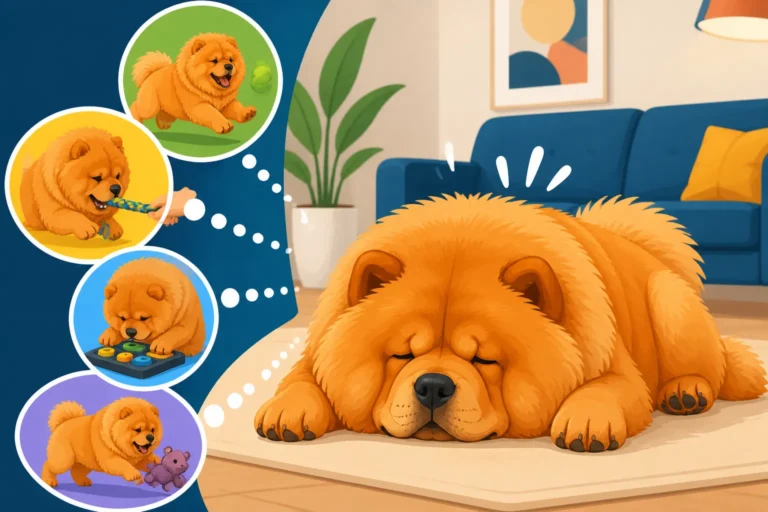
One of the quickest ways to devalue even a high-tier treat for a Chow Chow is to use it constantly. Predictability can lead to boredom, and boredom leads to disinterest. Your Chow Chow isn't going to work as hard for the same old thing, day in and day out. Why Repetition Bores a Chow Chow extends to their treats as well.
- Rotate Your Treats: Don't stick to just one "super treat." Have a rotation of 2-3 high-value options, 2-3 medium-value options, and some low-value standbys. Change them up every few days or even within the same training session if you notice their interest waning.
- Introduce New Flavors and Textures: One week it might be chicken, the next beef liver, then cheese. Sometimes a soft chew, sometimes a crunchy one. This keeps their palate intrigued and their motivation high, as they never quite know what delicious surprise awaits them.
- "Surprise!" Factor: Occasionally, throw in a treat from a higher tier for a low-tier task, just to keep them on their toes and reinforce the idea that good things can happen unexpectedly.
Variety not only prevents boredom but also helps ensure you have a "go-to" treat if one suddenly loses its appeal.
Size and Presentation Matter
The way you give a treat can significantly impact its perceived value and the efficiency of your training session. For a Chow Chow, who might not be as eager to gobble, these details are crucial.
- Small, Pea-Sized Pieces: For training purposes, treats should be tiny – about the size of a pea or even smaller. This allows your Chow to consume it quickly and efficiently, without taking a long break from the training session. Large chunks mean more chewing, more distraction, and fewer repetitions.
- Rapid Consumption: The goal is a quick "pop" of flavor and reward. If your Chow is spending a long time chewing, it breaks their focus and slows down the learning process.
- Enthusiastic Delivery: Don't just drop the treat on the floor or passively hand it over. Deliver it with enthusiasm! A bright "Yes!" or "Good!" immediately followed by a treat presented in an excited hand adds to the positive reinforcement. Your energy can contagiously boost the treat's appeal.
- Clean Hands/Pouch: Keep your treats in a clean training pouch or Ziploc bag. Your hands should be free of other strong smells that might distract them or make them hesitant to take the treat.
A well-timed, small, and eagerly presented treat will go much further than a large, carelessly given one.
Timing is Everything
This is arguably the most critical aspect of treat training for any dog, and especially for an intelligent, independent Chow Chow. For your Chow to truly understand why they are being rewarded, the treat must be delivered within 1-2 seconds of the desired behavior.
- Immediate Reinforcement: If you ask your Chow to "sit" and they do, the treat needs to be in their mouth almost immediately. Even a delay of a few seconds can confuse them, making them wonder if the treat was for the "sit," or for looking at you afterwards, or for something else entirely.
- Clarity of Connection: Instant timing creates a crystal-clear connection between the action and the reward. This clarity is essential for a Chow Chow, who won't spend much time trying to decipher vague signals.
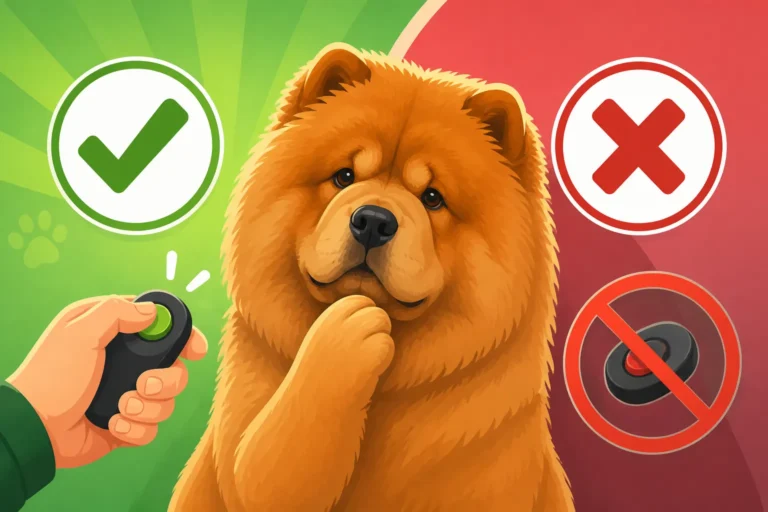
- Use a Marker Word or Clicker: Pairing the immediate treat with a marker word like "Yes!" or a clicker sound can further enhance clarity. The marker word/click pinpoints the exact moment the desired behavior occurred, and the treat follows as the primary reinforcer. While Whether a Clicker Suits a Chow Chow can vary, a consistent marker word is almost always beneficial.
Poor timing can actually reinforce the wrong behaviors, making training much harder than it needs to be. Practice your timing until it feels natural and seamless.
Don't Forget the Basics: Praise and Affection
While high-value treats are a powerful tool, they shouldn't replace all other forms of positive reinforcement. Praise and affection still play a vital role in building your bond and creating a well-rounded training experience, even if a Chow Chow won't typically work just for them.
- Combine Reinforcers: Always pair your treat delivery with verbal praise ("Good boy!" "Excellent!"). A happy, enthusiastic tone of voice adds to the positive experience.
- Affection as a Bonus: For many Chows, a gentle scratch behind the ears, a rub on their chest (if they enjoy it), or even just a calm, approving presence can be a lovely bonus after a successful effort, especially for a job well done. However, be mindful of their personal space; not all Chows appreciate exuberant physical affection, particularly from non-primary family members. How Far Praise Gets You With a Chow Chow highlights that it's important, but usually not sufficient on its own.
- Building the Bond: The act of training, even with treats, is a bonding experience. It fosters communication and trust. Don't let the focus on treats overshadow the overall positive interaction.
The treat is a tool, but your relationship with your Chow Chow is the foundation of all successful training.
Observing Your Chow's Preferences
Ultimately, the best guide for which treats your Chow Chow will work hardest for is your Chow Chow themself. They will tell you, through their reactions, what truly motivates them.
- Pay Attention to Reactions: Does their tail give a slight wag? Do their ears perk up? Do they gobble it down instantly, or do they take it politely and then drop it? These subtle cues are your dog's way of communicating their treat hierarchy.
- Trial and Error: Don't be afraid to try new things. What one Chow adores, another might find meh. Keep a mental (or actual) list of their favorites and least favorites.
- Context Matters: A treat they ignore at home might be their favorite in a distracting environment if the right association is made. Conversely, a treat they love at home might not be enough motivation when outside.
- Keep a Treat Journal: If you're really struggling, jot down what treats you used, what behavior you were working on, and your Chow's reaction. Over time, you'll see patterns emerge.
By being a keen observer and willing to experiment, you'll unlock the secret to your Chow Chow's motivation and make training a much more rewarding experience for both of you. Remember that How Many Times a Chow Chow Will Repeat a Cue is often directly linked to the consistent application of high-value rewards.
Treat Hierarchy Comparison Table
To summarize the different levels of treats and their ideal uses, here's a handy table to help you plan your training sessions.
| Treat Value | Common Examples for Chow Chows | Ideal Training Scenarios | Notes |
|---|---|---|---|
| Highest | Plain cooked chicken/turkey, lean beef, freeze-dried liver/meat | Learning new complex cues, high-distraction environments, vet visits, grooming desensitization, urgent recall | Reserve for critical moments; use small pieces for quick consumption. Keep variety in this tier. |
| High | Small cubes of cheese, plain hot dog pieces, certain highly palatable commercial soft treats | Practicing known difficult cues, moderate distractions, cooperative handling (e.g., ear checks) | Excellent for everyday high-value rewards. Watch fat content of cheese/hot dogs. |
| Medium | Standard commercial training treats (soft/chewy), boiled egg pieces, green beans | Reinforcing known basic cues, mild distractions, indoor practice, shaping simple behaviors | Good for general training sessions and keeping interest. Ensure ingredients are good quality. |
| Low | Kibble, plain dog biscuits, carrot slices, apple pieces | Maintenance of well-established cues, very low distraction environments, weight management | Chow Chows may easily ignore these if not hungry or if distractions are present. |
Disclaimer
This article is for general informational purposes only and does not constitute professional advice. Laws, prices and regulations vary by location and change over time. Consult a qualified professional for guidance on your specific situation.