How to Start Brushing a Chow Chow Puppy
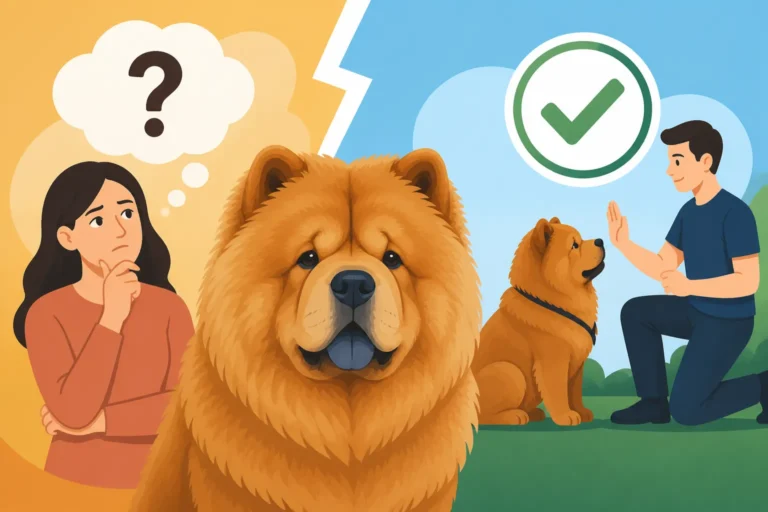
Bringing a fluffy Chow Chow puppy into your home is an absolute joy, but it also comes with a unique set of responsibilities, especially when it comes to their magnificent coat. Many new Chow Chow owners find themselves overwhelmed by the sheer volume of fur and the prospect of regular grooming, often waiting too long to introduce their puppy to the brush. This delay can lead to serious matting, discomfort, and a lifetime of stressful grooming sessions for both you and your stoic companion. This guide is here to walk you through the essential steps for starting brushing with your Chow Chow puppy early, making it a positive and manageable experience that sets the foundation for a healthy, happy coat.
The Absolute Necessity of Early Brushing for Your Chow Chow Puppy
You’ve probably heard whispers about the Chow Chow’s dense, double coat, and how much work it can be. Well, those whispers are rooted in truth! This breed isn’t just a fluffball; they have a serious coat that demands attention, and neglecting it, especially in puppyhood, is a recipe for disaster. The problem isn't just about aesthetics; it's about comfort, health, and building a strong, trusting relationship with your Chow Chow from the start.
Why Puppyhood is the Prime Time for Grooming Training
Imagine trying to teach a teenager to enjoy something they've never encountered before, especially if it involves being poked and prodded. It's tough, right? The same goes for your Chow Chow. Their early weeks and months are a critical socialization window – a time when they are most open to new experiences and forming associations, both good and bad. Introducing the brush gently and positively during this period is paramount. If you wait until they're older and already have mats, or they associate grooming with discomfort, you'll face an uphill battle. A Chow Chow, known for its independent and sometimes reserved nature, is much less likely to "put up" with something they dislike if they haven't been taught to accept it patiently. Think of it as laying down positive neural pathways; every calm, happy brushing session reinforces that this is a normal, pleasant part of their life.
Preventing Mats and Skin Issues Down the Line
A Chow Chow’s coat isn't just fluffy; it's designed to protect them from extreme temperatures, with a dense, soft undercoat and a coarser outer coat. While beautiful, this combination is a mat magnet. Mats aren't just tangled fur; they pull at the skin, causing pain and irritation. They can hide parasites, trap moisture leading to skin infections, and even restrict movement. For a breed like the Chow Chow, where Why a Chow Chow's Dense Coat Hides Skin Disease, regular, thorough brushing is the first line of defense against these issues. Starting early teaches your puppy that this essential care is part of their routine, rather than a punishment when their coat becomes an unmanageable mess. Moreover, getting them used to handling their entire body, including their sensitive feet and rear, can prevent issues later on. You want them to be comfortable when you need to check Why a Chow Chow's Rear Nails Wear Unevenly or clean Whether a Chow Chow's Sanitary Area Can Be Trimmed.
Building Trust Through Consistent, Gentle Handling
Chow Chows are often described as aloof, but they form incredibly deep bonds with their chosen people. These bonds are built on trust and consistent interaction. Grooming, when done correctly, can be a powerful bonding tool. It's a quiet time when you're focused solely on your puppy, offering gentle touches and praise. If your puppy learns that your hands, and the grooming tools you use, are sources of comfort and positive reinforcement, they will trust you more deeply in other situations. Conversely, if brushing becomes a struggle, filled with frustration and restraint, it can erode that trust. This foundational trust is especially important for a breed that can be quite particular about who touches them and how. Remember that this early training also influences how they react to other forms of handling, like vet visits, where cooperation is key. Teaching a Chow Chow to Stand for an Exam becomes much easier if they've already learned to accept handling at home.
Assembling Your Chow Chow Puppy Grooming Toolkit
Before you even think about putting a brush to fur, you need to have the right tools on hand. This isn't a "one brush fits all" situation, especially with a Chow Chow's unique coat. Investing in quality grooming tools early will save you headaches, frustration, and potentially painful experiences for your puppy down the road.
Essential Brushes for the Chow Chow Puppy Coat
You'll need a few specific types of brushes to tackle a Chow Chow's double coat effectively. Trying to use just one can either be ineffective or cause discomfort.
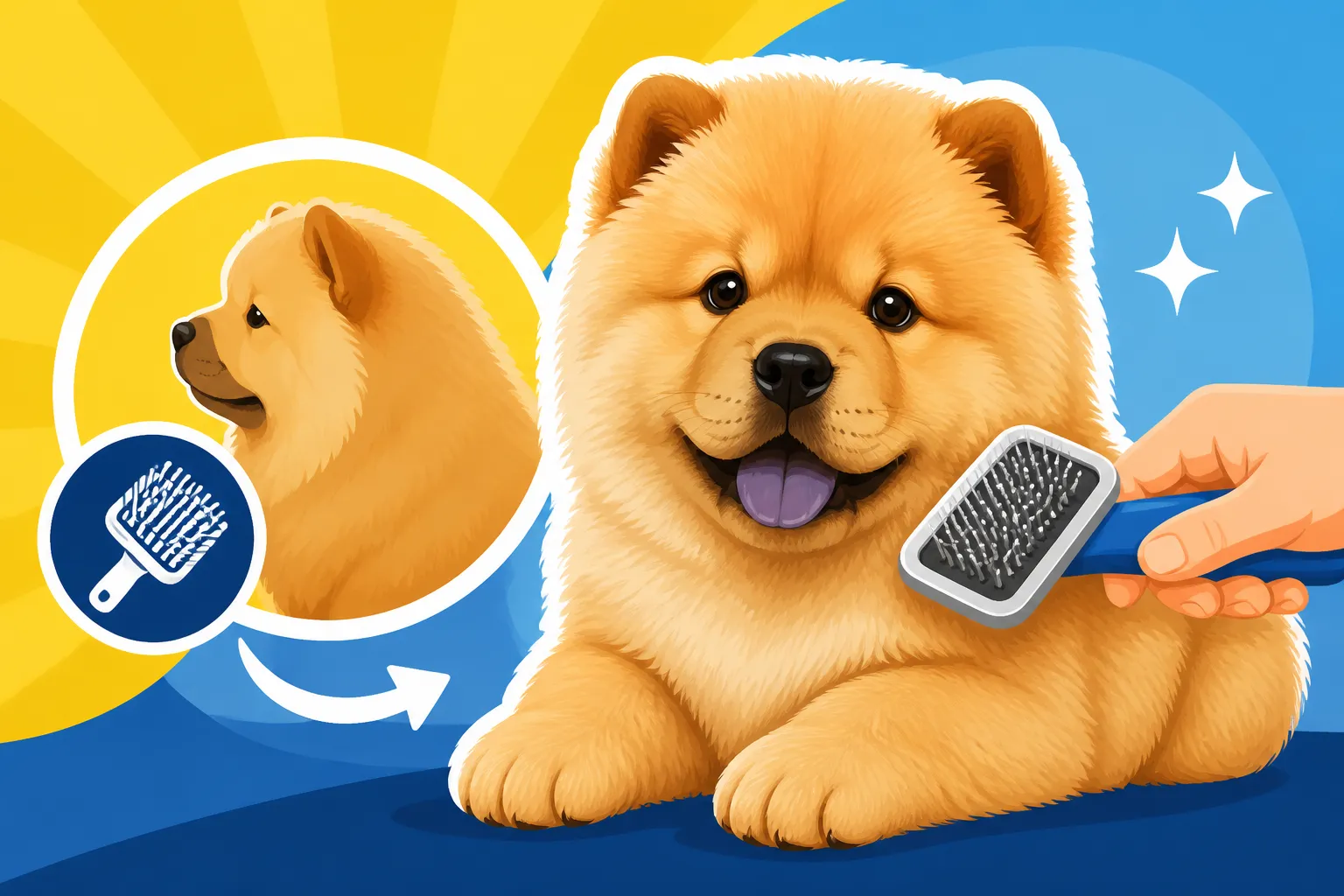
- Slicker Brush: This is your workhorse for removing loose undercoat and small tangles. Look for one with firm, bent wires. For a puppy, start with a softer slicker if possible, or use a very light touch. The key is to get one that can reach through the outer coat to the undercoat without scratching the skin. Brands widely available on platforms like Amazon offer various sizes; opt for a medium-sized one for a puppy.
- Pin Brush: A pin brush has widely spaced metal pins with rounded tips. It's excellent for detangling the longer outer guard hairs and for general fluffing. It's gentler than a slicker and can be a good introductory tool for puppies who are wary of the slicker's feel.
- Undercoat Rake: This tool is specifically designed to get deep into the undercoat and pull out dead hair, especially during shedding season. While your puppy might not be blowing coat yet, getting them used to the feel of this tool early is a great idea. Choose one with rotating teeth, as these are less likely to pull.
- Wide-toothed Comb (Metal): A sturdy metal comb with both wide and medium-spaced teeth is indispensable. After brushing, run the comb through the coat to ensure you haven't missed any tangles or mats. This is the ultimate test of a thorough brush-out. It helps separate the hair, making sure you've reached down to the skin.
Other Vital Grooming Accessories
Beyond brushes, a few other items will make your grooming sessions smoother and safer.
- High-Velocity Dryer (Optional but Recommended): While this might seem excessive for a puppy, a good high-velocity dryer is a game-changer for a Chow Chow. Not only does it dry their dense coat quickly after baths, preventing skin issues from trapped moisture, but it can also be used on a low-cool setting to "blow out" loose undercoat. Getting your puppy used to the sound and sensation of this dryer from a young age will make future grooming much easier. Many owners find quality options on Amazon.
- Grooming Table with Arm (Optional but Highly Beneficial): A grooming table raises your puppy to a comfortable height, saving your back and making it easier to see what you're doing. The grooming arm allows you to attach a grooming loop, which helps keep your puppy safely in place, preventing them from jumping off or squirming excessively. This structured environment teaches them to stand still and accept the process.
- High-Value Treats: These are non-negotiable! You need treats your puppy absolutely loves to reward calm behavior and create positive associations with grooming. Small, soft, smelly treats work best.
- Grooming Spray/Detangler: A good quality detangling spray can make brushing out tangles easier and protect the coat from breakage.
- Nail Clippers or Dremel: While not strictly for brushing, nail care is part of overall grooming. Getting your puppy comfortable with these tools at the same time as brushing will be a huge benefit. Whether a Chow Chow Will Let You Trim Its Nails is a big concern for many owners.
- Non-Slip Mat: If you're brushing on a table or even the floor, a non-slip mat provides traction and confidence for your puppy.
| Tool Type | Primary Use | Chow Chow Specific Benefit | Important Note |
|---|---|---|---|
| Slicker Brush | Removing loose undercoat, small tangles | Essential for preventing deep mats in the dense undercoat | Use a gentle touch on puppies; ensures skin health |
| Pin Brush | Detangling outer coat, fluffing | Good for longer guard hairs and a gentler introduction | Rounded tips prevent skin irritation |
| Undercoat Rake | Deep undercoat shedding | Crucial during biannual coat blows, introduce early | Rotating teeth reduce pulling; vital for coat health |
| Metal Comb | Final check for tangles, separating hair | Confirms thoroughness, ensures no hidden mats | Both wide and fine teeth are useful |
| High-Velocity Dryer | Drying, blowing out undercoat | Prevents dampness-related skin issues; efficient shedding aid | Acclimate puppy to sound/feel gradually |
Creating a Positive First Impression: Desensitization and Counter-Conditioning
This is the most critical phase for your Chow Chow puppy. You're not just brushing; you're building a psychological framework around grooming. A Chow Chow’s temperament thrives on respect and understanding, and forcing them through a process they fear or dislike will only lead to resistance. The goal here is to make the brush and the act of brushing synonymous with good things.
The Power of Gentle Introductions and Positive Association
Before you even touch your puppy with a brush, let them explore the tools. Place the brushes on the floor and let your puppy sniff them, paw at them, and investigate at their own pace. When they show curiosity, reward them with a small, delicious treat. The goal is to let them see the brush not as a scary object, but as a neutral, or even good, thing that appears before treats happen.
Next, start with very brief, gentle touches. Don’t even brush yet. Just hold the brush and gently touch your puppy’s shoulder or side for a second. Immediately follow with a treat and praise. Repeat this many times, gradually increasing the duration of the touch and moving to different parts of their body. The ears, feet, and rear can be particularly sensitive for Chow Chows, so go extra slow in those areas. The key is to stop before your puppy gets anxious. Always end on a positive note, even if it’s just for one successful touch. This is a process of tiny steps, not big leaps. An excellent online program like BAXTER & Bella can guide you through these fundamental steps of positive reinforcement training and help build your puppy's confidence in accepting handling. They provide structured lessons that are invaluable for breeds like the Chow Chow who benefit from clear, consistent training.
Short Sessions and High-Value Rewards
Remember that a puppy’s attention span is incredibly short. Your first "brushing" sessions should last mere seconds, maybe 30-60 seconds at most. It’s far better to have multiple short, positive sessions than one long, stressful one.
- Step 1: The "Touch and Treat" Game: Gently touch your puppy with the back of the brush (not the bristles yet) for 1-2 seconds, then immediately give a high-value treat. Repeat 5-10 times, then end the session.
- Step 2: Introducing the Bristles: Once your puppy is comfortable with being touched by the brush, introduce the actual bristles. Lightly brush one stroke, then immediately treat and praise. Gradually increase to two strokes, then three. Always treat after the desired behavior.
- Step 3: Varying Location: Once they tolerate a few strokes on a non-sensitive area like the back, start applying the same "one stroke, treat" method to other areas – the shoulders, chest, sides, and eventually, the more sensitive areas like the legs, feet, and under the tail.
- Step 4: Incorporating Different Brushes: Once they accept the slicker, introduce the pin brush and then the comb in the same way, gradually. Each new tool needs its own positive introduction.
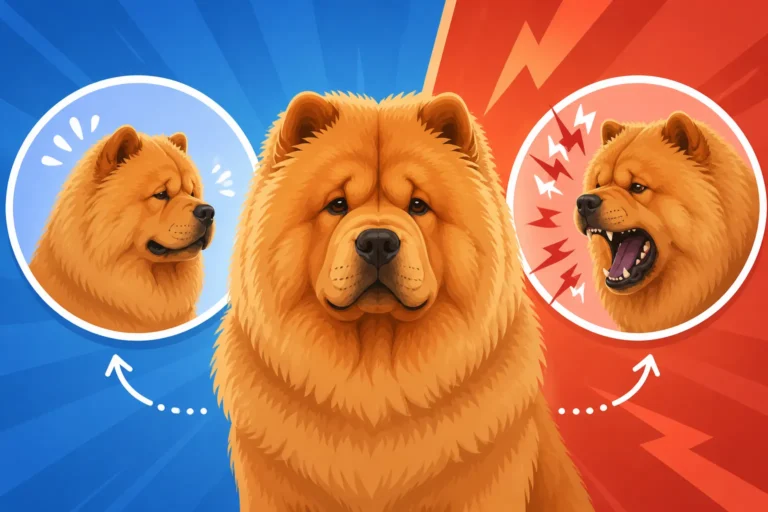
Always watch your puppy’s body language. Are they licking their lips, yawning, turning their head away, or trying to move away? These are subtle signs of discomfort. If you see them, ease up. Go back to an easier step, reduce the duration, or use an even higher-value treat. The goal is a relaxed puppy, not a restrained one. Consistency is key here; a few minutes every single day will yield far better results than one long session once a week. This structured approach helps ensure your puppy develops a positive association with grooming, rather than resentment. Consider exploring resources like BAXTER & Bella’s online puppy school for structured programs that can integrate grooming desensitization into their broader training curriculum.
Your First Brushing Sessions: Gentle Steps for Success
Once your Chow Chow puppy is comfortable with the presence of the brushes and short, positive touches, you can begin actual brushing. Remember, the goal is always to keep it positive, brief, and consistent. You're building a routine, not tackling a massive grooming project just yet.
Setting Up for a Calm Experience
Creating the right environment is half the battle. Choose a quiet time when your puppy is relaxed, perhaps after a short play session but before they’re overtired. A designated grooming spot helps establish a routine. If you have a grooming table, use it with a non-slip mat. Otherwise, a sturdy counter with a mat, or even a comfortable spot on the floor where you can both relax, can work. Make sure you have all your tools within easy reach and, most importantly, a generous supply of high-value treats.
Start by gently getting your puppy into position. If they're on a table, use the grooming loop. Offer a treat immediately for getting into position calmly. Your tone should be soothing and encouraging throughout. Remember, this isn't just about the physical act of brushing; it's about the emotional experience.
The "Line Brushing" Technique, Puppy Style
For a Chow Chow, you can’t just brush over the top of the coat. You need to get down to the skin to prevent mats. This is where a modified "line brushing" technique comes in, even for a puppy.
- Start Small: Pick a small section of your puppy’s body, like the shoulder or side. Part the hair with your hand, exposing a "line" of skin.
- Brush Up and Out: With your free hand, hold the upper layer of hair up. Use your slicker brush to brush the hair under your hand, gently from the skin outwards, towards your puppy’s head or tail. Don't just brush the surface. The goal is to work through the hair from the root to the tip.
- Treat and Praise: After a few strokes, immediately treat and praise your puppy for their cooperation. Move slowly.
- Move the Line: Once that small section is brushed, move your hand down slightly, exposing a new "line" of unbrushed hair, and repeat the process. Work your way across the body in small sections.
- Follow with Pin Brush and Comb: After you’ve done a small section with the slicker, go over it with the pin brush to smooth the outer coat, and then finally with the metal comb to ensure there are no tangles. If the comb glides through, you’ve done a good job. If it snags, go back with the slicker brush to work out the tangle.
Limit these first sessions to just a small area – perhaps one side of their body, or even just a leg. Don't try to do the entire puppy at once. The goal is success and positive reinforcement, not completion. How Long Brushing a Rough Chow Chow Takes is a significant time commitment, but puppy sessions are about building acceptance.
What to Focus On and What to Avoid
- Focus On: Areas prone to matting: behind the ears (where Why a Chow Chow's Ruff Mats Behind the Ears is common), armpits, "britches" (the fluffy hair on their hind legs where Why a Chow Chow's Britches Mat First often occurs), and under the collar. Also focus on getting them used to having their feet and tail handled.
- Avoid: Yelling, scolding, or punishing your puppy for wiggling. This will only teach them to fear grooming. Avoid pulling or yanking the brush through tangles; always work them out gently. Never use scissors to cut out mats close to the skin unless you are a professional, as it's easy to cut the skin.
- Be Patient: Some days will be better than others. If your puppy is particularly restless, do a super short session (one touch, one treat) and end it on a positive note. Consistency over perfection is the motto. Over time, your Chow Chow will become more accepting, and these early sessions will pay off enormously as they grow into their full adult coat. Remember, a well-groomed Chow Chow is a comfortable and happy Chow Chow. This early foundation also helps when you need to teach them to accept other things, like Teaching a Chow Chow to Have Its Ears Checked or Teaching a Chow Chow to Have Its Eyes Wiped.
Troubleshooting Common Puppy Brushing Challenges
Even with the best intentions and the gentlest approach, introducing brushing to a Chow Chow puppy can present its own unique set of challenges. It's easy to get frustrated, but understanding why your puppy might be resisting and having strategies to address it can make all the difference.
When Your Puppy Nips or Chews the Brush
It's common for puppies, especially during teething, to want to mouth or chew everything, including your grooming tools. This isn't necessarily aggression, but rather a combination of exploration and discomfort.
Solutions:
- Redirect: Have a designated chew toy ready. The moment your puppy goes for the brush, redirect their attention to the toy. Praise and treat them for chewing the toy instead.
- Bitter Spray: For brushes that are consistently chewed, a pet-safe bitter spray can make them unappealing. Just be sure it won't irritate your puppy's mouth.
- Timing: Try brushing when your puppy is a bit sleepy or has just finished a meal, making them less inclined to be rambunctious or mouthy.
- Toy in Mouth: Some puppies are calmer if they have a favorite toy in their mouth while being brushed. This occupies their mouth and can provide a sense of security.
- Consult a Trainer: If the nipping is more aggressive or persistent, it might signal deeper discomfort or a lack of bite inhibition training. Resources like BAXTER & Bella’s online puppy school can provide expert guidance on addressing puppy nipping and establishing appropriate boundaries. This also ties into overall handling acceptance, where Teaching a Chow Chow to Have Its Feet Handled might also involve nipping.
Dealing with Wiggles and Resistance
A squirming puppy makes brushing difficult and can even lead to accidental pokes or scrapes, reinforcing their dislike. Chow Chows are known for their strong will, so forcing them often backfires.
Solutions:
- Location Change: If your puppy is too restless in one spot, try another. Some puppies do better on a raised surface (like a grooming table with a non-slip mat), others prefer the floor.
- Secure but Gentle Restraint: If using a grooming table, the arm and loop offer gentle security. Never tie your puppy to something they can jump off of. If on the floor, you might gently hold them between your legs or against your body. The key is gentle containment, not forceful restraint.
- Increase Treat Value: Are your treats really high value? Think small pieces of cooked chicken, cheese, or high-quality commercial soft treats. The reward needs to outweigh the perceived "cost" of tolerating the brush.
- Shorter Sessions: If your puppy wiggles after 15 seconds, cut the session to 10 seconds. The goal is to always end before they fully resist. You can always do more short sessions throughout the day.
- One Hand on Puppy, One Hand Brushing: With a wriggly puppy, keeping one hand gently on their body (e.g., cupping their chest or holding a leg) can offer comfort and a sense of security, sometimes making them more tolerant of the brush. This also lets you feel their tension.
- Practice Handling: Beyond brushing, regularly practice touching your puppy all over their body. Pet their feet, gently lift their ears, touch their tail. Pair every touch with a treat. This general desensitization makes grooming less of a shock. How Many People a Chow Chow Puppy Should Meet and How to Socialize a Chow Chow Before Vaccinations Finish speak to broader handling and exposure which contribute to a calmer puppy.
When Brushing Causes Distress or Fear
If your puppy is truly showing signs of fear – cowering, shaking, tucked tail, or trying desperately to escape – you've moved too quickly. Forcing them at this stage can create a lifelong aversion to grooming, which is extremely difficult to overcome in a Chow Chow.
Solutions:
- Backtrack: Go back to the very first steps: simply showing the brush, then touching it to their body (back of the brush first), immediately followed by a treat. Move at their pace, no matter how slow.
- Consult a Professional: If severe fear persists, seek help from a professional positive reinforcement dog trainer or a veterinary behaviorist. They can assess the situation and provide tailored guidance. This is crucial for a breed like the Chow Chow, where trust and calm handling are everything. Early intervention can prevent serious behavioral issues around grooming.
- Change Tools: Sometimes, a particular brush feels scratchy or uncomfortable. Try a different type, like starting with a soft pin brush before moving to a slicker, or using a grooming glove as an initial gentle touch.
- Distraction: For some puppies, a lick mat smeared with peanut butter or wet food can be a fantastic distraction, keeping them occupied and happy while you work on short brushing sessions. You can find excellent lick mats and other grooming aids on platforms like Amazon.
The journey of teaching your Chow Chow puppy to love (or at least tolerate) brushing is a marathon, not a sprint. Every positive interaction, no matter how small, builds towards a future of comfortable grooming. Patience, high-value treats, and a consistent, gentle approach are your most powerful tools.
Disclaimer
This article is for general informational purposes only and does not constitute professional advice. Laws, prices and regulations vary by location and change over time. Consult a qualified professional for guidance on your specific situation.