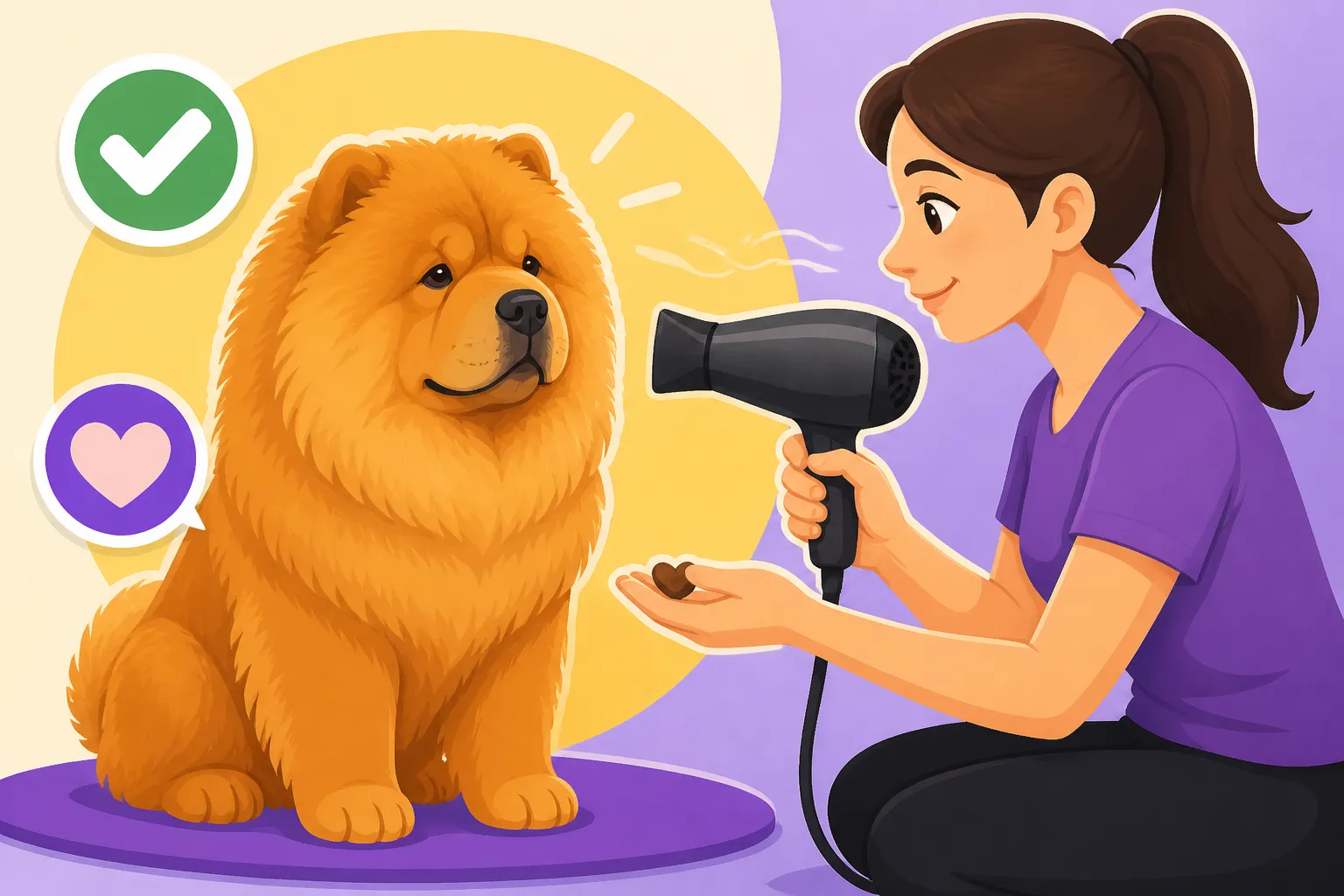
Teaching a Chow Chow to Accept a Dryer
Anyone who has ever tried to dry a Chow Chow after a bath knows the struggle is real. It's not just about the sheer volume of coat, but often the intense aversion many Chows develop towards the noise and sensation of a dryer. This can turn a necessary grooming task into a wrestling match, leaving both you and your furry friend stressed and potentially with a still-damp, mat-prone coat. This guide will walk you through a step-by-step process of desensitizing your Chow Chow to the dryer, making bath time a much calmer, safer, and more effective experience for everyone involved.
Understanding the Dryer Aversion: Why Chows Dislike Dryers So Much
It’s easy to feel like your Chow Chow is just being difficult when they balk at the dryer, but often, their reaction comes from a place of genuine discomfort or even fear. Imagine a loud, vibrating machine blowing air directly at you for an extended period – it’s not exactly a spa day for a dog, especially one as sensitive as a Chow.
The Sensory Overload: Loudness and Air Pressure
Think about the sheer power of a high-velocity dryer, which is often necessary to properly dry a Chow's dense double coat. These machines are designed for efficiency, meaning they produce significant noise and a strong blast of air. For a dog with sensitive hearing, the decibel level can be jarring, feeling much louder and more intrusive than it does to our ears. The intense air pressure can also be disorienting and uncomfortable, especially when directed at sensitive areas like the face, ears, or belly. It’s not just the sound but the feeling of being buffeted by air that can be overwhelming. Many Chows also find the vibrations of the dryer unsettling, associating it with an unpleasant, out-of-control experience. This sensory onslaught is a primary reason why so many Chows develop an aversion to drying.
Past Traumas: Why Force Never Works
Often, a Chow Chow's fear of the dryer stems from past negative experiences. Perhaps as a puppy, they were forced through a drying session, or maybe an inexperienced groomer held them down while the dryer blasted. These traumatic events can create strong, lasting negative associations. Chows are independent and proud dogs; they do not respond well to force or intimidation. Trying to physically restrain a scared Chow Chow while using a noisy dryer will almost certainly backfire, deepening their fear and making future sessions even harder. It teaches them that the dryer, and perhaps even you, are something to be feared, and that their protests will be ignored. This can lead to increased stress, anxiety, and even defensive aggression, making the grooming process dangerous for both pet and owner. Remember, a Chow Chow will resist what it doesn't agree with, and forcing them just makes them How a Chow Chow Shuts Down Under Pressure.
The Double Coat Challenge: Long Drying Times
Beyond the noise and sensation, the reality of drying a Chow Chow is that it simply takes a long time. Their magnificent double coat, with its dense undercoat and coarse outer guard hairs, holds water like a sponge. Even with a powerful dryer, getting a Chow completely dry can easily take an hour or more, especially for a large, rough-coated individual. This extended period of sensory overload is exhausting and stressful for a dog that already dislikes the process. If not dried thoroughly, that damp undercoat can lead to skin infections and severe matting, turning a difficult grooming task into a health issue. Why a Chow Chow Must Be Dried to the Skin is not just about aesthetics; it’s about preventing serious problems. The duration itself contributes significantly to a Chow’s reluctance to cooperate, making short, positive training sessions absolutely vital.
The Desensitization Process: Slow and Steady Wins the Race
Desensitization is all about gradually introducing the feared stimulus in tiny, manageable steps, pairing each step with something positive. It requires patience, consistency, and a deep understanding of your Chow’s body language. Rushing this process will only undo your hard work.
Starting with Sound: Introducing the Dryer Noise
The first step is to tackle the noise. Start by bringing the dryer (unplugged) into the same room as your Chow Chow. Let them sniff it, investigate it, and don't make a big deal out of it. Reward any calm interaction with high-value treats. The next step is to turn the dryer on at its lowest setting, in another room, far enough away that the sound is barely perceptible to your Chow. While the dryer is running, engage your Chow in a favorite game, offer their absolute favorite treat, or give them a puzzle toy. The goal is to create a positive association with the distant hum. Over several sessions, gradually bring the dryer closer, always keeping the sound faint and always pairing it with something wonderful. If your Chow shows any signs of stress – ears back, yawning, lip licking, moving away – you’ve gone too fast. Back up a step. A good quality high-velocity dryer, like those found on Amazon, often has variable speed settings, which are incredibly helpful for this stage, allowing for very subtle increases in sound.
Introducing the Sensation: Air Without the Roar
Once your Chow is completely comfortable with the sound, it’s time to introduce the sensation of the air. Again, start small. With the dryer still on a low, quiet setting, direct the air away from your Chow, letting them feel only the ambient breeze. Offer treats and praise profusely. Then, briefly direct the air towards their back or side, a less sensitive area, for just a second or two. Immediately stop and reward. The key here is brevity and positive reinforcement. Don’t try to dry them at this stage; you’re just getting them used to the feeling. Use a soft, encouraging voice and keep sessions extremely short, perhaps only 2-3 minutes long, with plenty of breaks and rewards. You might find a conditioning routine, like the ones suggested by BAXTER & Bella, helpful in structuring these short, positive interactions around new experiences.
Gradual Exposure: From a Distance to Close-Up
This is where you combine the sound and sensation and work towards actual drying. With your Chow comfortable with the low-level sound and brief air sensation, you’ll gradually increase the duration and intensity. Start by blowing air on their body (not face) for a slightly longer period (5-10 seconds), then stop and reward. Slowly increase the duration of drying in very short bursts. Keep the dryer moving, never focusing on one spot for too long. Work on one small section of the body at a time, such as a leg or flank, before moving to another. As your Chow tolerates longer periods, you can very gradually increase the dryer’s power. Remember, this might take weeks or even months. If your Chow shows signs of discomfort, revert to a previous, easier step. The goal is to build their confidence, not to get them perfectly dry in one go right away. Think of it as a series of tiny victories. For more general advice on getting your Chow Chow used to being handled for grooming, check out Teaching a Chow Chow to Be Brushed.
Tools and Techniques for Success: What Equipment and Methods Help?
Having the right tools and a solid plan makes all the difference when teaching your Chow Chow to accept the dryer. It’s about minimizing discomfort and maximizing positive associations.
Choosing the Right Dryer: High Velocity vs. Household
When it comes to drying a Chow Chow, not all dryers are created equal. A human hairdryer, while quiet, simply doesn't have the power to penetrate their dense double coat and will take an impossibly long time, likely causing skin irritation from overheating. This is why How Long a Chow Chow Takes to Dry is a common frustration. You really need a high-velocity dog dryer.
However, not all high-velocity dryers are created equally either. Look for one with:
- Variable Speed and Heat Settings: This is crucial for desensitization, allowing you to start on the lowest, quietest setting and gradually increase. Brands available on Amazon often offer a range of professional-grade high-velocity dryers that meet these specifications.
- Noise Reduction Technology: Some models are designed to be quieter, which can significantly reduce your Chow’s anxiety.
- Long, Flexible Hose: This allows you to stand at a comfortable distance and direct the airflow without having to be right on top of your dog.
While the initial investment for a good quality high-velocity dryer might seem significant, consider What a High Velocity Dryer Costs a Chow Chow Owner versus the cost of professional grooming or dealing with skin issues from improper drying. It's truly a game-changer for Chow Chow owners.
Positive Reinforcement: Treats, Praise, and Play
Positive reinforcement is the cornerstone of successful desensitization. Every single time your Chow Chow tolerates the dryer for even a moment, reward them lavishly.
- High-Value Treats: These are treats your Chow absolutely adores and rarely gets. Think small pieces of cooked chicken, cheese, or specialized training treats.
- Verbal Praise: Use a happy, calm, and encouraging tone. Say "Good boy/girl!" or "Yes!" immediately after they show desired behavior.
- Favorite Toys/Play: For some Chows, a quick game of fetch or tug can be a fantastic reward.
- Timing is Everything: The reward needs to be given immediately after the desired behavior so your Chow clearly understands what they are being rewarded for. If you’re trying to teach a new behavior or overcome fear, programs like BAXTER & Bella often emphasize this immediate connection between action and reward to build strong positive associations.
The goal is to make the dryer predict wonderful things! This systematic approach is much more effective than trying to force cooperation, which for a Chow, would be completely counterproductive.
Creating a Safe Space: Making Drying a Positive Experience
Where you groom your Chow Chow matters. Choose a quiet, confined space that feels safe and secure for them. A sturdy grooming table can be incredibly helpful, as it raises your Chow to a comfortable working height and can make them feel more secure than being on the floor. Why a Chow Chow Should Be Groomed on a Table is not just for your back; it helps establish a routine and a defined space for grooming.
- Non-Slip Surface: Ensure the table or floor has a non-slip mat to prevent slips and falls, which can cause anxiety.
- Familiar Blanket/Towel: Place a familiar blanket or towel on the grooming surface to provide comfort and absorb some noise.
- Comfortable Harness/Collar: Use a comfortable, well-fitting harness or collar to gently guide and secure your Chow if needed, but avoid any tight restraint that causes distress.
- Calming Environment: Play soft, calming music or use a dog-appeasing pheromone diffuser in the room to help reduce overall stress.
Remember, this space should always be associated with positive experiences, even if it's just for short, reward-filled sessions of dryer desensitization.
| Step | Action | Expected Chow Chow Reaction | Your Response |
|---|---|---|---|
| 1: Unplugged Introduction | Bring dryer into room, allow sniffing. | Curiosity, indifference. | Offer high-value treats for calm interaction. |
| 2: Distant Sound | Dryer on lowest setting in another room; Chow cannot feel air. | Mild curiosity, ignores it, continues play/eating. | Lavish praise and treats; engage in favorite activity. |
| 3: Closer Sound | Gradually move dryer closer (still in another room or far away) on lowest setting. | Remaining calm, perhaps a glance but no fear. | Continue treats/praise/play. Stop if stress signs appear. |
| 4: Brief Air (Low Power) | Direct air away from Chow, then briefly to least sensitive body part (e.g., hip/side) for 1-2 seconds. | Mild surprise, turns head, tolerates it. | Immediately stop, provide high-value treat and praise. |
| 5: Increased Duration/Power | Gradually extend time (3-5 seconds, then 10) and very subtly increase power, always moving the nozzle. | Tolerates short bursts, may be a bit watchful but not fearful. | Frequent, immediate rewards. Keep sessions short (2-5 min). |
| 6: Full Body Gradually | Work on small body sections, increasing duration and power as tolerated. | Shows increasing acceptance, remains calm during drying. | Continue consistent positive reinforcement. Celebrate small wins! |
Troubleshooting and Maintaining Progress: What to Do When Things Go Wrong?
Even with the best intentions and methods, you might encounter bumps in the road. It’s crucial to know how to respond and how to maintain the progress you’ve made.
Recognizing Stress Signals: When to Stop
Chow Chows can be stoic, making their stress signals subtle at times, but they are there if you look for them. Learning to read your Chow’s body language is paramount to successful desensitization and avoiding a setback.
Common stress signals include:
- Yawning or Lip Licking: Often out of context (not sleepy or hungry).
- Turning Head Away/Avoiding Eye Contact: A clear sign they want to disengage.
- Stiff Body Language/Tense Muscles: Lack of relaxation.
- Ears Pinned Back or Swiveling Constantly: Heightened anxiety or vigilance.
- Tail Tucked or Held Low: Indicates fear or discomfort, even if they usually carry it curled over their back.
- Whining or Panting (without exertion): Verbal and physical signs of anxiety.
- Attempting to Move Away/Escape: The most obvious sign they are uncomfortable.
- Sudden Stillness or "Freezing": A precursor to a strong negative reaction.
If you observe any of these signs, stop immediately. Do not push through. Pushing them past their comfort threshold will undo your progress and reinforce their fear. Give them a break, engage in a relaxing activity, and try again later, starting at an easier step. Understanding Signs a Chow Chow Has Had Enough Handling is critical not just for drying, but for all grooming.
Consistency is Key: Regular Short Sessions
Desensitization isn’t a one-and-done process. It requires consistent, short, and positive sessions. Aim for 2-3 sessions per day, each lasting no more than 5-10 minutes. Shorter sessions prevent your Chow from becoming overwhelmed or bored, which can happen if Why Repetition Bores a Chow Chow comes into play. Regularity helps cement the positive associations and builds confidence over time. Missing days or having infrequent sessions means your Chow has to re-learn or re-adjust each time, making progress slow and frustrating. Even once your Chow accepts the dryer, occasional short "maintenance" sessions with treats and praise, even if they don't need a full bath, can keep those positive associations strong. This is especially important for breeds like Chow Chows, whose grooming needs are significant. Remember, How Long a Chow Chow's Training Session Should Be is often shorter than you might think for optimal results.
Professional Help: When to Call a Groomer or Trainer
Sometimes, despite your best efforts, a Chow Chow's fear of the dryer might be too deeply ingrained or intense for you to manage alone. This is not a failure on your part, but simply a recognition that some situations benefit from expert intervention.
- Certified Professional Groomer: Look for a groomer who specializes in fearful or difficult dogs, or who practices "fear-free" grooming techniques. They often have specialized equipment, quieter dryers, and a wealth of experience in positive reinforcement. They can also provide hands-on guidance for you. A "fear-free" veterinary practice or groomer understands Whether a Chow Chow Needs a Fear Free Practice.
- Certified Professional Dog Trainer or Behaviorist: A trainer who uses positive reinforcement methods can help you develop a tailored desensitization plan, identify subtle stress signals you might be missing, and offer strategies for behavior modification. They can also address any underlying anxiety issues that might be contributing to your Chow's fear.
- Veterinary Consultation: If your Chow's fear is severe or accompanied by other behavioral issues, a vet might rule out any medical causes for their anxiety and could discuss medication options that can help reduce acute fear during training sessions, making the desensitization process more effective.
Don’t hesitate to seek professional help. Their expertise can make a world of difference, ensuring your Chow Chow gets the care they need without undue stress. For example, if your Chow needs to go to the vet often for things like Whether a Chow Chow Needs a Yearly Eye Exam, building trust with professionals is key.
Disclaimer
This article is for general informational purposes only and does not constitute professional advice. Laws, prices and regulations vary by location and change over time. Consult a qualified professional for guidance on your specific situation.