Whether a Chow Chow Will Let You Trim Its Nails
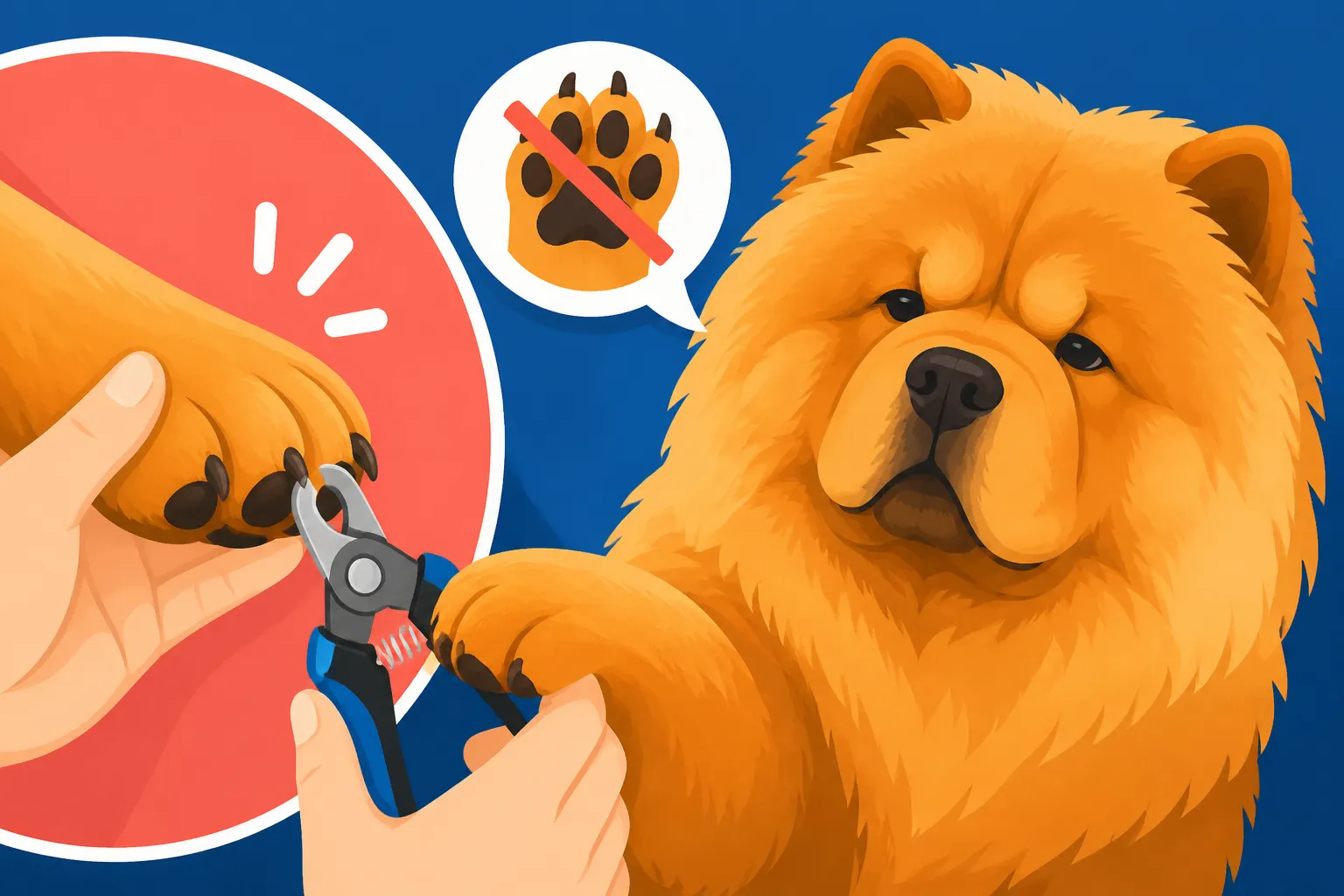
If you're a Chow Chow parent, you've likely faced the wrestling match that can be nail trimming time. It’s a common frustration, feeling like you’re battling a lion in a fluff coat just to keep those claws healthy. This guide is here to shed some light on why your Chow Chow might be resisting and to offer practical, empathetic strategies to make nail care less of a dreaded chore for both of you.
The Unique Challenges of Trimming a Chow Chow's Nails
Let's be honest, Chow Chows aren't exactly known for their eager cooperation, especially when it comes to sensitive tasks like nail trims. Their unique temperament and physical traits can make this seemingly simple grooming task feel like a Herculean effort. It’s not just about stubbornness; there are genuine reasons why your fluffy friend might put up a fight.
The Chow Chow's Independent and Reserved Nature
Chow Chows are magnificent dogs, but they definitely march to the beat of their own drum. They're often described as cat-like in their independence, and while they form deep, loyal bonds with their chosen person, they're not typically "eager to please" like some other breeds. This strong will extends to grooming. If your Chow Chow doesn't see the immediate benefit or isn't comfortable with the situation, they're unlikely to passively accept it. They're not going to roll over and offer a paw just because you ask politely. They question, they observe, and if they perceive a threat or discomfort, they will resist. This is a breed that truly The Chow Chow Bonds to One Person and Tolerates the Rest and expects a certain level of respect and understanding in return. If you've ever tried to force a Chow Chow to do something they don't want to, you know it's usually a losing battle. Their reserved nature means they might not outwardly show extreme distress until they've reached their limit, making it hard to gauge their comfort level until it's too late and they're pulling away or even snapping.
Sensitivity and the "Quick"
One of the biggest hurdles for many Chow Chow owners is their dark nail color. Unlike dogs with clear nails where the pink quick (the sensitive blood vessel and nerve ending) is visible, most Chows have opaque black or dark brown nails. This makes it incredibly difficult to see where the quick ends, leading to a fear of cutting too short. A single bad experience, where the quick is hit, can set back your nail trimming efforts by months, if not permanently. The pain is real for the dog, and the bleeding can be alarming for the owner. Chow Chows can also be particularly sensitive, and even the mild discomfort of clippers on a nail can be perceived as threatening. They remember painful experiences vividly, making them wary of future attempts. This sensitivity, combined with the visual challenge, turns nail trimming into a high-stakes operation.
Limited Vision and Touch Sensitivity
Chow Chows have deep-set eyes, which, while giving them their characteristic "scowl" and charming expression, also limit their peripheral vision. This means they can be startled by sudden movements from the side or behind them. Imagine someone approaching your feet with a strange object, and you can't quite see their hands or what they're doing without turning your whole head. This can be unsettling for a dog and can contribute to their resistance. Why a Chow Chow Snaps at Someone It Did Not See can often be attributed to this limited field of vision, making careful, slow approaches essential. Furthermore, their dense double coat, while beautiful, also means they might not be accustomed to constant handling of their paws. Their feet are often hidden in all that fluff, and if they haven't been regularly desensitized to having their paws touched, it can feel invasive and alarming. This makes the crucial first step of simply holding their paw a challenge before you even introduce any tools.
Essential Preparations for a Successful Nail Trim
Alright, so we've established why your Chow Chow might be giving you the cold shoulder when the clippers come out. Now, let's talk about how to flip the script and make nail care a more peaceful, if not entirely joyous, experience. Preparation is absolutely vital here; you wouldn't embark on a long journey without packing, and you shouldn't approach nail trimming without a solid game plan.
Starting Early: Puppyhood Conditioning
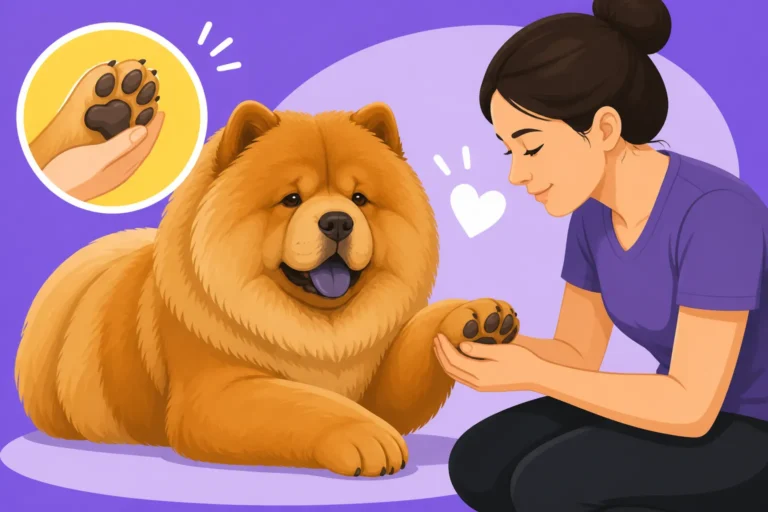
The absolute best time to start is when your Chow Chow is a tiny fluffball. Puppyhood is a critical period for socialization and desensitization. Even before their vaccinations are complete and you can take them out to meet the world, you can begin making handling a positive experience at home. This isn't just about nails; it's about teaching them to accept being touched all over, which will serve you well for vet visits, grooming, and general care throughout their lives. Gently touch their paws, individual toes, and nails several times a day. Pair this with high-value treats and calm praise. Don't try to clip anything at this stage – just touch, reward, repeat. Make it a game, not a chore. If you have a rescue Chow Chow or an older dog, it's never too late to start, but understand it might take more time and patience. The principle remains the same: small, positive interactions, consistently. Think of it as building a positive emotional bank account for their paws. Teaching a Chow Chow to Have Its Feet Handled should be a daily ritual, even if it's just for a few seconds.
The Right Tools for the Job
Having the correct equipment can make a significant difference, not just in efficacy but also in your Chow Chow's comfort. There are two main types of tools: traditional clippers and Dremel-style grinders.
Nail Clippers:
- Scissor-style: These are often preferred by many groomers and owners for their precision and ease of use. Brands like Miller's Forge or Safari are popular.
- Guillotine-style: Some owners prefer these, though they can be harder to manipulate for thick Chow Chow nails.
When choosing clippers, ensure they are sharp. Dull clippers crush the nail, which is uncomfortable and painful, exacerbating your Chow Chow's aversion.
Dremel/Nail Grinder:
Many Chow Chow owners find a Dremel-style nail grinder to be a game-changer. They file the nail down gradually, reducing the risk of hitting the quick and allowing for smoother edges. This can also be less startling than the "snip" of clippers for some dogs. A good cordless model can be found on Amazon.
Here's a quick comparison:
| Feature | Nail Clippers | Nail Grinder (Dremel) |
|---|---|---|
| Speed | Faster for a quick trim | Slower, gradual filing |
| Accuracy | Requires careful judgment to avoid quick | Reduces risk of hitting quick |
| Sound | Quick "snip" sound | Vibrating, whirring noise |
| Texture | Can leave sharp edges | Smooths nails, less snagging |
| Learning Curve | Moderate for owner, high for dog | Moderate for owner, potentially lower for dog |
| Power Source | Manual | Battery or corded |
| Cost | Lower initial cost | Higher initial cost |
No matter which tool you choose, make sure it’s in good working order. If you opt for a grinder, introduce the sound and vibration gradually, pairing it with treats long before it touches a nail. You might even want to try a brand like BAXTER & Bella, which offers online training resources that can guide you through desensitization specifically for grooming tools like grinders. Remember, Whether a Dremel Suits a Chow Chow's Nails often depends on the individual dog's tolerance for noise and vibration versus the sudden pressure of clippers.
Creating a Calm and Controlled Environment
The setting for your nail trimming session is just as important as the tools. A calm, quiet, and positive environment can significantly reduce your Chow Chow's stress and resistance.
- Choose the Right Time: Pick a time when your Chow Chow is naturally relaxed, perhaps after a short walk or a quiet cuddle session, but not when they're overly tired or agitated.
- Location, Location, Location: Find a quiet spot away from distractions. Some dogs do better on a non-slip mat on the floor, others on a table if they are comfortable with it. A raised surface can save your back, but only if your dog is completely secure and calm there.
- Gather Your Supplies: Have everything ready before you start: clippers or Dremel, styptic powder (just in case you hit the quick), and most importantly, a pile of high-value treats.
- Keep it Positive: Use a happy, reassuring tone of voice. Avoid frustration, as your Chow Chow will pick up on your tension and mirror it. If you're stressed, they'll be stressed. This is where the concept of a Whether a Chow Chow Needs a Fear Free Practice comes into play – creating an experience free of fear, anxiety, and stress. It’s all about building positive associations.
Step-by-Step Approach to Trimming Your Chow Chow's Nails
Now that you've prepared, let's get into the actual process. Remember, patience is your most valuable tool here, even more so than your clippers or grinder. This isn't a race; it's a marathon of trust-building and consistent effort.
Gradual Desensitization and Positive Reinforcement
If you haven't started this process already, begin by simply handling your Chow Chow's paws without any tools involved.
- Touch and Treat: Gently touch a paw for a second or two, then immediately offer a high-value treat and calm praise. Repeat this many times a day.
- Increase Duration: Gradually increase the time you hold the paw, always pairing it with treats. You're aiming for a relaxed paw, not a limp one; if they pull away, shorten the duration next time.
- Introduce the Tool: Once they are comfortable with paw handling, bring out the clippers or grinder. Let them sniff it. Place it on the floor, give a treat. Pick it up, give a treat. Don't touch them with it yet.
- Sound and Vibration (for Dremel): If using a Dremel, turn it on in another room so the sound is distant. Treat. Move closer, treat. Once they are calm with the sound, turn it on near them, but don't touch them. Treat. This is crucial for tolerating a dryer (Whether a Chow Chow Tolerates a Dryer) or any noisy grooming tool.
- Touch with Tool (No Trimming): Gently touch the back of the clippers or the side of the Dremel (turned off) to their nail, then immediately treat. Repeat this for each nail.
- Simulated Trim: Pretend to trim a nail, but don't actually cut or file. Just hold the tool to the nail for a second, then treat.
This methodical approach builds positive associations. The goal is for your Chow Chow to associate the presence of the tool and the handling of their paws with good things – tasty treats and praise. BAXTER & Bella's online training program often emphasizes these gradual desensitization techniques, providing structured lessons that can be incredibly helpful for challenging grooming tasks.
The Actual Trimming Process (and what to do if things go wrong)
Once your Chow Chow is relatively comfortable with the tools and paw handling, you can attempt a trim.
- One Nail at a Time: Start with just one nail, especially in the beginning. Hold the paw firmly but gently.
- Identify the Quick (as best you can): For dark nails, look at the underside. The quick recedes as the nail grows, and it often has a softer, slightly darker appearance than the hard outer shell. When you cut, aim for small, thin slices at a time. It’s always better to take off too little than too much. How Often a Chow Chow's Nails Need Trimming is frequent enough that you can take off tiny bits regularly.
- The Cut/Grind:
- Clippers: Position the clipper to snip just the very tip of the nail, at a slight angle. Press firmly and quickly.
- Grinder: Turn it on (if your dog is desensitized to the sound). Lightly touch the spinning head to the very tip of the nail, moving it in a smooth, circular motion for only a few seconds. The goal is to gradually shorten and shape the nail.
- Reward Immediately: After each successful trim (or even a single attempt), give a high-value treat and enthusiastic praise.
- Stop Before Stress: The moment your Chow Chow shows signs of discomfort or stress (pulling away, tensing up, yawning excessively, licking lips, growling), stop. Even if you've only done one nail, end the session on a positive note with a treat. You can always try again later or the next day. Pushing them too far will erode the trust you're trying to build.
- If You Hit the Quick: Don't panic! It happens to the best of us. Apply styptic powder immediately to stop the bleeding. Remain calm, reassure your dog, and then stop the session. Do not attempt more nails. Let them recover and have a positive experience (maybe a game or a cuddle) before trying again another day. A traumatic experience can make all future attempts much harder.
Consistency is Key: Making it a Routine
Nail trimming isn't a one-and-done event. Your Chow Chow's nails grow continuously, and neglecting them can lead to painful problems, joint issues, and even changes in their gait. Overly long nails can get caught, break, or even grow into the paw pad, causing infection.
Make nail care a regular part of your Chow Chow's routine. Whether it's once a week for a quick trim or a few times a week for a couple of nails, consistency is paramount. This keeps the quick receded and makes each session shorter and less daunting. Just like brushing their majestic coat, How Often a Chow Chow's Nails Need Trimming should be integrated into their regular grooming schedule. By making it predictable and routine, your Chow Chow will learn what to expect, and hopefully, their resistance will lessen over time. Regular, short sessions are far more effective and less stressful than infrequent, prolonged battles.
When to Seek Professional Help (and how to prepare for it)
Despite your best efforts, some Chow Chows simply won't tolerate at-home nail trims, and that's perfectly okay. There's no shame in recognizing when you need to call in the professionals. In fact, for a breed like the Chow Chow, it's often the safest and least stressful option for everyone involved.
Recognizing When You're Out of Your Depth
It's important to be realistic about your limits and your Chow Chow's tolerance. Here are some signs it might be time to seek professional help:
- Aggression or Fear: If your Chow Chow growls, snaps, bites, or exhibits extreme fear (shaking, excessive drooling, voiding bladder/bowels) during nail trimming attempts. This isn't just "being difficult"; it's a sign they are genuinely distressed.
- Persistent Resistance: Despite consistent positive reinforcement and desensitization, your Chow Chow continues to pull away, hide, or actively fight every attempt.
- Risk of Injury: If you feel you might injure yourself or your dog during the process. This can happen if the dog is too strong, too squirmy, or if you're constantly worried about hitting the quick.
- Overgrown Nails: Their nails are getting too long, clicking on the floor, or starting to curve, and you can't manage to trim them yourself. Overgrown nails can lead to significant discomfort and pain for your dog, affecting their mobility and even causing splayed feet.
Don't let pride get in the way of your dog's well-being. A professional groomer or veterinarian has specialized tools, training, and experience with difficult dogs.
Preparing Your Chow Chow for a Groomer or Vet
Even if a professional will be doing the trimming, your Chow Chow's temperament still matters. You can make their experience, and the professional's job, much easier with some preparation.
- Muzzle Training: This isn't about aggression; it's about safety. Teach your Chow Chow to willingly accept wearing a muzzle, especially for vet or groomer visits. Positive muzzle training can be incredibly empowering for your dog, associating the muzzle with treats and comfort, not punishment. Teaching a Chow Chow to Wear a Muzzle early on is invaluable. Many groomers and vets will require a muzzle for a Chow Chow that is known to be difficult about handling, and it's far better for your dog to be comfortable with it beforehand.
- "Happy Visits": Take your Chow Chow to the vet or groomer just to say hello, get treats, and leave, with no procedures. This helps build positive associations with the location and staff. Why a Chow Chow Fails at the Vet Without Practice is often because every visit involves something unpleasant.
- Communicate Clearly: When you book the appointment, be upfront about your Chow Chow's challenges with nail trimming. This allows the professional to allocate extra time, prepare their space, and use appropriate handling techniques.
- Sedation Options: In severe cases, your veterinarian might recommend mild sedation or anxiolytic medication to make nail trimming less traumatic. This is not a failure on your part, but a humane option to ensure your dog's welfare. Discuss this openly with your vet. Understanding Whether a Chow Chow Needs Sedation for a Checkup is an important part of responsible Chow Chow ownership.
The Cost and Benefits of Professional Nail Care
Yes, professional nail trims come with a cost, but consider it an investment in your Chow Chow's health and your own sanity.
- Cost: The price for a professional nail trim can vary widely depending on your location, the facility (vet clinic versus groomer), and whether sedation is required. Generally, a simple trim at a groomer might be a lower cost, while a vet clinic might charge more, especially if a handling fee or sedation is involved. What Nail Trims Cost on a Chow Chow can range significantly. If sedation is needed, the cost will be considerably higher, reflecting the veterinary supervision and medication.
- Benefits:
- Safety: Reduced risk of injury to your dog or yourself.
- Expertise: Professionals are skilled at handling difficult dogs and identifying the quick, even on dark nails.
- Less Stress: For both you and your Chow Chow. Avoiding a traumatic experience can prevent a lifelong aversion to handling.
- Proper Maintenance: Ensures nails are kept at a healthy length, preventing discomfort and long-term joint issues.
Ultimately, the goal is for your Chow Chow to live a comfortable, healthy life. If professional help is what it takes to achieve stress-free nail maintenance, it’s a decision worth making. You're still a great Chow Chow parent for recognizing their needs and finding the best solution for them.
Disclaimer
This article is for general informational purposes only and does not constitute professional advice. Laws, prices and regulations vary by location and change over time. Consult a qualified professional for guidance on your specific situation.