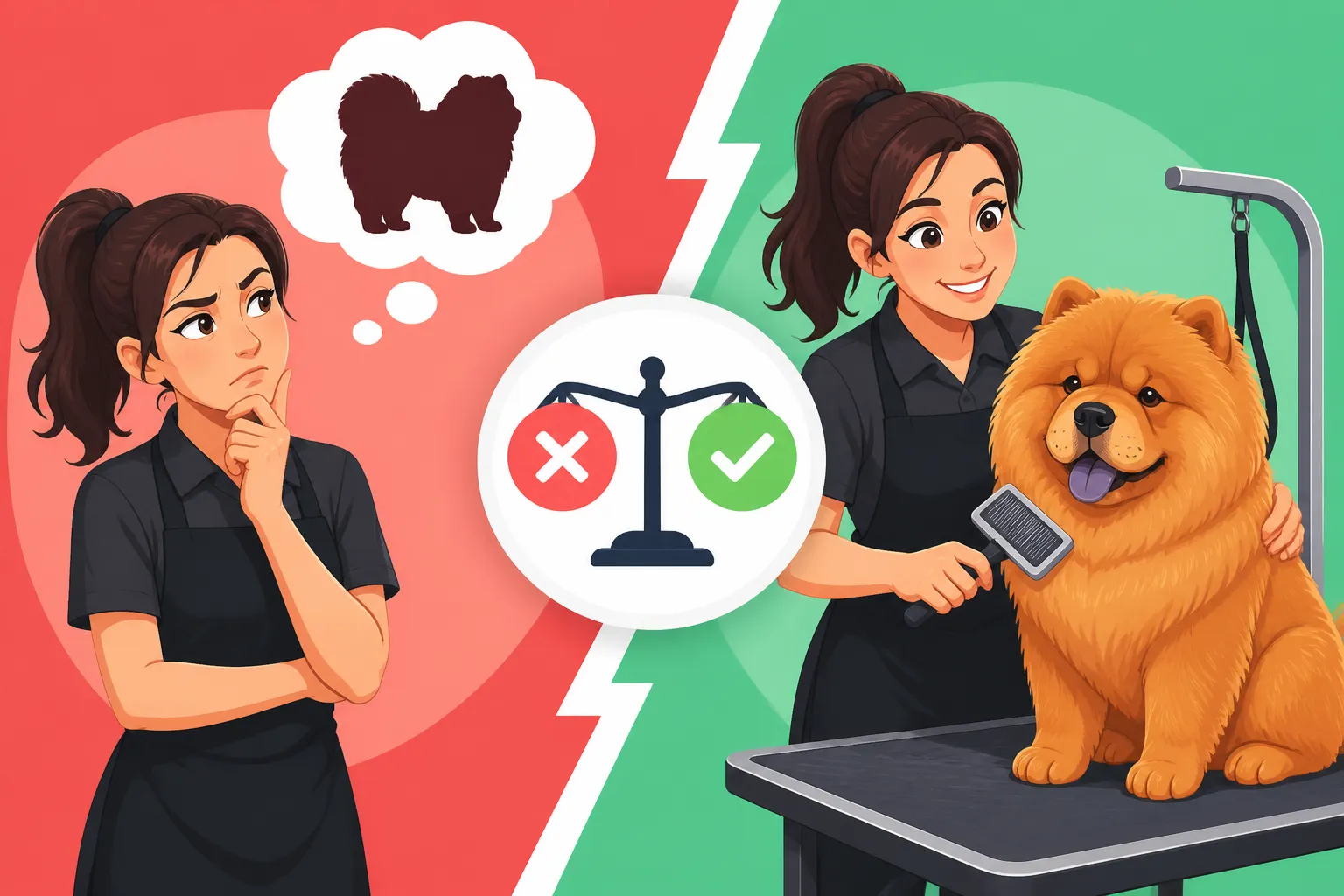
Whether a Groomer Should Meet a Chow Chow First
It’s a common worry for any Chow Chow owner, that first trip to the groomer. You know your beloved fluffball can be a bit… particular, and the thought of them being handled by a stranger, especially in a noisy, unfamiliar environment, can be truly anxiety-inducing. This guide will walk you through why a preliminary "meet and greet" with a professional groomer isn't just a good idea, but often a crucial step to ensure a positive and safe grooming experience for your Chow Chow.
The Unique Challenges of Grooming a Chow Chow
Let's face it, Chow Chows are not your average golden retriever cheerfully wagging its tail for anyone with a brush. Their ancient lineage and distinctive personality traits, combined with their magnificent double coat, create a very specific set of circumstances that a groomer needs to understand and respect. Many groomers, even experienced ones, might not be fully prepared for the nuances of a Chow Chow.
The Chow Chow's Temperament and Grooming Needs
Chow Chows are renowned for their dignified, independent, and often aloof nature. They bond fiercely with their chosen person but can be quite reserved, even wary, of strangers. This isn't aggression; it's simply how they're wired. When you combine this inherent guardedness with the often-intrusive nature of grooming – being touched, brushed, bathed, and dried by an unfamiliar person – it can be a recipe for stress, fear, or even a defensive reaction. A Chow Chow's grooming needs are extensive due to their dense double coat, requiring regular and thorough brushing to prevent matting, especially during their The Twice a Year a Chow Chow Blows Its Coat. If a Chow Chow arrives matted, the groomer has to work through discomfort, which can further erode trust.
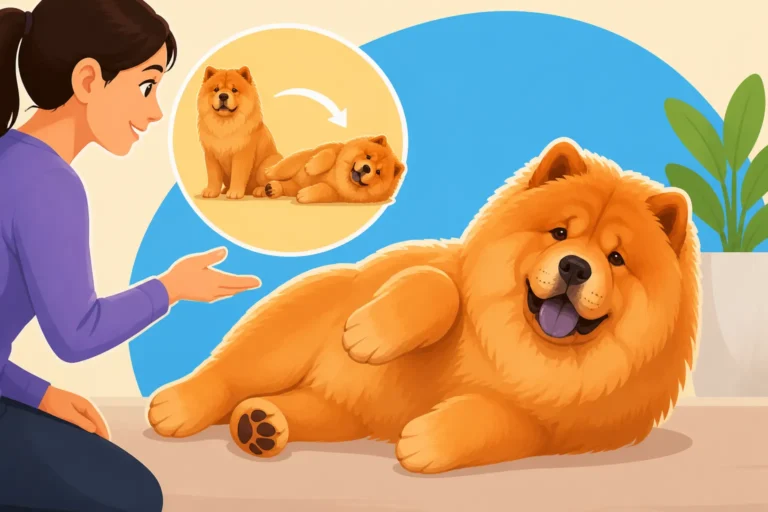
Imagine being in a new salon, someone you don't know coming at you with clippers and loud dryers, touching every inch of your body. For a Chow Chow, this can feel incredibly violating without prior positive association. They aren't going to roll over and offer their belly to just anyone. Their stoic demeanor can often be misinterpreted as calm, when in reality, they might be experiencing significant internal stress, simply waiting for an opportunity to object. This is why it's so important for the groomer to understand how to approach a Chow Chow.
Why a Chow Chow's Deep-Set Eyes and Limited Vision Matter
Another critical factor often overlooked is the Chow Chow's unique physical conformation. Their deep-set eyes, combined with their heavy facial folds and ruff, can actually limit their peripheral vision. This means they might not see someone approaching them from the side or behind, leading to startling. Why a Chow Chow Snaps at Someone It Did Not See isn't malice; it's a natural reaction to being surprised.
When a groomer is working around their head, face, or rear, coming from angles the dog cannot easily see, it can be incredibly disorienting and frightening. A quick, unexpected movement from a brush or a hand can trigger a defensive snap. Understanding this visual limitation isn't just about safety for the groomer; it's about reducing anxiety for the dog. A groomer who is aware of this will approach from the front, speak softly, and allow the dog to acknowledge their presence before making physical contact, especially around sensitive areas.
Grooming as a Stressor for a Naturally Reserved Breed
For many dogs, a trip to the groomer is a social event, full of new smells and friendly faces. For a Chow Chow, it's often a test of their tolerance. Their reserved nature means they don't typically thrive in busy, chaotic environments. The sounds of other barking dogs, the whirring of dryers, the unfamiliar smells of shampoos and other animals – all of these can be overwhelming.
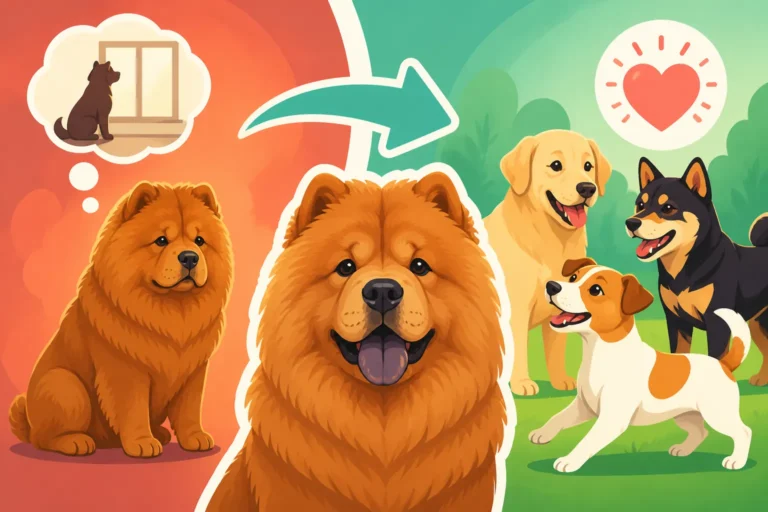
Without a gradual introduction and a calm, patient handler, the entire experience can become a traumatic one. A Chow Chow that feels cornered or overly restrained can quickly shut down or become defensively aggressive. This isn't just about their immediate safety; it's about their long-term well-being. A negative grooming experience can lead to fear and avoidance behaviors that make future grooming, both professional and at home, incredibly difficult. It can also reinforce their natural wariness, making them even more hesitant to accept handling by strangers.
The Benefits of a "Meet and Greet" for Your Chow Chow
Given the challenges, a pre-grooming meet and greet transforms a potentially stressful ordeal into a controlled, positive interaction. It's an investment in your Chow Chow's comfort and safety, and in a harmonious relationship with their groomer.
Building Trust and Familiarity Before the Shears Come Out
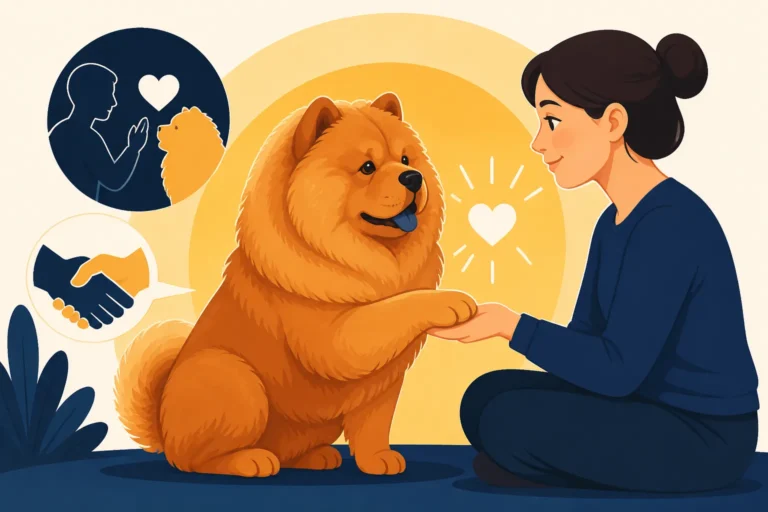
The primary benefit of a meet and greet is the opportunity to begin building trust. For a Chow Chow, trust isn't given freely; it's earned. A brief, no-pressure visit allows your dog to enter the grooming environment, sniff around, and meet the groomer without any expectations of immediate styling. This short, positive interaction helps them associate the groomer and the salon with a pleasant experience, rather than a forced, uncomfortable one.
During this time, the groomer can offer gentle praise and treats, allowing the Chow Chow to approach them on their own terms. This respect for their personal space and independent nature is crucial. It’s about letting the Chow Chow dictate the pace of the interaction, which goes a long way in gaining their reluctant approval. This foundational trust makes all the difference when it's time for the actual grooming session, as the dog will already have a degree of familiarity and a less anxious disposition.
Assessing the Chow Chow's Comfort Level and Potential Triggers
A meet and greet gives the groomer invaluable insight into your Chow Chow's personality and potential triggers. They can observe how the dog reacts to the environment, to gentle touch, and to the sound of certain equipment, even if it's just a quiet hair dryer from a distance. Does the dog flinch when their feet are touched? Do they become tense when approached from behind? Do they try to mouth hands near their face? This information is critical for the groomer to tailor their approach and ensure a safe and stress-free session.
It's also an opportunity for the groomer to assess the condition of the coat and identify any problem areas like mats behind the ears or in the britches. Knowing these things in advance allows them to prepare accordingly, perhaps scheduling a longer session or communicating special handling needs. This proactive assessment can prevent unexpected difficulties during the actual groom, minimizing discomfort for your Chow Chow and potential frustration for the groomer.
Open Communication Between Owner and Groomer
This preliminary meeting is also a fantastic opportunity for you, the owner, to have an in-depth conversation with the groomer. You can share insights into your Chow Chow's specific quirks, past experiences, and any areas they particularly dislike being handled. For example, if your Chow Chow has had What a Chow Chow's Corneal Ulcer Costs to Treat in the past, you can inform the groomer about sensitivity around their eyes. You can discuss how your Chow Chow reacts when they are stressed, as their subtle cues can be easily missed by someone unfamiliar with the breed.
This is also your chance to ask about the groomer's experience with Chow Chows, their handling techniques, and how they manage anxious or reactive dogs. Do they use positive reinforcement? Are they willing to take breaks? Do they have a quiet area for sensitive dogs? This dialogue ensures that both parties are on the same page, leading to a much better outcome for your furry friend. You can even discuss specific grooming requests, like whether you want Whether a Chow Chow's Feet Can Be Trimmed or if you prefer to keep their natural lines.
What a Successful Pre-Grooming Meeting Looks Like
Setting up a successful meet and greet requires a bit of planning, but the payoff in reduced stress and a happier Chow Chow is immeasurable. Think of it as a low-stakes first date for your dog and their future beauty professional.
Setting the Scene: A Calm and Controlled Environment
Ideally, a meet and greet should take place when the grooming salon is quiet, perhaps before opening hours or during a lull. A chaotic environment with barking dogs and whirring dryers can immediately put a Chow Chow on edge. The groomer should have a dedicated, clean space where your Chow Chow can explore calmly without feeling overwhelmed. The less sensory input, the better for a reserved breed like the Chow Chow.
Upon arrival, keep your Chow Chow on a leash. Allow them to enter the space at their own pace. The groomer should avoid rushing the introduction. Instead, they should allow your dog to sniff them, offer a treat, and speak in a soft, reassuring voice. The goal is a relaxed, positive association with the environment and the person. A good groomer understands that building rapport with a Chow Chow isn't about immediate physical interaction, but about respecting their space and waiting for them to initiate contact, or at least accept gentle presence.
Gradual Introduction to Tools and Touch
Once your Chow Chow seems a little more comfortable, the groomer can begin a very gentle, gradual introduction to grooming tools and light handling. This might involve simply showing the dog a brush, letting them sniff it, and then lightly touching their coat with it, perhaps just on their back where they are least sensitive. The aim is to create positive associations, so pairing each gentle touch or tool exposure with a high-value treat is key. Many groomers find success with treats from brands like Zuke's or Charlee Bear, often found easily on Amazon.
This is not a grooming session, but a desensitization process. The groomer might briefly run a low-setting dryer from a distance, just to expose the dog to the sound without aiming it directly at them. They might touch a paw, or gently lift an ear. Every interaction should be brief, positive, and end before the Chow Chow shows signs of discomfort. If the dog tenses or pulls away, the groomer should back off immediately, reinforcing that the Chow Chow's signals are heard and respected. A groomer might also teach you some techniques for Teaching a Chow Chow to Accept Being Groomed at home, which can greatly benefit future professional sessions.
Practical Steps for a Positive Outcome
To make the most of your meet and greet, consider these practical steps:
- Bring High-Value Treats: Chow Chows can be food-motivated, but it needs to be the right food. Pack your dog's absolute favorite, smelliest treats – cooked chicken, cheese, or liverwurst often work wonders.
- Keep it Short: A meet and greet should be brief, no more than 15-20 minutes, to avoid over-stimulating or stressing your Chow Chow. The goal is quality, not quantity, of interaction.
- Maintain Calmness: Your demeanor will influence your dog's. If you're anxious, they'll pick up on it. Project a calm, confident energy.
- Discuss Groomer's Experience: Ask direct questions about their experience with Chow Chows. Have they handled difficult or nervous dogs before? How do they manage them? A professional will appreciate your concern.
- Observe Your Dog: Pay close attention to your Chow Chow's body language. Are they showing signs of stress like lip licking, yawning, stiffening, or tail tucked? Communicate these observations to the groomer.
- Follow Up: After the meeting, discuss with the groomer whether they feel comfortable taking on your Chow Chow, and if they have any recommendations for a smoother first full grooming session. They might suggest muzzle training, something a program like BAXTER & Bella can help with, if your dog is particularly defensive about face handling.
- Consider a "Happy Visit": Some groomers offer short "happy visits" where the dog just comes in, gets a treat, and leaves. This builds positive associations over time.
When a "Meet and Greet" Becomes Non-Negotiable
While a meet and greet is beneficial for any Chow Chow, there are certain situations where it truly becomes essential for their safety and well-being.
For Puppies and First-Time Grooming Experiences
For a young Chow Chow puppy, their first experiences outside the home shape their perception of the world. A positive first grooming exposure is paramount. Puppyhood is the prime socialization window, and even though they're not yet ready for a full groom, a meet and greet can introduce them to the sights, sounds, and smells of a salon in a non-threatening way. This is part of the broader effort for How Much Socialization a Chow Chow Puppy Needs.
Starting with a calm, gentle introduction helps prevent fear and anxiety from developing later. It allows the puppy to build a positive association with the groomer and the process, making future grooming sessions much easier. Think of it as laying the groundwork for a lifetime of comfortable grooming. If the first experience is traumatic, it can be incredibly difficult to undo that negative association. Teaching a Chow Chow puppy to accept handling early on, even just for nail trims or ear checks, will make a massive difference down the line.
For Rescue Chows with Unknown Histories
Adopting a rescue Chow Chow often means taking on a dog whose past is a mystery. They might have experienced neglect, abuse, or simply a lack of proper socialization and grooming. These dogs often come with pre-existing fears, anxieties, or sensitivities that aren't immediately apparent. For a rescue Chow, a meet and greet isn't just helpful; it's a critical diagnostic tool. It allows the groomer to cautiously assess their comfort levels, identify potential triggers, and understand their thresholds without putting undue stress on the dog.
For example, a rescue Chow might have severe matting from previous neglect. Without a careful, trust-building introduction, attempting to demat or shave a nervous dog can lead to a dangerous situation for both the dog and the groomer. A meet and greet allows the groomer to suggest a less stressful plan, perhaps tackling the groom in multiple, shorter sessions, or even exploring options like sedated grooming if the dog's anxiety is too high. Understanding Whether an Adult Rescue Chow Chow Can Change with patient handling is key, and a pre-groom visit is the first step.
When Previous Grooming Experiences Were Negative
Perhaps your Chow Chow had a bad experience at a previous groomer – maybe they were handled too roughly, forced into a procedure they feared, or suffered an injury. Dogs remember these things, and a single negative event can create a lasting aversion to grooming. In these cases, a meet and greet is essential to begin rebuilding trust. It signals to your Chow Chow that this new experience will be different.
A good groomer will approach this situation with extreme patience and a commitment to positive reinforcement. They will work at your dog's pace, focusing on gentle reassurance and high-value rewards, rather than pushing them beyond their comfort zone. This gradual reintroduction, starting with a no-pressure meeting, can slowly help your Chow Chow overcome past traumas and begin to associate grooming with comfort and care, rather than fear. It’s a process of desensitization and counter-conditioning, and it begins with that crucial first, gentle meeting.
| Aspect | General Groomer | Chow Chow Specialist Groomer |
|---|---|---|
| Understanding Temperament | May not fully grasp Chow Chow's aloofness and guarded nature. | Deeply understands unique Chow Chow behavior and how to approach them. |
| Experience with Coat | Familiar with double coats, but might underestimate Chow Chow's density/matting. | Expertise in Chow Chow's specific coat types (rough/smooth) and shedding cycles. |
| Handling Techniques | Standard handling, potentially leading to stress for a sensitive Chow. | Utilizes calm, patient, positive-reinforcement based handling tailored to Chows. |
| Awareness of Physical Traits | May not be aware of deep-set eyes and limited peripheral vision. | Understands how Chow Chow's vision affects their reactions to being approached. |
| Approach to Fear/Stress | May resort to more forceful restraint if dog becomes uncooperative. | Prioritizes de-escalation, breaks, and communication to minimize stress. |
| Tool Familiarity | Uses standard grooming tools. | May have specialized tools and techniques for Chow Chow coats (e.g., specific rakes). |
| Communication | General grooming advice. | Specific advice on How Long Home Grooming a Chow Chow Takes Weekly and maintenance. |
Disclaimer
This article is for general informational purposes only and does not constitute professional advice. Laws, prices and regulations vary by location and change over time. Consult a qualified professional for guidance on your specific situation.