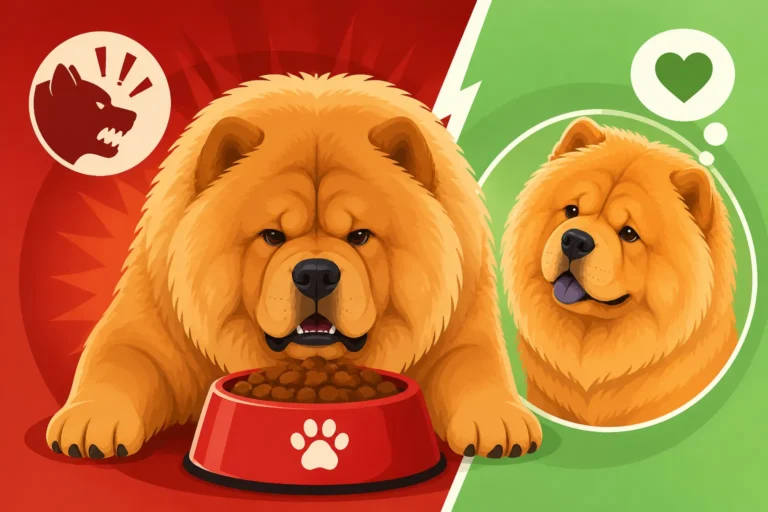
How Much a Chow Chow Barks
One common concern for prospective Chow Chow owners is the question of how much these magnificent dogs bark. Many people worry about having a constantly noisy companion, especially if they live in close quarters or value a peaceful home environment. This guide will dive deep into the typical barking habits of the Chow Chow, exploring why they might bark, what kind of barks to expect, and practical strategies to manage and understand their vocalizations so you can foster a quiet and harmonious household.
Understanding the Chow Chow's Vocal Nature
It's easy to assume that all dogs bark a lot, but every breed has its own unique vocal tendencies, and the Chow Chow is no exception. These dogs are often described as "cat-like" in their demeanor and can be surprisingly quiet, especially when compared to some more boisterous breeds. They're not typically known for incessant, nuisance barking, but that doesn't mean they're mute. When a Chow Chow does bark, it's usually for a reason, and understanding that reason is the first step to managing their vocal output.
Think of a Chow Chow's bark as a statement, not a constant conversation. They tend to be more reserved and watchful, using their voice to communicate something specific rather than just making noise for the sake of it. This isn't a dog that typically stands at the fence all day long, barking at every leaf that blows by. Their independent nature often means they're content to observe, only interjecting with a bark when they deem it truly necessary. However, their strong guarding instincts can certainly come into play, especially if they perceive a threat to their home or family.
Common Reasons a Chow Chow Barks
While generally quieter than many breeds, a Chow Chow will certainly bark when motivated. It's crucial for owners to understand the context of their dog's barks, as each type of vocalization often points to a different underlying need or emotion. Misinterpreting these signals can lead to frustration for both you and your Chow Chow.
Alert or Territorial Barking
This is perhaps the most characteristic type of barking you'll hear from a Chow Chow. They are natural guardians, deeply devoted to their chosen family and protective of their territory. When a stranger approaches the house, the mail carrier walks by, or an unfamiliar sound occurs outside, your Chow Chow is likely to let you know. This isn't usually an aggressive bark, but rather a deep, resonant warning bark that says, "I see you, and I'm here."
Their deep-set eyes can sometimes limit their peripheral vision, which can make them startle more easily if someone approaches from the side or behind, prompting an unexpected bark. This kind of barking is instinctual and often a part of their charm as a watchful companion. It's their way of fulfilling their ancient role. While you might not want them to bark at every single squirrel, a certain amount of alert barking is part of owning this breed. The key is to manage the intensity and duration, ensuring it doesn't escalate into excessive or reactive barking. How Territorial a Chow Chow Is is a good read to understand more about this innate trait.
Boredom or Attention-Seeking Barking
Even an independent Chow Chow needs mental and physical stimulation. If they are left alone for long periods without adequate exercise, engaging toys, or interaction, they can become bored. A bored Chow Chow might not pace or destroy things like some breeds, but they might resort to barking as a way to alleviate their boredom or, more likely, to get your attention. This kind of bark is often a bit more insistent, perhaps a series of repetitive barks directed at you or a door.
It's their way of saying, "Hey, I'm here! Do something with me!" While they are not high-energy dogs, they still need their daily walks and opportunities for mental engagement. Interactive toys, puzzle feeders, or even a short training session can make a world of difference. Remember, a tired Chow Chow is often a quiet Chow Chow. Without proper outlets, any dog can develop unwanted habits, and barking is one of them. You might find some excellent enrichment toys on Amazon that can help keep their minds busy. What a Bored Chow Chow Does also explores this topic in more detail.
Frustration and Anxiety Barking
Chow Chows, despite their stoic appearance, can experience frustration or anxiety, which can manifest as barking. This might happen if they are confined in a way they dislike, if they see something they want but cannot reach (like a person or another dog outside a window), or if they are feeling generally stressed in their environment. Separation anxiety, though less common in this independent breed, can also lead to barking when left alone.
This type of barking often sounds more distressed or high-pitched than an alert bark. It can be accompanied by other signs of stress, such as pacing, panting, or destructive behavior. Identifying the source of their frustration is critical. Is it a visible trigger they can't access? Is it a fear of being left alone? Addressing the root cause with appropriate training, desensitization, or environmental adjustments is key to reducing this type of barking. Sometimes a calming aid or a change in routine can help.
Play and Excitement Barking
While not as common as in some high-drive breeds, a Chow Chow can certainly bark during play or when extremely excited. This might happen during a vigorous game of fetch (if your Chow Chow is into fetch!), when a favorite family member returns home after a long absence, or during an exciting interaction with another dog they know and trust. These barks are usually short, sharp, and accompanied by happy body language – a wagging tail (if you can see it under all that fur!), a bouncy gait, or a playful growl.
This type of barking is generally benign and part of their joy. It's typically not something that needs to be "fixed," as it's a natural expression of happiness. However, if play barking becomes excessively loud or prolonged, you can teach a "quiet" cue or redirect their excitement to a toy.
Strategies for Managing Chow Chow Barking
Once you understand why your Chow Chow is barking, you can start implementing strategies to manage and reduce unwanted vocalizations. Consistency is absolutely crucial with this breed; they train by agreement, not strict obedience.
Consistent Training and Socialization
Early and consistent socialization is paramount for a Chow Chow. A well-socialized Chow Chow is less likely to feel anxious or overly reactive to new sights and sounds, which can significantly reduce alert barking. Introduce your puppy to a wide variety of people, places, and experiences from a young age, always ensuring positive interactions. Why Early Socialization Decides What a Chow Chow Becomes is a great resource to emphasize this.
Training should focus on positive reinforcement. Chow Chows are intelligent but can be stubborn, so harsh corrections often backfire. Instead, reward quiet behavior generously. Teach a "quiet" cue by waiting for a moment of silence after a bark, then marking and rewarding it. Gradually extend the duration of silence before the reward. Online training programs, such as those offered by BAXTER & Bella, can provide structured guidance and support for this type of positive reinforcement training, even for independent breeds like the Chow Chow.
Environmental Management
Sometimes, the simplest solution is to manage their environment to reduce barking triggers.
If your Chow Chow barks excessively at things outside the window:
- Use privacy film on lower windows.
- Close blinds or curtains during certain times of the day.
- Block their view of the street if they have a designated indoor resting spot.
- Provide a comfortable spot further from the window where they can relax without constant visual stimulation.
If they are barking due to boredom:
- Ensure they get adequate physical exercise, even if it's just a couple of calm walks a day. How Much Exercise a Chow Chow Actually Needs
- Provide mental enrichment through puzzle toys, chew items, or scent games.
- Rotate toys to keep them novel and interesting.
- Consider short, frequent training sessions throughout the day. How Long a Chow Chow's Training Session Should Be
Addressing Territorial Instincts
Chow Chows are inherently territorial. Instead of trying to eliminate this trait entirely, which is difficult and can cause frustration for the dog, aim to manage it.
- Establish a "Place" or "Mat" command: Teach your Chow Chow to go to a designated spot when visitors arrive or when there's a trigger at the door. Reward them for staying there quietly.
- Controlled Greetings: When guests come over, manage the introduction. Keep your Chow Chow on a leash initially, allowing them to observe calmly before being released for a polite greeting (if they choose to engage). Don't force interactions. How to Introduce a Chow Chow to a Stranger
- Supervised Outdoor Time: If you have a yard, ensure it's securely fenced. Supervise your Chow Chow outdoors to prevent them from developing a habit of barking at every passerby or animal. Whether a Chow Chow Needs a Fenced Yard
Here's a quick comparison of common barking triggers and management strategies:
| Barking Trigger | Likely Cause | Management Strategy |
|---|---|---|
| Mail Carrier/Strangers | Alert/Territorial | Window film, "Place" command, controlled greetings, positive reinforcement for quiet observation. |
| Other Dogs/Animals Outside | Alert/Territorial, Frustration | Block visual access, structured walks, counter-conditioning to presence of other dogs. |
| Left Alone | Boredom, Separation Frustration | Increased exercise, mental enrichment (puzzle toys), interactive feeders, gradual departure training. |
| Seeking Attention | Boredom, Learned Behavior | Ignore barking, reward quietness, provide attention only when quiet, consistent training. |
| Play/Excitement | Joy, Overstimulation | Teach "quiet" cue, redirect to toy, manage arousal levels during play. |
When to Seek Professional Help
If your Chow Chow's barking is excessive, disruptive, or accompanied by other concerning behaviors like aggression, extreme fear, or destruction, it's always a good idea to consult a professional. A certified professional dog trainer or a veterinary behaviorist can help diagnose the underlying cause of the barking and develop a tailored modification plan. They can observe your dog's behavior in context and provide insights that a general owner might miss.
For instance, if the barking stems from anxiety or fear, a behaviorist might recommend a combination of behavior modification techniques and, in some cases, medication to help manage severe anxiety. Never hesitate to reach out for expert guidance, especially with a breed as unique as the Chow Chow, where subtle behavioral cues can be easily misunderstood.
Is a Chow Chow the Right Dog for You?
Considering a Chow Chow's vocal habits is an important part of deciding if this breed is the right fit for your lifestyle. If you're looking for a dog that's constantly chattering, baying, or expressing itself with frequent barks, a Chow Chow might not be your ideal companion. They are generally more reserved and thoughtful in their vocalizations.
However, if you appreciate a dog that is typically quiet and discerning with its barks, acting more as a watchful sentinel than a noisy neighbor, then a Chow Chow could be a wonderful match. Their barks are usually meaningful and serve a purpose, rather than being simply noise for noise's sake. With proper socialization, consistent positive reinforcement training, and an understanding of their inherent breed traits, you can certainly cultivate a peaceful home with a well-adjusted Chow Chow who knows when to speak and when to simply observe. Whether a Chow Chow Suits a First Time Owner explores more about what to expect with this unique breed.
Understanding The Chow Chow Bonds to One Person and Tolerates the Rest also helps in managing their interactions with others, which can influence their barking patterns towards visitors or strangers. By being proactive and attentive to their needs, you can minimize unwanted barking and enjoy the dignified, quiet companionship that Chow Chows are so well-known for.
Disclaimer
This article is for general informational purposes only and does not constitute professional advice. Laws, prices and regulations vary by location and change over time. Consult a qualified professional for guidance on your specific situation.