Caring for an Old Chow Chow
Watching your beloved Chow Chow slow down with age can be a profoundly bittersweet experience. The playful puppy energy gives way to slower movements, nap-filled days, and perhaps a few more gray hairs around that magnificent ruff. It's tough to see, but with thoughtful care and understanding, these golden years can be just as rich and fulfilling for both of you. This guide will walk you through the essential adjustments and loving considerations needed to ensure your senior Chow Chow lives out their later life in comfort, dignity, and happiness.
Recognizing the Signs of an Aging Chow Chow
It’s easy to miss the subtle shifts in our furry family members, especially when we see them every day. But recognizing the earliest signs of aging in your Chow Chow is crucial for proactive care. It allows you to make adjustments before minor issues become major problems, ensuring their comfort and well-being as they enter their senior years.
When a Chow Chow is Considered Senior
Just like people, dogs age at different rates, but generally, a Chow Chow is considered to be entering their senior years around the age of 7 or 8. This isn't a hard and fast rule, of course; some Chows might still be bounding around like youngsters at eight, while others might start showing signs of slowing down a bit earlier. Factors like genetics, diet, exercise history, and overall health throughout their life can all play a role in when those "senior" markers truly begin to appear. It's more about their individual health trajectory than a calendar date.
For many owners, this transition can feel sudden, almost as if one day their robust, somewhat aloof Chow Chow suddenly seems a little more fragile. Understanding that this is a natural part of life helps us shift our perspective from wishing they were younger to embracing their new phase and tailoring our care accordingly. Think of it less as an end and more as a new chapter that requires a different kind of attentiveness and love from us.
The physical changes might be gradual, but the designation of "senior" signals a time for owners to be extra vigilant. It's when routine vet check-ups become even more critical, and you start considering a different nutritional profile for their food. Don't wait until problems are obvious; start thinking about senior care as soon as they hit that 7-8 year mark. You can read more about The Age a Chow Chow Is Considered Senior to better understand this timeline.
Subtle Physical Changes to Watch For
As your Chow Chow ages, their body will undergo various changes, some more obvious than others. One of the first things you might notice is a general slowing down. That enthusiastic greeting at the door might become a slower, more deliberate waddle. They might hesitate before jumping into the car, or prefer to lie down rather than stand for extended periods. These aren't necessarily signs of pain immediately, but they are indicators that their joints are starting to feel the effects of time.
Their coat, which was once a rich, vibrant color, might begin to show silver strands, particularly around the muzzle and eyes. You might also notice their eyes seem a little cloudier, a common age-related change known as lenticular sclerosis, which usually doesn't affect vision significantly but is a good indicator of aging. Pay attention to how they manage stairs; a reluctance could signal discomfort in hips or elbows.
Even their breathing might change – becoming a little shallower or more labored after minimal exertion. These subtle cues are your dog's way of telling you that things are shifting internally. Taking note of these small details allows you to have informed conversations with your veterinarian, who can help distinguish normal aging from something that needs medical intervention. Ignoring these minor signs can lead to more advanced issues down the line. What a Chow Chow looks like after this age range is described in What Changes in a Chow Chow After Eight.
Behavioral Shifts in an Older Chow Chow
Beyond the physical, an aging Chow Chow often exhibits behavioral changes. They might become less tolerant of boisterous children or other pets, simply because they tire more easily or are more sensitive to noise. Their once-predictable routine might be disrupted by increased napping during the day, leading to restlessness at night. Some Chows might also become more forgetful, staring blankly at a wall or getting disoriented in familiar surroundings – signs that could indicate canine cognitive dysfunction.
Another common behavioral change is an alteration in their interaction patterns. A Chow Chow, already known for being somewhat aloof, might become even more withdrawn, or, conversely, might seek out more comfort and reassurance from their primary person. They might not respond as quickly to commands, not out of stubbornness, but due to declining hearing or slower processing. Frustrating as this can be for owners, it's vital to respond with patience and understanding, not irritation.
It’s not just about decreased activity; sometimes an older Chow Chow might become more vocal, expressing discomfort, confusion, or even anxiety with increased barking or whining. A sudden aversion to being touched in certain areas, particularly the back or hindquarters, could be a sign of underlying pain. Observing these shifts carefully and consistently is key to understanding their evolving needs and communicating them effectively to your vet.
Adjusting Their Diet for Senior Health
As your Chow Chow gracefully ages, their metabolism, activity levels, and overall bodily functions begin to change. What worked for them as a vibrant adult might not be optimal for their senior years, making dietary adjustments a critical component of their continued health and comfort.
Why an Aging Chow Chow Needs Different Food
An adult Chow Chow's diet is typically geared towards maintaining energy levels and muscle mass for an active lifestyle. However, as they age, their metabolism slows down, and their activity naturally decreases. This means they generally need fewer calories to maintain a healthy weight. Continuing to feed them the same amount of their adult food can quickly lead to unwanted weight gain, which puts undue stress on their already aging joints and organs.
Furthermore, senior dogs often benefit from different nutritional profiles. Many senior dog foods are formulated with lower fat content and higher fiber, which can aid digestion – a common concern for older dogs – and help them feel full without overeating. They also frequently contain specific ingredients aimed at supporting joint health, like glucosamine and chondroitin, and antioxidants to combat cellular aging. These targeted nutrients are designed to address the specific physiological challenges that come with age, helping to maintain lean muscle mass and bolster their immune system.
It’s not just about the calorie count; it’s about the quality and type of nutrients. A good senior diet considers the whole picture of an aging dog's body, from their slowing digestive tract to their immune system, which might not be as robust as it once was. Transitioning to a high-quality senior formula can make a remarkable difference in their vitality and comfort. Brands like Chewy often offer a wide selection of senior-specific dog foods, making it easier to find one that fits your Chow Chow's needs.
Managing Weight and Appetite Changes
One of the biggest challenges with senior Chows is managing their weight. As mentioned, their metabolism slows, and they burn fewer calories. But it's not always straightforward; some older Chows might develop a reduced appetite due to dental issues, illness, or simply a less keen sense of smell, leading to weight loss. Conversely, others, particularly those with reduced activity, can pack on the pounds quickly if their diet isn't adjusted. It's a delicate balance.
If your Chow Chow is gaining weight, gradually reducing portion sizes of their current food or switching to a lower-calorie senior formula is essential. Regular, gentle exercise also plays a vital role. If they're losing weight or showing a lack of interest in food, investigate the cause with your vet. It could be something easily treatable, like a painful tooth, or a sign of a more serious underlying condition. Sometimes, simply warming their food or adding a little low-sodium broth can make it more appealing.
For picky senior eaters, offering smaller, more frequent meals might help, or considering fresh food options. Companies like Ollie deliver fresh, human-grade dog food that can be more palatable and easier to digest for older dogs. Always weigh your Chow Chow regularly – perhaps once a month – to track any significant changes and discuss them with your vet. Adjusting their food intake based on their individual needs, rather than a generic guideline, is key to maintaining a healthy weight.
Supplements for Joint and Cognitive Health
Beyond a balanced diet, specific supplements can be incredibly beneficial for an aging Chow Chow, targeting common age-related issues in their joints and cognitive function. As their joints begin to stiffen and ache, supplements like glucosamine, chondroitin, and MSM can help support cartilage health and reduce inflammation, offering noticeable relief. Omega-3 fatty acids, often found in fish oil, are also excellent for reducing inflammation throughout the body, benefiting joints, skin, and even cognitive function.
For cognitive health, especially if you notice signs of disorientation or forgetfulness, supplements containing ingredients like medium-chain triglycerides (MCTs) from coconut oil, S-adenosylmethionine (SAMe), or various antioxidants can help support brain function. These ingredients work by enhancing metabolic processes in the brain, improving neuronal health, and protecting against oxidative damage. It's not a magic cure, but it can often slow the progression of cognitive decline and improve their overall mental sharpness.
Before adding any supplements to your Chow Chow's routine, it's crucial to consult your veterinarian. They can help you determine the appropriate dosage, identify any potential interactions with existing medications, and ensure that the supplements you choose are truly beneficial for your individual dog's health needs. Think of supplements as a targeted boost to their well-being, complementing their diet and veterinary care, not replacing it. Brands found on Amazon or Chewy often have a wide range of reputable joint and cognitive supplements to choose from.
| Sign of Aging (General) | Dietary Adjustment | Supplemental Consideration |
|---|---|---|
| Weight Gain / Slowing Metabolism | Switch to lower-calorie senior formula; reduce portion sizes. | N/A (focus on calorie control) |
| Joint Stiffness / Arthritis | Maintain lean weight; possibly specific joint support food. | Glucosamine, Chondroitin, MSM, Omega-3s |
| Reduced Appetite / Dental Issues | Softer foods (wet or fresh); warming food; elevated bowls. | None directly; focus on addressing root cause (e.g., dental care) |
| Cognitive Decline / Forgetfulness | Consistent feeding schedule; high-quality, brain-supportive diet. | MCTs, SAMe, Antioxidants, B vitamins |
| Digestive Sensitivity | High-fiber, easily digestible senior formulas; probiotics. | Probiotics, prebiotics |
| Coat Dullness / Skin Issues | Diet rich in Omega fatty acids. | Omega-3s, fish oil |
Managing Joint Pain and Mobility Issues
One of the most common and heartbreaking aspects of an aging Chow Chow is the onset of joint pain and decreased mobility. Watching their once-stately gait become stiff or their jumps turn into hesitant steps can be really tough for owners. Thankfully, there's a lot we can do to ease their discomfort and keep them moving comfortably.
Signs of Joint Discomfort and Arthritis
The Chow Chow, with its distinctive straight rear legs and substantial build, is unfortunately predisposed to certain joint issues like elbow and hip dysplasia, which can worsen significantly with age and manifest as arthritis. Recognizing the signs of discomfort is the first step towards providing relief. You might notice your Chow Chow is slower to rise after a nap, struggles with stairs or getting into the car, or avoids activities they once enjoyed, like a vigorous walk or a game of fetch.
Limping, even subtle, after exercise or in the morning, is a clear red flag. They might shift their weight unevenly, or their gait might appear even more "stilted" than usual. Sometimes, behavioral changes, like increased irritability or reluctance to be touched in certain areas, can be a symptom of pain. They might also lick or chew excessively at a particular joint. Pay close attention to any changes in their posture or how they hold their body; a hunched back or reluctance to extend a limb could indicate discomfort.
It’s crucial not to dismiss these signs as "just old age." While aging is a factor, the discomfort itself can often be managed. A vet can differentiate between general stiffness and chronic pain from arthritis or other conditions. Catching these signs early and intervening with appropriate pain management and supportive therapies can dramatically improve your Chow Chow's quality of life. Understanding How an Aging Chow Chow Stiffens can help you spot these early signs.
Modifying the Home Environment for Easier Movement
Making small, thoughtful changes to your home environment can significantly improve your senior Chow Chow's quality of life and help them navigate their surroundings with greater ease and safety. One of the most impactful modifications is addressing slippery floors. Hardwood or tiled surfaces can be treacherous for dogs with compromised mobility, leading to slips and falls that can cause injury or exacerbate existing joint pain. Laying down non-slip rugs, runners, or carpet strips in high-traffic areas, especially where they eat, sleep, or play, can provide much-needed traction.
Consider their sleeping arrangements. An orthopedic dog bed, particularly one made from memory foam, can provide superior support for aching joints compared to a standard cushion. These beds distribute weight evenly, relieving pressure points and making rest more comfortable. Place it in an easily accessible, draft-free spot where they feel secure. For Chows who still love to be on the sofa or bed but struggle to jump, consider a dog ramp or steps. You can find many options on platforms like Amazon that can make getting onto elevated surfaces safe and effortless.
Think about their eating and drinking stations too. Elevated food and water bowls can reduce the strain on their neck and joints, allowing them to eat and drink more comfortably without bending down excessively. If they have difficulty getting outside, consider installing dog doors at ground level or creating a safe, easily accessible potty area closer to the house. Even something as simple as ensuring clear pathways, free from clutter, can prevent stumbles and give them more confidence as they move around your home.
Exercise Routines for an Aging Chow Chow
While your senior Chow Chow won't be joining you for marathons, maintaining a consistent, gentle exercise routine is vital for their physical and mental well-being. Regular movement helps keep their joints mobile, strengthens muscles that support those joints, and prevents excessive weight gain. The key is moderation and tailoring the activity to their individual capabilities and comfort levels.
Instead of one long, strenuous walk, consider multiple shorter, slower strolls throughout the day. A 10-15 minute walk, two or three times a day, can be much more beneficial and less taxing than a single 30-minute excursion that leaves them stiff and sore. Focus on flat, even surfaces like grassy parks or paved paths, avoiding steep hills, uneven terrain, or excessive stair climbing. On hotter days, or if they have breathing difficulties, consider very short outings during the coolest parts of the day or even indoor "walks" around the house.
Swimming can be an excellent low-impact exercise for senior Chows, as the water supports their weight, reducing stress on their joints while still providing a good workout. If accessible and they enjoy it, gentle sessions can be incredibly therapeutic. Always consult your vet before starting any new exercise regimen to ensure it's appropriate for your Chow Chow's specific health status. The goal is to keep them moving comfortably, not to push them beyond their limits, ensuring that physical activity remains a source of enjoyment and not pain.
Maintaining Their Iconic Coat and Skin
The Chow Chow's magnificent double coat is one of its most defining features, but as they age, maintaining it can become more challenging. Changes in skin elasticity, coat texture, and their own comfort levels mean that grooming routines need to adapt to keep them healthy and happy.
Changes in an Aging Chow Chow's Coat Texture
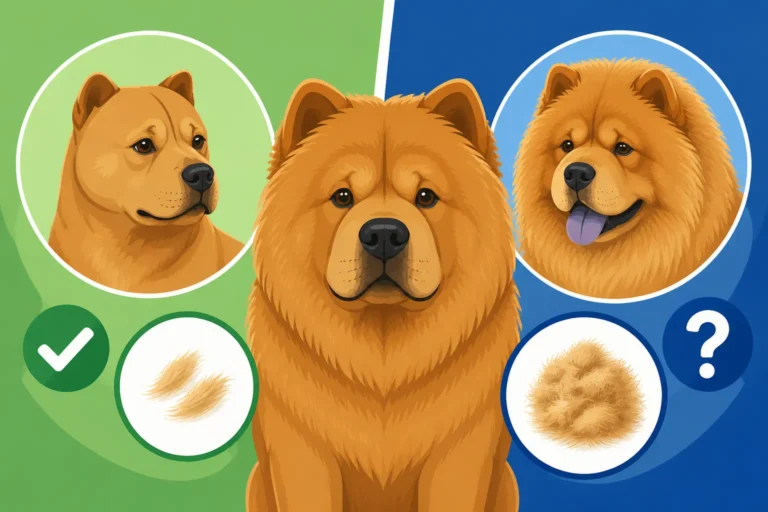
As your Chow Chow enters its golden years, you might notice significant changes in the texture and overall quality of their coat. The once thick, dense undercoat might become sparser, or conversely, it could become even thicker and more prone to matting if not properly managed. The outer guard hairs might become coarser or more brittle, losing some of their original luster. These changes are often due to hormonal shifts, decreased oil production in the skin, or even nutritional deficiencies as their bodies struggle to absorb nutrients as efficiently.
Sometimes, you might observe a change in color, particularly if they are a black or blue Chow Chow, with some fading or graying becoming more prominent. Their puppy fluff might have long gone, replaced by a more mature coat, but now even that can start to feel different to the touch. This altered coat texture means it can mat more easily, especially in friction areas like behind the ears, armpits, and britches, even with less active movement.
Understanding these changes is vital because it directly impacts your grooming approach. What worked for their younger, more resilient coat might now cause discomfort or be less effective. It also means you need to be more diligent in your grooming to prevent painful matting and skin issues. Taking care of their coat is not just about aesthetics; it's a key part of their overall health and comfort. What an Aging Chow Chow's Coat Looks Like delves deeper into these specific changes.
Adapting Grooming Routines for Senior Comfort
Grooming a Chow Chow has always been a commitment, but with a senior dog, it requires even more patience, gentleness, and adaptation. Their joints might be aching, their skin could be more delicate, and their tolerance for long sessions might be significantly reduced. The goal shifts from maintaining a perfect show coat to ensuring cleanliness, comfort, and preventing mats that can pull on their skin.
Instead of trying to tackle a full brush-out in one go, break grooming sessions into shorter, more frequent intervals. A 10-15 minute session daily or every other day can be far more effective and less stressful than a grueling hour-long ordeal once a week. Use soft brushes and combs, paying extra attention to areas prone to matting without pulling on their fragile skin. A grooming table can be invaluable, as it brings your Chow up to a comfortable working height for you, reducing strain on your back and making it easier for your dog to stand or lie down securely. You can find sturdy grooming tables on Amazon.
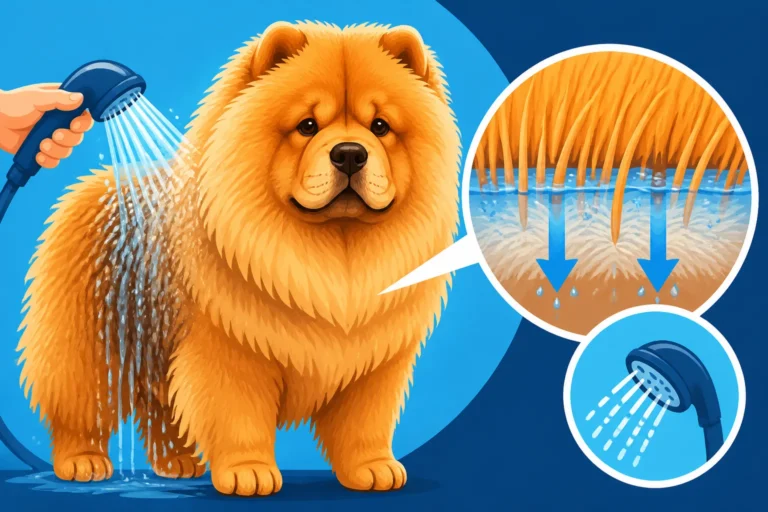
Bathing also needs careful consideration. Their skin might be drier, so use a gentle, moisturizing shampoo. Ensure they are thoroughly dried afterward, as dampness trapped in their dense coat can lead to skin infections, especially in an older dog with a potentially weaker immune system. If your Chow has significant mobility issues, professional groomers experienced with senior dogs can be a lifesaver. They often have specialized equipment, like walk-in tubs, and the expertise to handle older, more sensitive dogs safely and comfortably.
Addressing Common Senior Skin Issues
Beyond changes in coat texture, aging Chow Chows are susceptible to a range of skin issues that demand vigilant care. Their skin can become thinner, less elastic, and drier, making it more prone to irritation, flakiness, and wounds. Decreased immune function also means they might be more susceptible to infections. Regularly inspect their skin during grooming for any redness, bumps, lesions, or areas of hair loss, which could indicate underlying problems.
One common issue is skin fold dermatitis, especially in the wrinkles around their face or tail base, which can worsen if they have reduced mobility and can't groom themselves as effectively. Keeping these areas clean and dry with pet-safe wipes can prevent moisture and bacteria from building up. Older dogs are also prone to developing benign skin growths, like fatty tumors (lipomas) or warts. While often harmless, any new lump or bump should always be examined by a veterinarian to rule out anything more serious.
Dry, flaky skin can be alleviated with a hydrating shampoo and conditioner, as well as by adding Omega-3 fatty acid supplements to their diet. If they develop hot spots, those intensely itchy, red, weeping lesions, prompt treatment from your vet is necessary to prevent them from spreading. Overall, regular inspection, appropriate grooming, and a proactive approach to any skin changes are crucial for keeping your senior Chow Chow comfortable and free from dermatological distress.
Addressing Vision and Hearing Loss
It’s heartbreaking to realize your once-alert Chow Chow isn't seeing or hearing the world quite the same way anymore. Sensory decline is a natural part of aging for many dogs, and for a breed with naturally deep-set eyes, like the Chow Chow, visual changes can be particularly impactful. Adapting our interactions and their environment becomes paramount to ensure they feel safe and secure.
Signs of Declining Eyesight in an Older Chow
Chow Chows are already known for their somewhat limited peripheral vision due to their deep-set eyes and facial structure. As they age, this can worsen. You might start to notice your senior Chow Chow bumping into furniture in familiar surroundings, hesitating before descending stairs, or becoming more reluctant to go outside in dim light or unfamiliar places. Their eyes might appear cloudy or bluish, a condition often referred to as nuclear sclerosis, which is a normal age-related change and typically doesn't cause significant vision loss. However, it can sometimes be confused with cataracts, which do impair vision more severely.
Other signs of declining eyesight include a startle reflex when approached from their blind spots (sides or rear), difficulty locating dropped treats, or an increased reliance on their sense of smell and hearing to navigate. They might become more hesitant to explore new areas or seem generally less confident in their movements. You can often test their vision simply by gently tossing a cotton ball or a soft toy their way from a short distance and observing if they track it.
Any sudden onset of blindness or severe vision impairment could also be a symptom of more serious conditions like glaucoma (which Chow Chows are unfortunately prone to) or even brain tumors, and warrants immediate veterinary attention. Regular eye check-ups are essential for senior Chows to catch and manage these conditions early. Whether an Aging Chow Chow's Eyes Cloud discusses these visual changes in more detail.
Coping with Hearing Loss and Communication
Just like vision, hearing loss is a common age-related issue in dogs, and your Chow Chow is no exception. It often starts subtly, with them seeming to ignore you or not responding to commands they once knew perfectly. They might sleep more soundly and not wake to familiar household noises, or they might not hear the doorbell or a knock. You might find yourself raising your voice, only to realize they simply aren't registering the sound.
Coping with a deaf or hard-of-hearing Chow Chow requires adjusting your communication methods. Instead of relying solely on verbal cues, start incorporating more hand signals. If you've trained them with hand signals from a young age, this transition will be much smoother. If not, now is the time to start. Use clear, consistent gestures for common commands like "sit," "stay," "come," and "potty." You can also use vibrations as cues – a gentle tap on the floor with your foot, or a vibrate-only collar (never a shock collar) for recall in a fenced area.
Approaching a deaf Chow Chow needs care; never startle them. Always make your presence known before touching them, perhaps by stomping your foot a few times to create vibrations they can feel, or by letting them see you approach from their field of vision. This prevents them from being startled, which could lead to an unintended defensive reaction. Patience, repetition, and a loving, consistent approach are key to maintaining a strong bond and effective communication. More on this topic can be found in Deafness in an Aging Chow Chow.
Creating a Safe Environment for Sensory Impairment
When your Chow Chow's senses start to decline, their world can become confusing and even frightening. Creating a safe, predictable, and supportive environment is crucial for their well-being. The first rule: don't rearrange the furniture! Dogs with impaired vision and hearing rely heavily on their spatial memory and the layout of their familiar surroundings. Moving things around can cause anxiety, bumps, and falls. If you absolutely must move something, do it gradually and guide them around the new obstacle several times.
Establish clear, consistent pathways throughout the house, free of clutter, throw rugs that can slip, or anything they might trip over. Use scent markers, like a few drops of essential oil (diluted and dog-safe, like lavender) on furniture legs or door frames, to help guide them. Baby gates can be useful for blocking off dangerous areas like staircases or preventing them from wandering into rooms where they might get disoriented.
For outdoor access, ensure your yard is securely fenced. A dog with poor vision or hearing could easily get lost or injured if they wander off. When taking them for walks, always use a leash, even in seemingly safe areas, as they won't be able to hear approaching cars or other dangers. Consider investing in a harness over a collar for better control and less strain on their neck. Ultimately, a safe environment is one that anticipates their challenges and removes potential hazards, allowing them to navigate their familiar world with confidence.
Veterinary Care: The Lifeline for Senior Chows
As our Chow Chows age, their need for veterinary care increases dramatically. What was once an annual check-up now evolves into a more frequent and comprehensive health monitoring plan. This proactive approach is the single most important thing you can do to ensure their comfort and prolong their happy years.
Increased Frequency of Vet Visits
When your Chow Chow is younger, an annual vet visit for vaccinations and a general check-up might suffice. However, once they cross that threshold into their senior years – typically around 7 or 8 – most veterinarians recommend increasing the frequency of check-ups to twice a year, or even more often if they have pre-existing conditions. This increased vigilance is not just about catching problems early; it's about staying ahead of them.
Why the increased frequency? Diseases like arthritis, kidney disease, heart conditions, and certain cancers are much more prevalent in older dogs. Catching these conditions in their earliest stages, when symptoms might be subtle or non-existent, often allows for more effective treatment, better management, and a higher quality of life for a longer period. A condition that might be manageable with medication if caught early could become debilitating if left unnoticed for another six months.
These regular visits allow your vet to monitor chronic conditions, adjust medications as needed, and perform routine screenings that are tailored to the aging canine. It also provides an opportunity for you, the owner, to discuss any subtle changes you've observed in your Chow Chow's behavior, appetite, or mobility, no matter how insignificant they might seem. These conversations are crucial in piecing together a comprehensive health picture for your aging companion. For specific recommendations, check out How Often a Chow Chow Needs a Wellness Exam.
Understanding Common Senior Health Screenings
Beyond the physical examination, senior vet visits often include a battery of diagnostic tests designed to detect age-related conditions. Bloodwork is almost always a part of this. A complete blood count (CBC) can reveal anemia, inflammation, or infection, while a blood chemistry panel assesses organ function, including the kidneys, liver, and pancreas. These tests are invaluable because they can flag internal issues long before outward symptoms appear.
Urinalysis is another critical screening tool. It can detect urinary tract infections, kidney disease, and even diabetes. Early detection of kidney issues, for instance, allows for dietary changes and medication that can slow the progression of the disease. Your vet might also recommend thyroid testing, as hypothyroidism (low thyroid function) is not uncommon in older Chows and can cause lethargy, weight gain, and coat problems.
Depending on your Chow Chow's specific history and any symptoms you've noticed, your vet might also suggest X-rays to check for arthritis or other orthopedic problems, or even an ultrasound to get a closer look at internal organs. Eye pressure checks can be important, given the Chow Chow's predisposition to glaucoma. While the costs of these tests can add up, think of them as an investment in your dog's future comfort and health. Early detection often means less invasive and less expensive treatments down the road. You can see What a Chow Chow's Yearly Bloodwork Should Cover for more details.
Managing Chronic Conditions
Unfortunately, chronic conditions are often a reality for senior Chow Chows. Conditions like arthritis, heart disease, kidney disease, and diabetes require ongoing management, which can be a significant commitment. The good news is that with proper veterinary care, many of these conditions can be managed effectively, allowing your Chow Chow to live comfortably for years.
Managing arthritis, for example, might involve a combination of anti-inflammatory medications, joint supplements, weight management, and physical therapy. Heart disease might require daily medications to support heart function and manage fluid retention. Kidney disease often involves a special prescription diet, fluid therapy, and medications to support kidney function. The specific treatment plan will be highly individualized, based on the severity of the condition and your Chow Chow's response to therapy.
This stage of life requires a very close partnership with your veterinarian. You'll need to be diligent about administering medications, following dietary recommendations, and closely monitoring your Chow Chow for any changes or side effects. Don't hesitate to ask questions or express concerns. Your vet is there to guide you through this process, helping you make informed decisions about your Chow Chow's care. While the medical bills can be a concern, managing chronic conditions proactively can prevent more severe, crisis-level situations that might incur even higher costs. Understanding What an Aging Chow Chow's Bills Look Like can help you budget for this important phase.
Mental Stimulation and Emotional Well-being
It's easy to focus on the physical health of our senior Chow Chows, but their mental and emotional well-being are just as critical for a rich and fulfilling life. A happy senior Chow Chow isn't just one free from pain, but one who feels loved, secure, and mentally engaged.
Why Mental Engagement Remains Crucial
Just as human seniors benefit from staying mentally active, so too do our aging Chow Chows. As their physical capabilities decline, it's tempting to let them simply "rest," but a lack of mental stimulation can lead to boredom, anxiety, and even accelerate cognitive decline. Their brains need exercise just like their bodies. Without it, they might become withdrawn, restless, or display increased signs of canine cognitive dysfunction.
Keeping their minds engaged helps maintain neural pathways, encourages problem-solving skills, and provides a sense of purpose and routine. It can also help combat feelings of confusion or anxiety that might arise from sensory loss or general aging. For a breed known for its intelligence and independent spirit, a sense of mental activity is especially important. They might not be chasing squirrels anymore, but they can still enjoy figuring things out.
Moreover, mental engagement strengthens the bond between you and your senior Chow. These shared activities, even if simple, reinforce their place in the family and provide positive interaction, which is vital for their emotional health. It reminds them that they are still valued and loved, even if they can't do all the things they used to.
Gentle Activities to Keep Their Minds Active
The key to mental stimulation for a senior Chow Chow is gentleness and short, positive sessions. Forget complex agility courses; think instead about activities that engage their senses and problem-solving skills without putting strain on their bodies. Scent games are fantastic for older dogs, as their sense of smell often remains strong even as vision and hearing decline. Hide treats or their favorite toy in easy-to-find locations around the house and encourage them to "find it." This taps into their natural instincts and is incredibly rewarding.
Puzzle toys, which require a dog to manipulate them to release treats, are another excellent option. Start with easier puzzles and gradually introduce more challenging ones as they get the hang of it. You can even make your own by putting treats in a muffin tin and covering each compartment with a tennis ball, or by wrapping treats in a towel for them to unroll. Always supervise to ensure they don't get frustrated or chew on the toy excessively. Many puzzle toys suitable for senior dogs are available through Chewy or Amazon.
Even short, gentle training sessions, reviewing basic commands with hand signals and positive reinforcement, can keep their minds sharp. Learning new, simple tricks can also be mentally stimulating. The goal is to make it fun and rewarding, not stressful. Five to ten minutes of focused mental work a few times a day can make a huge difference in their overall happiness and cognitive function.
Maintaining Routine and Comfort
For an aging Chow Chow, predictability and routine provide immense comfort and reduce anxiety, especially if they are experiencing sensory loss or cognitive decline. Sticking to a consistent schedule for meals, potty breaks, walks, and bedtime helps them understand what to expect and feel secure in their environment. Disruptions to routine can be very unsettling and lead to increased stress.
Their comfort also extends to their sleeping arrangements. Ensure they have a comfortable, easily accessible orthopedic bed in a quiet, draft-free spot where they feel safe. If they are prone to getting cold, especially if their coat has thinned, a soft blanket can provide extra warmth and coziness. Whether an Aging Chow Chow Feels the Cold suggests that indeed they may become more sensitive to temperature.
Emotional comfort also comes from consistent, loving interaction. Even if your Chow Chow is more aloof, they still cherish their bond with you. Gentle petting, quiet conversation, and simply being present with them can provide profound emotional support. Avoid loud noises, chaotic environments, or excessive handling, especially if they are arthritic or sensitive. Creating a calm, predictable, and loving home is the best way to support your senior Chow Chow's emotional well-being, ensuring their golden years are filled with peace and contentment.
The Emotional Toll: Saying Goodbye and Grieving
This is perhaps the hardest part of sharing our lives with dogs: the inevitable goodbye. Caring for an old Chow Chow eventually leads to confronting difficult decisions and processing deep grief. It's a journey no owner wants to take, but one that is important to approach with love, understanding, and preparedness.
Recognizing Quality of Life Changes
One of the most agonizing aspects of having a senior Chow Chow is discerning when their quality of life has significantly diminished. It’s not just about a single symptom, but a constellation of factors. Are they still able to enjoy their favorite activities, even in a modified way? Do they greet you with enthusiasm, however subdued? Are they eating, drinking, and eliminating comfortably?
A useful framework for evaluating quality of life is often referred to as the "HHHHHMM" scale: Hurt, Hunger, Hydration, Hygiene, Happiness, Mobility, and "More good days than bad."
- Hurt: Is their pain adequately controlled, or are they constantly suffering despite medication?
- Hunger: Are they eating enough, or refusing food consistently?
- Hydration: Are they staying hydrated, or refusing water?
- Hygiene: Are they able to keep themselves clean, or are they having frequent accidents and lying in soiled areas?
- Happiness: Are they still engaging with life, or are they withdrawn, depressed, or anxious?
- Mobility: Can they move around without constant struggle or pain?
- More good days than bad: This is perhaps the most critical. Are the majority of their days filled with moments of joy and comfort, or are the bad days outweighing the good?
Be honest with yourself and consult your veterinarian. They can offer an objective perspective and help you assess their overall condition. It's an incredibly difficult conversation, but focusing on their comfort and dignity is the ultimate act of love.
Making End-of-Life Decisions
Making the decision to say goodbye is arguably the most selfless and agonizing choice a pet owner can face. It’s a decision born out of love, not abandonment, and it's about preventing further suffering. This isn't a single event but often a process, and it's perfectly normal to second-guess yourself countless times. Talk openly and honestly with your veterinarian about your Chow Chow's prognosis, pain management options, and what a peaceful transition would look like.
Consider a hospice care approach if appropriate, which focuses on palliative care to maximize comfort in their final weeks or months. This might involve additional pain medication, fluid therapy, or appetite stimulants. When the time comes, many veterinary clinics offer in-home euthanasia, allowing your Chow Chow to pass peacefully in their familiar surroundings, surrounded by the people they love most. This can reduce stress for both you and your dog, making the experience as gentle as possible.
Remember, this decision is yours to make, and it's deeply personal. Don't let guilt or the fear of judgment from others overshadow your Chow Chow's needs. You have provided them with a lifetime of love and care, and ensuring their comfort and peaceful passing is the final, profound act of that commitment.
Coping with Loss and Finding Support
The grief experienced after losing a beloved Chow Chow is real, profound, and often misunderstood by those who haven't experienced it. Allow yourself to feel that grief. It's okay to cry, to be angry, to feel lost. Your Chow Chow was a member of your family, a constant companion, and their absence leaves a huge void. Don't try to rush through the grieving process or suppress your emotions.
Find ways to honor their memory. This could be creating a photo album, planting a tree in their name, donating to a Chow Chow rescue in their honor, or keeping a special item of theirs, like their collar or a favorite toy. Talking about your Chow Chow, sharing stories, and remembering the joy they brought into your life can be incredibly therapeutic.
Seek support from understanding friends, family members, or pet loss support groups. Many communities and online forums offer resources specifically designed to help people cope with the loss of a pet. Remember that you are not alone in your sorrow. The depth of your grief is a testament to the immense love you shared. Allow yourself time to heal, and know that the love you had for your Chow Chow will always be a part of you. The good times you shared will eventually overshadow the sadness of their departure.
Disclaimer
This article is for general informational purposes only and does not constitute professional advice. Laws, prices and regulations vary by location and change over time. Consult a qualified professional for guidance on your specific situation.