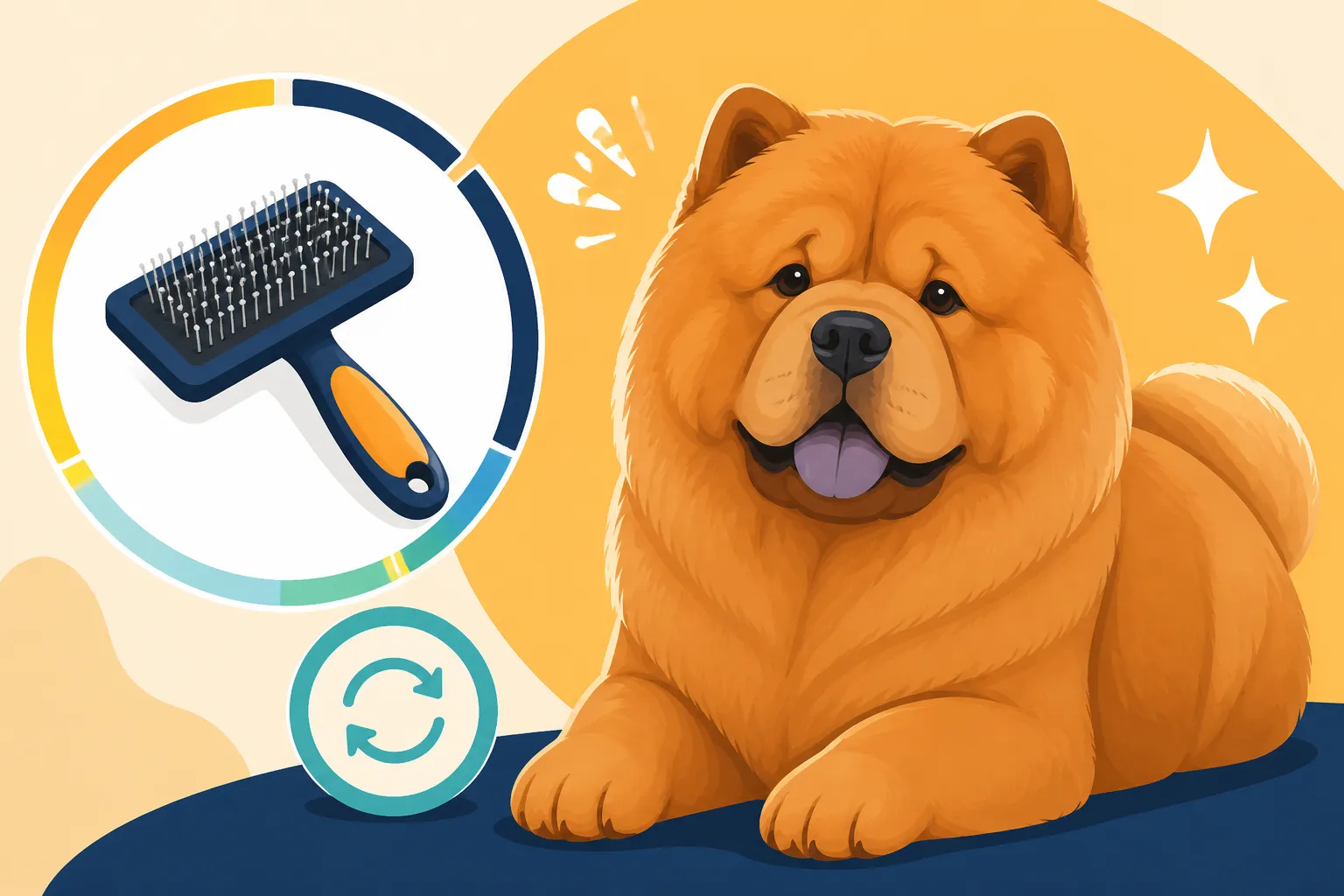
How Often a Smooth Coated Chow Chow Needs Brushing
Many new Chow Chow owners, or those simply admiring these magnificent dogs, assume that a smooth-coated Chow is somehow easier to care for than their plush, lion-maned rough-coated counterparts. The reality, however, is that while the smooth coat might look less demanding, it still requires consistent attention to stay healthy and free of issues. This guide will walk you through the true grooming needs of a smooth Chow Chow, offering realistic advice for keeping their unique double coat in top condition.
Dispelling Myths: What Exactly is a Smooth Chow Chow Coat?
It’s easy to look at a sleek, smooth-coated Chow Chow and imagine a life free from the endless brushing associated with their rough-coated brethren. But that's a common misconception, and one that can lead to unexpected grooming challenges if you're not prepared. The truth is, a smooth Chow Chow, despite its name, is still a very much a double-coated breed with all the inherent responsibilities that entails.
The Double-Coated Reality: Inner and Outer Layers
Just like the rough coat, a smooth Chow Chow’s coat is composed of two distinct layers: a dense, woolly undercoat and a coarser, straight outer coat. The outer guard hairs are what give the coat its "smooth" appearance, lying flatter and often appearing shorter than those of a rough coat. This outer layer acts as protection from the elements, shielding the undercoat and skin from dirt, moisture, and sun. The undercoat, on the other hand, is all about insulation, keeping your Chow warm in winter and helping to regulate their body temperature in cooler weather. Many people only see the outer layer and mistakenly believe there's no substantial undercoat to contend with, but nothing could be further from the truth. Understanding What a Chow Chow's Double Coat Is Made Of is crucial to proper care.
This hidden depth is why a smooth coat isn't a "wash and wear" affair. The undercoat, though less voluminous than in a rough coat, is still incredibly dense and prone to trapping loose hair. If not properly brushed out, this dead undercoat can quickly mat against the skin, leading to skin irritation, hot spots, and general discomfort for your Chow Chow. Imagine wearing a heavy wool sweater under a slicker jacket that you never take off or air out – that's what it can feel like for your dog if their undercoat isn't maintained.
How a Smooth Coat Differs from a Rough Coat
The primary difference between a smooth and a rough Chow Chow coat lies in the length and texture of the outer guard hairs. A rough coat boasts a profuse, stand-off coat with a distinct mane and feathering, giving it that iconic lion-like appearance. A smooth coat, by contrast, has shorter, harder, and denser guard hairs that lie much flatter to the body. There's less "fluff" and no prominent mane, ruff, or feathering on the legs and tail. This difference in length is significant when it comes to visual matting; mats in a rough coat are often more visible on the surface, while those in a smooth coat can hide deeper within the dense undercoat, closer to the skin, making them harder to detect without proper technique.
However, beneath that surface, the fundamental structure remains the same: both types are double-coated. This means both smooth and rough Chows require regular grooming to manage shedding and maintain skin health. While you might not spend as much time on a smooth coat as you would on a rough one, the type of grooming tools and the thoroughness required to reach that dense undercoat are very similar. Don't be fooled by the sleek exterior; the smooth coat is simply a different packaging for the same core grooming needs. It’s important to understand How a Rough Chow Chow Differs From a Smooth to set realistic expectations.
Why "Smooth" Doesn't Mean "No Shedding"
Let's get this straight: a smooth-coated Chow Chow sheds. A lot. They have an undercoat, and undercoats shed. While the individual hairs might be shorter and less prone to floating around the house like dandelion fluff compared to a rough coat, the sheer volume of hair that comes off a smooth Chow can still be astounding. Many owners, picturing a short-haired dog, are utterly unprepared for the tumbleweeds of Chow hair that can accumulate, especially during seasonal shedding periods.
The dense undercoat is constantly regenerating and dying off, and those dead hairs need to be removed to allow new, healthy hair to grow. If they aren't brushed out, they stay trapped in the coat, leading to matting, dullness, and skin issues. So, while you might not have the dramatic "hair explosions" of a rough coat on a daily basis, you will absolutely still have hair – and plenty of it – especially if you skip regular brushing. Thinking a smooth coat means less shedding is a dangerous myth that can lead to an uncomfortable dog and an unnecessarily hairy home. You might also want to look into Whether a Smooth Chow Chow Still Has an Undercoat for more detailed information.
The Core Routine: How Often to Brush Your Smooth Chow
Now that we’ve cleared up the myths, let’s talk about the practical side of things. Consistency is truly the keyword here when it comes to brushing a smooth-coated Chow Chow. You can’t just wait until you see clumps of hair or feel mats; by then, you’re already behind the curve. Developing a routine early on, ideally when they’re puppies, will make life much easier for both you and your dog.
Weekly Maintenance: The Baseline for Healthy Coats
For general maintenance and to prevent minor tangles and shedding build-up, a smooth-coated Chow Chow should ideally be brushed thoroughly at least once a week. This isn't a quick once-over with a soft brush; it means getting down to the skin and working through the dense undercoat. Regular weekly sessions achieve several important goals: they remove dead hair before it can mat, distribute natural skin oils for a healthy sheen, and allow you to inspect your dog's skin for any issues like redness, bumps, or parasites.
Think of it as preventive care. Missing a week might not seem like a big deal, but those dead hairs don't just disappear. They weave themselves into the healthy coat, forming the beginnings of mats that become exponentially harder to remove later. A consistent weekly brush, lasting anywhere from 20 to 45 minutes depending on the dog and the tools you use, can save you hours of struggle, potential trips to the groomer for dematting, or even costly veterinary visits for skin problems. It also reinforces the bond between you and your Chow, turning grooming into a positive, predictable experience.
Seasonal Adjustments: Preparing for Coat Blows
While the weekly routine is your baseline, a smooth-coated Chow Chow, like all double-coated breeds, experiences seasonal "coat blows" or periods of heavy shedding. These typically occur twice a year, usually in spring to shed the thick winter coat and in autumn to prepare for the lighter summer coat. During these times, that weekly brushing schedule simply won't cut it. You'll need to step up your game significantly. When a Chow Chow Blows Its Coat is a good time to double down on your efforts.
During a coat blow, you should aim to brush your smooth Chow Chow every two to three days, or even daily for particularly heavy shedding periods. The goal during these times is to proactively remove as much loose undercoat as possible. If you don't, that shedding hair will get trapped, quickly form dense mats, and make your Chow incredibly uncomfortable. You’ll know a coat blow is happening when you see significantly more hair coming out with each stroke of the brush, and likely more Chow Chow glitter around your home. Investing extra time during these periods will keep your dog comfortable and prevent major matting.
Spot Brushing for Specific Needs and Problem Areas
Beyond the regular full-body brushing, there will be times when you need to do some "spot brushing." This is particularly true if your Chow Chow enjoys rolling in the grass, going for a romp in dusty areas, or has any dampness on their coat from rain or a quick dip. The areas most prone to matting, even in a smooth coat, tend to be behind the ears, under the armpits, and around the "britches" area (the fur on the hind legs).
Take a few minutes daily, or every other day, to quickly check these areas, especially after outdoor adventures. If you find a small tangle, gently work it out immediately with a comb or a slicker brush before it has a chance to tighten and become a full-blown mat. This proactive approach is far less stressful for your Chow and much easier for you than tackling a large, tight mat later. It's also a good practice to quickly brush after a bath, ensuring the coat dries evenly and doesn't clump.
Here's a quick reference for brushing frequency:
| Coat Type | Regular Maintenance | During Coat Blows | Spot Brushing |
|---|---|---|---|
| Smooth Chow | Once a week, thorough | 2-3 times a week, or daily | Daily check of high-friction areas |
| Rough Chow | 2-3 times a week, thorough | Daily, extensive | Daily check of mane, britches, ears |
Assembling Your Smooth Coat Grooming Arsenal
You wouldn't try to bake a cake without the right ingredients, and you certainly shouldn't try to groom your smooth Chow Chow without the proper tools. Having the right brushes and combs makes all the difference, turning a potentially frustrating chore into a more manageable, even enjoyable, routine for both of you. Don't fall into the trap of thinking any old brush will do; the unique density of a Chow Chow's coat demands specific equipment.
The Must-Have Brushes and Combs
For a smooth-coated Chow Chow, your primary tools will be a good quality slicker brush and a sturdy metal comb. The slicker brush, with its fine, angled wire bristles, is excellent for working through the undercoat and pulling out loose hair. Look for one with coated tips if your Chow has sensitive skin, but the standard wire bristles are generally very effective. You’ll want a size appropriate for your dog, allowing you to cover ground efficiently without causing discomfort.
Secondly, a robust metal comb with both wide and fine teeth is indispensable. This is your mat-checking tool. After using the slicker brush, run the comb through the coat, starting with the wide-toothed side. If the comb glides through easily, you’ve done a good job. If it snags, you know there’s still loose hair or a small tangle that needs attention. The fine-toothed side is great for smaller areas like behind the ears. Some groomers also swear by a de-shedding tool during coat blows, but use these sparingly and correctly, as over-use can damage the coat. Which Brush a Chow Chow Needs will go into more detail on specific types.
Essential Accessories for a Tidy Chow
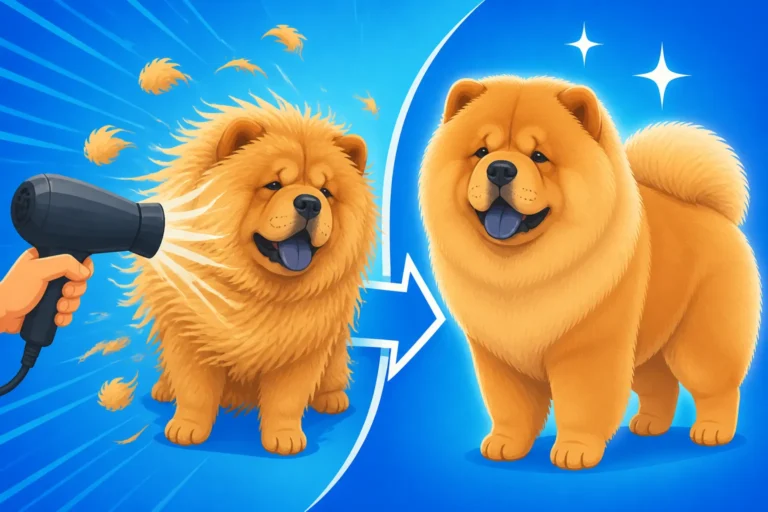
Beyond the brushes, a few other items will make your grooming sessions smoother. A high-velocity dryer, while an investment, is a game-changer, especially during coat blows or after baths. It blasts loose hair out of the coat incredibly effectively and helps ensure the undercoat is completely dry, preventing skin issues. Even for a smooth coat, thorough drying is critical. You’ll also want a good quality shampoo and conditioner designed for double coats – something gentle and moisturizing.
Don't forget nail clippers or a Dremel for nail trims, ear cleaner for routine ear checks, and some soft, absorbent cloths for wiping face folds if your Chow has them. Finally, a non-slip mat or grooming table can make the process much more comfortable for both of you, especially if your Chow Chow is a bit fidgety. A table elevates your dog to a comfortable working height and reduces strain on your back.
Where to Find Quality Grooming Supplies
Finding these tools isn't hard, but choosing quality is important. You want tools that will last and be effective without hurting your dog. Large online retailers like Chewy and Amazon are fantastic resources, offering a wide array of brands and price points, along with reviews from other pet owners. You can often find professional-grade tools there that might be harder to locate in a standard pet store. Look for brands known for durability and effectiveness.
Specialty pet supply stores or dedicated grooming suppliers can also be excellent. While they might have a slightly smaller selection, the staff often have firsthand experience and can offer personalized recommendations for your Chow Chow's specific coat type and temperament. Don't be afraid to ask for advice – a good pet supply store employee can be a wealth of knowledge. Sometimes, your professional groomer might also have specific brand recommendations or even sell their preferred tools directly.
Mastering the Art of Smooth Coat Brushing
Brushing a smooth-coated Chow Chow isn't just about moving a brush over their fur; it's a technique. If you simply skim the surface, you’ll miss the vast majority of the loose undercoat, and your efforts will be largely in vain. Learning how to properly brush, and making it a positive experience, is key to success.
Line Brushing: Getting to the Undercoat
The most effective method for brushing a double-coated dog, including a smooth Chow Chow, is called "line brushing." This technique ensures you reach all the way down to the skin, removing dead undercoat that otherwise would remain trapped. To line brush, you’ll want to part your dog's coat, exposing a small line of skin. Then, you brush down from that line, working in small sections, always brushing the hair up and then gently brushing down, ensuring the bristles of your slicker brush touch the skin.
You start at one end of the dog – usually a leg or the hindquarters – and work your way across and up the body, section by section, gradually moving your parting line as you go. Imagine you're drawing invisible lines across your dog's body, brushing each "line" thoroughly. This systematic approach prevents you from missing spots and ensures you're clearing out that dense undercoat. It takes patience and consistency, but it's the only way to truly groom a double coat effectively. How to Line Brush a Chow Chow provides a more detailed breakdown of this essential technique.
Making it a Positive Experience: Training and Patience
For many Chow Chows, especially if not introduced to grooming early, brushing can be a point of contention. They are independent and can be resistant to handling. The key is to start early, make sessions short and positive, and use plenty of high-value treats and praise. Don't try to tackle an hour-long grooming session with a puppy; aim for five or ten minutes, focusing on one small area, and then quit while they're still happy. Slowly build up the duration as they get used to it.
Desensitize your Chow to the tools. Let them sniff the brush, offer a treat, and then gently touch it to their fur. Reward calm behavior consistently. If they show signs of discomfort or aggression, stop, calm them, and try again later or in a different way. Never force the issue, as this can create a negative association that’s very hard to break with a Chow Chow. Consider having "happy vet visits" or "happy groomer visits" where your puppy goes just to get treats and positive attention, so they associate handling with good things. This also ties into Teaching a Chow Chow to Be Brushed effectively.
Handling Mats and Tangles in a Smooth Coat
Even with regular brushing, a smooth-coated Chow Chow can still develop mats, especially during coat blows or if they get wet and aren't dried thoroughly. The crucial thing is to address them before they become large, painful clumps. Small mats can often be gently worked out with your metal comb. Start by holding the mat at the base (close to the skin) to minimize pulling on the skin, then use the wide-toothed side of the comb to gently tease apart the outer edges of the mat, working your way inward.
For more stubborn mats, a mat splitter or a dematting rake can be useful, but use these with extreme caution as they have sharp blades and can easily cut your dog's skin if not used correctly. Never try to pull or rip through a mat, as this will be incredibly painful for your Chow Chow. If a mat is very tight, close to the skin, or extensive, it's always best to consult a professional groomer or veterinarian. They have the right tools and expertise to safely remove mats, even if it means shaving them out. Remember, a matted coat can lead to severe skin infections and discomfort, so don't let it go unchecked.
Navigating the Dreaded "Coat Blow" with a Smooth Chow
Just because your Chow Chow has a smooth coat doesn't mean you're exempt from the infamous "coat blow." This seasonal shedding event is a fundamental aspect of owning a double-coated breed, and it will happen, regardless of coat length. Being prepared for it will save you a lot of headache and keep your Chow more comfortable.
The Seasonal Shed: Expecting the Unexpected
Smooth Chows, like their rough-coated relatives, typically undergo two major coat blows a year. One happens in the spring, where they shed their thick winter undercoat to make way for a lighter summer coat. The other occurs in the autumn, as they shed their summer coat and grow in a denser one for winter. These periods can last for several weeks, and during this time, the amount of loose hair coming off your Chow will increase dramatically. You might feel like you could knit a whole new Chow Chow with the amount of fluff you collect!
Many smooth Chow owners are caught off guard by the sheer volume of hair during a coat blow, having underestimated the density of the undercoat. It’s not just a little extra shedding; it's a significant process where your dog essentially replaces a large portion of their insulating layer. You might notice clumps of hair appearing in your home, or your Chow might look a bit "patchy" as old hair comes out. This is a natural process, but it requires your active participation to help facilitate it.
Strategies for Managing the Massive Shed
During a coat blow, your regular weekly brushing routine needs a serious upgrade. You'll want to brush your smooth Chow Chow every day, or at least every other day, with a focus on thoroughly line brushing to extract as much of that dead undercoat as possible. A high-velocity dryer can be incredibly helpful during this time, as it physically blows out loose hair and helps to separate the coat, making it easier for your brush to reach the skin. Many owners take their Chows outside to brush and use the dryer during coat blows to contain the flying fur.
Consider also a professional de-shedding bath and groom. Professional groomers have specialized shampoos, powerful dryers, and techniques to help strip out the dead undercoat much more efficiently than you can at home. While an added expense, it can significantly reduce the duration and intensity of the coat blow, giving you a cleaner house and a happier dog. Think of it as hitting the "reset" button on their coat.
Why Shaving is Never the Answer, Even During a Blow
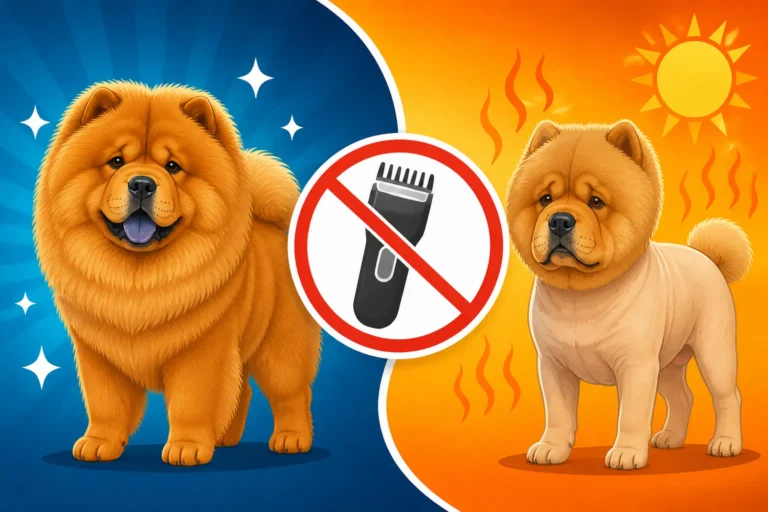
It might be tempting, especially during a scorching summer or a particularly heavy coat blow, to shave your smooth-coated Chow Chow. You might think it will keep them cooler or reduce shedding. Please, please, please resist this urge. Shaving a double-coated breed like a Chow Chow is detrimental to their health and coat in the long run. Why a Chow Chow Must Never Be Shaved explains this in detail.
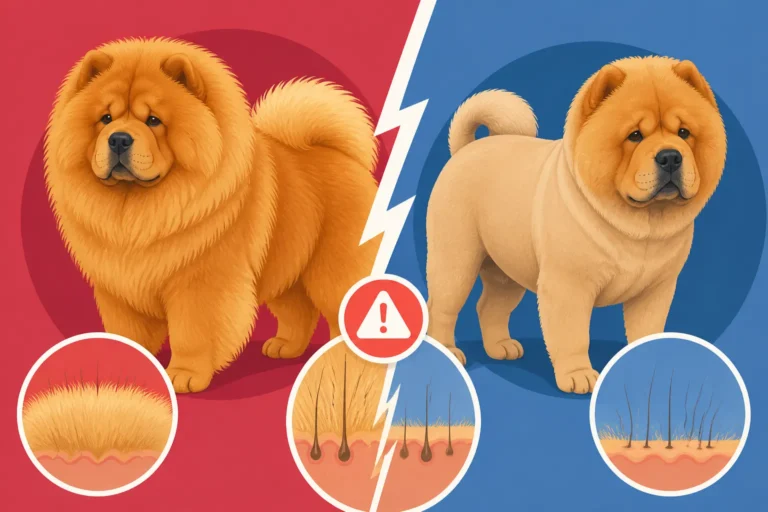
Their double coat is designed by nature to insulate them from both heat and cold. The outer guard hairs protect from UV rays and insects, while the undercoat helps regulate temperature. When you shave it off, you remove their natural insulation and sun protection. This can lead to sunburn, heatstroke (as their body struggles to regulate temperature), and an increased risk of skin cancer. Moreover, the coat often grows back incorrectly – sometimes patchy, sometimes with the undercoat growing faster and coarser than the guard hairs, leading to a "blown" or damaged coat texture that never quite recovers its original quality. It might feel cooler to you, but it actually disrupts your dog's natural cooling system, making them more vulnerable.
Beyond the Brush: Comprehensive Smooth Coat Care
While brushing is undeniably crucial for a smooth-coated Chow Chow, it's just one piece of the puzzle. A truly healthy and well-maintained coat (and dog!) comes from a holistic approach that includes proper bathing, nutrition, and knowing when to seek professional help.
Bathing for Optimal Coat Health
Bathing a smooth Chow Chow isn't an everyday event, but it's an important part of their overall coat care. Too frequent bathing can strip natural oils, leading to dry skin and a dull coat, but infrequent bathing can allow dirt, dander, and oils to build up, contributing to skin issues and matting. Generally, a smooth Chow benefits from a bath every 4-8 weeks, or as needed if they get particularly dirty. During a coat blow, a bath followed by thorough drying and brushing can help loosen and remove dead hair.
When bathing, use a shampoo and conditioner specifically formulated for dogs, ideally one designed for double coats. Make sure to thoroughly rinse out all shampoo and conditioner, as residue can irritate the skin. The most critical step after bathing is drying. You absolutely must dry a Chow Chow's coat completely, down to the skin, using towels and ideally a high-velocity dryer. A damp undercoat creates a perfect breeding ground for bacteria and yeast, leading to hot spots and skin infections. It also promotes matting. Bathing and Drying a Chow Chow's Dense Coat offers extensive guidance on this topic.
Diet and Supplements: Inner Health, Outer Shine
The old adage "you are what you eat" applies just as much to your Chow Chow. A healthy, shiny coat is often a direct reflection of a good diet. Feeding a high-quality, balanced dog food is paramount. Look for foods with real meat as the first ingredient and a good balance of healthy fats, particularly omega-3 and omega-6 fatty acids, which are crucial for skin and coat health. Brands like Ollie, known for fresh, human-grade ingredients, can be an excellent option for promoting overall wellness, which in turn reflects in a lustrous coat.
Sometimes, even with a great diet, some Chows can benefit from supplements, especially if they have dry skin or a dull coat. Fish oil supplements, rich in omega fatty acids, are a popular choice to support skin hydration and coat shine. Biotin and other skin-specific supplements can also be helpful. Always consult your veterinarian before adding any supplements to your Chow Chow's diet to ensure they are appropriate and in the correct dosage.
Professional Help: When to Call in the Experts
Even if you're dedicated to home grooming, there are times when calling in a professional groomer is the best course of action. This is particularly true during heavy coat blows, where a professional de-shedding treatment can make a world of difference. Groomers have specialized equipment, like powerful forced-air dryers and grooming tables, that make the process much more efficient and less stressful for your dog. They also have an eye for identifying potential skin issues you might miss.
Furthermore, if your smooth Chow Chow develops significant matting that you can't safely remove yourself, a professional groomer is your best bet. They can carefully shave out mats without injuring your dog. For specific health concerns related to their coat or skin, like persistent dryness, excessive shedding despite good care, or unexplained patches of hair loss, a visit to your veterinarian is always recommended. They can diagnose underlying health issues that might be manifesting in the coat, such as What Changes in an Aging Chow Chow's Coat or thyroid imbalances. A good team of home care, a professional groomer, and your vet will ensure your smooth Chow Chow always looks and feels their best.
Disclaimer
This article is for general informational purposes only and does not constitute professional advice. Laws, prices and regulations vary by location and change over time. Consult a qualified professional for guidance on your specific situation.