Why a Chow Chow’s Ruff Mats Behind the Ears
If you're a Chow Chow owner, you know the struggle: you reach behind your fluffy companion's ears, and there it is – a stubborn, dense mat, seemingly appearing out of nowhere. This isn't just an aesthetic problem; these mats can cause serious discomfort and even skin issues for your furry friend. This guide will delve into the unique reasons why Chow Chows are so prone to matting specifically behind their ears and provide actionable steps to keep your magnificent lion-dog's coat healthy and tangle-free.
Understanding the Chow Chow's Unique Coat Structure
The Chow Chow's iconic appearance is largely thanks to its magnificent coat, but this very feature also makes it susceptible to matting, particularly in high-friction areas like behind the ears. It's a double-edged sword: that plush, regal look comes with significant grooming responsibilities.
The Double Coat Explained
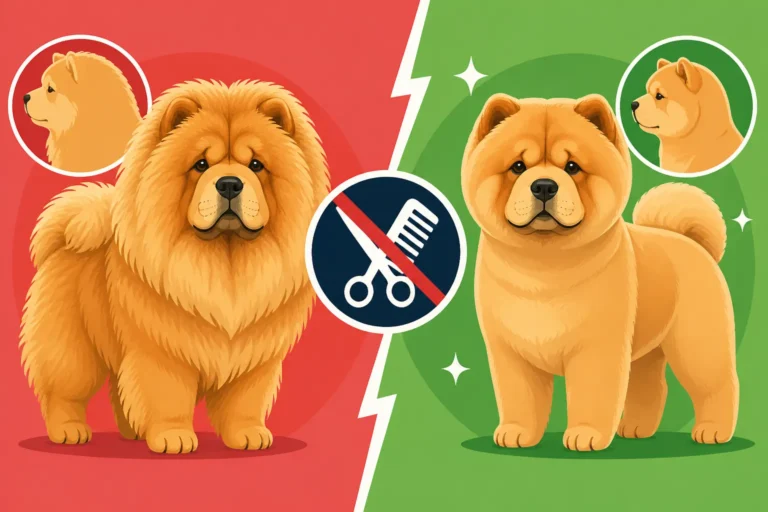
A Chow Chow's coat is a marvel of nature, designed to protect them from harsh weather in their ancestral homelands. It's what we call a "double coat," meaning it consists of two distinct layers. The outer layer, known as the guard hairs, is long, coarse, and relatively straight. These hairs act like a protective shield, repelling water and dirt, and giving the Chow Chow its distinctive "lion's mane" appearance, especially around the head and neck.
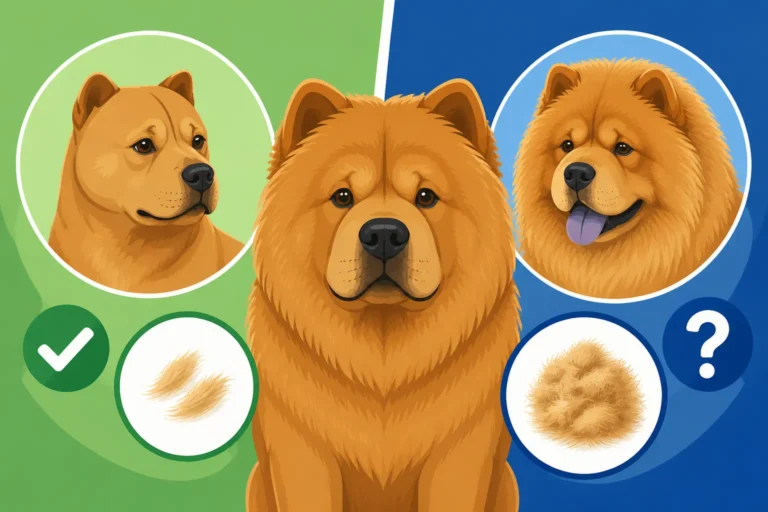
Beneath this impressive outer layer lies the undercoat. This is where things get really dense. The undercoat is soft, fine, and incredibly thick, almost like cotton wool. Its primary job is insulation, keeping the dog warm in winter and helping to regulate body temperature in summer by trapping air. The sheer volume and fineness of this undercoat are the primary culprits in the battle against mats. When these fine undercoat hairs shed but don't get brushed out, they intertwine with living hairs and quickly form dense tangles, which then tighten into mats. This is true for both rough and smooth coated Chows, though the rough coat certainly presents a greater challenge. Rough or Smooth: the Two Chow Chow Coats and What Each Needs goes into more detail about these differences.
The Majestic Ruff and Its Vulnerabilities
The "ruff" is the impressive, dense collar of fur that encircles a Chow Chow's head and neck, often likened to a lion's mane. It's one of the breed's most striking features. While beautiful, this area is exceptionally prone to matting because it combines the most extreme elements of the Chow Chow's coat. Here, the undercoat is at its thickest, and the guard hairs are at their longest, creating a perfect storm for tangles.
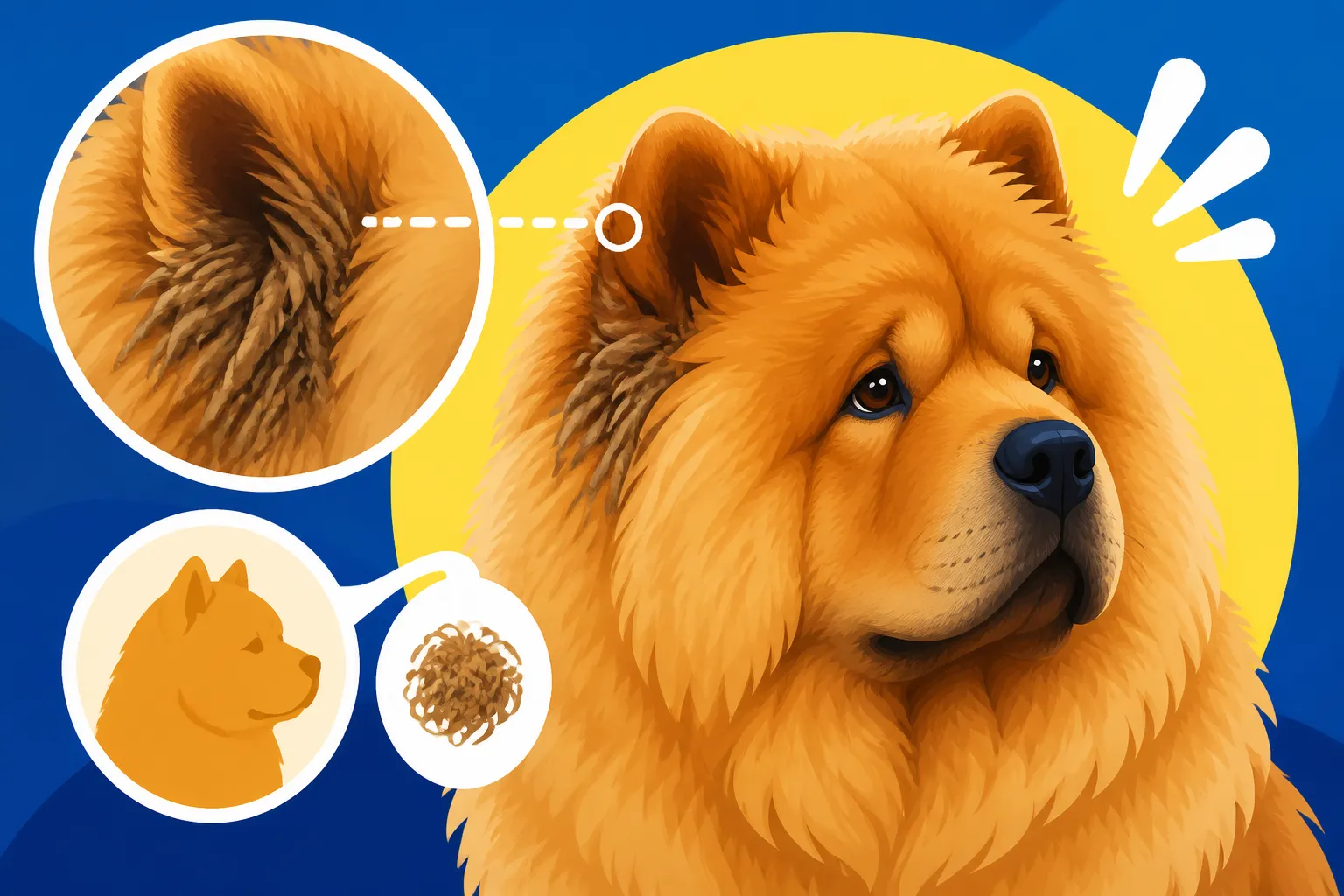
Think about the sheer volume of fur packed into this relatively small, dynamic area. Every head turn, every scratch, every time they rub against furniture or greet you, these hairs are constantly moving, rubbing, and intertwining. The fur behind the ears, in particular, tends to be even finer and softer than the main body coat, making it extra vulnerable to knotting. It's a spot that many owners might miss during a quick brush, or that a less experienced groomer might skim over, but it demands meticulous attention.
Factors Contributing to Matting Behind the Ears
Understanding the coat structure is only half the battle. To effectively combat matting, we need to look at why this specific area is such a problem child. It's a combination of natural canine behaviors, external influences, and sometimes, unintentional grooming oversights.
Friction and Movement
One of the biggest culprits for mats behind the ears is simply friction. Your Chow Chow's head is constantly in motion. They shake their heads, scratch with their hind paws, rub against furniture, and roll on the carpet. All these seemingly innocent actions cause the fine, dense fur behind their ears to rub against itself and other surfaces. This constant friction literally felts the hair together, creating a tight, solid mass.
Beyond natural movement, external items contribute significantly. Collars, especially thick or ill-fitting ones, constantly rub against the fur on the neck and behind the ears. Harnesses, while often better for leash control, can also create friction points if not properly fitted or if your Chow Chow has a particularly plush ruff. Even gentle strokes from you during petting can, over time, push loose undercoat hairs further into the existing coat, compacting them rather than removing them. This is why thorough Brushing a Chow Chow's Mane Down to the Skin is so vital, rather than just skimming the surface.
Moisture and Dirt Traps
Chow Chows, with their deep-set eyes and often slightly wrinkled faces, can sometimes accumulate moisture around their facial area. This moisture, whether from drinking, drooling, or even a damp walk, can easily migrate to the dense fur behind the ears. When this fur gets damp and is then left to dry, especially if it's already starting to tangle, it can "set" the mat in place, making it even harder to brush out. Think of wet wool shrinking and felting – it's a similar process with your Chow Chow's undercoat.
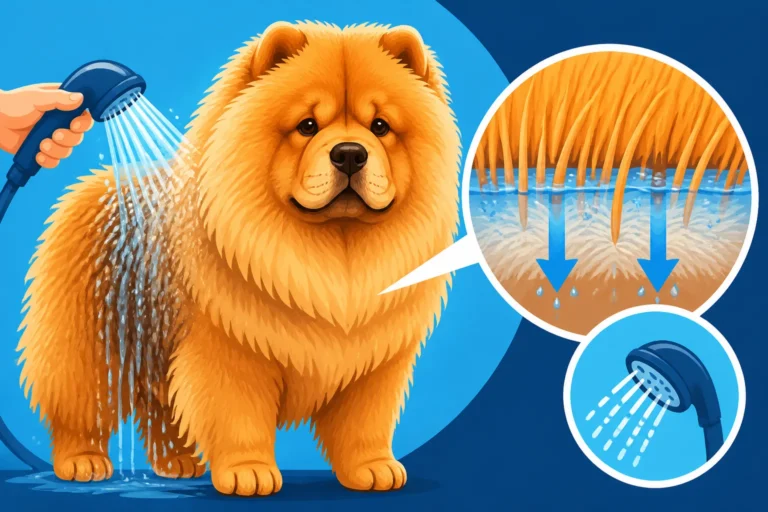
Furthermore, the ruff and the area behind the ears are prime spots for trapping dirt, dust, and environmental debris. If your Chow Chow enjoys a good roll in the grass or encounters dusty conditions, these particles can get deeply embedded in the dense undercoat. When combined with natural skin oils and moisture, this creates a sticky, gritty environment that accelerates mat formation. A coat full of trapped debris is far more likely to mat than a clean, well-maintained one. This also highlights the importance of regular, proper bathing and drying, as detailed in Bathing and Drying a Chow Chow's Dense Coat.
Neglected Grooming Practices
Let's be honest, grooming a Chow Chow is a commitment. It's not a breed you can get away with brushing once a month. The most common reason for severe matting behind the ears (and elsewhere) is insufficient or incorrect grooming. Many owners might brush the top layer of the coat, making it look neat, but fail to penetrate the dense undercoat. This leaves the loose, dead undercoat trapped, forming a solid layer against the skin that quickly turns into painful mats.
A quick brush over the surface does absolutely nothing for the mats brewing underneath. You need to employ specific techniques, like line brushing, to ensure you're reaching down to the skin. How to Line Brush a Chow Chow provides a great step-by-step guide on this essential technique. Without this deep, thorough brushing, especially in high-traffic areas like behind the ears, mats are inevitable. The undercoat simply sheds, gets caught, and compacts, forming a felt-like mass that pulls on the skin and causes discomfort.
Practical Strategies to Prevent and Manage Mats
Now that we understand the 'why,' let's talk about the 'how.' Preventing mats in a Chow Chow, especially behind the ears, is an ongoing effort that requires consistency, the right tools, and a bit of technique.
Daily Brushing Routines
The single most effective weapon against matting is a consistent daily brushing routine. This might sound like a lot, but for a breed with a coat as dense as the Chow Chow's, it's truly non-negotiable if you want to avoid serious issues.
Here’s a simple routine to adopt:
- Preparation: Always start with a dry coat. Brushing a wet or damp coat can actually tighten existing tangles and cause more damage.
- Sectioning: Gently part the fur with your hand, exposing the skin. Work in small sections, starting from the bottom of the ruff near the shoulder and working your way up towards the ears.
- Tool Selection: Begin with an undercoat rake. This tool is designed to reach deep into the undercoat and pull out loose, dead hair without damaging the guard hairs. For the delicate area behind the ears, a smaller, finer undercoat rake might be beneficial. Whether an Undercoat Rake Suits a Chow Chow delves deeper into why this tool is a game-changer.
- Technique: Use short, firm strokes, always brushing away from the skin. Be incredibly gentle behind the ears, as the skin here is very thin and sensitive. Support the skin with one hand while you brush with the other.
- Follow-up: After using the rake, go over the same section with a good quality slicker brush. This helps to smooth the guard hairs and catch any remaining loose undercoat closer to the surface. However, remember Why a Slicker Alone Will Not Reach a Chow Chow's Skin. Finish with a metal comb, checking for any missed tangles, especially right behind the ears and along the jawline. If the comb snags, go back with your rake and slicker.
- Consistency: Dedicate 5-10 minutes daily to these high-priority areas, even if you do a full body brush less frequently. This daily check-in can catch small tangles before they escalate.
Consider this routine as a bonding moment with your Chow. It establishes trust and gets them accustomed to being handled, which is invaluable for vet visits and future grooming sessions.
Smart Grooming Tool Choices and Techniques
Having the right arsenal of grooming tools makes all the difference. Don't skimp on quality; a cheap brush can make the job harder and be less effective.
| Grooming Tool | Purpose | Application for Chow Chow Ruff |
|---|---|---|
| Undercoat Rake | Designed with long teeth to penetrate the dense undercoat and remove loose, dead hair without pulling the guard hairs. Crucial for managing shedding and preventing mats. | Essential for daily use behind the ears and on the ruff. Use gentle, firm strokes to pull out dead undercoat. Look for one with rotating teeth for extra comfort. You can often find a good selection of these on Chewy or Amazon. |
| Slicker Brush | Features fine wire bristles angled to grab loose fur from both topcoat and undercoat. Good for smoothing and fluffing. | Use after the undercoat rake to smooth the outer coat and remove surface tangles. Be careful not to "rake" the skin, especially behind the ears. |
| Metal Comb (Greyhound) | Long, widely spaced teeth on one side and finer teeth on the other. Used for finishing, checking for tangles, and breaking apart small knots. | After brushing, use the comb to ensure all tangles are removed. If the comb cannot glide smoothly through the hair, there's still a mat. Crucial for the sensitive areas around the ears and face. |
| Detangling Spray | Lubricates the hair, making it easier to separate tangles and reducing static. | Spritz lightly on minor tangles before brushing. Never try to brush out a dry mat without some lubrication. |
| Blunt-Nose Scissors | For carefully cutting out small, stubborn mats that cannot be brushed out. Use with extreme caution. | If you must cut a mat, always slide a metal comb between the mat and the skin first, then cut above the comb. Never cut blindly. If a mat is large or tight, do NOT attempt this yourself; a groomer or vet can shave it out safely. |
| High-Velocity Dryer | A powerful force dryer designed to blow water and loose fur out of the coat. Speeds up drying time and helps "line dry" the coat to prevent matting after bathing. | Invaluable after bathing to thoroughly dry the undercoat, preventing it from felting. It also helps push out loose hair during a coat blow. Check out options on Amazon for What a High Velocity Dryer Costs a Chow Chow Owner. |
When you encounter a small tangle, don't just tug. Apply a detangling spray generously and gently work it apart with your fingers, then with the wide-toothed side of your metal comb. Always work from the ends of the hair towards the skin.
Environmental and Lifestyle Adjustments
Beyond direct grooming, a few lifestyle tweaks can significantly reduce matting.
- Collar/Harness Choice: Opt for rolled leather or satin-lined collars if possible, as they create less friction than nylon or coarse fabrics. Better yet, consider a body harness for walks, ensuring it fits snugly without rubbing. Remove collars when your Chow Chow is at home and supervised.
- Moisture Management: After baths or rainy walks, ensure your Chow Chow is thoroughly dry. Pay extra attention to the ruff and behind the ears. A high-velocity dryer is a fantastic investment for this.
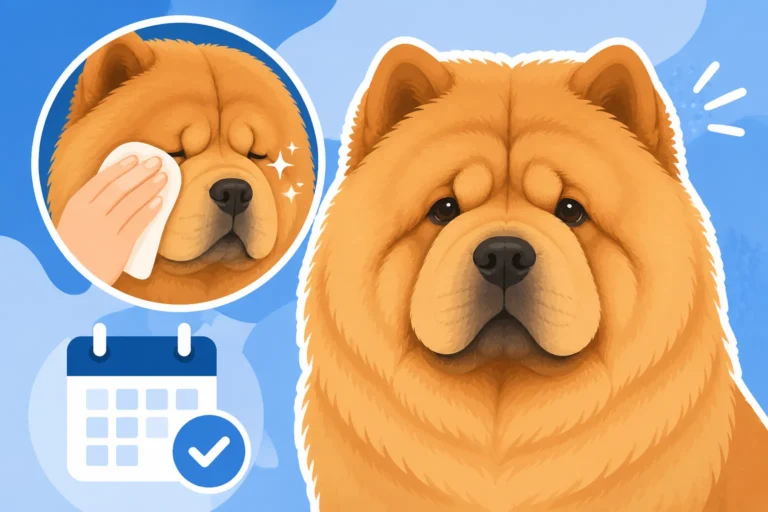
- Cleanliness: Regular cleaning of your Chow Chow's facial folds (if present) and around the mouth can prevent food and drool from migrating to the ruff and contributing to matting.
- Diet: Believe it or not, a healthy diet contributes to a healthy coat. Quality protein, essential fatty acids (like Omega-3s), and proper vitamins can strengthen hair follicles and improve skin health, making the coat less prone to breakage and matting. Brands focusing on high-quality, balanced nutrition, such as Ollie, can be beneficial for overall coat health. What an Adult Chow Chow Eats can offer more insights into dietary needs.
- Regular Inspections: Make it a habit to run your fingers through the fur behind their ears every day, feeling for any nascent knots. Catching them early makes them far easier to resolve.
When to Seek Professional Help
Sometimes, despite your best efforts, mats happen. Or perhaps you've adopted a Chow Chow with existing mats. Knowing when to call in a professional groomer or veterinarian is crucial for your dog's well-being.
Recognizing Severe Matting
Severe mats are not just cosmetic; they can be incredibly painful and dangerous for your Chow Chow.
- Tight Against the Skin: If a mat is so tight it's pulling the skin, causing redness, irritation, or even bleeding, it's severe. Trying to brush these out yourself will cause significant pain and could injure your dog.
- Felt-Like Texture: A severe mat will feel like a solid piece of felt, hard and unyielding. It won't separate easily.
- Skin Infections: Mats trap moisture and prevent air circulation, creating a breeding ground for bacteria and yeast. You might notice an unpleasant odor, skin redness, or crusting underneath the mat.
- Restricted Movement: Large mats, especially around the ears, neck, or armpits, can restrict your Chow Chow's movement, causing them to walk stiffly or avoid certain postures.
- Pain Response: If your Chow Chow recoils, yelps, or tries to bite when you touch a matted area, it's a clear sign of pain.
Do not attempt to cut out large, tight mats with scissors at home. It is incredibly easy to accidentally cut the skin, which can lead to a trip to the emergency vet and costly repairs. The skin often gets pulled up into the mat, making it impossible to tell where the mat ends and the skin begins.
Finding a Chow Chow-Savvy Groomer
Not all groomers are equally experienced with double-coated breeds, particularly Chows. Their unique temperament and dense coats require a specific approach.
Here's how to find the right professional:
- Ask for Experience: When calling groomers, specifically ask if they have experience with Chow Chows and their double coats. Inquire about their approach to matted fur.
- Look for Double-Coat Specialists: Some groomers specialize in double-coated breeds and understand the importance of preserving the undercoat and guard hairs. They will advocate for dematting carefully or shaving, rather than just stripping the coat.
- Fear-Free Practices: Given the Chow Chow's sometimes reserved nature, finding a groomer who practices "fear-free" grooming techniques can be incredibly beneficial. This means they prioritize the dog's comfort and emotional well-being, using positive reinforcement and gentle handling.
- Vet Recommendation: Your veterinarian might be able to recommend a local groomer they trust, especially one who can handle a dog with severe matting that might require sedation.
- Consultation: Arrange a brief consultation before booking a full groom. This allows you to meet the groomer, see their facility, and discuss your Chow's specific needs and any problem areas. A good groomer will be transparent about what they can and cannot do, and what the process will entail.
A professional groomer has specialized tools, like powerful clippers with various blades and high-velocity dryers, that allow them to safely and efficiently remove mats, often without causing pain or stress. They can shave down severely matted areas, provide therapeutic baths for irritated skin, and then work with you to establish a maintenance schedule. Investing in regular professional grooming, alongside your home care, is an investment in your Chow Chow's health and comfort. How Often a Rough Coated Chow Chow Needs Brushing is a good read to understand the demands.
Disclaimer
This article is for general informational purposes only and does not constitute professional advice. Laws, prices and regulations vary by location and change over time. Consult a qualified professional for guidance on your specific situation.