Whether Sigmund Freud Had a Chow Chow
It’s a common misconception that all therapy dogs are bouncy, golden retrievers or gentle labradors. Many people struggle to imagine a dog known for its independence and sometimes challenging personality, like the Chow Chow, in a role of quiet companionship, let alone as a fixture in the consulting room of one of history’s most influential thinkers. This guide will delve into the fascinating relationship between Sigmund Freud and his beloved Chow Chow, Jofi, exploring how this stoic breed became an integral part of his life and work, and what it tells us about the often misunderstood nature of Chow Chows themselves.
The Iconic Duo: Sigmund Freud and His Beloved Jofi
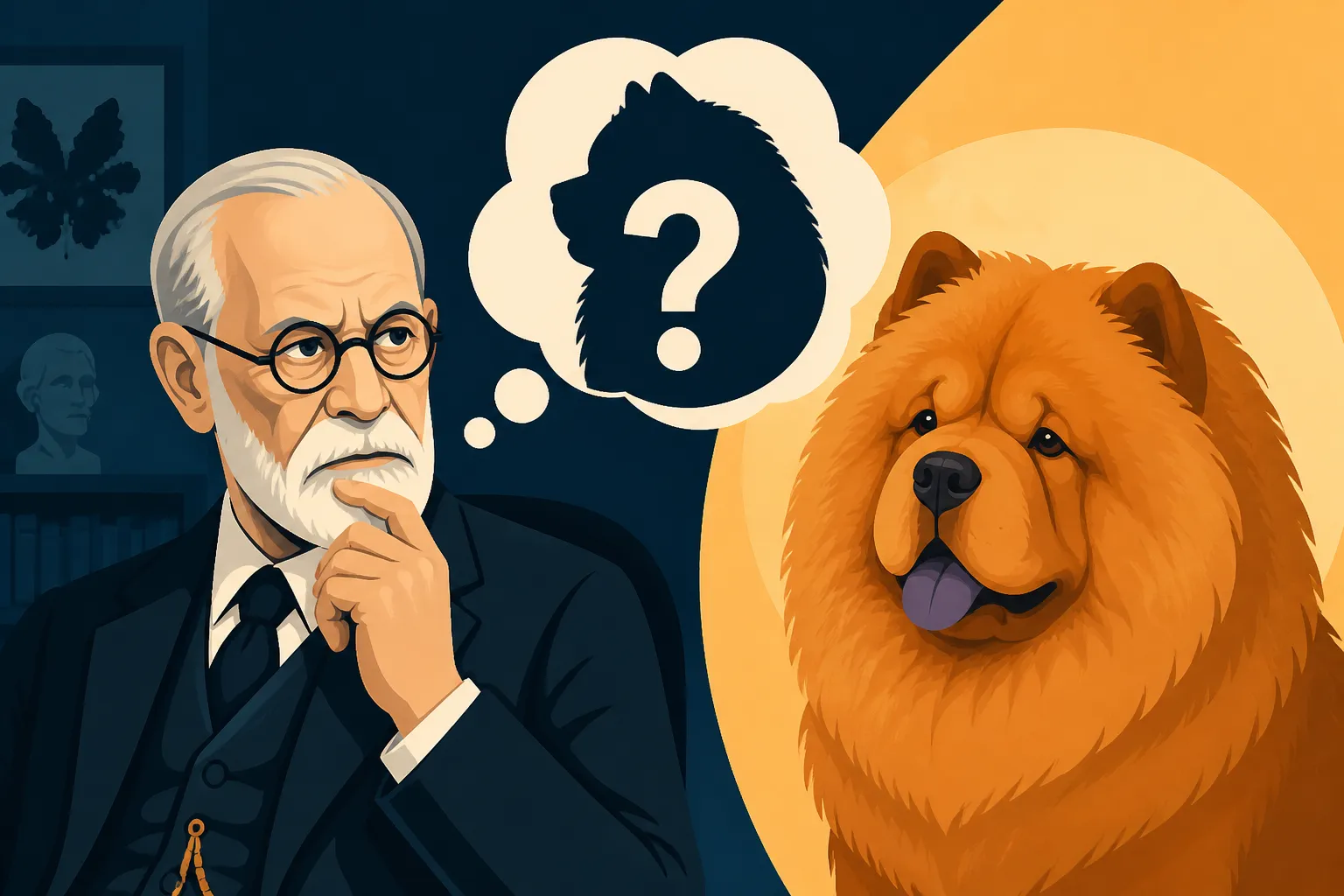
When you picture Sigmund Freud, you likely imagine him with a cigar, perhaps on his iconic couch, exploring the depths of the human psyche. What many people don’t immediately visualize is his constant companion, Jofi, a Chow Chow who was far more than just a pet. Jofi wasn't merely a household fixture; she was an active participant in Freud's life, his therapeutic practice, and even his later years marked by illness. Her presence challenges our preconceptions about both the reserved Chow Chow and the serious nature of psychoanalysis itself.
Jofi's Arrival and Role in Freud's Life
Jofi, a beautiful cinnamon-colored Chow Chow, entered Freud’s life relatively late, around 1930, when he was already in his 70s. She quickly carved out an indispensable niche. Freud, a lifelong dog lover, had previously owned a German Shepherd named Wolf, but Jofi’s impact was uniquely profound. She would often lie quietly at his feet during his psychoanalytic sessions, a calm and reassuring presence in a room often filled with emotional turmoil. For Freud, Jofi was a source of immense comfort, a steady anchor in his increasingly complex world, especially as he battled oral cancer in his later years. He found solace in her unwavering loyalty and the simple, uncomplicated affection she offered. She was a grounding force, a silent confidante, and a much-needed distraction from the profound intellectual demands of his work and his personal health struggles. It truly goes to show that dogs, even those with strong independent streaks, can form incredibly deep bonds with their chosen humans. Why a Chow Chow Picks One Person is a good way to understand this kind of intense, singular attachment.
Beyond her role as a personal comfort, Jofi also helped mark the passage of time for Freud. He often noted that Jofi would become restless after a specific duration, signaling to him that a session had run its course. This subtle, canine clock was more than just a quirky habit; it became a reliable part of his daily routine and a testament to the Chow Chow's perceptive intelligence. Jofi’s presence in the consulting room was a testament to Freud's belief in the therapeutic power of animals, long before it became a recognized field of study. He understood instinctively that her calm demeanor could have a soothing effect on his patients, offering a non-judgmental, accepting presence that sometimes human interaction struggled to provide. This made Jofi not just a pet, but a quiet, furry co-therapist, embodying a deeper understanding of companionship that many associate with more outwardly expressive breeds.
The Chow Chow as a Therapeutic Presence
It might seem counterintuitive to imagine a Chow Chow, a breed often described as aloof or independent, thriving in a therapeutic setting. Yet, Jofi’s presence in Freud’s consulting room speaks volumes about the Chow Chow’s often-misunderstood nature. While they may not be overtly demonstrative with strangers, a Chow Chow possesses a profound sense of calm and an almost regal composure. This quiet self-possession can be incredibly therapeutic, offering a non-intrusive form of comfort. Patients, often grappling with complex emotions and vulnerabilities, might have found Jofi’s placid presence less intimidating than a dog that was overly eager for attention. Her quiet stillness provided a sense of stability and reassurance, creating a safe space for introspection. She wasn’t there to demand affection or disrupt the flow of conversation, but rather to simply be, a steady heartbeat in the room.
Freud himself observed Jofi's effect on his patients. He noted that they often felt more at ease, more willing to open up, when Jofi was present. Some patients would even confide in Jofi before they would speak to Freud, using the dog as a comforting intermediary. This highlights the Chow Chow’s surprising capacity for empathy and its intuitive understanding of human emotions, even if expressed subtly. Jofi’s calm demeanor acted as a non-verbal cue, signaling safety and acceptance, allowing patients to relax their guard. For a breed sometimes pigeonholed as stubborn or unapproachable, Jofi’s role underscores the deep emotional intelligence and quiet sensitivity that many Chow Chow owners cherish. It’s a powerful reminder that How Aloof a Chow Chow Really Is doesn't equate to a lack of connection or understanding; it simply means their affection is expressed differently, often in ways that are deeply felt and profoundly meaningful.
Jofi's Intuitive Nature in the Consulting Room
What truly set Jofi apart was her uncanny intuition, particularly her ability to gauge the emotional state of Freud's patients. Freud himself recounted how Jofi would only approach patients she deemed "good and peaceful." If a patient was agitated or anxious, Jofi would keep her distance, remaining by Freud’s side. However, if a patient appeared calm and receptive, Jofi might move closer, offering her quiet presence. This wasn’t just a random act; Freud firmly believed Jofi could sense the truth and sincerity of his patients, acting as a living, breathing emotional barometer. This heightened sensitivity is a characteristic many Chow Chow owners recognize, even if it’s often overlooked by those unfamiliar with the breed. They might not jump and lick, but they observe and absorb, often reacting with surprising accuracy to the nuances of human emotion.
Moreover, Jofi's ability to "tell time" during sessions wasn't just a convenient trick; it reflected her deep attunement to the rhythms and needs of the consulting room. She would become restless after precisely 50 minutes, signaling the end of the therapeutic hour. Freud speculated that Jofi picked up on subtle shifts in his own posture, breathing, or perhaps the emotional energy in the room, becoming a silent partner in maintaining the structure of his sessions. This level of responsiveness from a Chow Chow demonstrates not only intelligence but also a profound connection to her owner and his work. It speaks to a hidden depth beneath their often stoic exterior, revealing a companion capable of intricate observation and loyal participation, far from the simplistic image of a detached "bear dog." Such intricate communication and understanding often takes a lot of time and patience to build, emphasizing the importance of dedicated care and connection, and How a Chow Chow Shows Affection in its own unique way.
A Chow Chow's Unique Temperament and Appeal
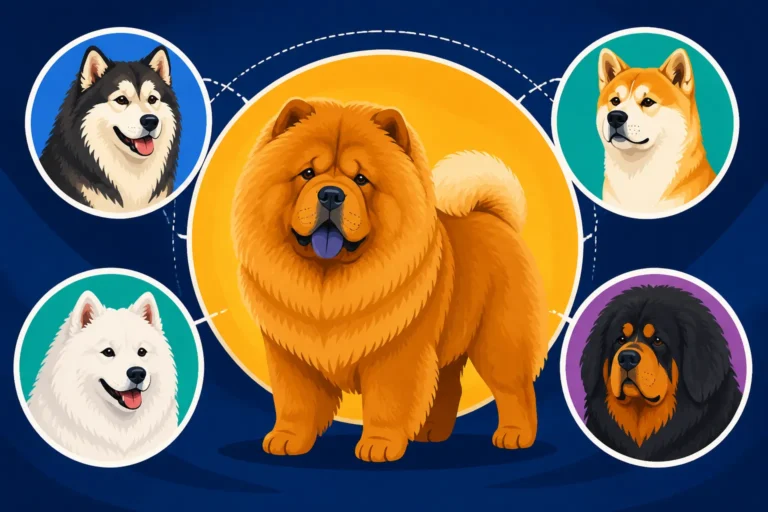
The Chow Chow is a breed steeped in history and often misunderstood due to its distinctive appearance and independent nature. Their lion-like mane, deep-set eyes, and blue-black tongue set them apart visually, but it's their personality that truly defines them. They are not for everyone, and those who appreciate their unique qualities find them to be incredibly rewarding companions. Understanding their inherent traits is key to appreciating why a figure like Freud found such profound connection with one.
The Independent Spirit of the Chow Chow
Chow Chows are renowned for their independent spirit, a trait that often leads to them being labeled as stubborn or difficult to train. However, this independence isn't a sign of defiance but rather a deep-seated self-reliance that has been honed over centuries. Historically, Chow Chows were multi-purpose working dogs in China, engaged in hunting, guarding, and even pulling carts. These roles required them to think for themselves, to make decisions without constant human direction. This heritage is still very much alive in the modern Chow Chow. They aren't eager-to-please like some retriever breeds; instead, they operate more on a principle of cooperation and mutual respect.
This independence means that training a Chow Chow requires patience, consistency, and a deep understanding of their motivations. They respond best to positive reinforcement and a strong, trusting bond with their owner. If they perceive a command as illogical or unnecessary, they may simply choose not to comply, or at least take their time in doing so. This isn't out of malice, but simply a reflection of their self-assured nature. For owners who understand and respect this independence, it translates into a dog that is dignified, intelligent, and capable of holding its own. It's a relationship built on partnership rather than strict obedience, and it's precisely this strength of character that can be so appealing to individuals who value autonomy and depth, much like Freud likely did.
The Chow Chow's Reserved Affection
Another defining characteristic of the Chow Chow is their reserved affection. Unlike many dog breeds that greet everyone with effusive tail wags and slobbery kisses, a Chow Chow tends to be more selective with its affections. They are often described as "one-person dogs," forming an incredibly deep and devoted bond with a primary individual, while being polite or indifferent to others. This isn't to say they don't love their families; rather, their love is expressed in subtle ways – a quiet presence, a gentle lean, a soft nudge, or simply being in the same room. For those who understand this nuanced expression of love, it's incredibly powerful and meaningful. Whether a Chow Chow Is a One Person Dog for Life is a common question, and while they can certainly love multiple family members, that primary bond often stands out.
This reserved nature extends to strangers. A Chow Chow is typically not outwardly friendly with unfamiliar people. They are naturally watchful and discerning, often observing new individuals from a distance before deciding whether to engage. This protective instinct, combined with their aloofness, can sometimes be misinterpreted as aggression or unfriendliness. However, it's usually a manifestation of their guardian instincts and a desire to protect their chosen family and territory. With proper socialization from a young age, they can learn to tolerate or even accept new people, but they rarely become the life of the party. Their affection, when given, is a cherished commodity, a sign of true acceptance and trust. This quiet devotion and discerning nature might have been precisely what appealed to Freud, offering a genuine connection without the overwhelming enthusiasm of more outwardly expressive breeds.
Beyond the "Bear Dog" Stereotype
The Chow Chow’s appearance, particularly its thick mane and slightly furrowed brow, often leads to it being called a "bear dog." While this nickname captures a certain majestic quality, it can also contribute to misconceptions about their personality. The image of a powerful, stoic animal can overshadow their inherent intelligence, sensitivity, and, yes, even their playful side. They are not simply fluffy statues; they are complex, intelligent beings capable of deep emotional connections. Unfortunately, stereotypes can be hard to break, and the "bear dog" label sometimes leads to people approaching them with preconceived notions, or worse, with an ill-suited expectation of a cuddly, docile companion.
Breaking free from this stereotype means understanding the Chow Chow as an individual. Each Chow Chow has its own personality, and while breed traits provide a general framework, experiences and upbringing play a massive role. An early and consistent regimen of How Much Socialization a Chow Chow Puppy Needs is absolutely critical for them to grow into well-adjusted adults. They are dogs that thrive on routine, clear boundaries, and an owner who is confident and consistent in their leadership. When these needs are met, the Chow Chow reveals itself as a loyal, dignified, and often quite humorous companion. They might not perform tricks on command with gusto, but they offer a steady, unwavering presence that many find incredibly reassuring. Freud's experience with Jofi truly showcases a Chow Chow beyond the superficial label, demonstrating the breed’s capacity for deep connection and subtle emotional engagement that can profoundly enrich a human life.
Understanding the Chow Chow's Breed History and Perception
The Chow Chow is one of the oldest dog breeds in the world, with a lineage that can be traced back thousands of years to ancient China. Its long and storied history has shaped its physical characteristics, temperament, and the way it has been perceived across different cultures and eras. To truly appreciate the Chow Chow, and understand why a discerning individual like Freud would choose one, it's important to look at where they came from and how their reputation evolved.
The Ancient Origins and Early Functions
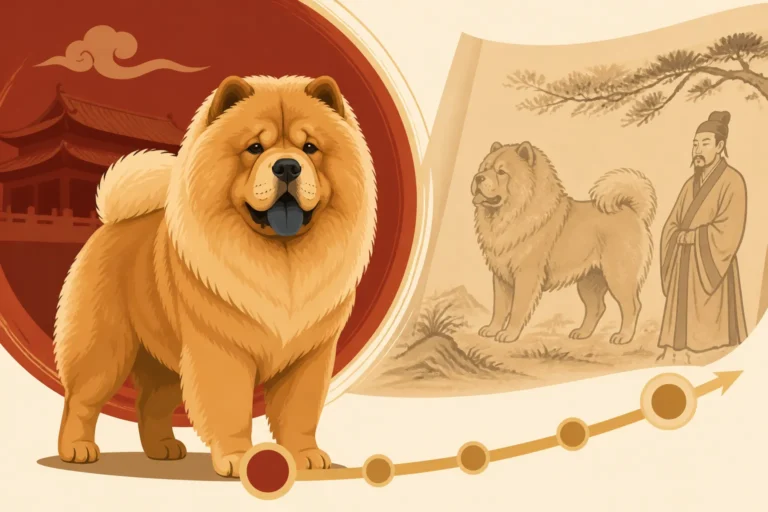
The origins of the Chow Chow are shrouded in antiquity, with archaeological evidence suggesting their presence in China dates back at least 2,000 years, if not more. Ancient artifacts, including pottery and sculptures from the Han Dynasty, depict dogs that bear a striking resemblance to the modern Chow Chow. This incredible longevity makes them one of the "basal breeds," meaning their genetic line predates most modern dog breeds. Where the Chow Chow Comes From is a fascinating journey through time.
In their native China, Chow Chows were incredibly versatile and highly valued animals, performing a variety of roles that speak to their strength, intelligence, and protective nature. They were formidable hunting companions, assisting in the pursuit of large game such as pheasant and even wolf. Their dense double coat provided protection from harsh weather, making them suitable for guarding temples and homes, and their sturdy build allowed them to pull carts and sleds. This demanding working life instilled in them a strong sense of independence, a keen observational intelligence, and an unwavering loyalty to their masters. They weren't bred to be eager-to-please pets; they were bred for purpose, self-sufficiency, and vigilance. This deep-rooted history as multi-faceted working dogs explains much about their temperament today—they are dignified, often serious, and possess a remarkable inner strength that commands respect. How Old the Chow Chow Breed Is truly puts their ancient heritage into perspective.
The Breed's Journey to the Western World
For centuries, the Chow Chow remained largely confined to China, a treasured national dog shrouded in a degree of mystery. It wasn't until the late 18th century that they began to make their way to Europe, primarily brought by British traders. The name "Chow Chow" itself is thought to have originated from a pidgin English term used by these merchants to describe various miscellaneous items in their cargo, and somehow, the dogs acquired the moniker. Initially, they were more of a curiosity, sometimes displayed in zoos before gaining recognition as a distinct breed.
It was in the Victorian era that the Chow Chow truly began to capture the attention of Western society. Queen Victoria herself owned a Chow Chow, which significantly boosted the breed’s popularity among the aristocracy and elite classes. This endorsement by royalty transformed them from exotic curiosities into fashionable companions. However, their unique temperament—their independence, aloofness with strangers, and sometimes challenging nature—meant they never achieved the widespread popularity of more traditionally biddable breeds. They remained a breed appreciated by those who understood and valued their distinct characteristics, often individuals who sought a companion with depth and a strong personality rather than unreserved eagerness. This exclusive appeal meant that the Chow Chow developed a reputation as a sophisticated, if somewhat enigmatic, choice of dog, a perception that likely continued into Freud's time.
Public Perception vs. Private Reality
The public perception of the Chow Chow has often been a mix of admiration for their majestic appearance and apprehension due to their reserved and sometimes protective nature. Many people view them as beautiful but potentially difficult, even aggressive, dogs. This perception, while not entirely unfounded in poorly socialized individuals, often fails to capture the full picture of the breed's complex temperament. Their "scowl" and deep-set eyes can give them a perpetually serious or even grumpy expression, which doesn't always invite casual interaction.
However, the private reality for many Chow Chow owners is quite different. Within their chosen family, Chow Chows are typically devoted, playful, and surprisingly sensitive companions. They thrive on consistency, clear communication, and a calm, stable environment. They may not shower their owners with overt displays of affection, but their loyalty is absolute, and their presence deeply comforting. They are excellent watchdogs, ever vigilant but rarely excessive in their barking. The dichotomy between public perception and private reality is a consistent theme with this breed. Those who take the time to understand their unique needs and respect their boundaries are rewarded with a companion of immense character and unwavering devotion. Freud's experience with Jofi serves as a powerful testament to this private reality—a deep, meaningful bond forged with a dog that was far from the simple, docile image often associated with canine companions. This difference between external appearance and internal devotion is something that Chow Chow enthusiasts cherish, often finding it takes a specific type of owner to truly appreciate and nurture this bond.
| Characteristic | Public Perception (Often Misleading) | Private Reality (For Dedicated Owners) |
|---|---|---|
| Affection | Aloof, uninterested, unloving | Deeply devoted, subtly affectionate, "one-person dog" |
| Temperament | Stubborn, aggressive, unpredictable | Independent, dignified, calm, watchful, perceptive |
| Trainability | Difficult, unwilling to learn | Intelligent, responds to trust & positive reinforcement |
| Social Behavior | Unfriendly, wary of all strangers | Reserved with strangers, fiercely loyal to family |
| Overall Nature | "Bear-like," dangerous, unsociable | Loving, quiet, clean, excellent guardians |
Characteristics That Resonated with Freud's Work
It’s clear that Jofi was more than just a pet for Sigmund Freud; she was an integral part of his professional and personal life. The specific characteristics of the Chow Chow breed, often viewed as quirks by others, seemingly aligned perfectly with Freud’s philosophical approach and the delicate environment of his psychoanalytic practice. Her presence wasn’t accidental but a deliberate choice that brought unique benefits to his therapeutic space.
The Chow Chow's Calm and Quiet Demeanor
In the quiet, introspective world of psychoanalysis, a calm and unobtrusive presence is paramount. Patients often delve into deep, sometimes painful memories and emotions, requiring an environment free from distraction and agitation. The Chow Chow’s naturally placid and quiet demeanor made them an ideal candidate for such a role. They are not prone to excessive barking or restless pacing, preferring instead to find a comfortable spot and observe their surroundings with a serene dignity. This inherent tranquility would have contributed significantly to the therapeutic atmosphere in Freud's consulting room, providing a stable, non-judgmental presence that allowed both patient and analyst to focus.
Jofi's ability to remain still and silent for extended periods was not merely a convenience; it was a therapeutic asset. In a space where unspoken thoughts and feelings were being explored, her quiet presence reinforced a sense of security and containment. A dog that constantly demanded attention or interrupted the flow of conversation would have been counterproductive. Instead, Jofi offered a grounding energy, a silent anchor that could absorb some of the emotional intensity in the room without adding to it. This particular trait is something many Chow Chow owners appreciate – the ability to have a strong, watchful companion that doesn't constantly demand to be the center of attention. They offer a comforting presence simply by being near, a kind of deep, ambient companionship that is deeply valued in many homes today, perhaps even more so when considering all the resources required for their long-term care, as What a Chow Chow Costs Over Its Lifetime can attest.
The Uncanny Ability to Read Emotions
Perhaps the most remarkable aspect of Jofi’s role was her seeming ability to read and respond to human emotions. Freud was convinced that Jofi could sense the emotional state of his patients, offering comfort or keeping her distance based on their underlying feelings. While we can’t interview Jofi herself, this observation aligns with the anecdotal experiences of many Chow Chow owners who speak of their dogs’ surprising sensitivity and intuition. Despite their often stoic exterior, Chow Chows are highly perceptive animals, keenly attuned to the subtle cues of human behavior, tone of voice, and body language. They might not react with overt enthusiasm, but they register and process these signals deeply.
In the therapeutic context, this intuition would have been invaluable. A dog capable of discerning a patient’s distress or anxiety could provide a unique form of support, even if it was just a calming presence. For patients struggling to articulate their feelings, Jofi's empathetic response, however subtle, could have offered a sense of validation and understanding that words alone sometimes fail to convey. This capacity for intuitive emotional connection, coupled with their reserved nature, meant that Jofi offered support without overwhelming or intruding upon the patient’s psychological process. It speaks to a profound depth within the breed, suggesting that their quiet exterior often belies a rich inner world and a keen understanding of their human companions.
A Stable Presence Amidst Human Complexity
Freud’s work delved into the complex, often chaotic, depths of the human mind. His days were filled with unraveling neuroses, anxieties, and the intricate tapestry of human experience. Amidst this intellectual and emotional intensity, Jofi provided a stable, unchanging presence. Dogs, by their very nature, offer a simplicity and authenticity that can be profoundly restorative. They live in the moment, their reactions are genuine, and their loyalty is unconditional. For Freud, Jofi was an antidote to the often circuitous and emotionally draining nature of his work. Her presence was a reminder of uncomplicated existence, a grounding force that offered perspective.
This stability wasn’t just beneficial for Freud; it extended to his patients as well. Entering a psychoanalytic session can be daunting, and having a calm, predictable animal in the room could help alleviate some of that initial apprehension. Jofi's steady breathing, her quiet shifting, and her unwavering presence created an oasis of calm that contrasted with the emotional turbulence often discussed. In a world of complex theories and shifting interpretations, Jofi represented a reliable constant, a silent testament to the enduring power of simple companionship. Her steady presence underscored the therapeutic value of animals in fostering a sense of safety, acceptance, and emotional well-being, demonstrating that sometimes, the most profound insights can emerge in the presence of unwavering, quiet support.
Living with a Chow Chow: Modern Day Realities
While Freud’s experience with Jofi paints a beautiful picture of the Chow Chow’s potential as a companion, it’s crucial for modern owners to understand the realities of living with this unique breed. They are not a dog for everyone, and responsible ownership requires a deep commitment to their specific needs, from early socialization to ongoing health and grooming. The tales of Jofi can inspire, but the daily reality requires diligence and understanding.
The Dedication Required for a Chow Chow
Bringing a Chow Chow into your life is a significant commitment. Their independent nature means they require an owner who is confident, consistent, and patient, capable of establishing clear boundaries without resorting to harsh methods that will backfire. Early socialization is non-negotiable; exposing a Chow Chow puppy to a wide variety of sights, sounds, people, and appropriate dog interactions from a young age is paramount to developing a well-adjusted adult. Without it, their natural wariness can easily escalate into fear or aggression towards strangers or unfamiliar situations. This is not a breed that can be left to its own devices to "figure things out."
Beyond socialization, their training needs to be engaging and respectful of their intelligence. Repetitive drills will bore a Chow Chow quickly. Instead, they thrive on short, positive reinforcement-based sessions that feel like a partnership rather than a command performance. They need a secure, fenced yard, as their prey drive and independent streak mean they cannot be reliably trusted off-leash. They also do best in homes where they receive consistent, loving attention from their chosen person. They are loyal to their core, but that loyalty must be earned and maintained through consistent positive interaction. Owning a Chow Chow is truly a journey of mutual understanding and respect, a dedication that lasts for The Eight to Twelve Years a Chow Chow Gets, a lifetime of unique companionship.
Grooming and Health Considerations
The Chow Chow’s iconic double coat, whether rough or smooth, is undeniably beautiful but demands significant grooming effort. The thick outer coat and dense undercoat require regular and thorough brushing, typically several times a week for rough coats and at least once a week for smooth coats, to prevent matting and manage shedding. During their semi-annual "coat blows," when they shed their entire undercoat, daily brushing is often necessary. This isn't just about aesthetics; neglected coats can lead to painful mats, skin infections, and discomfort for the dog. Owners must be prepared for this commitment or budget for professional grooming, knowing that Teaching a Chow Chow to Be Brushed from a young age is essential for acceptance.
Beyond grooming, Chow Chows are prone to certain health issues that prospective owners should be aware of and factor into their financial planning. Eye conditions like entropion, where the eyelid rolls inward, can be painful and require surgery. They are also predisposed to elbow and hip dysplasia, thyroid issues, and certain autoimmune diseases. Regular veterinary check-ups are vital, and it’s always wise to research breeders who perform comprehensive health testing on their breeding stock. Whether a Chow Chow Is Expensive to Own is a question that often comes up, and considering these grooming and potential health costs, it’s clear that they are a breed that requires a significant financial commitment over their lifetime, including preventative care and potentially specialist veterinary attention.
Socialization and Training from a Young Age
Given the Chow Chow's natural reserve and protective instincts, early and consistent socialization is not just recommended, it's absolutely crucial. Their prime socialization window is typically between 3 and 16 weeks of age, a period when they are most receptive to new experiences. During this time, a Chow Chow puppy needs to be gently exposed to a wide array of positive experiences: different people of all ages, sizes, and ethnicities; various sights and sounds (ambulances, vacuums, children playing); different textures underfoot; and calm, vaccinated adult dogs. The goal isn't to make them overly exuberant with strangers but to build confidence and neutrality, teaching them that new things aren't necessarily threats.
Training, too, must begin early and continue throughout their lives. Basic obedience, such as 'sit,' 'stay,' and 'come,' is vital not only for control but also for mental stimulation and strengthening the bond with their owner. Chow Chows are intelligent, but they can be selective about when they choose to demonstrate it. Positive reinforcement, using high-value treats and praise, is the most effective approach. Avoid harsh corrections, which can damage their trust and lead to resentment or fear. Enrolling in puppy classes, choosing a calm and experienced trainer, and integrating training into daily life will lay the groundwork for a well-adjusted Chow Chow. This early foundation is what helps shape a Chow Chow that, like Jofi, can navigate various social situations with calm confidence and become a truly valued member of the family, whether in a quiet home or, perhaps, even a bustling psychoanalyst’s office.
Disclaimer
This article is for general informational purposes only and does not constitute professional advice. Laws, prices and regulations vary by location and change over time. Consult a qualified professional for guidance on your specific situation.