Signs a Chow Chow’s Eye Pressure Is Rising
It's every Chow Chow owner's worst nightmare: seeing your beloved lion-dog in pain, especially when the issue is hidden and silent. Eye problems can escalate incredibly fast in Chows, and rising eye pressure, often a precursor to or symptom of glaucoma, is one of the most insidious threats. This guide will walk you through the subtle and more obvious signs that your Chow Chow's eye pressure might be rising, giving you the knowledge to act swiftly and potentially save their sight.
Understanding the Silent Threat of Rising Eye Pressure in Chow Chows
Eye pressure issues are not just a minor inconvenience; they can be a ticking time bomb for breeds like the Chow Chow. When we talk about rising eye pressure, we're primarily talking about glaucoma, a condition that causes damage to the optic nerve due to excessively high fluid pressure inside the eye. For a Chow Chow, this isn't just a concern; it's a specific genetic vulnerability that every owner needs to be acutely aware of.
Why Chow Chows Are Prone to Eye Pressure Issues
The unique and beloved physical characteristics of the Chow Chow, while making them distinctive, also unfortunately predispose them to certain health challenges. Their deep-set eyes, which contribute to their characteristic scowl, play a significant role here. This particular eye structure often comes with a narrower iridocorneal angle, which is the drainage pathway for the fluid inside the eye. When this angle is compromised or 'closed,' the fluid can't drain properly, leading to a dangerous buildup of pressure. This anatomical predisposition is Why the Chow Chow Is a Closed Angle Glaucoma Breed and why it's so critical for Chow owners to be vigilant.
Think of it like a sink with a slow drain. If the faucet is constantly running, but the drain can't keep up, the sink will eventually overflow. In a Chow Chow's eye, the fluid (aqueous humor) is constantly produced, and if the drainage system isn't efficient, the pressure inside the eye climbs rapidly. This genetic lottery means that even seemingly healthy Chows can develop glaucoma, often with little to no warning until it's already advanced. Understanding How a Chow Chow's Deep Set Eye Causes Trouble is key to appreciating the urgency of any ocular changes you might observe.
The Basics of Intraocular Pressure IOP
Intraocular pressure, or IOP, is simply the pressure of the fluid inside the eyeball. This fluid, the aqueous humor, is constantly produced by a structure called the ciliary body and then drains out through a meshwork located in the iridocorneal angle. It's a delicate balance; the rate of production should ideally match the rate of drainage. In a healthy eye, this keeps the IOP within a normal, stable range.
When this balance is disrupted, typically due to inefficient drainage, the IOP begins to rise. This increased pressure then presses on the delicate structures within the eye, most critically the optic nerve. The optic nerve is essentially the cable that transmits visual information from the eye to the brain, and prolonged high pressure can damage it irreparably, leading to vision loss and ultimately blindness. Early detection and intervention are paramount because once the optic nerve is damaged, the vision loss is often permanent. This is why knowing How a Chow Chow's Eye Pressure Is Measured at the vet is so important; it's the only definitive way to know what's truly happening inside their eye.
Subtle Early Warning Signs That Often Go Unnoticed
One of the biggest frustrations for Chow Chow owners facing eye pressure issues is how subtle the initial signs can be. Chows are notoriously stoic, and their dense fur and deep-set eyes can mask discomfort. You might initially dismiss these signs as simple irritation or a temporary annoyance, but in a Chow, they warrant immediate attention. Catching these early cues can make all the difference in preserving their vision.
Changes in Eye Appearance and Discharge
Keep a very close eye on your Chow's eyes, not just a casual glance. One of the first things you might notice is a subtle difference in pupil size between the two eyes. One pupil might appear slightly more dilated than the other, especially in dim light. Another early indicator is a very faint haziness or cloudiness in the cornea, the clear outer layer of the eye. It might look almost like a light fog has settled over the eye, a bit different from the clear, reflective surface you're used to. This isn't usually the dense white cloudiness of a cataract but a more diffuse, blue-tinged veil.
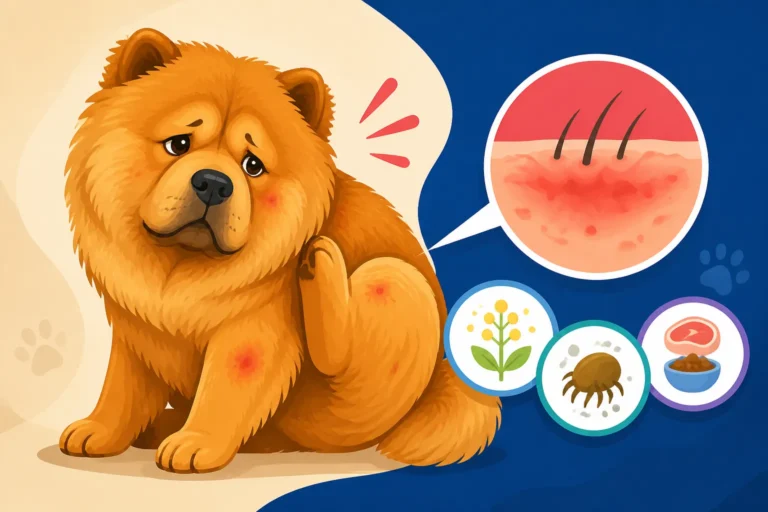
You might also observe an increase in tear production or a watery discharge. This isn't necessarily thick, goopy discharge but simply an unusual wetness around the eye, leading to damp fur or tear staining. Your Chow might also start rubbing or pawing at their eye more frequently than usual. While a little itch or irritation happens to every dog, a persistent or noticeable increase in these behaviors, especially concentrated on one eye, should be a red flag. Pay attention to their routine; if they suddenly start doing this in the morning or after naps, it’s worth investigating further with your vet.
Behavioral Shifts and Discomfort Cues
Chow Chows are masters of subtlety when it comes to showing pain, making behavioral changes vital clues. One common early sign of eye discomfort is squinting, blinking excessively, or holding one eye partially closed, particularly in bright light. This is called photophobia, a sensitivity to light, and it’s a strong indicator that something is bothering them. Imagine how uncomfortable it would be to have a constant headache behind your eye – that's often what rising IOP feels like.
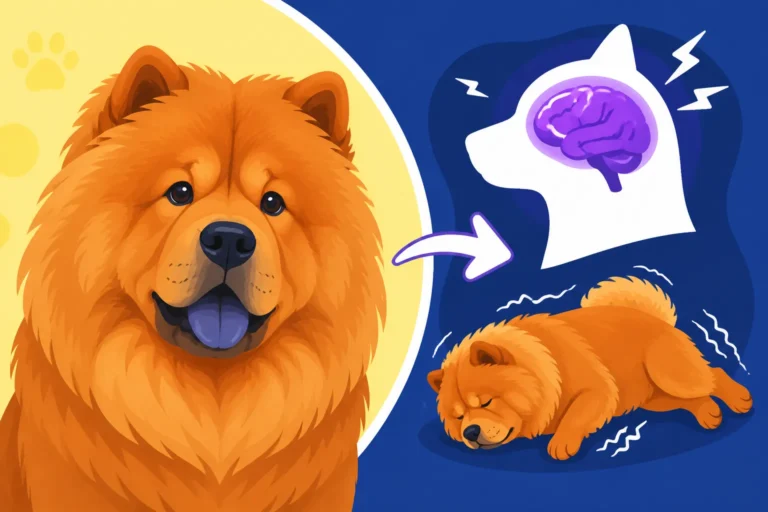
You might also notice a general lethargy or a reluctance to engage in their usual activities. Perhaps they're less keen on their favorite walk, or they're not as enthusiastic about playtime. They might also become withdrawn or seek out darker, quieter places to rest. Some Chows might even try to press their head against furniture or your leg, a behavior known as "head pressing," which can be a sign of discomfort or neurological issues, including severe headaches from eye pressure. Don't dismiss these changes as just "being a Chow" or getting older; for a breed so prone to eye issues, they are critical signals that need professional attention.
More Advanced and Urgent Indicators of Glaucoma
When eye pressure continues to rise unchecked, the signs become much more pronounced and usually indicate a severe and rapidly progressing problem. These are the signs that demand immediate, emergency veterinary attention, as every hour can mean the difference between retaining some vision and complete, irreversible blindness. Glaucoma Can Blind a Chow Chow in Days, so there is no time to waste once these advanced symptoms appear.
Visible Physical Changes to the Eye
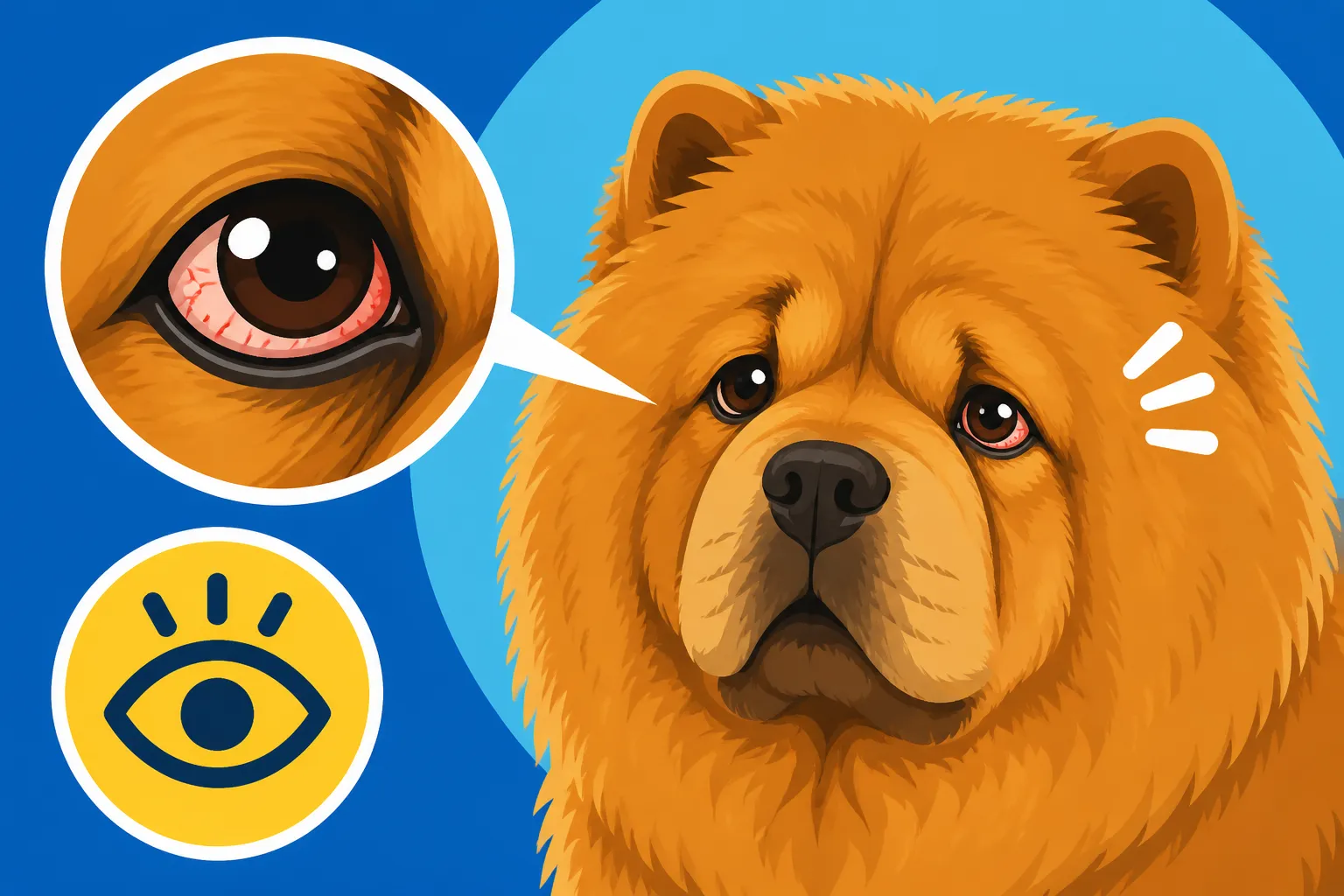
At this stage, the changes to the eye itself become much more obvious. You'll likely see a distinct redness or bloodshot appearance in the white parts of the eye (the sclera). This isn't just a few red veins; it's a generalized, angry redness. The cornea will likely appear significantly cloudy or bluish, much more opaque than a simple haze. It might even look somewhat swollen. A critical sign is the enlargement of the entire eyeball, a condition called buphthalmia. This can be difficult to spot if both eyes are affected equally, but if only one eye has high pressure, you'll clearly see that the affected eye looks larger or protrudes slightly more than the healthy one.
Furthermore, the pupil of the affected eye will often be fixed and widely dilated, meaning it won't constrict or react to light, unlike a healthy pupil. This fixed dilation often correlates with significant vision loss. Your Chow might start bumping into furniture, hesitating on stairs, or being generally disoriented, especially on the affected side, indicating that their vision is severely compromised or gone. This level of visual impairment can be terrifying for them and you, signaling a dire emergency where swift medical intervention is crucial. It’s imperative to remember What Glaucoma Does to a Chow Chow's Eye at this stage is irreversible damage if not treated immediately.
Acute Pain and Distress Signals
Beyond the physical changes to the eye, a Chow Chow suffering from advanced glaucoma will exhibit clear and undeniable signs of acute pain. This is a severe headache, often described by vets as one of the most painful conditions a dog can experience. Your Chow might vocalize intensely, whining, yelping, or even crying out, especially if the affected eye or head area is touched. They may become completely withdrawn, refusing to eat or drink, showing no interest in anything, and remaining profoundly lethargic or depressed.
In some cases, due to the intense pain and disorientation, a Chow Chow might even become uncharacteristically aggressive if you attempt to touch their face or head. This is a pain response, not true aggression, and it underscores the severe discomfort they are experiencing. It’s vital to handle them gently and get them to an emergency veterinary clinic immediately. As mentioned earlier, How Fast Glaucoma Blinds a Chow Chow is shockingly quick, sometimes within hours, so these acute pain signals mean you are in a race against time. Never delay; this is an absolute emergency.
What to Do If You Suspect Rising Eye Pressure
Discovering any of these signs in your Chow Chow can be frightening, but knowing what steps to take next is crucial. The response time in cases of suspected rising eye pressure can literally dictate the outcome for your dog's vision. Don't hesitate, don't wait, and don't try to "watch it for another day."
Immediate Veterinary Consultation
If you notice any of the signs discussed – even the subtle ones – your absolute first step must be to contact your veterinarian immediately. Emphasize that you suspect an eye emergency like glaucoma. This isn't something that can wait for a regular appointment slot; it often requires emergency care. Be prepared to go to an emergency veterinary hospital if your regular vet isn't available right away.
At the clinic, the veterinarian will perform a thorough eye exam. The most critical diagnostic tool will be tonometry, which measures the intraocular pressure directly. This is a quick and painless procedure where a special instrument gently touches the surface of the eye. They may also perform a gonioscopy to examine the drainage angle of the eye and determine if it's open or closed. Early diagnosis and intervention are critical. Treatments, which can include various eye drops or oral medications to reduce pressure, must begin as soon as possible. Also, remember to look into your pet insurance policy; providers like Healthy Paws often cover emergency treatments for conditions like glaucoma, which can be quite costly. Understanding What a Chow Chow Costs Over Its Lifetime means preparing for such unexpected medical needs.
Proactive Care and Regular Monitoring
Even if your Chow Chow hasn't shown any signs of rising eye pressure, proactive care is the best defense, especially given their breed predisposition. Regular veterinary check-ups are essential, particularly as your Chow enters its senior years, which typically starts around eight years old (see: The Age a Chow Chow Is Considered Senior). During these visits, always ask your vet to pay special attention to their eyes.
For Chow Chows, it's highly recommended to consider annual eye exams with a board-certified veterinary ophthalmologist. These specialists have advanced equipment and expertise to detect the most subtle changes in eye health, often long before a general practitioner or an owner might. This might seem like an extra step, but for a breed so prone to vision-threatening conditions, it's an investment in their long-term well-being. Regular monitoring can also involve discussing specific risk factors with your vet and understanding options like Whether a Chow Chow Needs a Yearly Eye Exam.
Even without formal tests, getting your Chow comfortable with routine handling of their face and eyes can help. This makes it easier for you to perform quick visual checks and for the vet to do their examination, potentially avoiding the need for sedation (see: Whether a Chow Chow Needs Sedation for a Checkup). The more familiar they are with having their eyes gently looked at, the less stressful it will be for everyone involved when a serious concern arises.
Here's a quick reference table to help you distinguish between early and advanced signs:
| Feature/Symptom | Early Signs | Advanced Signs |
|---|---|---|
| Eye Appearance | Subtle pupil asymmetry, faint corneal haze, watery discharge | Significant redness, dense corneal cloudiness/blue tint, visibly enlarged eyeball (buphthalmia) |
| Pupil Response | May be subtly different in size | Fixed, widely dilated, unresponsive to light |
| Behavioral Changes | Mild squinting, increased blinking, pawing at eye, slight lethargy, head pressing | Intense squinting/eye closure, severe photophobia, profound lethargy/depression, refusal to eat/drink, aggression due to pain |
| Pain Level | Mild discomfort, possibly unseen | Acute, severe pain (whining, crying, vocalization) |
| Vision Impact | Potentially none or very subtle | Obvious vision loss (bumping into objects, disorientation) |
| Urgency of Action | Urgent veterinary appointment | Emergency veterinary visit (immediate) |
Remember, any change in your Chow Chow's eyes or behavior warrants a conversation with your vet. Their vision is precious, and with early detection and swift action, you can often mitigate the worst outcomes of rising eye pressure.
Disclaimer
This article is intended for informational purposes only and does not constitute veterinary advice. Always consult with a qualified veterinarian for any health concerns or before making any decisions about your pet's health or treatment.