What Temperature Is Too Hot for a Chow Chow
One of the most profound anxieties for any Chow Chow owner, especially as the mercury rises, is the constant worry that their beloved, fluffy companion might overheat. With their magnificent, dense coats and unique physical structure, Chow Chows are inherently less efficient at regulating their body temperature than many other breeds, making summer a truly challenging season. It’s a frustrating reality to navigate, knowing your furry family member could be in danger even during what feels like a mild day to you. This comprehensive guide is designed to empower you with crucial knowledge, detailing the specific temperatures and conditions that pose a threat, teaching you to recognize the subtle and overt signs of heat distress, and providing actionable strategies to keep your Chow Chow safe, cool, and comfortable all year round.
Understanding Your Chow Chow's Unique Heat Challenges
Before we dive into specific temperatures, it's absolutely vital to grasp why Chow Chows face such an uphill battle against the heat. It’s not just about their floofy appearance; their physiology is uniquely predisposed to trapping heat and struggling to cool down, a fact that every Chow Chow parent needs to understand deeply. Ignoring these intrinsic traits can have dire consequences, so let's unpack them.
The Double Coat Dilemma: Insulation, Not Air Conditioning
Picture this: your Chow Chow sports a coat that’s both beautiful and a formidable barrier against extreme weather. Unlike what many people assume, this dense double coat isn't just for keeping them warm in winter; it’s designed to provide insulation against both cold and heat. The thick outer guard hairs protect from the sun's harsh UV rays and provide a barrier, while the soft, fluffy undercoat acts like a thermal blanket. The problem arises when this natural system can't ventilate properly, especially in high humidity or when the undercoat isn't regularly shed.
Many well-meaning owners believe that shaving their Chow Chow will help them stay cooler. This is a common misconception and, in fact, can do more harm than good. A shaved coat disrupts the natural insulation, exposing the delicate skin to sunburn and hindering its ability to regulate temperature. The undercoat, once shaved, can grow back improperly, leading to patchy regrowth and further insulating issues. You can dive deeper into this topic by learning more about Why Shaving Does Not Cool a Chow Chow. Instead of shaving, proper grooming is paramount. Regular, thorough brushing, especially during seasonal 'coat blows,' helps remove dead undercoat, allowing air to circulate close to the skin. Without this crucial ventilation, the coat acts as a heavy, heat-trapping blanket, turning your Chow Chow into a walking sauna.
Brachycephalic Features and Respiratory Strain
Beyond their magnificent coats, Chow Chows possess another significant physiological trait that makes them vulnerable to heat: their brachycephalic, or "short-nosed," facial structure. You know that adorable, slightly flattened face and deep-set eyes that give them their distinctive "scowl"? While endearing, this feature comes with a built-in challenge for breathing, particularly when trying to cool down. Dogs primarily regulate their body temperature through panting; it's how they evaporate moisture from their tongues and respiratory tracts, effectively cooling their blood.
A Chow Chow's shorter muzzle means they have narrower nostrils and elongated soft palates, which obstruct airflow more significantly than in a long-nosed breed. This makes panting much less efficient for them. They have to work harder, taking more rapid, shallow breaths to achieve the same cooling effect as a dog with a longer snout. This increased effort generates even more heat, creating a dangerous cycle where the harder they try to cool down, the warmer they get. This is why you might notice your Chow Chow struggling to catch their breath on a warm day much sooner than other dogs. Understanding Why a Chow Chow's Short Muzzle Cools Poorly is key to protecting them. Even moderate exercise on a warm day can quickly escalate into a crisis because their respiratory system simply can't keep up with the demand for cooling.
Recognizing the Danger Zone: Specific Temperatures and Conditions
It's one thing to know why Chows struggle with heat, but it's another to know when that struggle becomes dangerous. Pinpointing specific temperatures and environmental conditions is crucial for making informed decisions about your Chow Chow's safety. There's no single magic number, as several factors play a role, but we can certainly identify critical thresholds.
When the Thermometer Spells Trouble
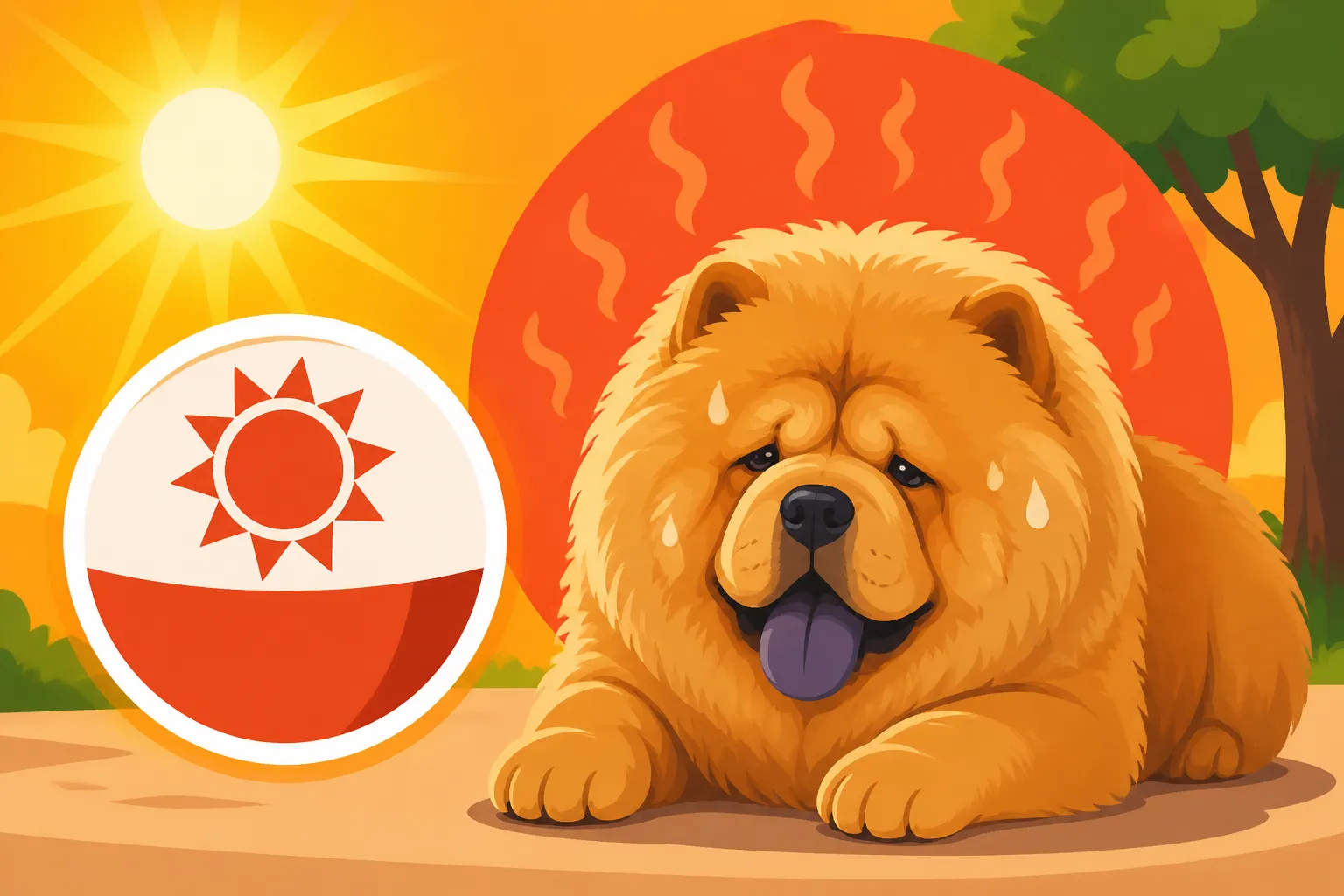
For many dogs, temperatures above 80°F (27°C) are a concern, but for a Chow Chow, the danger zone starts much earlier. Even what feels like a pleasant, warm spring day to you can be a serious risk for them. Typically, once the ambient temperature reaches 70-75°F (21-24°C), you should start implementing significant precautions for your Chow Chow. Above 80°F (27°C), the risk escalates dramatically, and strenuous outdoor activity should be completely off-limits. Any temperature above 85°F (29°C) is considered extremely dangerous, potentially life-threatening, even for short periods or with minimal activity. It's not just the air temperature, either. Surfaces like asphalt can be significantly hotter than the ambient air, easily reaching temperatures that can burn paw pads in mere seconds.
Understanding these thresholds is vital because your Chow Chow won't always show obvious signs of distress until they are already in trouble. By the time they are visibly struggling, their internal temperature may already be dangerously high. This is why proactive monitoring and strict adherence to safety guidelines based on temperature are non-negotiable for What Temperature Is Too Hot for a Chow Chow.
Here’s a general guideline for Chow Chow safety based on temperature and other factors:
| Temperature Range (°F/°C) | Humidity Level | Risk Level for Chow Chows | Recommendations |
|---|---|---|---|
| Below 70°F (21°C) | Any | Low | Most outdoor activities are safe. Monitor during strenuous exercise, especially in direct sun. Always have water available. |
| 70-75°F (21-24°C) | Low-Moderate | Moderate | Proceed with caution. Keep walks short, stick to shade, avoid peak sun hours. Pavement can get warm. Have water readily accessible. |
| 75-80°F (24-27°C) | Moderate-High | High | Outdoor time should be minimal. Quick potty breaks only, staying in deep shade. Avoid any exercise. Keep indoors with air conditioning or fans. Check pavement temperatures. |
| 80°F (27°C) and above | Any | Extreme | Only brief potty breaks in shade, on grass if possible. No exercise outdoors. Keep indoors with strong air conditioning. This range presents a very high, immediate risk of heatstroke, even for short exposures. |
Humidity and Other Hidden Dangers
While temperature is a primary concern, it's far from the only factor. Humidity often acts as a silent killer, exacerbating the risks even on what might seem like a moderately warm day. High humidity severely hampers a dog's ability to cool down through panting. When the air is already saturated with moisture, the evaporative cooling process from their tongues and respiratory tracts becomes much less efficient. It’s like trying to dry clothes in a damp basement – it just doesn't work well. A day that is 75°F with 80% humidity is far more dangerous for a Chow Chow than a dry 80°F day.
Beyond humidity, other factors can rapidly escalate the danger:
- Direct Sunlight: Even if the ambient air temperature isn't scorching, direct sunlight can quickly heat your Chow Chow's dense black coat and raise their body temperature. Always seek shade.
- Pavement Temperature: Asphalt and concrete can absorb and retain heat, becoming significantly hotter than the air temperature. A quick test: if you can't hold your hand on the pavement for five seconds, it's too hot for your Chow Chow's paws. Burned paw pads are painful and can lead to infection.
- Lack of Airflow: Being in an enclosed space without ventilation, like a car (even with windows cracked) or a stuffy kennel, is incredibly dangerous. Why a Chow Chow Should Never Wait in a Car is a lesson learned by far too many pet owners.
- Strenuous Activity: Any form of intense exercise, from a brisk walk to a game of fetch, drastically increases a Chow Chow's internal body temperature, pushing them closer to the heatstroke threshold. It's easy to misjudge how quickly activity can make a situation dangerous. Keep an eye out for Signs a Chow Chow Is Overheating on a Walk.
Always consider the combination of these factors, not just the number on the thermometer, when assessing your Chow Chow's safety.
Immediate Action: Signs of Overheating and Emergency Steps
Knowing when your Chow Chow is in distress is paramount, because recognizing the signs early can make all the difference between a minor scare and a life-threatening emergency. Chow Chows, like many stoic breeds, can be quite adept at hiding discomfort until they are truly suffering. It’s our job as their guardians to be vigilant.
Subtle Warnings Your Chow Chow Is Uncomfortable
Often, the first signs of overheating are subtle, easily missed if you’re not paying close attention. Your Chow Chow might simply seem "off" or a little more lethargic than usual. Don't dismiss these minor changes; they are crucial early indicators. Look for:
- Increased Panting: While panting is normal for cooling, excessive or labored panting, especially if it's louder or more rapid than usual, is a red flag. It might sound like heavy breathing or snorting.
- Seeking Shade or Cool Surfaces: Your Chow Chow might try to lie down on tile floors, concrete, or in any patch of shade available. This is them actively trying to cool themselves.
- Reddened Gums or Tongue: A normal Chow Chow tongue is blue-black, but their gums and any pink areas of their mouth might appear brighter red than usual due to increased blood flow as their body tries to dissipate heat.
- Drooling: Increased drooling, especially thick, stringy saliva, indicates their body is working overtime to cool down.
- Slight Weakness or Stumbling: They might seem a bit unsteady on their feet or reluctant to move.
If you notice any of these signs, even mild ones, it's time to act immediately. Get your Chow Chow into a cooler environment, offer fresh water, and begin cooling measures outlined below. Never wait for more severe symptoms to appear. Understanding Signs a Chow Chow Is in Heat Stroke means recognizing these precursors.
Emergency! Spotting Heat Stroke
Heat stroke is a severe medical emergency that can rapidly lead to organ damage, brain damage, and death. Once these signs appear, time is absolutely critical. You need to act fast and seek veterinary attention without delay. Severe symptoms include:
- Exaggerated Panting and Gasps for Air: The panting will become desperate, often accompanied by raspy breathing or choking sounds.
- Bright Red or Pale Gums: Gums can shift from bright red to pale or even bluish as circulation is compromised.
- Collapse or Loss of Consciousness: The dog may become unable to stand, stagger, or even pass out.
- Vomiting or Diarrhea: This can include blood in severe cases.
- Seizures: Uncontrolled muscle spasms are a grave sign.
- Glazed Eyes and Lack of Responsiveness: Their eyes might appear unfocused, and they won't respond to your commands or touch.
- Body Temperature Above 104°F (40°C): If you can safely take their rectal temperature, anything over 104°F is an emergency.
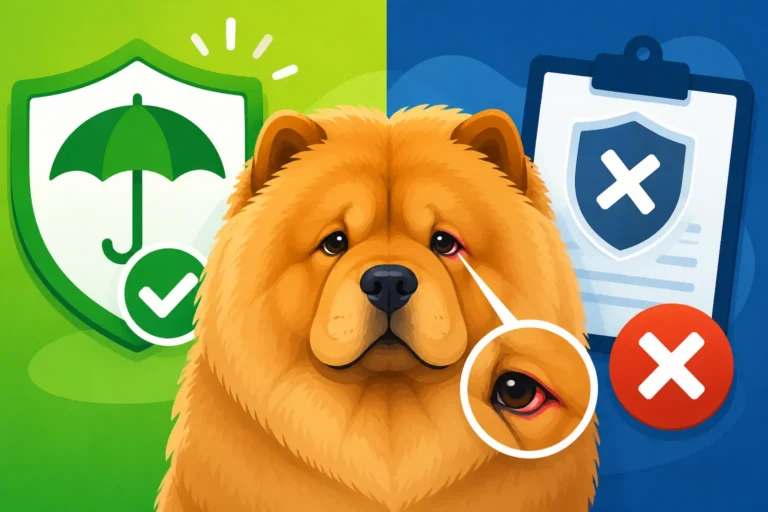
If you suspect heat stroke, immediately begin emergency cooling procedures. Move your Chow Chow to the coolest possible area. Apply cool (not ice cold) water to their fur, especially on their belly, inner thighs, and paw pads. Use a fan to help with evaporation. Offer small amounts of water if they can drink. Then, call your vet immediately or head to the nearest emergency veterinary clinic. Even if they seem to recover, a vet visit is essential to check for internal organ damage. The costs associated with treating heat stroke can be substantial, often running into thousands of dollars for hospitalization, fluids, and supportive care. This is where having pet insurance, such as coverage from Healthy Paws, can be a literal lifesaver, helping to alleviate the financial burden during such a critical time. You can learn more about How to Cool a Chow Chow Down Fast and also consider What Heat Stroke Costs to Treat in a Chow Chow for planning purposes.
Proactive Strategies for a Cooler, Safer Chow Chow
The best offense against heat stroke is a strong defense. As a Chow Chow owner, you become a proactive manager of their thermal environment. This means adopting daily routines and making necessary adjustments to their living space to ensure they stay comfortable and safe, especially when temperatures begin to climb.
Adjusting Your Daily Routine for Cooler Comfort
One of the simplest yet most effective ways to protect your Chow Chow is to dramatically shift their daily schedule to avoid the hottest parts of the day. This isn't just about limiting long walks; it's about re-evaluating every outdoor exposure.
- Early Morning and Late Evening Walks: Forget midday strolls. The golden rule for Chow Chows in warm weather is to walk them only during the coolest parts of the day. This typically means before 8:00 AM and after 8:00 PM, depending on your local climate. Even then, keep these outings brief and on grass, avoiding hot pavement. Understanding When a Chow Chow Should Be Walked in Summer is non-negotiable for their safety.
- Indoor Play and Enrichment: When outdoor temperatures are iffy, shift all exercise and mental stimulation indoors. Engage them with puzzle toys, scent games, training sessions in a cool room, or even just some gentle playtime in an air-conditioned space. This satisfies their need for activity without risking overheating.
- Supervised Potty Breaks: Even quick potty breaks outside need to be managed. Always accompany your Chow Chow, choose shady spots, and ensure they don't linger longer than necessary. Keep a close eye on their breathing and demeanor during these short outings.
- Never Leave Them Unattended: Seriously, never leave your Chow Chow alone in a car, even for a "quick" errand. The temperature inside a vehicle can skyrocket in minutes, leading to fatal heat stroke. Even on a mild 70°F day, a car's interior can reach 100°F in 20 minutes.
Essential Gear and Environmental Modifications
Creating a cool haven for your Chow Chow involves more than just routine adjustments; it means modifying their environment and providing them with tools to aid in cooling.
- Air Conditioning is Your Best Friend: For Chow Chows, especially in warm climates, air conditioning isn't a luxury; it's a necessity. Their comfort zone is typically between 68-72°F (20-22°C). If you don't have AC, consider window units for the rooms they frequent most. You might even find yourself asking Whether a Chow Chow Needs Air Conditioning more often than you'd think.
- Cooling Mats and Vests: These can be incredibly helpful. Cooling mats, often gel-filled, absorb body heat and provide a cool surface for your Chow Chow to lie on. Cooling vests, which you soak in water and then put on your dog, use evaporative cooling to help lower core body temperature. While they don't replace AC, they offer supplementary relief. Consider researching Whether a Cooling Mat Actually Helps a Chow Chow and What a Chow Chow's Cooling Vest Costs to find the best options.
- Fans and Strategic Airflow: Place fans at ground level to help circulate air and create a breeze. Combining a fan with a damp towel draped over your Chow Chow (ensuring constant airflow to prevent humid air trapping) can also offer relief.
- Access to Shade: If your Chow Chow spends any time outdoors, whether in a yard or on a patio, ensure there is constant, ample shade available. Trees, awnings, or shade sails are crucial.
- Kiddie Pools: A shallow kiddie pool filled with a few inches of cool water can be a fantastic way for some Chows to cool off. Many enjoy wading or even lying down in the water. Just ensure the water is clean and fresh, and never leave them unsupervised.
Hydration and Feeding in Hot Weather
Proper hydration and thoughtful feeding practices are critical components of heat management for your Chow Chow. Just like us, they need more water when it's warm, and sometimes, their appetite changes.
- Constant Access to Fresh, Cool Water: This sounds obvious, but it bears repeating: your Chow Chow must have unlimited access to fresh, cool water at all times. Place multiple water bowls around the house and outside, ensuring they are always full. Consider adding ice cubes to their water or using a ceramic bowl, which stays cooler longer than plastic. How Much Water a Chow Chow Drinks in Summer can increase significantly, so be prepared to refill bowls frequently.
- Consider a Water Fountain: Some dogs are encouraged to drink more by the circulating water of a pet fountain. The movement and freshness can be appealing.
- Hydrating Treats: Offer frozen treats like plain yogurt, dog-safe fruit popsicles (no xylitol!), or even just frozen cubes of low-sodium broth. These can provide hydration and a welcome cool-down.
- Adjust Feeding Times: Just as you adjust walk times, consider feeding your Chow Chow during cooler parts of the day. Some dogs may have reduced appetites in extreme heat. Don't worry too much if they eat a little less, as long as they are otherwise healthy and hydrated. Avoid feeding a large meal right before or after any activity, as digestion can generate heat.
- Monitor Water Intake: Be aware of how much your Chow Chow is drinking. Excessive drinking could be a sign of underlying issues, but in hot weather, increased intake is normal. If it seems truly excessive or combined with other concerning symptoms, consult your vet. Pet insurance like
Healthy Pawscan provide peace of mind for unexpected vet visits, whether it's for heat-related issues or other health concerns.
By taking these proactive steps and being constantly vigilant, you can drastically reduce the risk of your Chow Chow overheating and ensure they enjoy the warmer months safely and comfortably.
Disclaimer
The information provided in this guide is for general informational purposes only and does not constitute veterinary advice. Always consult with a qualified veterinarian for any health concerns or before making any decisions about your pet's health or treatment.