Whether a Chow Chow Belongs in a Hot Climate
Many of us dream of swapping cold winters for endless sunshine, perhaps moving to a beautiful, warm climate. But for those of us who share our lives with a magnificent Chow Chow, this dream often clashes with a stark reality: these incredible dogs are simply not built for the heat. Ignoring their unique physiology in warmer temperatures isn't just uncomfortable for them; it can be incredibly dangerous, even fatal. This guide will delve deep into why Chows struggle in the heat, how to identify and prevent overheating, and what truly living in a hot climate with one entails.
Why Chow Chows Struggle So Much in the Heat
It's not just their fluffy appearance that makes Chow Chows susceptible to heat. Their physiology, meticulously developed over centuries in colder regions of Asia, makes them particularly unsuited for warm and humid environments. Understanding these core biological traits is the first step toward keeping your beloved companion safe.
The Double Coat's Role in Temperature Regulation
The Chow Chow's most striking feature, their dense, lion-like double coat, is a marvel of natural engineering – but for cold weather. This coat consists of two distinct layers: a soft, woolly undercoat that provides immense insulation, and a coarser, longer outer coat that protects against elements like snow and wind. In their native northern China and Mongolia, this coat was vital for survival, trapping a layer of warm air close to the body to keep them cozy.
However, in a hot climate, this insulation becomes a significant liability. Instead of trapping warmth, it traps heat. It acts like a thick, non-breathable blanket, preventing your Chow Chow's body heat from escaping into the environment. Imagine trying to cool down on a scorching summer day while wearing a heavy down jacket; that's essentially what your Chow Chow experiences. The dense nature of their coat also severely limits air circulation to their skin, making it incredibly difficult for them to shed excess heat. This is precisely Why a Chow Chow's Double Coat Traps Heat, making hot weather a constant battle.
Some well-meaning but misinformed owners might think that shaving their Chow Chow will solve the problem. Unfortunately, this is a common misconception and often does more harm than good. Shaving a double-coated breed can disrupt the natural growth cycle of their fur, leading to uneven or "blown" coat regrowth that is less efficient at insulating, and paradoxically, less effective at cooling. The undercoat can grow back thicker and coarser, while the guard hairs may not grow back correctly, leaving them susceptible to sunburn, insect bites, and impaired temperature regulation in the long run. If you're wondering Why Shaving Does Not Cool a Chow Chow, it's because their coat is designed as a dynamic system; removing it can throw that system into disarray.
Their Brachycephalic Features and Breathing
Beyond their majestic coat, Chow Chows possess another significant physiological trait that hinders their ability to cope with heat: they are a brachycephalic breed. This means they have a characteristically short muzzle and a broad skull. While undeniably charming, these facial features come with inherent respiratory challenges. The shortened snout often means they have narrowed nostrils, an elongated soft palate, and sometimes even a hypoplastic (underdeveloped) trachea, all of which restrict airflow.
Dogs primarily cool themselves through panting. This process involves rapidly breathing in and out, allowing moisture to evaporate from their tongue and the lining of their respiratory tract, which in turn carries heat away from their body. For a brachycephalic dog like a Chow Chow, these restricted airways make panting far less efficient. They have to work much harder to move air, and even then, the reduced surface area for evaporation means they can't cool down as effectively as a dog with a longer snout. This is why you'll often hear a Chow Chow breathing noisily, even at rest, and why Why a Chow Chow's Short Muzzle Cools Poorly is such a critical concern in hot weather.
The struggle to breathe efficiently quickly translates into an inability to dissipate heat. Even moderate exertion or mild temperatures can quickly overwhelm their respiratory system. What might be a comfortable sniff-walk for a Labrador could quickly push a Chow Chow into respiratory distress, leading to a rapid and dangerous rise in internal body temperature. Their unique facial structure, while part of their breed standard, undeniably poses a significant challenge when the mercury rises.
Their Activity Level and Metabolism
Chow Chows are often described as calm and dignified, not known for being overly energetic or requiring strenuous exercise. However, even their typical low-to-moderate activity levels can quickly generate more body heat than they can effectively shed in a warm environment. Every muscle movement, every step, every wag of the tail produces metabolic heat.
For a breed that already struggles with inefficient cooling due to their dense coat and brachycephalic features, this internal heat generation becomes a compounding problem. Their stocky build and substantial body mass mean they simply don't have the surface area-to-volume ratio that allows smaller or leaner dogs to cool down faster. A short, seemingly innocuous walk around the block in what might feel like pleasant summer weather to a human can be a critically dangerous activity for a Chow Chow.
It’s crucial to understand that their tolerance for heat is drastically lower than many other breeds. What you might consider a mild or "warm" day (say, above 75°F or 24°C) can be exceptionally risky for a Chow. For an owner living in a hot climate, knowing What Temperature Is Too Hot for a Chow Chow isn't just academic; it's vital for your dog's survival. Even minimal exertion in these conditions can quickly tip the balance, leading to a rapid onset of overheating.
Recognizing and Preventing Heat-Related Issues
Because Chow Chows are so prone to overheating, it's absolutely crucial for owners to not only understand why they struggle but also to recognize the warning signs and implement proactive prevention strategies. A delay of mere minutes can mean the difference between a scare and a tragedy.
Signs of Overheating and Heatstroke
Heatstroke is a life-threatening condition that can progress with alarming speed in a Chow Chow. The earlier you recognize the signs, the better the chances of a positive outcome.
Initially, your Chow Chow might show subtle signs of discomfort. You'll likely observe excessive panting, often heavier and more labored than usual, accompanied by increased drooling. They might seek out the coolest spot in the house, flatten themselves against cool tiles, or refuse to move from the shade outside. Their gums might appear a darker red than normal, indicating increased blood flow as their body tries to cool itself.
As overheating progresses into full-blown heatstroke, the symptoms become much more severe and alarming. You might notice weakness or staggering, a rapid heart rate, and an almost frantic look in their eyes. Vomiting and diarrhea are common, and in severe cases, their gums can turn pale, blue-tinged, or even purple as their circulatory system starts to fail. They may become disoriented or even collapse. If you see Signs a Chow Chow Is in Heat Stroke, you are already in an emergency situation.
The progression from slightly overheated to critical heatstroke can happen in minutes with a Chow Chow, without much warning. Never underestimate the severity of these symptoms, and always treat suspected heatstroke as an immediate medical emergency.
Emergency First Aid and Vet Care
If you suspect your Chow Chow is overheating or suffering from heatstroke, immediate action is paramount. Your first priority is to get them out of the heat and begin cooling them down, but gently.
- Move to a cooler area: Immediately get your Chow into an air-conditioned space, a shaded area, or even a cool car if that’s the quickest route to a controlled environment.
- Apply cool water: Wet your dog with cool (not ice-cold!) water. Focus on areas with good blood flow, like the belly, paw pads, armpits, and groin. You can use a hose on a gentle setting, wet towels, or even just pour water from a bottle. Ice-cold water can cause the blood vessels to constrict, which ironically traps heat, and can also induce shock.
- Use a fan: If available, direct a fan onto your dog to encourage evaporative cooling.
- Offer small sips of water: If conscious and willing to drink, offer small amounts of cool water. Do not force them to drink.
Even if your Chow Chow seems to recover quickly, you must get them to a veterinarian immediately. Heatstroke can cause severe internal damage to organs like the kidneys, liver, brain, and heart, which may not be apparent for hours or even days. A veterinary professional can assess the extent of internal damage, provide IV fluids to combat dehydration and shock, administer oxygen, and monitor for complications. This critical intervention is vital. Dealing with heatstroke can be incredibly expensive, often requiring emergency hospitalization and extensive treatment. This is where a robust pet insurance plan, like one from Healthy Paws, can be an absolute godsend, helping to cover the often prohibitive costs of emergency care. Understanding What Heat Stroke Costs to Treat in a Chow Chow helps you prepare for such an unthinkable emergency.
Proactive Cooling Strategies
The absolute best defense against heat-related illness in a Chow Chow is prevention. You cannot be too careful when it comes to keeping them cool.
First and foremost, avoid the hottest parts of the day for any outdoor activity. This means no walks, no yard time, and certainly no strenuous play between late morning and early evening. Stick to very early mornings or late evenings when the sun has gone down and the ambient temperature has dropped significantly. Always check the temperature of the asphalt or pavement with your hand; if it’s too hot for your bare hand for five seconds, it’s too hot for your Chow Chow’s paws.
Hydration is also crucial. Always ensure your Chow Chow has access to fresh, cool water. Consider adding ice cubes to their water bowl to keep it cooler for longer, or invest in multiple water stations around your home and yard.
Utilize cooling aids designed for dogs. Cooling vests, which you can wet down to provide evaporative cooling, can be beneficial for short outdoor excursions, but they are not a substitute for staying indoors. Cooling mats, which contain gel that activates with pressure, offer a cool spot for your Chow to lie on. Some Chows also enjoy a shallow kiddie pool filled with a few inches of cool water, allowing them to wade and cool their paw pads and belly. These small measures can make a big difference in maintaining comfort and preventing a crisis. Learning How to Cool a Chow Chow in Summer effectively can prevent emergency vet visits.
And this cannot be stressed enough: NEVER, EVER leave a Chow Chow in a car, even for a minute, even with the windows cracked. The interior temperature of a car can skyrocket to dangerous levels in mere minutes, even on a seemingly mild day. This is a non-negotiable rule that applies regardless of outside temperature or how quickly you think you'll "just run in."
Creating a Heat-Safe Environment for Your Chow Chow
For Chow Chow owners in hot climates, creating a consistently cool and safe environment isn't just a suggestion; it's a fundamental responsibility. Their well-being depends on your ability to modify their surroundings and adapt their daily routine.
Indoor Cooling Solutions
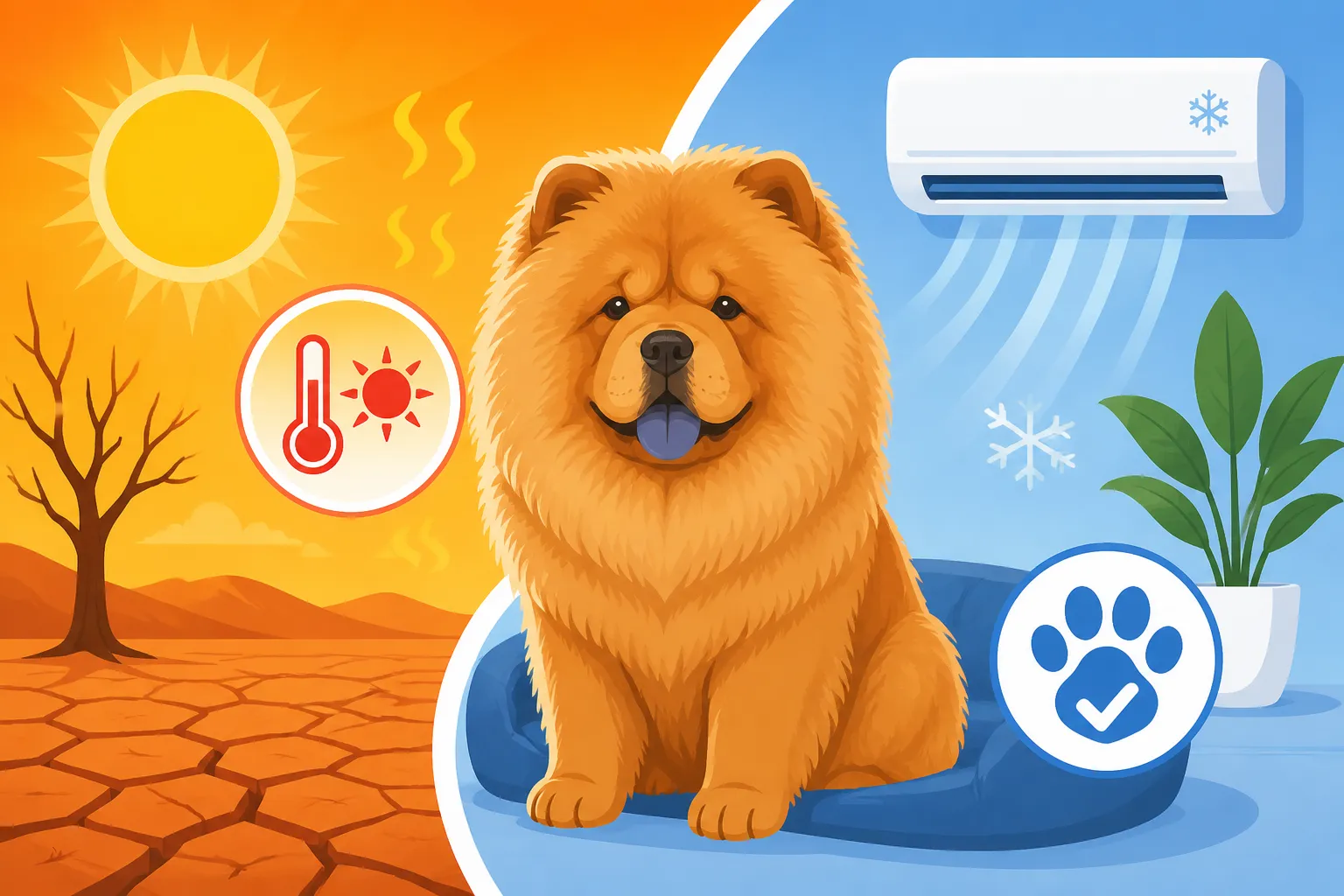
In many hot climates, air conditioning is not a luxury for a Chow Chow; it is an absolute necessity. Relying solely on fans or open windows simply won't cut it when ambient temperatures climb. Your home needs to be a refuge from the heat, maintaining a comfortable and consistent indoor temperature, ideally between 70-75°F (21-24°C), even if it means higher utility bills. This commitment is central to ensuring your Chow's safety and comfort, and is why many owners wonder Whether a Chow Chow Needs Air Conditioning.
While fans can help circulate air and create a feeling of coolness for humans, they primarily work by facilitating evaporative cooling from our skin. For a dog that primarily cools through panting and has a thick insulating coat, fans alone are insufficient to lower their core body temperature significantly. They should be considered a supplementary aid, not a primary cooling method.
Provide cool, easily accessible surfaces for your Chow Chow to lie on. Tiled floors, basements, or specialized cooling mats can offer a welcome respite. If you have multiple floors, remember that heat rises, so the lowest level of your home will often be the coolest. Keeping blinds and curtains closed during the hottest parts of the day can also significantly reduce the amount of heat radiating into your home, helping to maintain a lower internal temperature. Maintaining The Temperature a Chow Chow Should Stay Indoors is crucial for their long-term health.
Outdoor Shade and Water Access
Even with strict indoor cooling, some outdoor time for potty breaks is unavoidable. When your Chow Chow absolutely must be outside in a warm climate, ensuring abundant shade is paramount. Direct sunlight can cause a Chow Chow's body temperature to rise at an alarming rate. Look for dense natural shade from trees, or provide artificial shade with sturdy tarps, canopies, or well-ventilated dog houses that don't trap heat. Never rely on partial shade; ensure complete protection from direct sun.
Constant access to fresh, cool water is also non-negotiable. Place multiple water bowls in shaded areas of your yard, constantly refilling them with cool water throughout the day. Consider using large, heavy ceramic bowls that are harder to tip over and help keep water cooler than plastic. A self-filling water bowl connected to a hose, or a large pet fountain, can also ensure a continuous supply.
For Chows that are amenable, a shallow kiddie pool filled with cool water can be a fantastic way for them to regulate their temperature. They might not go for a full swim, but simply wading and cooling their paw pads and belly can provide significant relief. Supervise them closely to ensure they don't ingest too much water or get distressed. However, it's critical to emphasize that even with all these precautions, outdoor time in hot climates should be minimal and heavily supervised. Prolonged exposure, even in shade, is a gamble you don't want to take.
Adjusting Exercise Routines
Your Chow Chow's exercise routine needs a complete overhaul if you live in a hot climate. Forget leisurely afternoon strolls or mid-day park visits. All outdoor activity must be shifted to the coolest parts of the day – typically very early morning (before 7 AM) or late evening (after 8 PM, once the sun has truly set and surfaces have cooled).
Keep walks short and focused solely on potty breaks. Avoid any strenuous activity, running, or prolonged play that could cause their body temperature to spike. A brisk 15-20 minute walk might be the absolute maximum they can safely tolerate, and even then, you need to be constantly monitoring for signs of overheating. Always check the ground temperature. Asphalt, concrete, and even sand can absorb and retain heat, causing painful burns to their paw pads.
On days when temperatures are truly extreme, it's safer to skip outdoor walks entirely. Instead, focus on indoor mental enrichment. Puzzle toys, interactive feeders, scent games, and short, engaging training sessions can help tire your Chow Chow mentally without putting them at risk physically. For many Chow Chow owners, this radical adjustment to their routine is simply part of Getting a Chow Chow Through an American Summer. It's a critical part of their care in challenging climates.
Considering a Hot Climate with a Chow Chow
Bringing a Chow Chow into a hot climate, or moving to one with an existing Chow, is a decision that requires serious contemplation. It's not just about managing day-to-day comfort; it's about the long-term impact on their health and your lifestyle.
Geographic Considerations and Regional Differences
"Hot climate" isn't a monolithic term; it encompasses a wide range of conditions that can impact a Chow Chow differently. For instance, the dry heat experienced in parts of Arizona or Southern California, while intense, might allow for slightly more efficient evaporative cooling through panting compared to the stifling, humid heat of places like Florida or the Gulf Coast. High humidity significantly reduces a dog's ability to cool down because the air is already saturated with moisture, making evaporation from their respiratory tract much less effective. This means a Chow Chow in a humid climate will struggle even more than one in a dry, hot climate at the same temperature.
Beyond generalized climate zones, microclimates also play a role. Urban environments, with their vast expanses of concrete, asphalt, and brick, create "heat islands." These surfaces absorb and radiate heat long after the sun has gone down, meaning a city park or a suburban street can remain dangerously hot well into the evening. A seemingly temperate day can quickly become hazardous in such an environment.
Even if you don't live in a perennially hot region, unexpected heatwaves are becoming more common across many parts of the world. These events demand the same, if not greater, vigilance and preparation. Regardless of where you live, thoroughly researching local climate patterns, typical summer temperatures, and humidity levels is essential before committing to life with a Chow Chow.
The Cost and Commitment of Extreme Heat Management
Living with a Chow Chow in a hot climate entails a substantial financial and personal commitment that many owners underestimate. Financially, you're looking at significantly higher electricity bills to keep your air conditioning running constantly, sometimes for months on end. This isn't just about comfort; it's about life support for your dog. Beyond utilities, there are the costs of cooling products like vests, mats, and kiddie pools, which need to be replaced periodically. And, tragically, there's the ever-present risk of emergency veterinary bills for heat-related illnesses, which can easily run into thousands of dollars for hospitalization and critical care. Having a comprehensive pet insurance plan, perhaps from a provider like Healthy Paws, can certainly offer a crucial safety net for these unforeseen medical expenses, but it doesn't cover the consistent operational costs.
The commitment extends far beyond money. Your lifestyle will inevitably revolve around keeping your Chow cool. Spontaneous outdoor activities become nearly impossible. Walks become meticulously planned, dawn or dusk affairs. You'll constantly be monitoring weather forecasts, house temperatures, and your dog's demeanor. This isn't a "set it and forget it" situation; it requires continuous, active management. For the entire duration of The Eight to Twelve Years a Chow Chow Gets, you're effectively fighting against their natural biology every summer. This means making sacrifices in your own outdoor activities and social life to ensure your Chow Chow's safety.
When Rehoming Might Be a Difficult Reality
This is perhaps the hardest truth to face for any loving pet owner: sometimes, despite your best intentions and efforts, a hot climate is simply incompatible with a Chow Chow's well-being. If, after implementing every possible cooling strategy and making significant lifestyle adjustments, your Chow Chow consistently struggles, shows signs of distress, or has repeated heat-related scares, you may need to consider if you can truly provide them with a safe and comfortable life.
The ethical responsibility of a pet owner is to prioritize their animal's health and quality of life above personal desire. It's a painful but courageous decision to acknowledge that your current environment might be detrimental to your dog. If you cannot consistently provide a reliably cool environment, and your Chow Chow is perpetually at risk, exploring responsible rehoming options is an act of profound love.
This might involve seeking out breed-specific rescues that specialize in placing Chow Chows in appropriate homes, often with experienced owners in cooler climates. You could also reach out to trusted friends or family members who live in more temperate regions and understand the breed's unique needs. This is always a last resort, but one that demonstrates a deep understanding of the breed's vulnerabilities, especially regarding Heat Is the Chow Chow's Most Immediate Danger. It's about ensuring your Chow Chow gets the chance to live a full, comfortable, and safe life, even if it's not with you in that particular environment.
| Challenge for Chow Chows in Hot Climates | Why It's a Problem | Practical Solutions |
|---|---|---|
| Dense Double Coat | Traps heat, prevents efficient cooling, causes rapid overheating. | Never shave; provide constant indoor AC; use cooling vests/mats; avoid direct sun. |
| Brachycephalic Muzzle | Impaired panting efficiency due to restricted airways. | Limit activity to cooler hours; monitor breathing; seek immediate vet care if distressed. |
| High Metabolic Heat | Even low activity generates heat they struggle to dissipate. | Keep walks short & slow; prioritize indoor mental stimulation; use cooling aids. |
| Risk of Heatstroke | Rapid onset of life-threatening internal organ damage. | Learn early signs; have emergency plan; know vet contact; consider pet insurance (e.g., Healthy Paws). |
| Humidity | Worsens heat retention, makes panting less effective. | Maintain even lower indoor temps; use dehumidifiers; strictly limit outdoor exposure. |
| Pavement/Asphalt Heat | Absorbs and radiates intense heat, burning paws. | Test surface with hand; walk only on grass; consider paw protection booties for short excursions. |
Disclaimer
This article is for general informational purposes only and does not constitute professional advice. Laws, prices and regulations vary by location and change over time. Consult a qualified professional for guidance on your specific situation.